
hapad

5 products

Showing 1 - 5 of 5 products

Hapad Foot Pads & Cushions: Targeted Comfort for Every Step

Hapad has built a reputation for crafting wool felt foot pads and cushions designed to provide targeted support exactly where it's needed. Whether someone is looking for relief during long days on their feet, extra cushioning for athletic activity, or added support inside everyday footwear, this collection brings together Hapad's focused lineup of foot care accessories — all available in one place at Cart Health.
Showing 1 - 5 of 5 products
View
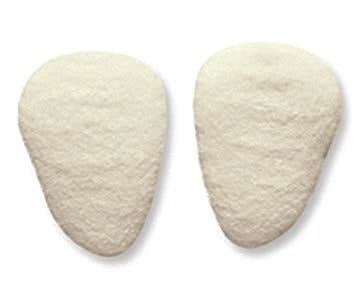
Hapad Metatarsal Cushion - 301314_PR - 1
Hapad Metatarsal Cushion
Sale priceFrom $9.99
Choose options
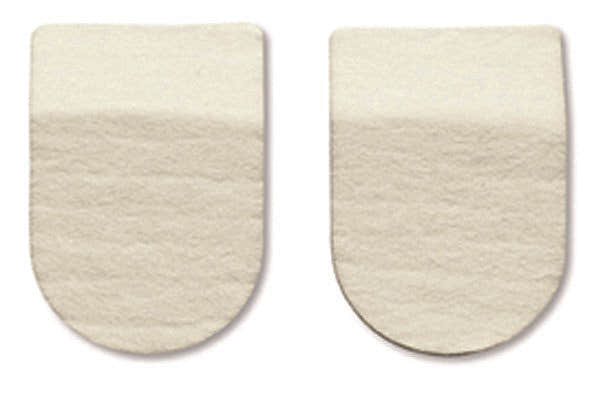
Hapad Heel Pad - 301328_PR - 1
Hapad Heel Pad
Sale priceFrom $10.99
Choose options
Hapad Heel Wedge - 455904_PR - 1
Hapad Heel Wedge
Sale priceFrom $15.99
Save 41%
Hapad Dancer Pad - 486374_PR - 1
Hapad Dancer Pad
Sale price$12.99 Regular price$21.99
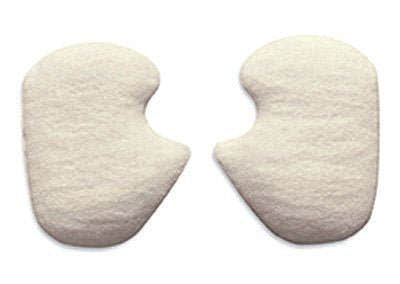
Hapad Metatarsal Bar - 634469_PR - 1
Hapad Metatarsal Bar
Sale price$18.99

Frequently Asked Questions about hapad

Hapad orthotic inserts are cushioning and support products designed to relieve foot pain caused by conditions like metatarsalgia, heel pain, and pressure point discomfort. Hapad products use a unique felted wool construction that molds to the shape of your foot over time, providing customized support without rigid materials.

Hapad foot pads and cushions are designed for people experiencing chronic foot pain, including those with metatarsalgia, plantar fasciitis, heel spurs, or forefoot pressure issues. Athletes, older adults, and anyone who spends long hours on their feet may also benefit from the added cushioning and support these products provide.

Place a metatarsal cushion just behind the ball of your foot, positioning the pad so it sits directly under the metatarsal heads to redistribute pressure away from painful areas. Most pads are self-adhesive and can be applied directly inside your shoe or onto an existing insole for a secure fit.

Choose a heel pad when you need general cushioning and shock absorption under the heel, and choose a heel wedge when you need angled elevation to relieve tension in the Achilles tendon or address leg length discrepancies. Your specific foot condition and the advice of a podiatrist can help guide the right selection.

Yes, Hapad foot cushions can generally be used in most shoe types, including athletic shoes, dress shoes, and work boots, as long as there is enough interior space to accommodate the pad without crowding the foot. Thinner profiles work best in low-volume footwear where space is limited.

Hapad products differ from standard foam insoles because Hapad uses a compressed felted wool material that progressively molds to the contours of an individual foot rather than flattening out over time. This means Hapad cushions tend to maintain their supportive shape longer than typical foam or gel alternatives.

Felted wool is generally well-tolerated by most people, but individuals with a known wool or lanolin sensitivity should consult a healthcare provider before using Hapad wool-based foot pads. Wearing a thin sock liner between the pad and bare skin can also help reduce direct contact for those with mild sensitivities.

Hapad foot pads offer a clinical-grade alternative to basic drugstore insoles, particularly for people dealing with specific foot conditions that require targeted support rather than general cushioning. The felted wool construction provides longer-lasting performance, which can make Hapad products a more cost-effective choice over time despite a higher upfront cost.

Spot clean Hapad foot cushions with a damp cloth and mild soap, then allow them to air dry completely before placing them back in your shoe. Avoid machine washing or submerging the pads in water, as excessive moisture can break down the felted wool material and reduce its supportive properties.

Hapad orthotic pads typically last several months with regular daily use, though the exact lifespan depends on activity level, body weight, and how frequently the pads are worn. Signs that a Hapad pad needs replacement include noticeable thinning, loss of cushioning, or a change in the way the pad feels underfoot.

Recently viewed