Health Monitors

45 products

Showing 1 - 24 of 45 products

Shop our Selection of Health Monitors

Health monitors are used to track and measure vital signs and other health indicators. With a health monitor, you can easily keep an eye on your health status and make sure that you are receiving the best care possible. Here are some of the benefits of using a health monitor:
Showing 1 - 24 of 45 products
View
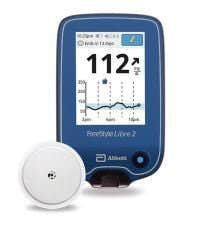
FreeStyle Libre 2 Continuous Glucose Monitor - 1186230_EA - 2
Omron 7 Series Digital Blood Pressure Wrist Unit, Automatic Inflation, Adult, One Size Fits Most -Each
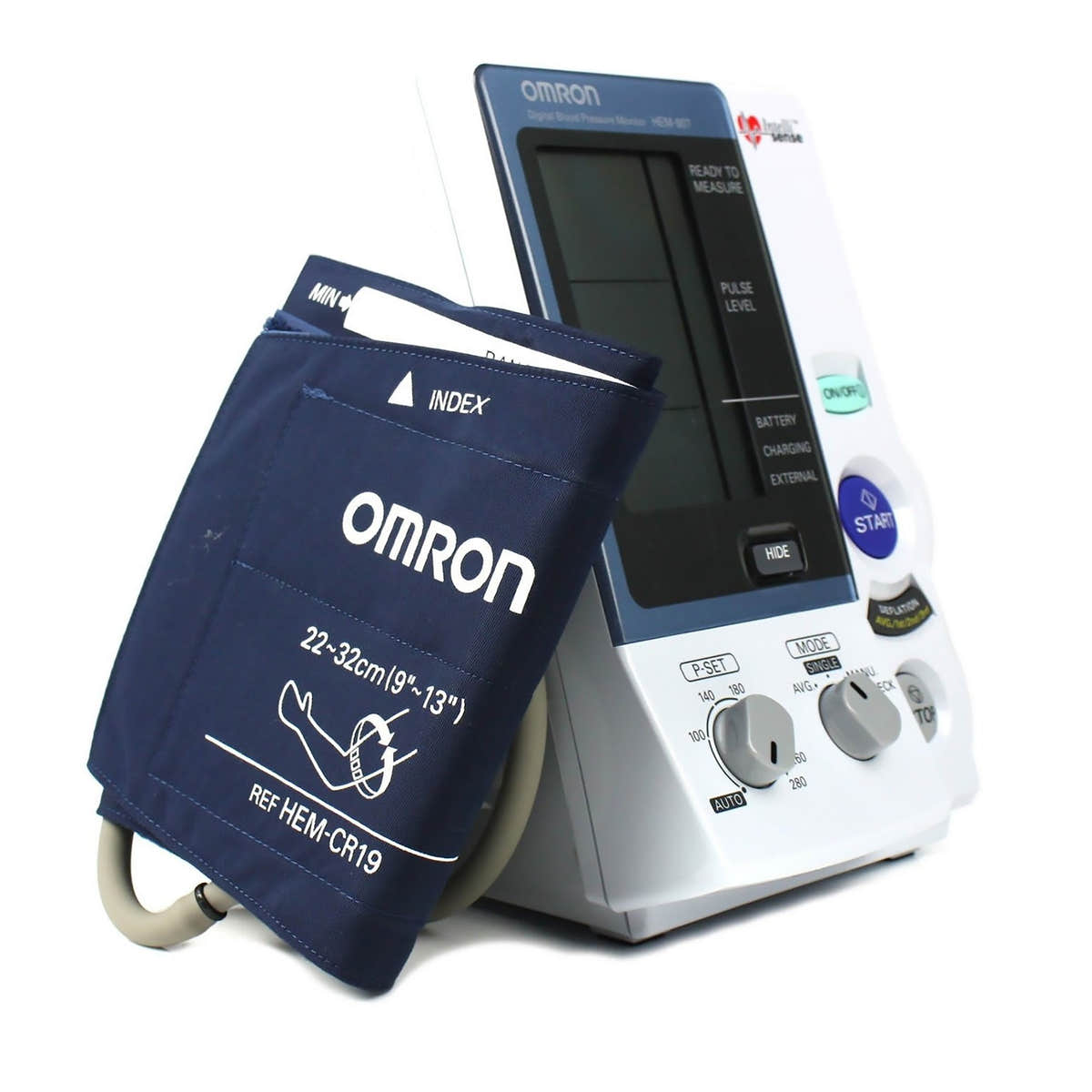
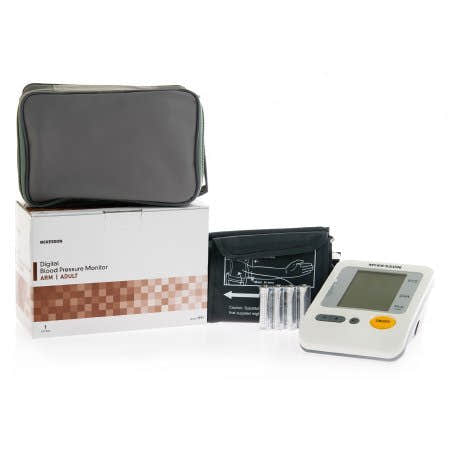
Omron Digital Blood Pressure Monitoring Unit -Each
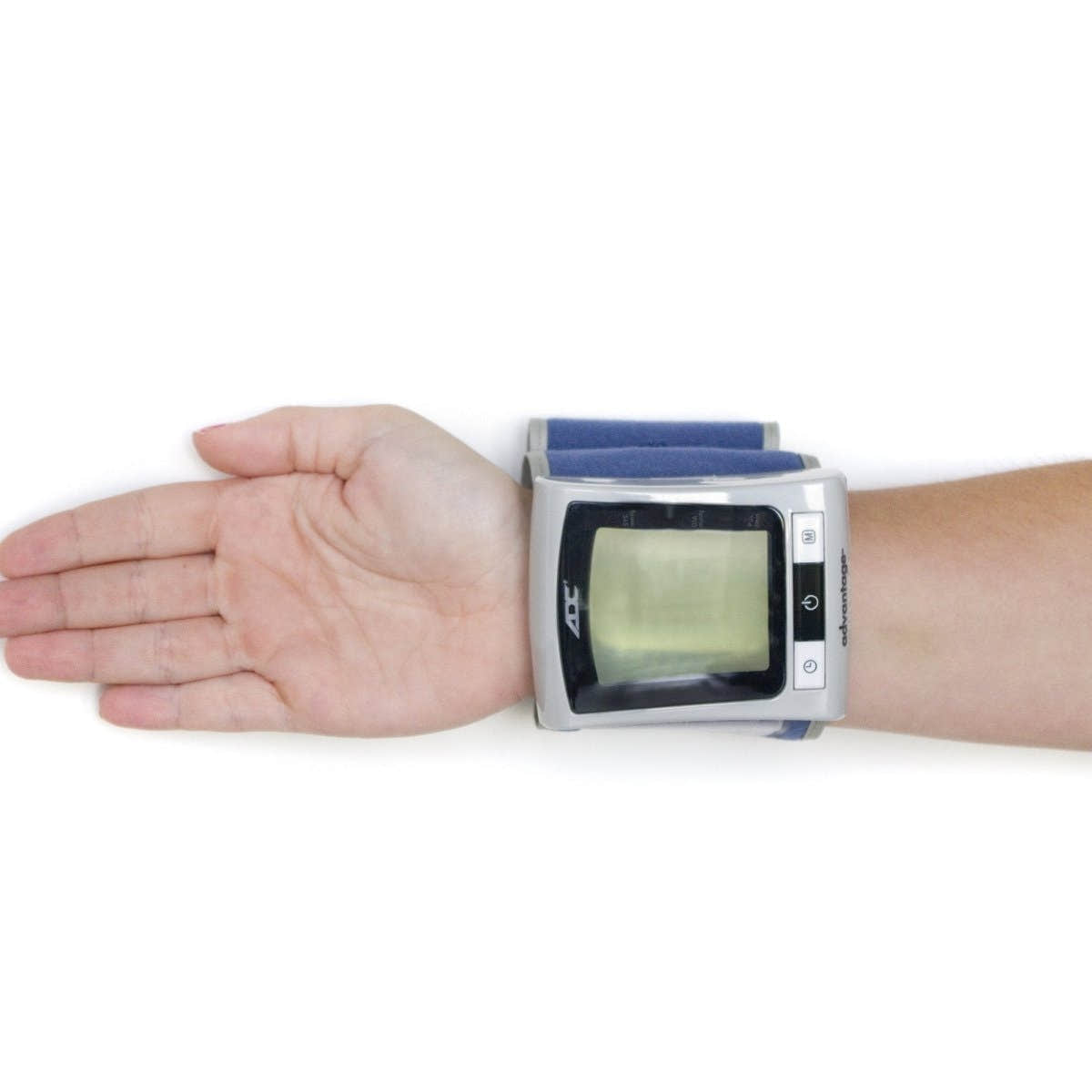
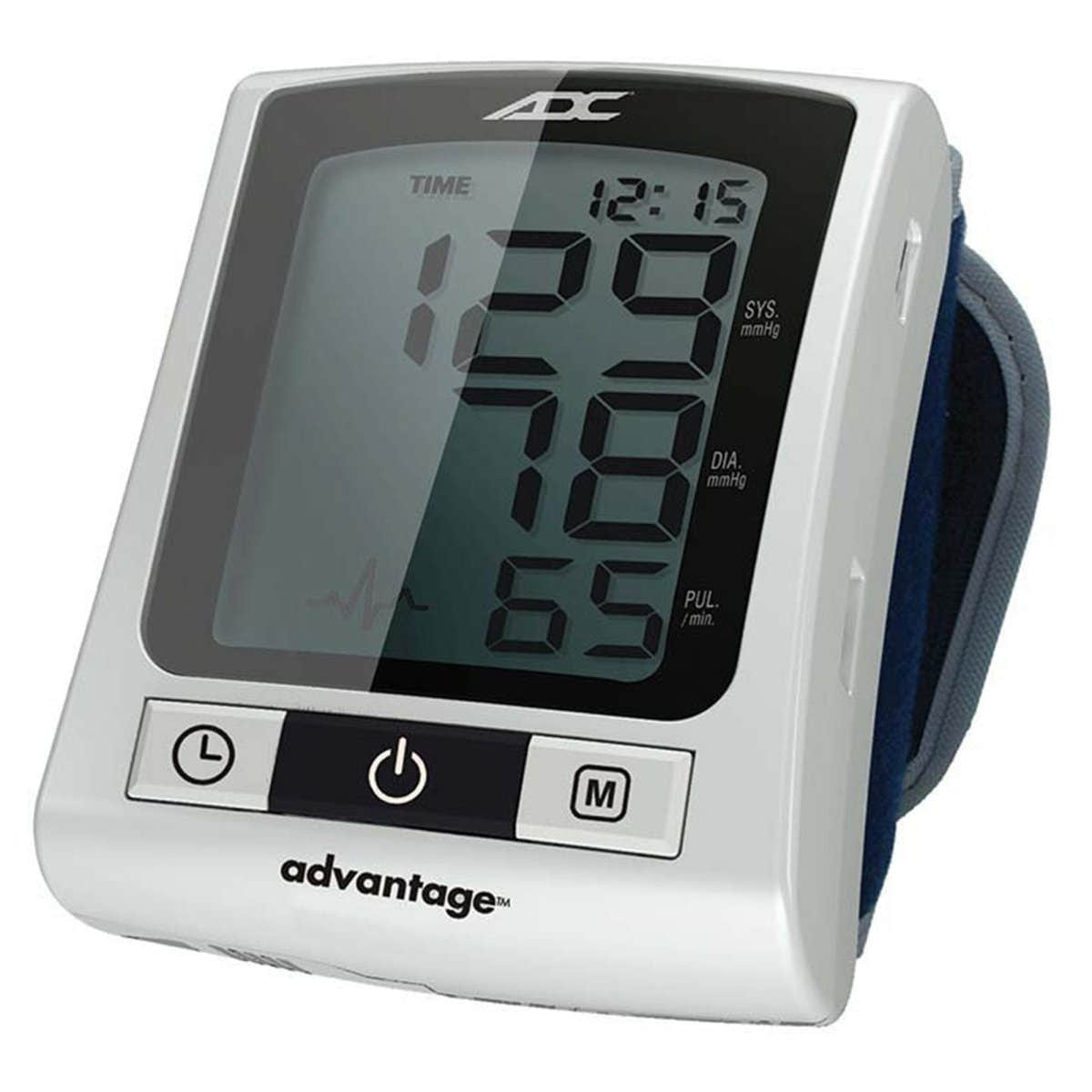
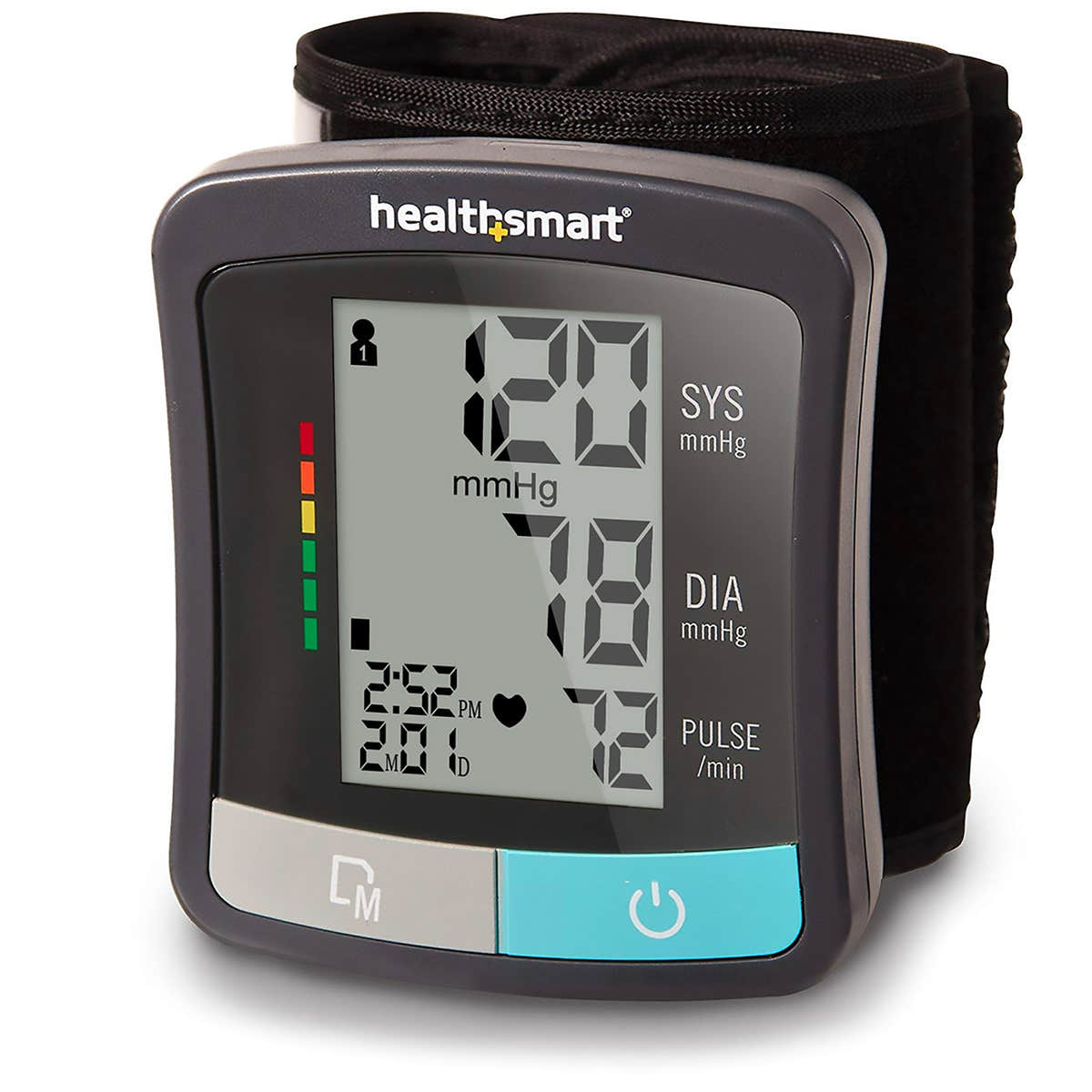
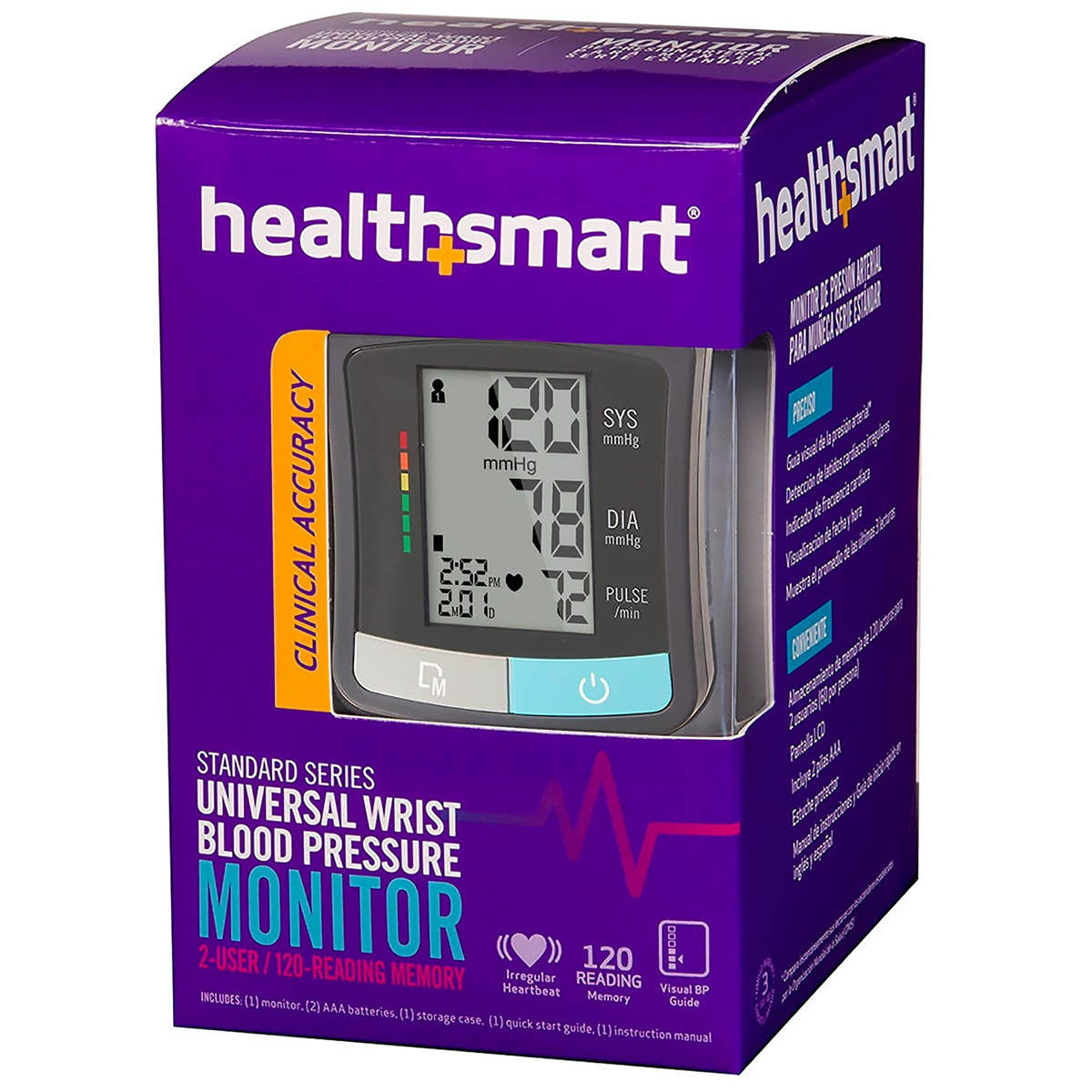
Advantage Wrist Digital Blood Pressure Monitor - 942865_EA - 1
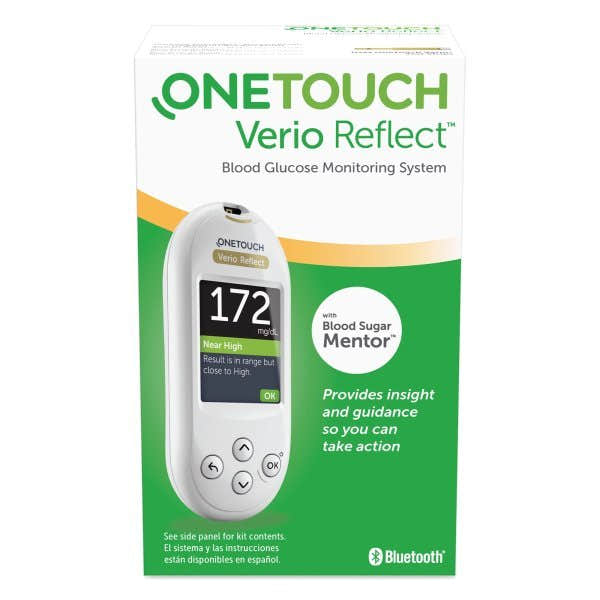
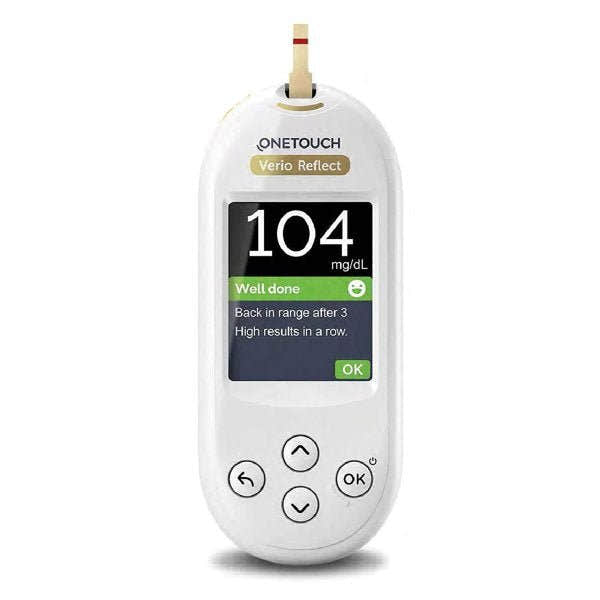
TRUE METRIX Blood Glucose Meter - 984036_EA - 1
TRUE METRIX Blood Glucose Meter
Sale priceFrom $14.99
Save 16%
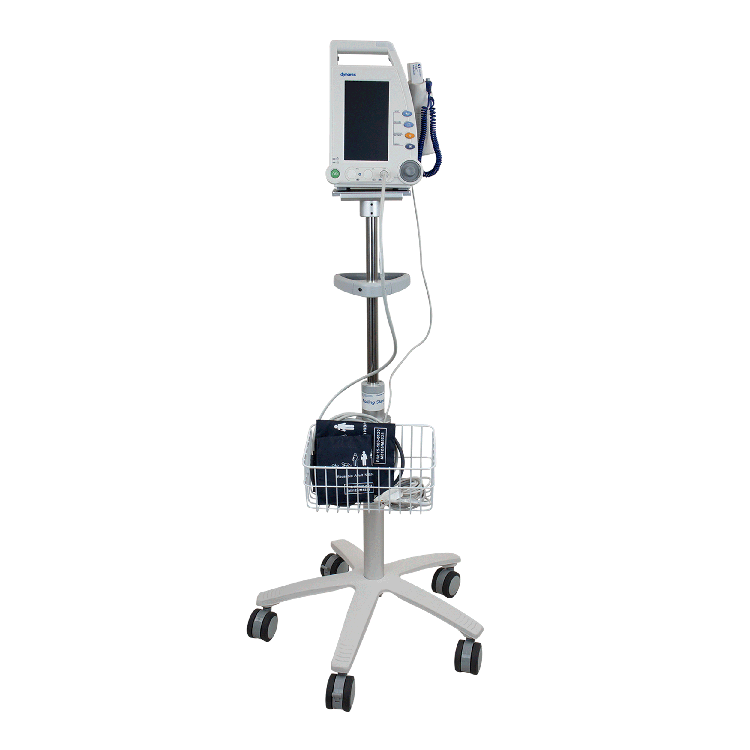
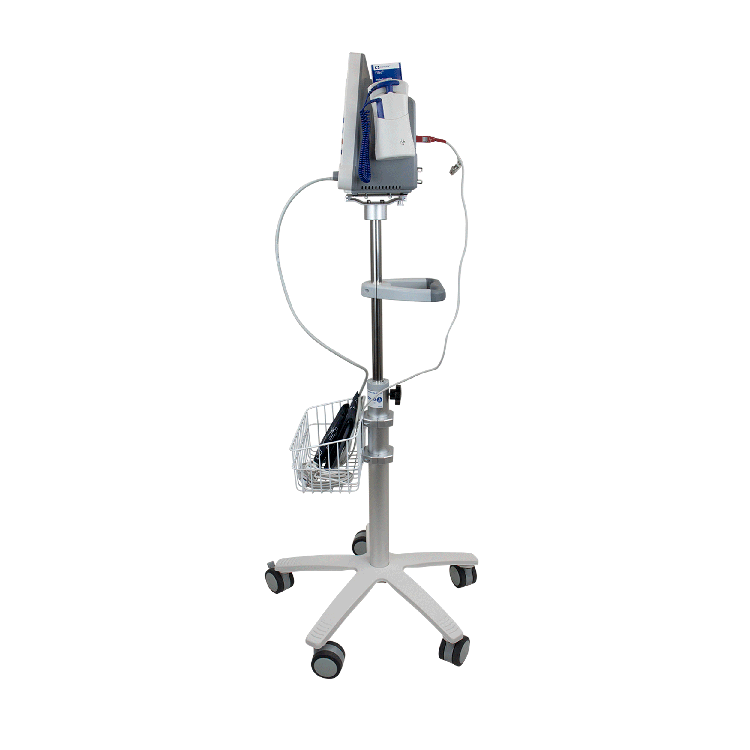
Dynarex Vital Signs Control Knob Patient Monitor w/ Stand
Sale price$2,195.00 Regular price$2,599.00
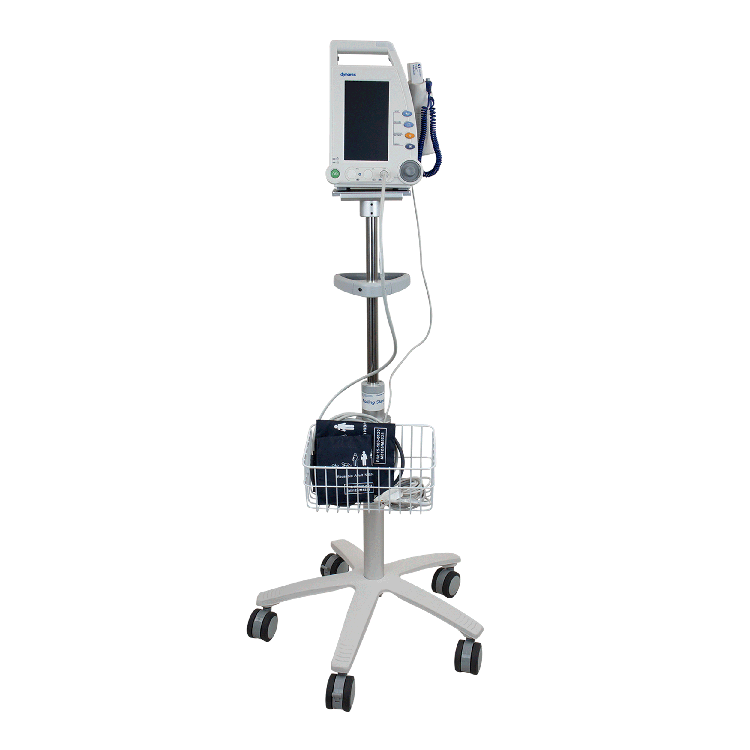
Dynarex Vital Signs Touch Screen Patient Monitor w/ Stand
Wavesense Presto Blood Glucose Meter - 693965_EA - 1
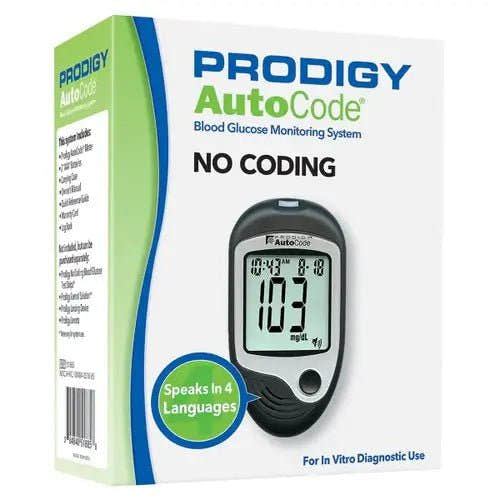
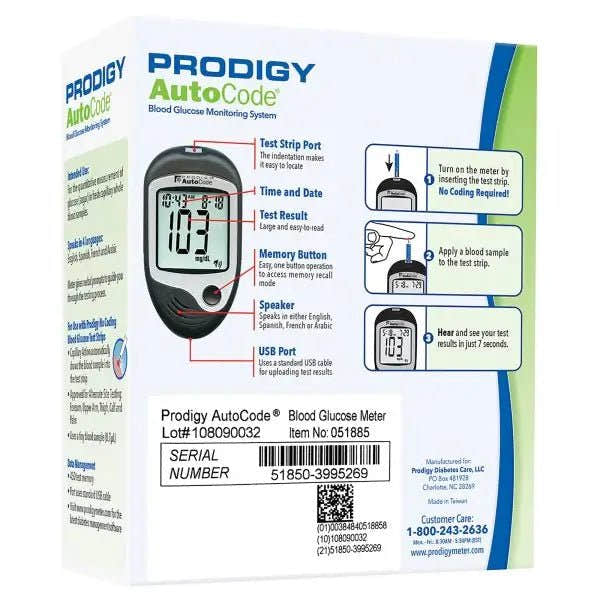
Prodigy Voice Blood Glucose Meter isolated on white background
Omron Intelli Sense Blood Pressure Monitor -Each
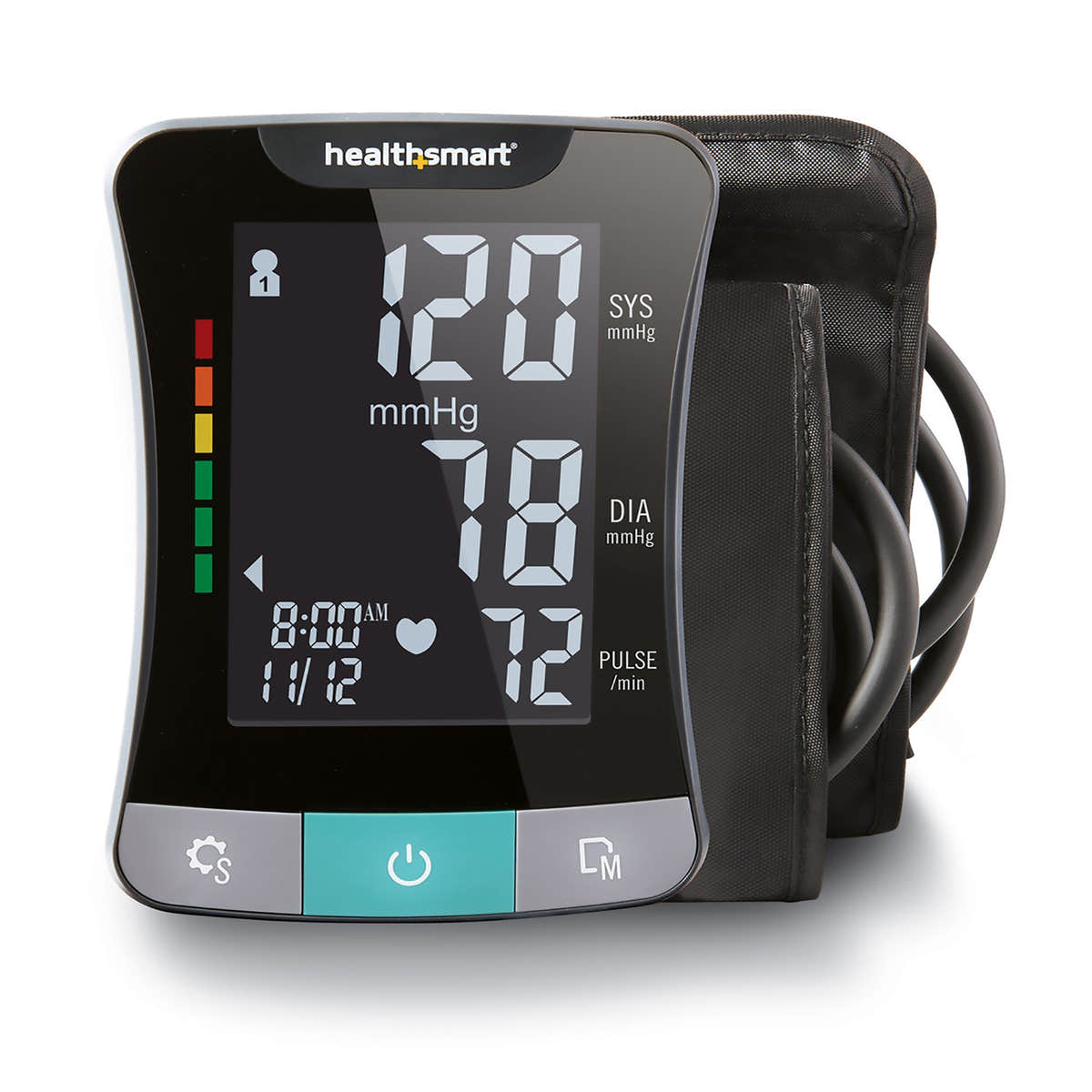
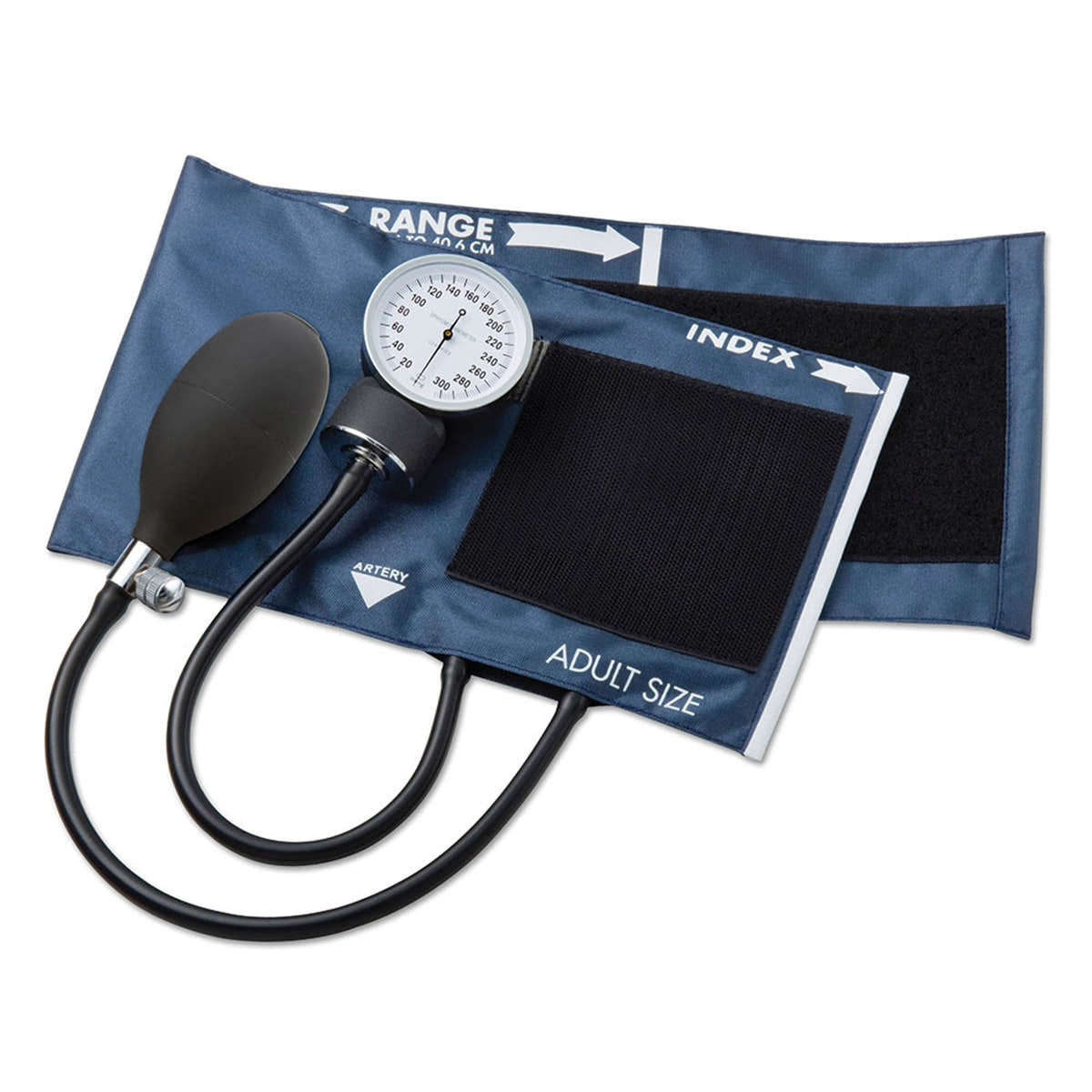
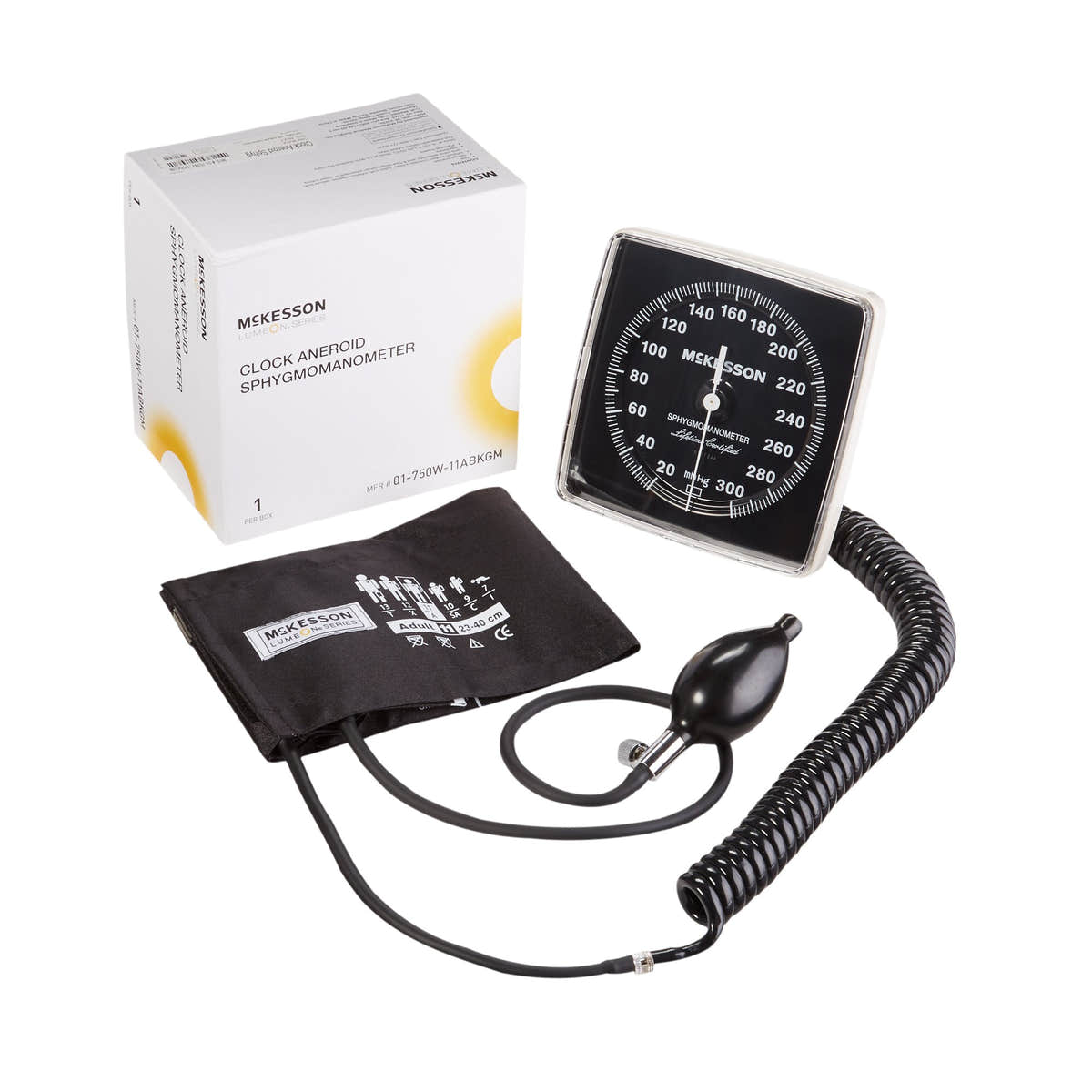
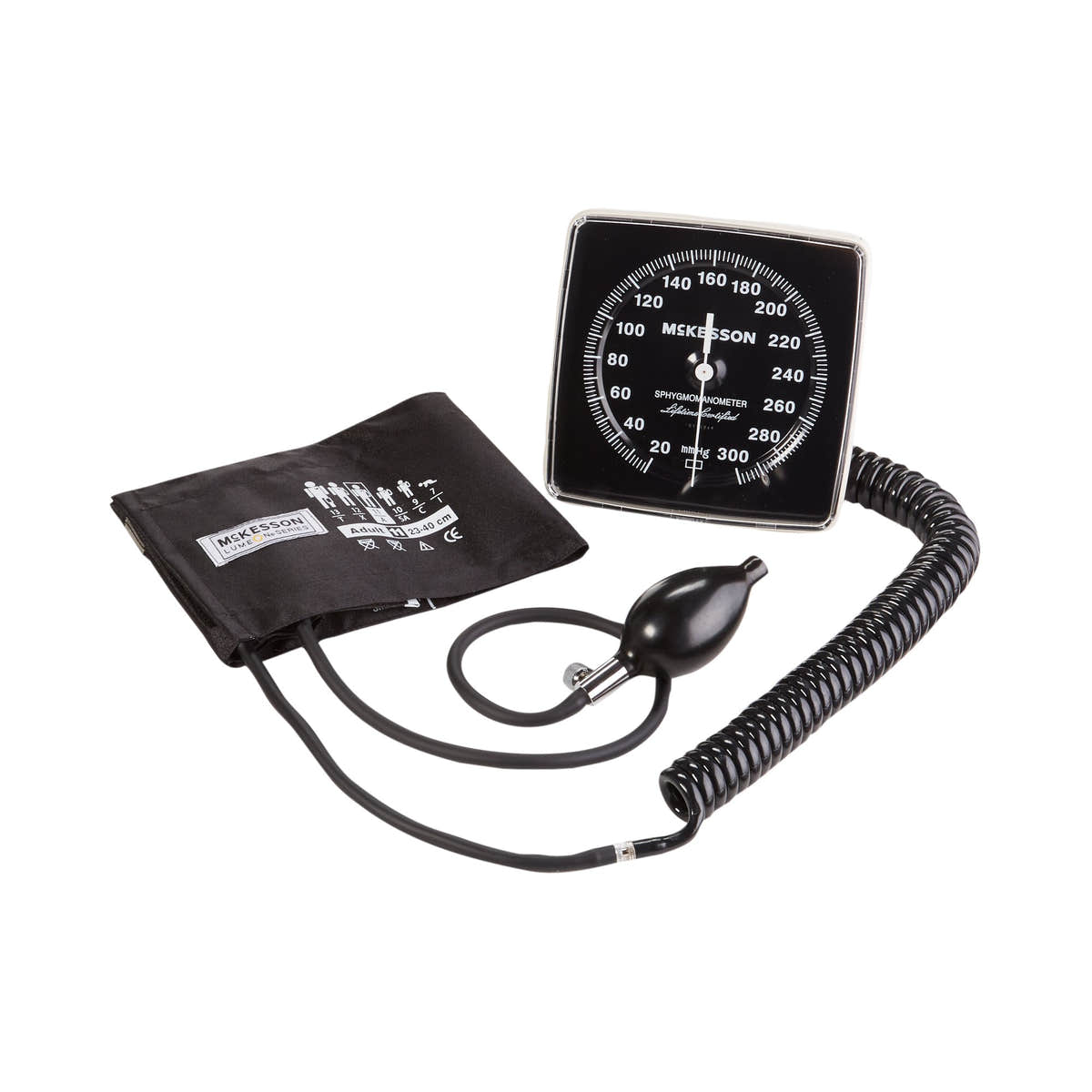
Prosphyg 775 Blood Pressure Monitor -Each
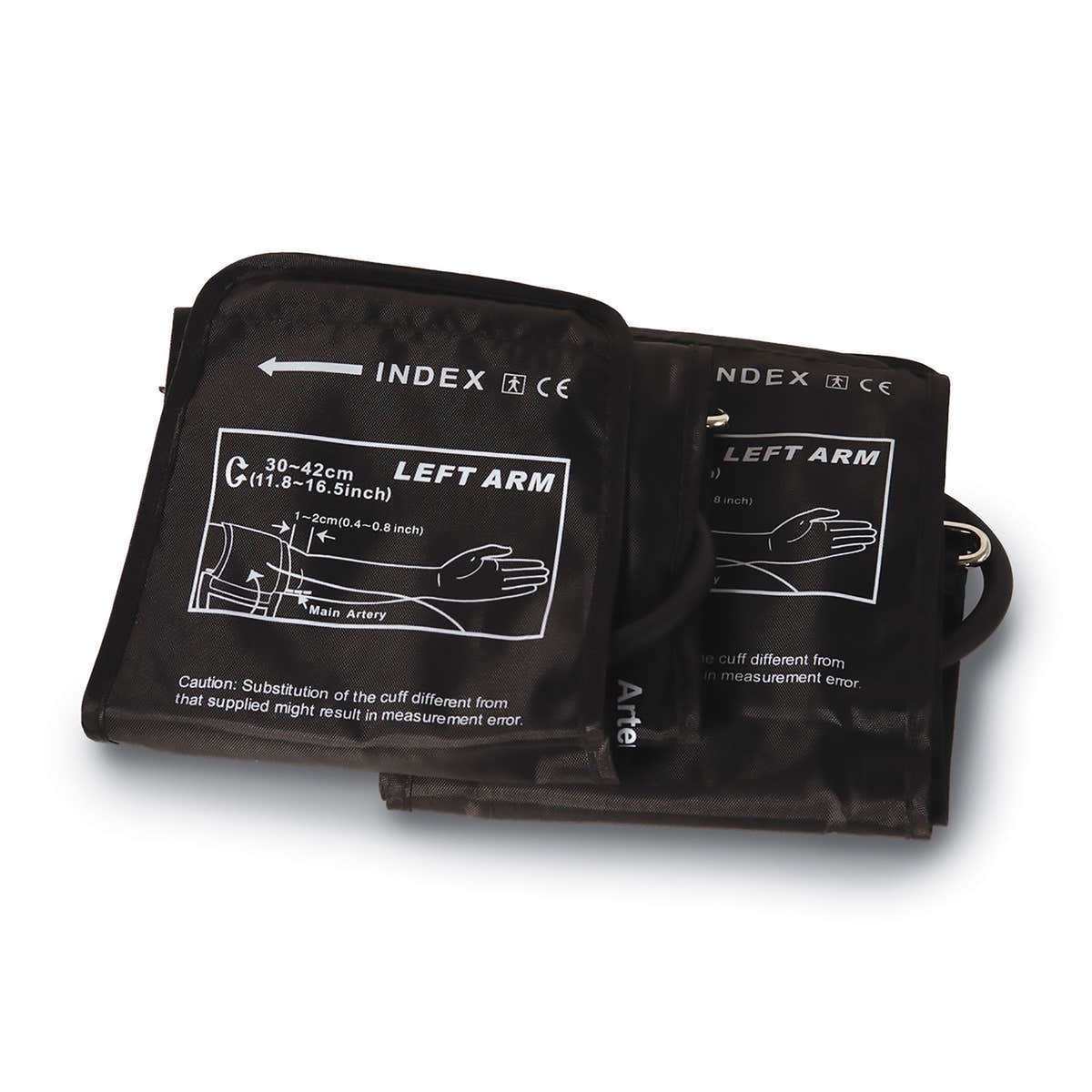
Omron 5 Series Digital Blood Pressure Monitoring Unit, Adult, Large Cuff -Each
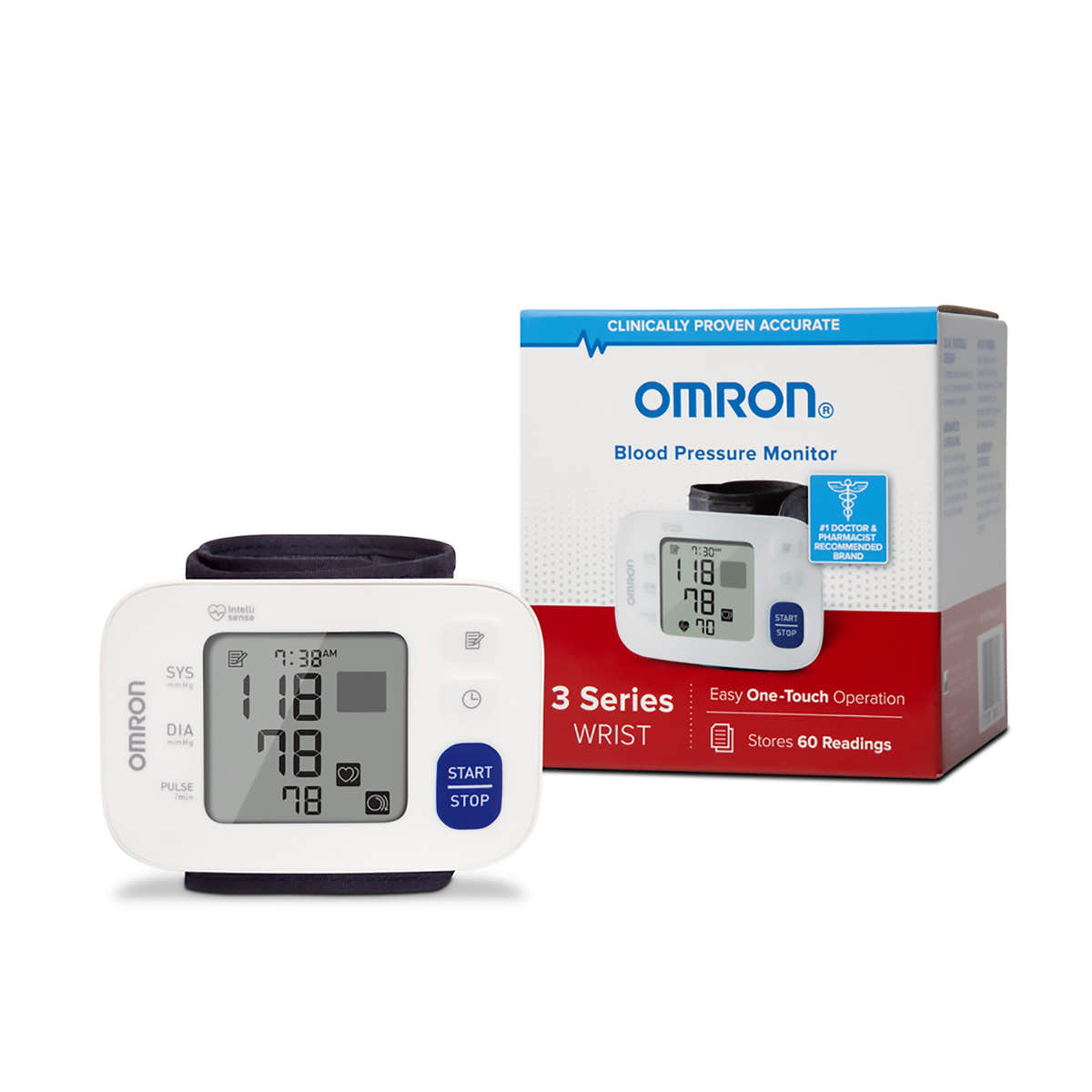
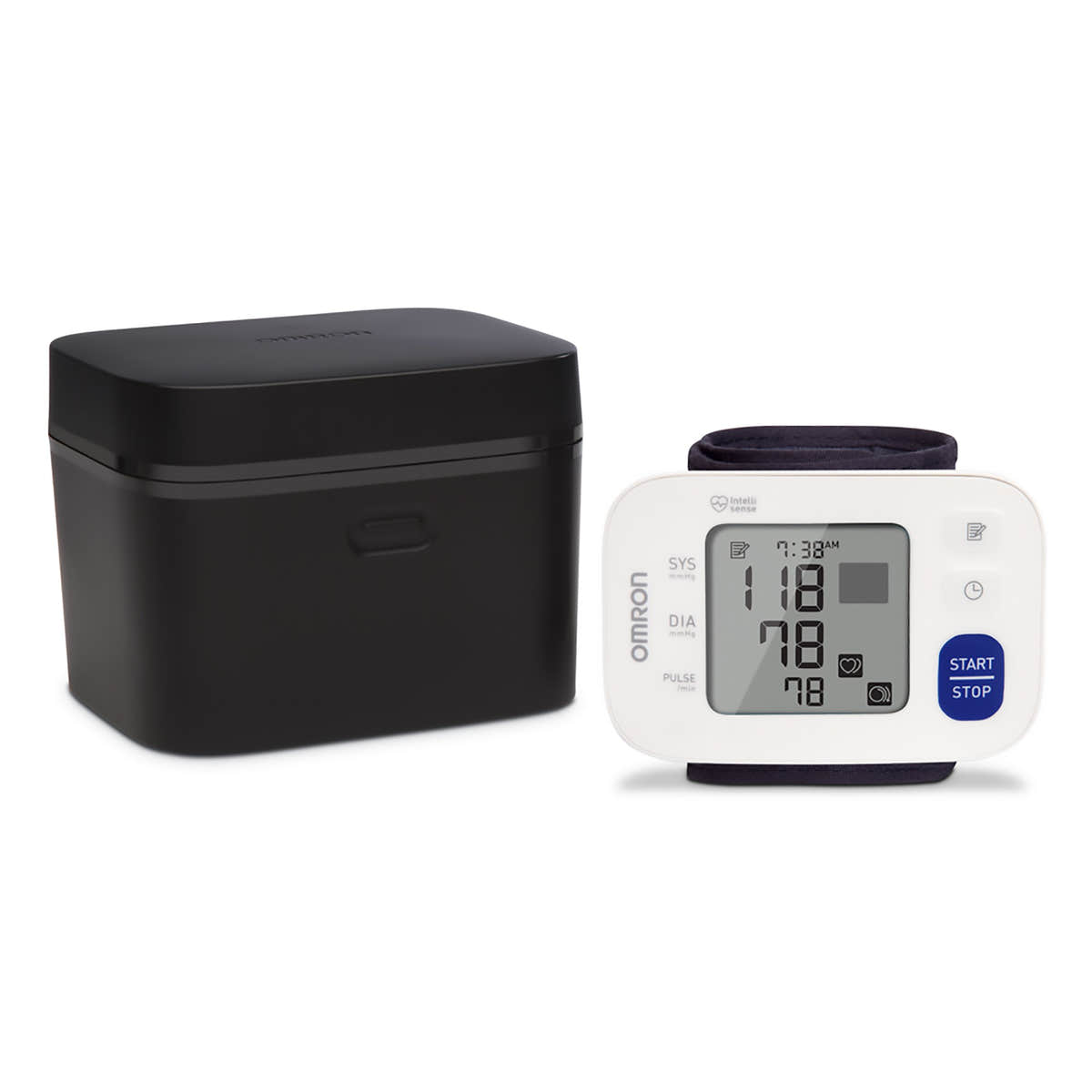
Omron 3 Series Digital Blood Pressure Wrist Unit -Each
Mabis Digital Blood Pressure Wrist Unit -Each
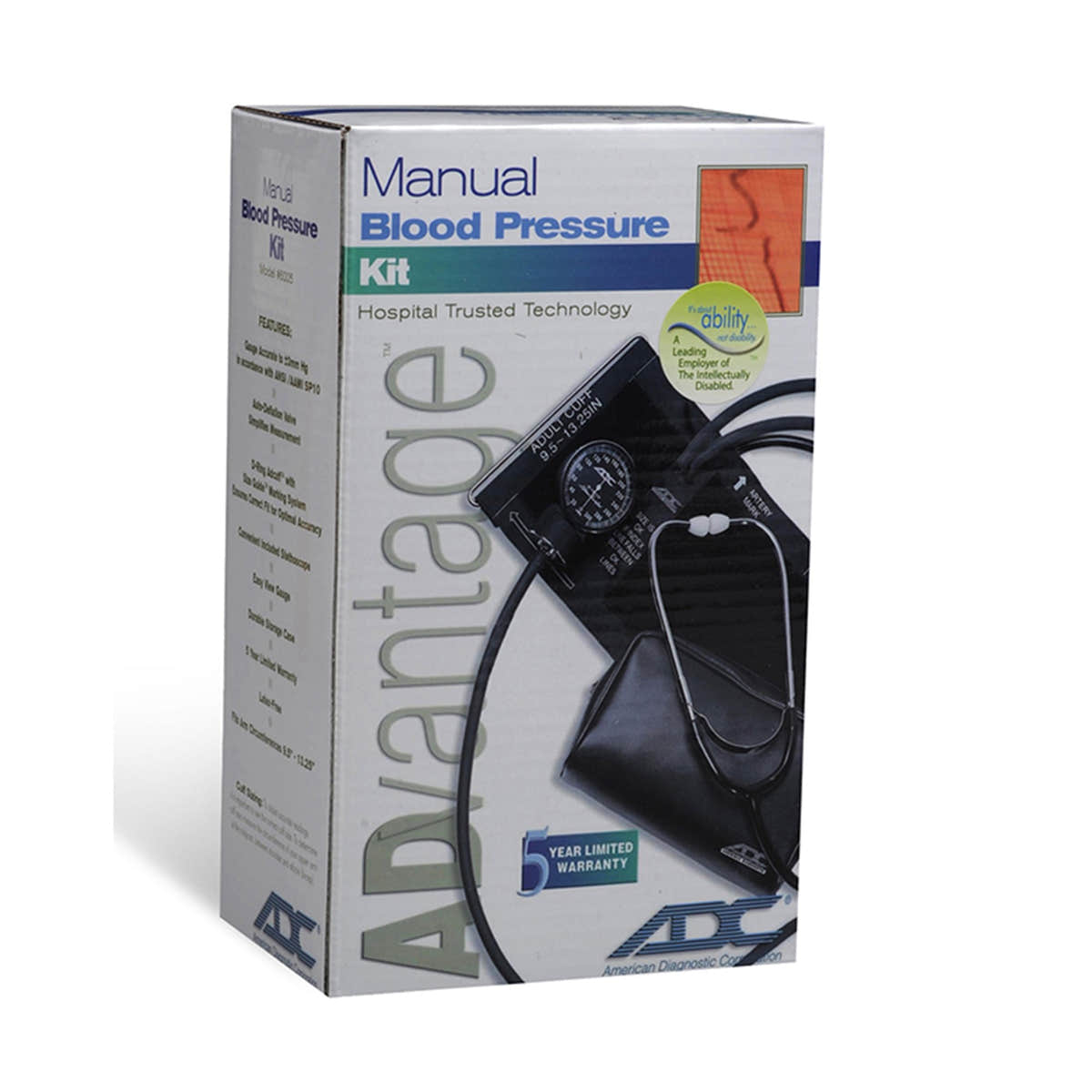
Hopkins Blood Pressure Kit - 786827_EA - 1
Hopkins Blood Pressure Kit
Sale price$77.99
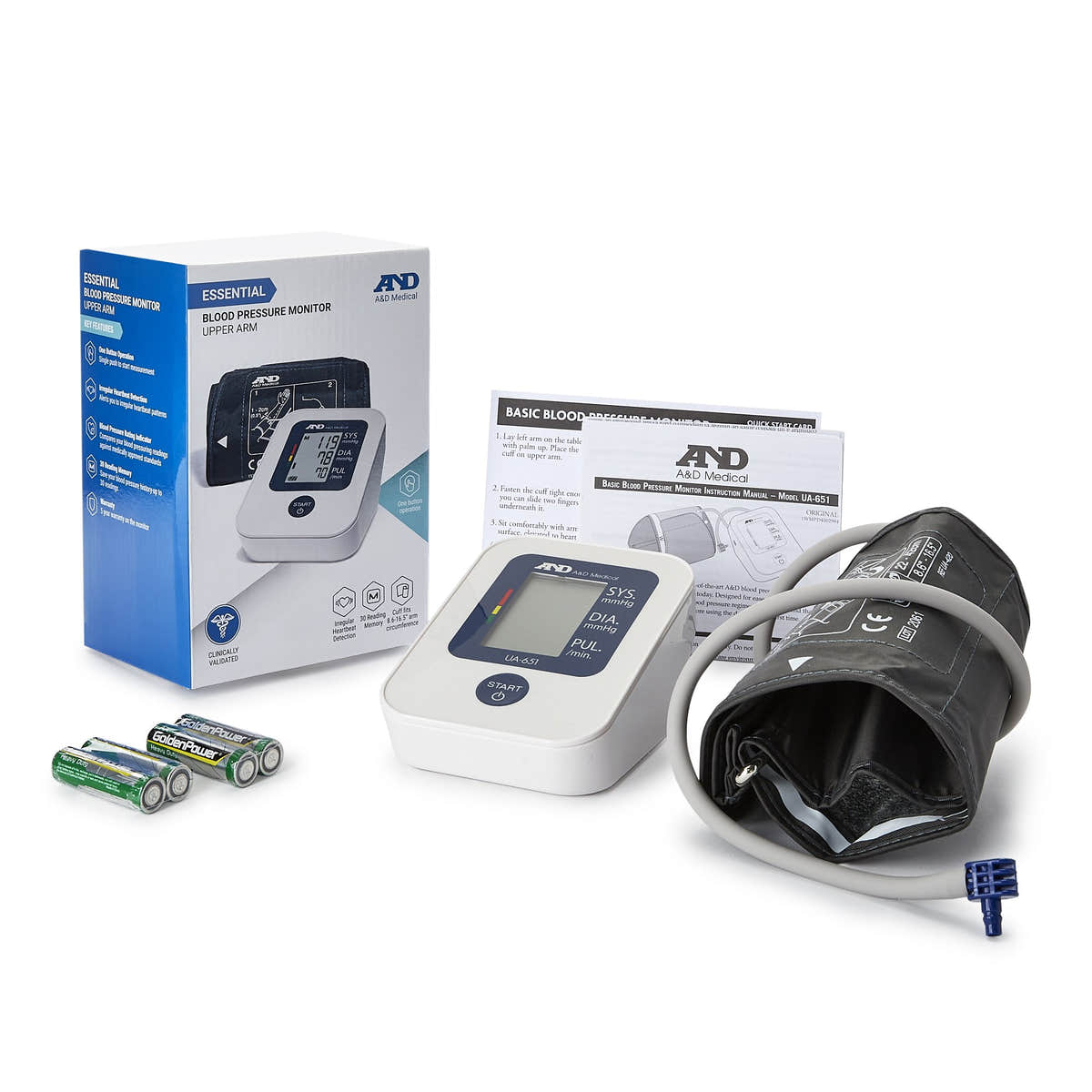
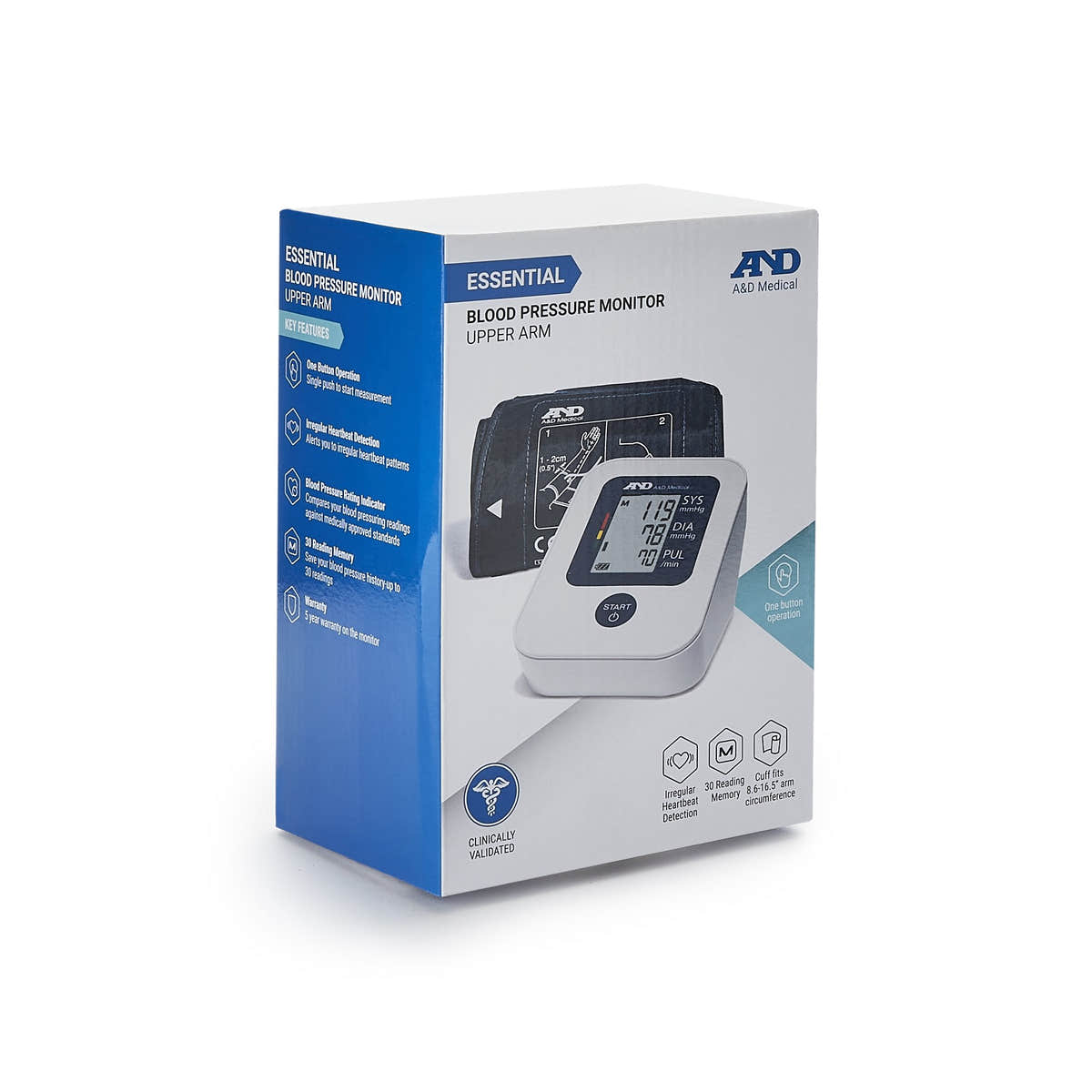
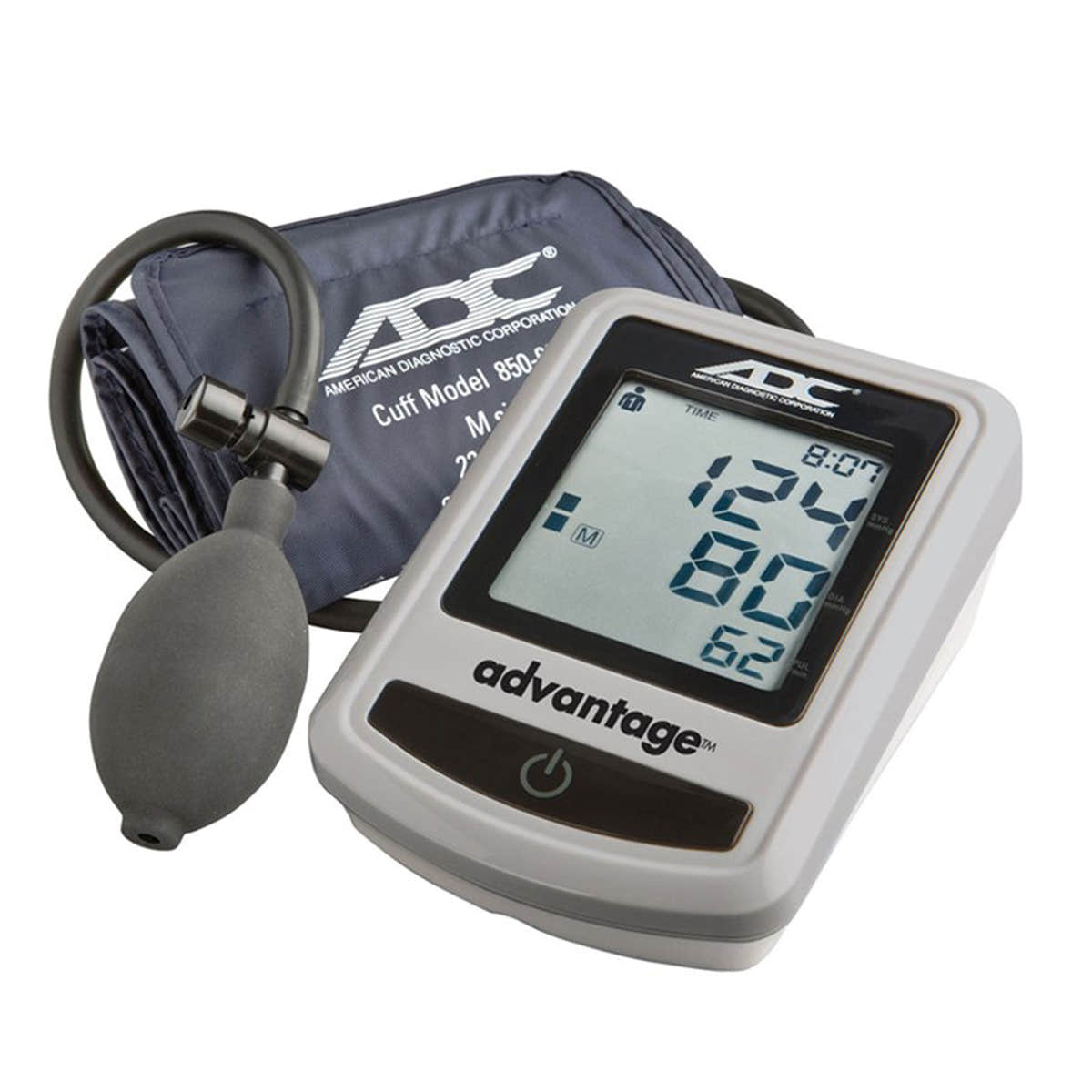
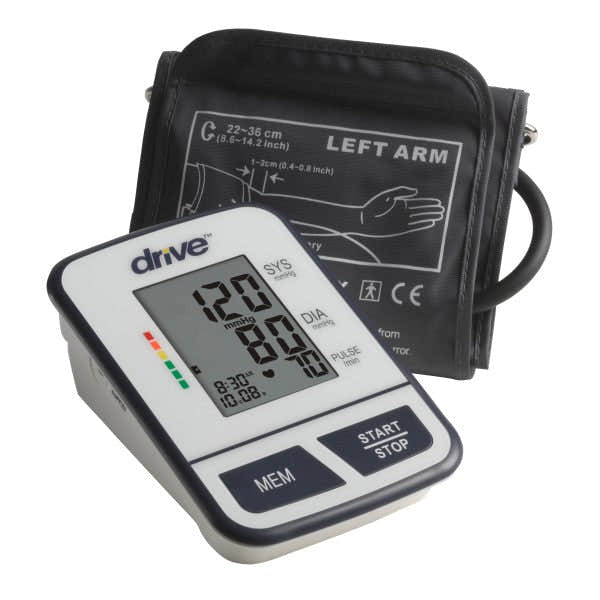
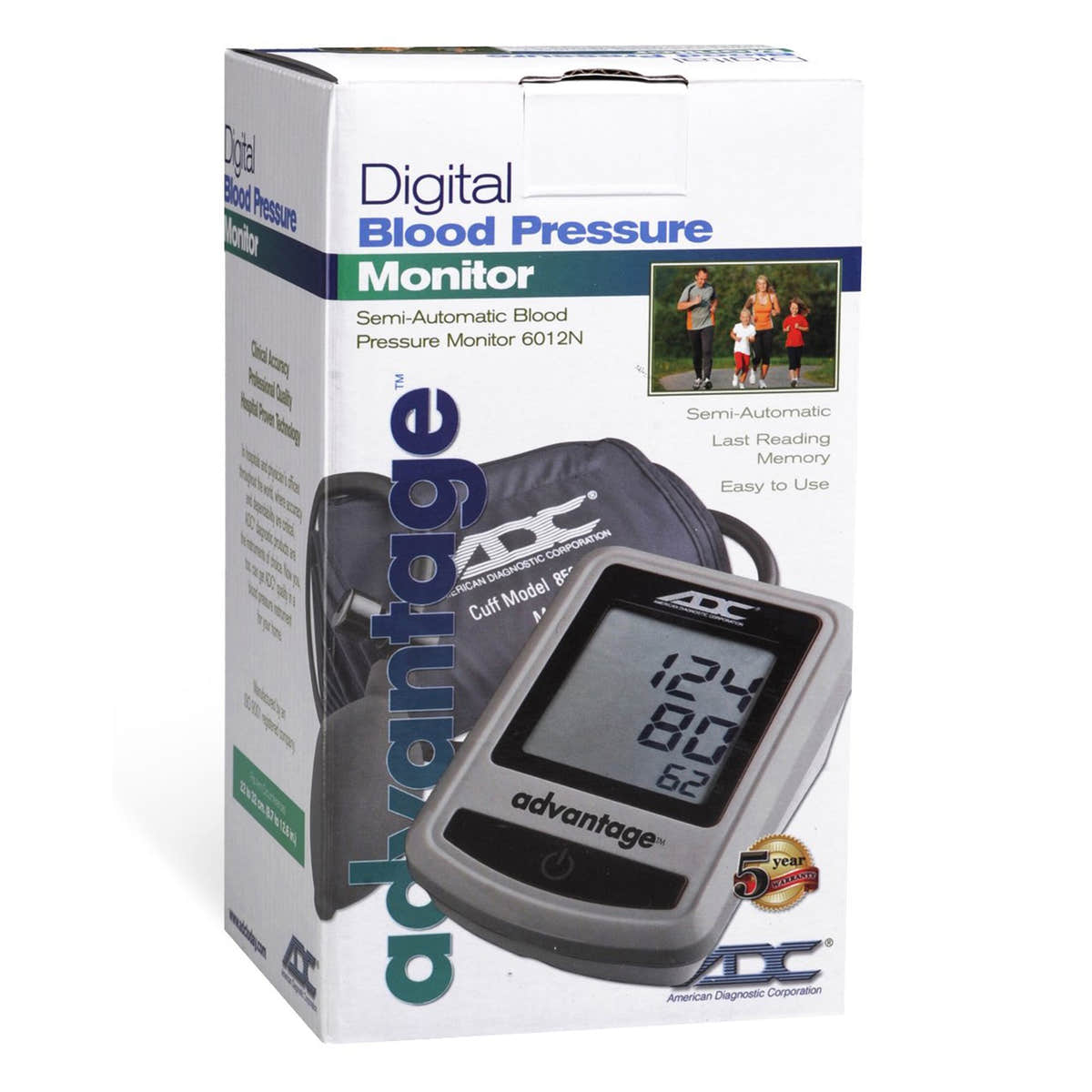
Advantage Blood Pressure Monitor, Medium -Each
Advantage Blood Pressure Monitor
Sale priceFrom $46.99
Choose options

Frequently Asked Questions about Health Monitors

Health monitors are medical devices used to track and measure vital signs such as heart rate, blood pressure, blood glucose, and oxygen saturation in real time. Health monitors help individuals and caregivers catch changes in health status early, making them valuable tools for both everyday wellness management and chronic condition care.

Health monitors are designed for anyone managing a chronic condition such as diabetes, hypertension, or heart disease, as well as older adults, post-surgical patients, and caregivers who need to track a loved one's vital signs regularly. Healthcare providers also recommend home health monitors for patients who need frequent readings between clinic visits.

Blood pressure monitors measure the force of blood pushing against artery walls and are used to detect hypertension, while blood glucose meters measure the concentration of sugar in the blood and are used to manage diabetes. Both are types of health monitors, but each tracks a different vital sign and serves a distinct clinical purpose.

Start by identifying the specific health metric you need to track, such as blood pressure, blood glucose, or heart rate, then match the health monitor type to that condition. Consider factors like ease of use, display size, memory storage for readings, and whether the monitor connects to a smartphone app for tracking trends over time.

Yes, most health monitors sold for consumer use are specifically designed to be operated at home without medical training, featuring one-button operation, digital displays, and automatic readings. Clinical-grade monitors intended for professional settings, such as wall-mount sphygmomanometers or patient monitors with stands, are better suited for use by trained healthcare staff.

Store health monitors in a cool, dry location away from direct sunlight, extreme temperatures, and high humidity, which can damage sensitive electronic components and affect reading accuracy. Keep blood glucose meters and their test strips in their original cases, and store blood pressure monitors with cuffs neatly coiled to prevent tubing damage.

Yes, many health monitors such as blood pressure monitors and blood glucose meters are eligible for reimbursement through FSA and HSA accounts, and some may be covered by insurance with a physician's prescription. Coverage varies by plan and condition, so checking with your insurer or benefits administrator before purchasing a health monitor is recommended.

Home health monitors from reputable manufacturers are clinically validated to deliver readings that closely match those taken in a medical setting when used correctly. Accuracy can be affected by improper cuff sizing on blood pressure monitors, expired test strips in blood glucose meters, or user technique, so following the device instructions carefully is essential.

Health monitors for diabetes management include traditional blood glucose meters that require a fingerstick blood sample and continuous glucose monitors that track blood sugar levels automatically throughout the day. Both types of diabetes monitors provide actionable data to help patients and their care teams make informed decisions about diet, activity, and medication.

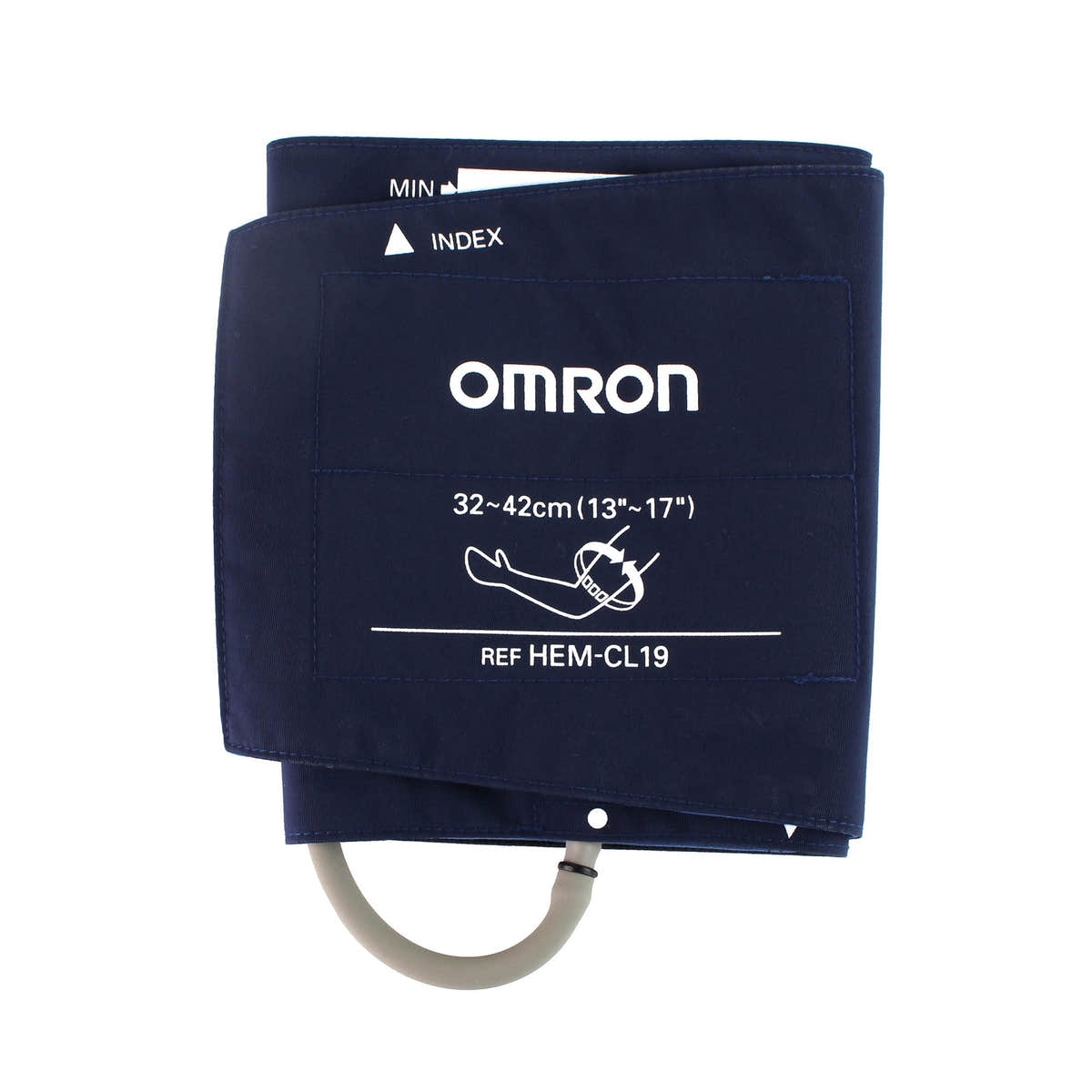
Yes, using the wrong cuff size on a blood pressure monitor can produce readings that are significantly higher or lower than your actual blood pressure, making cuff fit one of the most important factors in accurate measurement. Most blood pressure monitors specify the arm or wrist circumference range the cuff is designed to fit, so measuring before purchasing is strongly recommended.

Recently viewed