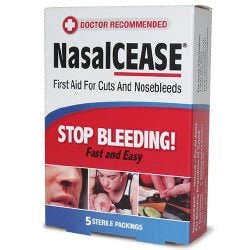
Hemostatic Agents

7 products

Showing 1 - 7 of 7 products

Hemostatic Agents: Tools for Managing Bleeding Quickly and Effectively

Whether you're stocking a first aid kit, outfitting a medical facility, or simply preparing for everyday mishaps, hemostatic agents are designed to help control bleeding faster than standard gauze alone. This collection brings together a range of products — from professional-grade hemostatic dressings to targeted nosebleed treatments and everyday styptic options — so you can find the right solution for the situation at hand.
Showing 1 - 7 of 7 products
View
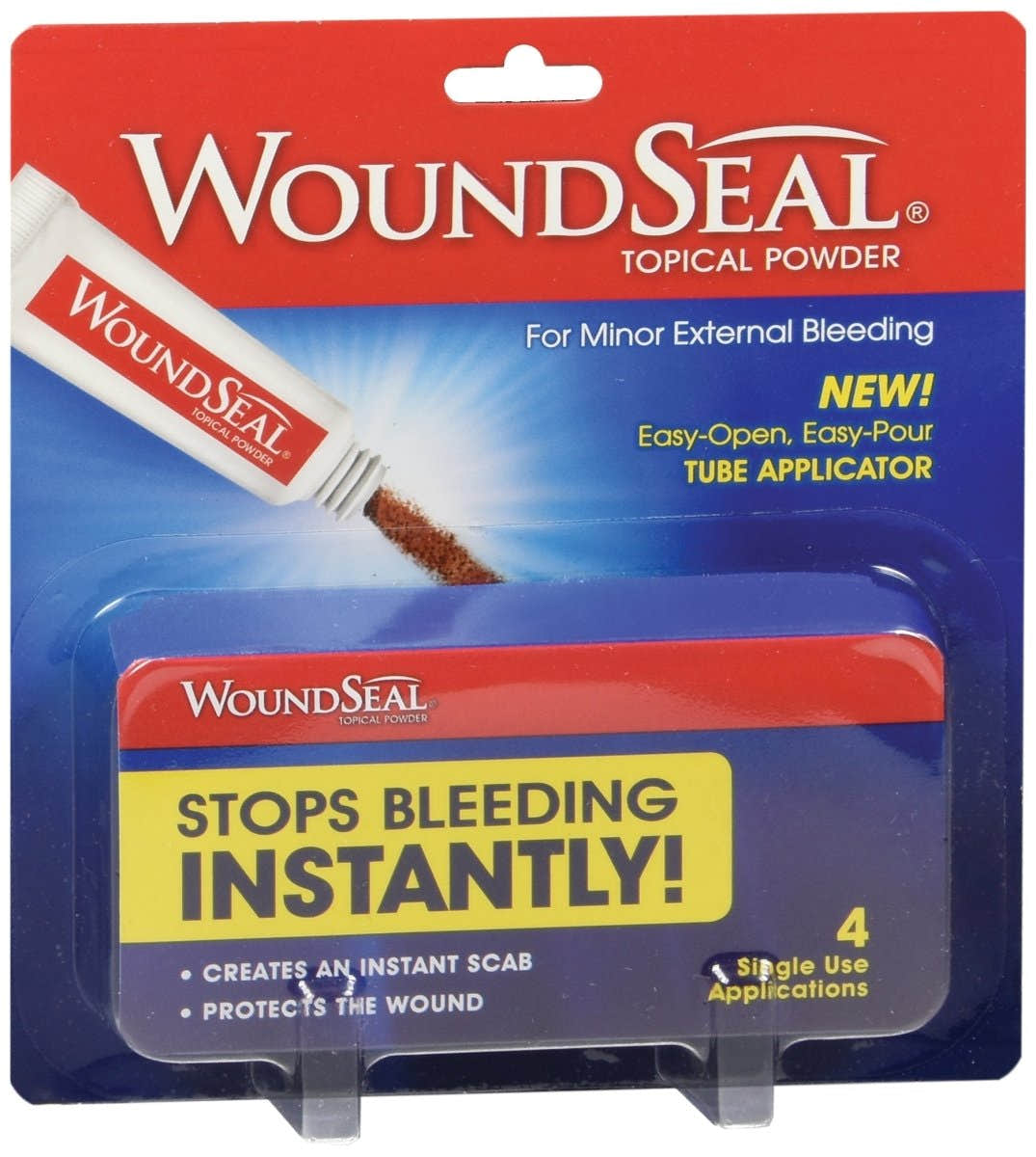
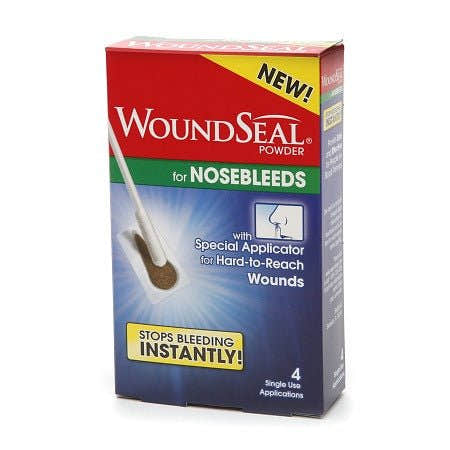
WoundSeal Hemostatic Agent for Nosebleeds, 4 per Pack - 811665_BX - 1
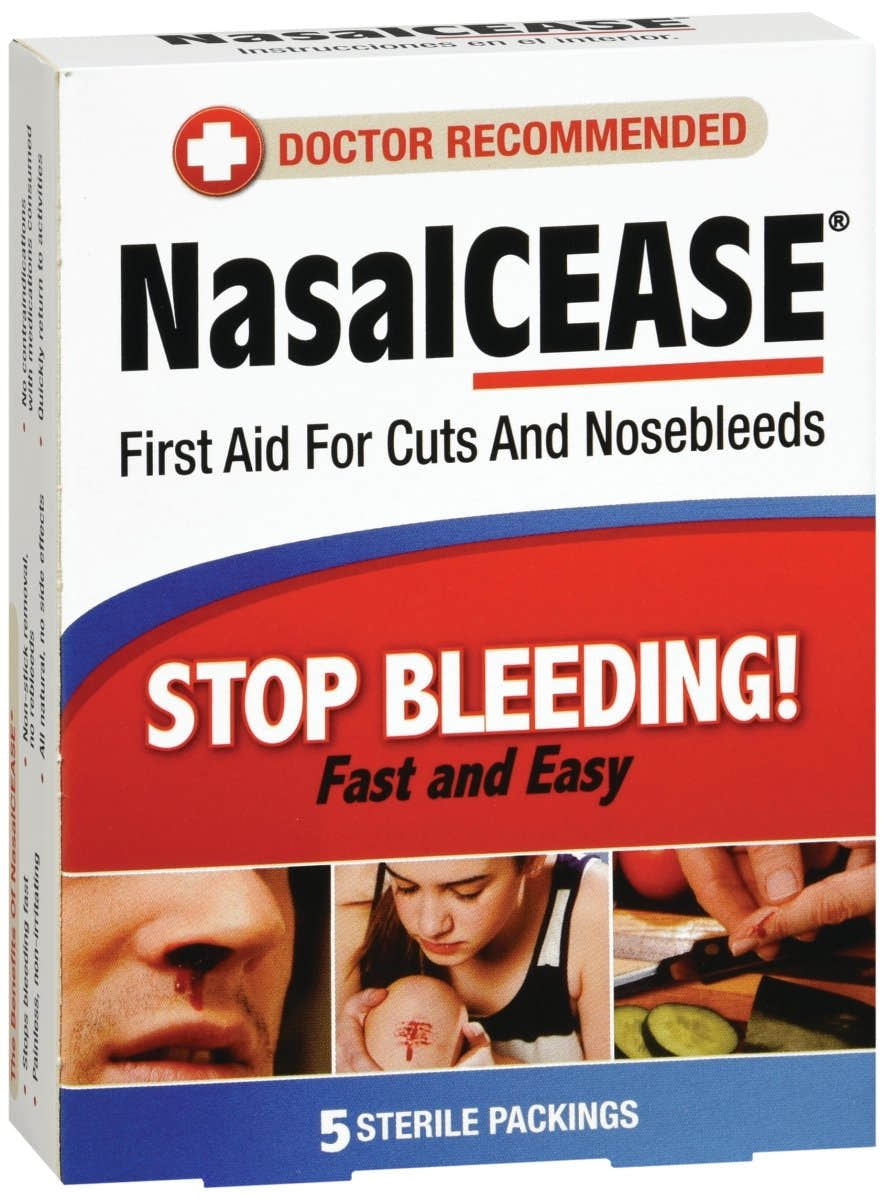
Nasalcease Nasal Packing - 670661_BX - 1
Nasalcease Nasal Packing
Sale price$15.99
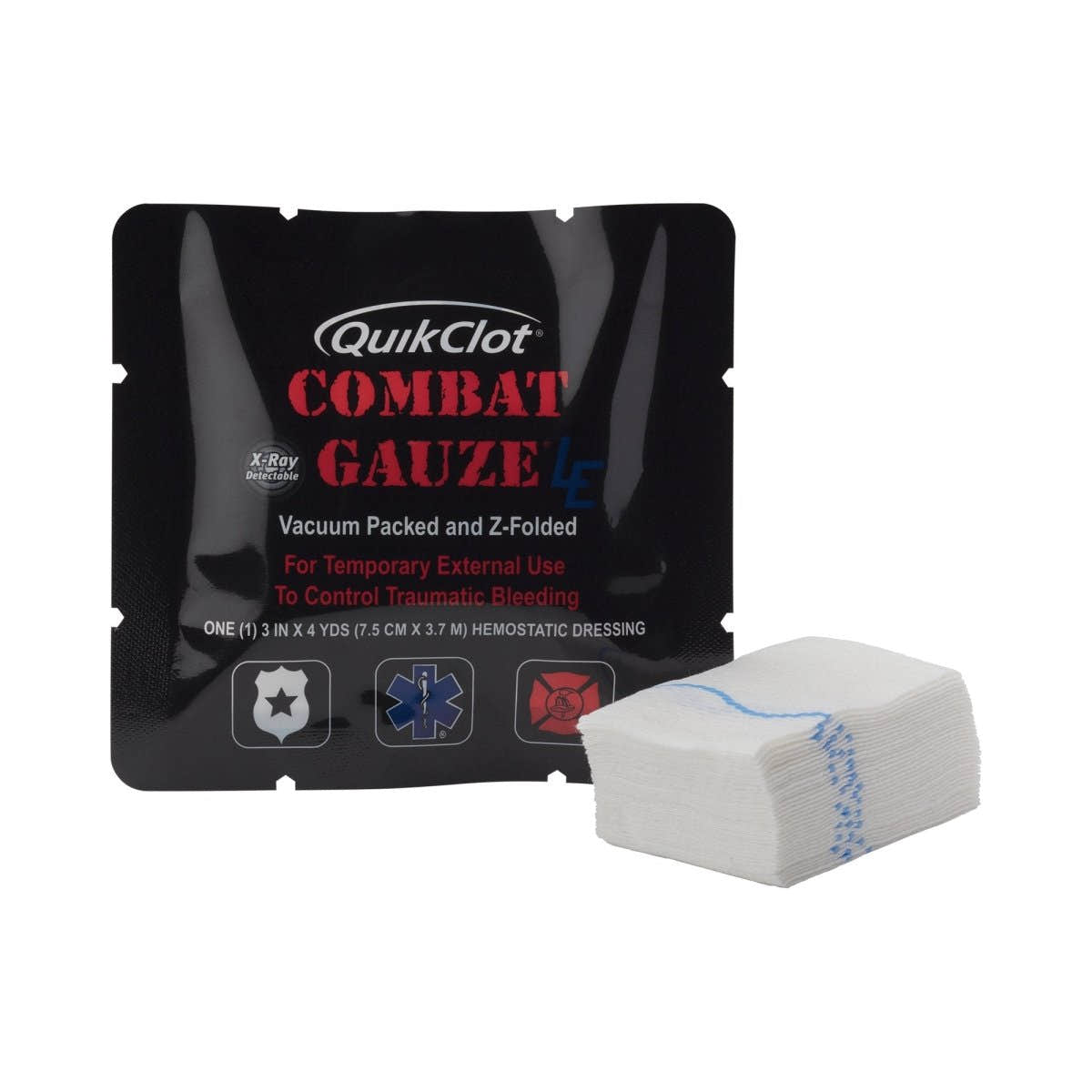
QuikClot Combat Gauze Hemostatic Dressing, 3 Inch x 4 Yard - 1019198_EA - 1
NasalCEASE Nosebleed Treatment - 1067080_CS - 1
NasalCEASE Nosebleed Treatment
Sale priceFrom $15.99
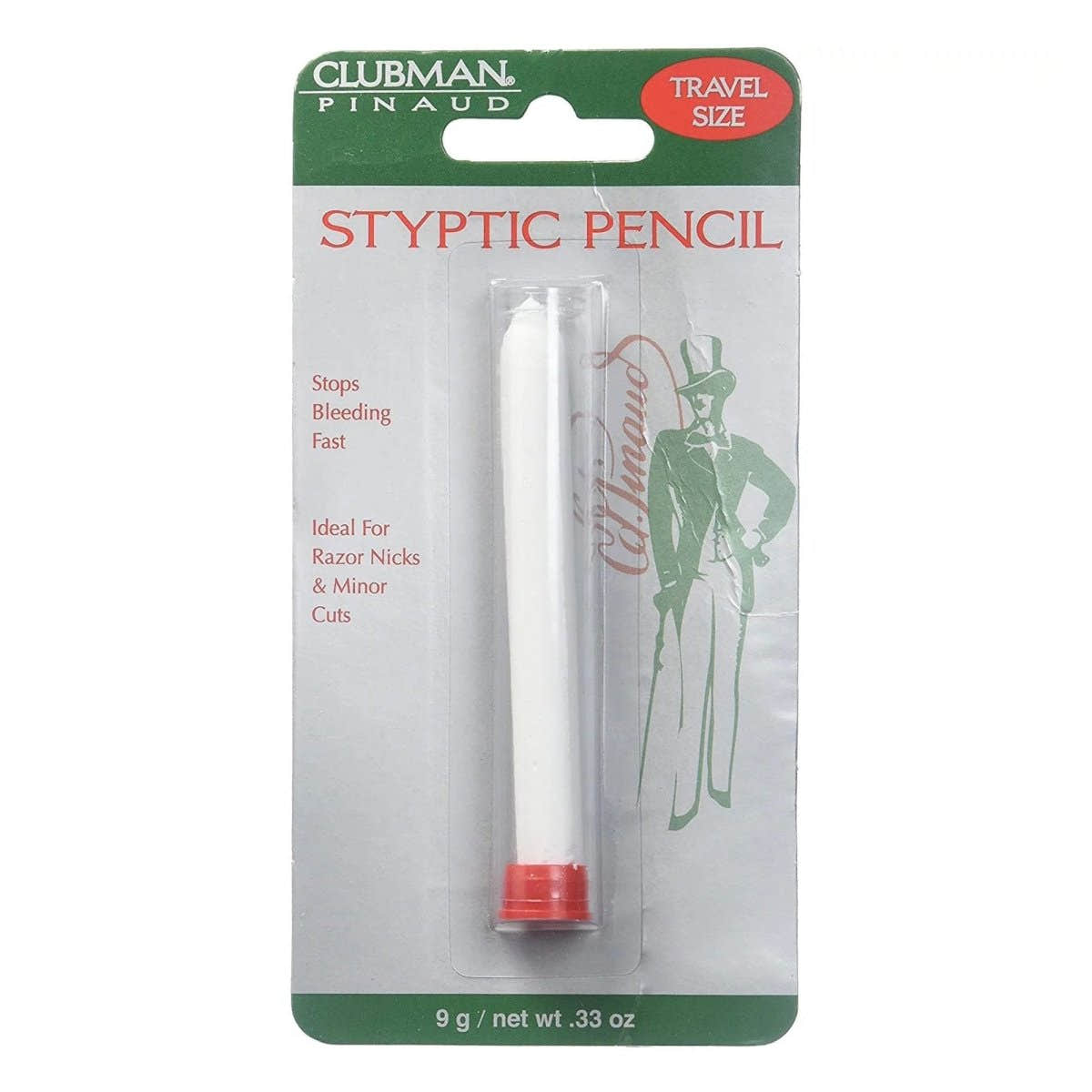
Clubman Styptic Pencil - 738535_EA - 1
Clubman Styptic Pencil
Sale price$2.99

Frequently Asked Questions about Hemostatic Agents

Hemostatic agents are medical products designed to stop bleeding quickly by accelerating the body's natural clotting process. Hemostatic agents are available in several forms, including dressings, powders, and nasal packing, and are used for everything from minor cuts to more serious wounds requiring rapid hemorrhage control.

Hemostatic agents are designed for anyone who needs fast, reliable bleeding control, from military and emergency medical personnel to everyday consumers managing nosebleeds or minor cuts at home. Many hemostatic products are safe for general consumer use, while others are intended for trained first responders or clinical settings.

Apply the hemostatic dressing directly to the wound with firm, sustained pressure, ensuring the dressing makes full contact with the bleeding source. Most hemostatic dressings are designed to be packed into deeper wounds when necessary, and pressure should be maintained for several minutes to allow clotting to occur.

Hemostatic agents come in several forms, including gauze dressings, powder-based agents, nasal packing, nosebleed treatments, and styptic pencils, each suited to different types of bleeding situations. Choosing the right type depends on the wound location, severity, and whether the product will be used in a clinical, field, or home setting.

Yes, hemostatic dressings are specifically designed for use on open wounds and are formulated to control bleeding without causing additional tissue damage when used as directed. Always follow the manufacturer's instructions and seek professional medical care for serious injuries, even after bleeding has been controlled.

Hemostatic agents differ from regular bandages by containing active ingredients or specialized materials that chemically or physically accelerate blood clotting, rather than simply absorbing blood. Standard gauze and bandages apply pressure alone, while hemostatic products are engineered to stop bleeding faster, especially in high-volume or hard-to-compress wound sites.

Yes, certain hemostatic agents are specifically formulated for nosebleeds, including nasal packing products and powder-based nosebleed treatments designed to fit comfortably in the nasal cavity. These products work by promoting clot formation at the bleeding site and are a practical option when standard pinching methods are not effective.

Because uncontrolled bleeding is one of the leading causes of preventable death from traumatic injuries, having hemostatic agents in a first aid kit can make a critical difference before emergency services arrive. Hemostatic products are compact, easy to store, and provide a level of bleeding control that standard first aid supplies simply cannot match.

Hemostatic agents should be stored in a cool, dry location away from direct sunlight, moisture, and extreme temperatures to preserve their effectiveness and shelf life. Always check the expiration date before use and replace any hemostatic products that show signs of damage to the packaging, since compromised packaging can reduce product performance.

Yes, the size and format of a hemostatic agent matters significantly depending on the wound type and location. Larger hemostatic dressings are better suited for limb or torso wounds, nasal packing products are designed specifically for nosebleeds, and smaller formats like styptic pencils are ideal for minor surface cuts from shaving or everyday injuries.

Recently viewed