Heritage

9 products

Showing 1 - 9 of 9 products

Heritage Trash Bags: Reliable Waste Containment for Every Setting

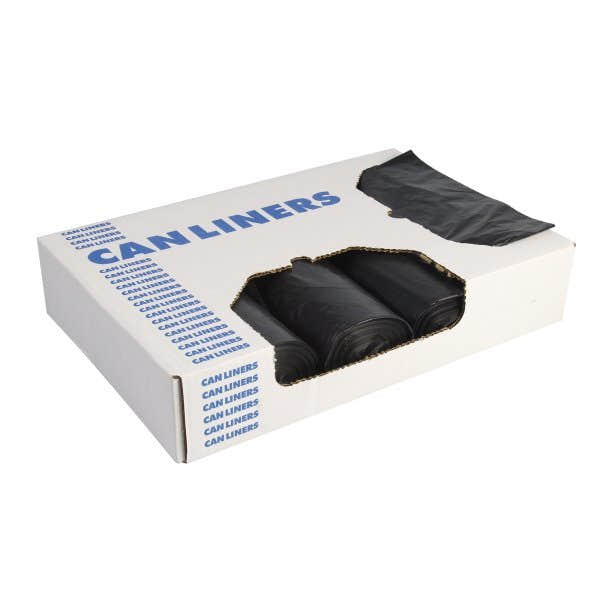
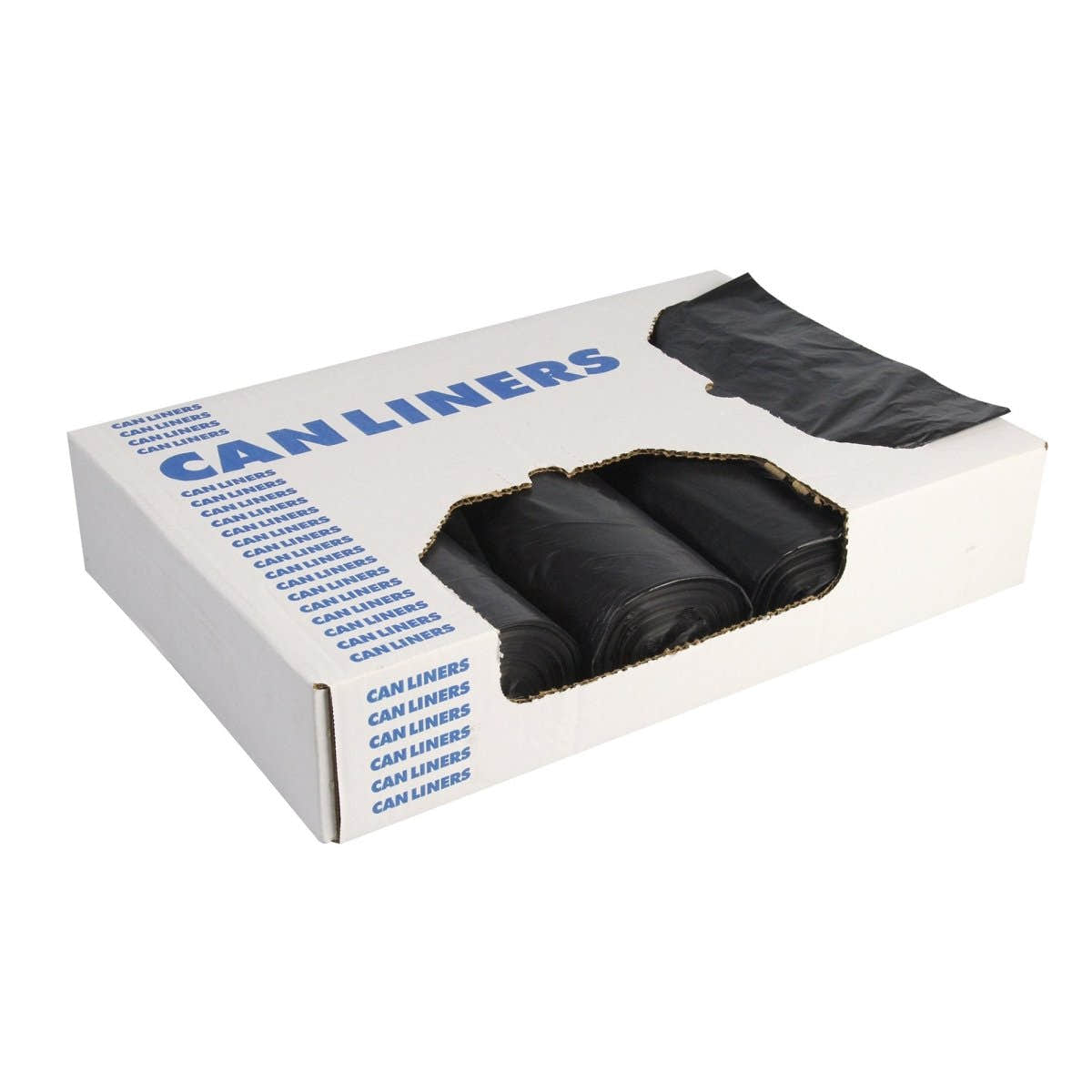
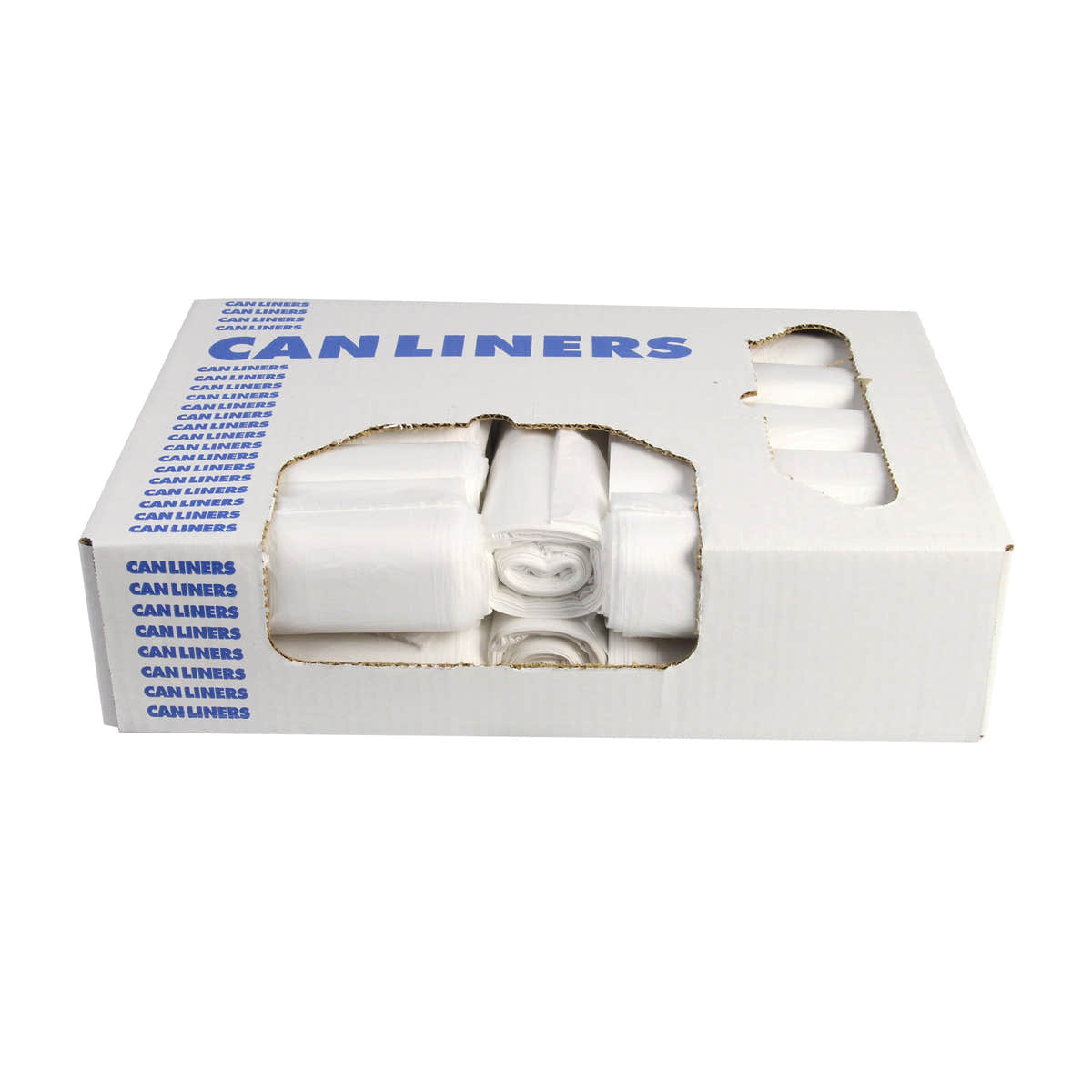
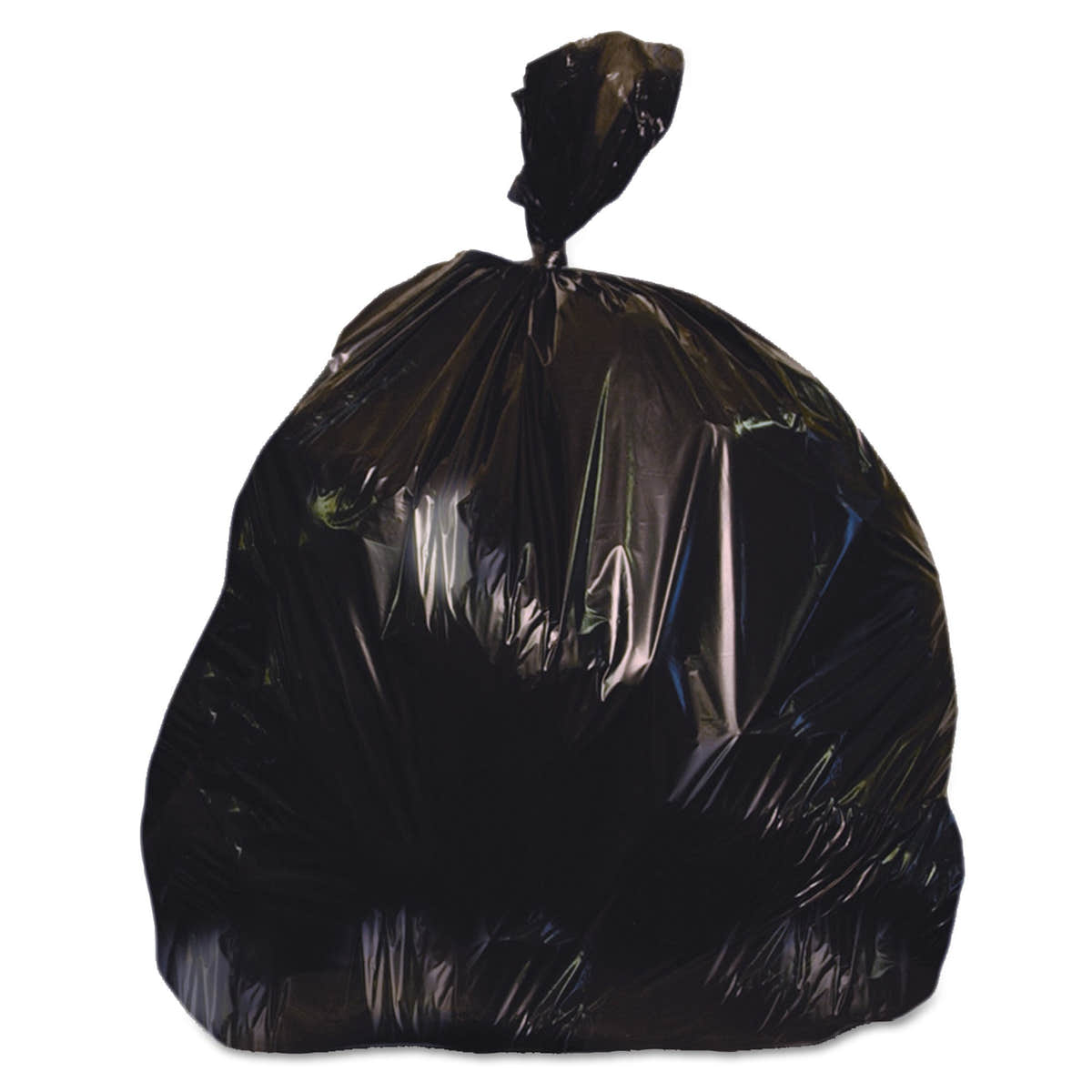
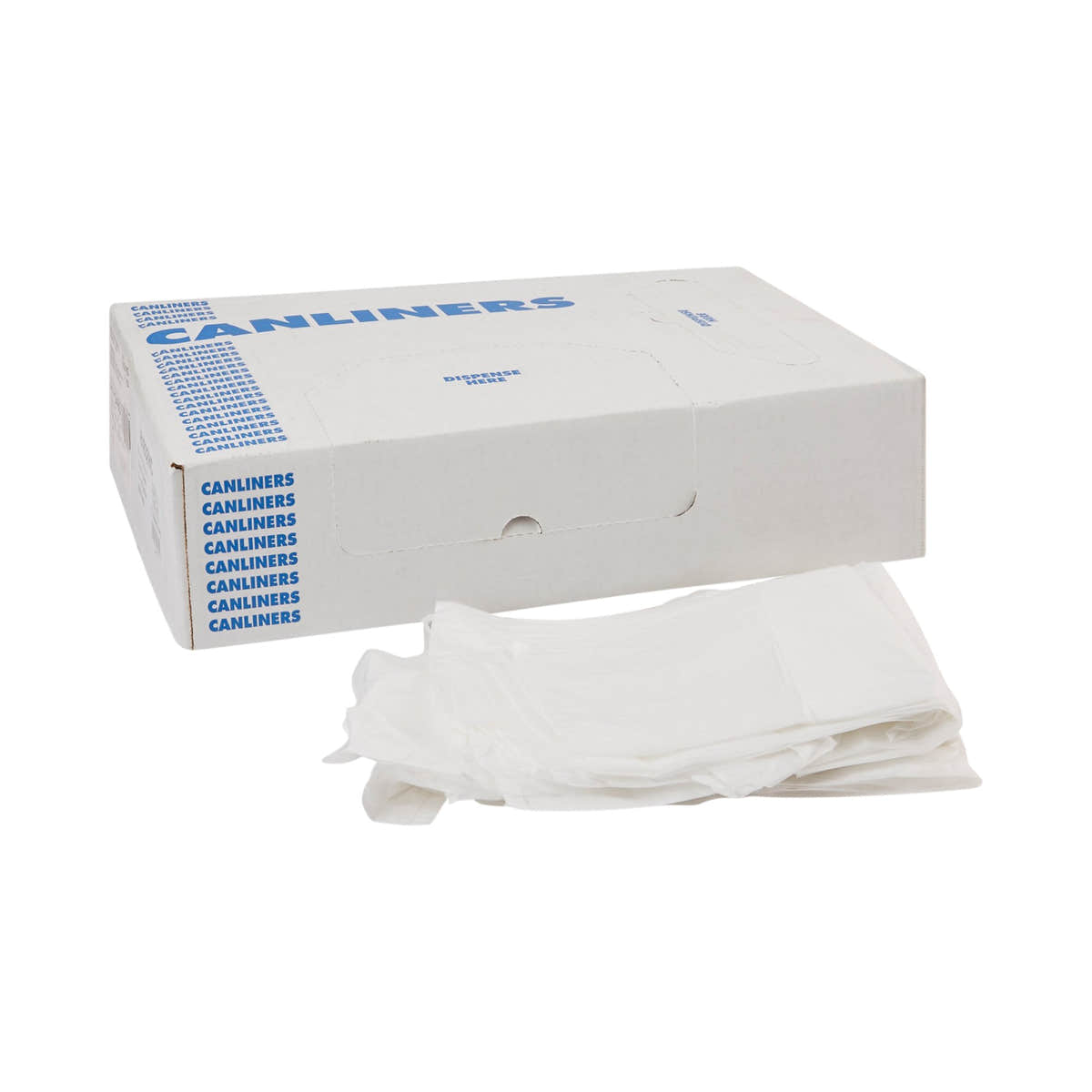
Heritage is a trusted name in waste management solutions, offering a well-rounded lineup of trash bags built for everything from everyday office cleanup to demanding commercial and industrial environments. Whether you're managing waste in a healthcare facility, a busy kitchen, or a large outdoor space, Heritage has a bag engineered to handle the job without compromise.

Showing 1 - 9 of 9 products
View
Heritage X-Liner Heavy Duty Trash Bag, 60 gal. Capacity - 695436_CS - 1
Heritage Trash Bags - 1055142_CS - 1
Heritage Trash Bags
Sale priceFrom $74.99
Choose options
Heritage Super Tuf Trash Bags, 33 gal. Capacity -Case of 150
Heritage Super Tuf Trash Bags
Sale priceFrom $63.99
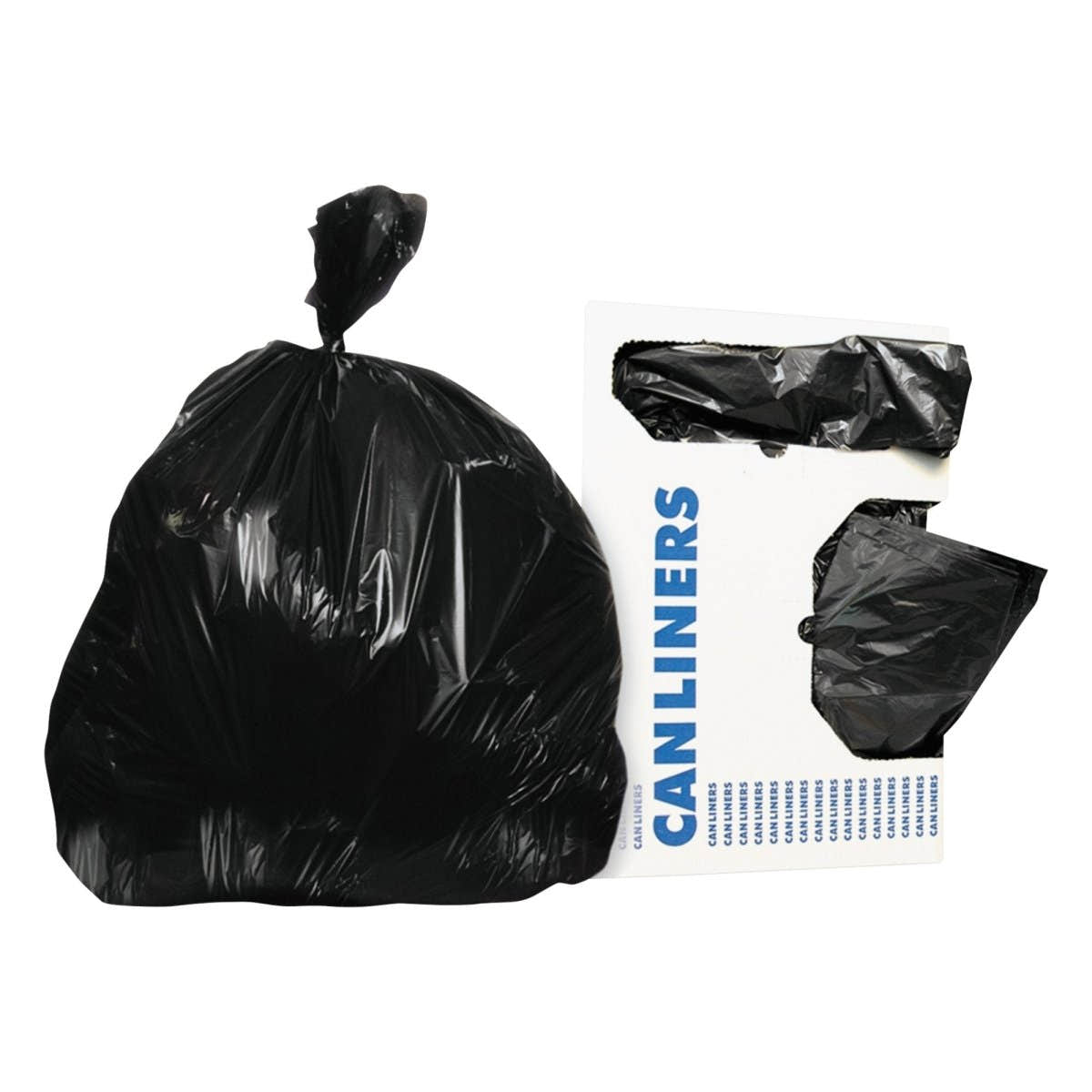
Heritage Super Heavy Duty Trash Bag, 60 gal - 513896_CS - 1
Heritage Standard High Density Trash Bag -Case of 250
Heritage Medium Duty Trash Bag, 12-16 gal. Capacity - 472807_CS - 1
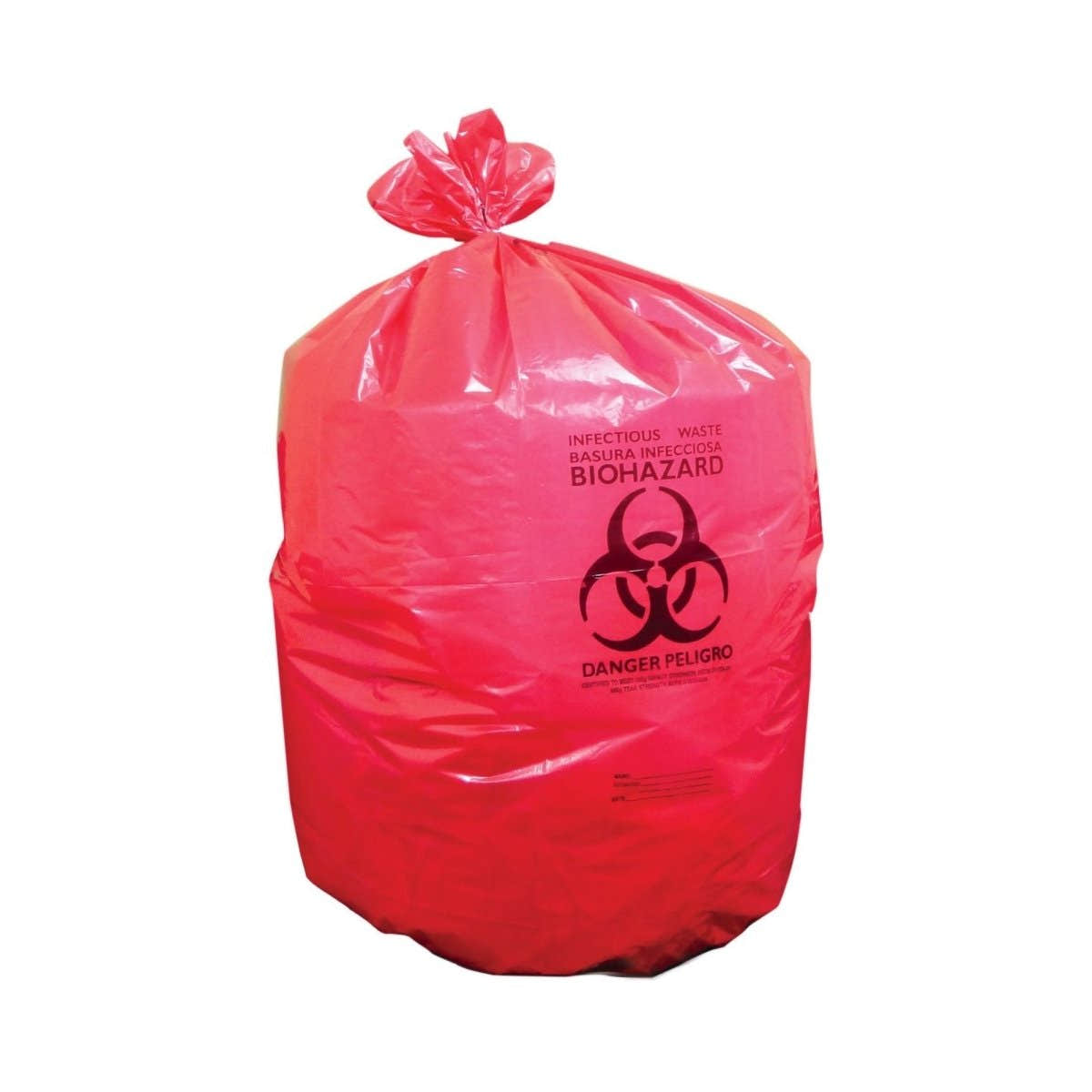
Heritage Infectious Waste Bag - 821351_CS - 1
Heritage Infectious Waste Bag
Sale price$218.99
Frequently Asked Questions about Heritage

Heavy duty trash bags are thick, reinforced liners designed to safely contain high-volume or sharp waste in medical facilities, clinics, offices, and industrial environments without tearing or leaking. Different grades handle different waste types, from everyday refuse to infectious or biohazardous materials requiring special containment.

Infectious waste bags are designed for healthcare workers, medical offices, laboratories, and any facility that generates biohazardous or contaminated waste requiring separate, regulated disposal. Standard trash bags should never be used for infectious materials, as proper containment bags meet compliance requirements for safe waste segregation.

Start by matching the trash bag gallon capacity to your container's volume — for example, a 12-16 gallon bag fits small office bins, while a 60 gallon bag suits large rolling carts or industrial receptacles. Always size up slightly to allow enough overhang to secure the bag to the rim without slipping.

Standard trash bags are thinner liners suited for lightweight, dry waste, medium duty trash bags handle moderate loads with some moisture, and heavy duty trash bags feature thicker construction to resist punctures and tears from sharp or bulky refuse. Choosing the right duty level prevents bag failure and reduces the risk of spills or contamination.

Place an infectious waste bag inside a designated biohazard container before adding any contaminated materials, and never overfill beyond the marked fill line. Seal the bag securely using the closure method recommended by your facility's waste disposal protocol, and follow all local regulations for transport and disposal of biohazardous waste.

Yes, heavy duty trash bags are engineered with reinforced, thicker film specifically to resist punctures from sharp or jagged waste better than standard or medium duty liners. For extremely sharp waste like broken glass or needles, always follow proper sharps disposal procedures and use the appropriate puncture-resistant containment in addition to a heavy duty bag.

Medical and commercial trash bags commonly range from small 12-16 gallon capacities for countertop or exam room bins up to large 60 gallon capacities for high-volume waste stations or facility-wide collection. Selecting the correct capacity ensures the bag fits the container properly and reduces the risk of overflow or improper sealing.

Because color-coded infectious waste bags provide an immediate visual signal that the contents are biohazardous, reducing the risk of accidental handling or improper disposal by staff, janitorial workers, or waste haulers. Proper labeling also helps facilities meet OSHA and EPA regulations governing the segregation and disposal of medical waste.

Medical-grade trash bags should be stored in a cool, dry location away from direct sunlight, sharp objects, and chemical exposure, which can degrade the plastic film over time. Keeping bags in their original packaging until use helps prevent contamination and ensures the material remains strong and reliable when needed.

Yes, investing in higher duty trash bags for a medical or clinical facility is worth it because thicker, more durable liners reduce the risk of leaks, tears, and contamination events that can create safety hazards and compliance violations. The cost of a bag failure — cleanup, exposure risk, or regulatory penalties — far outweighs the modest price difference between duty grades.

Recently viewed