Home Aide Diagnostics Inc

2 products

Showing 1 - 2 of 2 products

Home Aide Diagnostics: Blood Glucose Monitoring Made Straightforward

The Home Aide Diagnostics collection at Cart Health brings together a focused range of blood glucose monitoring supplies designed for everyday use at home. From meters to test strips to control solutions, each product in this lineup is built around the same goal: making routine glucose checks clear, consistent, and manageable.
Showing 1 - 2 of 2 products
View
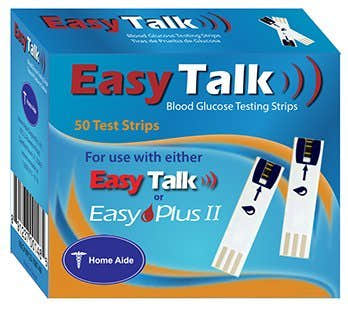
Easy Talk Blood Glucose Test Strips - 1080898_BX - 1
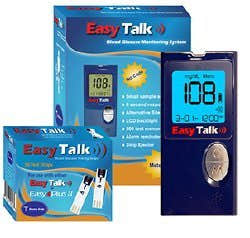
Easy Talk Blood Glucose Meter - 1080897_EA - 1

Frequently Asked Questions about Home Aide Diagnostics Inc

Blood glucose control solution is a liquid used to verify that your blood glucose meter and test strips are working accurately together. Running a control test helps confirm that your readings reflect true blood sugar levels, not equipment error. Using control solution regularly is especially important when opening a new vial of test strips or if a reading seems off.

Home blood glucose monitoring products are designed for people living with diabetes who need to track their blood sugar levels on a daily basis. These tools are also useful for caregivers managing a family member's diabetes care at home. Anyone prescribed self-monitoring by a healthcare provider can benefit from having a reliable home diagnostics setup.

Start by washing your hands, inserting a compatible test strip into the blood glucose meter, and then applying a small drop of blood from a fingertip to the strip. The meter reads the blood sample and displays a glucose result within seconds. Always follow the instructions included with your specific meter model for accurate results.

Run a blood glucose control solution test to confirm that your blood glucose test strips are performing within the expected accuracy range. If the result falls outside the acceptable range printed on the test strip vial, the strips may be expired, damaged, or improperly stored. Replace strips that fail a control test before using them for an actual blood sugar reading.

No, blood glucose test strips are not universally compatible — each strip is designed to work with a specific meter or meter family. Using mismatched strips and meters can produce inaccurate readings, which can be dangerous for diabetes management. Always confirm that the test strips you purchase are approved for use with your particular blood glucose meter model.

A blood glucose meter is the handheld electronic device that reads and displays your blood sugar level, while blood glucose test strips are the single-use disposable strips that actually collect and react with the blood sample. Both components are required for a complete glucose reading — the meter cannot function without compatible test strips. They are typically sold separately and must be matched to work together properly.

Because blood glucose test strips can degrade from heat, humidity, or age, control solution testing is the only reliable way to verify that your strips and meter are giving accurate results before you rely on them for health decisions. Skipping this step means you could be acting on a false reading without realizing it. Most manufacturers recommend running a control test whenever you open a new container of strips.

Blood glucose test strips and control solution should be stored at room temperature, away from direct sunlight, moisture, and extreme heat or cold. Storing these products in a bathroom medicine cabinet or a hot car can shorten their usable life and compromise accuracy. Always check the expiration date on the strip vial and control solution bottle before use.

Yes, blood glucose control solution does expire and should not be used past the printed expiration date or beyond the open-bottle use period noted on the label. Expired control solution may produce out-of-range results that do not accurately reflect meter or strip performance. Most opened bottles of control solution have a limited use window of a few months, so always note the date you first opened the bottle.

Home blood glucose meters are generally accurate enough for daily diabetes management but are not considered equivalent to clinical laboratory blood tests. Most home diagnostics devices are designed to meet regulatory accuracy standards, though small variations between home and lab results are normal. For major treatment decisions, your healthcare provider may still rely on lab-based glucose measurements alongside your home monitoring data.

Recently viewed