
Hudson RCI

3 products

Showing 1 - 3 of 3 products

Hudson RCI Oxygen Tubing: Reliable Delivery for Home and Clinical Use

This collection brings together oxygen tubing from Hudson RCI, a well-established name in respiratory care supply. Whether you're outfitting a home oxygen setup or sourcing for a clinical environment, Hudson RCI tubing is designed to connect oxygen concentrators, tanks, and delivery devices dependably. Browsing here, you'll find options suited to a range of length and flow needs — all from a single trusted manufacturer.
Showing 1 - 3 of 3 products
View
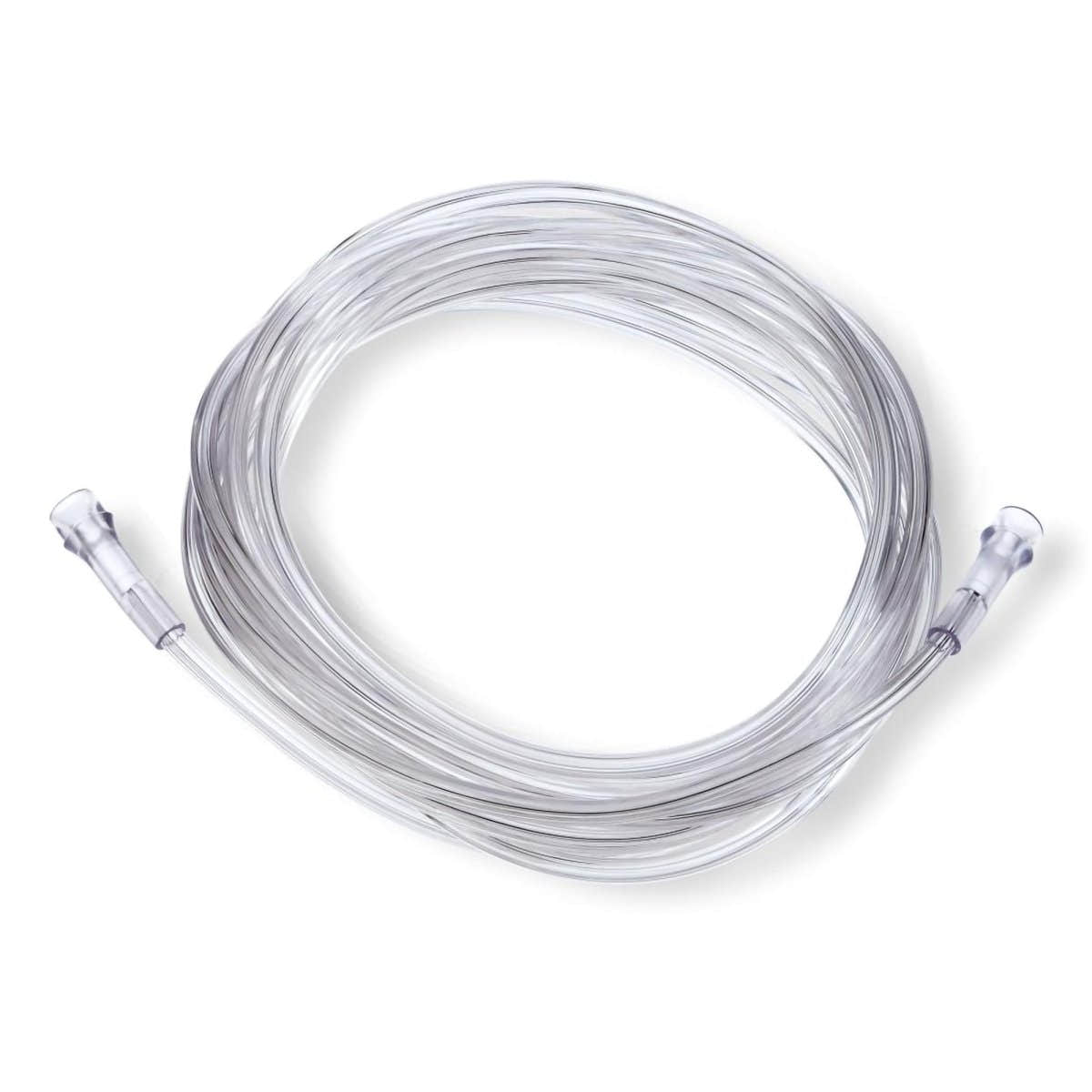
Hudson RCI Oxygen Supply Tubing - 177447_CS - 1
Hudson RCI Oxygen Supply Tubing
Sale priceFrom $1.99
Choose options
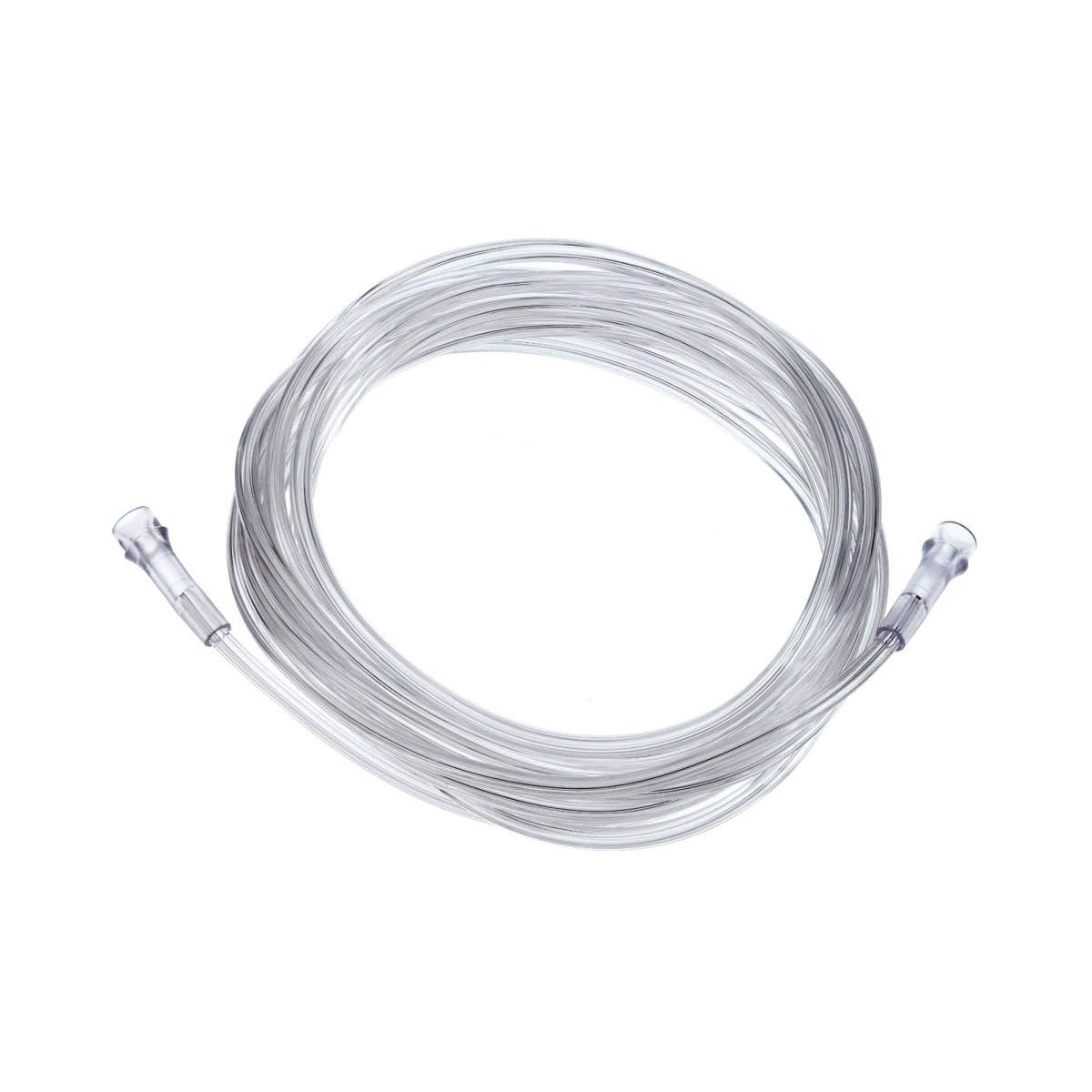
Hudson RCI Oxygen Tubing - 37362_CS - 1
Hudson RCI Oxygen Tubing
Sale priceFrom $1.99
Choose options

Frequently Asked Questions about Hudson RCI

Oxygen supply tubing is used to deliver supplemental oxygen from a stationary or portable oxygen source to a patient's nose or mouth. Oxygen supply tubing connects the oxygen concentrator, tank, or wall outlet to a nasal cannula or mask, making it a core component of any home or clinical oxygen therapy setup.

Oxygen supply tubing is designed for patients who require supplemental oxygen therapy, including those with COPD, chronic respiratory conditions, or post-surgical oxygen needs. Caregivers and respiratory therapists also use oxygen supply tubing when setting up or managing oxygen delivery systems in home care or clinical environments.

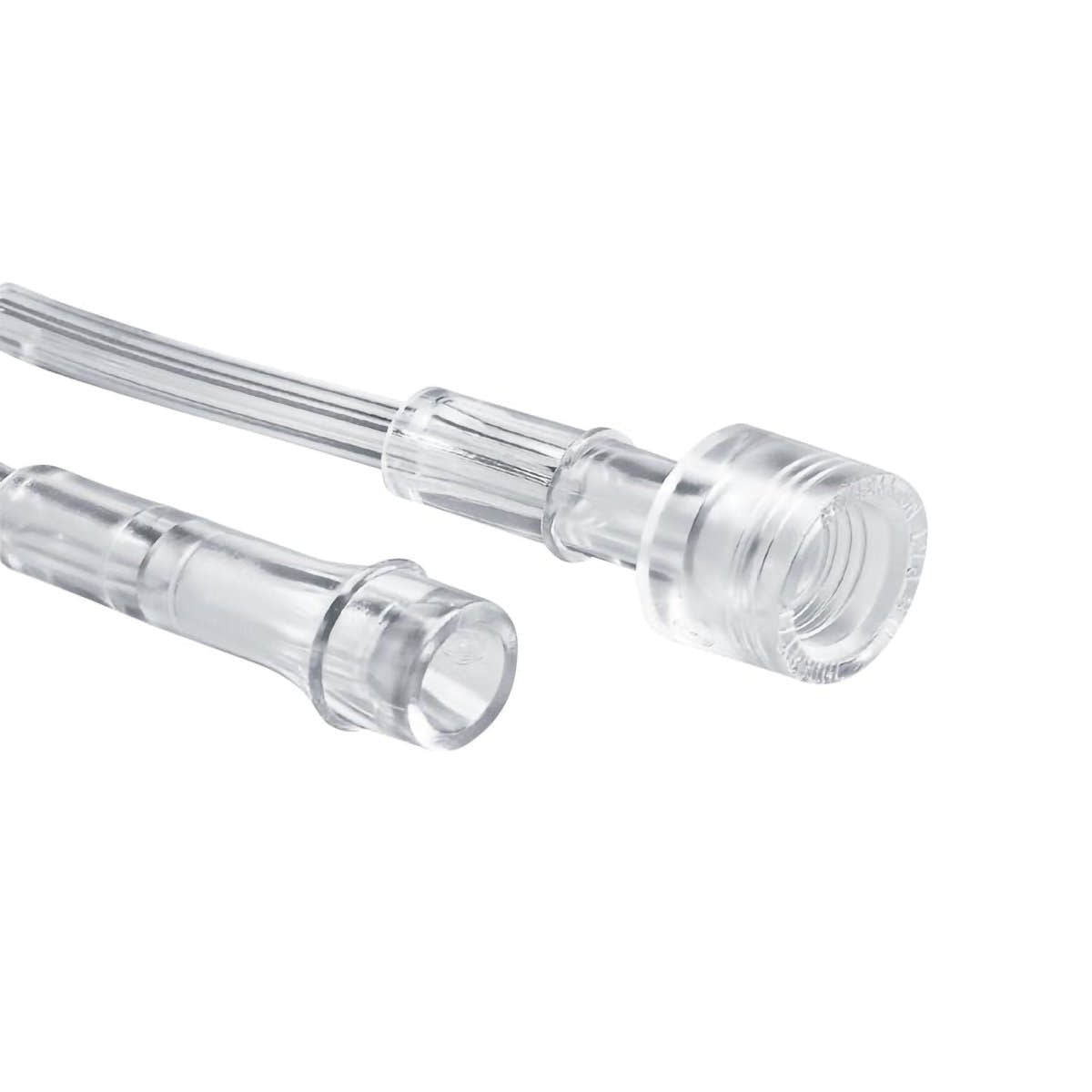
Attach the oxygen tubing by firmly pressing one end of the tubing onto the outlet port of the oxygen concentrator until it seats securely with no gaps. Connect the opposite end to your nasal cannula or oxygen mask, then turn on the concentrator and verify airflow is consistent before use.

Oxygen tubing should generally be replaced every 30 to 90 days, depending on visible wear, discoloration, or odor that may indicate bacterial buildup. Regular replacement of oxygen supply tubing helps maintain consistent oxygen flow and reduces the risk of contamination during ongoing therapy.

Yes, most oxygen supply tubing is designed to be compatible with standard oxygen concentrator outlet ports used across major home and clinical units. Always check the tubing's connector size and flow rate specifications before use to confirm a proper fit with your specific oxygen delivery device.

Oxygen tubing for home use is available in multiple lengths, commonly ranging from a few feet up to 50 feet or more, depending on how much mobility a patient needs. Longer oxygen supply tubing allows patients to move throughout their home without disconnecting from their oxygen source.

Yes, the internal channel design of oxygen tubing can affect how efficiently oxygen travels from the source to the patient. Some oxygen tubing features multi-lumen or star-shaped internal channels that help maintain consistent flow and reduce kinking, which can otherwise restrict oxygen delivery.

Kink-resistant oxygen tubing is important because any bend or blockage in the tubing can interrupt oxygen flow, which poses a serious risk to patients who depend on continuous supplemental oxygen. Tubing designed to resist kinking helps ensure reliable, uninterrupted oxygen delivery during daily activity or sleep.

Store oxygen supply tubing in a clean, dry location away from direct sunlight, heat sources, and sharp objects that could damage the tubing walls. Keeping oxygen tubing in its original packaging or a sealed bag until use helps prevent dust accumulation and maintains the integrity of the material.

Oxygen supply tubing is specifically engineered to handle the flow rates and pressure levels used in oxygen therapy, whereas general medical tubing is not always rated for these conditions. Oxygen tubing is also made from materials selected to avoid off-gassing or reactions that could contaminate the oxygen stream during patient use.

Recently viewed