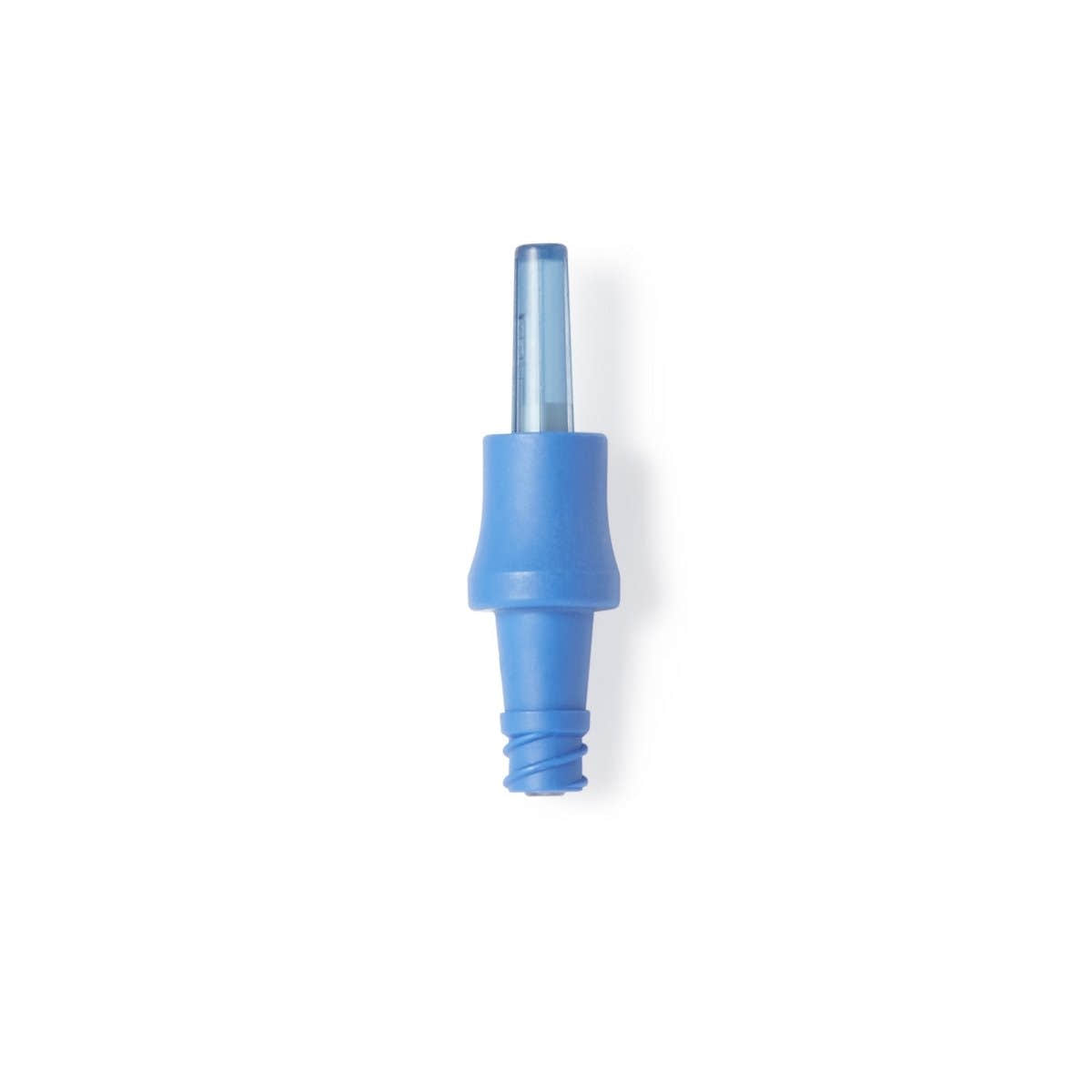
ICU Medical IV Connectors and Infusion Accessories
This collection brings together products from ICU Medical, a manufacturer recognized in the healthcare supply industry for infusion therapy components. Whether you're stocking a clinical facility, supporting a care team, or sourcing replacement parts for infusion systems, you'll find purpose-built accessories designed to meet the demands of professional medical environments.
IV connectors built for clinical use: The ICU Medical IV Connector is a core offering here — a component used to join IV lines and maintain secure, reliable fluid pathways in infusion setups.
A focused, trusted vendor: Every product in this collection comes directly from ICU Medical, so you're shopping within a single, consistent brand rather than sorting through mixed suppliers.
Professional-grade components: These products are intended for use by trained healthcare professionals in clinical or institutional settings.
How to Choose the Right Product
Because infusion accessories must be compatible with specific tubing, devices, and clinical protocols, it's important to verify compatibility before purchasing. When in doubt, consult your facility's procurement team or a qualified clinical professional to confirm that a given component meets your system's requirements.
If you're looking for a reliable starting point, the ICU Medical IV Connector is a practical example of the type of precision infusion hardware available in this collection. Review product details carefully to match specifications to your intended application.
Who This Collection Is For
This collection is best suited for healthcare facilities, medical supply coordinators, and clinical procurement professionals who need dependable infusion components from a recognized manufacturer. Individual product pages include the specific details needed to make an informed selection for your setting.
Frequently Asked Questions about ICU Medical
An IV connector is a small device used to link IV tubing, catheters, or access ports in intravenous therapy setups, allowing clinicians to deliver fluids or medications safely through a closed system. IV connectors help reduce the risk of contamination and disconnection during treatment. They are a standard component in hospital and clinical IV line management.
IV connectors are designed for healthcare professionals including nurses, physicians, and clinical staff who manage intravenous therapy in hospital, outpatient, or home care settings. They are intended for use with patients receiving IV fluids, medications, or nutritional support. Proper training in aseptic technique is recommended before handling IV connectors.
Attach the IV connector by screwing or pressing it firmly onto the compatible port or tubing end using aseptic technique, following your facility's infection control protocols. Always disinfect the connector access site before each use. Consult the manufacturer's instructions for specific attachment and flushing procedures.
Yes, most IV connectors are designed to be compatible with standard luer-lock and luer-slip IV tubing and catheter hubs commonly used in clinical settings. However, compatibility can vary by design, so always verify that the connector matches the specific tubing or port being used. Check product specifications before purchasing.
Needleless IV connectors allow clinicians to access an IV line without using a needle, reducing the risk of needlestick injuries and improving staff safety. Standard IV connectors may require needle access, which carries a higher risk of accidental puncture. Needleless designs are now widely preferred in most healthcare environments.
Because IV connectors create a sealed, closed access point in an IV line, they significantly reduce the chance of bacteria or contaminants entering the bloodstream during fluid or medication delivery. Many IV connectors are designed with features that minimize blood reflux and microbial ingress. Proper disinfection before each access is still essential.
Yes, the design and type of IV connector can influence recommended change intervals, which are typically guided by facility protocols and CDC guidelines rather than a universal rule. Most facilities replace IV connectors every 72 to 96 hours or whenever the IV line is changed. Always follow your institution's specific policies for IV connector replacement.
Store IV connectors in their original sealed packaging in a clean, dry environment away from direct sunlight, moisture, and extreme temperatures to preserve sterility until use. Do not use an IV connector if the packaging has been opened, torn, or compromised. Check the expiration date on each package before use.
No, IV connectors are generally intended for single-patient use over a defined period and should not be reused across different patients or after their recommended use window has passed. Reusing IV connectors can increase the risk of infection or device failure. Always follow manufacturer guidelines and facility protocols regarding reuse.
IV connectors are available through medical supply retailers like Cart Health, which carries IV connectors from trusted manufacturers for both clinical and home care settings. Purchasing from a reputable medical supply source helps ensure the products meet quality and sterility standards. Buying in bulk is a common option for facilities with ongoing IV therapy needs.
Do you still have questions about ICU Medical?
If we still haven't answered your question, you can contact us by live chat or email and we will get back to you as soon as possible.