Your privacy matters to us! By using our site, you agree to the collection and use of your Personal Information as described in our Privacy Policy.
Intermittent Catheters
3 products
Showing 1 - 3 of 3 products
Intermittent Catheters for Reliable, Everyday Urinary Management
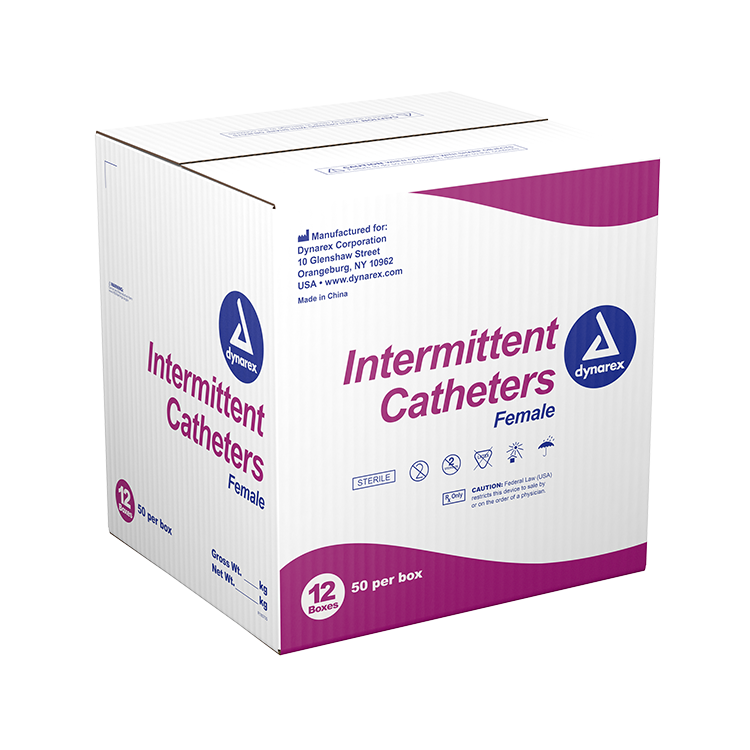
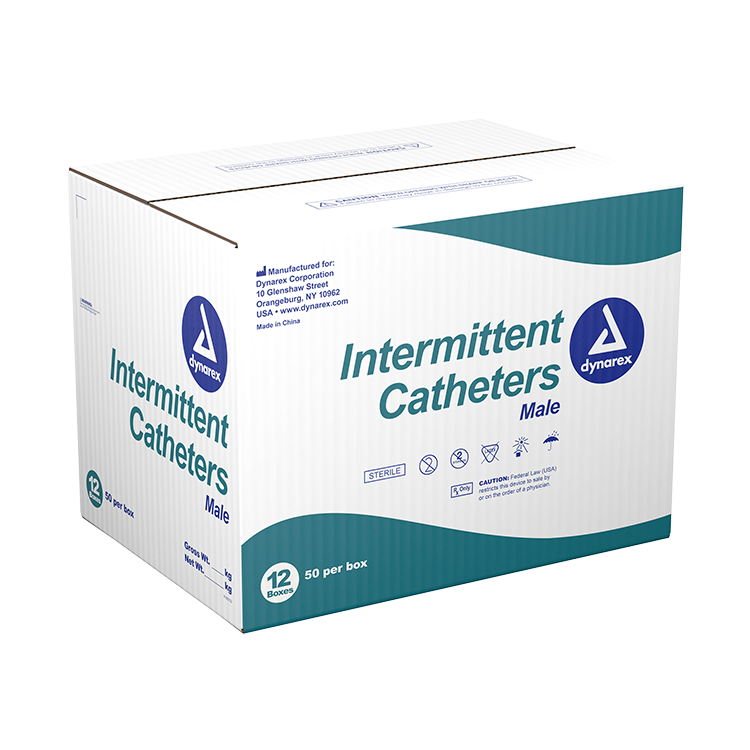
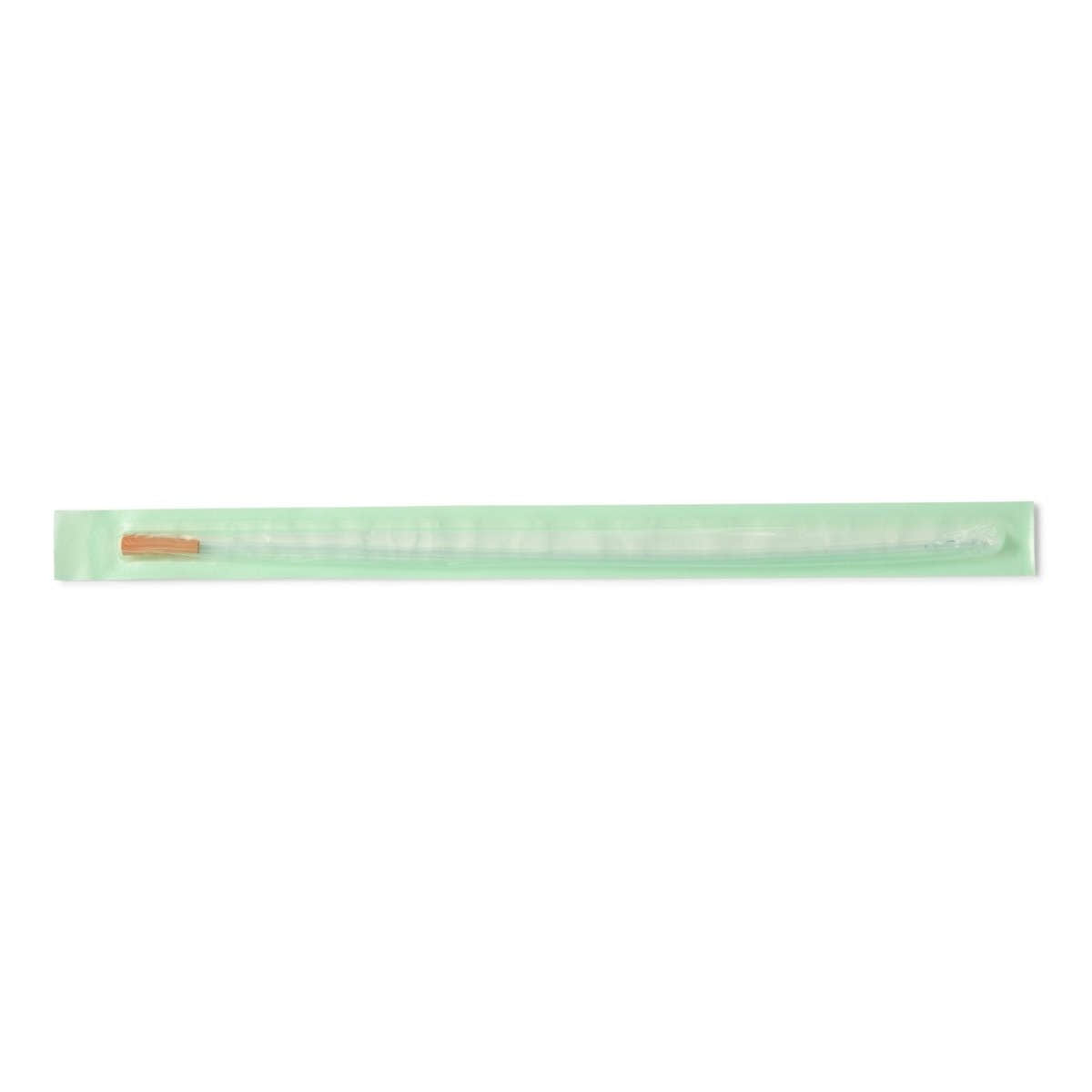
This collection brings together a focused range of intermittent urethral catheters designed for single-use, short-term bladder drainage. Whether you're stocking up for personal use or sourcing supplies in bulk, you'll find sterile, ready-to-use options sized and shaped for both male and female anatomy — from trusted brands including Self-Cath and Go Bulk Medical.
Single-use sterile packaging: Each catheter is individually packaged to support hygienic, one-time use — an important consideration for intermittent catheterization routines.
Bulk-friendly quantities: Multi-count packaging helps caregivers, home users, and medical facilities maintain a consistent supply without frequent reordering.
Reputable brands: Products from established names like Self-Cath and Dynarex (via Go Bulk Medical) offer consistency in materials and manufacturing standards.
How to Choose the Right Intermittent Catheter
Selecting the right catheter involves a few key factors. Anatomy is the starting point — male and female catheters differ in length and design, so choosing the correct type matters. French size (Fr) refers to the catheter's diameter; the appropriate size is typically determined by a healthcare provider based on individual needs. If you're unsure which size or style is right, consulting a clinician or nurse before purchasing is always a good idea.
For those who use catheters regularly, the Self Cath Urethral Catheter is a well-recognized option worth reviewing alongside the Dynarex line to compare features and sizing options available in this collection.
A Note on Usage and Professional Guidance
Intermittent catheterization is a routine procedure for many people, but proper technique is essential for safety and comfort. If you or someone in your care is new to self-catheterization, a healthcare professional can provide personalized instruction and help confirm the right product specifications before you begin a regular routine.
Frequently Asked Questions about Intermittent Catheters
An intermittent catheter is a thin, flexible tube inserted through the urethra to drain urine from the bladder and then removed after each use. Unlike indwelling catheters, intermittent catheters are used several times throughout the day and are not left in place, which helps reduce the risk of urinary tract infections.
Intermittent catheters are designed for people who cannot fully empty their bladder on their own due to conditions like spinal cord injury, multiple sclerosis, neurogenic bladder, or post-surgical urinary retention. A healthcare provider will typically recommend intermittent catheterization as part of a bladder management routine.
Start by washing your hands thoroughly, then clean the urethral opening before gently inserting the lubricated catheter until urine begins to flow. Allow the bladder to drain completely before slowly removing the catheter. Following proper sterile or clean technique each time helps reduce the risk of infection.
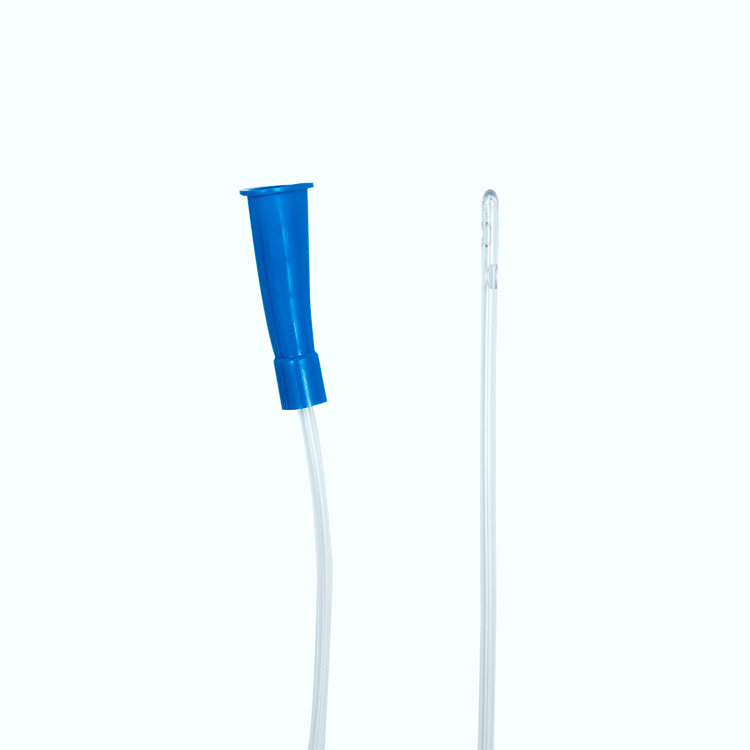
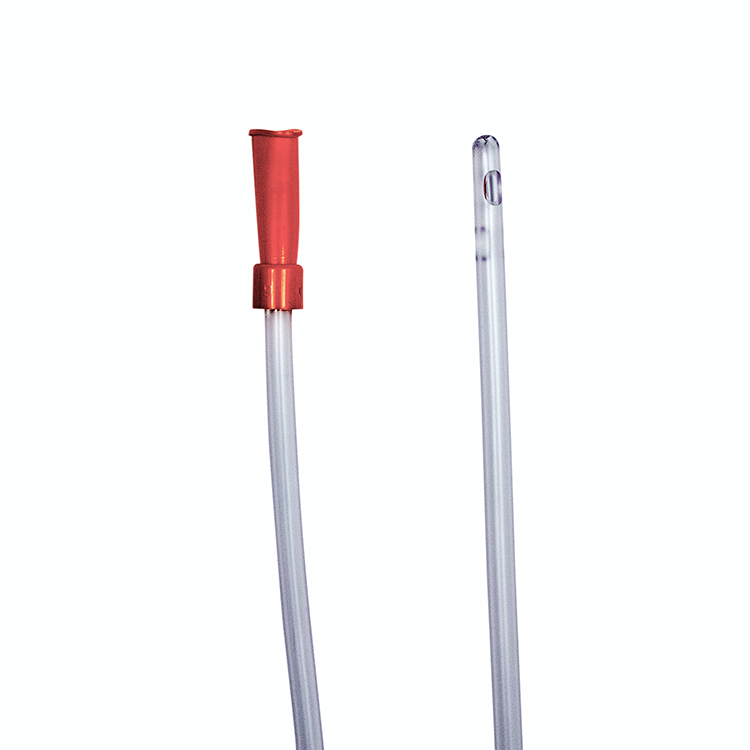
Male and female intermittent catheters differ primarily in length, since the male urethra is significantly longer than the female urethra. Male catheters are generally longer to reach the bladder, while female catheters are shorter. Choosing the correct length for your anatomy is essential for safe and effective catheterization.
Intermittent catheters are available in a range of French sizes, which refer to the outer diameter of the catheter tube. Smaller French sizes are typically used for children or those with narrower urethras, while larger sizes are common for adults. A healthcare provider can help determine the right size for your needs.
Yes, intermittent catheters are safe to use at home when proper hygiene and technique are followed as directed by a healthcare provider. Many people successfully manage their bladder health independently using intermittent catheters on a daily basis. Sterile, single-use options are widely available to further minimize infection risk.
No, most intermittent catheters are designed for single use only and should be discarded after each catheterization session. Reusing a single-use catheter can introduce bacteria into the urethra and bladder, significantly increasing the risk of urinary tract infections. Always check the product labeling to confirm whether a catheter is intended for single or multiple uses.
Because intermittent catheters are typically used multiple times per day, buying them in bulk packs helps ensure users always have an adequate supply on hand without frequent reordering. Bulk purchasing is also a practical way to manage ongoing supply costs for people who rely on catheters as part of their daily routine.
Intermittent catheters should be stored in a clean, dry location away from direct sunlight and extreme temperatures to preserve their sterility and integrity. Keep catheters in their original sealed packaging until ready for use. Always check the expiration date before using any catheter, as expired products should not be used.
Intermittent catheters are inserted and removed each time the bladder needs to be drained, while indwelling catheters remain in the bladder continuously and are secured with a small balloon. Intermittent catheters are generally associated with a lower risk of urinary tract infections and are preferred for long-term bladder management when a person is physically able to self-catheterize.
Do you still have questions about Intermittent Catheters?
If we still haven't answered your question, you can contact us by live chat or email and we will get back to you as soon as possible.