Manual Shaving

7 products

Showing 1 - 7 of 7 products

Manual Shaving: Razors, Shaving Cream, and Surgical Clippers for Every Setting

Whether you're stocking a healthcare facility, managing a personal care routine, or equipping a professional environment, this collection brings together the manual shaving essentials you need. From twin-blade disposable razors and gentle facial razors to reliable shaving creams and surgical clippers, every product here is built for practical, everyday use. Trusted brands like McKesson, Bic, Dynarex, DawnMist, and 3M are represented throughout, making it easy to find a familiar name or discover a dependable new option.
Showing 1 - 7 of 7 products
View
3M Surgical Clipper Kit - 1061817_KT - 1
3M Surgical Clipper Kit
Sale price$165.99
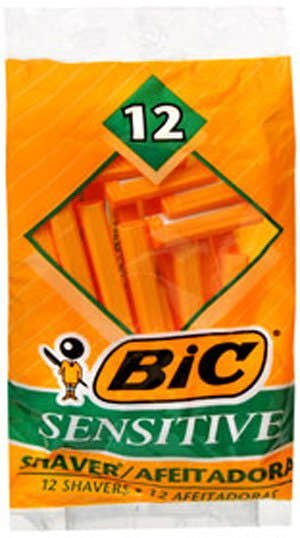
Bic Sensitive Razor - 785314_PK - 1
Bic Sensitive Razor
Sale price$7.99
Dynarex Dyna Care Shaving Cream - 826658_CS - 1
Dynarex Dyna Care Shaving Cream
Sale priceFrom $3.99
Choose options
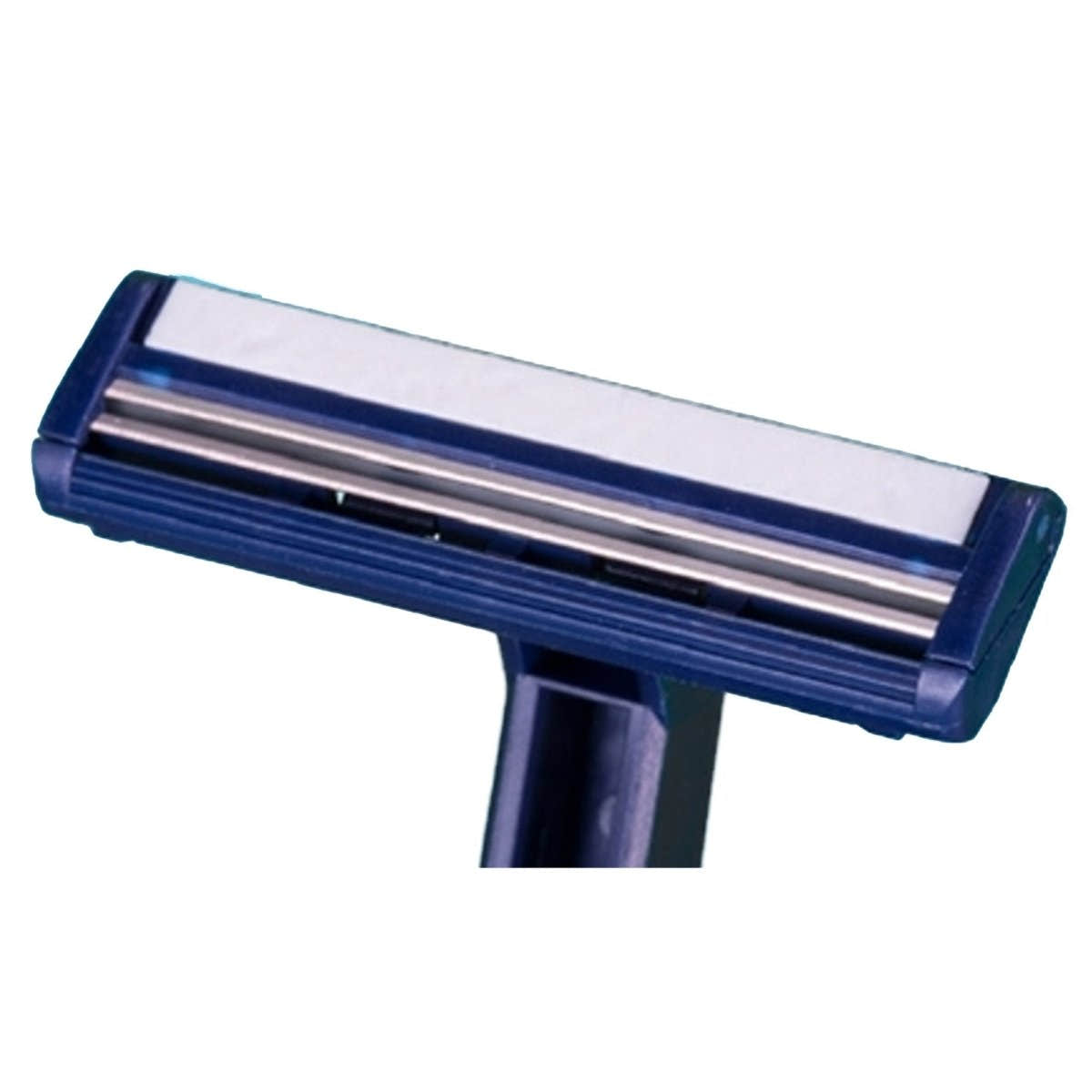
Mckesson Disposable Razor - 899539_BX - 1
McKesson Disposable Razor
Sale priceFrom $4.99
Choose options
Val U Shave Razor - 765349_BX - 1
Val U Shave Razor
Sale priceFrom $14.99

Frequently Asked Questions about Manual Shaving

Manual razors are handheld shaving tools used to remove hair from the skin by cutting it at the surface, making them common in both everyday grooming and pre-surgical skin preparation. Medical-grade disposable razors are especially useful in clinical environments where single-use hygiene standards are required.

Disposable manual razors are designed for anyone who needs a close, clean shave without access to electric equipment, including patients in hospital or care facility settings where infection control is a priority. They are also a practical choice for caregivers assisting patients with limited mobility.

Start by applying shaving cream or gel to the area to soften the hair and create a protective barrier, then shave in short, controlled strokes in the direction of hair growth. Rinse the blade frequently and avoid pressing too hard against the skin to reduce the risk of nicks and razor burn.

Shaving cream is a foam or gel product applied to the skin before shaving to lubricate the surface, soften hair, and help the razor blade glide smoothly. Using shaving cream with a manual razor significantly reduces friction, which lowers the chance of cuts, irritation, and post-shave redness.

Choose a manual razor designed specifically for sensitive skin, typically one with fewer blades and a moisturizing strip to minimize friction and irritation. Pairing the razor with a gentle, fragrance-free shaving cream can further protect delicate or easily irritated skin during shaving.

No, disposable razors are designed for single use, and reusing them increases the risk of dull blades causing skin irritation, cuts, and potential infection from bacteria buildup on the blade. In medical and care settings, single-use razors are especially important to prevent cross-contamination between patients.

Twin blade disposable razors use two stacked blades to lift and cut hair in a single pass, which typically delivers a closer shave than a single blade razor. Single blade razors are simpler and often preferred for sensitive skin or for basic pre-procedure hair removal in clinical settings.

Manual razors and shaving cream should be stored in a cool, dry place away from moisture and direct sunlight to prevent blade corrosion and product degradation. Avoid storing razors in humid areas like shower ledges, as prolonged moisture exposure dulls the blade faster and promotes bacterial growth.

Yes, shaving cream does expire, and most products include an expiration date or period-after-opening symbol on the packaging. Signs that shaving cream has gone bad include a change in texture, separation of ingredients, an off smell, or reduced lathering ability, all of which indicate the product should be replaced.

Disposable razors are preferred in healthcare facilities because single-use design eliminates the risk of cross-contamination and infection between patients, which is a critical safety standard in clinical environments. Reusable razors require thorough sterilization between uses, which is difficult to guarantee consistently in busy care settings.

Recently viewed