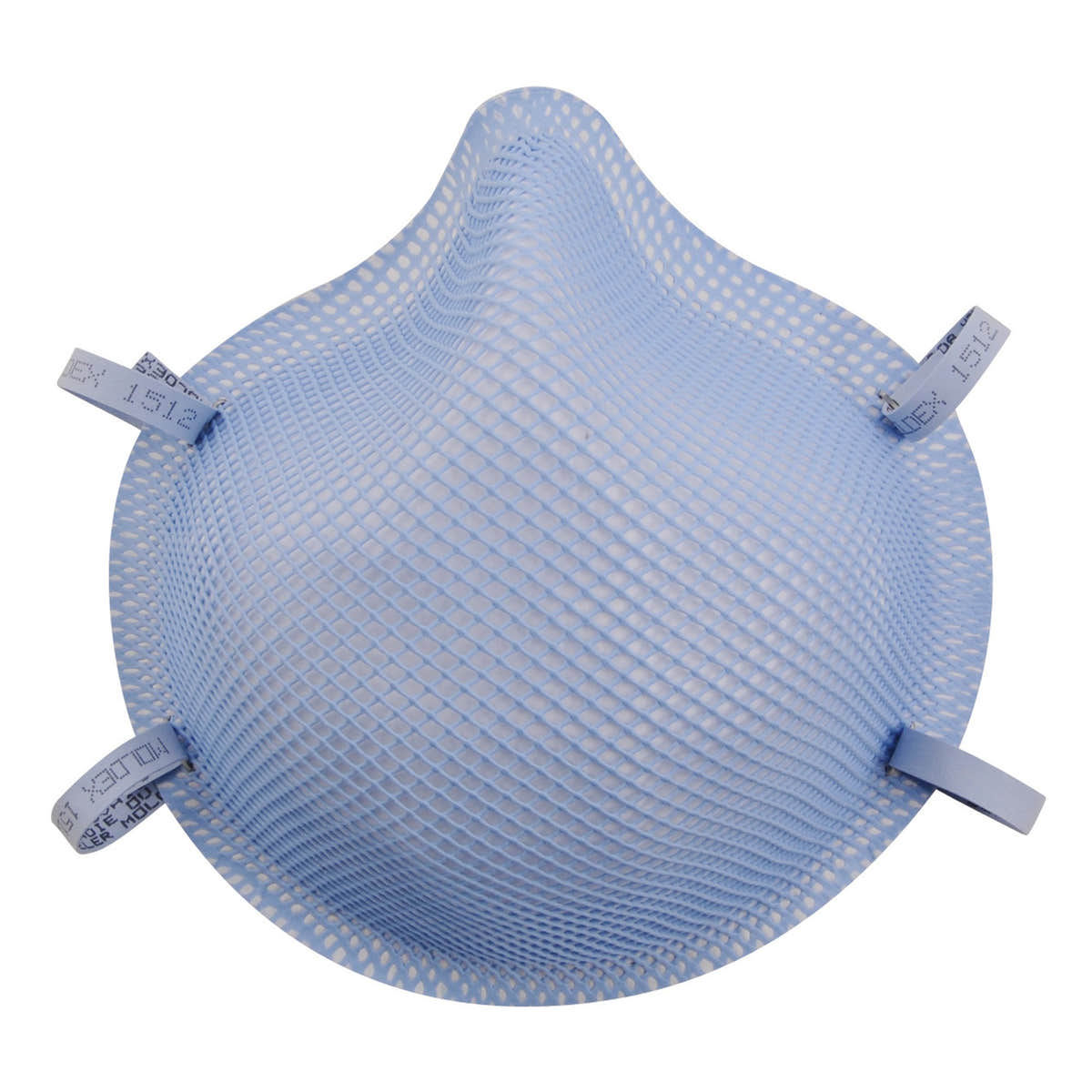
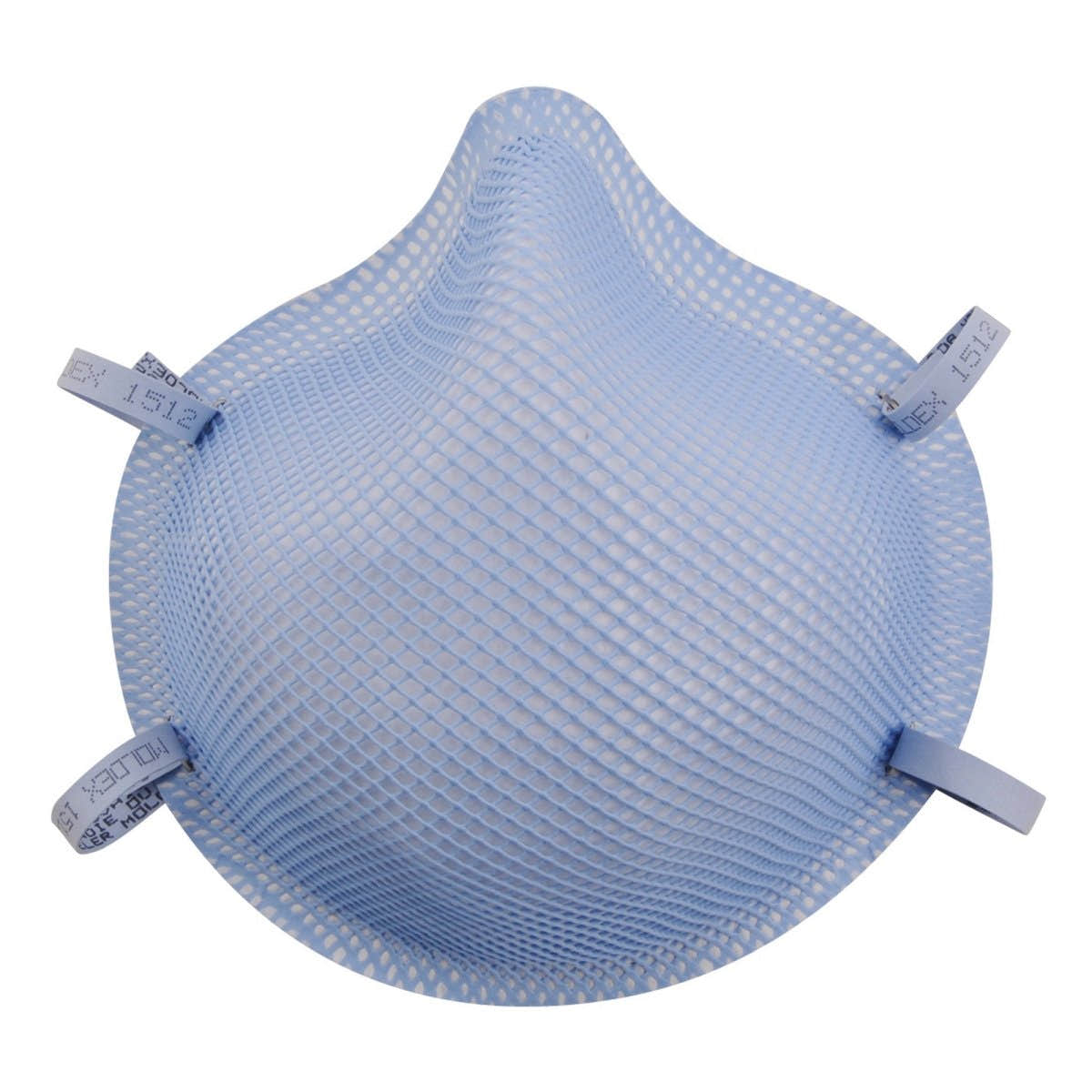
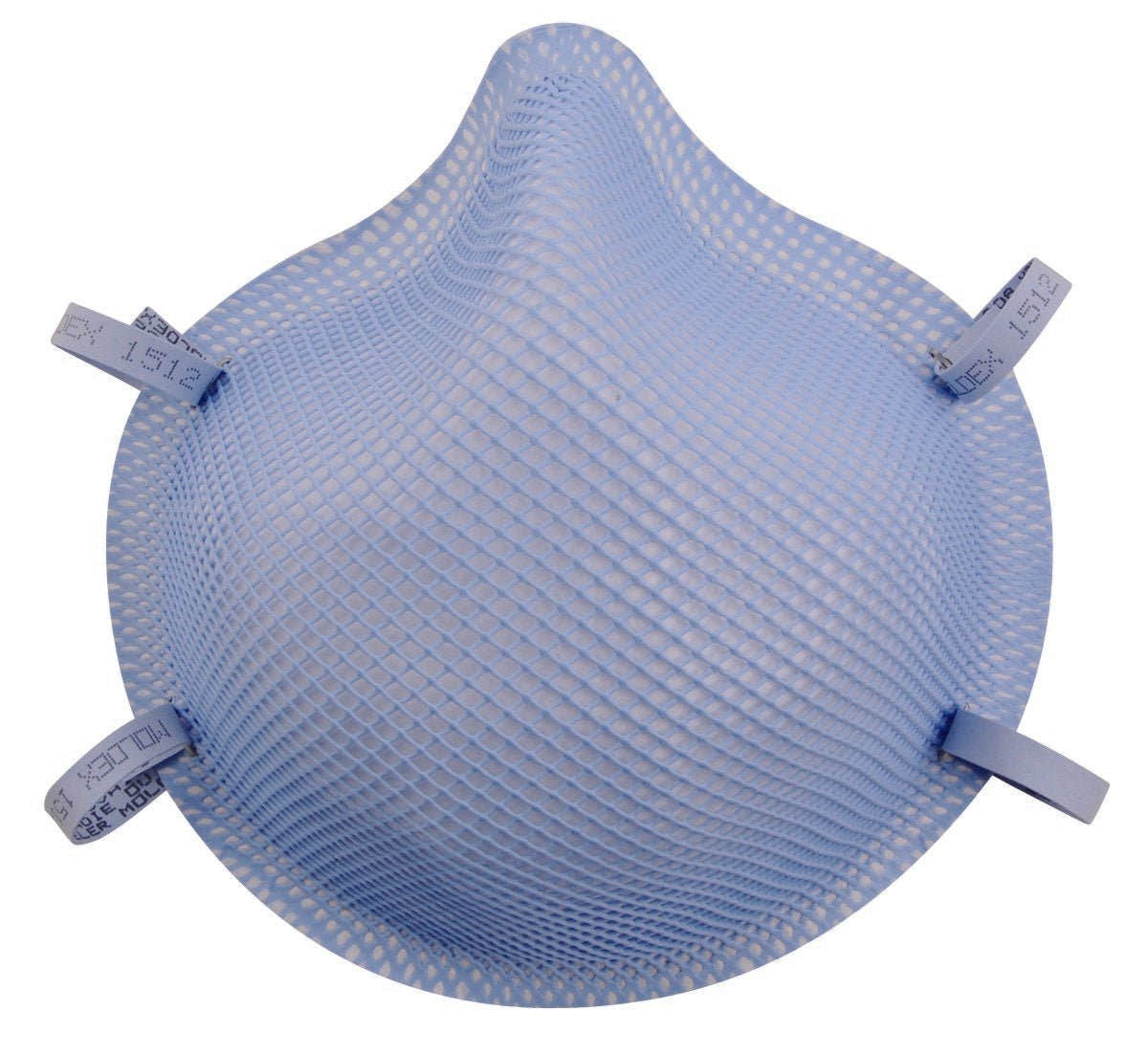
Moldex is a trusted name in personal protective equipment, known for producing respirators and hearing protection built to meet rigorous safety standards. Whether you work in healthcare, construction, or any environment where air quality or noise levels are a concern, this collection brings together Moldex's core protective gear in one place.
Cordless ear plugs: The Moldex SparkPlugs Cordless Ear Plugs provide hearing protection without the hassle of a connecting cord — a practical choice for active work environments.
A single trusted brand: Every product here comes directly from Moldex, so you can expect consistent quality and design philosophy across the range.
How to Choose the Right Moldex Product
Start by identifying what you need to protect against. If respiratory protection is your priority, consider whether your setting calls for a standard particulate respirator or a higher-rated N95 option — particularly in medical or clinical environments where specifications matter most. For noise-heavy workplaces or tasks, cordless ear plugs offer freedom of movement alongside reliable hearing protection.
When in doubt about which level of protection is appropriate for your specific environment or role, it's always a good idea to consult a safety officer or healthcare professional who can guide you to the right fit.
Who This Collection Is For
Moldex products are commonly used by healthcare workers, industrial professionals, and anyone who regularly encounters airborne particles or elevated noise levels as part of their work. The range is straightforward and practical — focused on doing its job without unnecessary complexity.
Frequently Asked Questions about Moldex
Moldex respirators and ear plugs are personal protective equipment designed to reduce exposure to airborne particles and harmful noise levels in medical, industrial, and everyday settings. Moldex respirators filter out particulates while surgical mask versions also provide fluid resistance, and Moldex ear plugs help protect hearing in loud environments.
Particulate respirators and surgical masks are designed for healthcare workers, patients, and individuals who need protection against airborne particles, respiratory droplets, or contaminants in clinical or high-exposure environments. They are also appropriate for general consumers seeking reliable respiratory protection during illness or exposure to dust and pollutants.
Place the particulate respirator over your nose and mouth, then press the nose wire firmly against the bridge of your nose to create a secure seal. Pull the straps behind your head and adjust until the mask fits snugly with no gaps along the edges, then perform a quick seal check by exhaling gently.
A particulate respirator filters airborne particles by forming a tight seal against the face, while a surgical mask primarily blocks large droplets and splatter but does not create a fitted seal. Some products, like a particulate respirator slash surgical mask, are certified for both functions, offering dual protection in clinical settings.
Yes, Moldex Medical N95 Particulate Respirator Surgical Masks are approved for medical use and meet NIOSH N95 filtration standards, meaning they filter at least 95 percent of airborne particles. The medical designation also indicates the mask meets FDA requirements for use in surgical and clinical environments where fluid resistance matters.
Roll the foam ear plug into a tight, thin cylinder, then reach over your head with the opposite hand to gently pull your ear upward and insert the compressed plug into the ear canal. Hold the plug in place for 20 to 30 seconds while the foam expands to fill the canal and create a proper acoustic seal.
For loud workplaces, look for ear plugs with a high Noise Reduction Rating, commonly shown as NRR, which measures how many decibels of sound protection the ear plugs provide. The higher the NRR number, the greater the noise reduction, and occupational safety guidelines generally recommend selecting ear plugs rated for the specific decibel levels in your environment.
No, most disposable respirators and ear plugs are intended for single use and should be discarded after each wearing session or when they become soiled, damaged, or difficult to breathe through. Reusing disposable respiratory protection or ear plugs can compromise their protective performance and increase the risk of contamination or reduced filtration efficiency.
Store particulate respirators and ear plugs in a clean, dry location away from direct sunlight, extreme temperatures, and humidity, ideally in their original sealed packaging until ready for use. Exposure to moisture, oils, or contaminants before use can degrade the filtration material in respirators and reduce the expansion and sealing ability of foam ear plugs.
Because a combination particulate respirator and surgical mask provides dual-layer protection by both filtering fine airborne particles and blocking fluid splatter, which a standard face mask cannot reliably do. This makes the combination product a better choice for healthcare settings or situations where both respiratory filtration and fluid resistance are required at the same time.
Do you still have questions about Moldex?
If we still haven't answered your question, you can contact us by live chat or email and we will get back to you as soon as possible.