Neosporin

5 products

Showing 1 - 5 of 5 products

Neosporin First Aid Antibiotics: Trusted Wound Care for Every Household

When minor cuts, scrapes, and burns happen at home, at work, or on the go, Neosporin is one of the most recognized names in first aid wound care. This collection brings together Neosporin's core lineup of first aid antibiotic products — from classic ointments to formulas designed with added comfort and kid-friendly options — so you can find the right fit for your first aid kit.
Showing 1 - 5 of 5 products
View
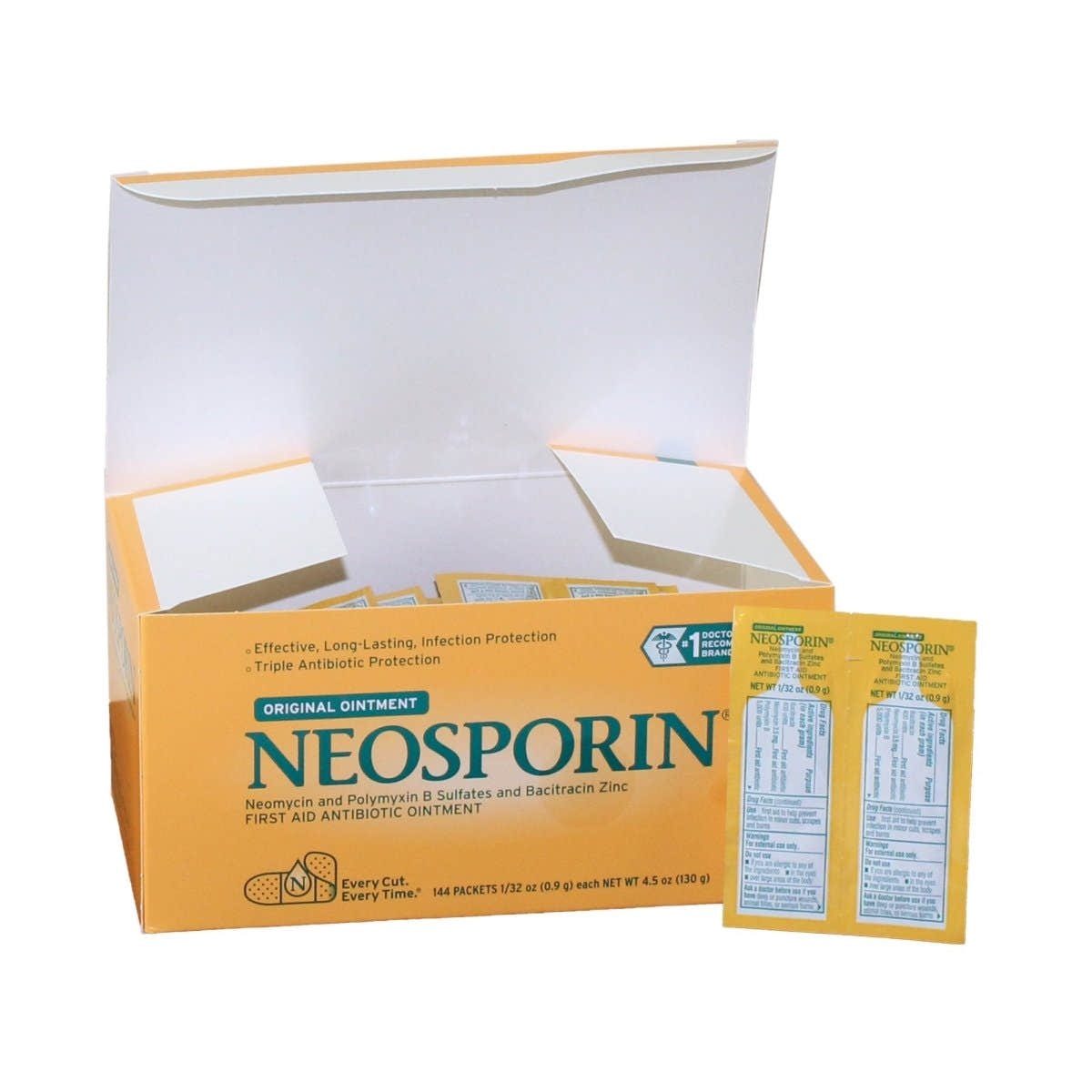
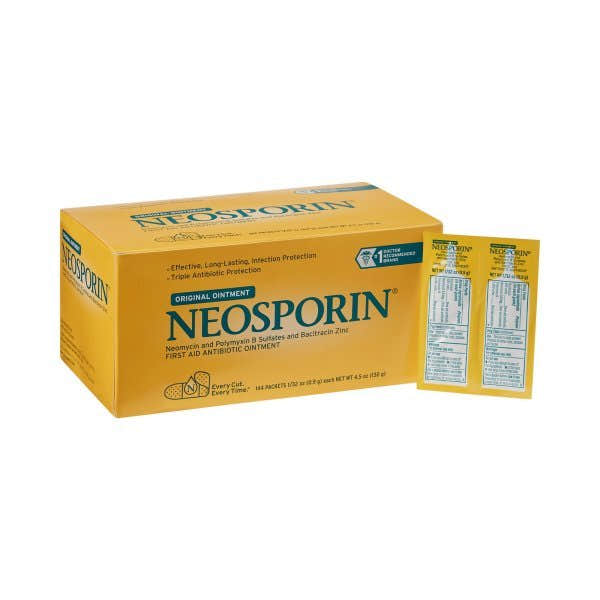
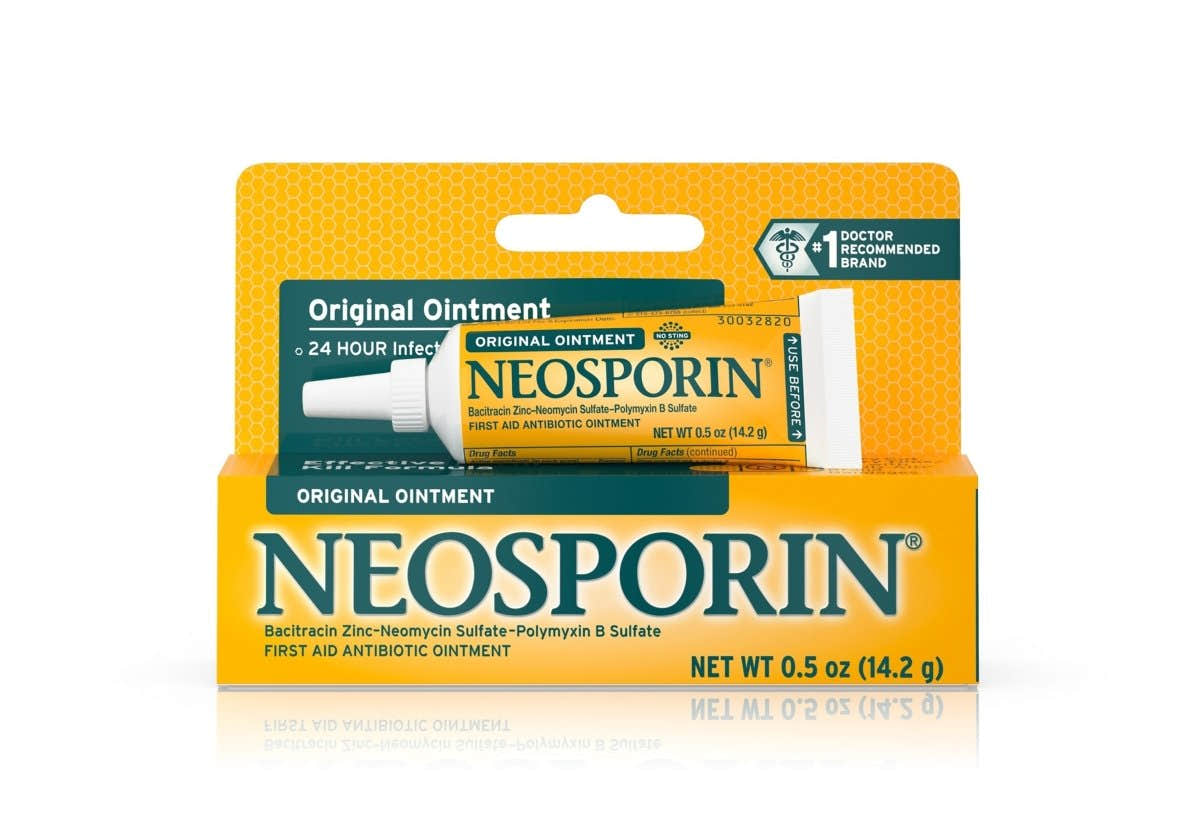
Neosporin First Aid Antibiotic - 762698_BX - 1
Neosporin First Aid Antibiotic
Sale priceFrom $15.99
Choose options
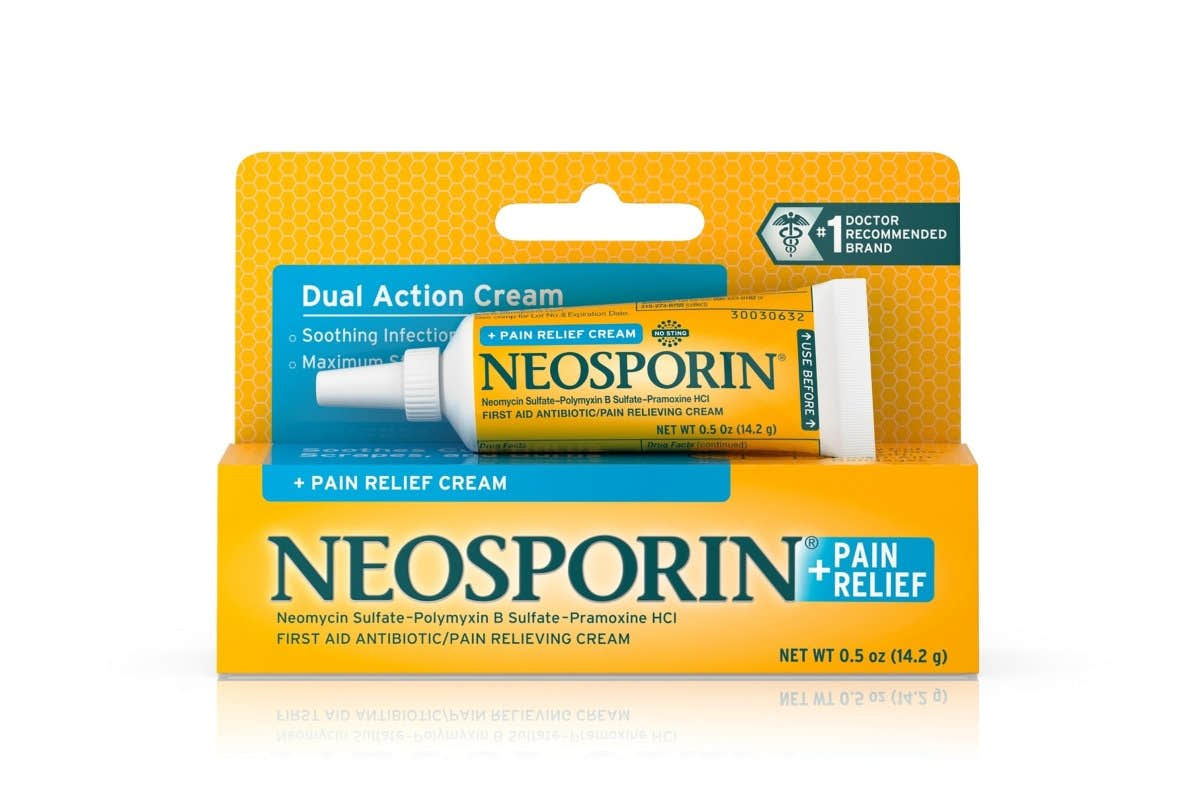
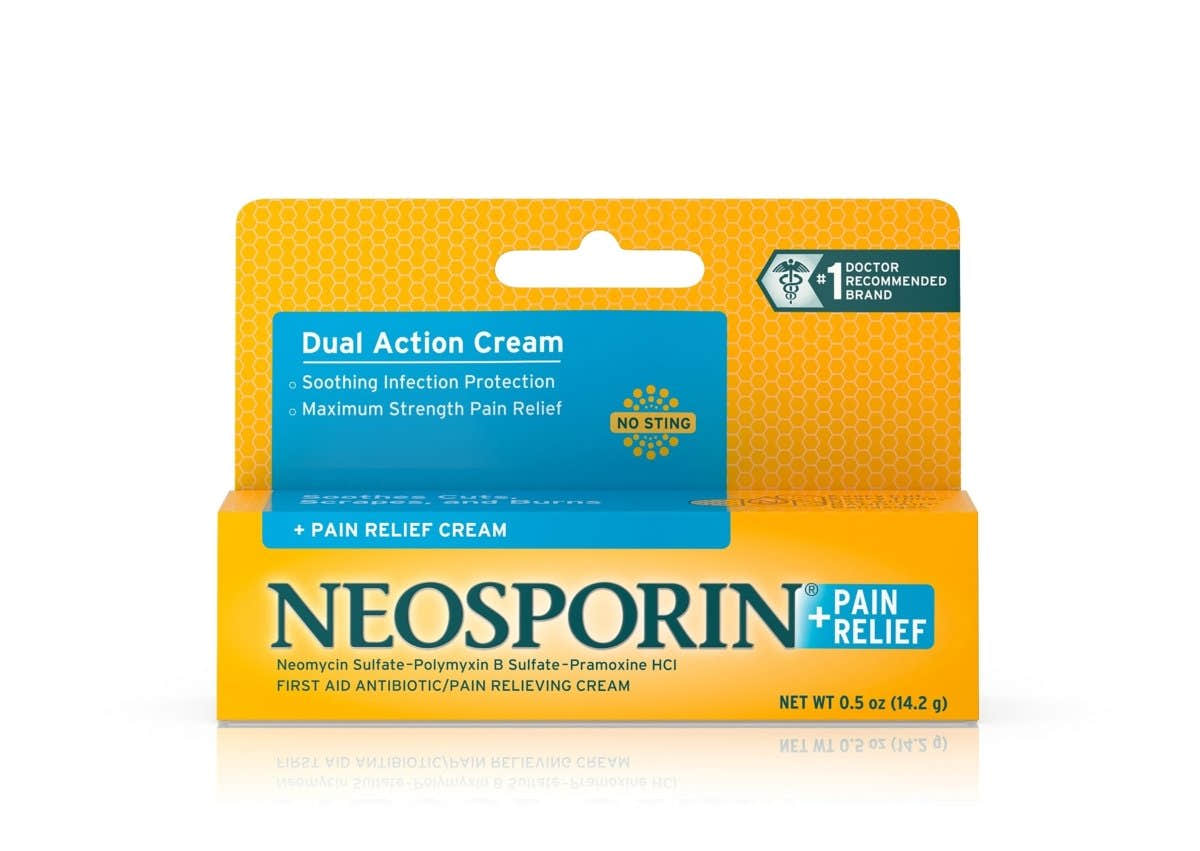
Neosporin Bacitracin / Neomycin / Polymyxin B / Pramoxine First Aid Antibiotic Cream - 677853_EA - 1
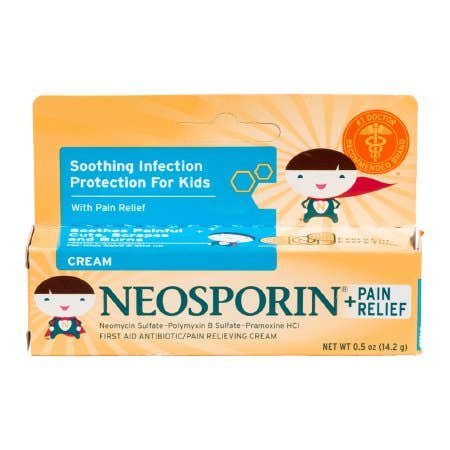
Neosporin + Pain Relief For Kids First Aid Antibiotic - 785539_EA - 1

Frequently Asked Questions about Neosporin

First aid antibiotic ointment is used to prevent infection in minor cuts, scrapes, and burns by killing bacteria that can enter broken skin. Applying a thin layer to a clean wound creates a protective barrier that helps keep harmful bacteria out while the skin heals naturally.

Apply first aid antibiotic ointment by cleaning the wound thoroughly with soap and water, then spreading a thin layer over the affected area one to three times daily. Cover the wound with a sterile bandage after applying the ointment to protect the area and keep the medication in place.

First aid antibiotic cream with pain relief is designed for adults and children who want to both prevent infection and reduce minor pain or discomfort from small cuts, scrapes, and burns in a single step. A separate kids-specific formula is also available for parents treating younger children.

Yes, first aid antibiotic ointment formulated specifically for kids is safe for use on children when applied as directed on the packaging. Parents should use the kids-specific formula rather than adult-strength products and consult a pediatrician if a wound shows signs of infection or does not heal within a few days.

First aid antibiotic ointment has an oil-based formula that stays moist longer and creates a stronger skin barrier, while first aid antibiotic cream has a lighter, water-based texture that absorbs more easily and feels less greasy. Both formats deliver the same antibacterial protection, so the choice often comes down to personal preference and skin type.

Yes, first aid antibiotic ointment helps wounds heal faster by preventing bacterial infection, which is one of the most common reasons minor wounds become complicated and take longer to recover. Keeping the wound moist with an ointment also reduces scab formation and may minimize scarring over time.

Because even small cuts and scrapes expose the skin to bacteria that can cause infection, slowing healing and potentially leading to more serious complications. First aid antibiotic products add a layer of protection that reduces that risk and helps the body focus its energy on repairing damaged tissue.

First aid antibiotic ointment should generally be used for no more than one week on a minor wound unless a healthcare provider advises otherwise. If the wound shows signs of worsening infection such as increased redness, swelling, or discharge after a few days of treatment, stop use and see a doctor.

Store first aid antibiotic ointment at room temperature, away from direct heat, moisture, and sunlight to maintain its effectiveness. Avoid storing antibiotic ointments in humid environments like bathrooms, and always check the expiration date before applying the product to a wound.

Yes, first aid antibiotic ointment can be used on most minor wounds including small cuts, scrapes, and superficial burns to help prevent infection. However, first aid antibiotic products are not appropriate for deep puncture wounds, animal bites, or serious burns, which require professional medical evaluation and treatment.

Recently viewed