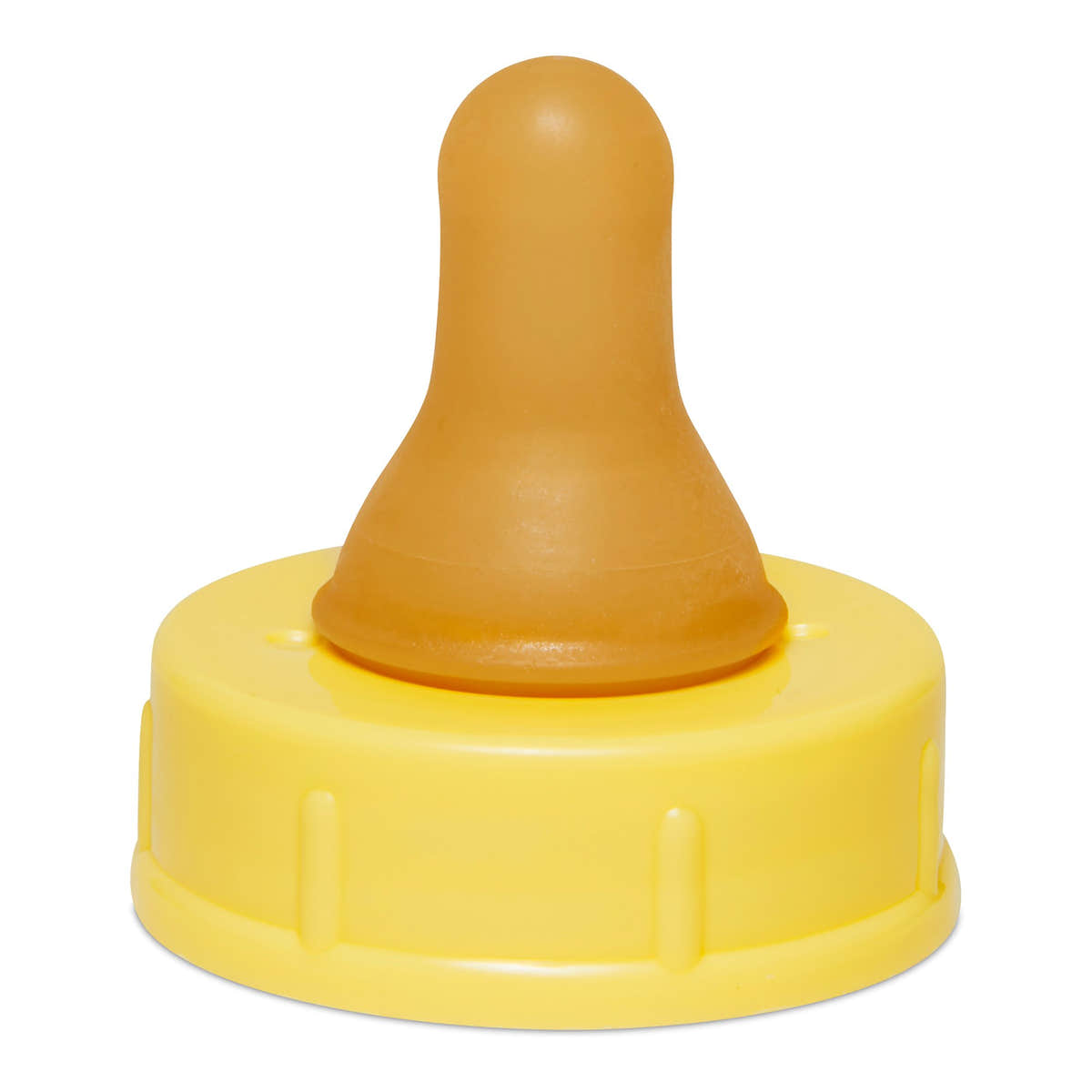
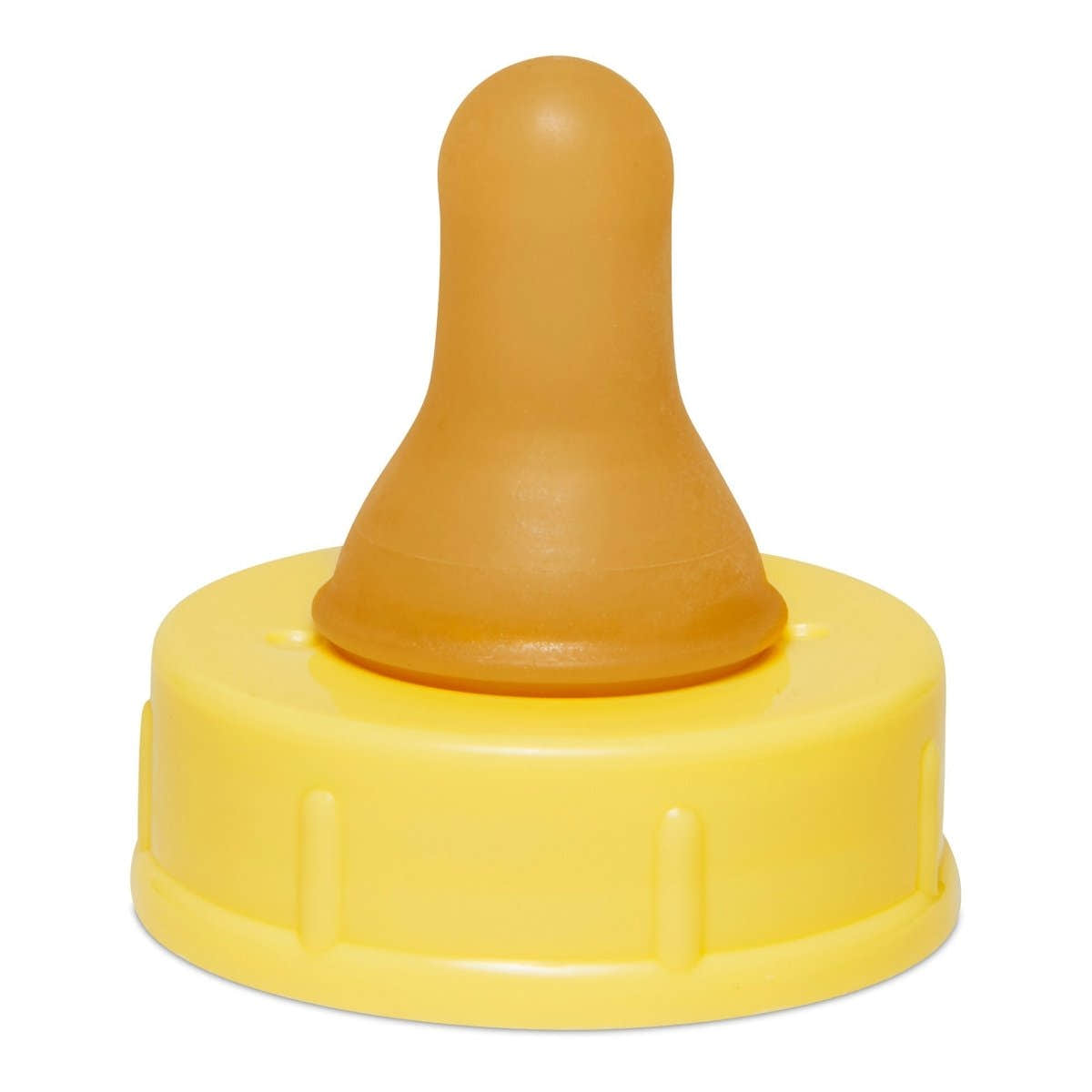
Finding the right bottle nipple can make a real difference in how comfortably and confidently a baby feeds. Cart Health's bottle nipples collection brings together options designed to support a smooth, natural feeding experience — whether a caregiver is introducing a bottle for the first time or transitioning between feeding stages.
Newborn-friendly designs: Nipples shaped and sized to suit the earliest weeks of feeding, like the Enfamil Cross-Cut Tip Newborn Nipple, which is designed for newborns beginning their bottle-feeding journey.
Trusted brands: Products from established names like Enfamil, known for their focus on infant feeding.
Variety of tip styles: Different tip designs — such as cross-cut styles — that are intended to regulate flow and support comfortable feeding.
How to Choose the Right Bottle Nipple
The right nipple depends on a few key factors. Age and developmental stage matter most — newborns typically need a slower flow rate, while older infants may do better with a faster one. Tip style also plays a role: cross-cut tips, for example, are designed to open under suction and help control the pace of feeding.
If there are specific feeding concerns or questions about which nipple is most appropriate, consulting a pediatrician or lactation consultant is always a good step. They can offer guidance tailored to an individual baby's needs.
A Note on Compatibility
Bottle nipples are generally designed to fit specific bottle brands and sizes. Before purchasing, it's worth checking that the nipple is compatible with the bottles already in use. Product details on each listing can help confirm the right fit.
Frequently Asked Questions about Nipples
Bottle nipples are the soft, teat-shaped attachments that fit onto baby bottles and allow infants to draw milk or formula during feeding. Bottle nipples mimic the shape and function of breastfeeding to help babies latch and feed comfortably. Choosing the right nipple can make a significant difference in how well a baby feeds.
Bottle nipples are designed for infants and newborns who are fed expressed breast milk or formula from a bottle. Bottle nipples are especially helpful for parents who are supplementing breastfeeding, exclusively bottle feeding, or transitioning a baby between breast and bottle. Caregivers, nurses, and NICU staff also rely on bottle nipples for feeding support.
Start by matching the nipple flow rate to your baby's age and feeding ability, since newborns typically need a slow or cross-cut flow to prevent overfeeding. Bottle nipples come in several flow rates, and choosing the wrong one can cause choking, gas, or frustration during feeding. Always check bottle compatibility before purchasing a replacement nipple.
Bottle nipple flow rates control how quickly liquid passes through the nipple during feeding, with slower flows designed for newborns and faster flows for older, stronger feeders. Bottle nipples labeled slow, medium, fast, or cross-cut are designed to match a baby's developmental stage. Using a flow rate that is too fast can cause a baby to gulp air and become gassy.
No, bottle nipples are not universally compatible with all baby bottles, as most nipples are designed to fit specific bottle neck sizes or brand systems. When shopping for bottle nipples, check whether the nipple is made for a standard neck or wide neck bottle to ensure a secure, leak-free fit. Mixing incompatible nipples and bottles can lead to leaking or an unsafe seal.
Wash bottle nipples in warm, soapy water after every feeding, using a small brush to clean inside the nipple tip where milk can collect. Bottle nipples can also be sterilized by boiling in water for five minutes or using a steam sterilizer, which is especially important for newborns. Allow bottle nipples to air dry completely before storing or reassembling.
Bottle nipples should be replaced every four to eight weeks with regular use, or sooner if the nipple shows signs of thinning, discoloration, stickiness, or tearing. Worn bottle nipples can harbor bacteria and may collapse during feeding, making it harder for a baby to eat. Inspect bottle nipples before each use to catch wear early.
Yes, bottle nipples designed for newborns are safe when used correctly and replaced regularly according to the manufacturer's guidance. Newborn-specific bottle nipples feature slower flow rates to match an infant's weaker suck and reduce the risk of choking or overfeeding. Always inspect bottle nipples for damage before each use and discard any that appear cracked or degraded.
Because the shape, softness, and flow rate of a bottle nipple directly affect how comfortable and natural feeding feels to an individual baby. Some infants prefer bottle nipples with a broader base that mimics the shape of a breast, while others do better with a more traditional elongated design. It may take some trial and error to find the bottle nipple style that works best for your baby.
Bottle nipples for infants are available at Cart Health, which carries a selection of bottle nipples suited for newborns and growing babies. Shopping through a medical supply retailer like Cart Health can be especially convenient for caregivers who need reliable feeding supplies delivered to their home. Always verify that the bottle nipples you purchase are compatible with your existing bottles before ordering.
Do you still have questions about Nipples?
If we still haven't answered your question, you can contact us by live chat or email and we will get back to you as soon as possible.