Filters

Ostomy Accessories

59 products

Showing 49 - 59 of 59 products

What are Ostomy Accessories?

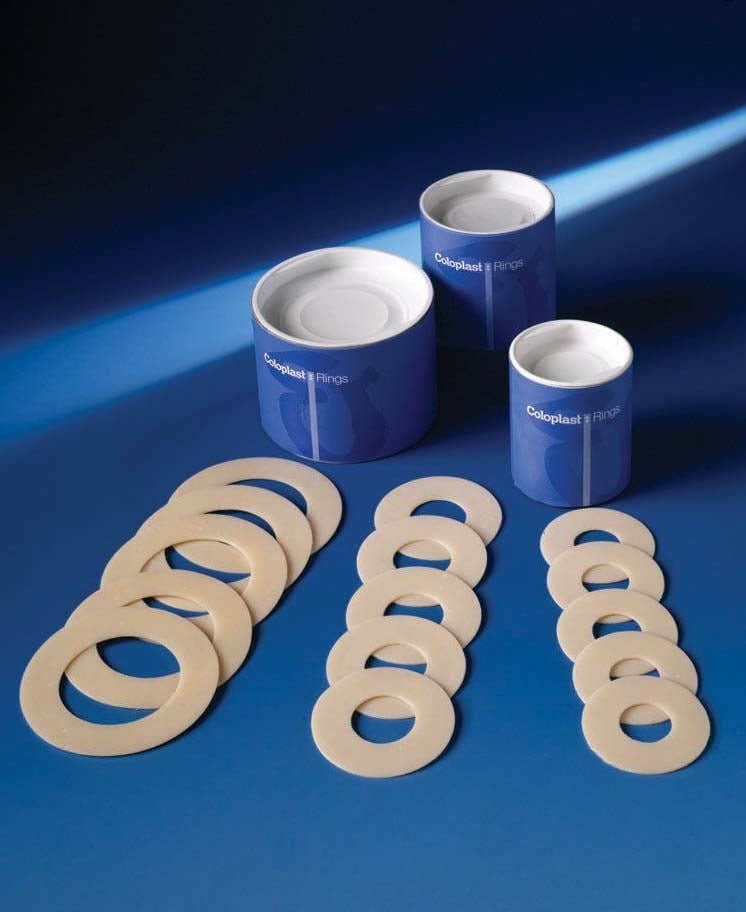
Check out our selection of accessories used with your ostomy supplies. Everything from seals and barrier rings, pouch closures, skin protectants, stoma caps and hats, ostomy garments, deodorants, and barrier discs are all available. Try out the various forms of stoma mounting rings. Absorbent products are also effective for keeping discharge away from the barrier and increasing usage time. Tape and barrier strips, barrier paste, skin barrier wipes, ostomy dressings, pouch covers, and more are available. All of these are cost-effective solutions, and many are on sale!

Showing 49 - 59 of 59 products
View
Ile Sorb Absorbent Gel Packets - 784360_BX - 1
Ile Sorb Absorbent Gel Packets
Sale priceFrom $1.99
Choose options
Mckesson Barrier Powder - 1081296_CS - 1
McKesson Barrier Powder
Sale priceFrom $5.99
Choose options
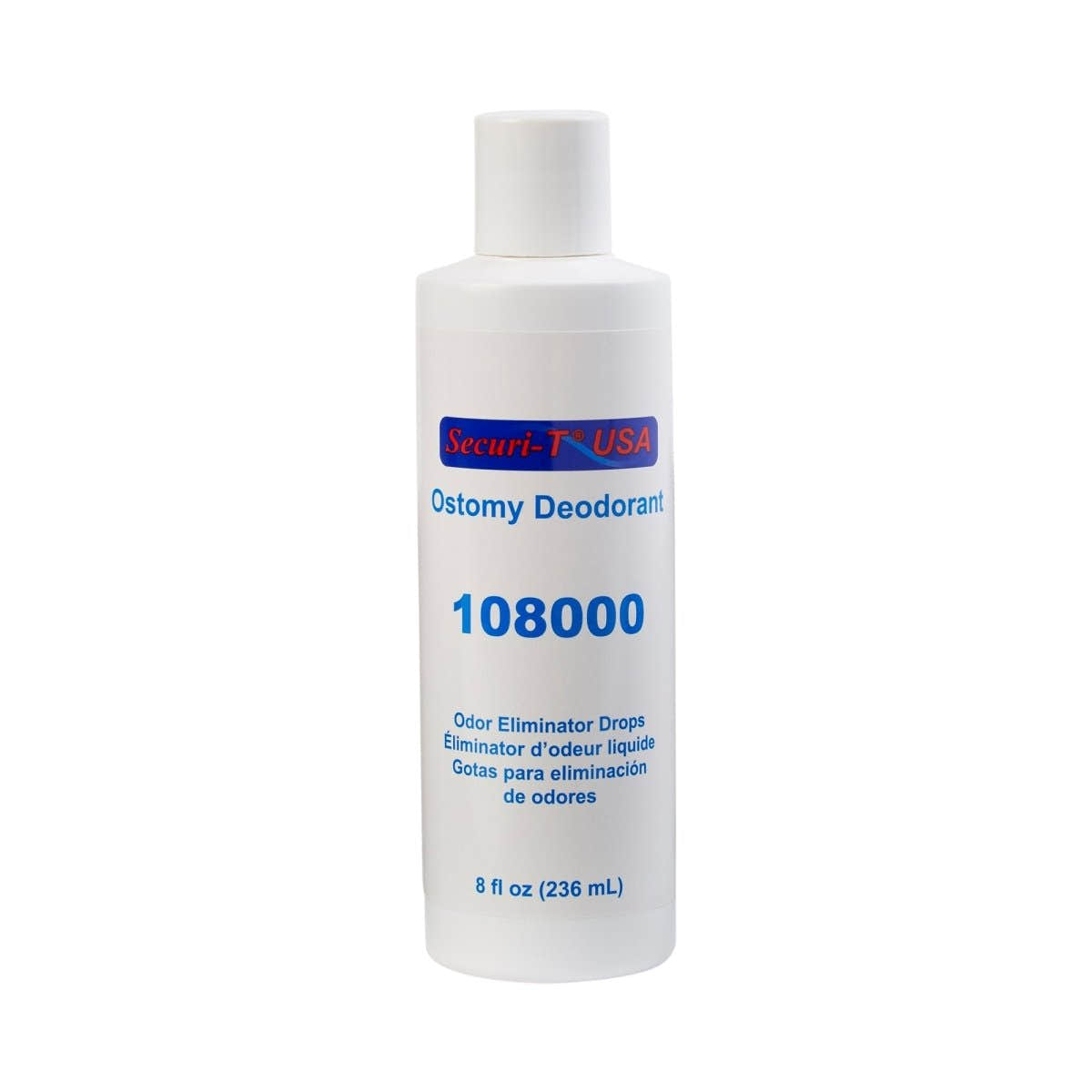
Securi T Ostomy Deodorant - 1135815_BX - 1
Securi T Ostomy Deodorant
Sale priceFrom $7.99
Skin Tac Skin Barrier Wipe - 698908_BX - 1
Skin Tac Skin Barrier Wipes
Sale priceFrom $1.99
Choose options
Brava Ostomy Powder - 801820_BX - 1
Brava Ostomy Powder
Sale priceFrom $7.99
Choose options
Coloplast Brava Ostomy Paste - 868956_EA - 1
Coloplast Brava Ostomy Paste
Sale price$12.99
Convatec Stomahesive Barrier Paste - 116253_EA - 1
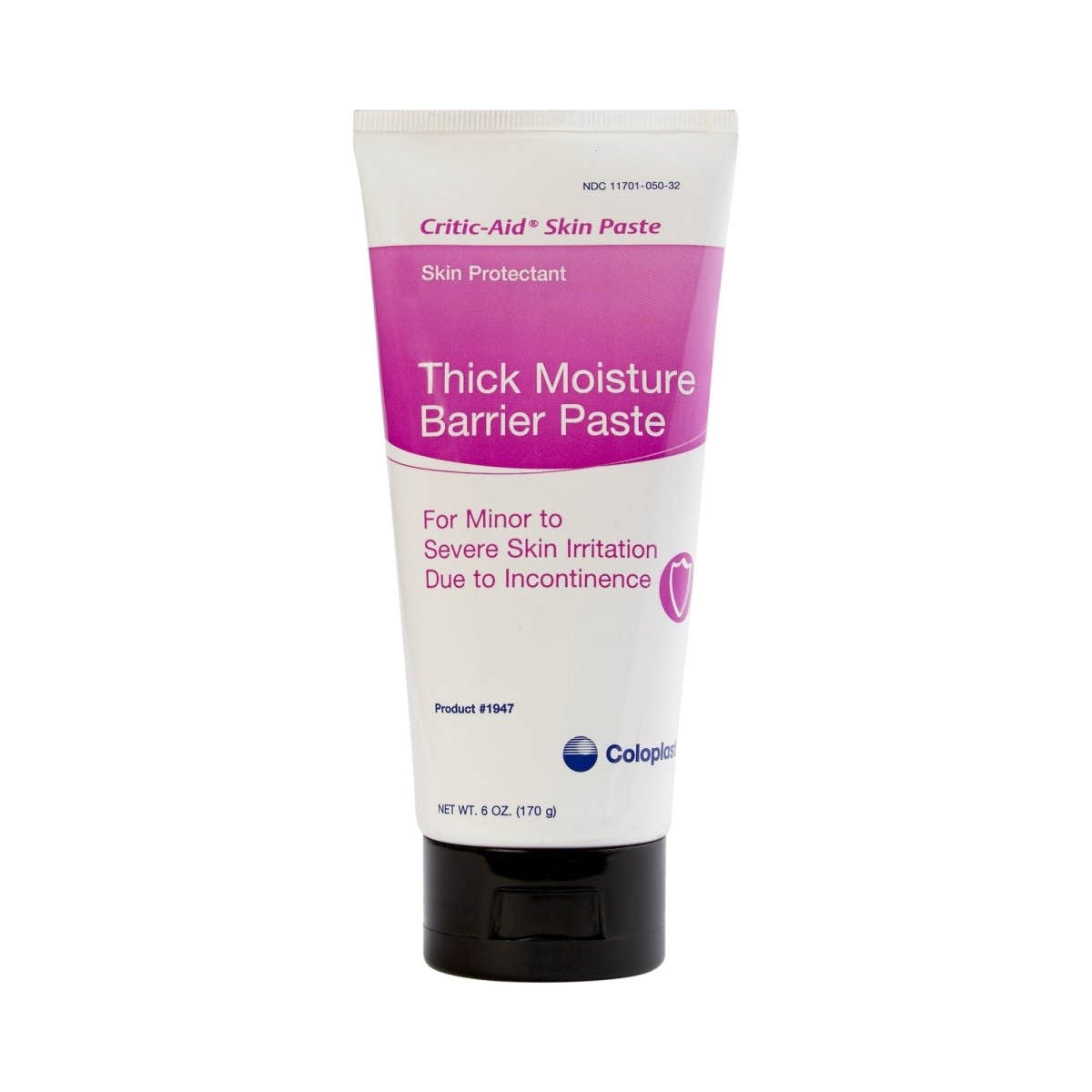
Critic Aid Ostomy Barrier Paste - 194390_CS - 1
Critic Aid Ostomy Barrier Paste
Sale priceFrom $23.99
Choose options

Frequently Asked Questions about Ostomy Accessories

The best ostomy accessories for everyday use encompass a range of items that enhance comfort, convenience, and overall well-being. Commonly recommended accessories include adhesive removers to gently lift pouches without causing skin irritation, high-quality skin barriers to promote a secure seal and protect the peristomal skin, and pouch deodorants to manage odor effectively throughout the day. Exploring different options and consulting with healthcare professionals can help individuals find the accessories that best suit their needs.

Choosing the right ostomy bag size is a crucial aspect of managing an ostomy. To determine the appropriate size, measure the stoma's diameter and height using a measuring guide. Consider lifestyle factors, such as activity level and clothing preferences. A snug fit is essential to prevent leaks, but the pouch should not be too tight, causing discomfort. Healthcare providers and ostomy nurses can offer guidance on selecting the right size based on individual circumstances, ensuring a comfortable and secure fit.

Yes, accessories for colostomy and ileostomy can differ based on the characteristics of each type of ostomy. Colostomy bags may have a larger opening, as the stool is more formed, while ileostomy bags often have a smaller opening to accommodate looser output. Additionally, individuals with ileostomies may benefit from accessories that help manage higher fluid content. It's essential to choose products specifically designed for the type of ostomy to ensure optimal functionality and comfort.

Common challenges with ostomy bag adhesives include skin irritation, poor adhesion, and allergies. To address these issues, individuals should choose adhesives that are skin-friendly and hypoallergenic. Proper skin preparation, such as cleaning the peristomal area thoroughly and ensuring it is dry, can enhance adhesion. If irritation persists, consulting with a healthcare professional is recommended to explore alternative adhesives or barrier products that suit individual skin sensitivities.

Many ostomy accessories are designed to be waterproof, allowing individuals to engage in activities like swimming and showering without compromising the integrity of the pouch seal. However, it's crucial to check product specifications and ensure that the specific accessories chosen are indeed water-resistant. Taking precautions, such as using waterproof covers for added protection, can provide extra confidence and security during water-related activities.

Yes, eco-friendly options for ostomy disposal bags are available for individuals who prioritize sustainability. Some brands offer biodegradable materials, reducing environmental impact. Exploring these options aligns with environmentally conscious choices, contributing to a more sustainable approach to ostomy care. It's advisable to check product details and certifications to ensure the eco-friendly claims are validated by reliable standards.

The frequency of changing an ostomy pouch varies among individuals and depends on factors such as stoma output and pouch capacity. As a general guideline, changing the pouch when it's one-third to one-half full helps maintain optimal hygiene and prevents leaks. However, individual needs may differ, and consulting with healthcare professionals can provide personalized recommendations based on specific circumstances and preferences.

Convex ostomy accessories, such as convex pouches and barriers, are designed to address challenges associated with retracted or flush stomas. These accessories have a curved shape that provides added pressure to the peristomal skin, creating a better seal and reducing the risk of leaks. They are particularly beneficial for individuals with stomas that are situated below the skin level. Consulting with an ostomy nurse or healthcare provider can help determine whether convex accessories are suitable for individual needs.

Yes, there are numerous online and offline support groups dedicated to individuals using ostomy accessories. Joining these communities provides an opportunity to connect with others who share similar experiences, offering valuable insights, tips, and emotional support. These groups often facilitate discussions on product recommendations, coping strategies, and lifestyle adjustments, fostering a sense of community and understanding among individuals navigating life with ostomies.

Preventing ostomy bag odor involves adopting effective hygiene practices and utilizing specialized products. Deodorizing tablets and pouch deodorants are available to neutralize and control odors, enhancing overall confidence. Maintaining regular pouch changes, cleaning the pouch and peristomal area thoroughly, and staying hydrated can also contribute to odor prevention. Experimenting with different deodorizing products allows individuals to find the most suitable options for their preferences and needs.

Recently viewed