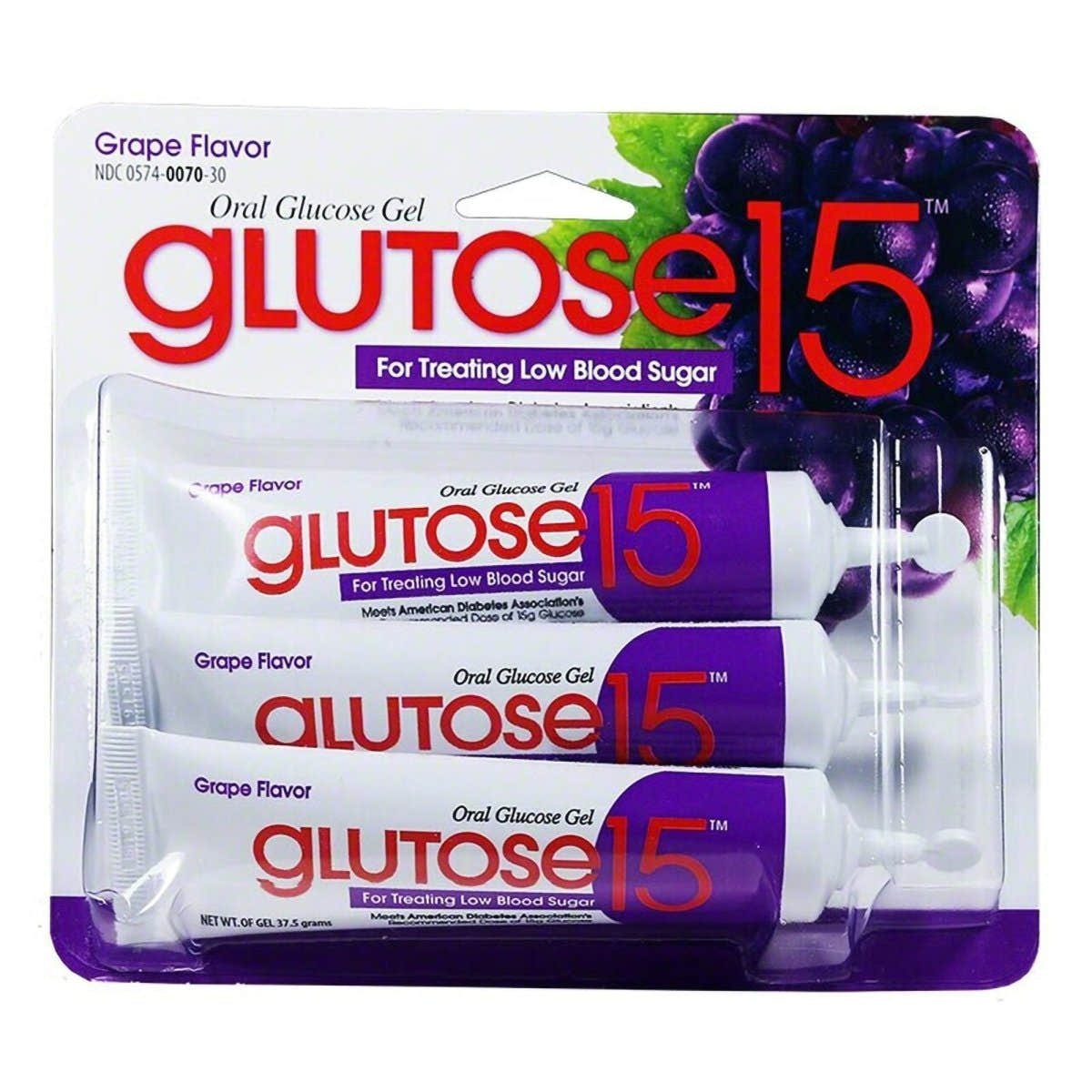
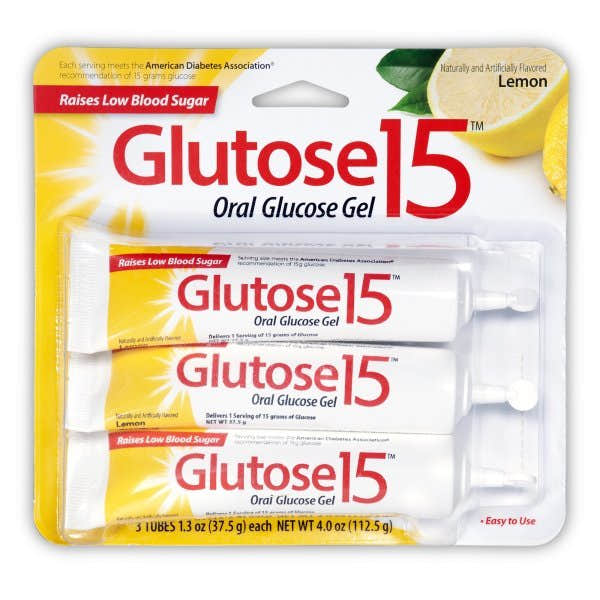
Perrigo Company is a well-established name in consumer healthcare, known for developing quality store-brand and specialty products that meet recognized industry standards. This collection brings together Perrigo's offerings available through Cart Health, giving shoppers a reliable place to find trusted healthcare staples in one convenient spot.
Glucose supplements: Products like the Glutose 15 Glucose Supplement are designed to provide a measured, portable source of glucose in a convenient format.
Recognizable formulations: Perrigo products are formulated to align with established standards, offering consistency shoppers can count on.
Practical packaging: Many Perrigo items are packaged with ease of use and portability in mind, making them straightforward to store and access when needed.
Healthcare-focused quality: As a dedicated healthcare manufacturer, Perrigo applies focused attention to product development across its lineup.
How to Choose the Right Perrigo Product
Start by identifying the specific purpose you have in mind. For those looking at glucose-related options, the Glutose 15 Glucose Supplement is a straightforward choice worth reviewing in detail. Consider factors such as format, serving size, and intended use before selecting a product. When in doubt, consulting a qualified healthcare professional is always a sensible step to ensure any product fits individual circumstances appropriately.
About Perrigo Company
Perrigo has built its reputation by focusing on accessible, quality healthcare products. Their approach emphasizes consistency and reliability, which is why their products are found in pharmacies and health retailers across the country. Shopping this collection at Cart Health means accessing that same trusted lineup with the convenience of an online experience.
Frequently Asked Questions about Perrigo Company
A glucose supplement is a fast-acting oral treatment designed to raise blood sugar levels quickly during hypoglycemia, or low blood sugar episodes. Glucose supplements are commonly recommended for people with diabetes who experience sudden drops in blood glucose and need a reliable, measured dose of sugar to restore safe levels.
Glucose supplements are designed for people with diabetes or other conditions that cause hypoglycemia, particularly those who use insulin or certain oral diabetes medications. Caregivers of individuals who cannot self-administer treatment during a low blood sugar episode also benefit from keeping glucose supplements on hand for emergencies.
Take the recommended dose of glucose supplement orally at the first sign of hypoglycemia symptoms, such as shakiness, confusion, or sweating. Wait 15 minutes after taking the glucose supplement and recheck blood sugar levels, repeating the dose if levels remain low, then follow up with a snack or meal.
Glucose supplements deliver a pre-measured, standardized dose of pure glucose, which makes them more predictable than juice or candy for treating hypoglycemia. Unlike food or drinks, glucose supplements are formulated specifically for medical use, so the amount of carbohydrate per dose is consistent and easy to track during an emergency.
Yes, glucose supplements can be appropriate for children experiencing hypoglycemia, but the correct dose depends on the child's weight and the guidance of their healthcare provider. Always consult a doctor or diabetes care team before using any glucose supplement in a pediatric patient to confirm the right amount and formulation.
Yes, glucose supplements are absorbed more quickly than most foods because they contain glucose in a ready-to-use form that enters the bloodstream rapidly. Eating a full meal or snack introduces other nutrients that slow digestion, whereas a glucose supplement is designed to deliver fast-acting carbohydrate without that delay.
Because glucose supplements provide a precise, measurable dose of glucose, which makes it easier to treat hypoglycemia without accidentally overtreating and causing blood sugar to spike too high. Candy and soda contain variable amounts of sugar along with fats or other ingredients that can slow glucose absorption and make blood sugar management less predictable.
Glucose supplements should be stored at room temperature, away from direct heat, moisture, and sunlight, to preserve their consistency and potency. Check the expiration date regularly and replace glucose supplements that have expired, and always keep a supply in easily accessible locations like a bag, desk, or nightstand for quick use during emergencies.
Glucose supplements in gel form are pre-measured, squeezable, and easy to administer to someone who has difficulty chewing or swallowing, making gels a practical option during severe hypoglycemia. Glucose supplement tablets require chewing and are more portable in some cases, so the best form depends on the user's personal preference and the severity of their low blood sugar episodes.
Yes, glucose supplements can be used by anyone experiencing hypoglycemia, regardless of whether they have diabetes, since low blood sugar can occur in non-diabetic individuals due to fasting, certain medications, or medical conditions. However, non-diabetic individuals experiencing frequent low blood sugar episodes should speak with a healthcare provider to identify and address the underlying cause.
Do you still have questions about Perrigo Company?
If we still haven't answered your question, you can contact us by live chat or email and we will get back to you as soon as possible.