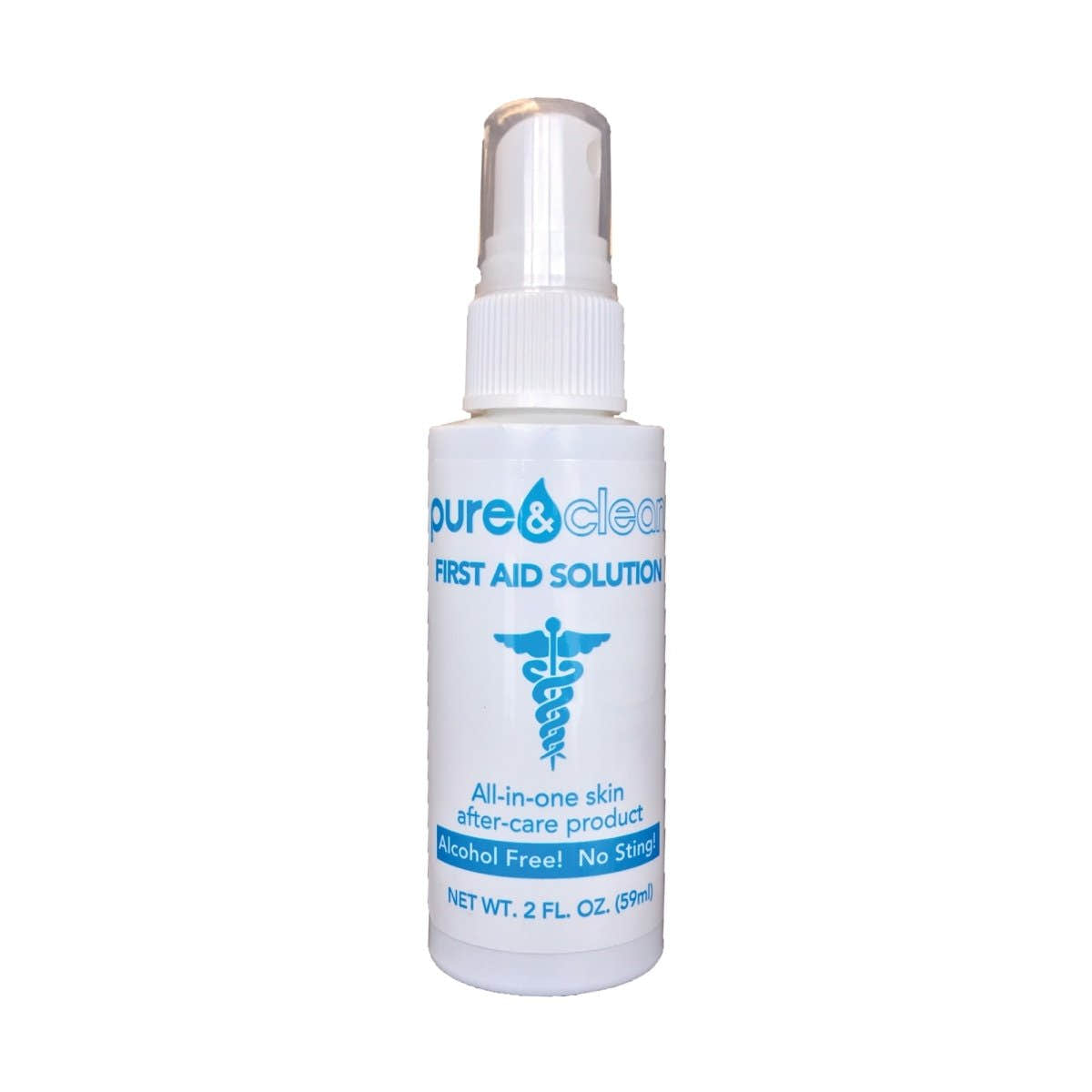
Pure and Clean LLC is a brand built around a straightforward idea: effective wound care products that are thoughtfully formulated and easy to use. Whether you're stocking a home first-aid kit, a professional care setting, or simply looking for a reliable option to keep on hand, this collection brings together products designed with cleanliness and simplicity at the forefront.
Focused wound care solutions: Products from Pure and Clean LLC are designed specifically for wound care, so shoppers can browse with confidence knowing each item serves a clear, practical purpose.
A trusted brand name: Pure and Clean LLC has established itself as a recognizable name in wound care, offering products that caregivers and individuals alike turn to for everyday wound management needs.
Straightforward formulations: The brand's approach emphasizes clean, purposeful ingredients — a quality that appeals to those who prefer to keep their wound care routine uncomplicated.
Versatile use cases: From minor cuts and abrasions to more attentive wound maintenance, the Pure & Clean Wound Cleanser is a practical staple for a range of everyday situations.
How to Choose the Right Product
When selecting a wound care product from this collection, consider the nature of the wound and who will be using it. For general cleaning and irrigation of minor wounds, a dedicated wound cleanser is often the first step recommended before applying any dressing or covering. If you're managing wound care for someone else — whether a family member or a patient in a professional setting — look for products that are easy to apply and gentle enough for regular use.
As always, for wounds that are deep, infected, or slow to heal, consulting a qualified healthcare professional is the best course of action. The products in this collection are intended to support routine wound care, not to replace professional medical advice.
Why Shop Pure and Clean LLC at Cart Health
Cart Health carries Pure and Clean LLC products because they align with a commitment to offering dependable, quality health supplies. If you're building out a first-aid kit or replenishing wound care essentials, this collection is a practical place to start.
Frequently Asked Questions about Pure and Clean LLC
A wound cleanser is a solution designed to remove debris, bacteria, and contaminants from wounds to support the healing process. Wound cleansers are typically gentle enough for use on open wounds and help reduce the risk of infection without damaging healthy tissue surrounding the wound site.
Wound cleansers are designed for anyone managing acute or chronic wounds, including caregivers, home health patients, and clinical professionals treating cuts, abrasions, surgical sites, or ulcers. People dealing with wounds that require regular cleaning between dressing changes benefit most from having a dedicated wound cleanser on hand.
Apply wound cleanser directly to the wound or onto a gauze pad, then gently irrigate or wipe the affected area to remove debris and contaminants. Allow the area to air dry or pat dry before applying a fresh dressing, and follow any specific instructions provided with the cleanser for best results.
Yes, wound cleansers are specifically formulated to be safe for use on open wounds when used as directed. Unlike household antiseptics such as hydrogen peroxide or rubbing alcohol, wound cleansers are designed to clean without causing cytotoxicity or damaging the fragile tissue needed for proper healing.
Wound cleansers differ from saline solution in that wound cleansers often contain surfactants or antimicrobial agents that more effectively break down biofilm and remove debris from wound beds. Saline rinses the wound with a salt-water solution, while wound cleansers are formulated to provide a deeper, more targeted clean.
Yes, wound cleanser helps prevent infection by removing bacteria, dirt, and organic matter from the wound surface before a dressing is applied. Regular use of a wound cleanser as part of a wound care routine reduces the bacterial load in and around the wound, lowering the likelihood of complications.
Because wound cleansers are pH-balanced and formulated specifically for open tissue, making wound cleansers far less irritating than soap, which can disrupt healing cells and cause unnecessary pain. Soap and water may also leave residue that interferes with wound dressings, while wound cleansers are designed to be compatible with standard wound care protocols.
Choose a wound cleanser based on the type of wound you are treating, the level of contamination, and whether antimicrobial properties are needed. For minor cuts and abrasions, a gentle non-cytotoxic cleanser works well, while chronic or heavily contaminated wounds may benefit from a wound cleanser with added antimicrobial support.
Yes, most wound cleansers are formulated to be gentle enough for use on sensitive skin and fragile wound tissue. Look for wound cleansers that are non-cytotoxic and free from harsh chemicals like alcohol or iodine if you are treating patients with sensitive skin or compromised tissue.
Store wound cleanser at room temperature, away from direct sunlight and extreme heat or cold, to maintain the product's effectiveness and shelf stability. Always check the expiration date before use, keep the cap tightly closed between uses, and avoid contaminating the nozzle or opening by touching it to the wound directly.
Do you still have questions about Pure and Clean LLC?
If we still haven't answered your question, you can contact us by live chat or email and we will get back to you as soon as possible.