Puritan Medical Supplies for Clinical and Professional Use
The Puritan collection at Cart Health brings together single-use clinical tools designed for healthcare professionals and medical settings. Puritan is a well-established name in disposable medical products, and this collection reflects that focus on reliable, purpose-built instruments that support everyday clinical workflows.
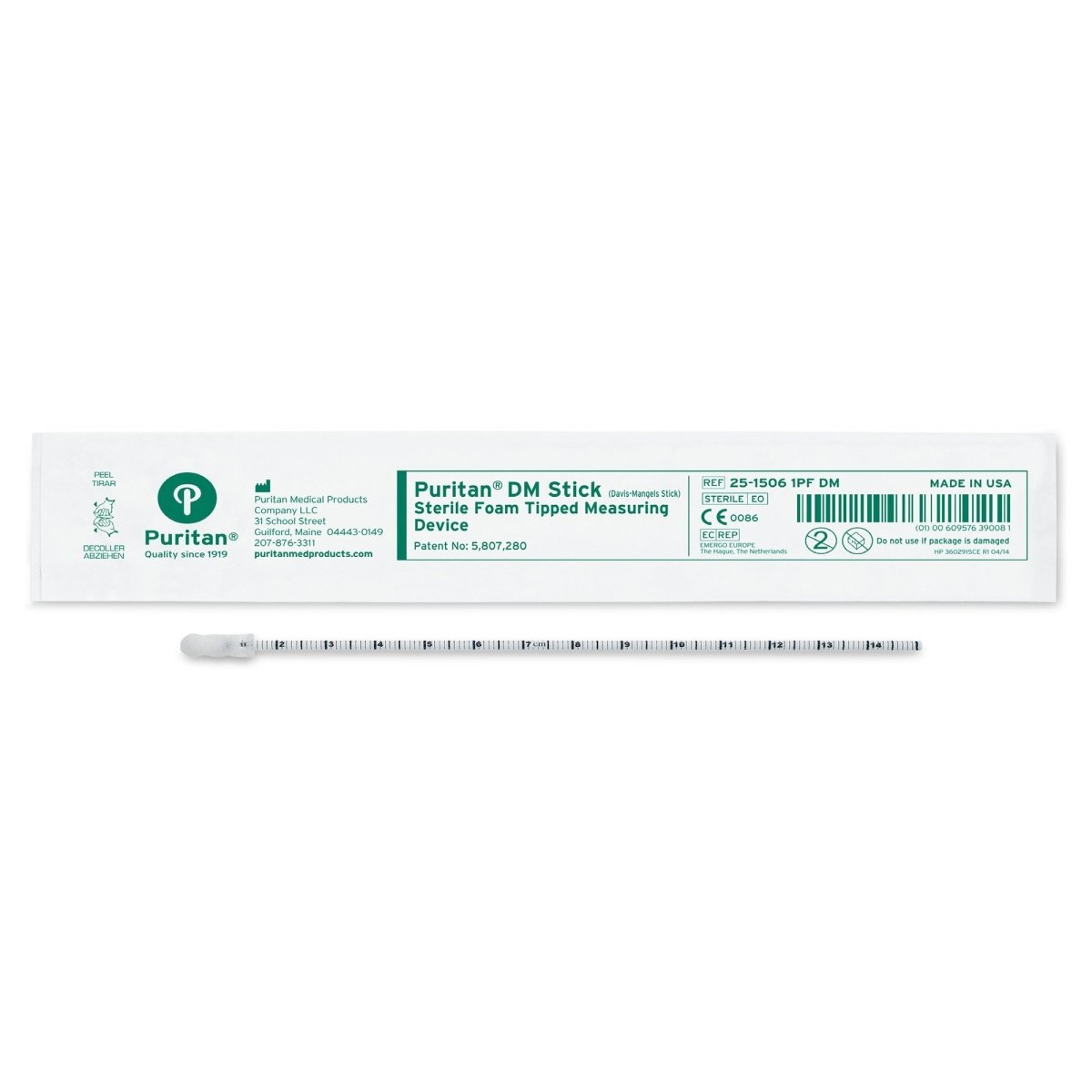
Wound care instruments: Tools like the Puritan Wound Measuring Device help clinicians document and track wound dimensions accurately during assessments and follow-up care.
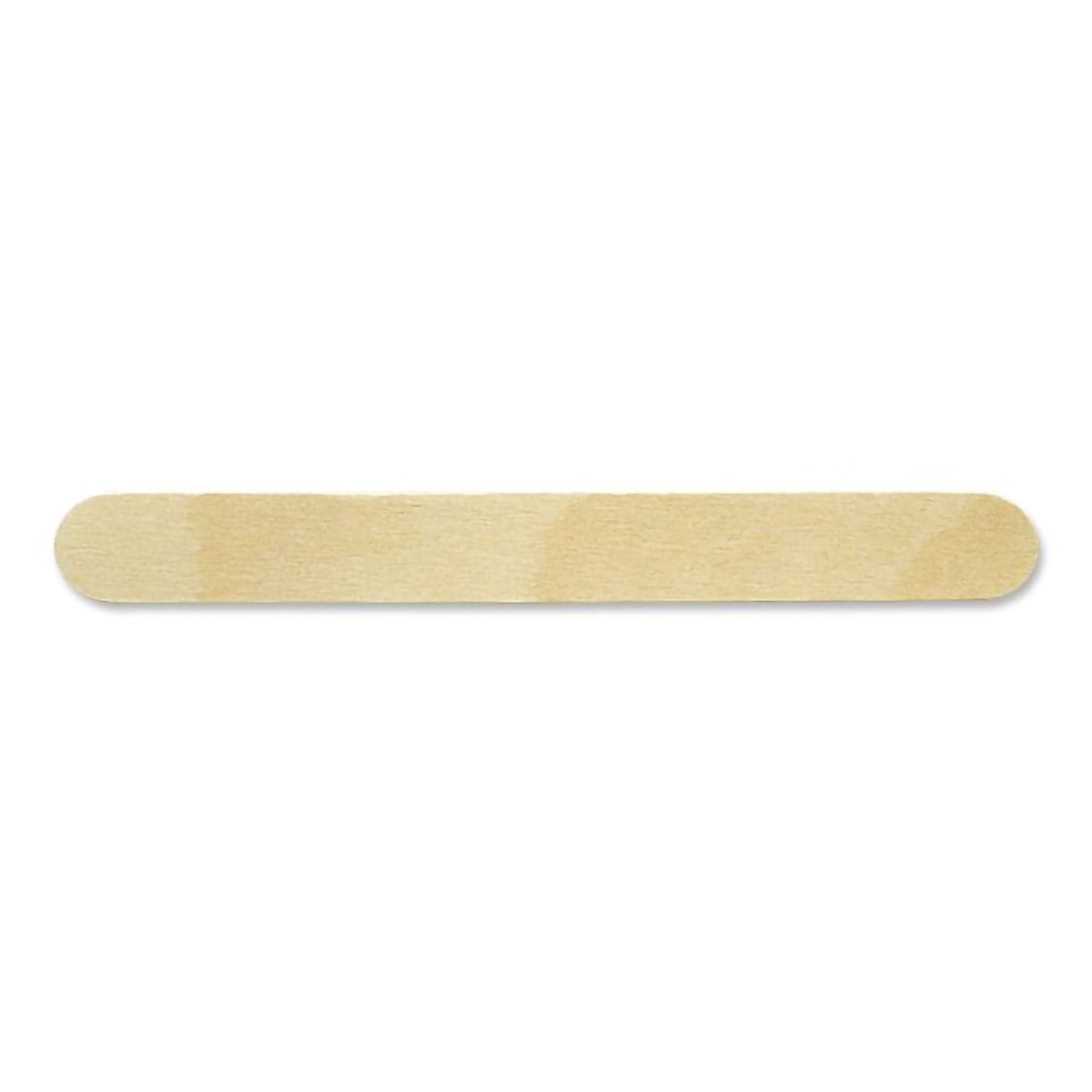
Examination aids: Standard clinical tools such as the Puritan Tongue Depressor support routine physical examinations in clinical, school, or urgent care environments.
Single-use design: Puritan products are built for one-time use, supporting hygiene standards and reducing cross-contamination risk in professional settings.
Consistent quality: Each item is designed to perform predictably, which matters in fast-paced clinical environments where reliability is essential.
Who These Products Are For
This collection is well suited for physicians, nurses, wound care specialists, and other licensed healthcare professionals stocking an exam room, clinic, or care facility. Medical supply coordinators sourcing disposable instruments in quantity will also find Puritan a practical and familiar choice.
How to Choose the Right Puritan Product
Start by identifying the specific clinical task at hand. If your team performs wound assessments and needs a consistent way to measure and document wound size, a dedicated wound measuring device is the appropriate tool. For general physical examinations requiring oral inspection, a standard tongue depressor covers that need. When in doubt about which instrument fits a particular clinical protocol, consult your facility's supply guidelines or a supervising clinician.
Frequently Asked Questions about Puritan
A wound measuring device is a clinical tool used to accurately track the size, depth, and progression of wounds over time. Healthcare providers use wound measuring devices to document healing, guide treatment decisions, and maintain consistent records across care visits.
Wound measuring devices are designed for nurses, wound care specialists, physicians, and other clinical staff who need to assess and document wound dimensions during patient care. Home health aides and caregivers managing chronic wounds may also use wound measuring devices under clinical guidance.
Place the wound measuring device directly alongside or over the wound to measure length, width, and depth using the marked scales. Take measurements consistently at each visit, using the same reference points, to ensure accurate comparisons of wound progression over time.
Wound measuring devices come in several formats, including disposable paper or card rulers, circular measurement guides, and depth probes designed for different wound assessment needs. Choosing the right wound measuring device depends on the wound type, clinical setting, and whether single-use or reusable options are preferred.
Many wound measuring devices are designed as single-use, disposable tools to prevent cross-contamination between patients and maintain sterile wound care practices. Some clinical settings may use reusable wound measuring devices that can be disinfected, but disposable options are generally recommended for infection control.
Accurate wound measurement is important because consistent, documented data helps clinicians determine whether a wound is healing, stagnating, or worsening. Wound measuring devices give care teams objective data to adjust treatment plans, support insurance documentation, and improve patient outcomes over time.
Wound measuring devices provide standardized length, width, and depth readings that clinicians can record in patient charts to track healing progress. Consistent use of wound measuring devices supports regulatory compliance, insurance reimbursement, and continuity of care across multiple providers.
When choosing a wound measuring device, consider whether the format suits the wound type, whether single-use or reusable options fit your infection control protocols, and whether the measurement scales are easy to read in a clinical environment. Ease of use and accuracy are the most important factors for reliable wound assessment.
Wound measuring devices can be used in hospitals, long-term care facilities, outpatient wound care clinics, and home health settings wherever wound assessment and documentation are required. The portability of most wound measuring devices makes them practical across a wide range of care environments.
Store wound measuring devices in a clean, dry environment away from moisture, direct sunlight, and extreme temperatures to preserve the accuracy of printed scales and the integrity of materials. Follow the manufacturer's storage guidelines, and check expiration dates on disposable wound measuring devices before use.
Do you still have questions about Puritan?
If we still haven't answered your question, you can contact us by live chat or email and we will get back to you as soon as possible.