Sani-Bag+: Hygienic Liner Solutions for Portable Commodes
The Sani-Bag+ collection brings together purpose-built liner products designed to make portable commode use cleaner, more convenient, and easier to manage. Whether supporting a caregiver, preparing for travel, or equipping a home for added accessibility, these products focus on one thing: reliable, sanitary waste containment that simplifies cleanup and reduces mess.
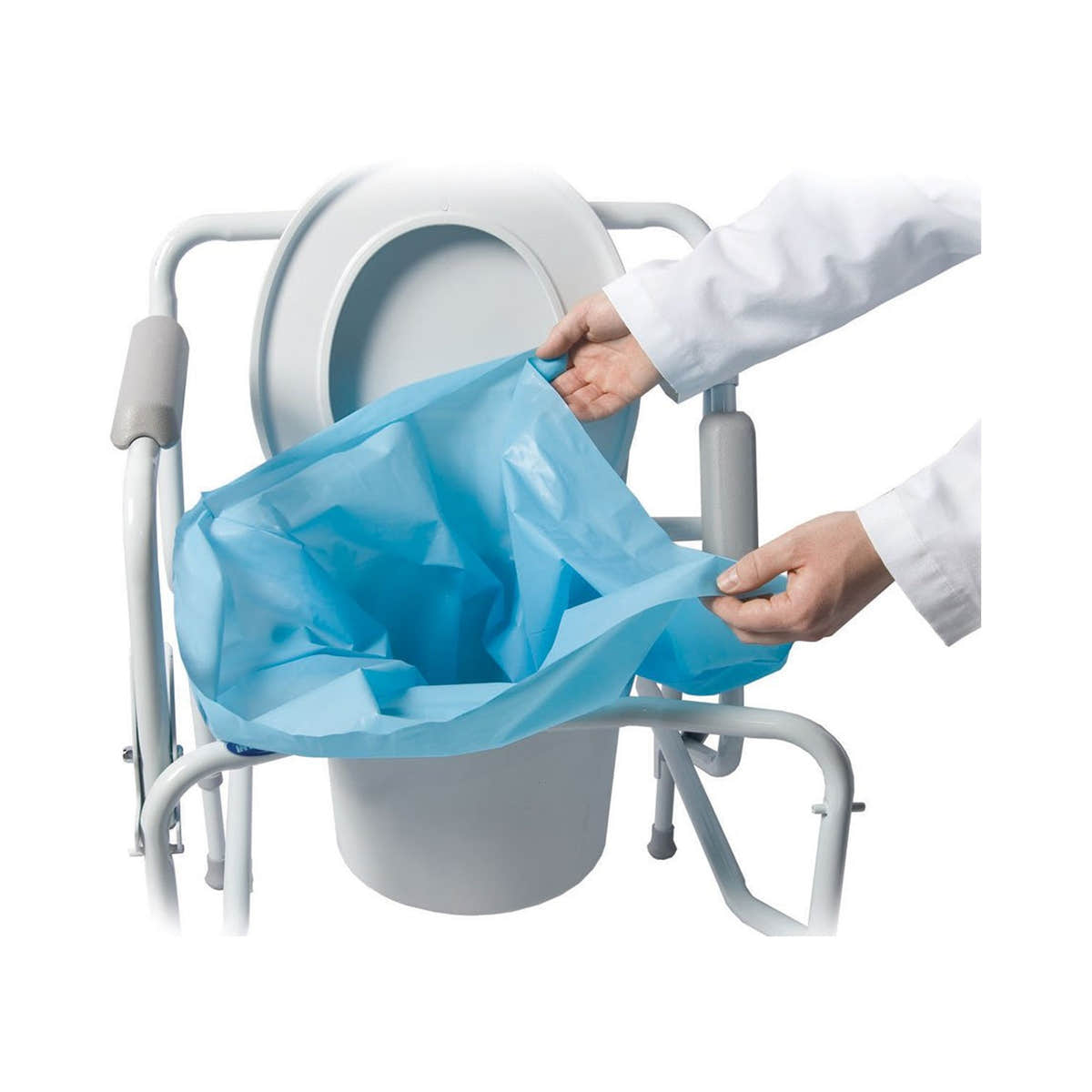
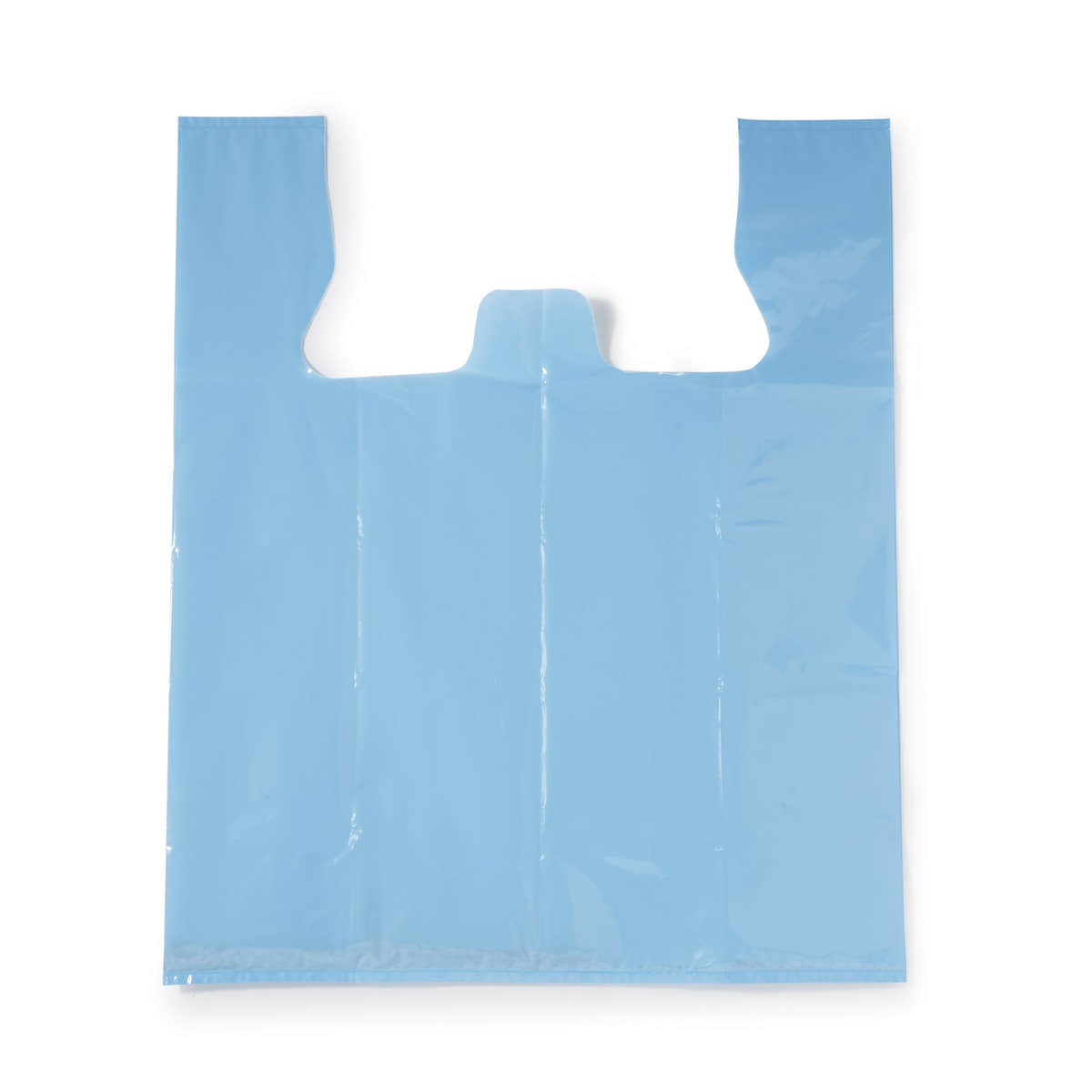
Commode-specific fit: Products like the Sani-Bag+ Commode Liner are designed to work with standard portable commode frames, helping ensure a secure, leak-resistant fit during use.
Waste-solidifying technology: Sani-Bag+ liners are formulated to help contain and solidify liquid waste, making disposal more straightforward and hygienic.
Disposable convenience: Single-use design means no rinsing or scrubbing — simply remove, seal, and dispose after use.
Odor management: The liner design helps contain odors during and after use, which matters in home and travel settings alike.
Who Uses Sani-Bag+ Products?
Sani-Bag+ liners are a practical choice for caregivers managing portable commode setups at home, families preparing for travel where standard facilities may be limited, and anyone who relies on a portable commode as part of their daily routine. The focus is on making a routine task as clean and uncomplicated as possible for everyone involved.
How to Choose the Right Liner
When selecting a Sani-Bag+ product, consider the commode model you're working with and how frequently liners will be needed. The Sani-Bag+ Commode Liner is a strong starting point for standard portable commodes. If you have questions about compatibility with a specific commode model or usage needs, consulting a healthcare professional or occupational therapist can help you make the most informed choice.
Frequently Asked Questions about Sani-Bag+
A commode liner is a disposable bag that fits inside a bedside commode to collect waste, making cleanup faster and more hygienic. Commode liners are especially useful for caregivers managing toileting for patients with limited mobility. Most liners include a gelling agent that solidifies liquid waste for safer, odor-controlled disposal.
Commode liners are designed for caregivers, home health aides, and family members who assist individuals with limited mobility, post-surgical recovery needs, or conditions that make reaching a standard bathroom difficult. Nursing facilities and hospice care settings also rely on commode liners to reduce infection risk and simplify waste management during patient care.
Place the commode liner over the inside of the commode bucket, folding the edges over the rim to hold it in place before the patient uses the commode. After use, tie off or seal the liner and dispose of it in a waste bin. Never flush commode liners, as they are not designed for plumbing systems.
Most commode liners are designed to fit standard bedside commode buckets, but sizing can vary between brands and models. Before purchasing, check the liner dimensions against your commode bucket's measurements to ensure a secure fit. Some liners are made with extra material to accommodate a wider range of bucket sizes.
Yes, most commode liners are designed to control odor by containing waste securely and, in many cases, including a super-absorbent polymer that gels liquid waste on contact. The gelling action reduces splashing and helps trap odor-causing compounds. Tying off the liner promptly after use further minimizes odor in the care environment.
Because commode liners eliminate the need to manually empty, rinse, and disinfect the commode bucket after every use, saving time and reducing direct contact with bodily waste. This lowers the risk of cross-contamination and exposure to pathogens for caregivers. Commode liners make the entire toileting process faster and significantly more sanitary in home and clinical settings.
Yes, commode liners containing gelled or solidified waste are generally safe for disposal in regular household trash in most municipalities, but local regulations on medical waste can vary. Always check your local waste disposal guidelines before discarding used commode liners. Sealing the liner tightly before disposal helps contain waste and reduce any health or odor concerns.
Commode liners offer a significantly more hygienic alternative to using a bare commode bucket because they eliminate the need to handle raw waste during cleanup. Without a liner, the commode bucket must be emptied and sanitized after each use, which increases caregiver exposure to pathogens. Commode liners reduce cleanup time and make waste handling safer for everyone involved.
Store commode liners in a cool, dry location away from direct sunlight and moisture to preserve the integrity of the liner material and any included absorbent agents. Exposure to humidity before use can degrade the gelling powder found in many commode liners. Keeping liners in their original packaging until use helps maintain cleanliness and product performance.
The right quantity of commode liners to stock depends on how frequently the commode is used, but most caregivers managing daily toileting assistance benefit from keeping at least a two-week supply readily available. Running out of commode liners during active care can create hygiene challenges, so purchasing in bulk is a practical approach for ongoing home health situations.
Do you still have questions about Sani-Bag+?
If we still haven't answered your question, you can contact us by live chat or email and we will get back to you as soon as possible.