Your privacy matters to us! By using our site, you agree to the collection and use of your Personal Information as described in our Privacy Policy.
Sheathes
1 product
Showing 1 - 1 of 1 product
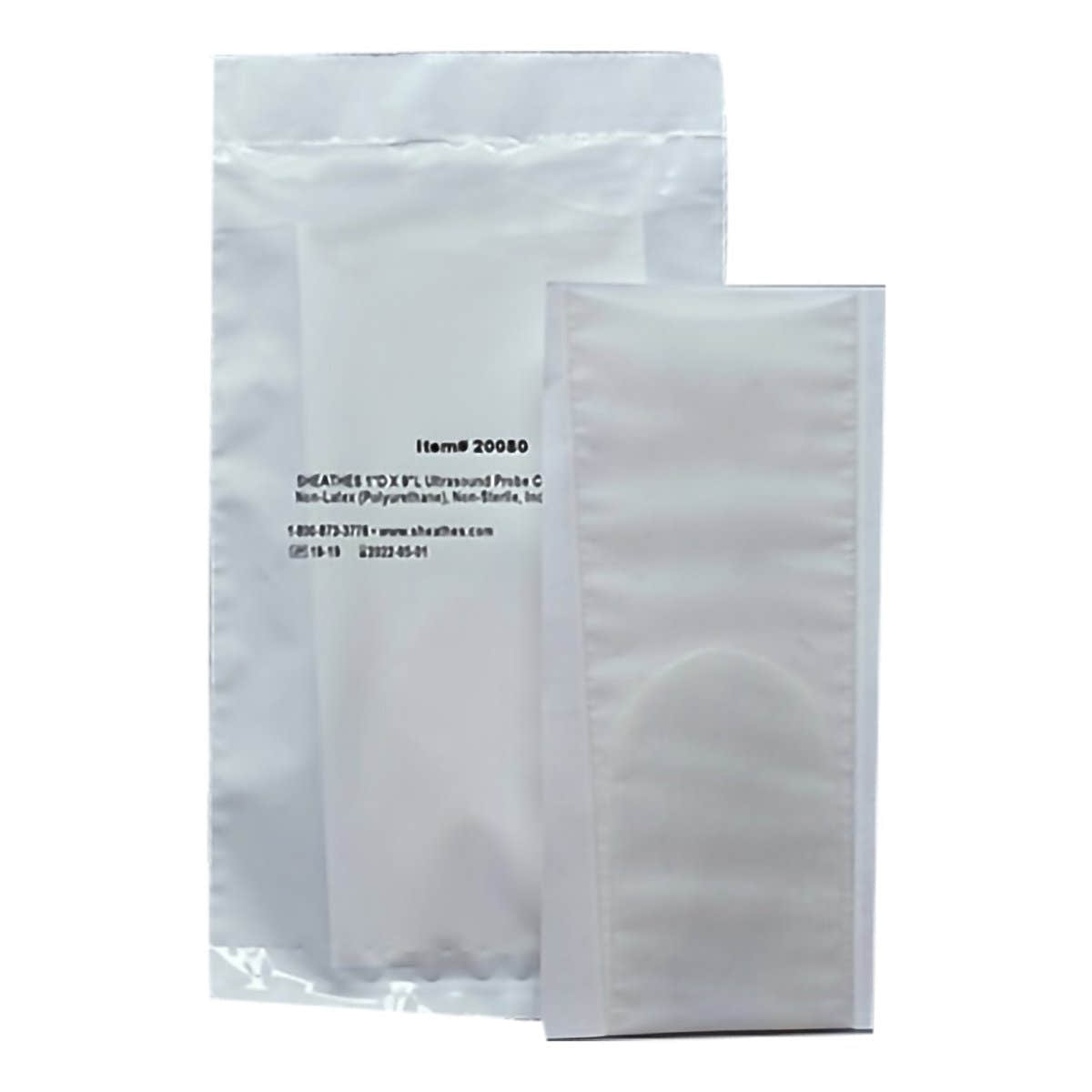
Ultrasound Probe Covers and Sheathes for Clinical Use
This collection brings together probe covers and sheathes designed to support hygiene and protection during ultrasound procedures. Whether you work in a hospital, clinic, imaging center, or mobile care setting, having the right probe cover on hand helps maintain proper infection control protocols and keeps equipment ready for use across multiple patients.
Ultrasound probe covers: Barrier covers designed to fit over transducer probes, helping to protect both the equipment and the patient during examinations.
Purpose-built design: Products in this collection are specifically made for ultrasound applications, so you're not improvising with general-purpose materials.
Trusted vendor focus: All items are sourced from Sheathes, a brand dedicated to this product category — such as the Sheating Technologies Ultrasound Probe Cover, a representative example of what this collection offers.
How to Choose the Right Probe Cover
Selecting the correct probe cover starts with knowing your equipment. Consider the size and shape of the transducer you use most frequently, and verify that the cover you choose is compatible with your specific probe model. For guidance on clinical suitability or infection control requirements, always defer to your facility's protocols and consult the appropriate clinical or compliance staff.
Who This Collection Is For
Healthcare professionals and medical facilities purchasing supplies for ultrasound departments will find this collection a straightforward resource. From imaging technicians stocking a procedure room to procurement teams managing clinical inventory, the ultrasound probe covers available here are suited to environments where reliable, single-use barrier products are a routine necessity.
Frequently Asked Questions about Sheathes
Ultrasound probe covers are sterile barriers placed over ultrasound transducers to prevent cross-contamination between patients during imaging procedures. Probe covers protect both the patient and the equipment from infection, making them a standard requirement in clinical and diagnostic imaging settings.
Ultrasound probe covers are designed for sonographers, radiologists, nurses, and any healthcare professional who performs ultrasound-guided procedures or transducer-based imaging. Probe covers are especially critical in settings where the transducer contacts mucous membranes, sterile fields, or open wounds.
Apply an ultrasound probe cover by placing coupling gel inside the cover before rolling or sliding the sheath over the transducer, ensuring no air pockets remain between the probe and the cover. A smooth, bubble-free fit helps maintain image quality and ensures the barrier stays intact throughout the procedure.
Choose an ultrasound probe cover by matching the cover's size and shape to your specific transducer model, since probe covers are designed to fit particular transducer geometries. Checking the manufacturer's compatibility guidelines before purchasing helps ensure a secure fit and reliable barrier performance.
No, ultrasound probe covers are single-use, disposable devices intended for one procedure only and should never be reused between patients. Reusing probe covers defeats the purpose of infection control and may violate clinical safety standards and facility protocols.
Ultrasound probe covers are typically made from latex or latex-free materials such as polyurethane or polyisoprene, depending on the product line. Latex-free probe covers are an important option for facilities treating patients with latex allergies, so always verify material composition before selecting a cover.
Because ultrasound transducers come into direct contact with patients, ultrasound probe covers are required to maintain infection control standards and prevent the transmission of bacteria, viruses, and other pathogens between patients. Regulatory and accreditation bodies often mandate probe cover use, particularly for endocavitary or interventional ultrasound procedures.
No, a properly applied ultrasound probe cover does not significantly affect image quality when acoustic coupling gel is used correctly inside and outside the cover. Air pockets trapped between the cover and the transducer are the most common cause of image degradation, so smooth application is essential.
Store ultrasound probe covers in a cool, dry location away from direct sunlight, sharp objects, and excessive heat, which can degrade the packaging and compromise sterility. Always check the expiration date before use and discard any cover whose packaging has been torn, punctured, or compromised.
Ultrasound probe covers provide a physical barrier that reduces contamination risk during a procedure, while high-level disinfection chemically decontaminates the transducer surface after use. Many clinical guidelines recommend using both probe covers and post-procedure high-level disinfection together for the highest level of infection control, especially in endocavitary applications.
Do you still have questions about Sheathes?
If we still haven't answered your question, you can contact us by live chat or email and we will get back to you as soon as possible.