
Shur-Band Lf

1 product

Showing 1 - 1 of 1 product

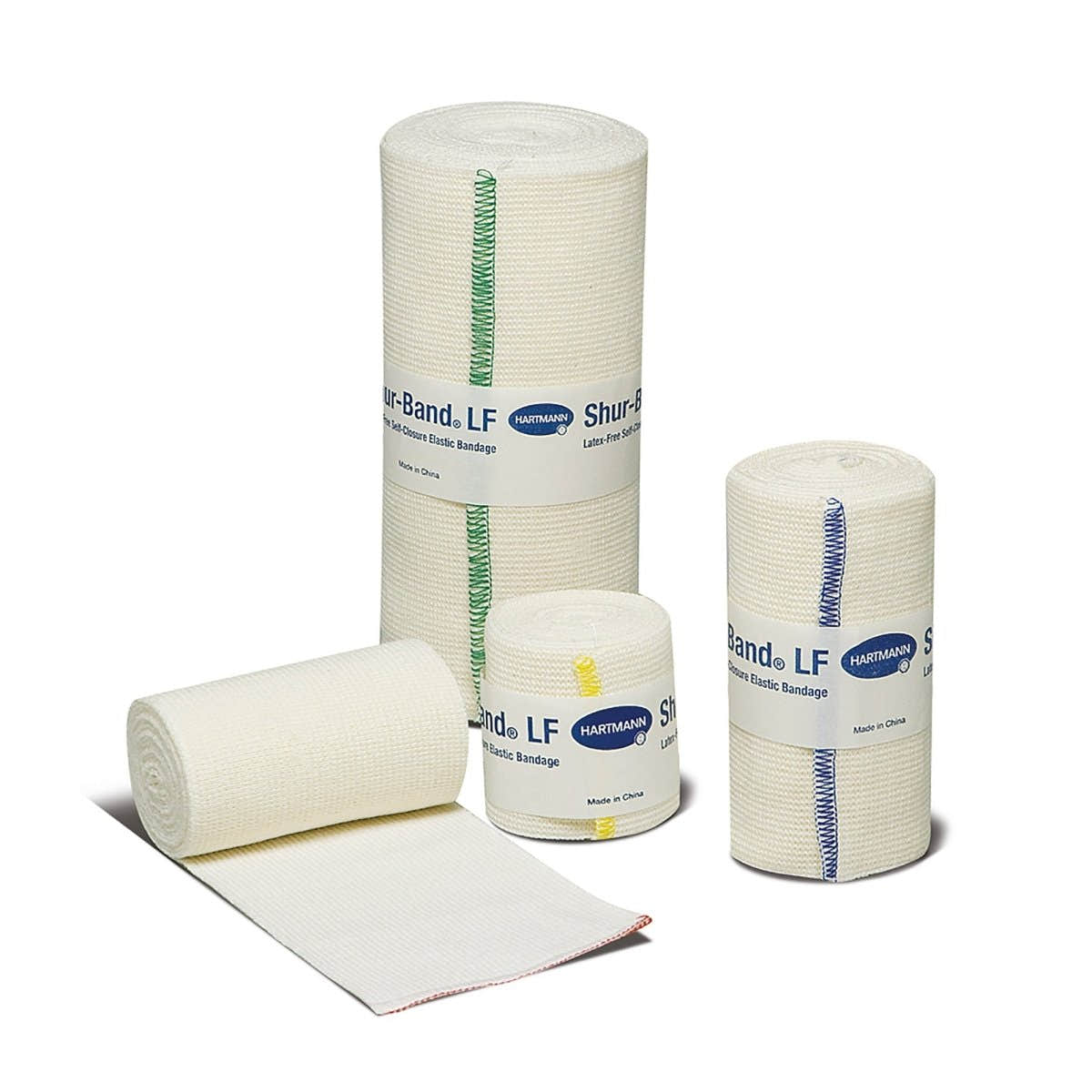
Shur-Band LF Elastic Bandages: Reliable Support for Everyday Use

The Shur-Band LF collection brings together elastic bandages designed for secure, adjustable compression and support. Whether used in a home first-aid kit, a sports bag, or a clinical setting, these bandages are built around a simple goal: a dependable, comfortable wrap that stays in place when it matters most.

Showing 1 - 1 of 1 product
View

Frequently Asked Questions about Shur-Band Lf

A hook and loop closure elastic bandage is a stretchable wrap that compresses and supports injured or swollen limbs, secured with a reusable hook-and-loop fastener instead of metal clips. The closure stays firmly in place during activity and can be adjusted easily without tools or extra hardware.

Hook and loop elastic bandages are designed for anyone managing sprains, strains, minor joint swelling, or soft tissue injuries who needs adjustable, reusable compression support. They are commonly used by athletes, physical therapy patients, and people recovering from everyday injuries at home or in a clinical setting.

Start at the narrowest part of the limb, such as the foot or wrist, and wrap the elastic bandage in overlapping spiral turns moving upward toward the heart. Keep consistent tension throughout, then press the hook and loop tab firmly against the bandage to secure the end without slipping or bunching.

An elastic bandage reduces swelling and provides compression support to a sprained or injured joint by limiting fluid buildup and stabilizing surrounding soft tissue. Used as part of the R.I.C.E. method, elastic bandages help manage pain and promote recovery during the early stages of an injury.

Yes, a hook and loop elastic bandage is reusable and designed to be washed and rewrapped multiple times without losing its stretch or closure strength. The hook and loop fastener eliminates the need for disposable metal clips, making the bandage a more practical and cost-effective option for repeated use.

Hand wash an elastic bandage in cool water with mild soap, then roll it loosely and allow it to air dry completely before storing or reusing. Avoid machine drying or wringing the bandage, as high heat and twisting can break down the elastic fibers and reduce compression effectiveness over time.

Choose an elastic bandage width based on the body part being wrapped — narrower widths suit wrists and ankles, while wider widths work better for knees, thighs, and larger joints. Using the correct width ensures even compression coverage and prevents the bandage from bunching, cutting off circulation, or leaving gaps in support.

No, an elastic bandage does not work exactly the same as a compression sleeve because elastic bandages allow the user to customize tension, coverage area, and wrap technique for each injury. Compression sleeves offer fixed graduated pressure, while elastic bandages are more versatile and adjustable for acute injuries, post-procedure care, or changing levels of swelling.

Because a hook and loop closure distributes holding force evenly across the bandage surface, it is less likely to dig into skin, pop open during movement, or snag clothing the way metal clips can. The hook and loop fastener also allows quick readjustment without fully unwrapping the bandage, which is especially useful when swelling changes throughout the day.

Store elastic bandages rolled tightly and kept in a cool, dry location away from direct sunlight, moisture, and extreme heat to preserve their elasticity and closure strength. A first aid kit, medicine cabinet, or sealed storage bin works well, and keeping bandages rolled prevents stretching that can reduce compression effectiveness over time.

Recently viewed