
SPS Medical Supply

1 product

Showing 1 - 1 of 1 product

SPS Medical Supply: Reliable Protective Equipment for Healthcare and Clinical Settings

Cart Health carries a focused selection of protective equipment from SPS Medical Supply, a trusted name in clinical and healthcare-grade supplies. This collection is designed for professionals and facilities that need dependable, purpose-built protective gear — the kind of equipment where quality and consistency genuinely matter.
Showing 1 - 1 of 1 product
View
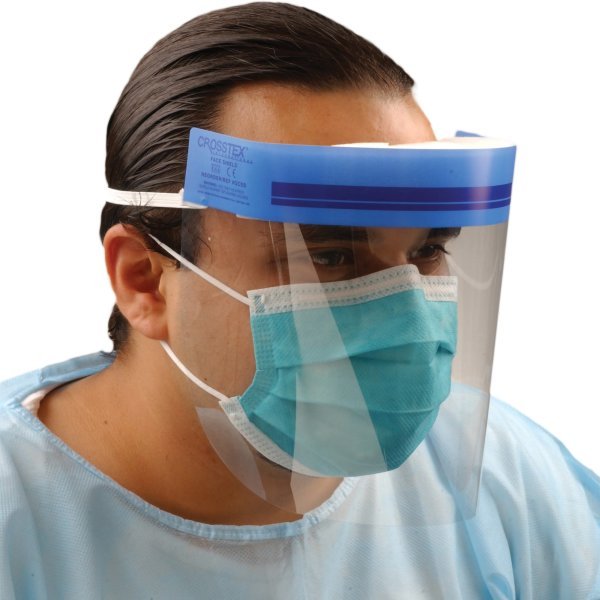
CrossTex Face Shield - 826138_EA - 1
CrossTex Face Shield
Sale priceFrom $3.99
Choose options

Frequently Asked Questions about SPS Medical Supply

Face shields are protective barriers worn over the face to guard healthcare workers and patients against splashes, sprays, and airborne droplets during medical procedures. Face shields cover the entire face from forehead to chin, offering a layer of protection that complements other personal protective equipment like masks and gloves.

Medical-grade face shields are designed for healthcare professionals, dental workers, laboratory technicians, and clinical staff who face exposure to bodily fluids, aerosols, or infectious materials during patient care. Face shields are also appropriate for caregivers and first responders who need reliable facial protection in high-risk environments.

Place the face shield headband securely around your forehead so the clear visor hangs down and fully covers your face from brow to chin. Adjust the fit so the shield sits snugly without obstructing your vision, and always pair face shields with an appropriate mask for complete respiratory and facial protection.

Clean a reusable face shield by wiping the visor and headband with an EPA-approved disinfectant wipe or a mild soap-and-water solution, then allow the shield to air dry completely before reuse. Avoid harsh abrasive cleaners that can scratch the visor and reduce visibility during use.

No, face shields are not a replacement for surgical masks because face shields do not filter inhaled or exhaled air the way a mask does. Face shields work best as a complement to masks, adding a physical barrier against splatter and droplets while the mask addresses respiratory protection.

When choosing a face shield for clinical use, look for a clear anti-fog visor that provides an unobstructed field of view, a comfortable adjustable headband, and coverage that extends below the chin and to the ears. Checking whether the face shield meets relevant safety standards for your setting is also an important step in the selection process.

Yes, face shields can protect against chemical splashes as well as biological hazards, making face shields useful in laboratory, clinical, and industrial settings where both types of exposure are a concern. Always verify that the specific face shield you select is rated for the type of hazard you expect to encounter.

Because the eyes, nose, and mouth are direct entry points for pathogens and hazardous substances, face shields provide a critical barrier that reduces the risk of exposure during high-risk procedures. Face shields are a standard component of PPE protocols in healthcare facilities, dental offices, and laboratories worldwide.

Face shields should be stored in a clean, dry location away from direct sunlight, extreme heat, and chemicals that could degrade the visor material or headband. Keeping face shields in a sealed bag or dedicated storage bin helps prevent dust accumulation and physical damage between uses.

Disposable face shields are designed for single-use and should be discarded after one patient encounter or procedure, while reusable face shields are made from more durable materials that can be cleaned and disinfected for repeated use. The right choice between disposable and reusable face shields depends on your facility's infection control protocols and the frequency of use.

Recently viewed