
Therapeutic Dimensions

1 product

Showing 1 - 1 of 1 product

Therapeutic Dimensions: Rehabilitation and Movement Support Equipment

Therapeutic Dimensions specializes in purposefully designed equipment built to support guided movement, range-of-motion work, and physical rehabilitation exercises. Whether used in a clinical setting or at home under a care provider's guidance, these tools are crafted to help users work through structured exercise routines with consistency and control. If you or someone you support is working through a supervised rehabilitation program, this collection is a practical place to start.
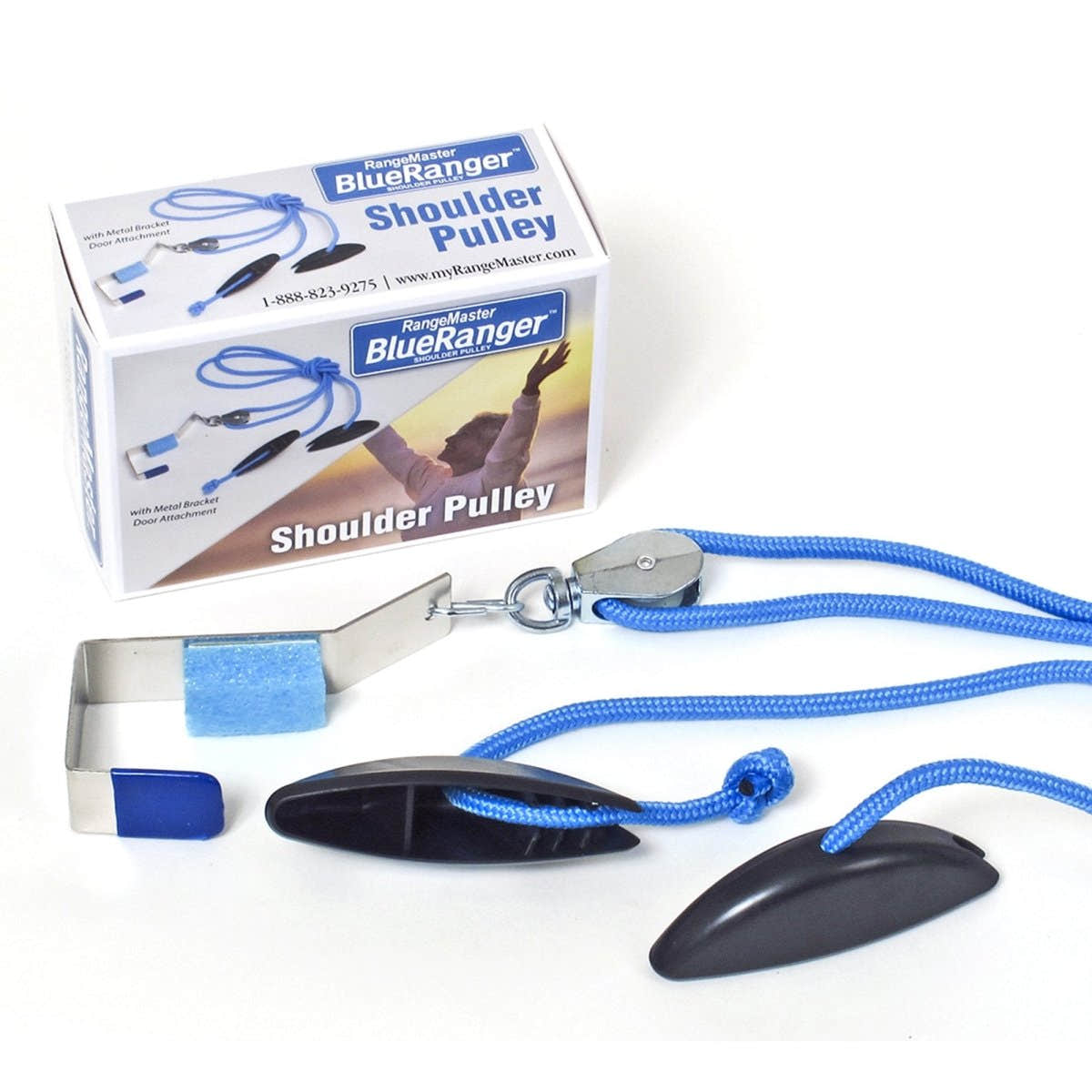
Showing 1 - 1 of 1 product
View

Frequently Asked Questions about Therapeutic Dimensions

A shoulder pulley exerciser is a rehabilitation device that uses an overhead rope-and-pulley system to help patients gently stretch and strengthen the shoulder joint through assisted range-of-motion movements. Shoulder pulley exercisers are commonly recommended after surgery, injury, or conditions that limit shoulder mobility.

Shoulder pulley exercisers are designed for people recovering from rotator cuff surgery, shoulder replacement, frozen shoulder, or other conditions that restrict overhead arm movement. Physical therapists frequently recommend shoulder pulley exercisers as part of a structured home exercise program to restore flexibility and strength between clinic visits.

Attach the shoulder pulley exerciser to a secure overhead anchor such as a door, then sit or stand beneath it and use the unaffected arm to gently pull the rope and guide the injured arm through its range of motion. Move slowly and avoid forcing the joint beyond a comfortable range to prevent re-injury.

Mount a shoulder pulley exerciser on a sturdy door frame or overhead hook that can support the user's body weight and repeated pulling force. Most shoulder pulley exercisers are designed for standard interior doors and include hardware for quick, secure installation without permanent modifications.

Yes, a shoulder pulley exerciser is generally safe for unsupervised home use when a physical therapist or physician has provided clear instructions on proper technique and exercise frequency. Always follow your clinician's prescribed range-of-motion limits and stop immediately if you experience sharp pain during use.

A shoulder pulley exerciser can help treat frozen shoulder, rotator cuff tears, post-surgical stiffness, shoulder impingement, and general loss of overhead range of motion. Regular use of a shoulder pulley exerciser encourages gradual, controlled movement that supports tissue healing and prevents long-term joint stiffness.

Choose a shoulder pulley exerciser based on the mounting options available in your home, the grip handle style that feels comfortable for your hand strength, and whether your therapist has recommended a specific resistance or range-of-motion target. Look for smooth-rolling pulleys and durable handles that allow a controlled, pain-free range of motion.

Yes, a shoulder pulley exerciser works for both left and right shoulder injuries because the rope-and-pulley design allows either arm to serve as the active or passive limb depending on which side needs rehabilitation. No adjustment or reconfiguration is typically needed to switch between sides.

Wipe down the handles and rope of a shoulder pulley exerciser with a mild soap and water solution after each use, then allow all components to air dry completely before storing. Store the shoulder pulley exerciser in a dry location away from direct sunlight to prevent material degradation and maintain rope integrity over time.

Because a shoulder pulley exerciser uses gravity-assisted, bilateral movement, it allows patients to gently mobilize a painful or post-surgical shoulder without placing direct stress on the joint, which many other resistance-based tools cannot replicate. This makes shoulder pulley exercisers especially effective during the early stages of recovery when active movement is still limited.

Recently viewed