Transfer Belts

16 products

Showing 1 - 16 of 16 products

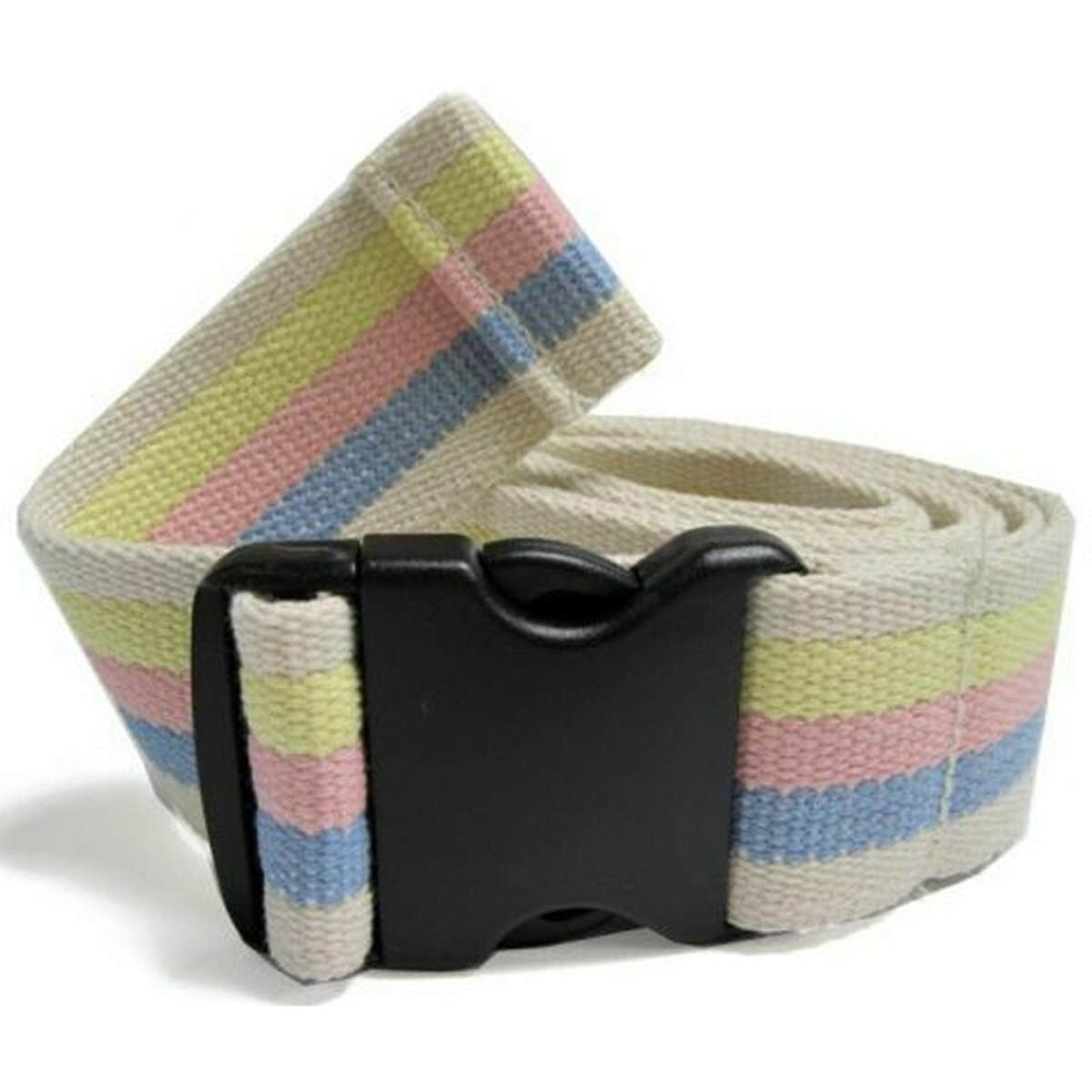
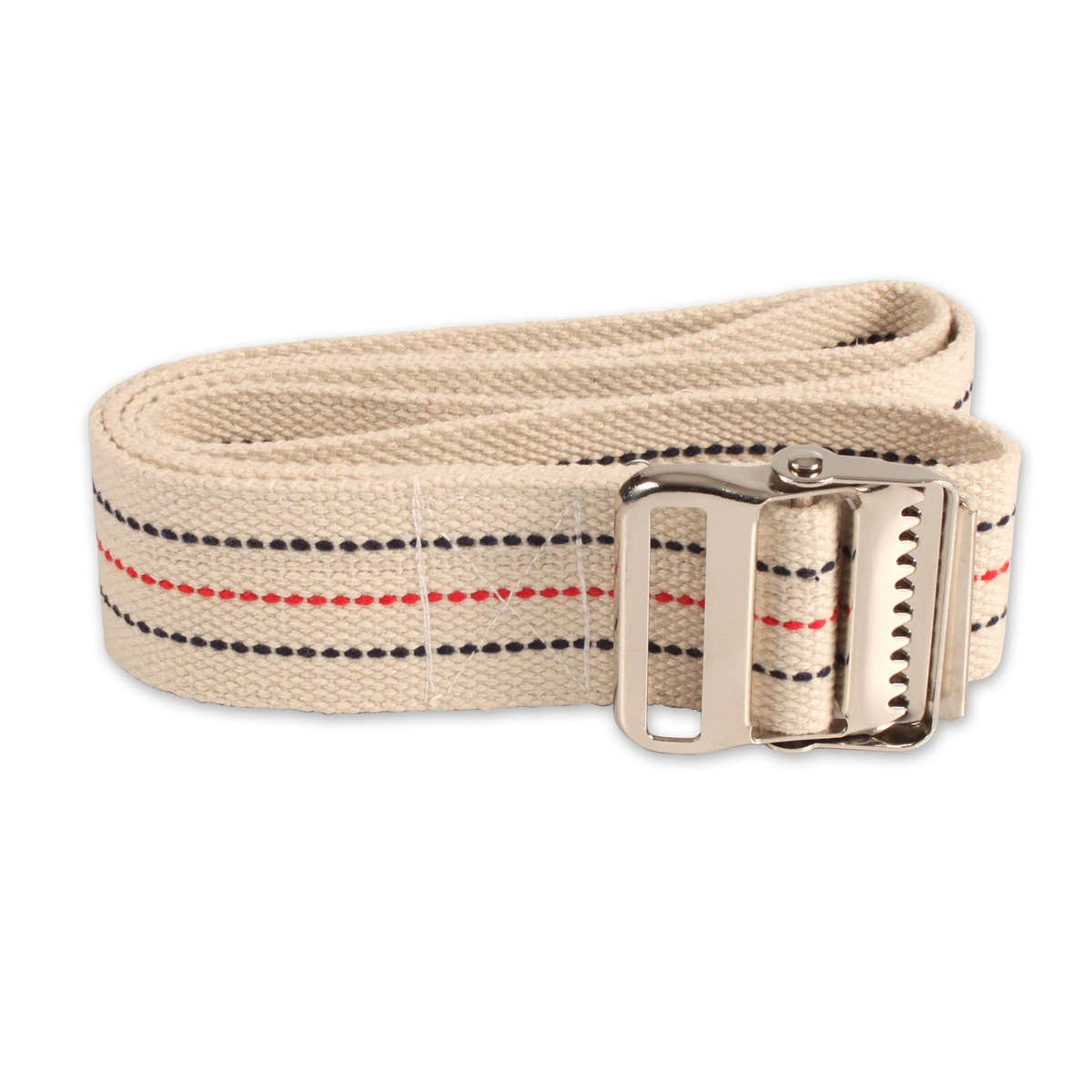
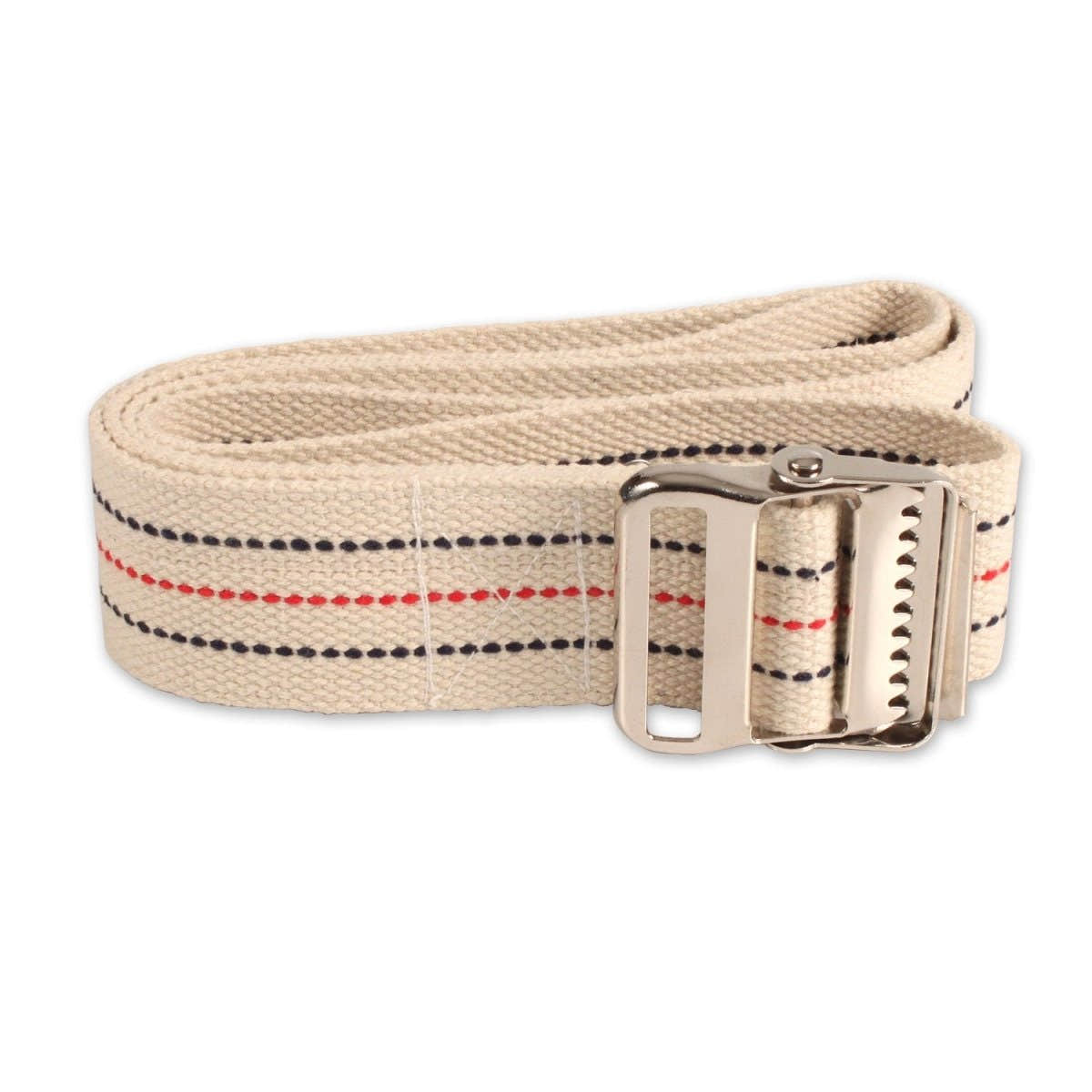
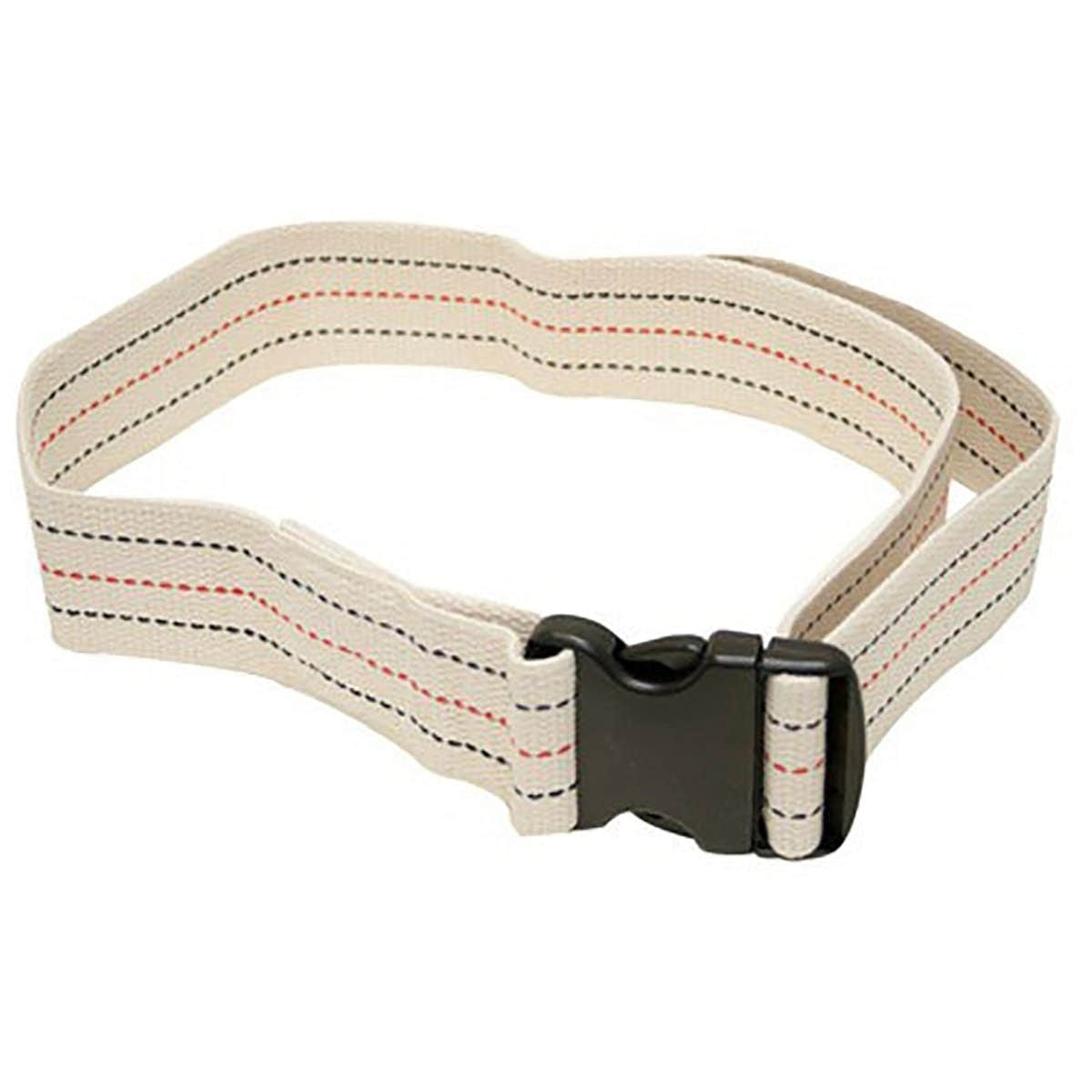
Transfer Belts & Gait Belts for Safe, Confident Mobility Assistance

Transfer belts — also called gait belts — are essential tools for caregivers, therapists, and healthcare professionals who assist patients and residents with standing, walking, and repositioning. Cart Health carries a curated selection from trusted brands including SkiL-Care, McKesson, Dynarex, FabLife, Maddak, Drive Medical, and Posey, so you can find the right belt for the setting and the person being assisted.
Showing 1 - 16 of 16 products
View
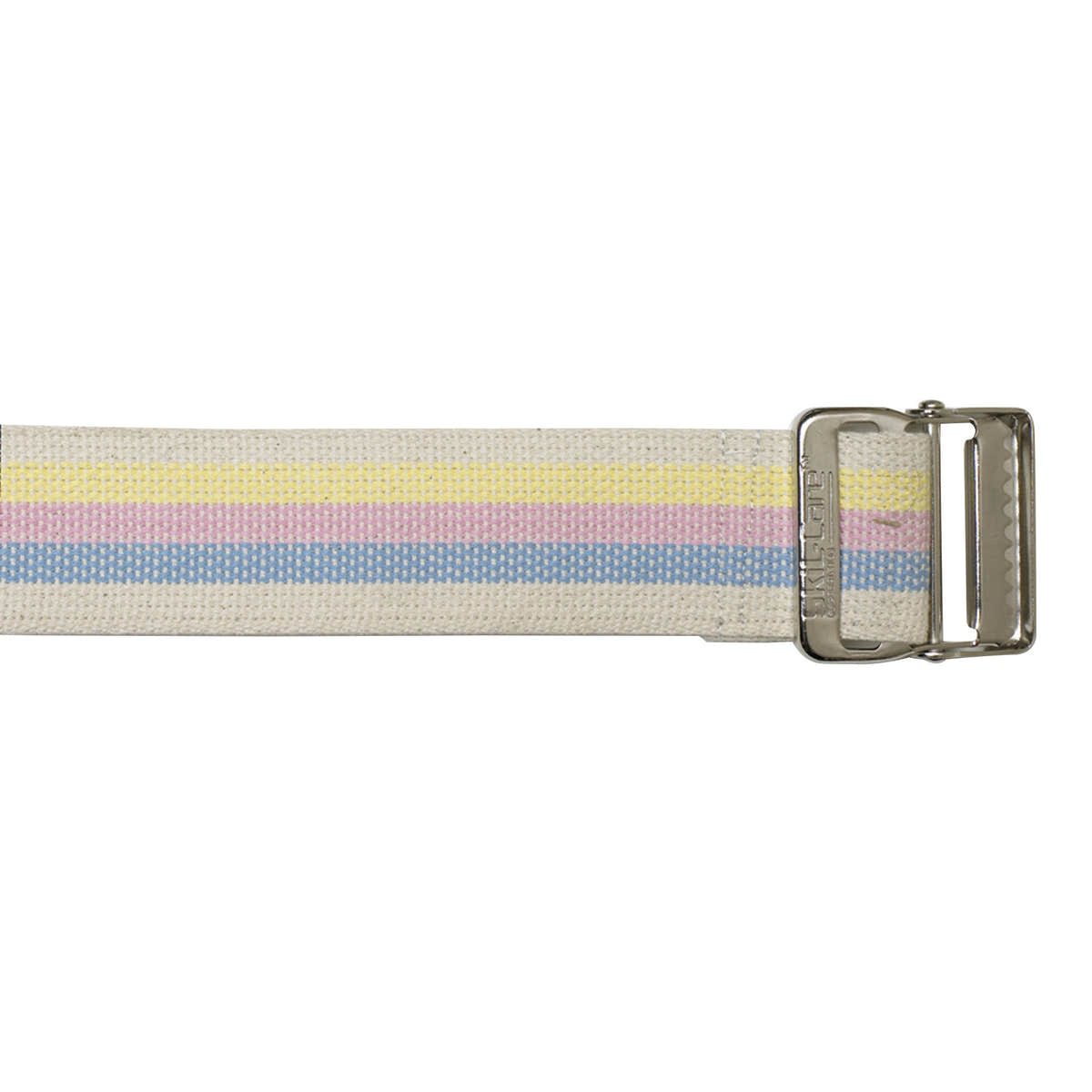
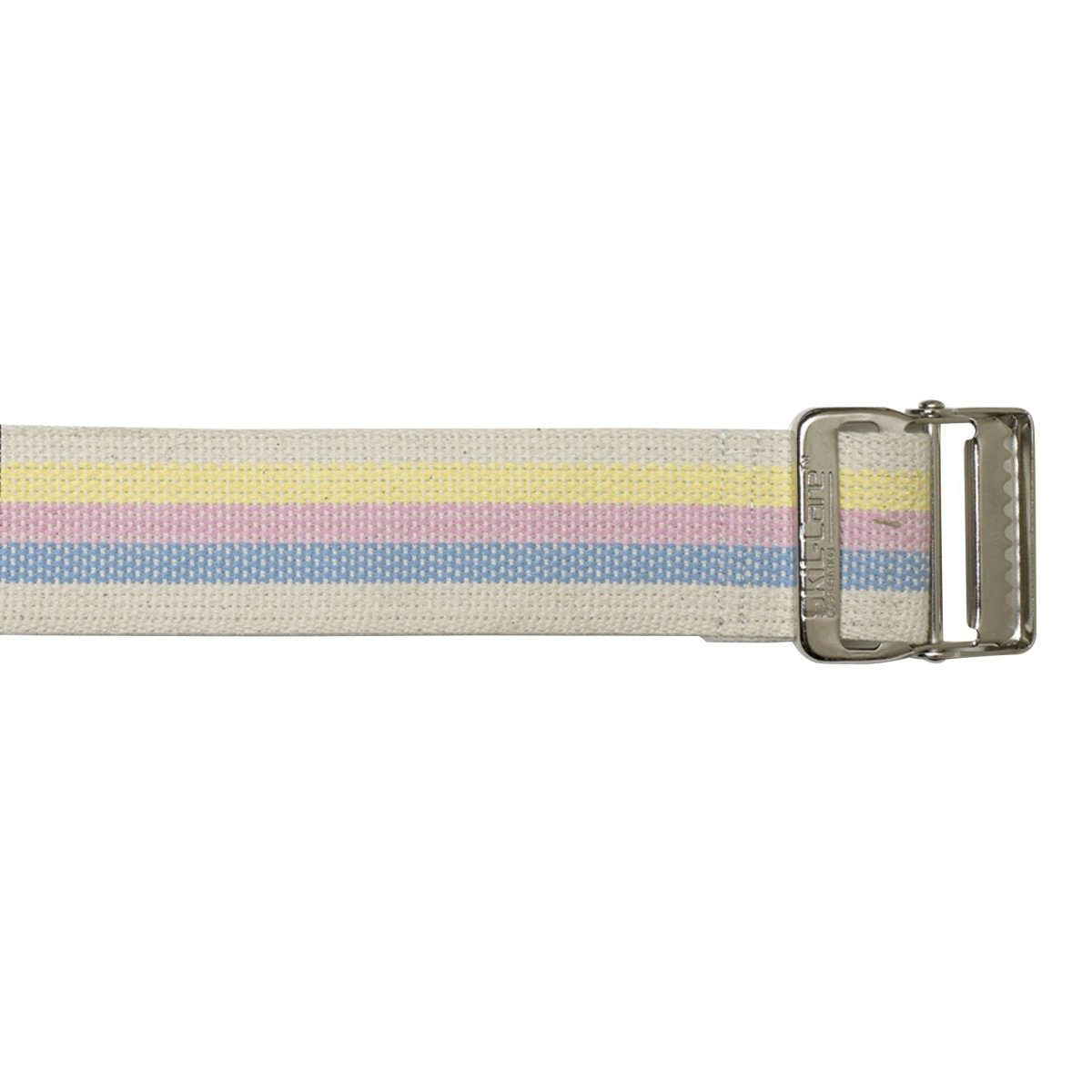
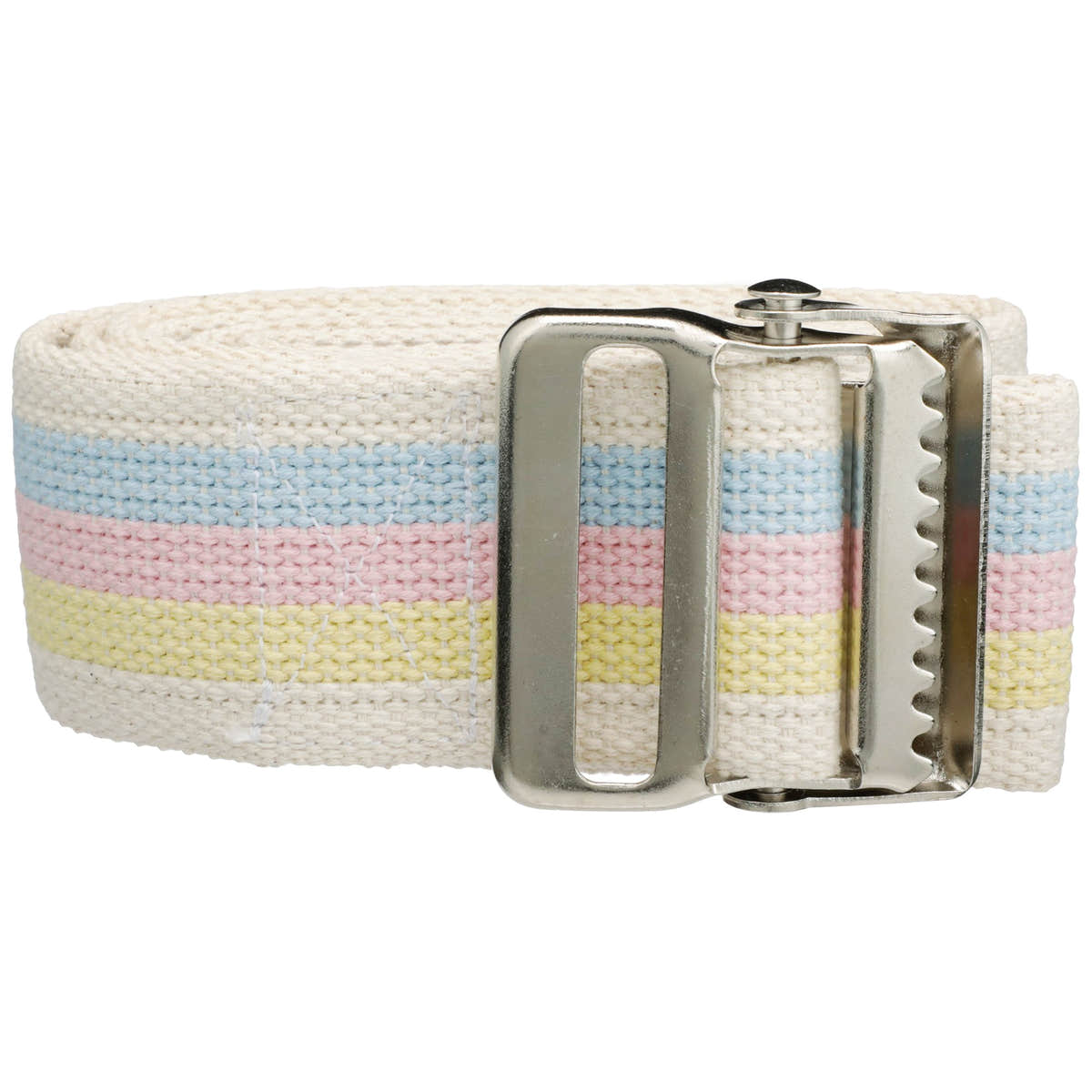
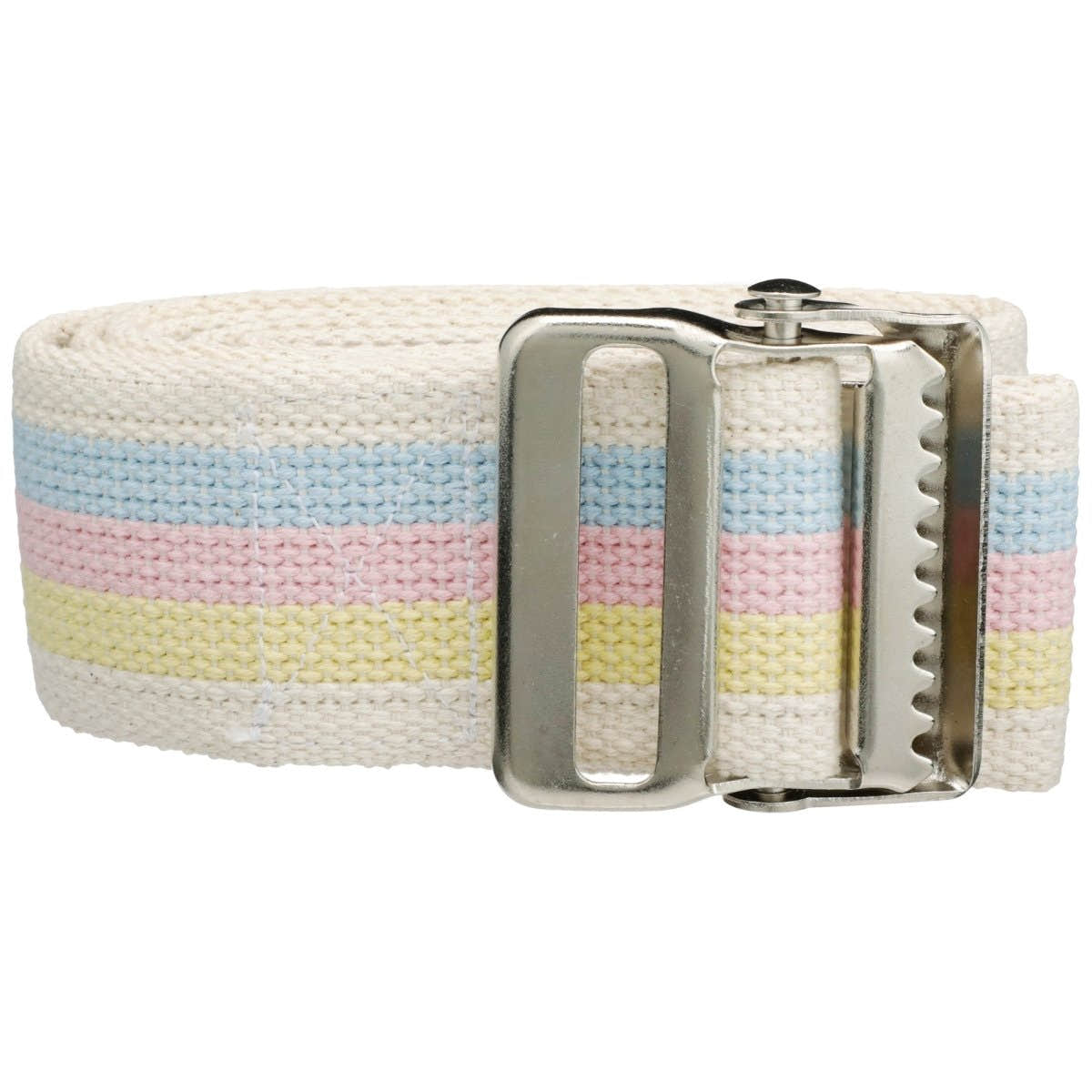
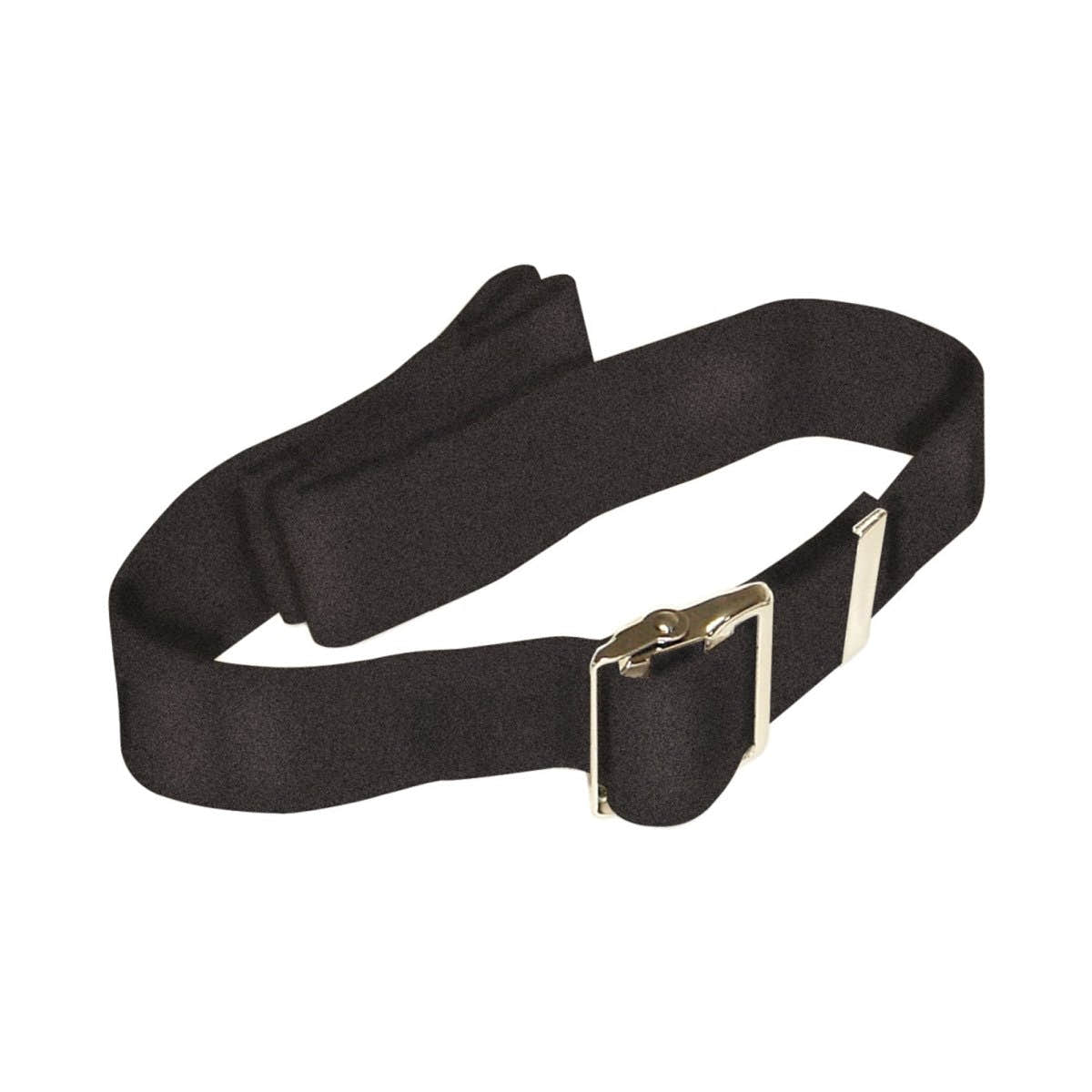
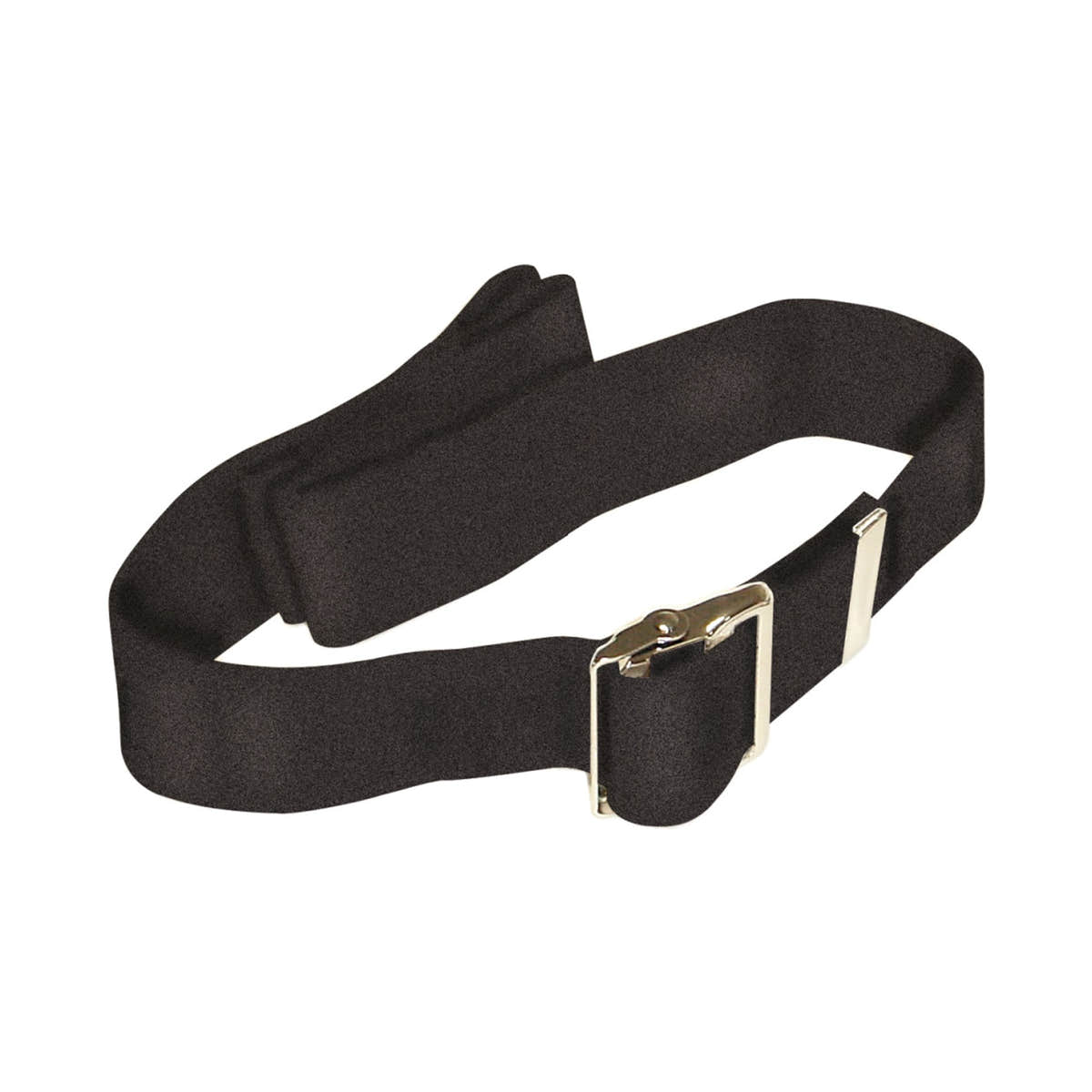
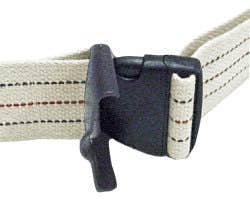
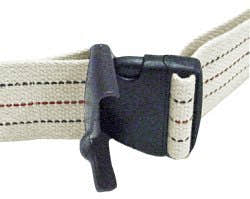
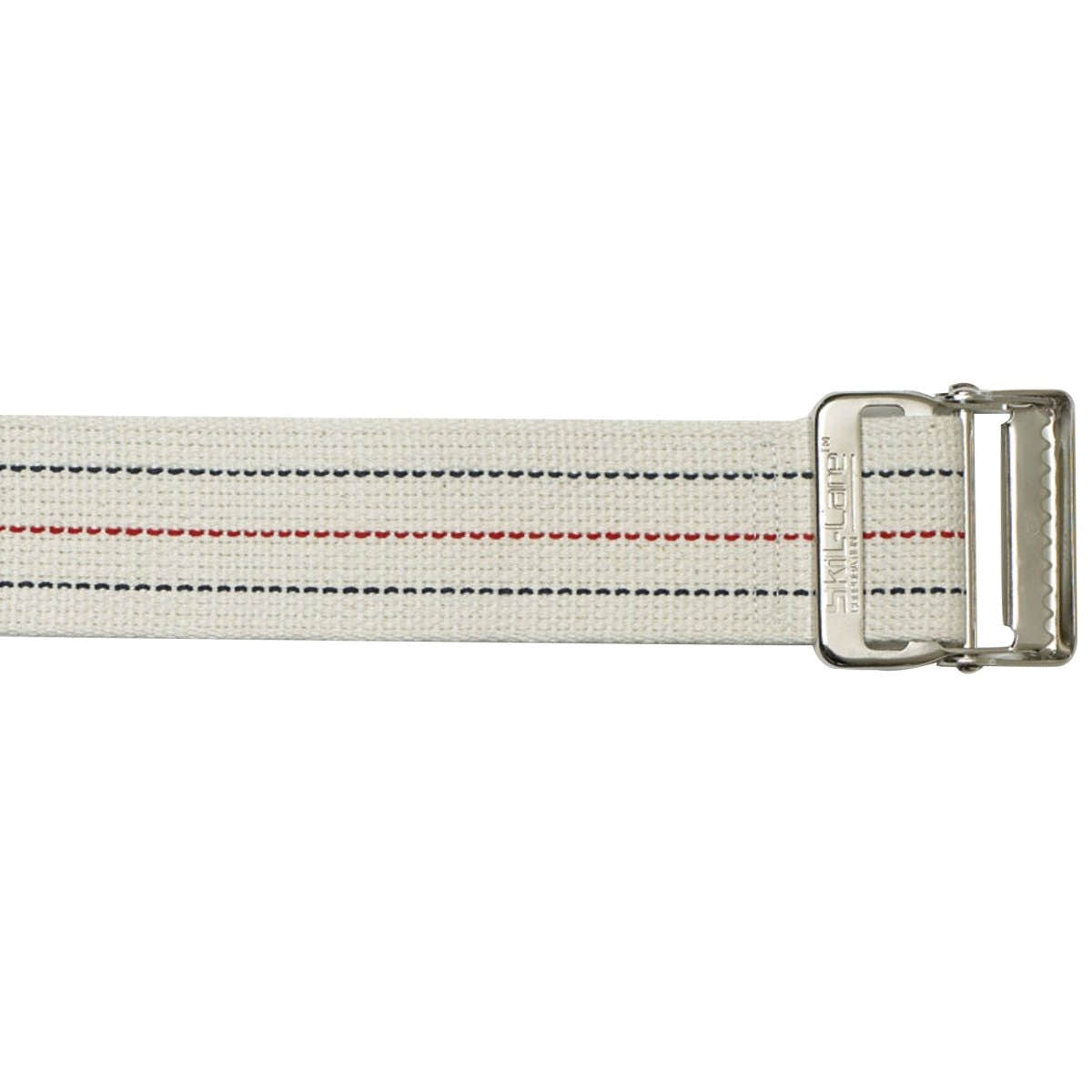
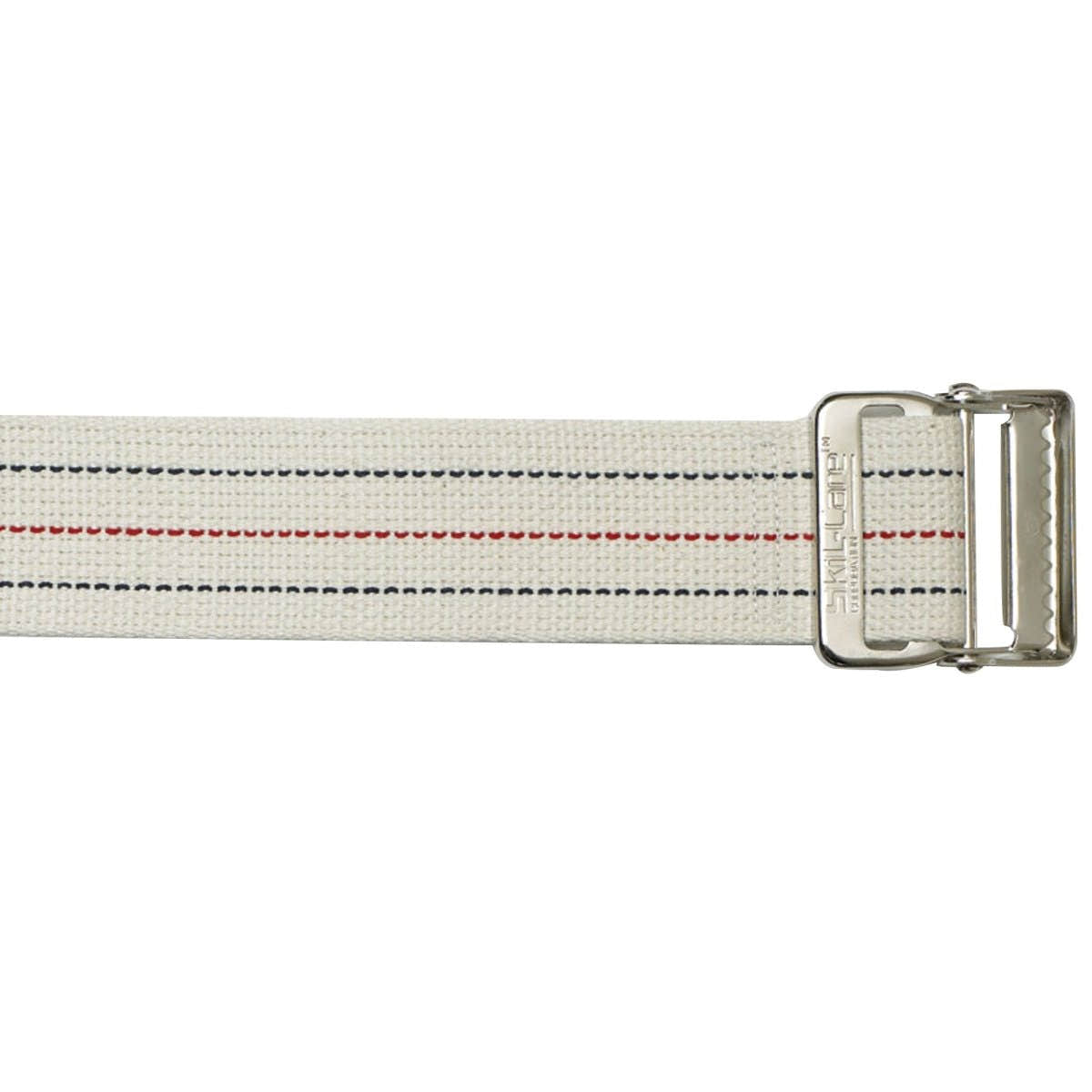
SkiL-Care Standard Gait Belt with Metal Buckle - 170948_EA - 1
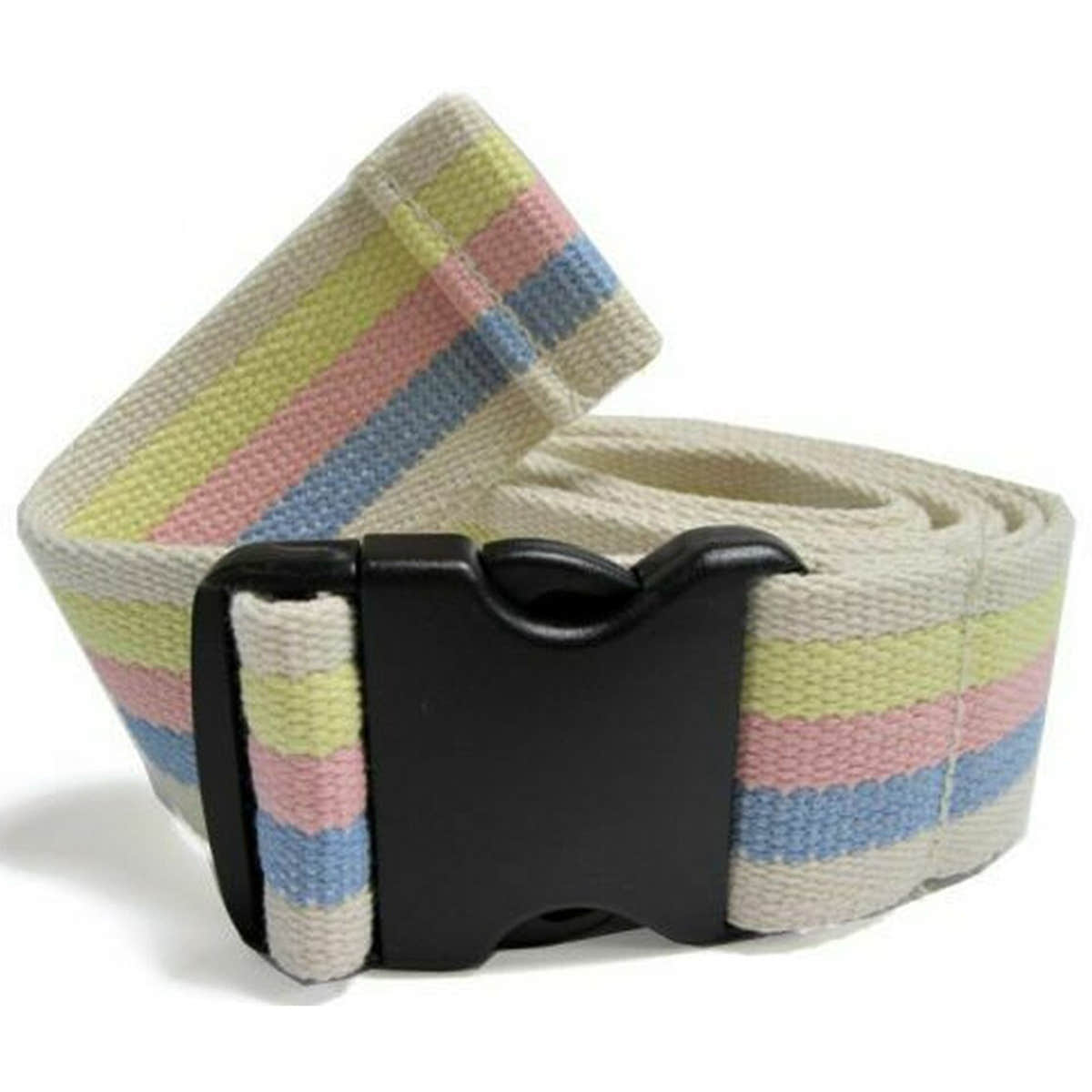
SkiL-Care Standard Gait Belt with Delrin Buckle - 171064_EA - 1
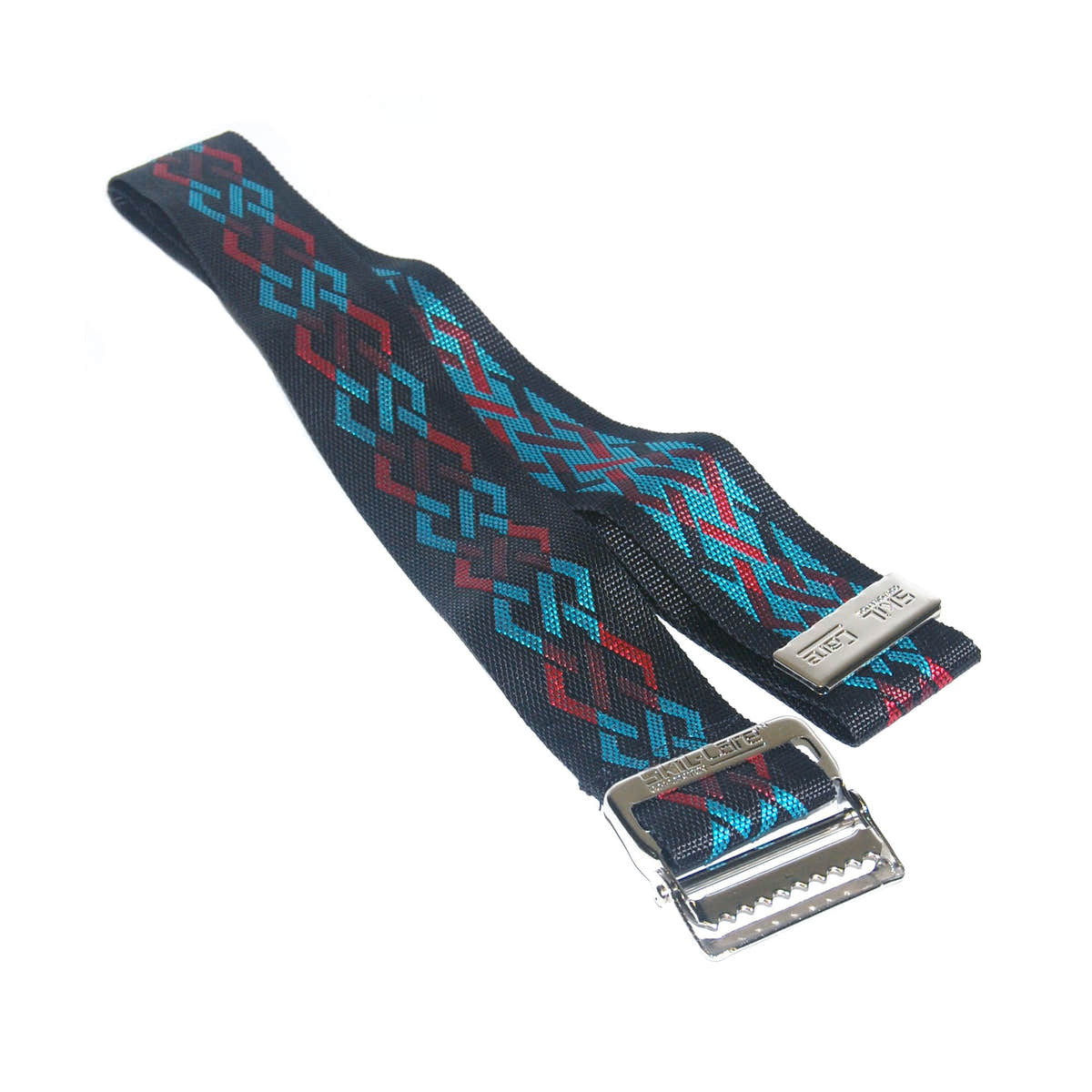
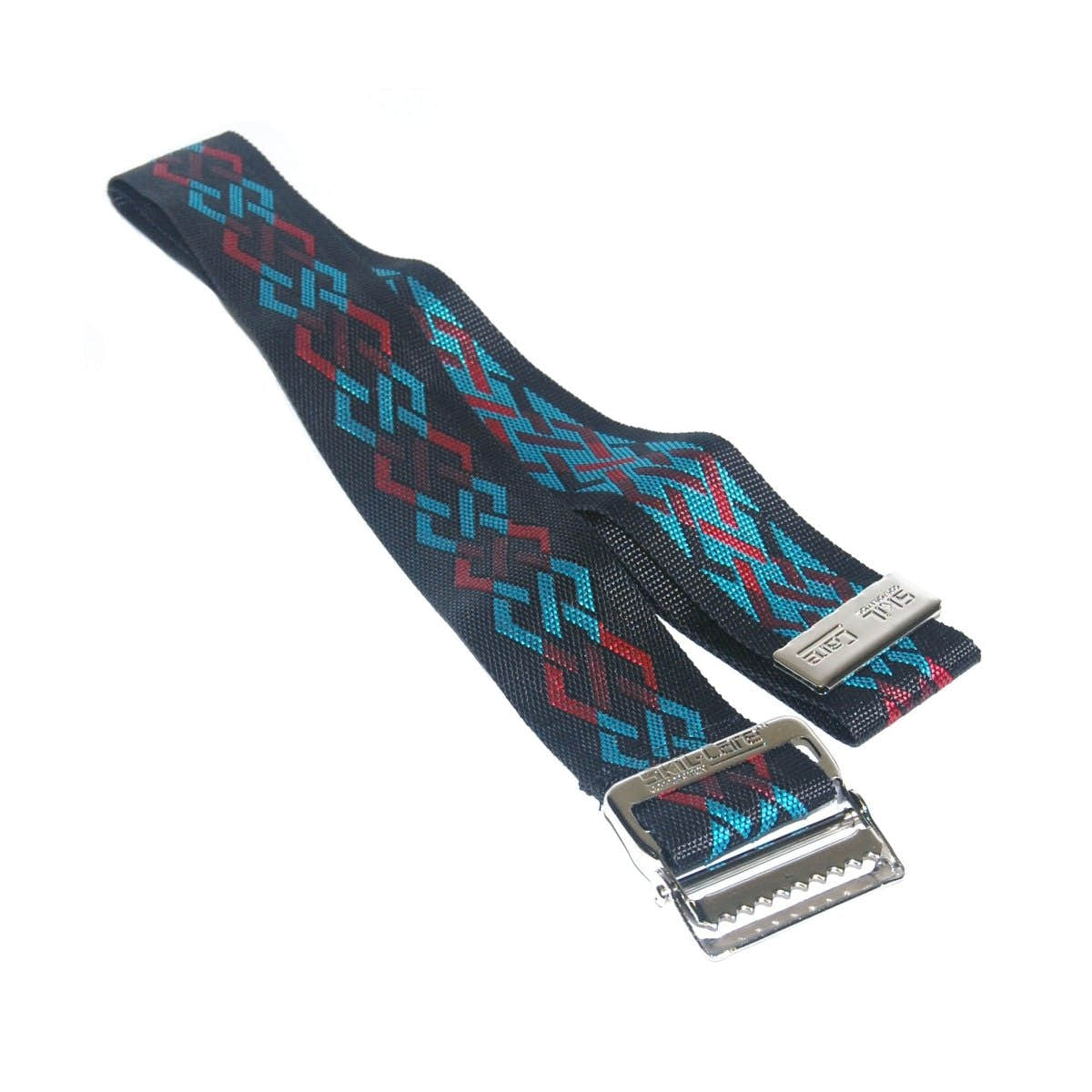
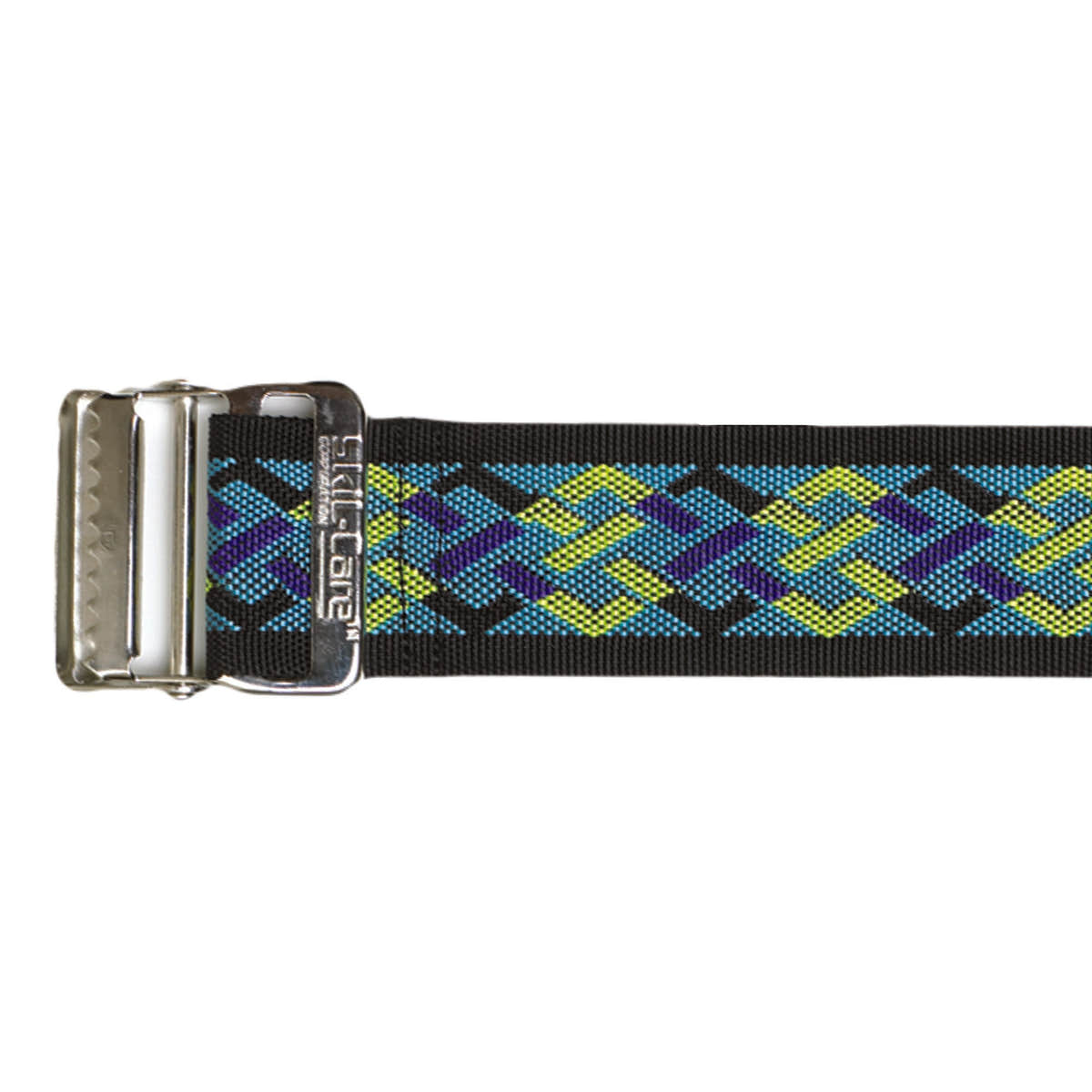
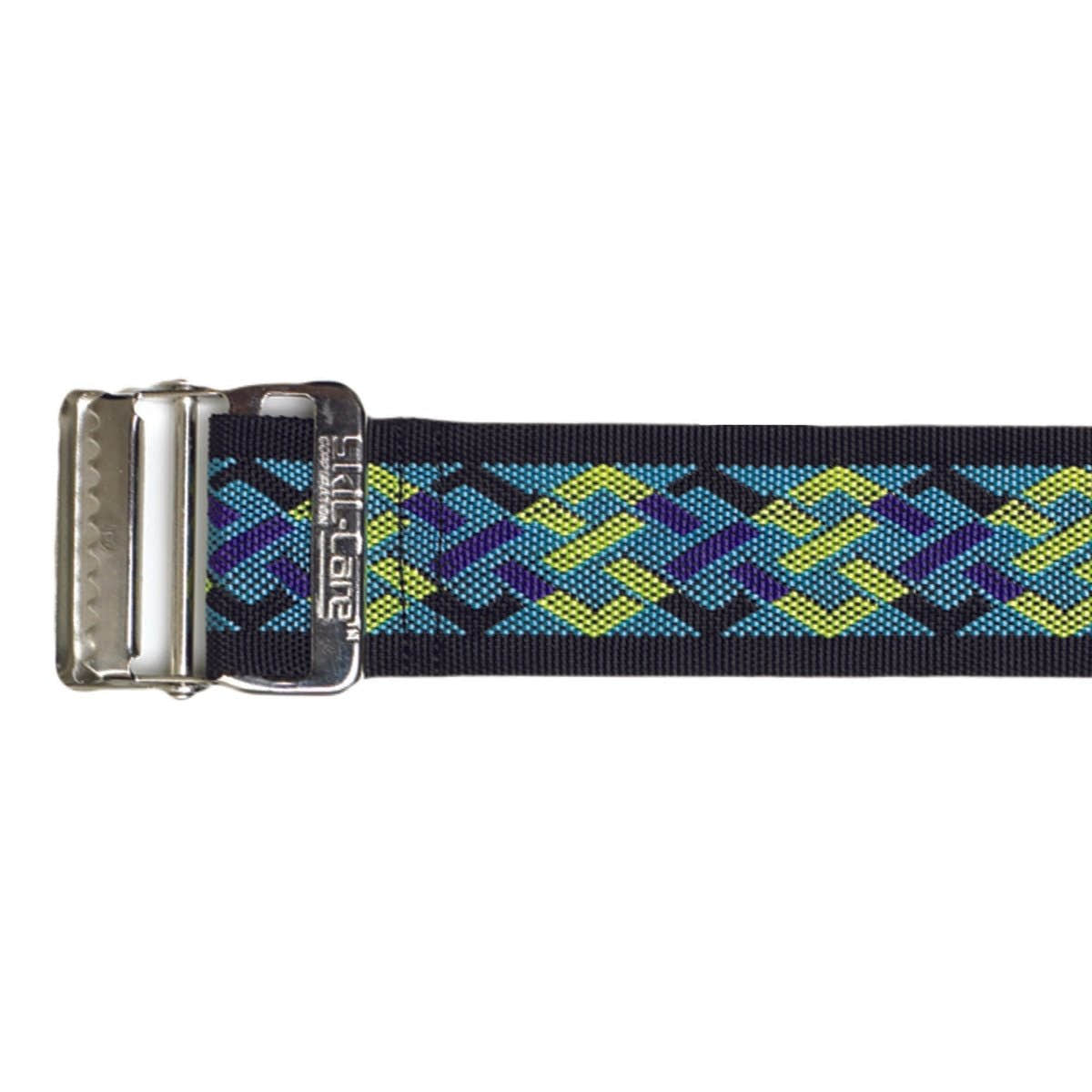
SkiL-Care 60 Inch Nylon Gait Belt with Metal Buckle, Geo-Pattern A -Each
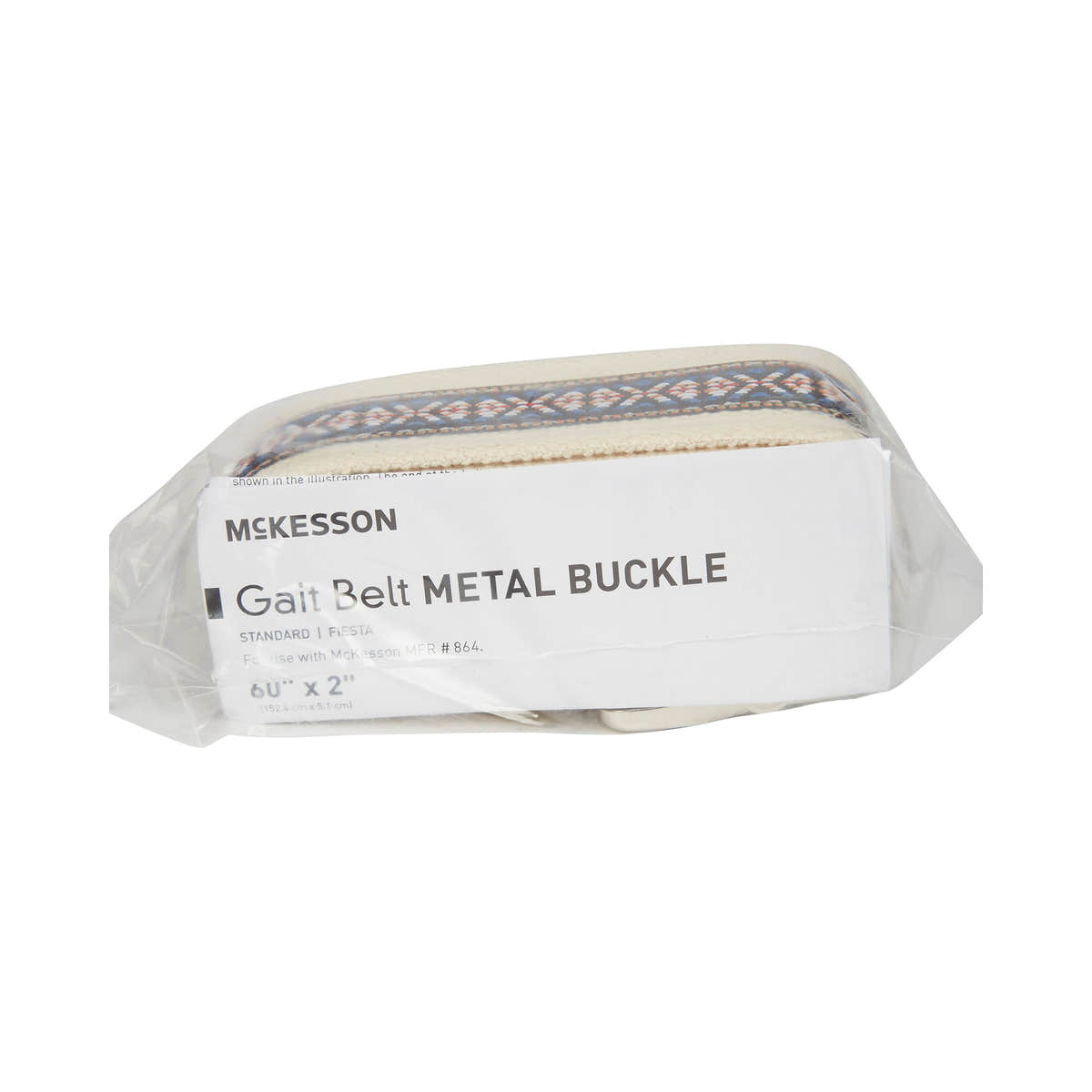
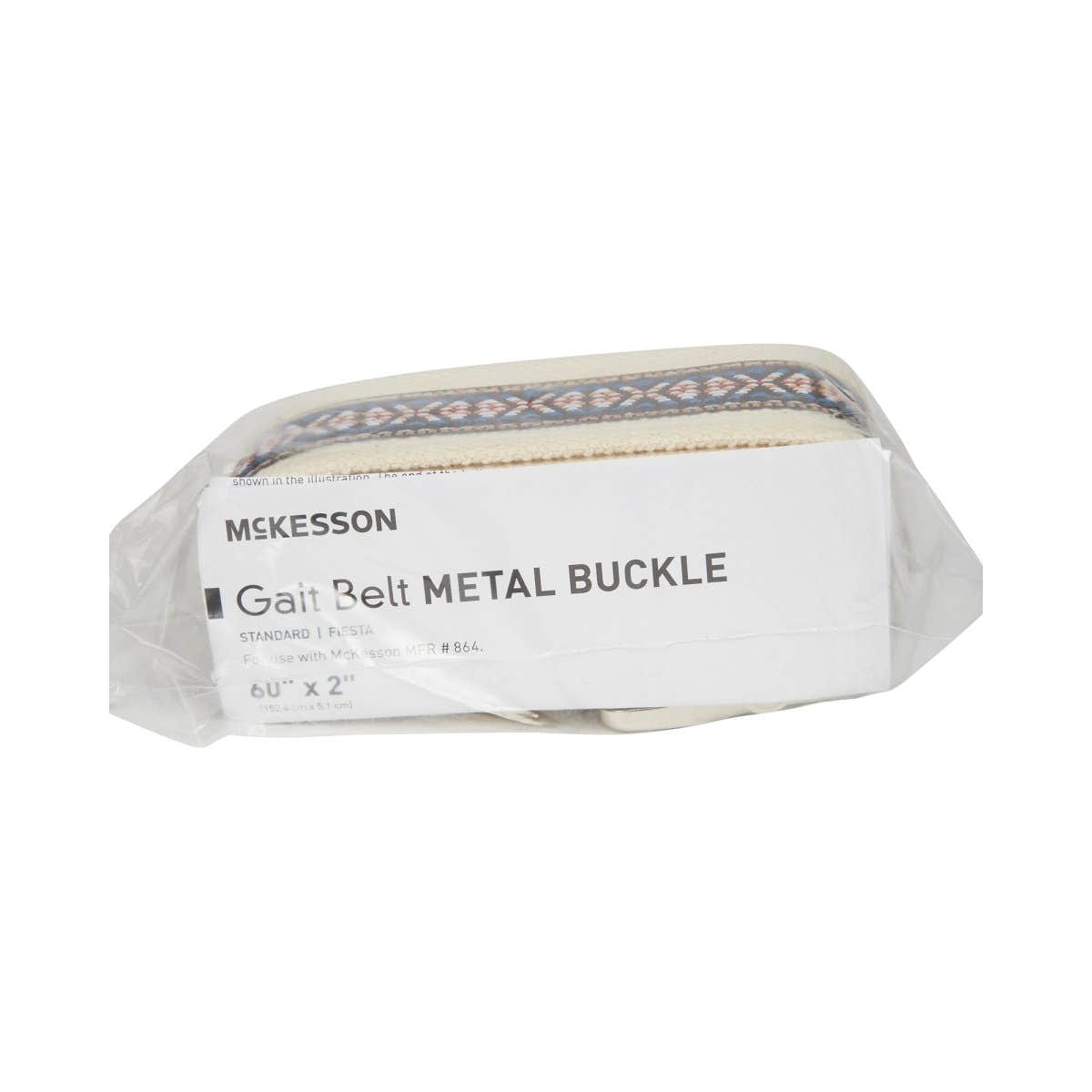
McKesson Gait Belt, 60 Inch, Fiesta Design -Case of 48
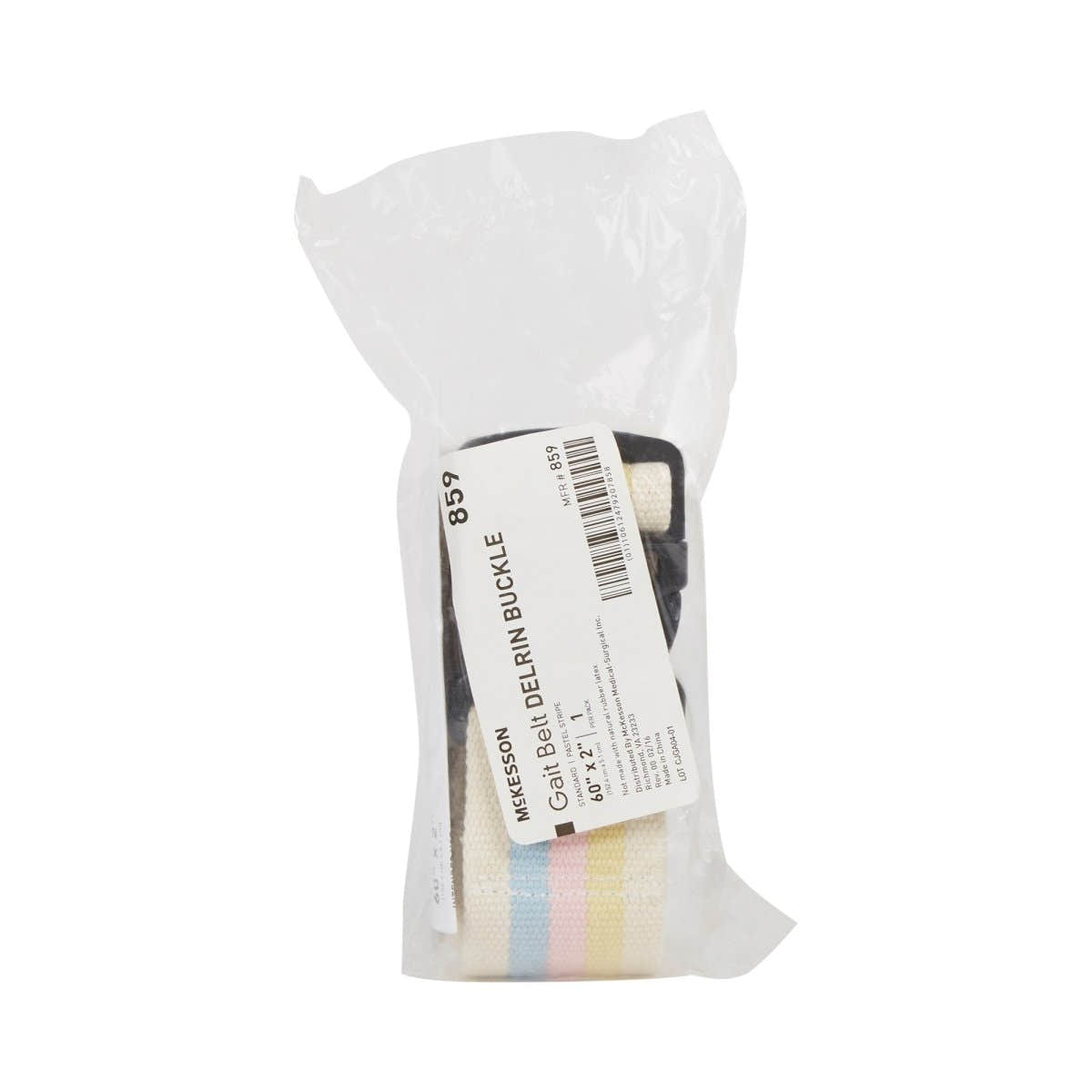
McKesson Gait Belt, 60 Inch
Sale priceFrom $9.99
Choose options
Maddak 54 Inch Gait Belt - 972673_EA - 1
Maddak 54 Inch Gait Belt
Sale price$19.99
FabLife Gait Belt, 60 Inch -Each
FabLife Gait Belt, 60 Inch
Sale price$16.99
dynarex Gait Belt, 60 Inch Length -Case of 36
dynarex Gait Belt, 60 Inch Length
Sale priceFrom $7.99
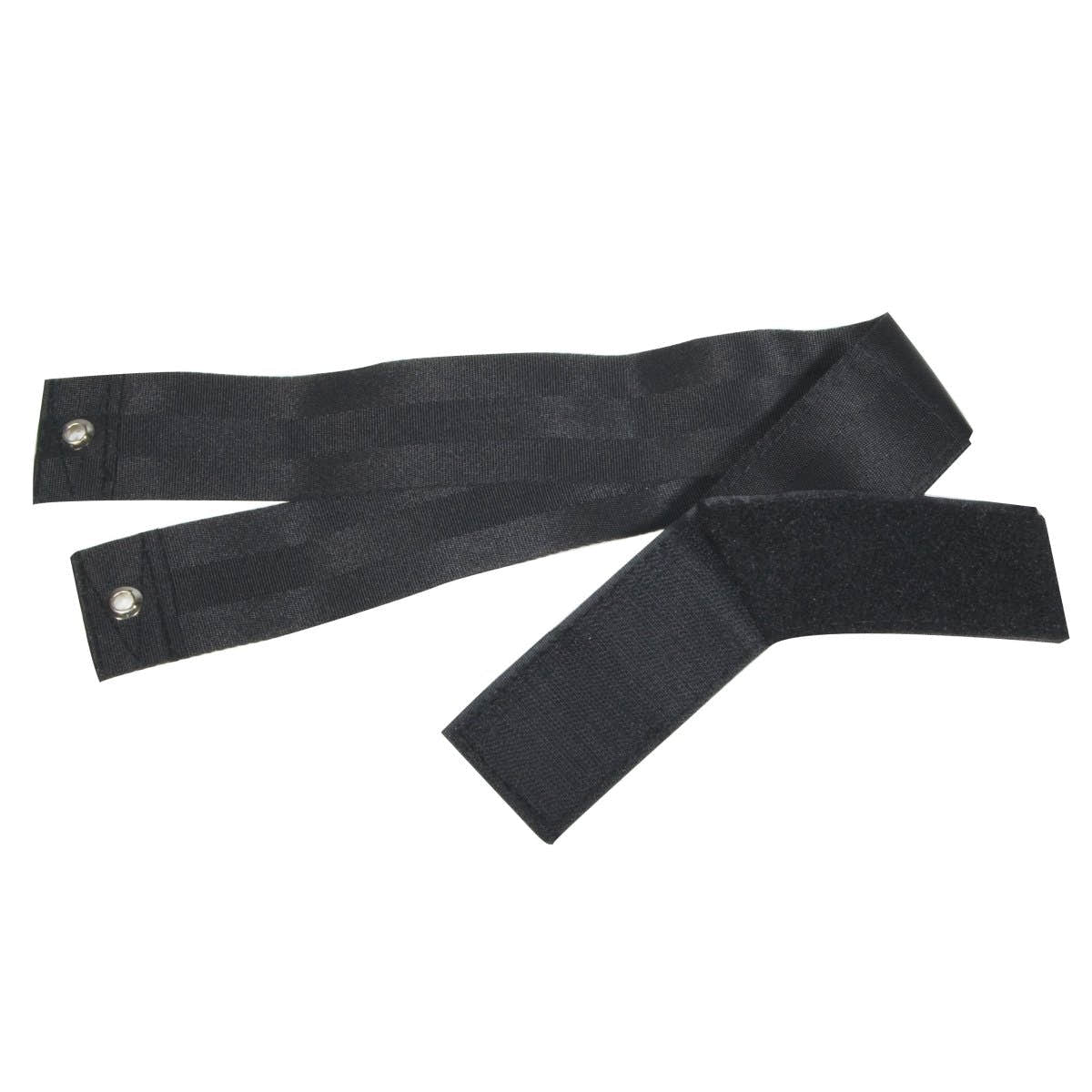
drive Velcro Seat Belt - 581423_EA - 1
drive Velcro Seat Belt
Sale price$29.99
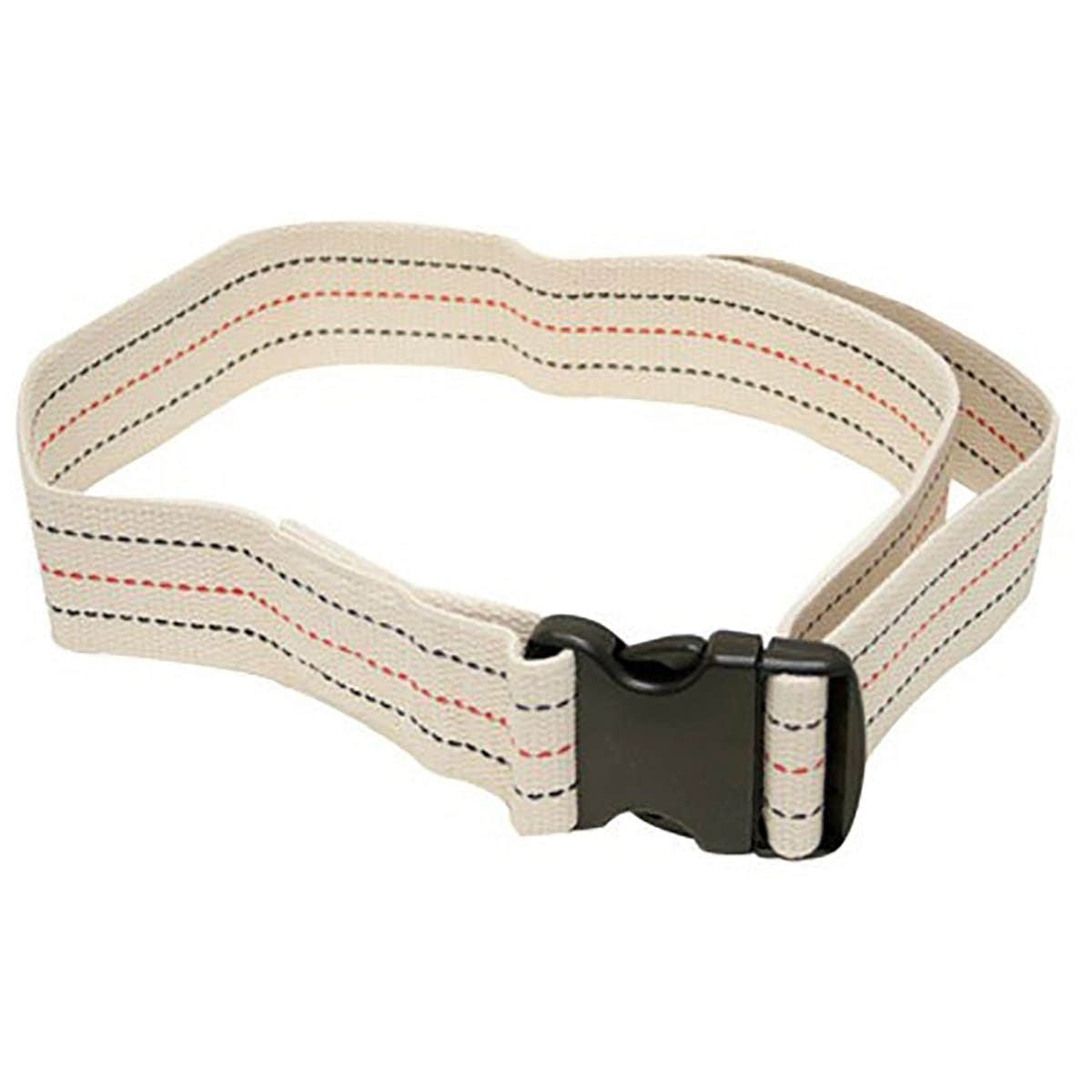
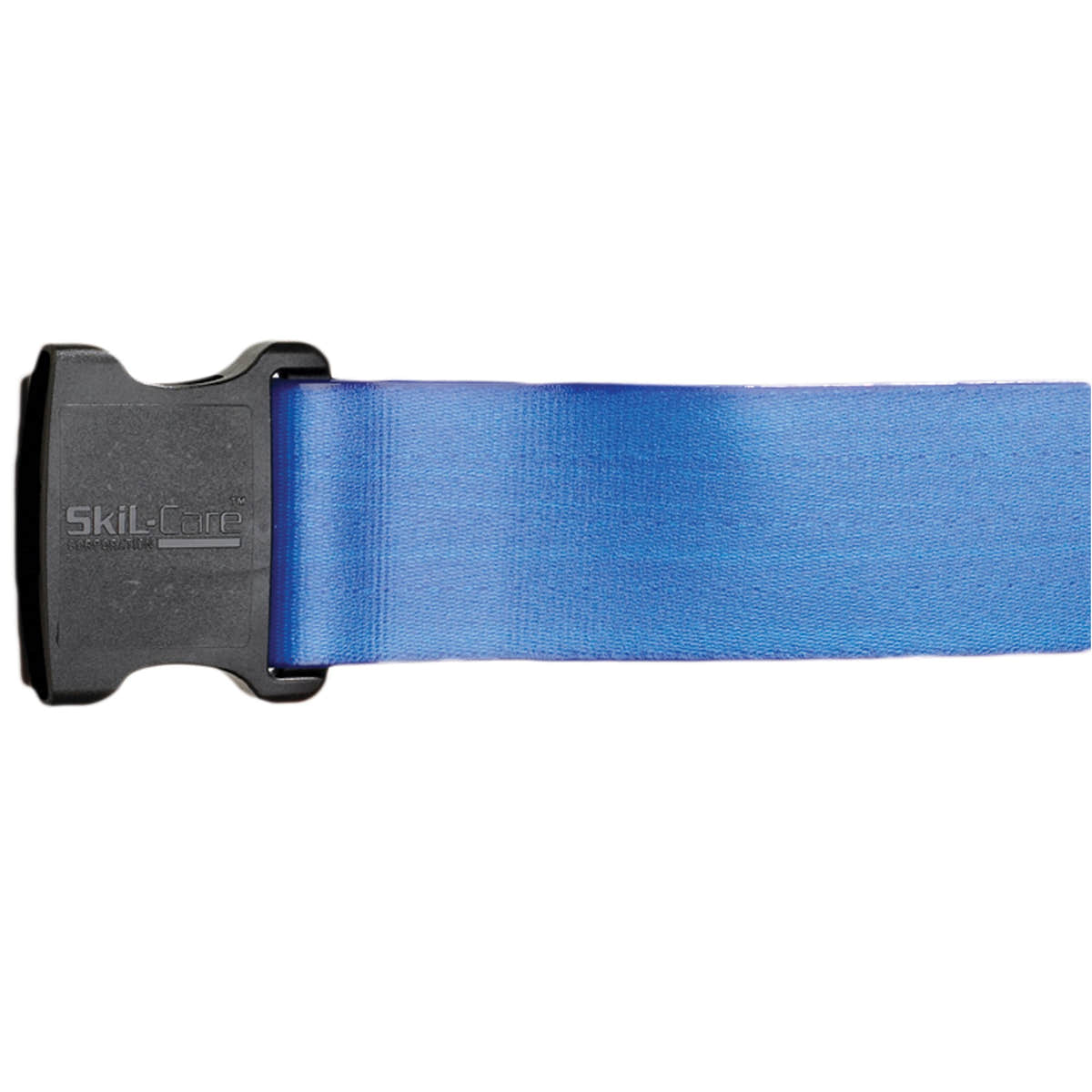
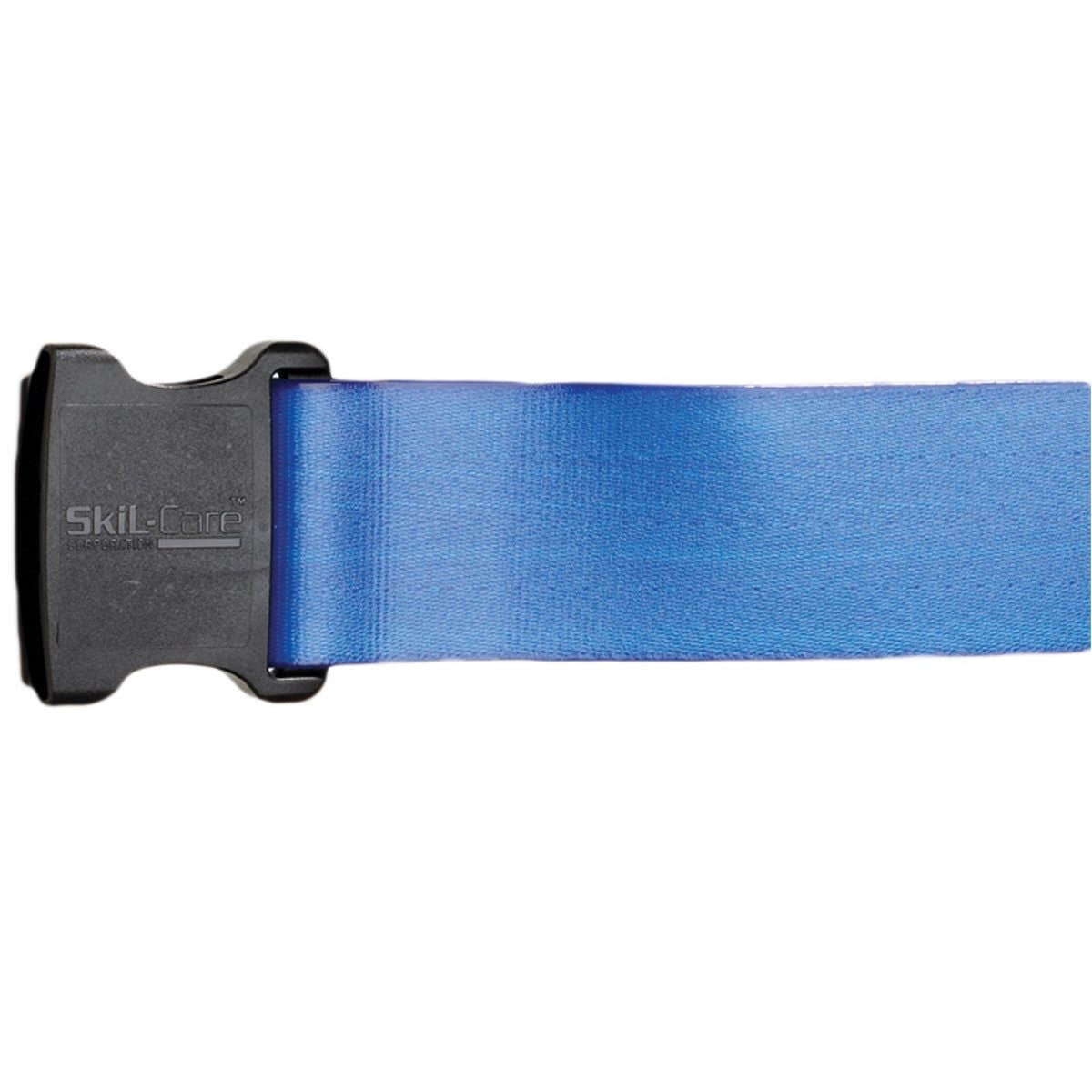
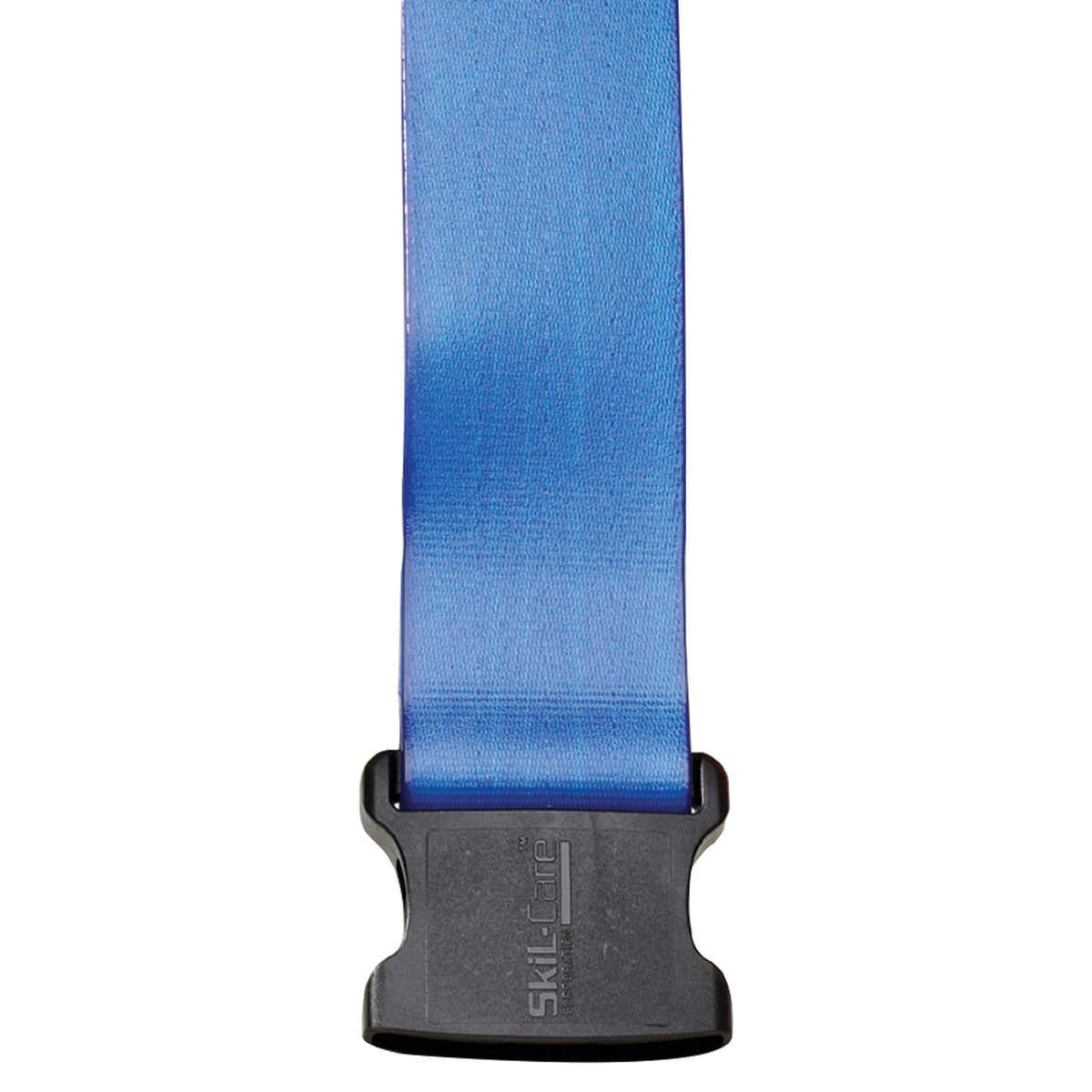
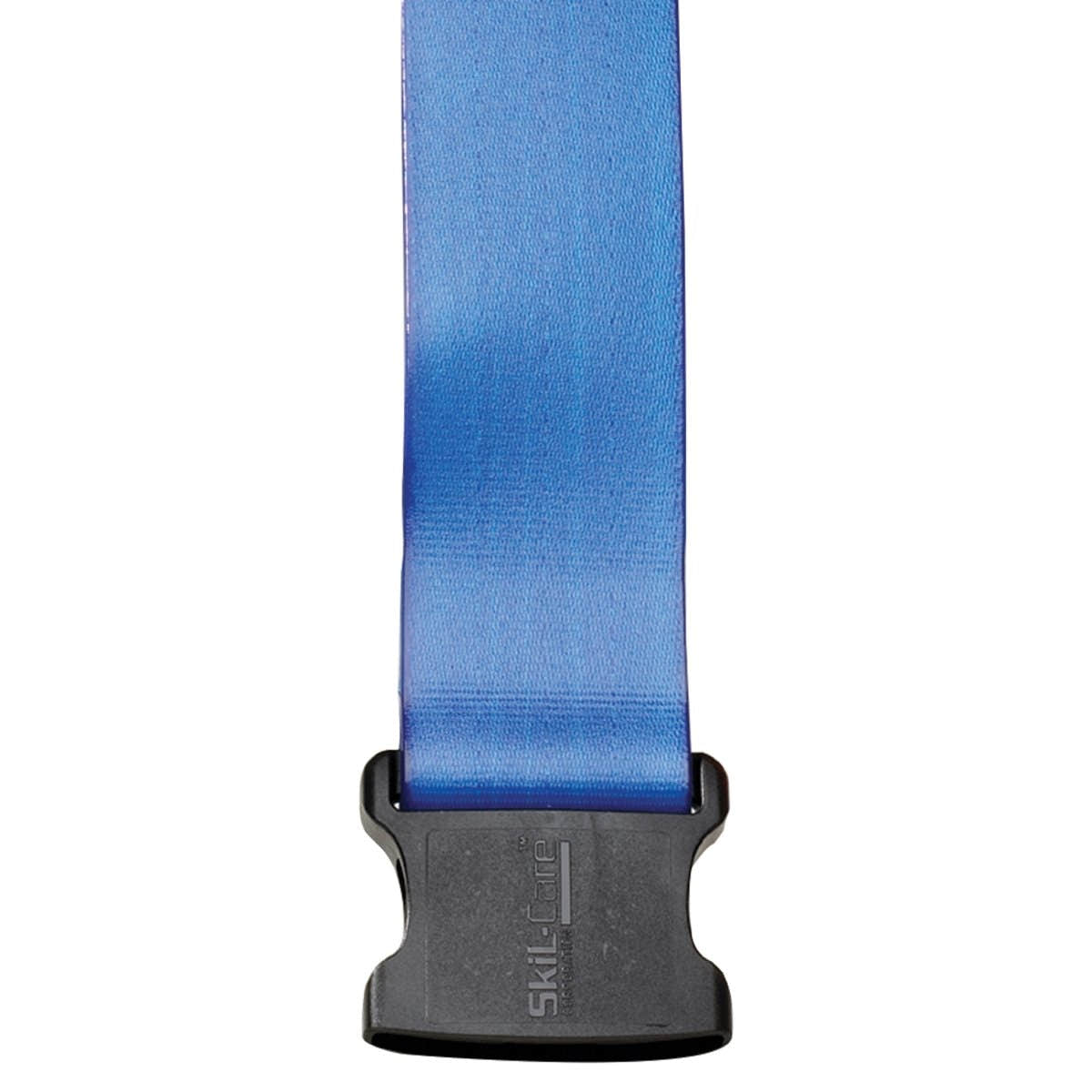
SkiL-Care PathoShield Gait Belt, Blue, 72 Inch -Each
SkiL-Care PathoShield Gait Belt
Sale priceFrom $26.99

Posey Padded Belt - 251427_EA - 1
Posey Padded Belt
Sale price$24.99

Frequently Asked Questions about Transfer Belts

A transfer belt, also called a gait belt, is a sturdy assistive device worn around a patient's waist that gives caregivers a secure grip during standing, walking, or repositioning. Transfer belts help reduce the risk of falls and back strain for both the patient and the caregiver during mobility assistance.

Transfer belts are designed for patients who need physical assistance with standing, walking, or transferring between surfaces, such as a bed, wheelchair, or toilet. Caregivers, physical therapists, nurses, and home health aides commonly use transfer belts when working with elderly, post-surgical, or mobility-impaired individuals.

Place the transfer belt around the patient's waist, over clothing, and fasten the buckle snugly so that two fingers fit underneath. Position yourself close to the patient, grip the belt from the sides or back, and guide the patient through the movement using your legs rather than your back.

Transfer belt sizing is based on the patient's waist measurement, and most standard belts fit a typical adult waist while longer options, such as 60-inch belts, accommodate larger or bariatric patients. Always measure the patient's waist before purchasing and check the belt's stated size range to ensure a safe, secure fit.

Standard transfer belts are made from lighter-weight webbing suitable for average-sized patients, while heavy-duty transfer belts use thicker, reinforced webbing designed to support higher weight capacities and more frequent clinical use. Choosing between the two depends on the patient's size and how often the belt will be used.

Metal buckle gait belts offer a traditional, highly durable closure that is familiar to many clinical settings, while Delrin buckle gait belts use a strong plastic quick-release buckle that is easier to fasten and remove quickly. Delrin buckles are often preferred in settings where fast removal in an emergency is a priority.

Yes, transfer belts are safe to use at home when applied correctly and used by a caregiver who understands proper body mechanics and transfer techniques. Home caregivers should receive basic instruction from a physical therapist or healthcare provider before using a transfer belt to minimize injury risk for both themselves and the patient.

Most transfer belts can be wiped down with a damp cloth and mild soap or a healthcare-grade disinfectant wipe after each use, and many fabric belts are machine washable. Always check the manufacturer's care instructions on the specific belt, allow the belt to dry completely before storage, and inspect it regularly for fraying or buckle damage.

Because grabbing a patient's arm or clothing provides an unstable grip that can cause joint injuries to the patient and increases fall risk for both parties, transfer belts distribute force more safely across the patient's core. A properly fitted transfer belt gives the caregiver a firm, centered hold that allows for much more controlled and predictable movement assistance.

Yes, transfer belts are available in bariatric sizes, including longer belt lengths and heavy-duty webbing options, specifically designed to accommodate larger patients safely. When selecting a transfer belt for a bariatric patient, choose a belt that clearly states a bariatric weight rating and verify that the length is sufficient to fasten securely around the patient's waist.

Recently viewed