Transfer Boards

14 products

Showing 1 - 14 of 14 products

Transfer Boards & Patient Transfer Aids for Safe, Supported Movement

Transfer boards and patient transfer aids are essential tools for caregivers, clinicians, and healthcare facilities that need to move patients safely between surfaces — whether from a bed to a wheelchair, a gurney to an exam table, or any similar transition. Cart Health's Transfer Boards collection brings together a range of boards, transfer sheets, slings, and related accessories from trusted brands including McKesson, Drive Medical, Mabis Healthcare, and others, so care teams and home caregivers can find the right solution for their specific setting.
Showing 1 - 14 of 14 products
View
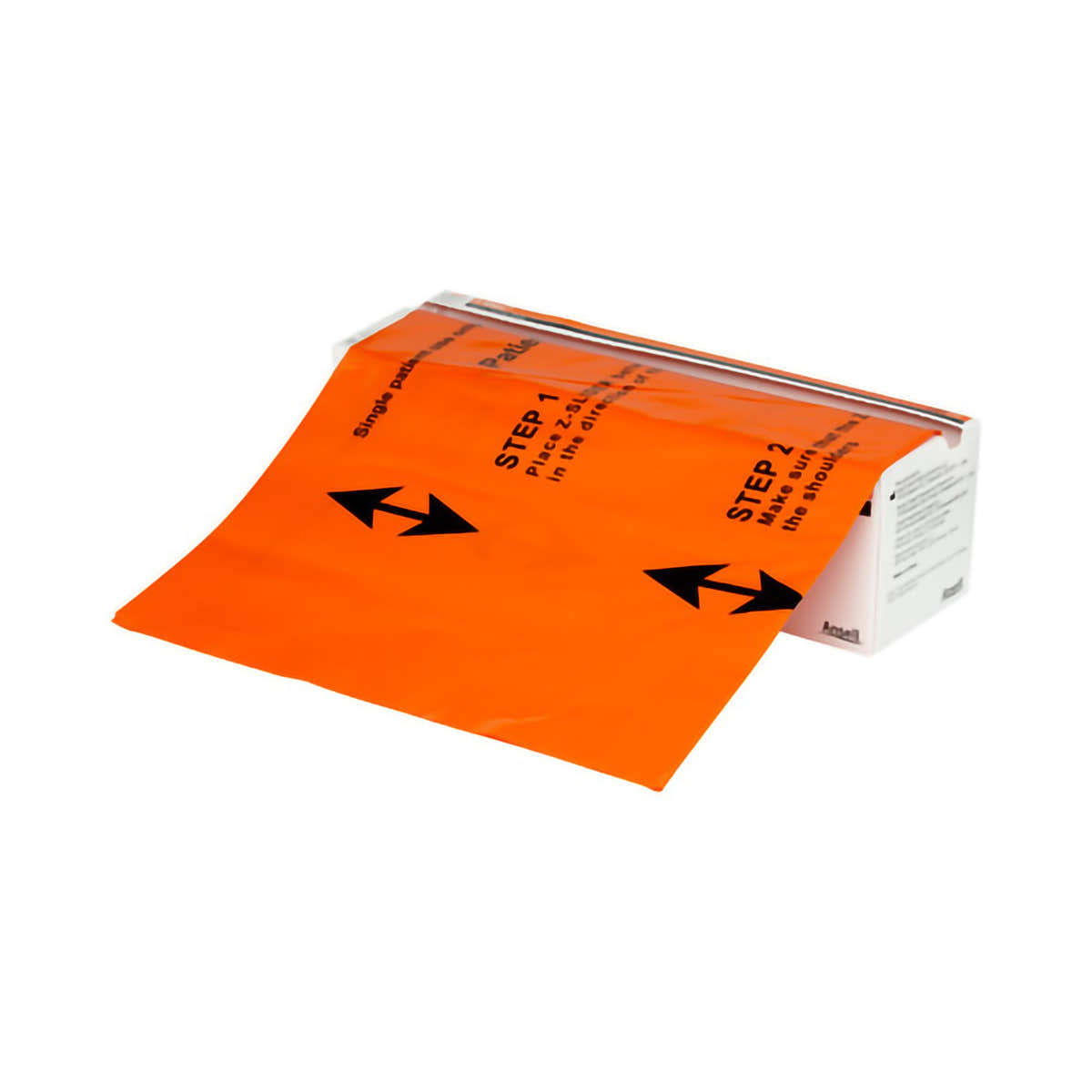
Z-Slider Transfer Sheet -Box of 30
Z-Slider Transfer Sheet
Sale priceFrom $4.99
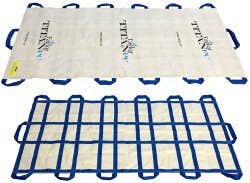
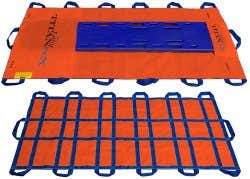
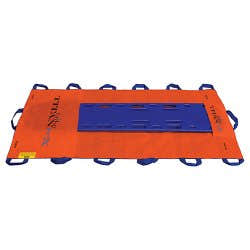
Titan PCX Transfer Sheet -Case of 10
Titan PCX Transfer Sheet
Sale priceFrom $37.99
Choose options
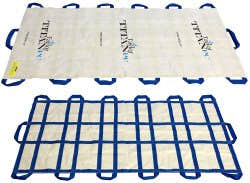
Titan PC Transfer Sheet, 40 x 80 Inch -Case of 10
Titan PC Transfer Sheet
Sale priceFrom $34.99
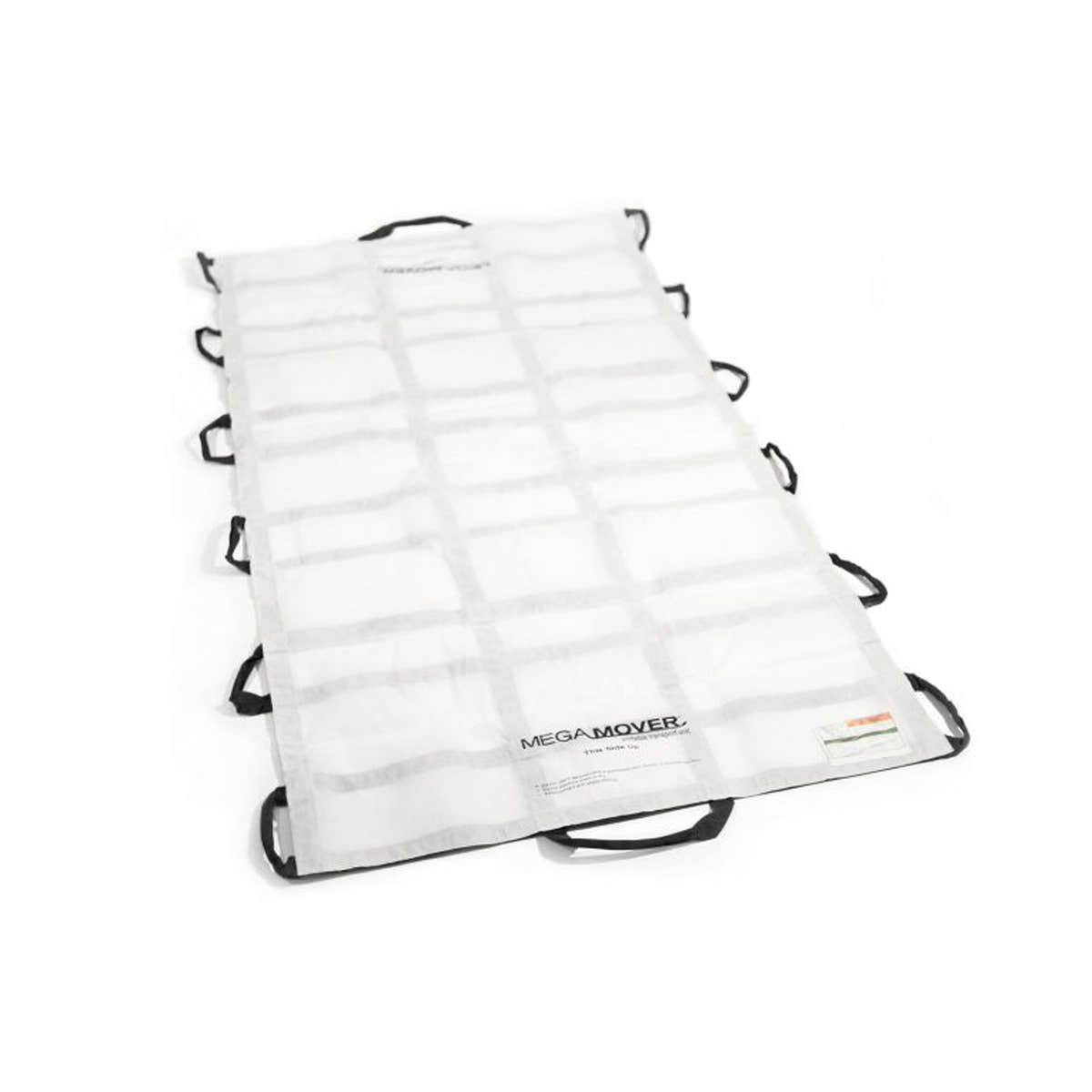
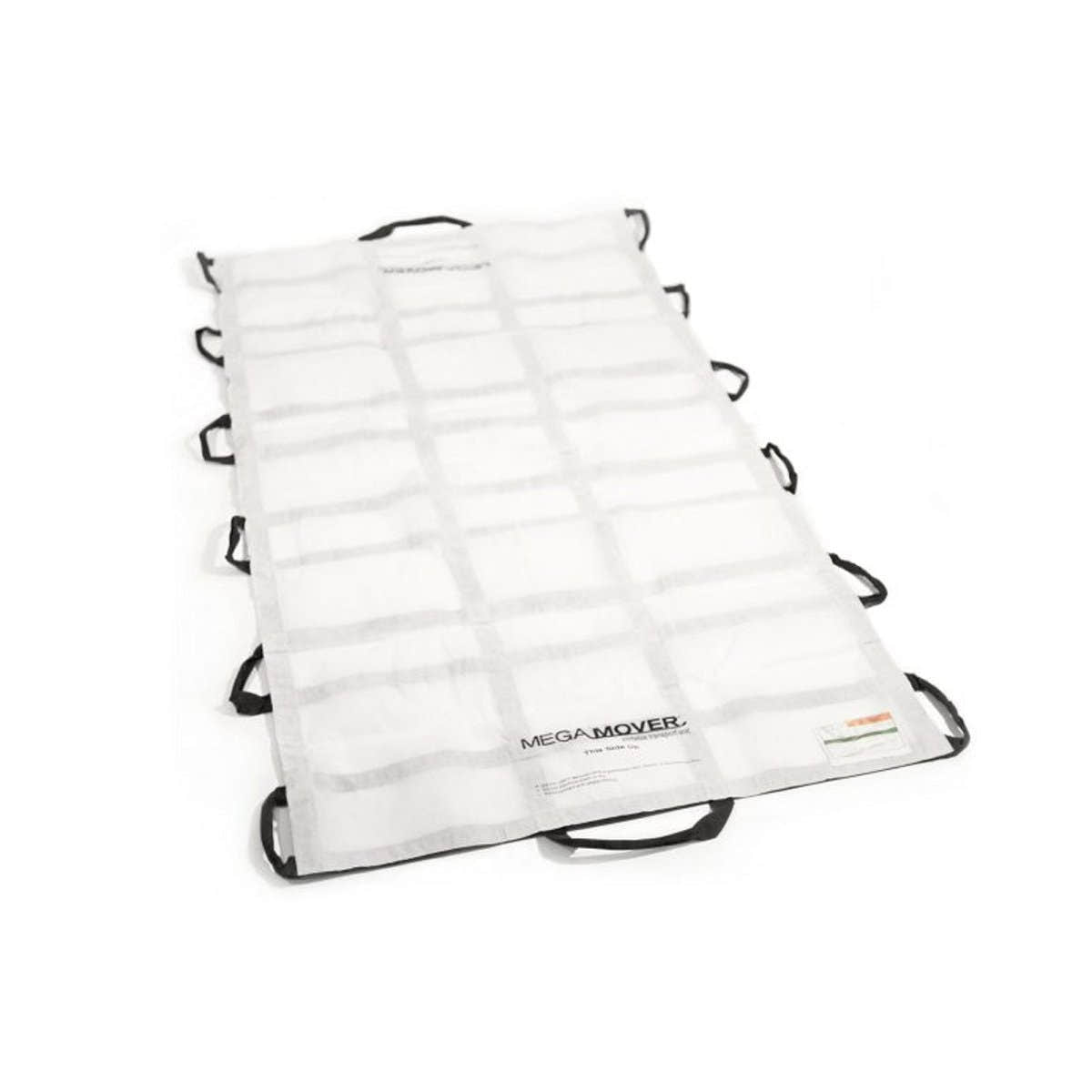
The MegaMover 1500 Transfer Sheet, 40 x 80 Inch -Case of 10
The MegaMover 1500 Transfer Sheet
Sale priceFrom $28.99
Choose options
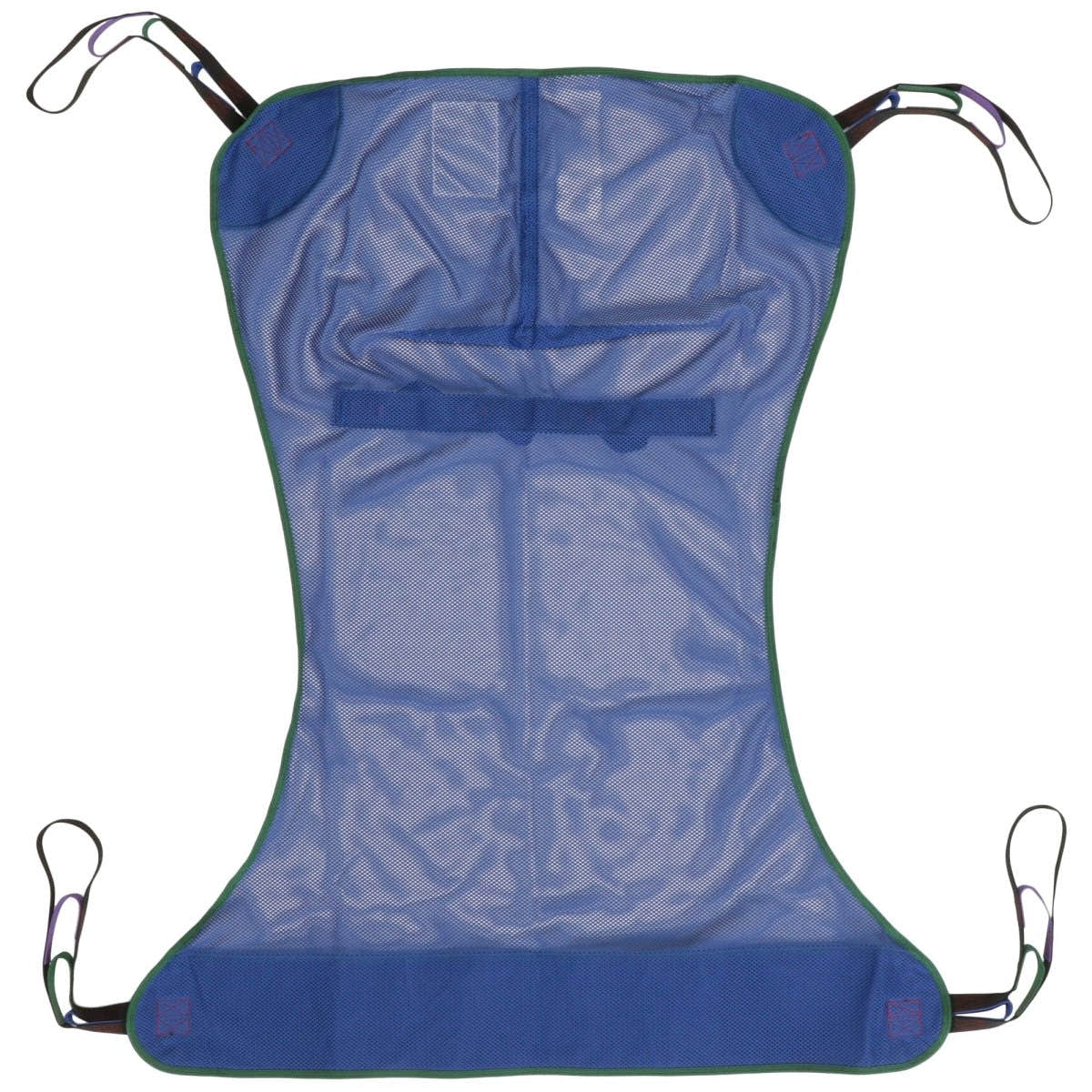
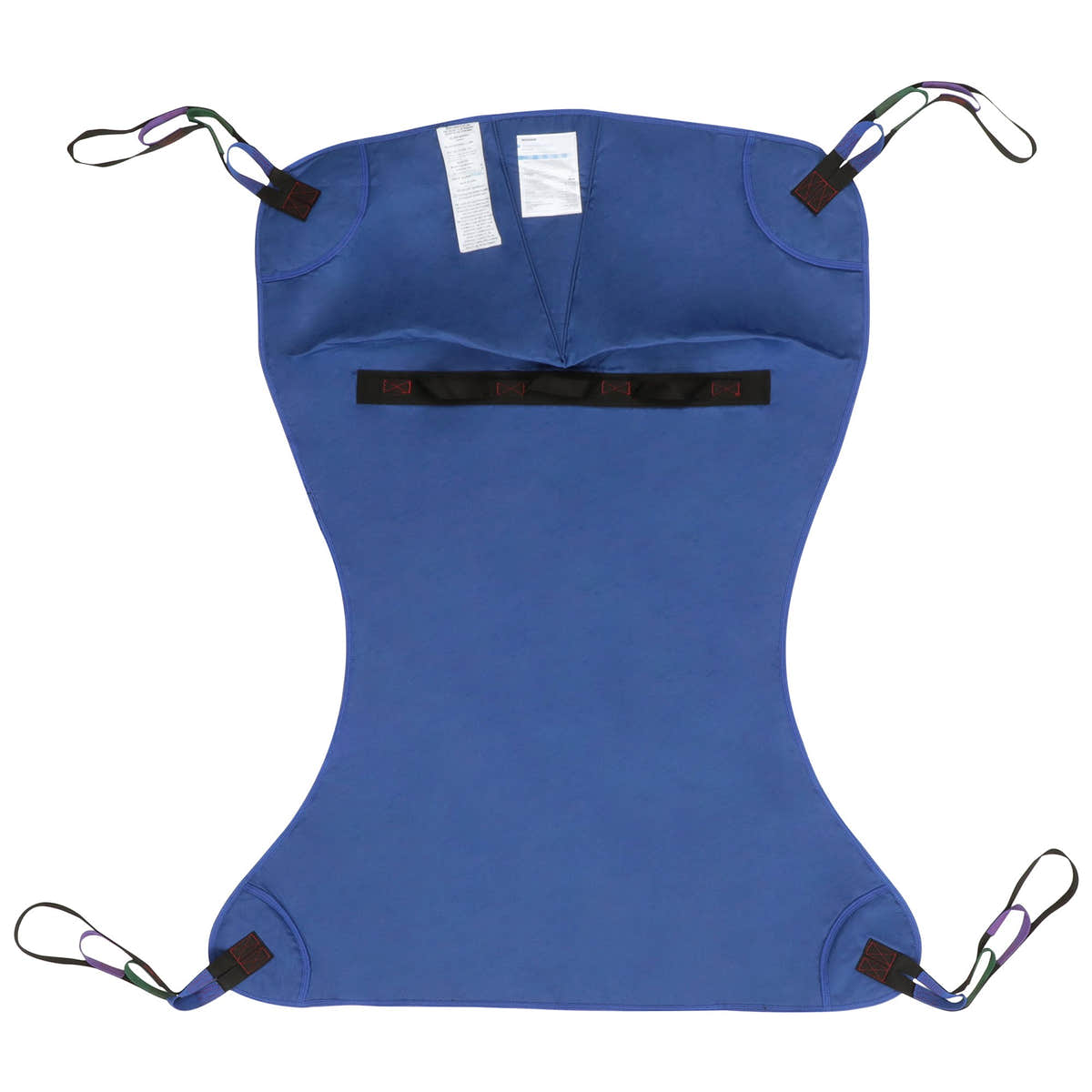
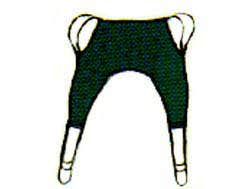
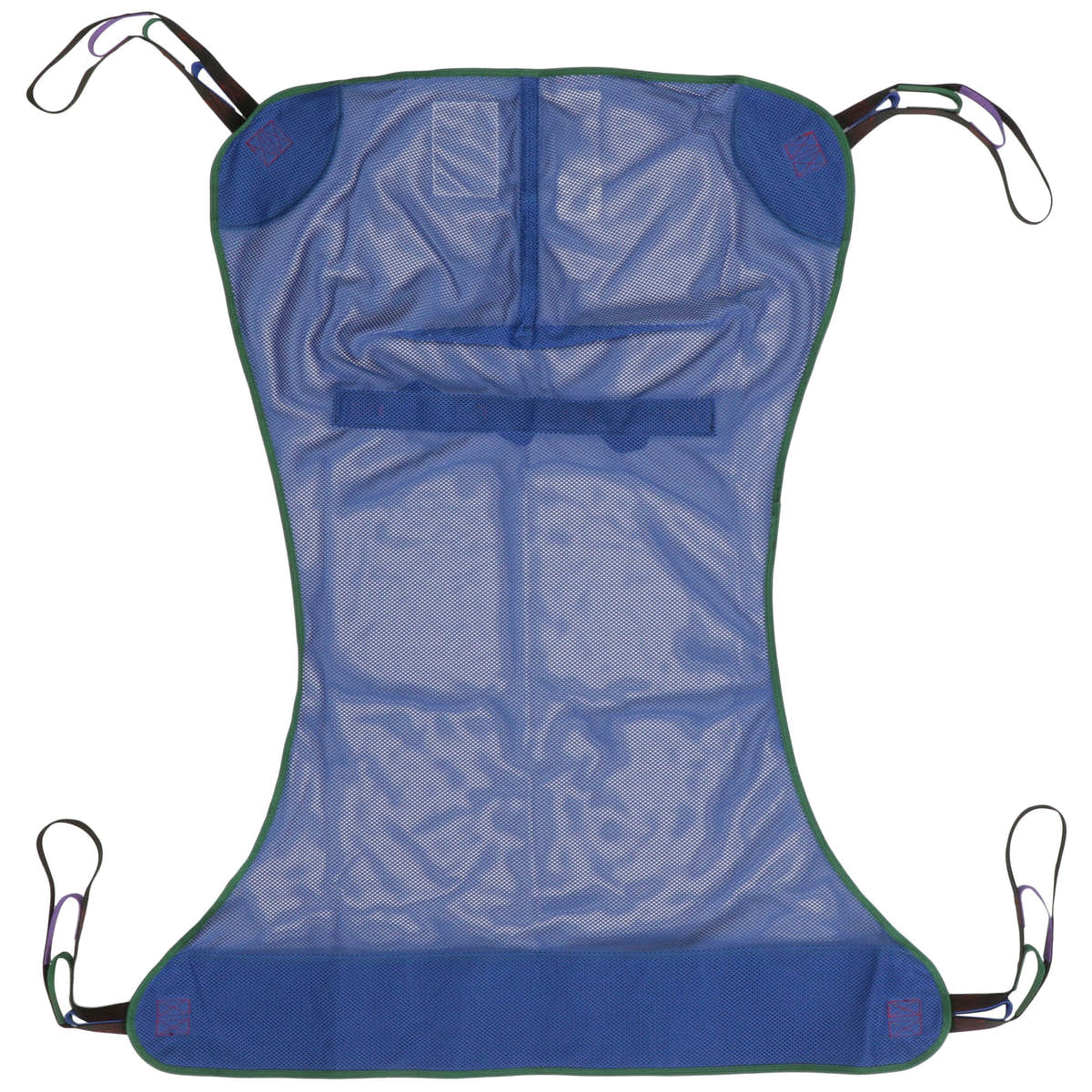
McKesson Mesh Full Body Sling, Large -Case of 12
McKesson Mesh Full Body Sling
Sale priceFrom $113.99
Choose options
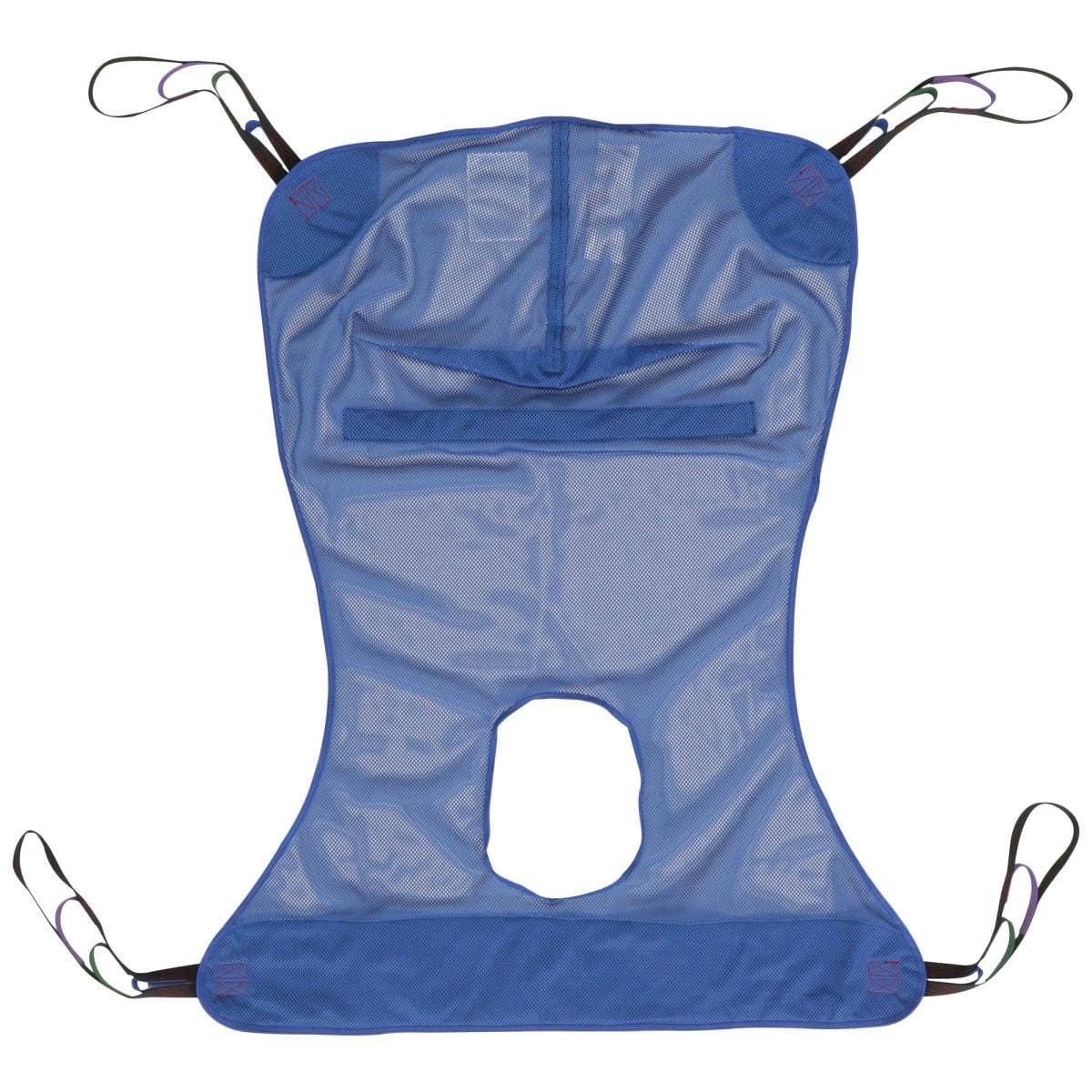
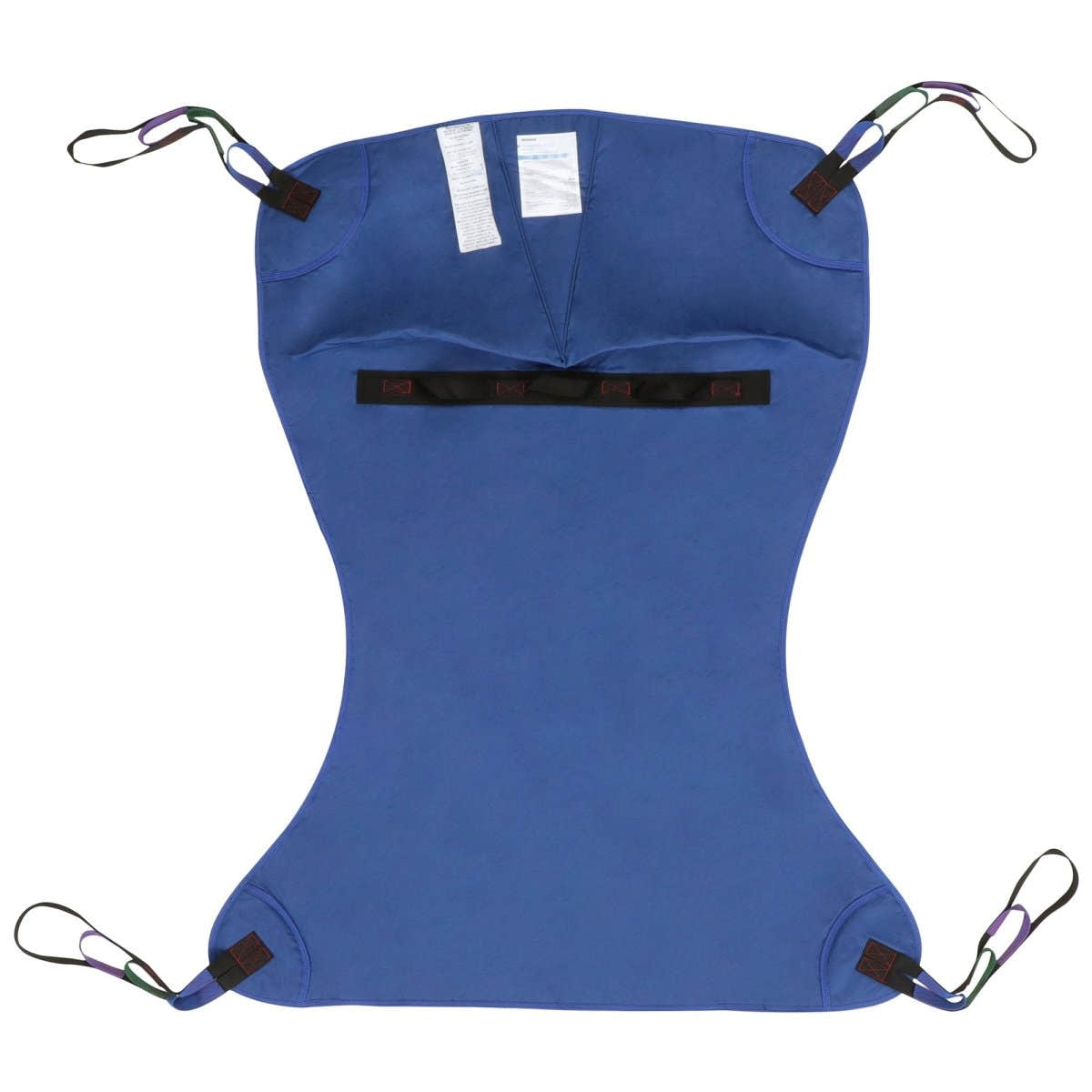
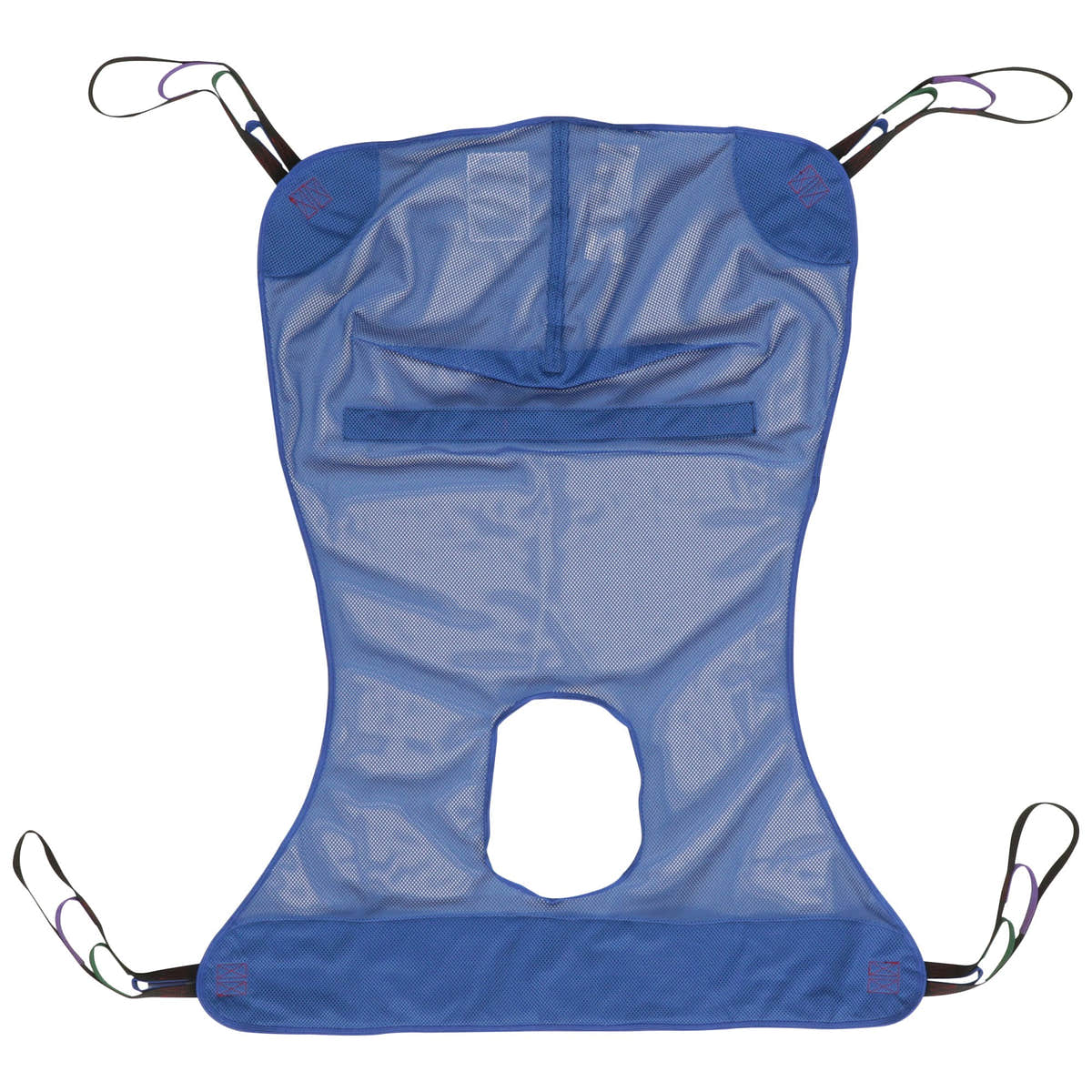
McKesson Full Body Sling, Extra Large -Case of 12
McKesson Full Body Sling
Sale priceFrom $106.99
Choose options
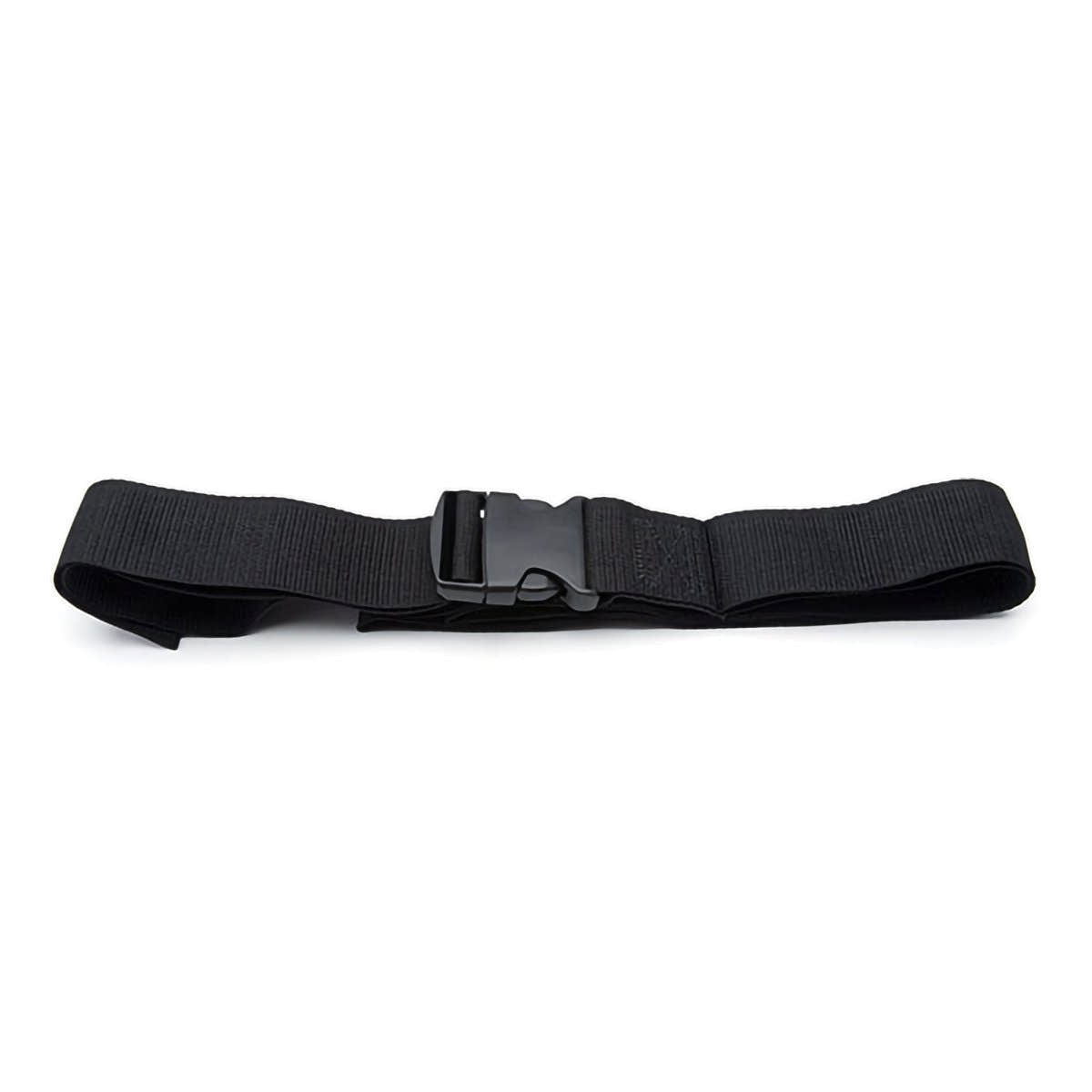
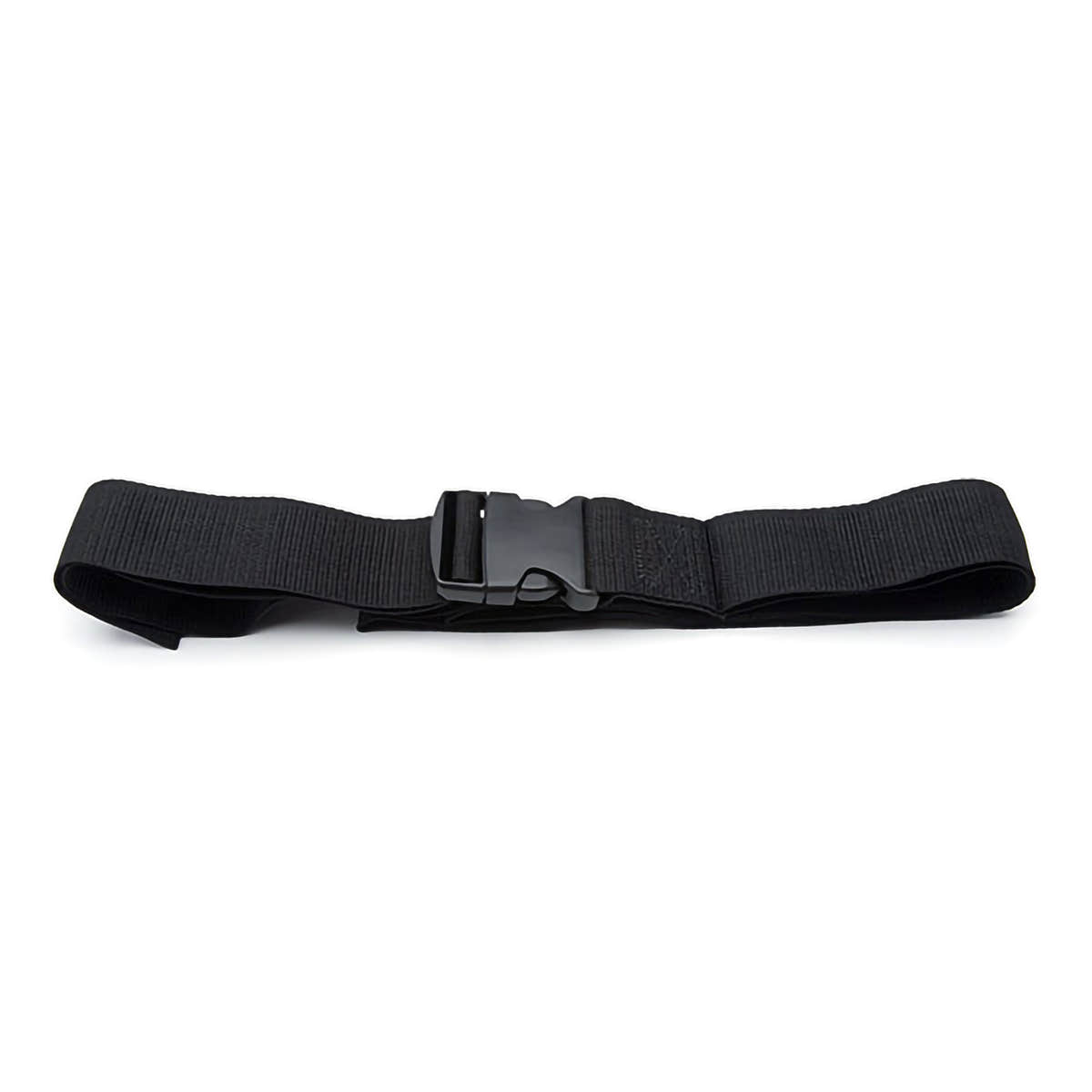
McKesson Backboard / Stretcher Strap 2 Piece, Black -Each
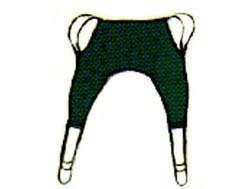
Hoyer Four-Point Seat Sling - 350710_EA - 1
Hoyer Four-Point Seat Sling
Sale price$166.99
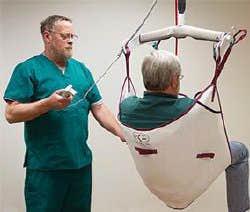
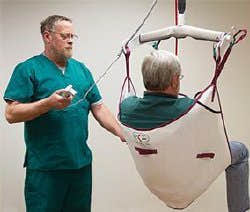
Ez Way Disposable Sling with Head Support, Large -Each
DMS Holdings Maple Plywood Transfer Board - 972402_EA - 1
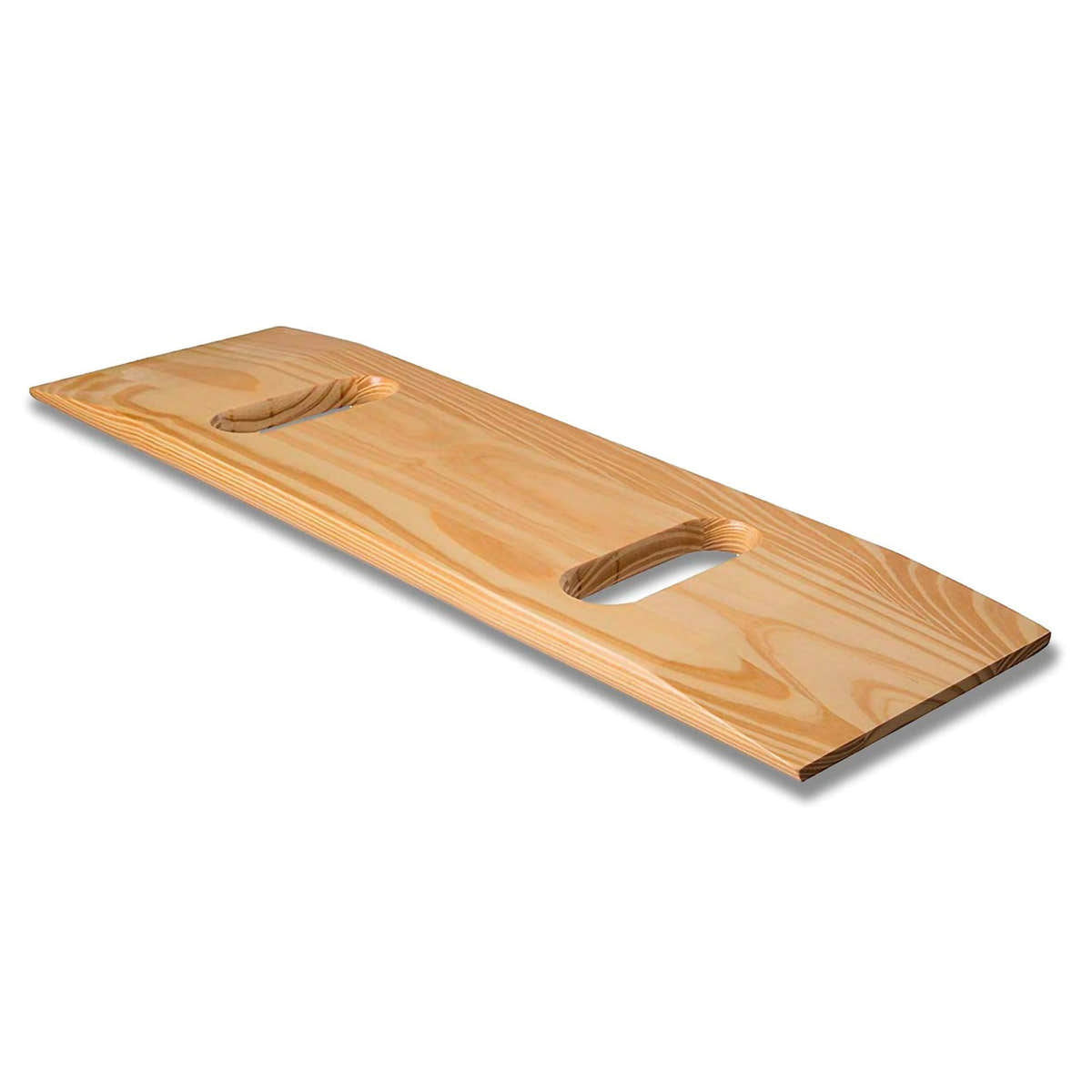
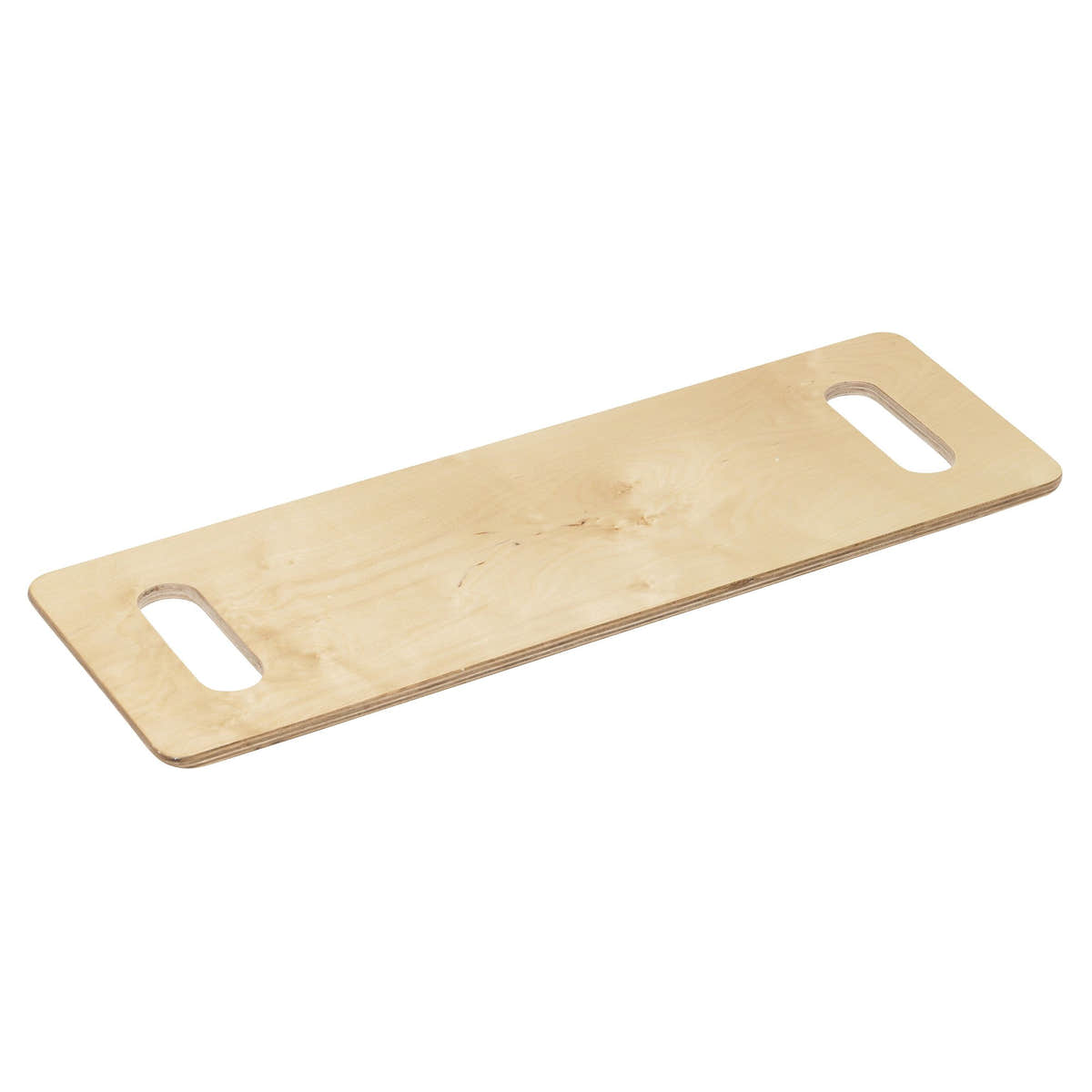
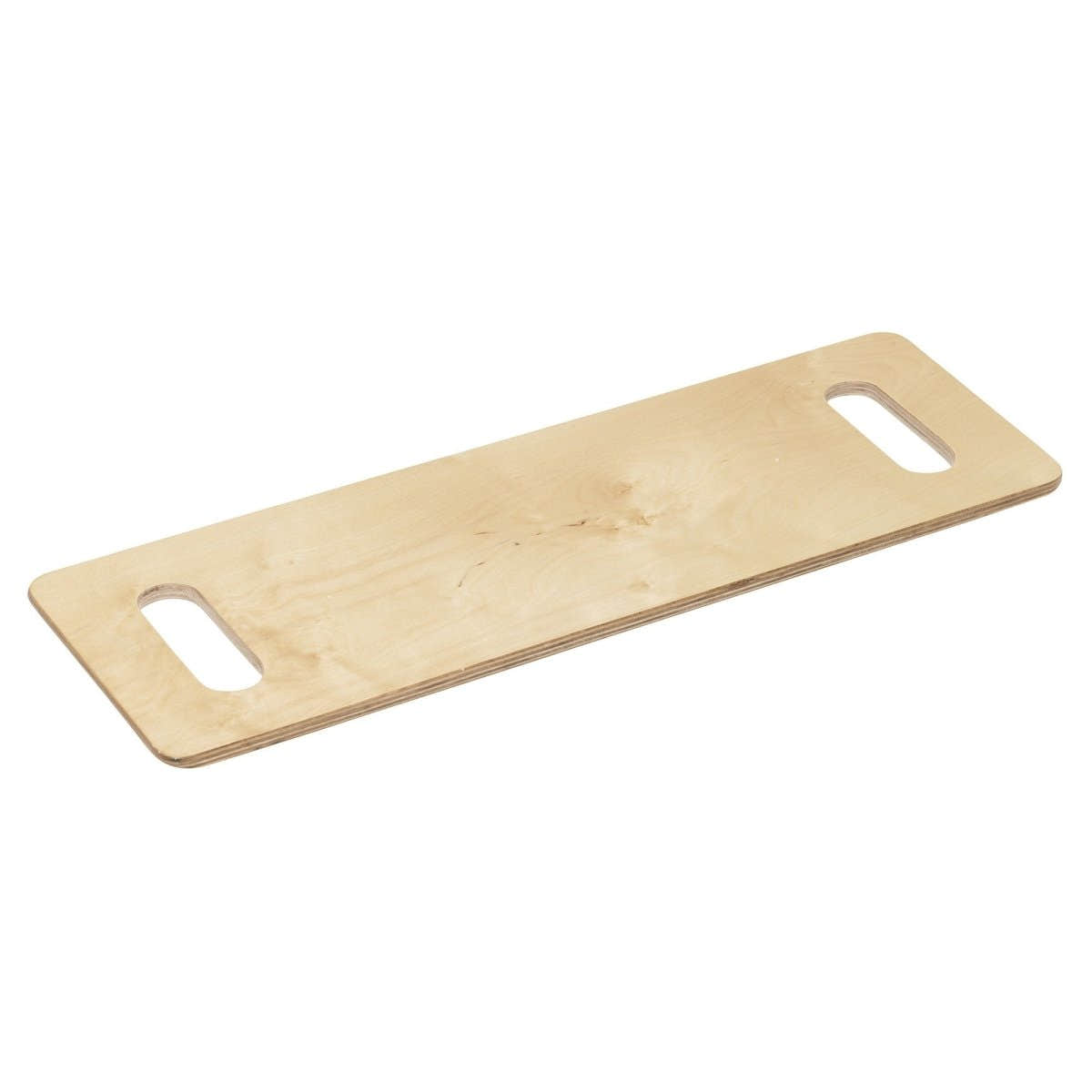
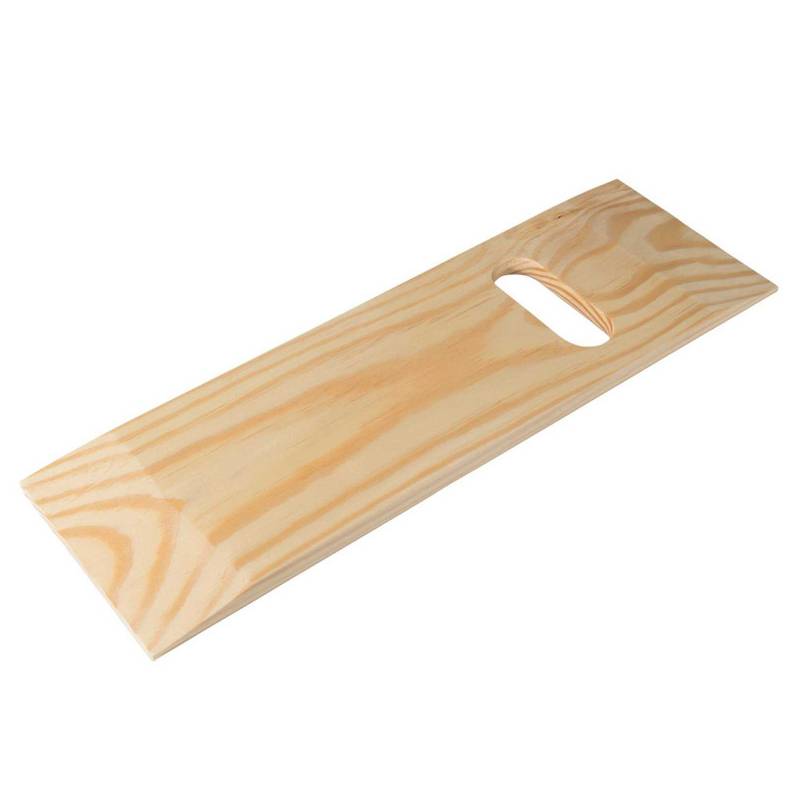
DMI Transfer Board -Each
DMI Transfer Board
Sale price$61.99
Waterloo Industries Backboard - 459665_EA - 1
Waterloo Industries Backboard
Sale price$107.99

Frequently Asked Questions about Transfer Boards

Transfer boards are flat, rigid or semi-rigid devices used to help move patients safely between surfaces — such as from a bed to a wheelchair or a stretcher to an exam table — without lifting. Transfer boards reduce the risk of injury for both the patient and the caregiver during repositioning.

Transfer boards are designed for patients with limited mobility, including those recovering from surgery, living with a disability, or managing conditions that affect strength and balance. Caregivers, nurses, and home health aides also benefit from using transfer boards to reduce physical strain during patient repositioning.

Place the transfer board firmly under the patient, bridging the gap between the two surfaces before sliding the patient across. Make sure both surfaces are at similar heights, the board is secure, and a caregiver is present to guide the movement and prevent falls throughout the transfer.

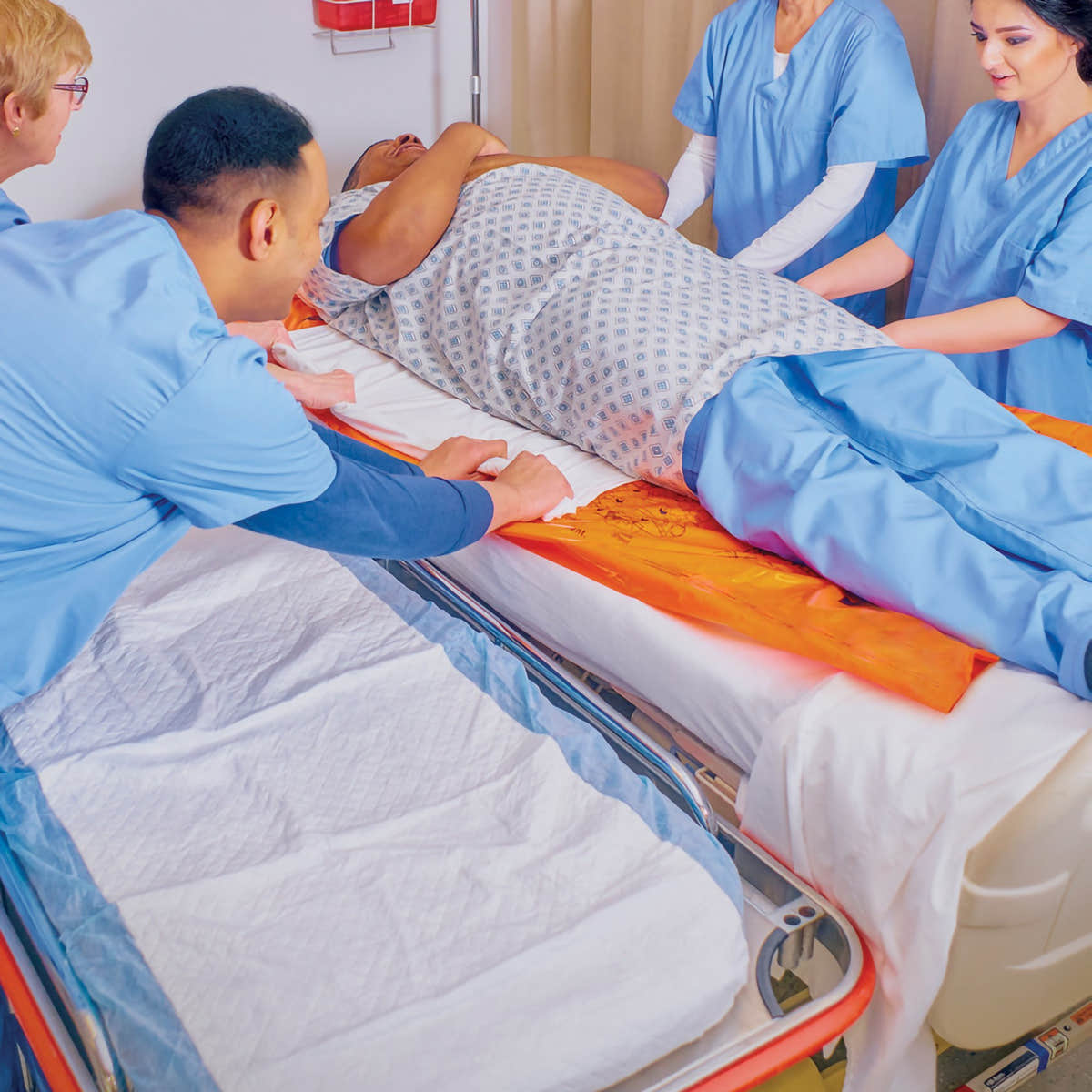
Transfer boards are rigid or semi-rigid sliding surfaces used to bridge two surfaces, while transfer sheets are soft, flexible sheets placed under a patient to reduce friction and allow smooth repositioning in bed or onto another surface. Each product serves a different type of patient movement need.

Choosing the right transfer board depends on the patient's weight capacity needs, level of mobility, and the type of transfer being performed. Consider whether the patient can assist in the move, the distance between surfaces, and whether a rigid board or a flexible sliding sheet better suits the situation.

Yes, transfer boards can be used at home and are a common tool for family caregivers managing a loved one with limited mobility. Many transfer boards are lightweight and easy to store, making them practical for everyday use between surfaces like beds, wheelchairs, and car seats.

Yes, many transfer boards are specifically designed or rated to support bariatric patients, but caregivers should always check the weight capacity listed for the specific board before use. Using a board rated for the patient's weight is essential to prevent equipment failure and protect both the patient and caregiver.

Clean transfer boards by wiping the surface with a mild disinfectant or soap and water after each use, following the manufacturer's care instructions for the specific material. Store transfer boards flat or upright in a dry location away from direct sunlight to prevent warping or surface degradation over time.

Because manual lifting puts significant strain on caregivers' backs and increases the risk of dropping or injuring the patient, transfer boards provide a controlled sliding surface that makes repositioning safer and more efficient. Transfer boards help reduce caregiver injuries and improve patient comfort during movement between surfaces.

Yes, transfer boards can work for non-weight-bearing patients when used correctly with caregiver assistance, though the appropriate board type and technique depend on the patient's condition and level of cooperation. For fully dependent patients, a full body sling or lift system may be recommended alongside or instead of a transfer board.

Recently viewed