Unimed – Midwest: Reliable Medical Waste Containment Supplies
This collection brings together medical waste management products from Unimed – Midwest, a vendor focused on supplying healthcare and clinical environments with dependable containment solutions. Whether you're equipping a medical office, laboratory, or other professional setting, these products are designed to support safe, compliant handling of biohazardous materials.
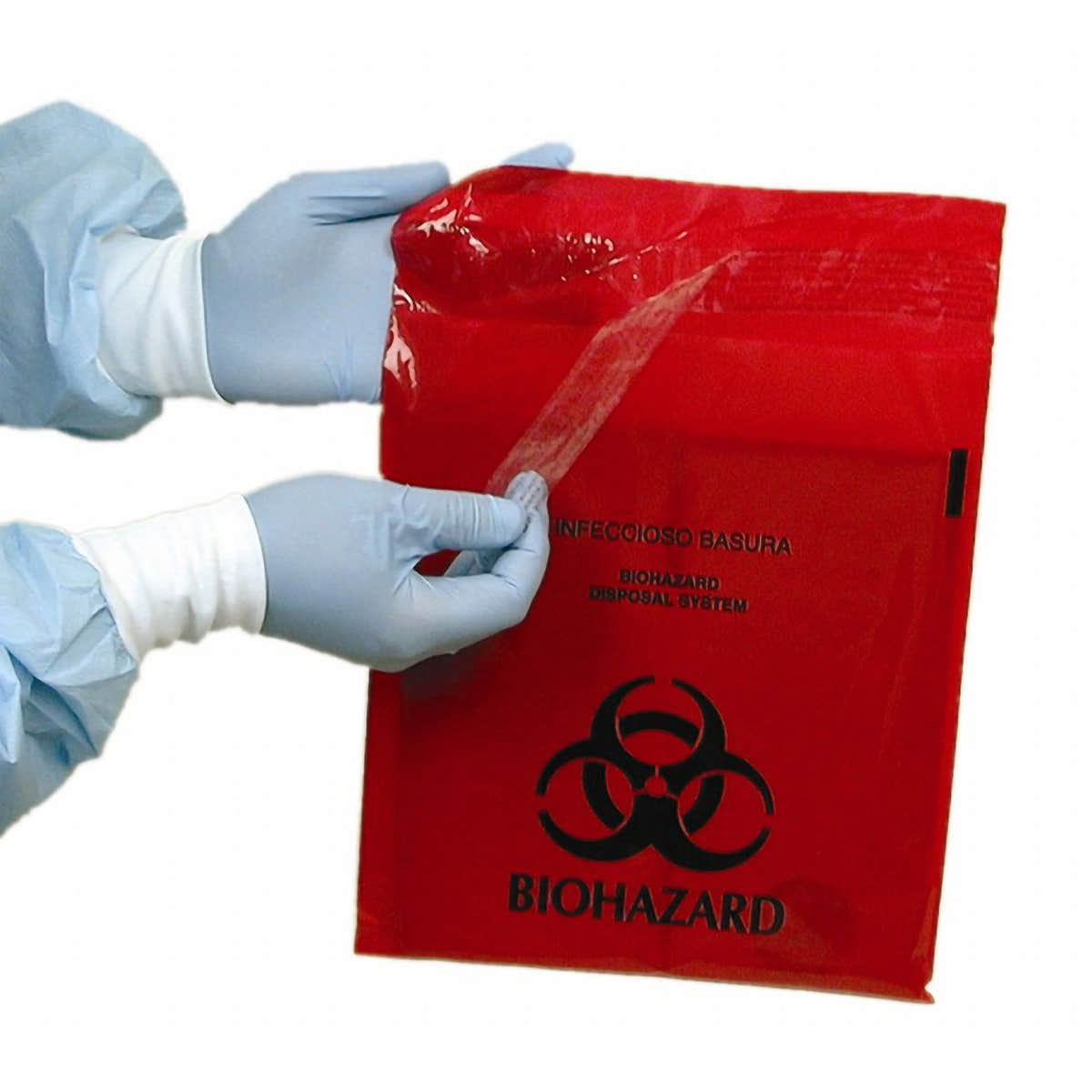
Biohazard waste bags: Purpose-built bags for collecting and containing biohazardous materials, a staple in any clinical or laboratory waste management routine. Browse the Unimed – Midwest Biohazard Waste Bag as a core option in this lineup.
Professional-grade construction: Products in this collection are intended for use in settings where reliable containment matters — such as medical offices, clinics, and research facilities.
Consistent vendor sourcing: Every item comes from Unimed – Midwest, so you can build a predictable supply chain around a single, trusted vendor.
Focused selection: Rather than a broad general catalog, this collection is curated specifically around Unimed – Midwest's product range, making it easier to find what you need without unnecessary browsing.
Choosing the Right Waste Containment Product
When selecting biohazard waste bags or related supplies, consider the volume of waste your facility generates, the required bag capacity, and any applicable local or facility-specific disposal guidelines. If you're unsure which product meets your compliance requirements, consult your facility's safety officer or a qualified waste management professional.
For a straightforward starting point, the Biohazard Waste Bag is a practical option worth reviewing alongside the full Unimed – Midwest range available here.
Who This Collection Is For
This collection is best suited for procurement professionals, office managers, and clinical staff responsible for maintaining safe waste disposal practices in healthcare or research environments. Stocking up through a consistent vendor like Unimed – Midwest can help simplify reordering and maintain supply continuity over time.
Frequently Asked Questions about Unimed - Midwest
Biohazard waste bags are used to safely contain and dispose of infectious materials, biological waste, and contaminated items that pose a health risk. These bags are a required part of proper medical waste management in clinical, laboratory, and healthcare settings.
Biohazard waste bags are designed for healthcare professionals, laboratory technicians, medical facilities, dental offices, and any setting that generates biological or infectious waste. They are also used by home health aides and caregivers managing medical waste outside of clinical environments.
Place contaminated materials directly into the biohazard waste bag without overfilling, then seal the bag securely before placing it into a designated biohazard waste container. Always follow your local regulations and facility protocols for final disposal of sealed biohazard bags.
Yes, biohazard waste bags are required by OSHA and EPA regulations for the containment and disposal of regulated medical and infectious waste. Using a properly labeled biohazard bag helps protect workers, patients, and the public from exposure to dangerous biological materials.
Biohazard waste bags are appropriate for soft medical waste such as gloves, gauze, bandages, and other materials contaminated with blood or bodily fluids. Sharp objects like needles should go into a puncture-resistant sharps container rather than a standard biohazard waste bag.
Yes, the color of a biohazard waste bag matters because color-coding helps identify the type of waste inside and ensures proper handling and disposal. Red bags typically indicate regulated medical waste, while yellow bags are often used for trace chemotherapy waste, depending on facility and regional guidelines.
Choose a biohazard waste bag size based on the volume of waste your facility generates and the size of your waste containers. Matching the bag to the container prevents overfilling, reduces spillage risk, and keeps disposal compliant with safety standards.
Because biohazard waste bags must be immediately recognizable as containing potentially infectious materials, they use distinct colors and the universal biohazard symbol. This visual distinction protects waste handlers, sanitation workers, and the general public from accidental exposure to dangerous biological waste.
Biohazard waste bags should be stored in a clean, dry area away from direct sunlight, sharp objects, and extreme temperatures that could degrade the material. Keeping bags in a designated supply area ensures they remain intact and ready for safe use when needed.
Biohazard waste bags differ from regular garbage bags in that biohazard bags are made to meet specific standards for puncture resistance, leak resistance, and are printed with the biohazard symbol to signal infectious contents. Standard garbage bags carry no such certifications and are not compliant for medical waste disposal.
Do you still have questions about Unimed - Midwest?
If we still haven't answered your question, you can contact us by live chat or email and we will get back to you as soon as possible.