Urgo Medical is a specialist wound care brand trusted by healthcare professionals and caregivers alike. This collection brings together Urgo Medical's core line of advanced wound dressings and gels — each designed with a focus on effective exudate management, wound bed support, and ease of use. Whether you're stocking a clinical setting or managing wound care at home under professional guidance, this range offers thoughtfully engineered options worth knowing.
Silver foam dressings: Soft, absorbent foam dressings that incorporate silver for added wound environment support. The Restore Silver Foam Dressing, 4 x 4 Inch is a popular choice for those needing a comfortable, conformable option.
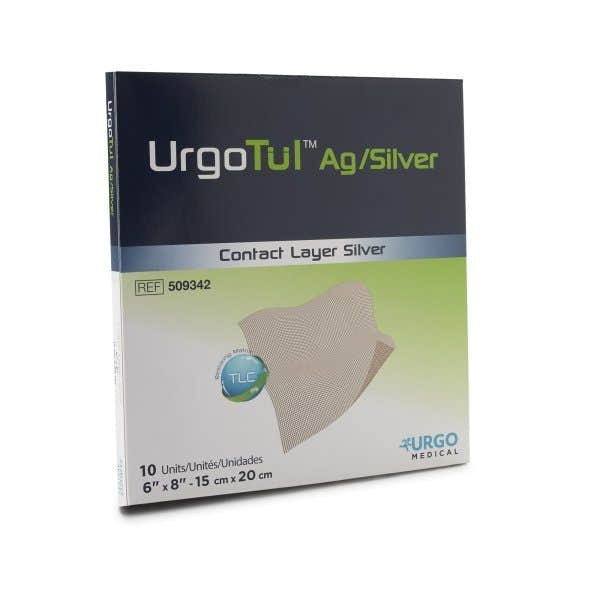
Silver wound contact layer dressings: Low-adherent contact layers designed to sit directly against the wound surface. The Restore Silver Wound Contact Layer Dressing is well suited for use under secondary dressings.
Nonadhesive foam dressings: Gentle, border-free foam dressings available in multiple sizes — including the 4 x 4 Inch and the 2½ x 2½ Inch — for wounds where adhesive contact needs to be avoided.
Silver wound gel: A topical gel format, such as the Resta SilverGel Silver Wound Gel, for situations where a gel consistency is preferred over a solid dressing.
How to Choose the Right Urgo Medical Product
The right product often comes down to wound type, location, and the level of exudate involved. Foam dressings are generally well suited to wounds producing moderate to higher levels of fluid, while contact layer dressings work best as a primary layer when atraumatic removal is a priority. Silver-containing options are typically chosen when additional wound environment management is a clinical consideration. For gel formats, the SilverGel is a practical choice when a conformable, moisture-delivering medium is needed.
If you are unsure which format is most appropriate, consulting a wound care nurse or healthcare professional is always the recommended first step before selecting a product.
About Urgo Medical
Urgo Medical is a dedicated wound care company with a focus on developing clinically grounded dressings and topical products. Their Restore and Resta lines reflect a commitment to patient comfort alongside practical wound management — making them a reliable choice for both professional and home care settings when used as directed.
Frequently Asked Questions about Urgo Medical
Urgo Medical wound dressings are used to manage acute and chronic wounds by creating a moist healing environment that supports tissue repair and reduces infection risk. The collection includes foam dressings, silver-infused options, and wound gels suited to different wound types and stages of healing.
Silver foam dressings contain antimicrobial silver that actively works to reduce bacteria in the wound bed, while regular foam dressings focus primarily on absorbing exudate and maintaining moisture. Silver foam dressings are typically chosen when there is a risk of infection or when a wound shows signs of bacterial burden.
Silver wound dressings are designed for patients managing wounds that are infected, at high risk of infection, or slow to heal due to bacterial load. Clinicians often recommend silver dressings for chronic wounds like diabetic foot ulcers, pressure injuries, and venous leg ulcers where standard dressings have not been effective.
Start by assessing the wound type, depth, and level of exudate before selecting a dressing from the Urgo Medical collection. Heavily draining wounds typically benefit from foam dressings, infected or at-risk wounds call for silver options, and wounds needing a protective interface layer may require a wound contact layer dressing.
Apply a foam wound dressing by first cleaning the wound thoroughly, then placing the dressing directly over the wound bed so it fully covers the affected area without overlapping healthy skin. Secure the edges as needed, and follow the manufacturer's or clinician's guidance on how frequently to change the dressing based on exudate levels.
Yes, silver wound gel can typically be used alongside a secondary dressing to hold the gel in place and manage moisture. Silver wound gel is often applied directly to the wound bed to deliver antimicrobial benefits while keeping the wound surface hydrated, and a foam or contact layer dressing is then placed on top.
Yes, wound contact layer dressings are generally considered safe for sensitive or fragile skin because they are designed to sit directly against the wound without adhering to delicate tissue. This low-adherence design helps minimize pain and trauma during dressing changes, which is especially important for patients with compromised skin integrity.
Because nonadhesive foam dressings do not stick to the wound or surrounding skin, clinicians choose them when patients have fragile, sensitive, or damaged periwound skin that could be injured during dressing removal. Nonadhesive dressings also offer more flexibility in securing options, allowing clinicians to use tape, bandages, or wraps based on the patient's specific needs.
Urgo Medical wound dressings should be stored in a cool, dry place away from direct sunlight and moisture to preserve sterility and product integrity. Always check the expiration date before use, and keep dressings in their original sealed packaging until they are ready to be applied.
Foam wound dressings absorb significantly more exudate than traditional gauze and maintain a moist wound environment that supports faster healing, while gauze tends to dry out and can stick to the wound bed. Foam dressings also typically require less frequent changes than gauze, which can reduce caregiver burden and minimize disruption to the healing tissue.
Do you still have questions about Urgo Medical?
If we still haven't answered your question, you can contact us by live chat or email and we will get back to you as soon as possible.