The Science of Wound Healing and Nutritional Demands
According to the National Institutes of Health (NIH), wound healing is a complex, active process that occurs in several overlapping phases: hemostasis (stopping the bleed), inflammation (clearing out damaged cells and bacteria), proliferation (building new tissue), and remodeling (strengthening the new skin). Every single one of these phases relies on specific nutrients to function correctly.
When you have a wound, your body’s metabolic rate increases. This means you burn calories faster because your immune system and cellular repair systems are working overtime. If your body does not receive enough calories, protein, or key micronutrients, the healing process can stall. This delay can leave you more vulnerable to complications like infections, skin breakdown, or chronic, non-healing wounds. For patients managing chronic conditions at home, prioritizing nutrition is a foundational step in daily recovery.
Macronutrients: The Foundation of Cellular Repair
Macronutrients—protein, carbohydrates, and fats—provide the energy and raw structural materials your body needs to rebuild itself. Balancing these three components is vital for anyone recovering from an injury or surgery.
Protein: The Ultimate Building Block
Protein is arguably the most critical nutrient for wound healing. The Academy of Nutrition and Dietetics notes that individuals with healing wounds require significantly more protein than the average healthy adult. Protein is made up of amino acids, which are the building blocks your body uses to create collagen. Collagen is the primary structural protein in our skin, blood vessels, and connective tissues. Without adequate protein, your body cannot synthesize enough collagen to close and strengthen a wound.
Excellent dietary sources of protein include:
- Lean meats such as chicken, turkey, and lean beef
- Fish and seafood
- Eggs
- Dairy products like Greek yogurt, cottage cheese, and milk
- Plant-based options such as tofu, tempeh, beans, lentils, and nuts
Carbohydrates and Fats: Sparing Protein for Healing
Carbohydrates and healthy fats act as your body's primary fuel sources. If you do not consume enough calories from carbohydrates and fats, your body will begin to burn protein for energy instead of using it to rebuild your skin. This is known as "protein-sparing."
Carbohydrates also assist in cellular activity and help transport nutrients to the wound site. Healthy fats, such as those found in olive oil, avocados, seeds, and nuts, are essential for cell membrane structure and help your body absorb fat-soluble vitamins like Vitamin A, which is crucial for the immune response during healing.
Nutrition for Wound Healing: What to Eat and Supplement for Recovery
While a balanced diet is always the goal, certain vitamins, minerals, and amino acids play such specialized roles in tissue repair that targeted supplementation is often highly beneficial. Below is a breakdown of the key micronutrients and supplements that support the recovery process.
Vitamin C: The Collagen Catalyst
According to research indexed by PubMed, Vitamin C is a necessary co-factor in collagen synthesis. This means that without sufficient Vitamin C, your body physically cannot form strong, stable collagen fibers. Vitamin C is also a powerful antioxidant that helps protect cells from damage and supports the immune system during the inflammatory phase of healing. Citrus fruits, strawberries, bell peppers, tomatoes, and broccoli are all rich in Vitamin C. For those who struggle to eat enough fresh produce, a daily Vitamin C supplement can provide reliable support.
Vitamin A: Supporting the Immune Response
Vitamin A helps control the inflammatory response and promotes epithelialization—the process where new skin cells grow over the wound to close it. It also helps the body resist infection at the wound site. You can find Vitamin A in sweet potatoes, carrots, spinach, and cantaloupe. Because Vitamin A is a fat-soluble vitamin that can build up in the body, it is always best to discuss appropriate supplement dosages with your healthcare provider.
Zinc: The Mineral for Cell Division
Zinc is a trace mineral that plays a vital role in protein synthesis, DNA synthesis, and cell division. According to the NIH, zinc deficiency is directly linked to delayed wound healing and reduced skin strength. Good dietary sources of zinc include beef, seafood, pumpkin seeds, and fortified cereals. If your dietary intake is low, a short-term zinc supplement may be recommended by your doctor to help kickstart the healing process.
Arginine and Glutamine: Conditionally Essential Amino Acids
Arginine and glutamine are amino acids that your body can normally produce on its own. However, during times of physical stress, surgery, or chronic illness, your body's demand for these amino acids can outpace its ability to make them. Arginine helps improve blood flow to the wound and stimulates collagen production, while glutamine supports the immune cells involved in tissue repair. Many specialized clinical nutritional formulas are enriched with these two amino acids to support wound closure.
The Critical Role of Hydration
Water is the transport medium of the human body. It carries oxygen, white blood cells, and vital nutrients directly to the wound site while flushing away metabolic waste products. Dehydration can lead to poor circulation, dry skin, and reduced tissue perfusion (blood flow), which significantly slows down the healing process and increases the risk of developing pressure injuries.
According to the National Association for Continence (NAFC), maintaining proper hydration is essential for preserving skin elasticity and overall skin integrity. Unless you have a medical condition that requires you to limit fluids (such as heart failure or kidney disease), aim to drink plenty of water throughout the day. Herbal teas, clear broths, and water-rich fruits can also contribute to your daily hydration goals.
When Food Isn't Enough: The Role of Nutritional Supplements
For many patients and caregivers managing chronic conditions at home, eating large, balanced meals every day can be a challenge. Aging, fatigue, medication side effects, and chronic pain can all lead to a loss of appetite. When solid food intake falls short of your body’s increased nutritional demands, incorporating targeted nutritional supplements can help bridge the gap.
These specialized products are designed to deliver concentrated doses of protein, calories, vitamins, and minerals in easy-to-consume formats. Common options include:
- High-Protein Shakes and Powders: These provide a convenient way to boost your daily protein and calorie intake without requiring you to cook or consume large portions of food.
- Arginine- and Glutamine-Enriched Formulas: Often available as powders that can be mixed into water or juice, these are specifically formulated for individuals recovering from complex or slow-healing wounds.
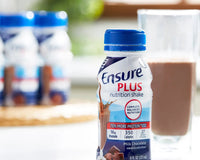
- Liquid Nutrition: Ready-to-drink shakes can serve as a complete meal replacement or a nutritious snack between meals, ensuring you receive a balanced blend of macronutrients and micronutrients.
When selecting products from our nutritional supplements collection, look for options that align with your specific dietary needs, such as low-sugar formulas for individuals managing diabetes, or plant-based proteins for those with dairy sensitivities.
Practical Tips for Patients and Caregivers
Managing nutrition during recovery does not have to be stressful. Here are some practical, low-pressure strategies to help you or your loved one get the nutrients needed to heal:
- Eat Smaller, More Frequent Meals: If three large meals feel overwhelming, try eating five or six small meals or nutrient-dense snacks throughout the day.
- Fortify Your Foods: Add protein powder to oatmeal, stir a spoonful of olive oil into soups, or blend peanut butter into smoothies to boost calories and nutrients easily.
- Keep Snacks Within Reach: Keep easy-to-grab snacks like nuts, cheese sticks, yogurt, or pre-made nutritional shakes close to your bed or favorite chair.
- Track Fluid Intake: Keep a water bottle nearby and track your daily fluid intake to ensure you are staying adequately hydrated.
When to Consult a Professional
Every individual’s nutritional needs are unique, especially when managing chronic health conditions. For example, the American Diabetes Association (ADA) emphasizes that managing blood sugar levels is incredibly important for wound healing, as high blood sugar can impair circulation and immune function. Therefore, any changes to your diet or supplement routine should be made in consultation with your healthcare team.
Always speak with your doctor, a registered dietitian, or a wound care specialist before starting new supplements, especially if you take prescription medications or have underlying health conditions like kidney or heart disease.
Why does a healing wound require more protein?
Protein is essential because it provides the amino acids needed to build collagen, which is the main structural protein in skin and connective tissue. During healing, your body's demand for protein increases significantly to repair and rebuild the damaged tissue.
Can I just take a multivitamin instead of changing my diet?
While a multivitamin can help fill in nutritional gaps, it cannot replace the calories, protein, and healthy fats that your body needs to heal. A combination of a nutrient-rich diet and targeted supplements is usually the most effective approach to support recovery.
How does dehydration affect wound healing?
Dehydration reduces blood flow to your skin and tissues, which limits the amount of oxygen and vital nutrients that can reach the wound site. Staying well-hydrated helps maintain circulation and keeps skin healthy and resilient.
What are arginine and glutamine, and do I need them?
Arginine and glutamine are amino acids that help support blood flow, collagen production, and immune function. While your body normally makes them, it may need extra during recovery from major wounds or surgery. Consult your healthcare provider to see if a supplement containing these amino acids is right for you.
This article is for general educational purposes and is not medical advice. Always consult your healthcare provider for guidance specific to your situation.