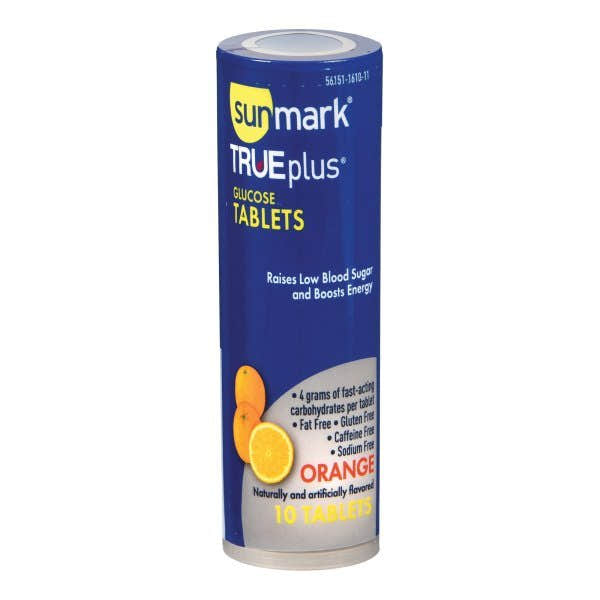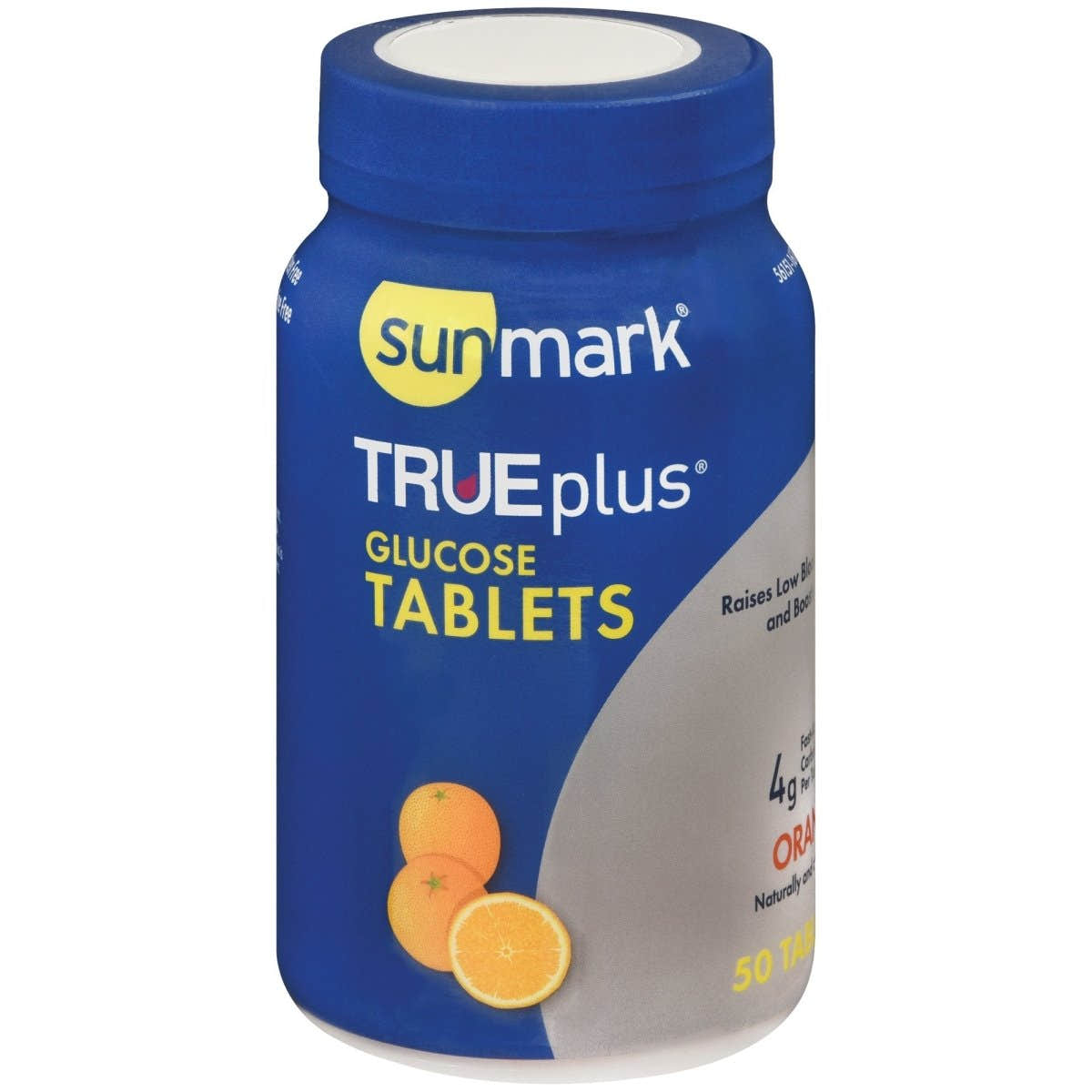
Proper nutrition is the foundation of healing, strength, and overall well-being. However, when a chronic illness, surgery, or the natural aging process makes it difficult to eat enough solid food, maintaining proper nutrition can become a challenge. This is where clinical nutrition support plays a vital role. This comprehensive Nutrition support FAQ is designed to help patients and family caregivers understand how to safely and effectively manage nutritional needs at home. Whether you are looking to prevent unintended weight loss, support wound healing, or manage a specific medical condition, this guide will provide clear, evidence-based answers to your most common questions.
Your Comprehensive Nutrition Support FAQ
What is nutrition support, and who typically needs it?
Nutrition support refers to the provision of nutrients to individuals who cannot meet their nutritional needs through a standard diet alone. According to the National Institutes of Health (NIH), this can range from simple dietary modifications and oral supplements to more complex medical interventions like tube feeding. Nutrition support is commonly needed by individuals managing chronic conditions, those recovering from major surgeries, individuals with swallowing difficulties (dysphagia), or older adults experiencing age-related muscle and weight loss.
The primary goals of nutrition support are to:
- Prevent or treat malnutrition and involuntary weight loss.
- Preserve lean muscle mass and strength.
- Support the body's immune system and promote wound healing.
- Improve overall quality of life and daily energy levels.
What are the different types of nutritional supplements available?
Nutritional supplements come in several forms to accommodate different physical needs, dietary restrictions, and personal preferences. At Cart Health, we offer a wide range of nutritional supplements designed to support your daily health goals. The main categories include:
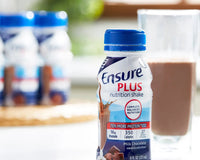
- Oral Nutritional Shakes: Ready-to-drink, calorie-dense liquids packed with proteins, vitamins, and minerals. These are ideal for individuals who can swallow safely but have a poor appetite or trouble chewing solid foods.
- Powdered Supplements: These can be mixed into water, milk, juice, or soft foods like oatmeal and mashed potatoes to boost calories and protein without adding significant volume.
- Thickeners: Food and liquid thickeners are used for individuals with dysphagia (swallowing difficulties). They alter the consistency of liquids to make them safer to swallow, reducing the risk of aspiration (food or liquid entering the lungs).
- Specialized Disease-Specific Formulas: These are scientifically designed to meet the unique metabolic needs of individuals with specific chronic conditions, such as diabetes, kidney disease, or severe wounds.
How do I know if my loved one needs oral nutritional supplements?
Recognizing the early signs of nutritional decline can prevent more serious complications, such as severe muscle wasting or weakened immunity. The Academy of Nutrition and Dietetics suggests watching for these common signs that a loved one may benefit from oral nutritional supplements:
- Unintended Weight Loss: Losing weight without trying, especially if clothes or rings suddenly fit much looser.
- Poor Appetite or Early Satiety: Feeling full after eating only a few bites of food, or showing a general lack of interest in eating.
- Persistent Fatigue: Feeling constantly tired, weak, or lacking the energy to perform basic daily activities.
- Slow Wound Healing: Cuts, scrapes, or pressure injuries (bedsores) that take an unusually long time to heal.
- Difficulty Chewing or Swallowing: Coughing, choking, or experiencing pain while eating or drinking.
If you notice any of these signs, it is important to consult a healthcare provider or a registered dietitian. They can perform a formal nutritional assessment and recommend a safe, personalized plan.
What is the difference between enteral nutrition and parenteral nutrition?
When a patient cannot eat or drink safely by mouth, clinicians turn to specialized delivery methods. The American Society for Parenteral and Enteral Nutrition (ASPEN) defines these two primary methods as follows:
Enteral Nutrition (Tube Feeding): This method delivers liquid nutrients directly into the gastrointestinal (GI) tract via a feeding tube. Tubes can be temporary (such as a nasogastric or NG tube that goes through the nose to the stomach) or permanent (such as a PEG tube placed directly through the abdominal wall into the stomach). Enteral nutrition is preferred whenever the digestive tract is still functioning, as it helps maintain gut health and immune function.
Parenteral Nutrition (IV Nutrition): This method bypasses the digestive system entirely. Nutrients are delivered directly into the bloodstream through a central venous catheter (IV). Parenteral nutrition is reserved for individuals whose digestive tracts are not functioning or cannot tolerate tube feedings due to severe intestinal disease, blockages, or surgery.
How do I choose the right nutritional shake or formula?
Choosing the right formula depends heavily on the individual's specific medical history, nutritional goals, and digestive tolerance. It is always best to select a formula under the guidance of a physician or registered dietitian. Generally, formulas are categorized into:
- Standard Formulas: Designed for individuals with normal digestion. They contain a balanced mix of intact proteins, carbohydrates, fats, vitamins, and minerals.
- Diabetes-Specific Formulas: According to the American Diabetes Association (ADA), managing carbohydrate intake is crucial for blood glucose control. These formulas contain slow-digesting carbohydrates and healthy fats to help manage blood sugar spikes.
- Renal (Kidney) Formulas: Designed for individuals with kidney disease. These are typically calorie-dense but lower in potassium, phosphorus, and sodium to avoid overloading compromised kidneys.
- Elemental or Semi-Elemental Formulas: These contain pre-digested (broken down) proteins and fats, making them easier to absorb for individuals with severe digestive disorders like Crohn's disease, irritable bowel syndrome, or malabsorption.
Can oral nutritional supplements completely replace regular meals?
While some nutritional shakes are formulated to be "nutritionally complete"—meaning they contain all the essential vitamins, minerals, proteins, and fats a body needs to survive—they are generally intended to supplement a regular diet, not replace it entirely. Eating whole foods provides dietary fiber, natural antioxidants, and sensory pleasure that shakes cannot fully replicate.
Unless a healthcare provider has explicitly prescribed a liquid-only diet, oral supplements should be used between meals as a snack or alongside a light meal to boost overall calorie and nutrient intake. Relying solely on supplements without medical supervision can lead to digestive issues, nutrient imbalances, or a reduced appetite for regular meals.
How should nutritional supplements be stored and served?
Proper storage and handling are essential to maintain the safety, quality, and flavor of nutritional support products. Keep these practical tips in mind:
- Unopened Products: Store unopened liquid shakes, powders, and formulas in a cool, dry place away from direct sunlight and extreme temperatures. Do not freeze them.
- Opened Products: Once a ready-to-drink shake or liquid formula is opened, it must be covered, refrigerated immediately, and consumed within 24 hours. Any unused portion left at room temperature for more than two hours should be discarded to prevent bacterial growth.
- Serving Tips: Most oral nutritional shakes taste best when served chilled. Shake the container well before opening to ensure the ingredients are thoroughly mixed. If cold drinks are unappealing, some formulas can be served at room temperature or gently warmed (never boil or microwave the container directly).
What are the common side effects of starting nutrition support, and how can they be managed?
When introducing concentrated nutrients to the digestive system, some mild side effects can occur as the body adjusts. Common issues include gas, bloating, nausea, constipation, or diarrhea. You can help manage these symptoms with the following strategies:
- Sip Slowly: Gulping down a rich nutritional shake can overload the stomach. Encourage your loved one to sip the shake slowly over 20 to 30 minutes.
- Introduce Gradually: Start with smaller portions (such as half a can or bottle) once or twice a day, gradually increasing the amount as tolerated.
- Check the Temperature: Extremely cold liquids can sometimes cause stomach cramps. Try serving the supplement at room temperature.
- Stay Hydrated: Ensure adequate water intake throughout the day, especially if using high-protein or high-calorie supplements, to help prevent constipation.
If digestive symptoms persist, worsen, or are accompanied by vomiting or abdominal pain, contact your healthcare provider immediately to adjust the formula or regimen.
How can caregivers help a loved one who refuses to drink their nutritional shakes?
"Flavor fatigue" and a lack of appetite are very common challenges for caregivers. To make nutritional support more appealing, try these creative approaches:
- Incorporate into Foods: Use unflavored or vanilla-flavored nutritional powders or liquids as a base for other foods. You can mix them into oatmeal, puddings, cream soups, mashed potatoes, or smoothies.
- Change the Presentation: Serve the shake in a nice glass with a straw rather than straight from the medical-looking can or bottle. This can make the experience feel more like a treat and less like a medical chore.
- Experiment with Temperatures and Textures: Try blending the shake with ice or frozen fruit to make a milkshake-like smoothie, or freeze it into popsicles for a refreshing snack.
- Offer Small, Frequent Portions: A full glass can feel overwhelming to someone with a low appetite. Offer small medicine cups or shot-glass-sized portions throughout the day instead.
Does insurance or Medicare cover nutrition support products?
Coverage for nutrition support products varies widely depending on the insurance provider, the specific plan, and the medical necessity of the product. Generally, the guidelines are as follows:
- Enteral Nutrition (Tube Feeding): Medicare Part B and most private insurance plans typically cover enteral nutrition formulas, equipment (such as pumps), and supplies if they are deemed medically necessary and the patient has a permanently non-functioning digestive tract (usually lasting at least three months). A detailed prescription and documentation from a physician are required.
- Oral Nutritional Supplements: Medicare rarely covers oral nutritional supplements (shakes or powders taken by mouth), even if recommended by a doctor. However, some state Medicaid programs or private Medicare Advantage plans may offer partial coverage or allowances for these products.
Always consult your insurance provider and your healthcare team to understand your specific benefits, coverage limits, and any required documentation before making a purchase.
Partnering with Your Healthcare Team
While nutrition support products are highly effective tools for managing chronic conditions and preventing malnutrition at home, they are most successful when integrated into a coordinated care plan. Every individual's metabolic needs, fluid restrictions, and digestive capacities are unique. Regular consultations with a primary care physician, a registered dietitian, or a speech-language pathologist (for swallowing concerns) ensure that your nutritional regimen remains safe, effective, and aligned with your overall health goals.
This article is for general educational purposes and is not medical advice. Always consult your healthcare provider for guidance specific to your situation.