
Abbott Diabetes

12 products

Showing 1 - 12 of 12 products

Abbott Diabetes Care is a division of Abbott Laboratories that focuses on developing products for the management of diabetes. The company offers a range of products, including glucose monitoring systems, insulin pumps, and continuous glucose monitoring systems. Abbott Diabetes Care was founded in 1988 and is headquartered in Alameda, California. The company has operations in more than 130 countries and employs over 7,000 people worldwide.
Showing 1 - 12 of 12 products
View
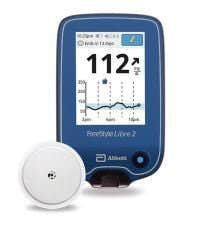
FreeStyle Libre 2 Continuous Glucose Monitor - 1186230_EA - 2
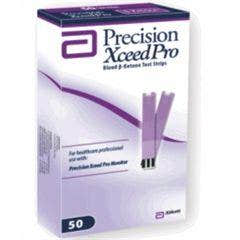
Precision Xceed Pro Blood Glucose Test Strips - 770417_BX - 1
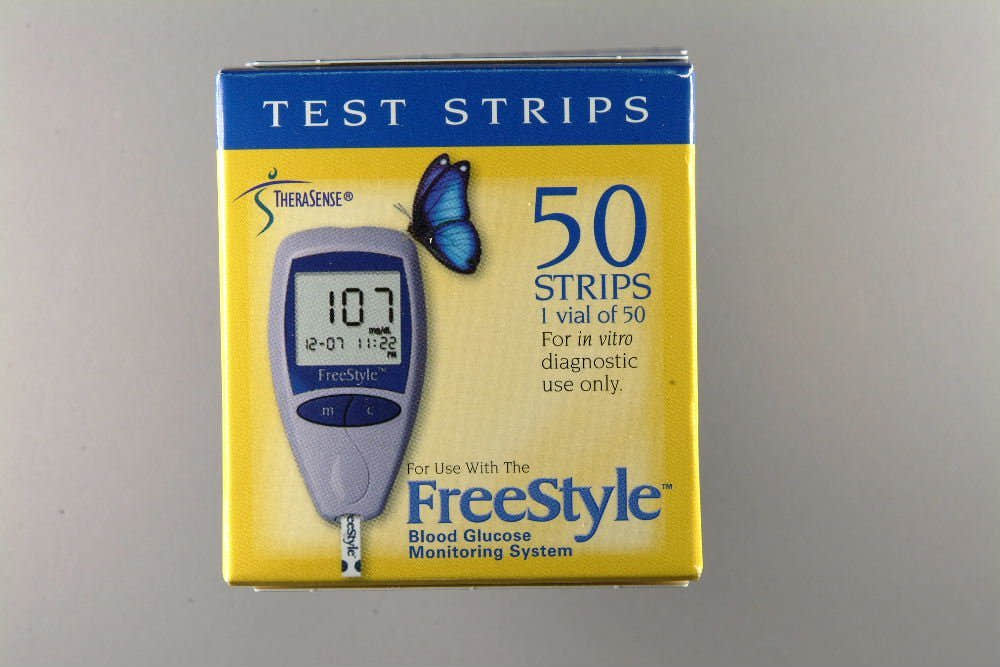
FreeStyle Blood Glucose Test Strips - 489528_EA - 1
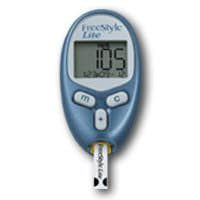
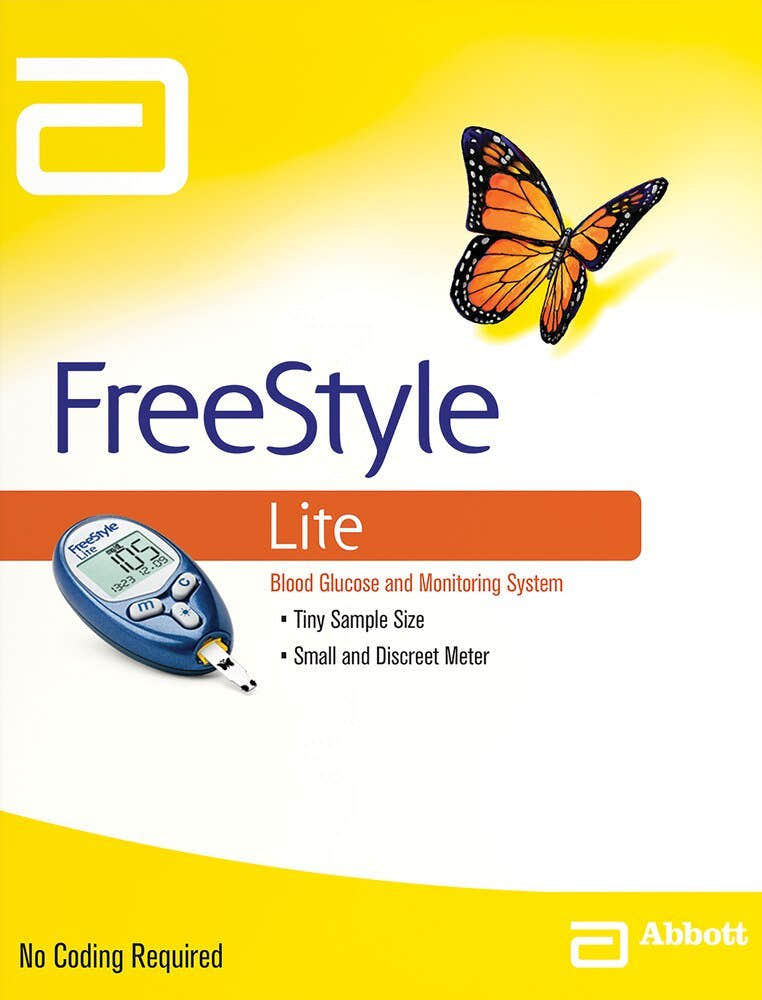
FreeStyle Lite Blood Glucose Meter Kit - 651919_KT - 1
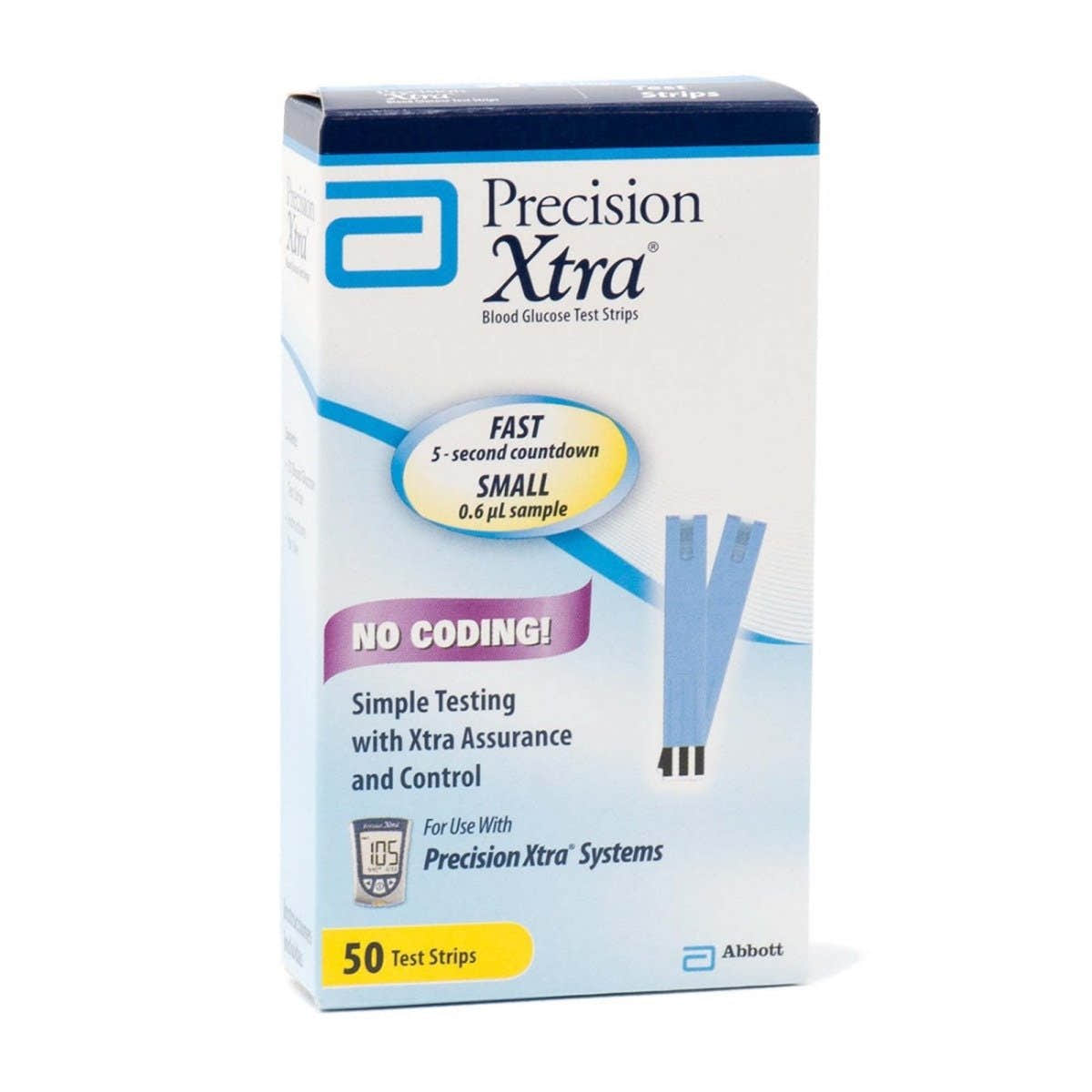
Precision Xtra Blood Glucose Test Strips - 513189_BX - 1
FreeStyle Lite Blood Glucose Test Strips - 632454_BX - 1
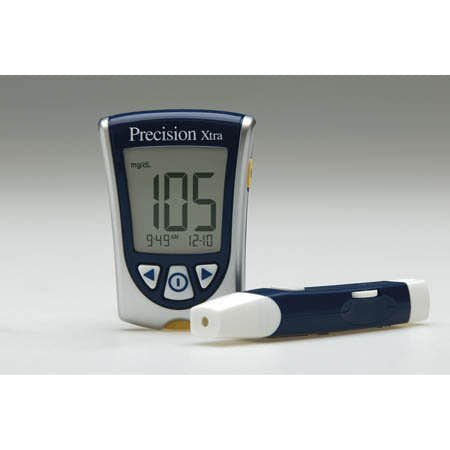
Precision Xtra Blood Glucose Meter - 550383_EA - 1
Precision Xtra Blood Ketone Test Strips - 647191_BX - 1
Freestyle Lancets - 795795_CS - 1
Freestyle Lancets
Sale price$381.99
Precision POC Blood Glucose Test Strips - 768679_BX - 1
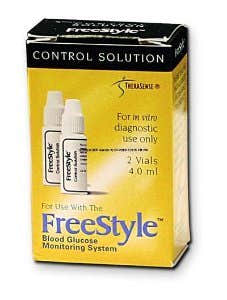
FreeStyle Control Solution - 728873_CS - 2
FreeStyle Control Solution
Sale priceFrom $10.99

Freestyle Libre Pro Sensor

Frequently Asked Questions about Abbott Diabetes

A continuous glucose monitoring system is a wearable medical device that automatically tracks blood sugar levels throughout the day and night without requiring repeated finger pricks. The sensor reads glucose levels from the fluid beneath the skin and sends readings to a display device or smartphone app, helping people with diabetes spot trends and make informed management decisions.

Abbott diabetes care products are designed for people living with Type 1 or Type 2 diabetes who need to monitor their blood glucose or ketone levels regularly. These products are also used by healthcare professionals in clinical settings to support patient monitoring and diabetes management decisions.

Start by inserting a compatible test strip into the blood glucose meter, then use a lancet to obtain a small blood sample from your fingertip. Apply the blood drop to the test strip, and the meter will display your glucose reading within seconds. Always follow the specific instructions included with your meter and test strips for accurate results.

No, blood glucose test strips are not universal — each strip is designed to work only with specific compatible meters. Using the wrong test strips with a meter can produce inaccurate readings, so always confirm that the strips you purchase are approved for use with your particular blood glucose meter model before buying.

Blood glucose control solution is a liquid used to verify that a blood glucose meter and its test strips are working correctly and delivering accurate results. Running a control solution test is recommended when you open a new box of strips, suspect your meter may not be functioning properly, or when the meter has been exposed to extreme temperatures.

Store blood glucose test strips in their original sealed container at room temperature, away from heat, humidity, and direct sunlight. Avoid storing strips in the refrigerator or in a bathroom medicine cabinet where moisture can degrade them. Always check the expiration date on the container, as expired strips can produce unreliable glucose readings.

Because blood ketone test strips measure ketone levels in the blood rather than glucose, they are used to detect diabetic ketoacidosis, a potentially dangerous condition that can occur when blood sugar is very high. Ketone testing is especially important for people with Type 1 diabetes during illness, high blood sugar episodes, or when a healthcare provider specifically recommends ketone monitoring.

Continuous glucose monitors and traditional blood glucose meters measure glucose differently, so direct accuracy comparisons depend on the situation. Blood glucose meters measure glucose directly from a blood sample and are considered a precise point-in-time reference, while continuous glucose monitors read interstitial fluid glucose and are better suited for tracking trends and patterns over time.

Diabetes blood glucose monitoring products sold in the United States must be cleared or approved by the FDA, which evaluates both accuracy and safety before a product can be marketed. Devices like blood glucose meters, test strips, and continuous glucose sensors are classified as medical devices and must meet established performance standards to ensure reliable readings for patient use.

A blood glucose meter provides a single glucose reading at one point in time using a test strip and a small blood sample from a finger prick, while a continuous glucose monitoring system uses a sensor worn on the body to automatically record glucose levels every few minutes around the clock. Continuous monitors are better for spotting trends, while meters are often used to confirm or calibrate readings.

Recently viewed