Commode Chair

4 products

Showing 1 - 4 of 4 products

Commode Chairs: Practical Bathroom Support for Everyday Independence

A commode chair is a freestanding, portable toilet seat designed for use at the bedside or as a raised toilet seat alternative. Whether supporting post-surgery recovery, aging in place, or everyday convenience for those with limited mobility, commode chairs offer a straightforward solution that can be positioned wherever it's most useful. Cart Health carries options from trusted brands including McKesson, Drive Medical, Mabis Healthcare, and Apex-Carex Healthcare, so you can find the right fit for your specific situation.
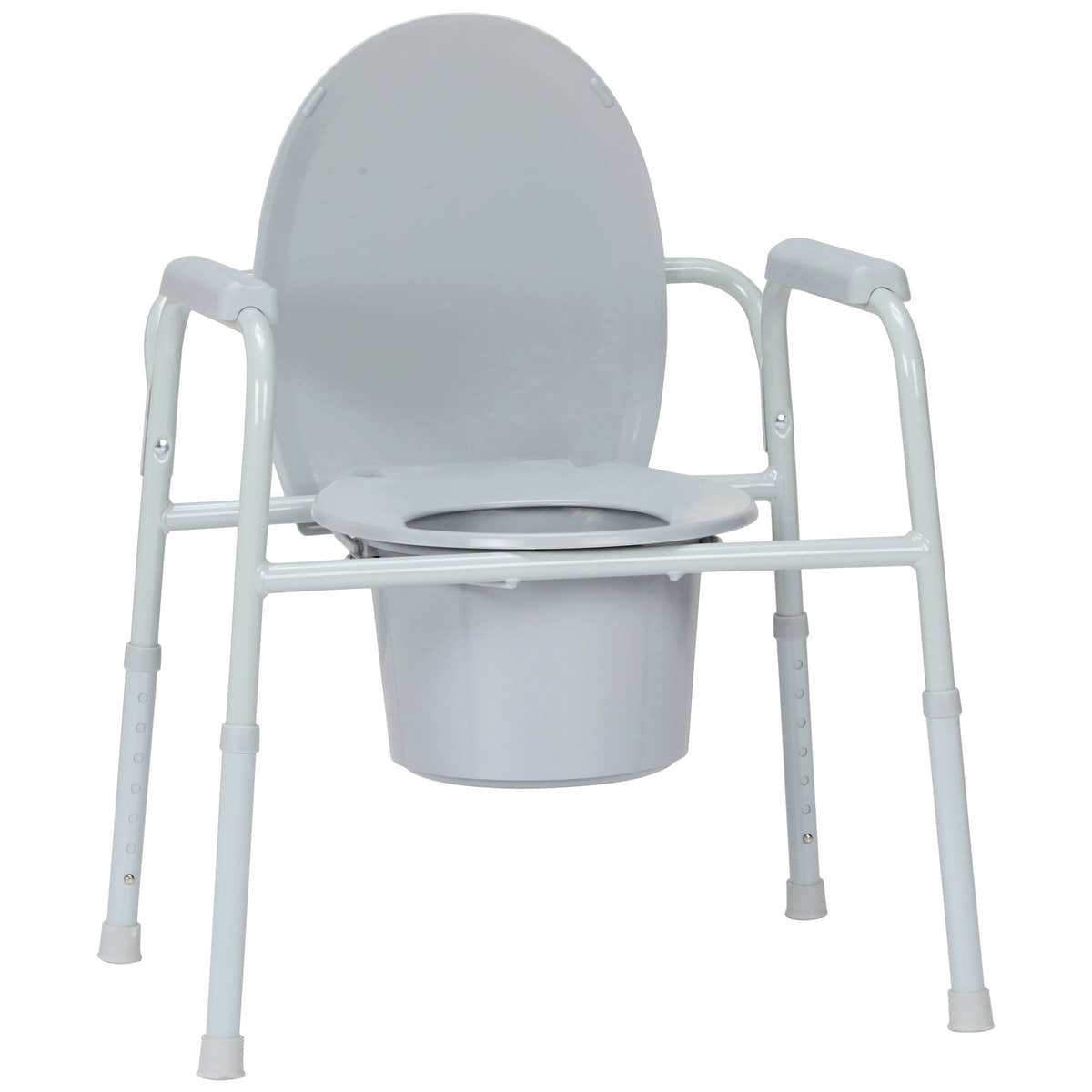
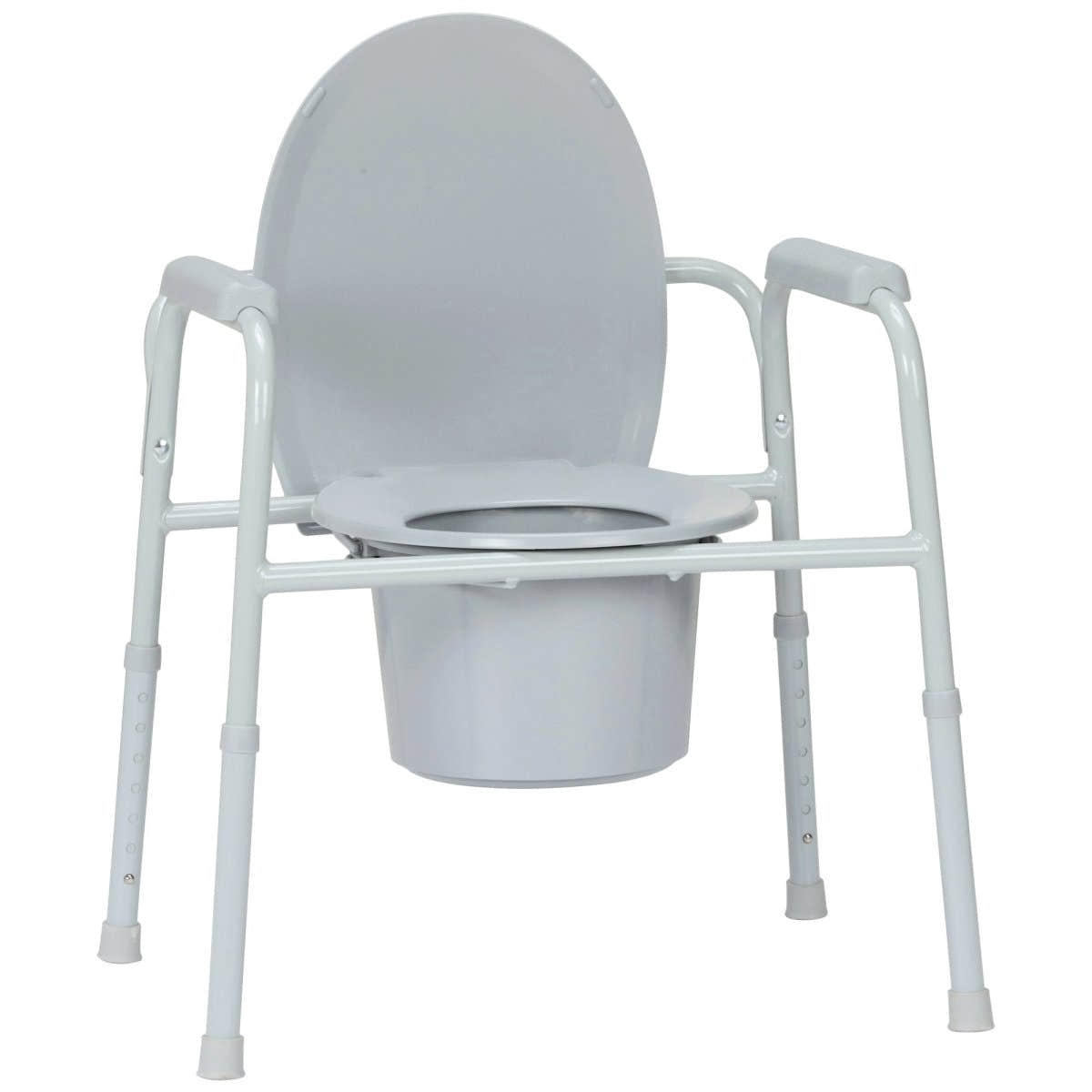
Showing 1 - 4 of 4 products
View
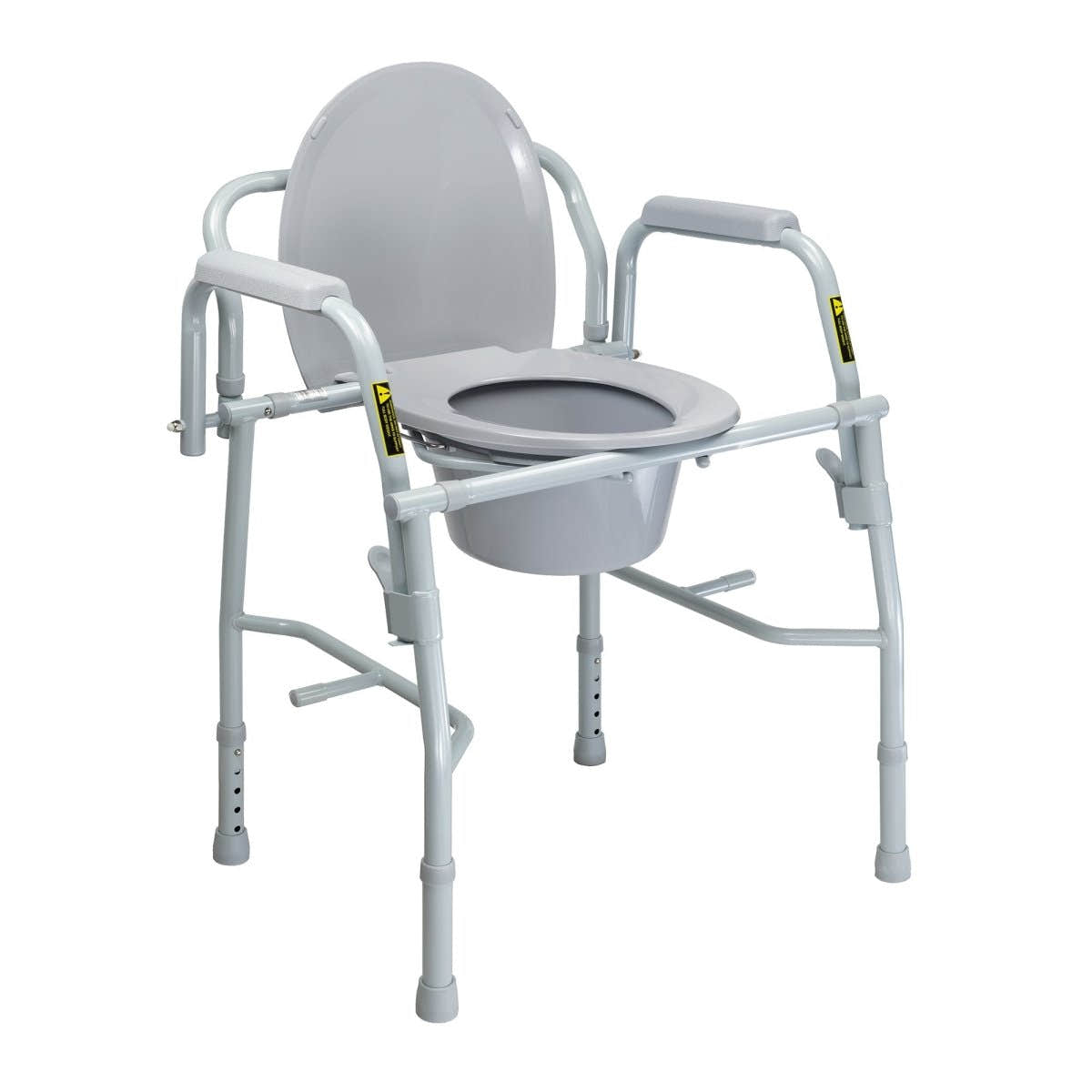
McKesson Nonfolding Commode Chair -Case of 4
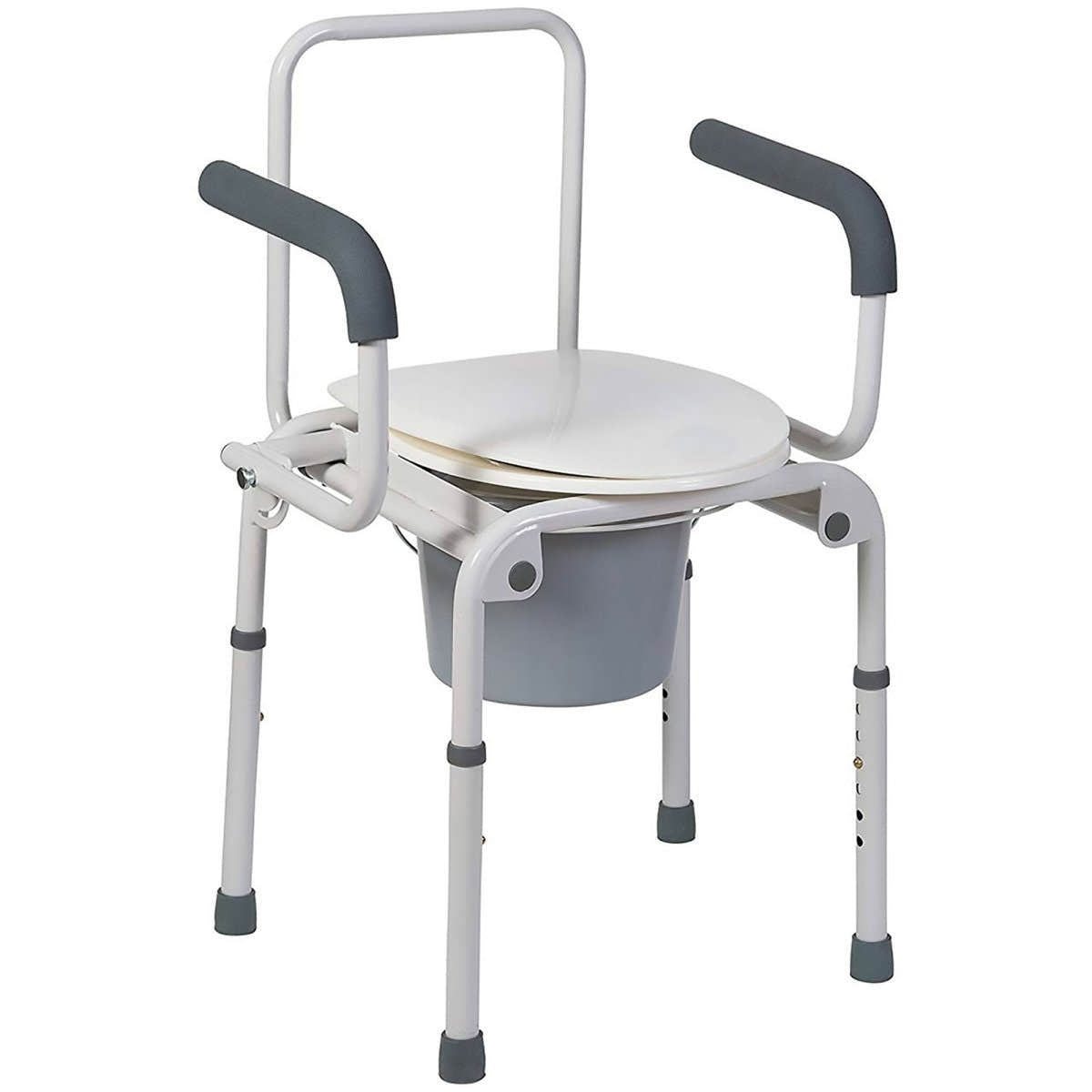
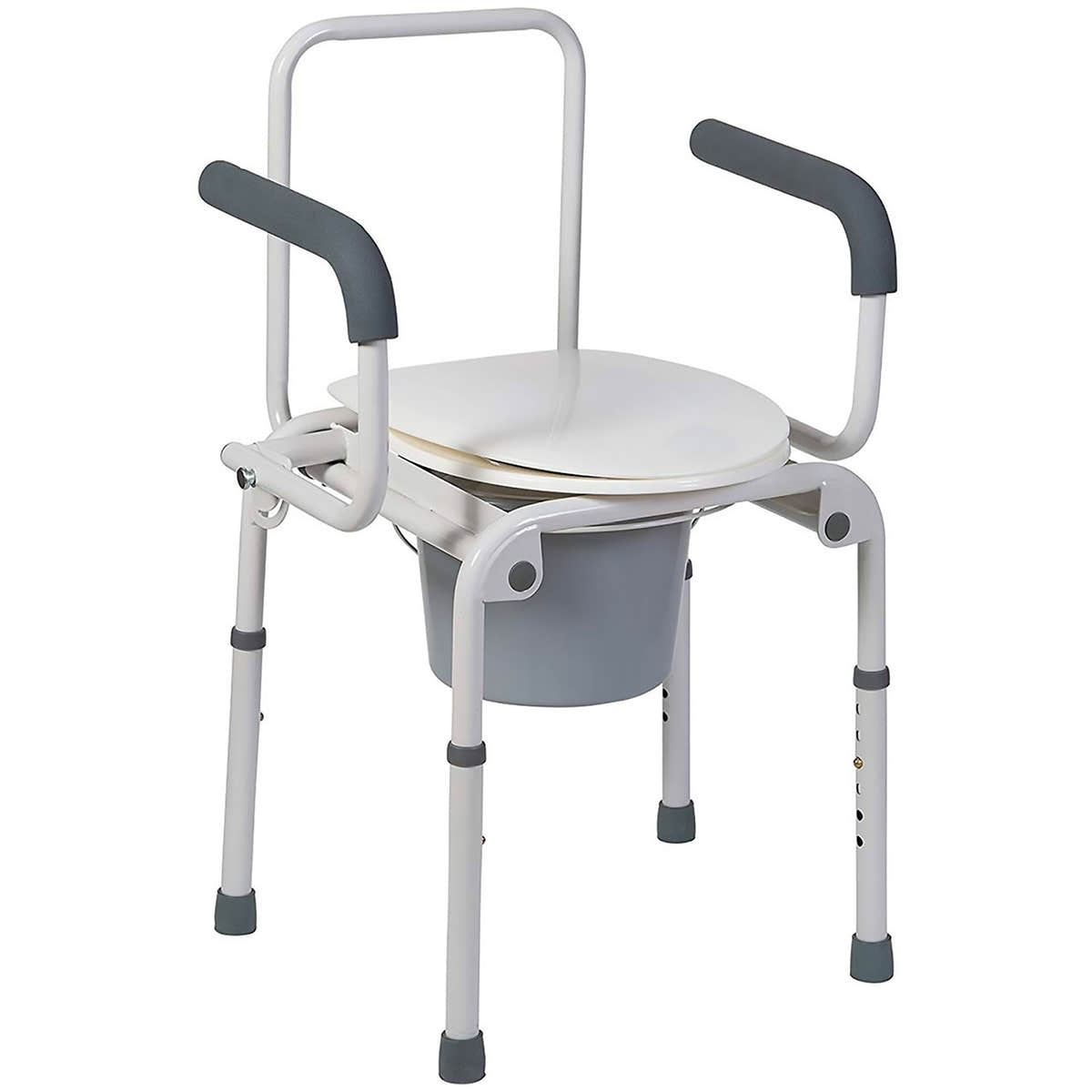
Mabis Drop-Arm Steel Commode -Each
Mabis Drop-Arm Steel Commode
Sale price$166.99
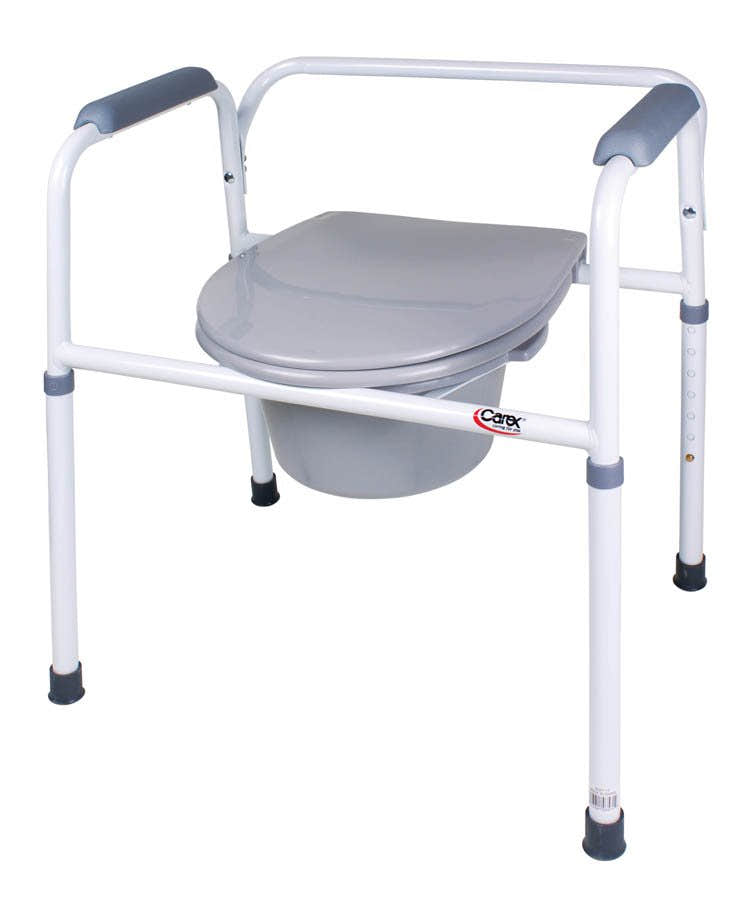
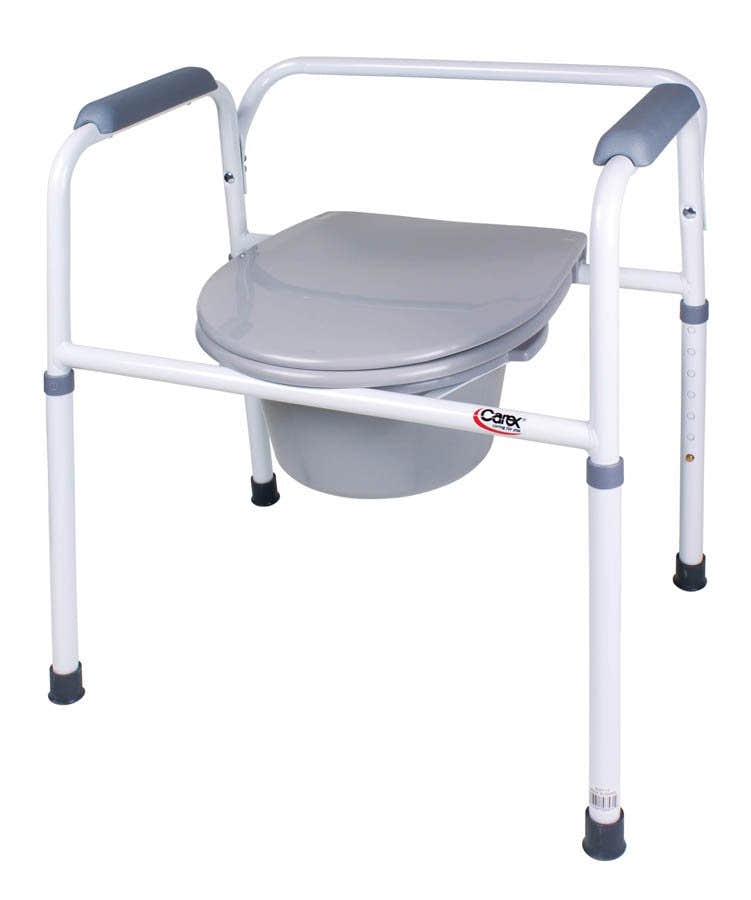
Carex Commode Chair with Padded Fixed Arms -Case of 2
Mckesson Commode Chair - 1205413_CS - 1
McKesson Commode Chair
Sale price$131.99
Frequently Asked Questions about Commode Chair

A commode chair is a portable toilet seat with a frame and bucket that allows people to use the bathroom without traveling to a traditional toilet. Commode chairs are commonly used by people recovering from surgery, managing mobility limitations, or living with conditions that make walking to the bathroom difficult or unsafe.

Commode chairs are designed for people who have limited mobility, are recovering from surgery or injury, or experience difficulty safely reaching a bathroom in time. Older adults, individuals with disabilities, and post-operative patients are among the most common users, as commode chairs provide a safe and accessible toileting option close to the bedside.

Place the commode chair on a flat, stable surface near the bed or in the bathroom before sitting down slowly, using the armrests for support. Make sure the bucket is properly seated in the frame before each use, and always lock any adjustable legs at the correct height to prevent tipping.

Remove the bucket after each use and empty it into a toilet, then rinse and disinfect the bucket with a mild cleaner or disinfectant spray. Wipe down the frame and seat regularly with a damp cloth and disinfectant, and check the legs and armrests periodically to make sure all hardware remains tight and secure.

The right commode chair size depends on the user's weight, body width, and height, since commode chairs come in standard and bariatric options with varying weight capacities and seat widths. Measure the user's hip width and compare it to the seat dimensions of each model, and adjust the leg height so the user's feet rest flat on the floor when seated.

Yes, many commode chairs can be positioned directly over a standard toilet when the bucket is removed, effectively functioning as a raised toilet seat with armrests. This versatility makes commode chairs useful in bathrooms where a separate raised seat is not available, though users should confirm the frame dimensions are compatible with their toilet before purchasing.

Yes, commode chairs may be covered by Medicare Part B or private insurance when prescribed by a physician as medically necessary durable medical equipment. Coverage eligibility and reimbursement amounts vary by plan and diagnosis, so patients should contact their insurance provider and obtain a prescription from their doctor before purchasing.

Standard commode chairs typically support between 250 and 300 pounds, while bariatric commode chairs are designed to accommodate users weighing 350 pounds or more. Always check the specific weight capacity listed for any commode chair before purchasing to ensure the model is appropriate for the intended user's weight.

A commode chair is a freestanding unit with its own frame, seat, armrests, and removable bucket, while a raised toilet seat attaches directly to an existing toilet bowl. Commode chairs offer greater flexibility because they can be placed anywhere in a room, whereas raised toilet seats are fixed in the bathroom and do not include a waste collection bucket.

Because drop-arm commode chairs allow the armrests to swing down or detach, making lateral transfers from a wheelchair or bed significantly easier and safer for users with limited leg strength. Standard commode chairs have fixed arms that can obstruct side transfers, so a drop-arm design is often recommended by physical therapists for patients who cannot stand independently.

Recently viewed