Irrigation

9 products

Showing 1 - 9 of 9 products

Irrigation Supplies for Wound Care, Ostomy Care, and Oral Hygiene

The Cart Health Irrigation collection brings together a focused range of supplies designed to support effective, controlled fluid delivery across several care settings. Whether you're stocking a clinical environment, supporting home care routines, or managing personal hygiene needs, this collection includes the trays, kits, sleeves, and oral irrigators that make the job easier and more comfortable.
Showing 1 - 9 of 9 products
View
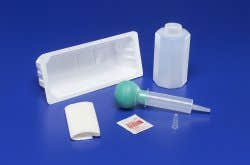
Dover Irrigation Tray -Case of 20
Dover Irrigation Tray
Sale priceFrom $10.99
Dover Bulb Irrigation Tray with Lid -Each
KenGuard Piston Irrigation Tray -Each
KenGuard Piston Irrigation Tray
Sale priceFrom $2.99
Choose options
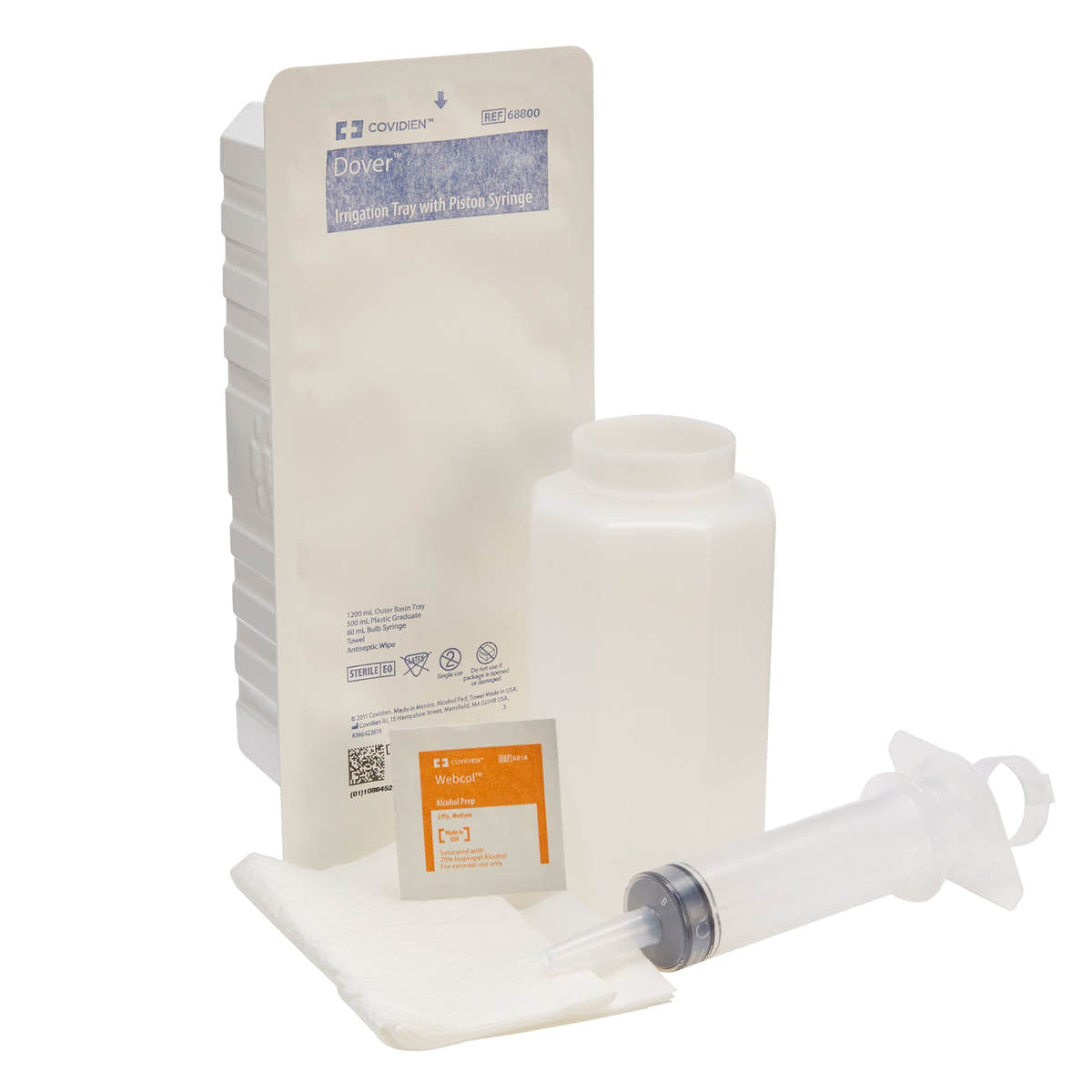
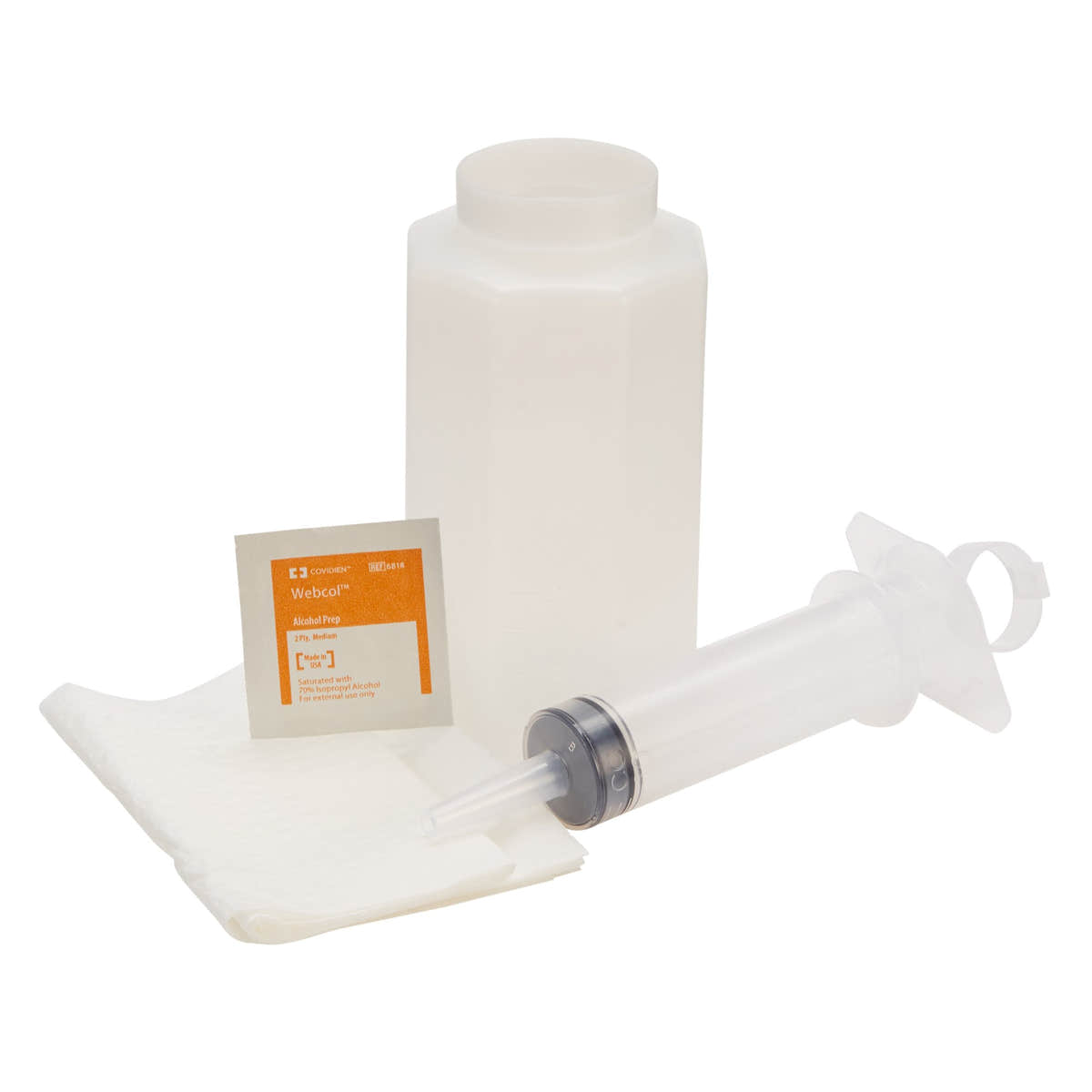
Dynarex Irrigation Kit With Piston Syringe - 735167_EA - 1
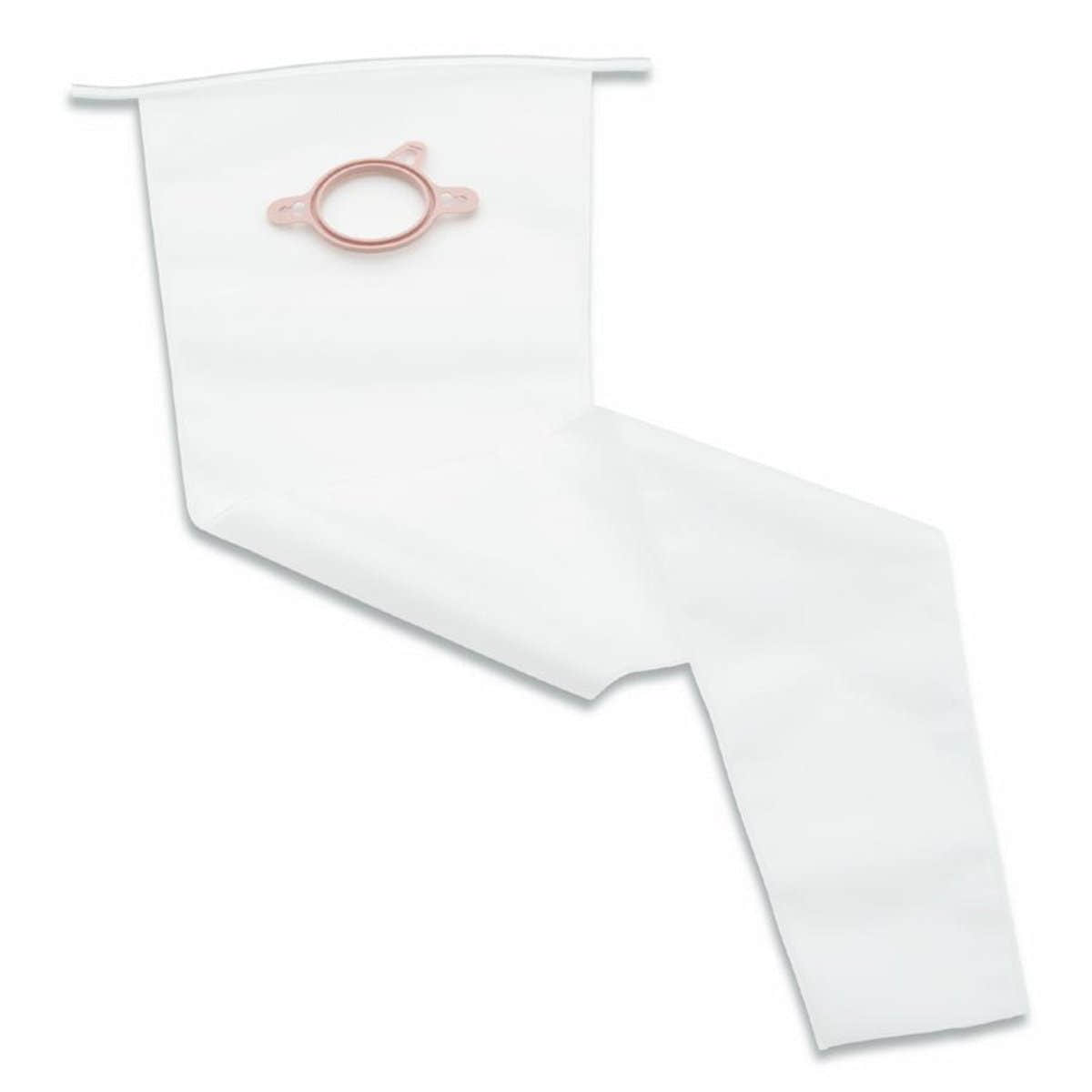
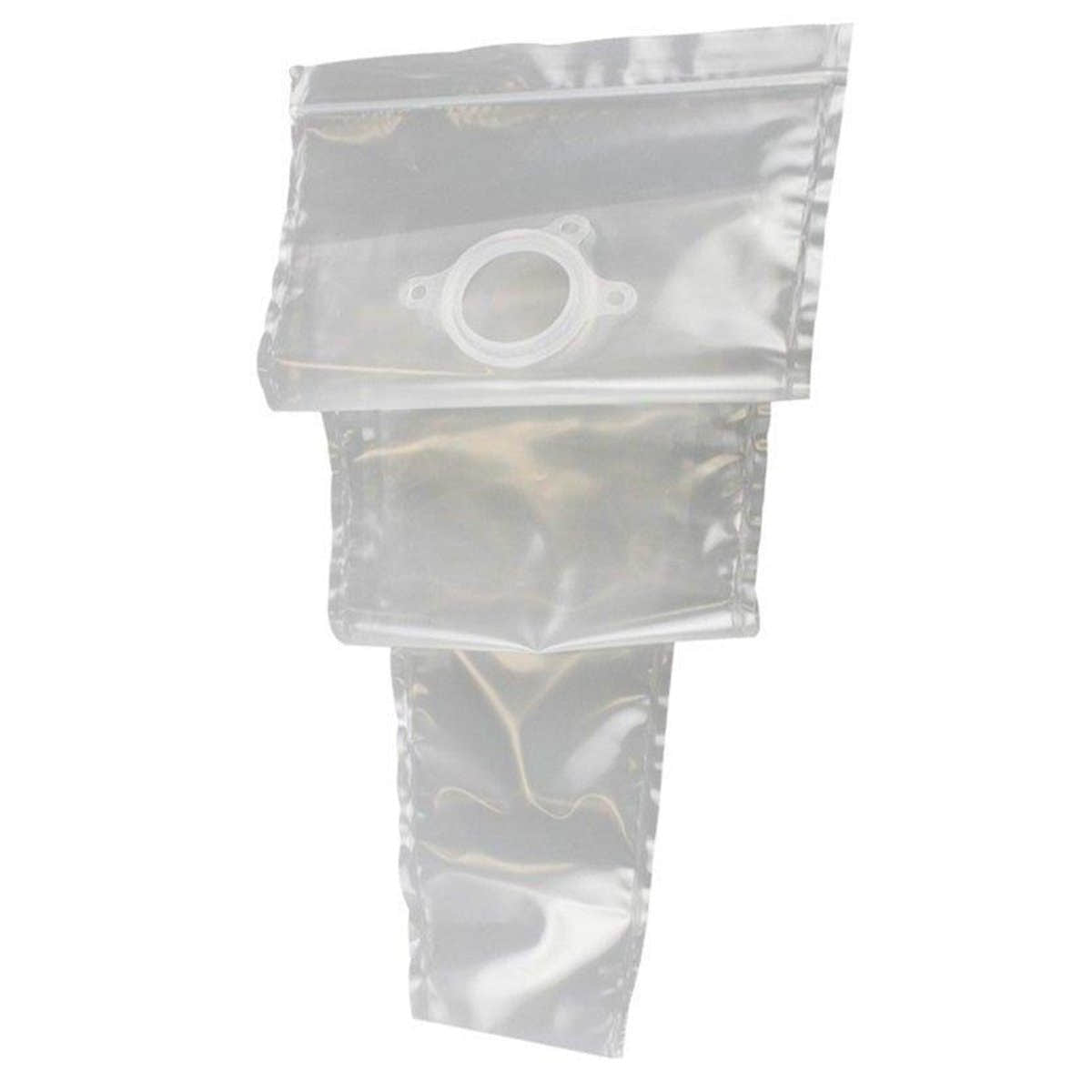
Hollister Ostomy Irrigation Sleeve - 74160_EA - 1
Visi Flow Ostomy Irrigation Sleeve - 365795_BX - 1
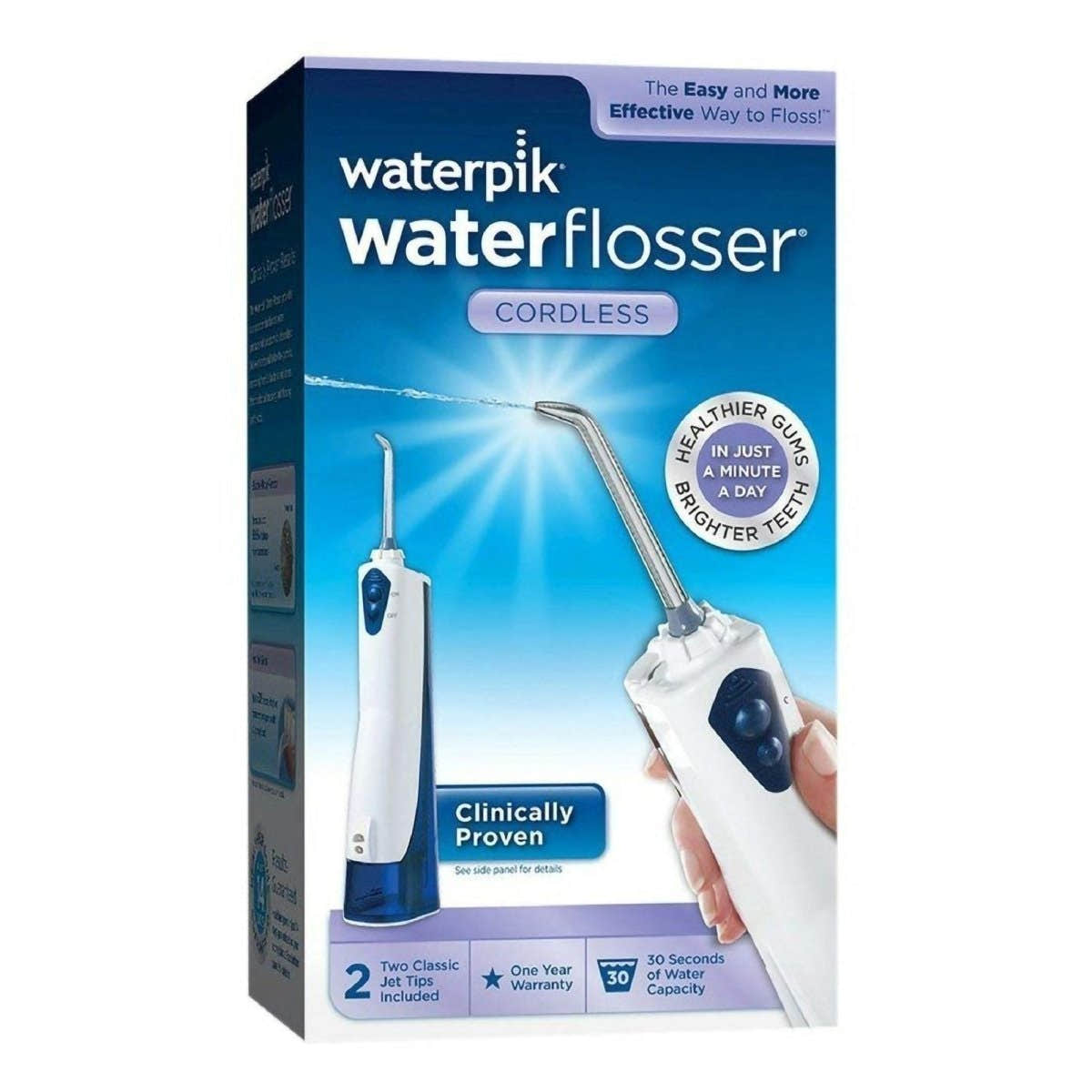
Waterpik Water Flosser Oral Irrigator - 831209_EA - 1

Frequently Asked Questions about Irrigation

An irrigation kit is a medical supply used to flush wounds, body cavities, or ostomy systems with sterile solution, helping to clean tissue and promote healing. Irrigation kits typically include a syringe or bulb, a basin or tray, and tubing, giving caregivers everything needed in one package.

An ostomy irrigation sleeve is designed for colostomy patients who manage their bowel movements through scheduled irrigation rather than relying on a pouching system full-time. This product is typically recommended for adults with a descending or sigmoid colostomy who have established a regular irrigation routine with their healthcare provider.

Attach the ostomy irrigation sleeve to your stoma opening, then direct the bottom of the sleeve into the toilet to allow waste to drain during the irrigation process. Always follow your ostomy nurse or physician's instructions for water volume, temperature, and flow rate to avoid discomfort or injury.

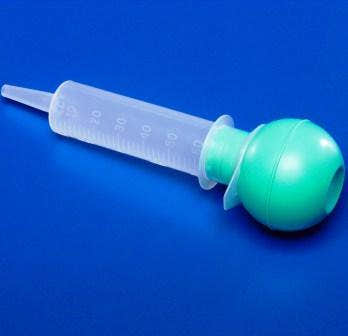
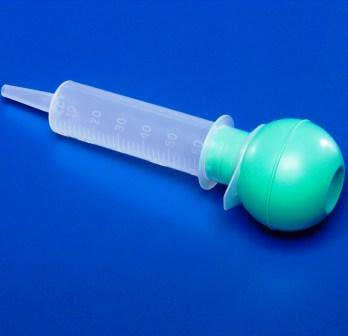
A piston syringe irrigation kit uses a plunger-style syringe that allows more controlled, measurable water flow, while a bulb irrigation kit uses a squeezable rubber bulb that delivers a softer, less precise stream. Piston syringes are often preferred for wound irrigation where consistent pressure matters, while bulb syringes are common for gentler flushing tasks.

Choose an irrigation tray based on whether you need a lid for contamination control, a built-in basin size that fits your workspace, and compatibility with the syringe type you are using. Trays with lids help keep supplies sterile before use, which is especially important in clinical or home care settings where hygiene is critical.

No, most irrigation kits and trays are designed for single use only and should be discarded after one session to prevent infection and cross-contamination. If you are managing ongoing wound care or ostomy irrigation at home, always check the product labeling and consult your healthcare provider before reusing any component.

Yes, an oral irrigator and a water flosser refer to the same type of device, which uses a pressurized stream of water to remove food particles and plaque from between teeth and along the gumline. Oral irrigators are commonly used as a supplement to brushing, and are especially helpful for people with braces, implants, or gum sensitivity.

Irrigation sleeves are typically made from soft, flexible plastic film that is designed to be lightweight, waterproof, and comfortable against the skin during use. The flexible material allows the sleeve to drape naturally into the toilet while maintaining a secure fit around the stoma, keeping the process as clean and manageable as possible.

Irrigation kits and ostomy irrigation supplies are available through medical supply retailers like Cart Health, which carries a range of irrigation trays, sleeves, syringes, and oral irrigators from multiple brands. Buying from a dedicated medical supply store ensures you have access to clinically appropriate products and can find options compatible with your specific care routine.

Proper irrigation technique is important for ostomy care because using incorrect water volume or pressure can cause cramping, bowel perforation, or electrolyte imbalance. Following a consistent, clinically guided method helps colostomy patients achieve reliable results, reduce odor and output between sessions, and maintain better overall quality of life.

Recently viewed