Maddak

17 products

Showing 1 - 17 of 17 products

Maddak Daily Living Aids: Practical Tools for Independence and Comfort

Maddak has built a long-standing reputation for designing thoughtful, well-constructed daily living aids that help people move through their routines with greater ease and confidence. The Maddak collection at Cart Health brings together a range of home care and mobility accessories — from bathroom safety equipment to gait belts and walker accessories — all crafted with practicality and user comfort in mind.
Showing 1 - 17 of 17 products
View
Maddak Walker Bag for Use With Walkers - 972674_EA - 1
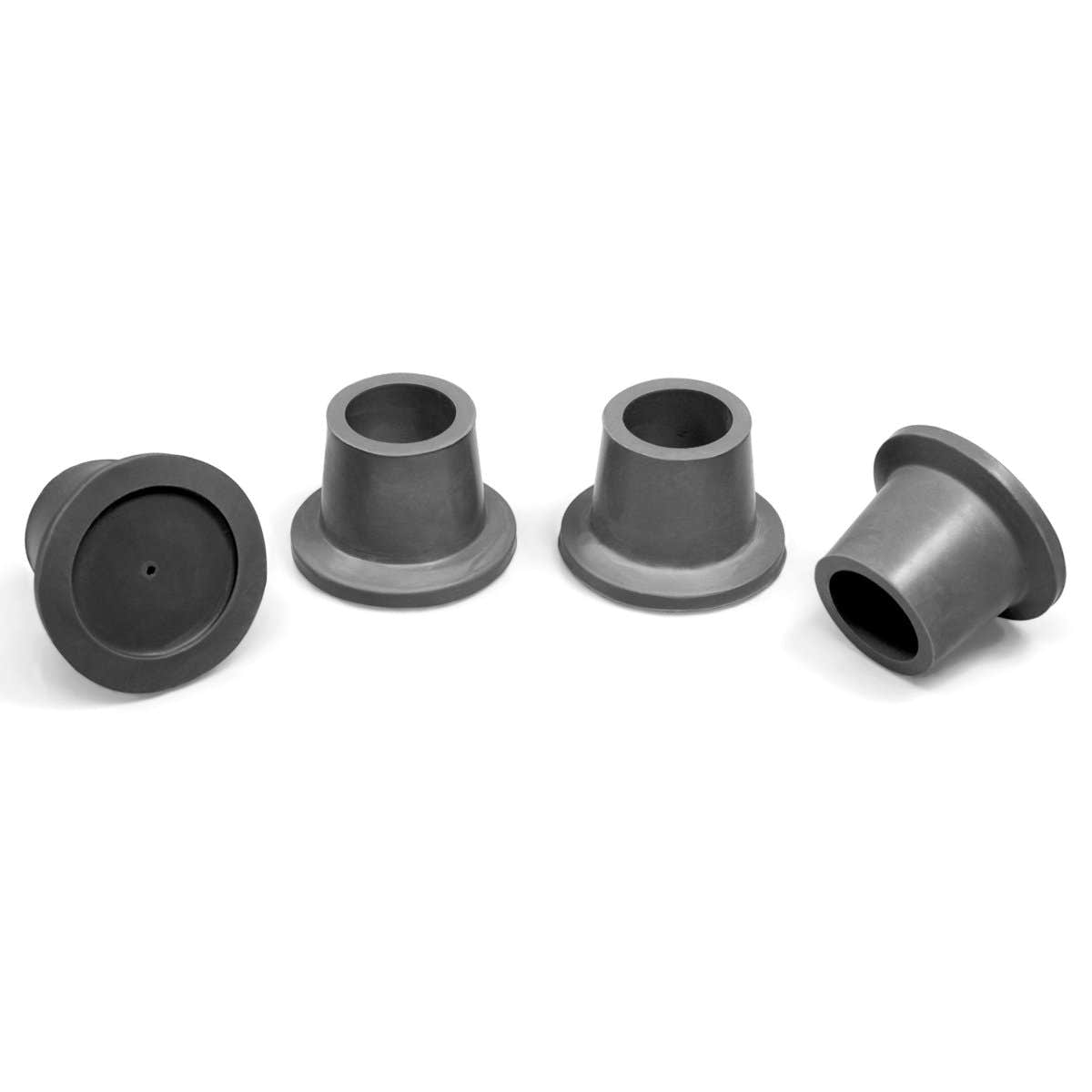
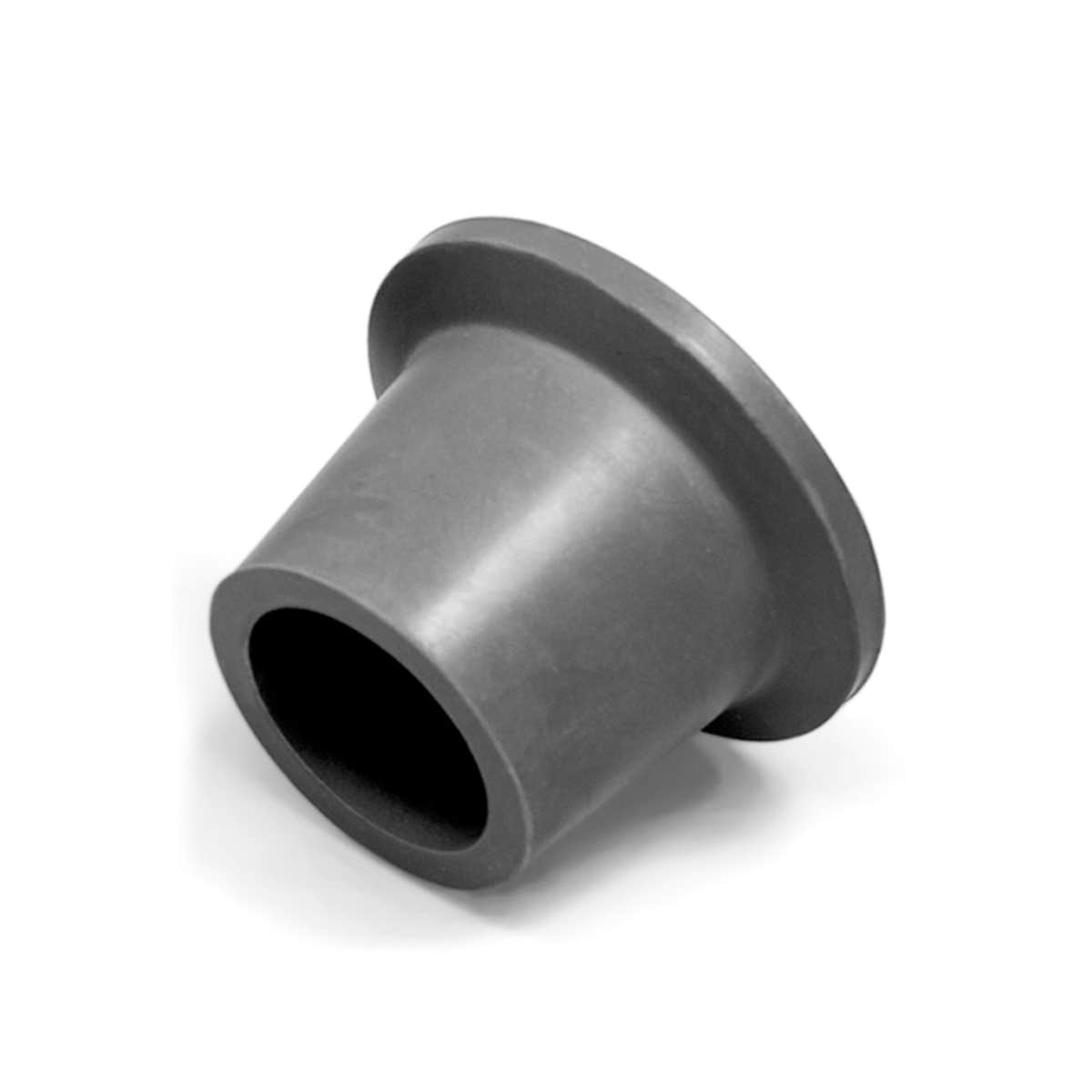
Maddak Suction Cups - 879829_BG - 2
Maddak Suction Cups
Sale price$24.99
Maddak Gait Belt Handle -Each
Maddak Gait Belt Handle
Sale price$13.99
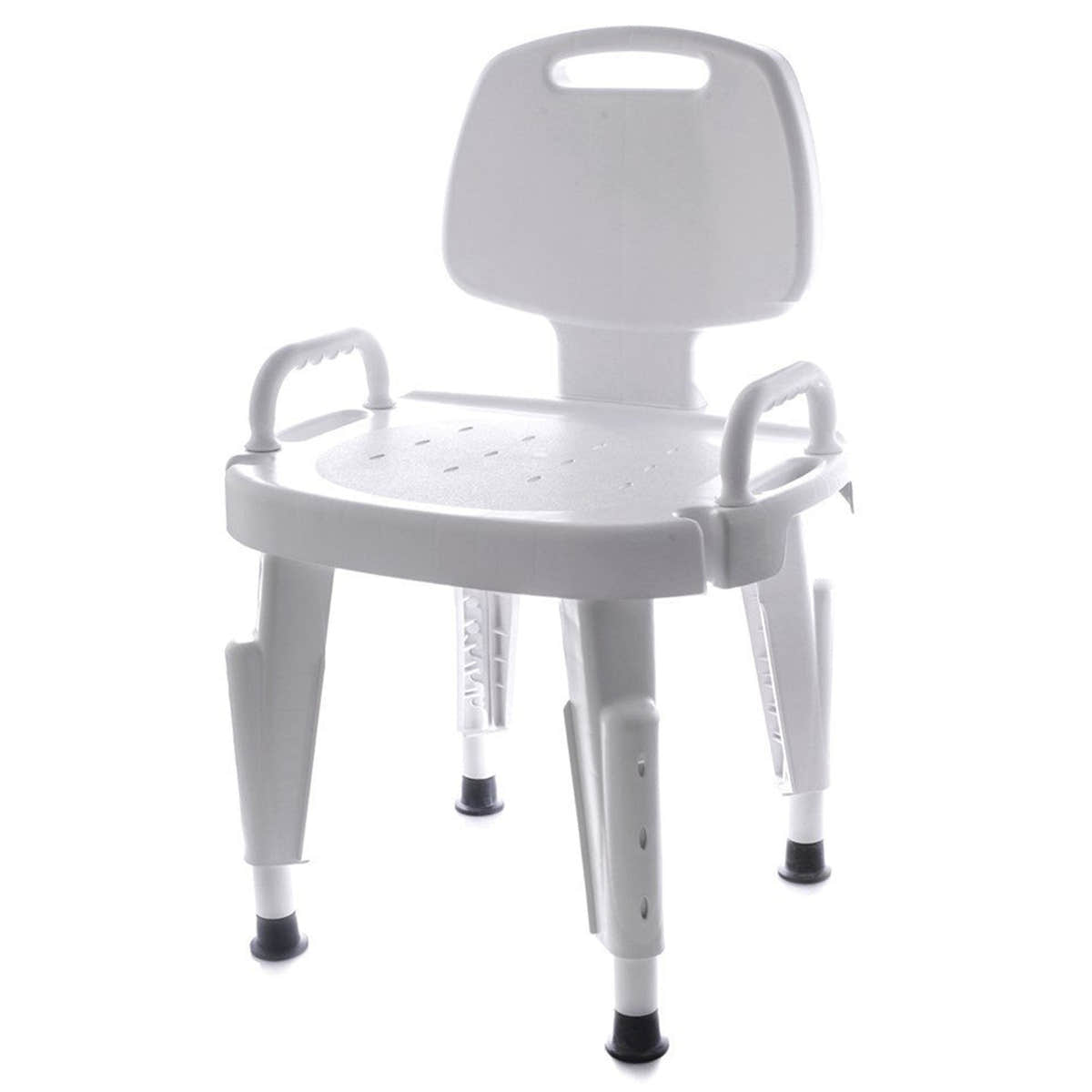
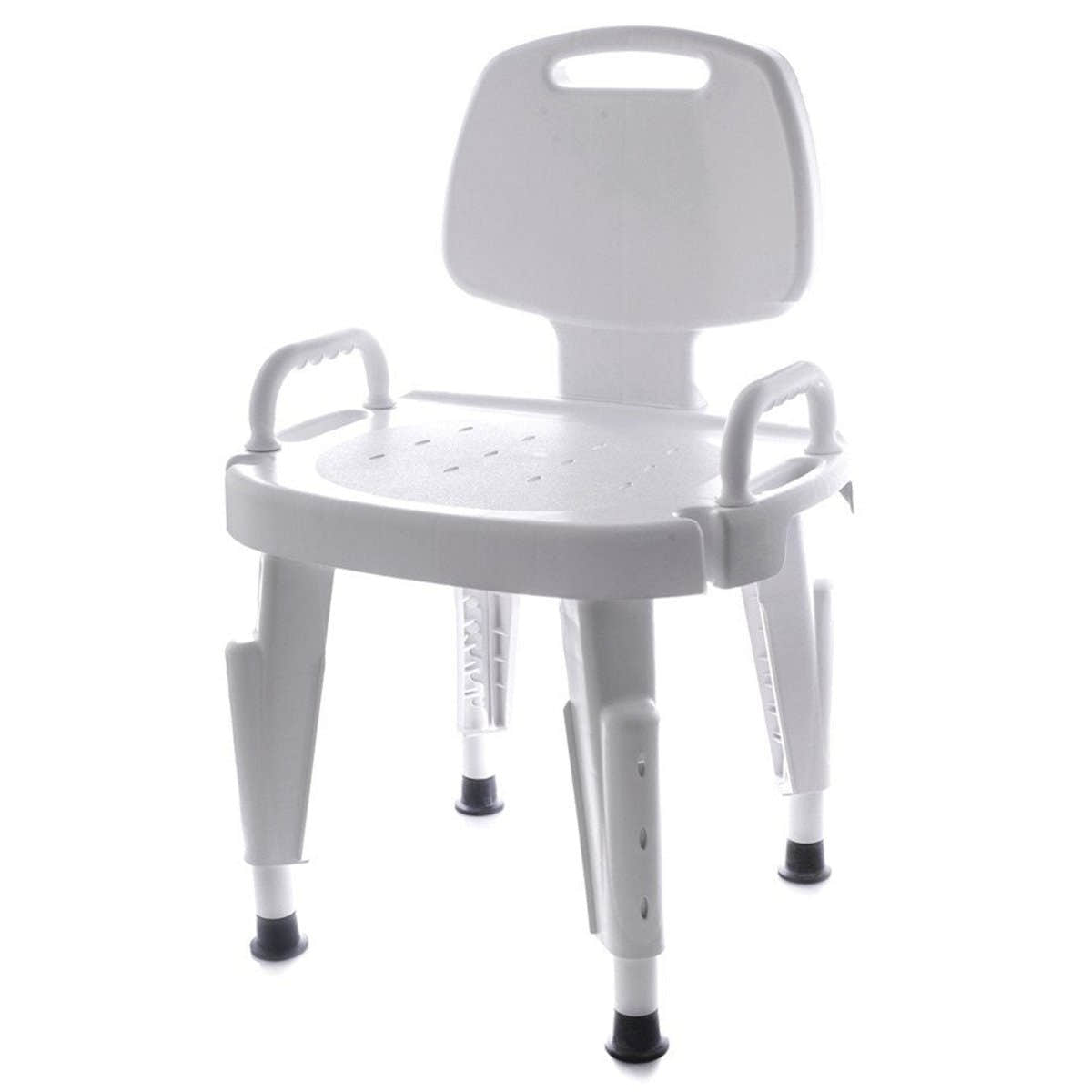
Maddak Adjustable Shower Seat with Arms and Back -Each
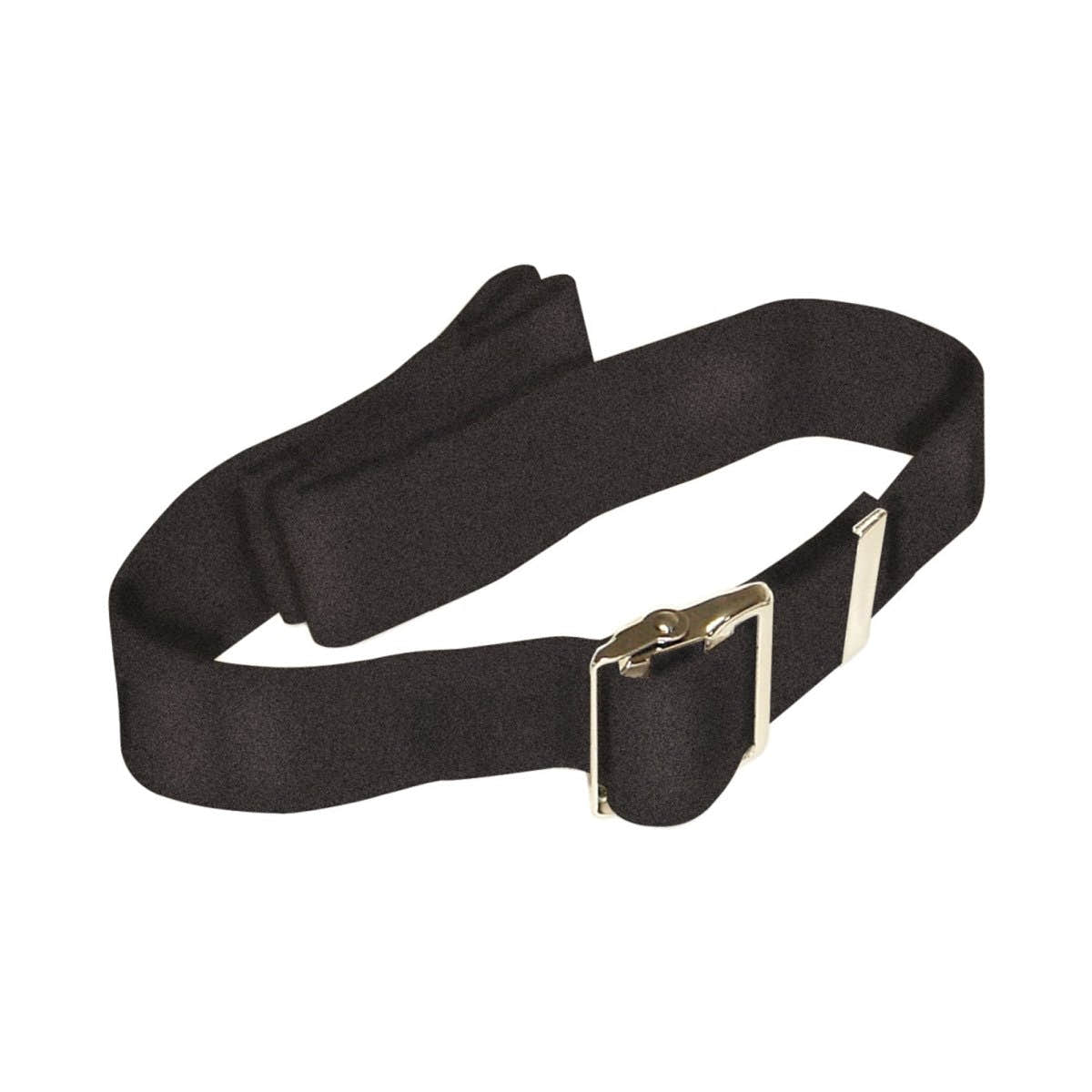
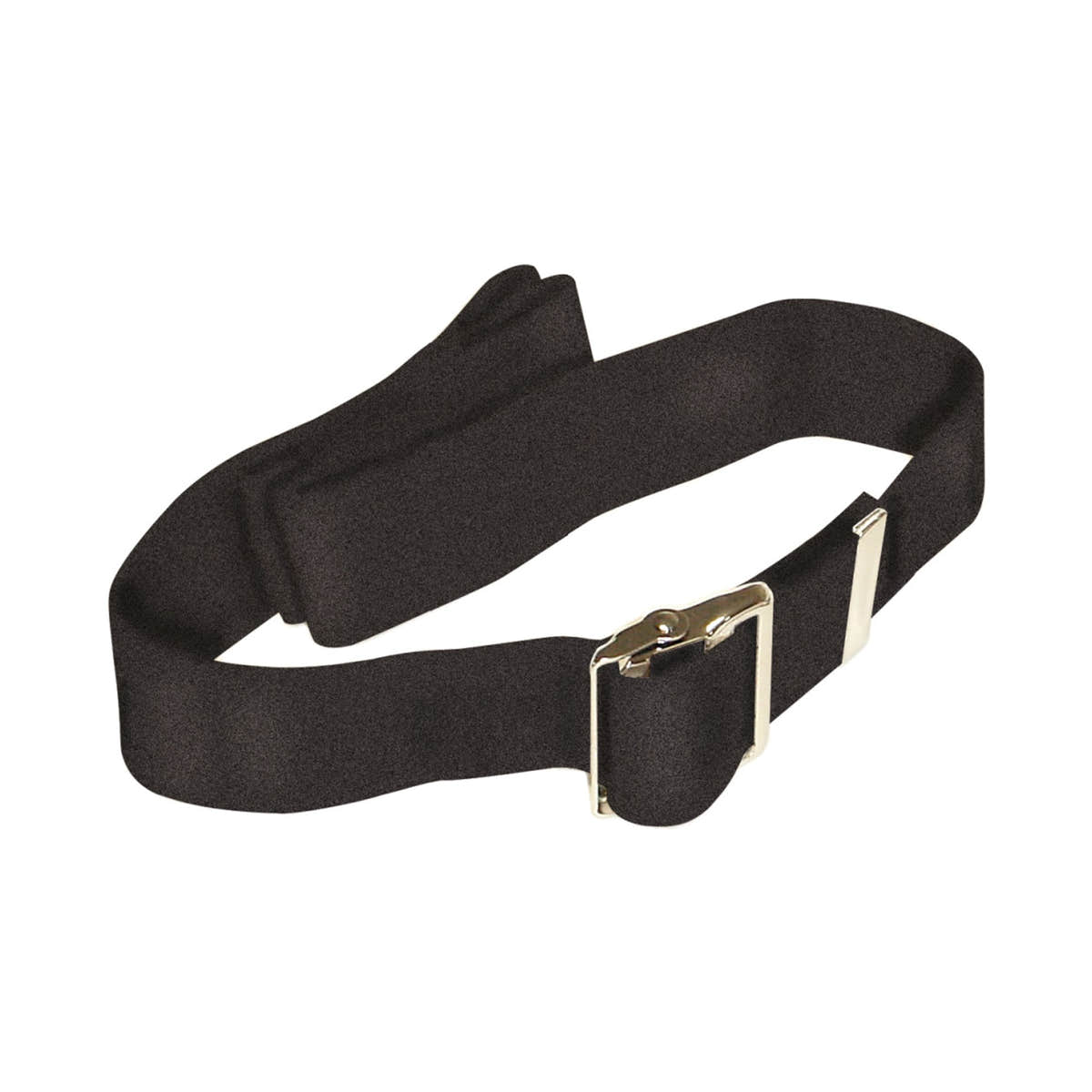
Maddak 54 Inch Gait Belt - 972673_EA - 1
Maddak 54 Inch Gait Belt
Sale price$19.99
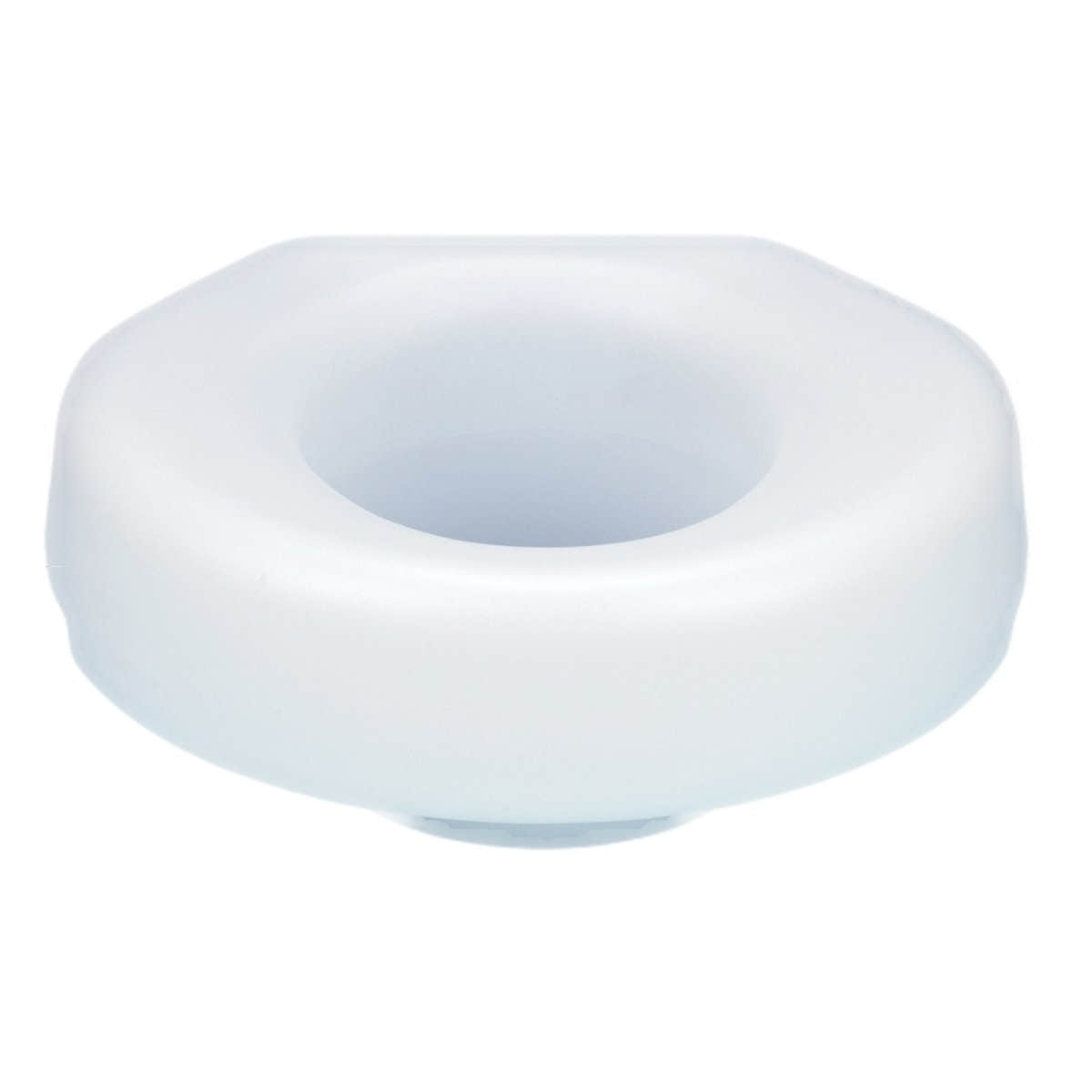
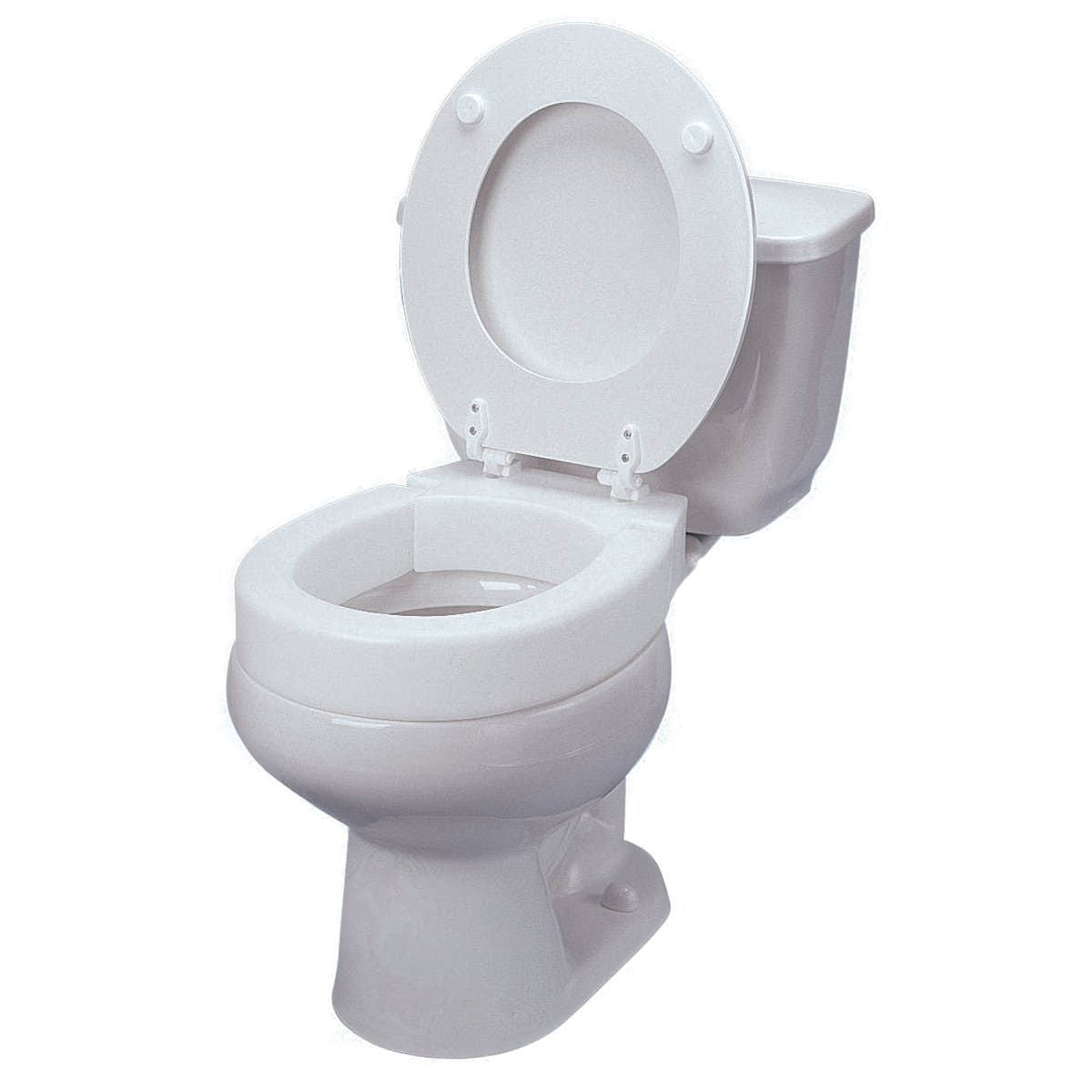
Tall-Ette Elongated Hinged Elevated Toilet Seat - 649158_EA - 1
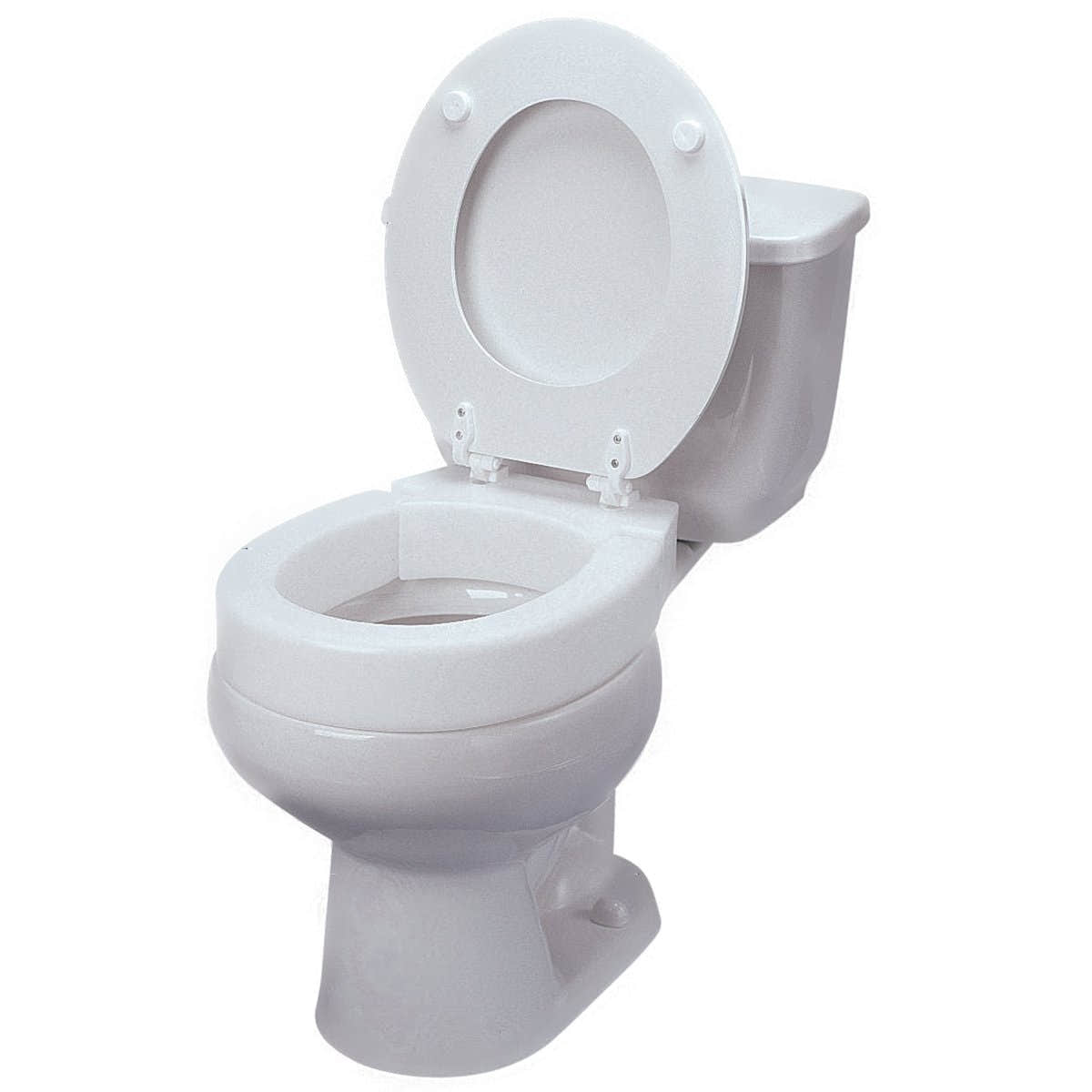
Maddak Tall-ette Toilet Seat - Standard, Hinged - 712156_EA - 1
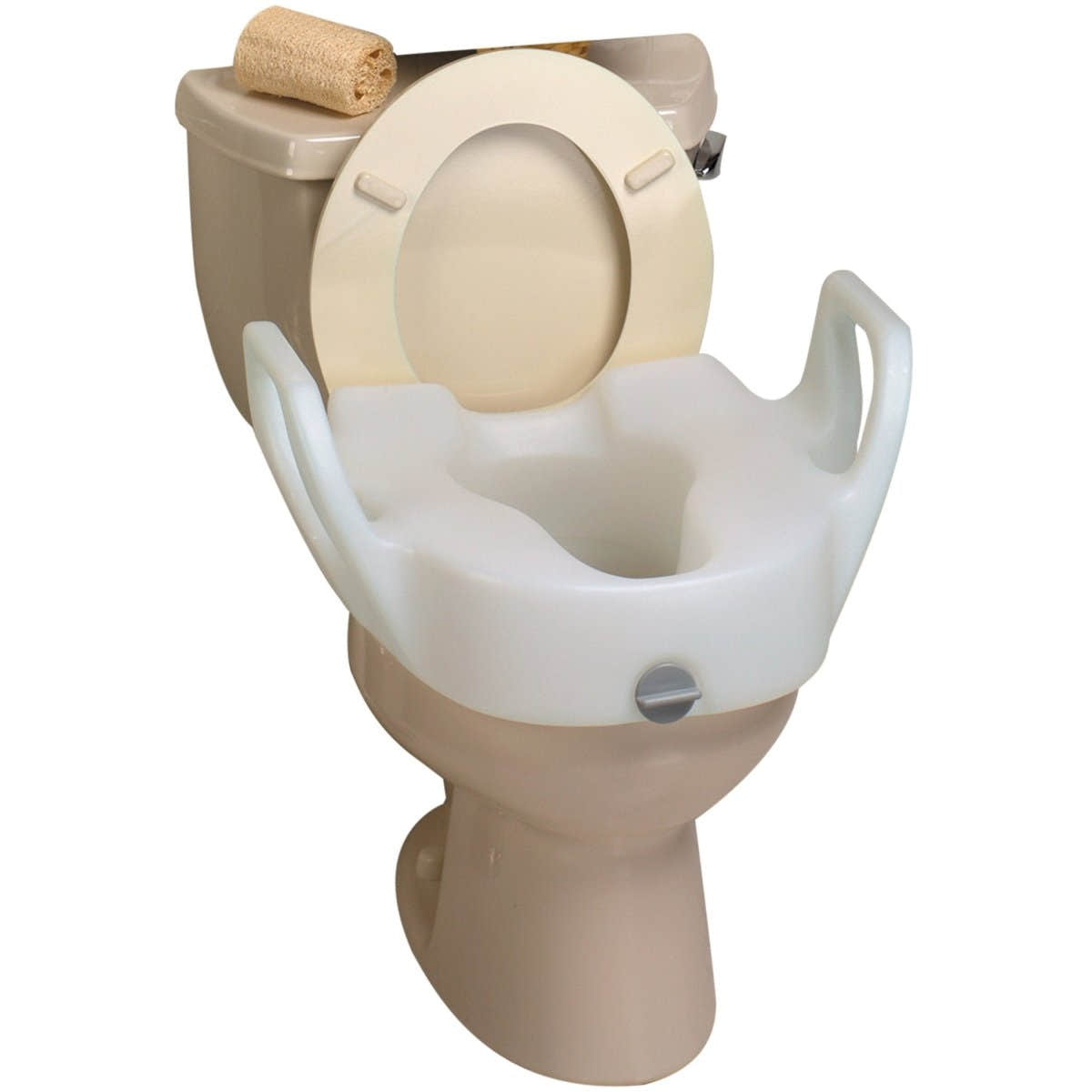
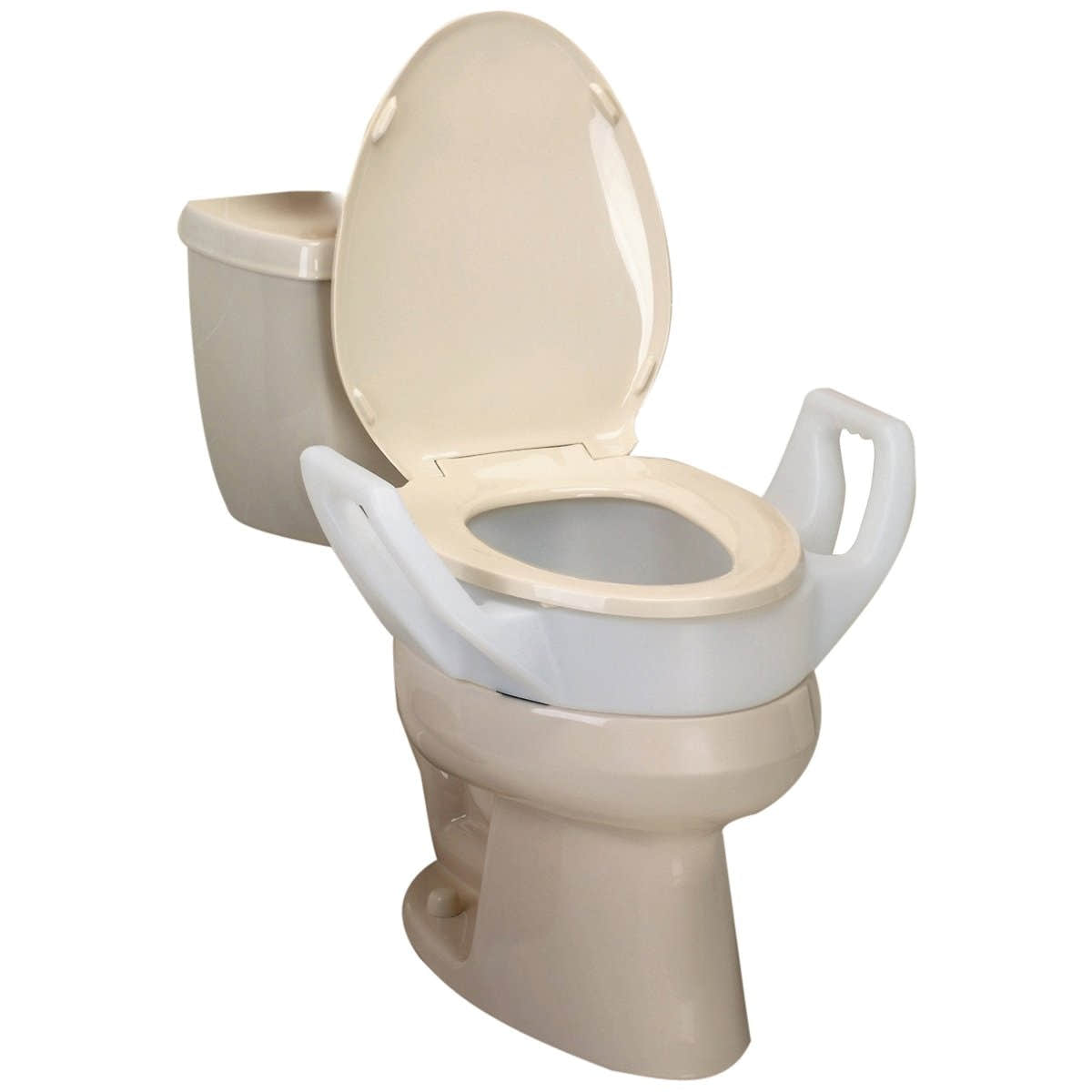
Lock-On Elevated Toilet Seat with Arms - 879826_EA - 1
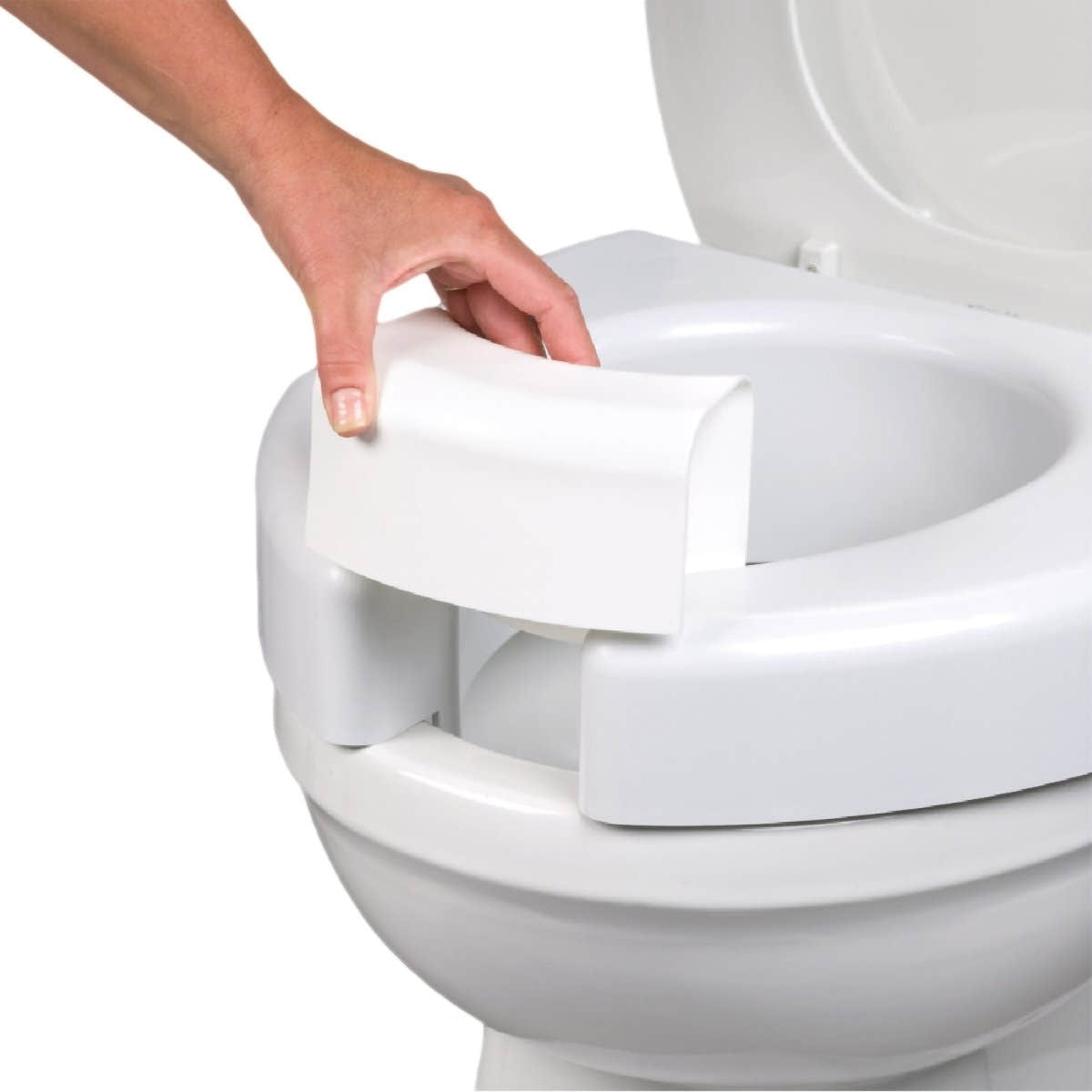
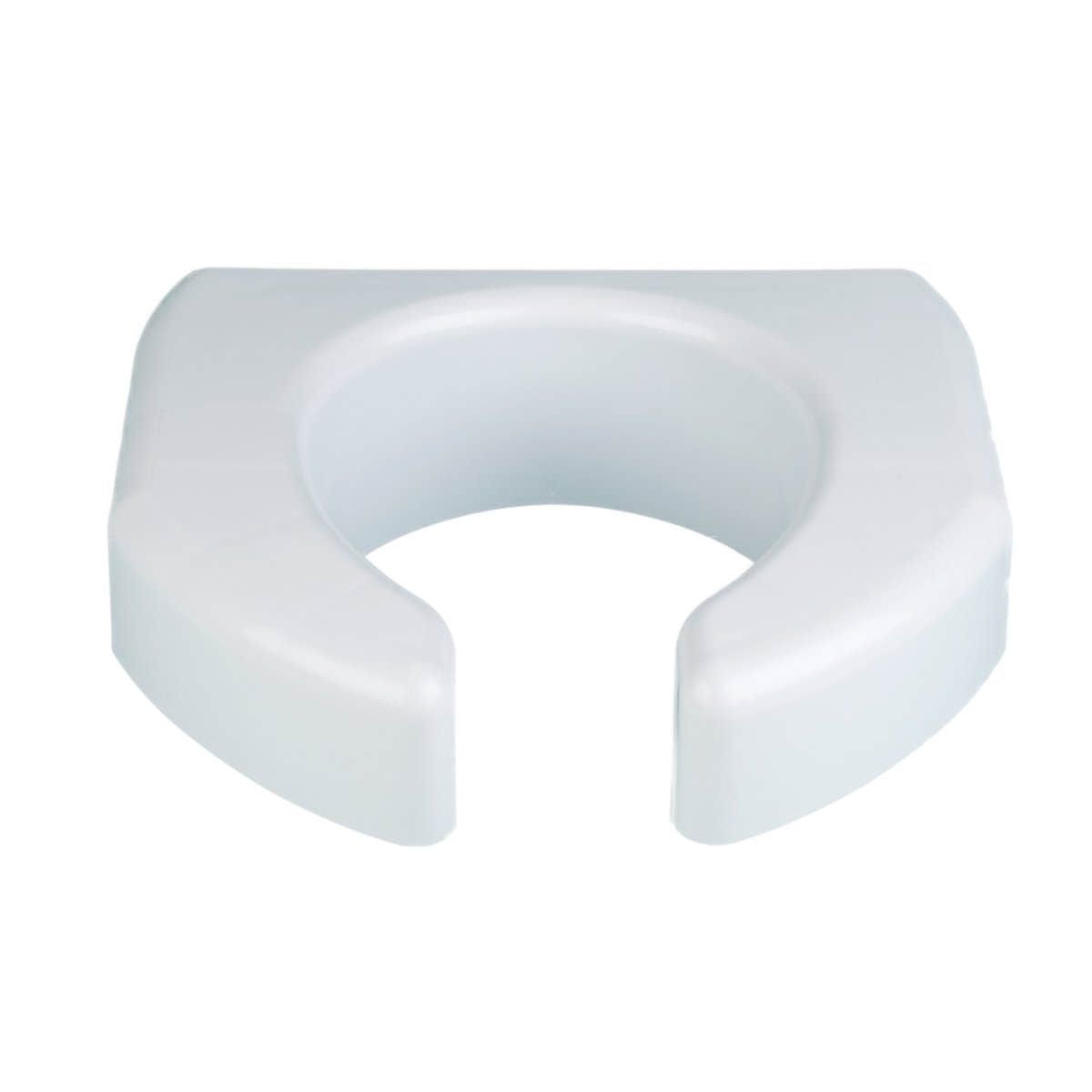
Maddak Basic Open Front Elevated Toilet Seat - 893055_EA - 1
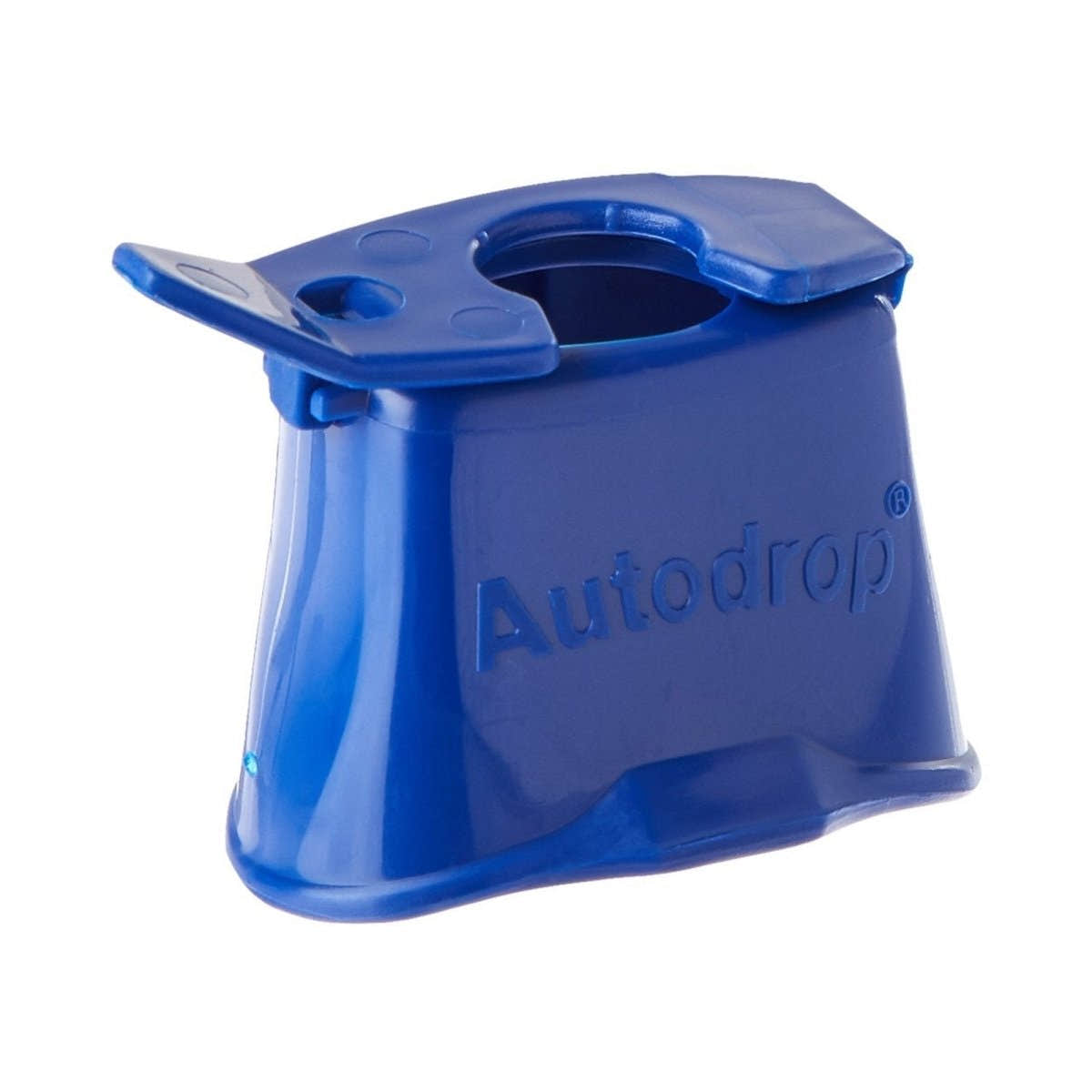
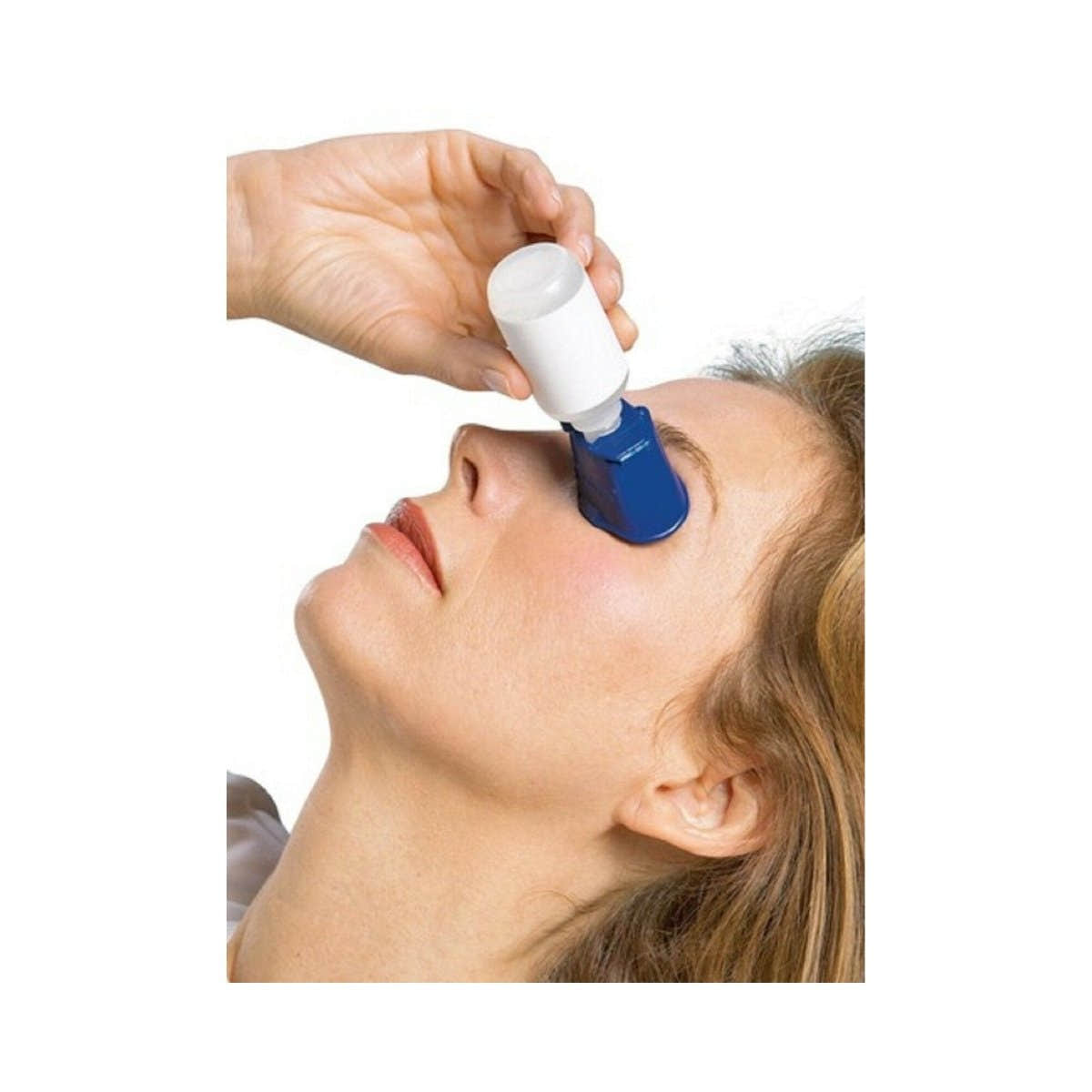
Maddak Autodrop Eye Drop Guide - 972683_EA - 1
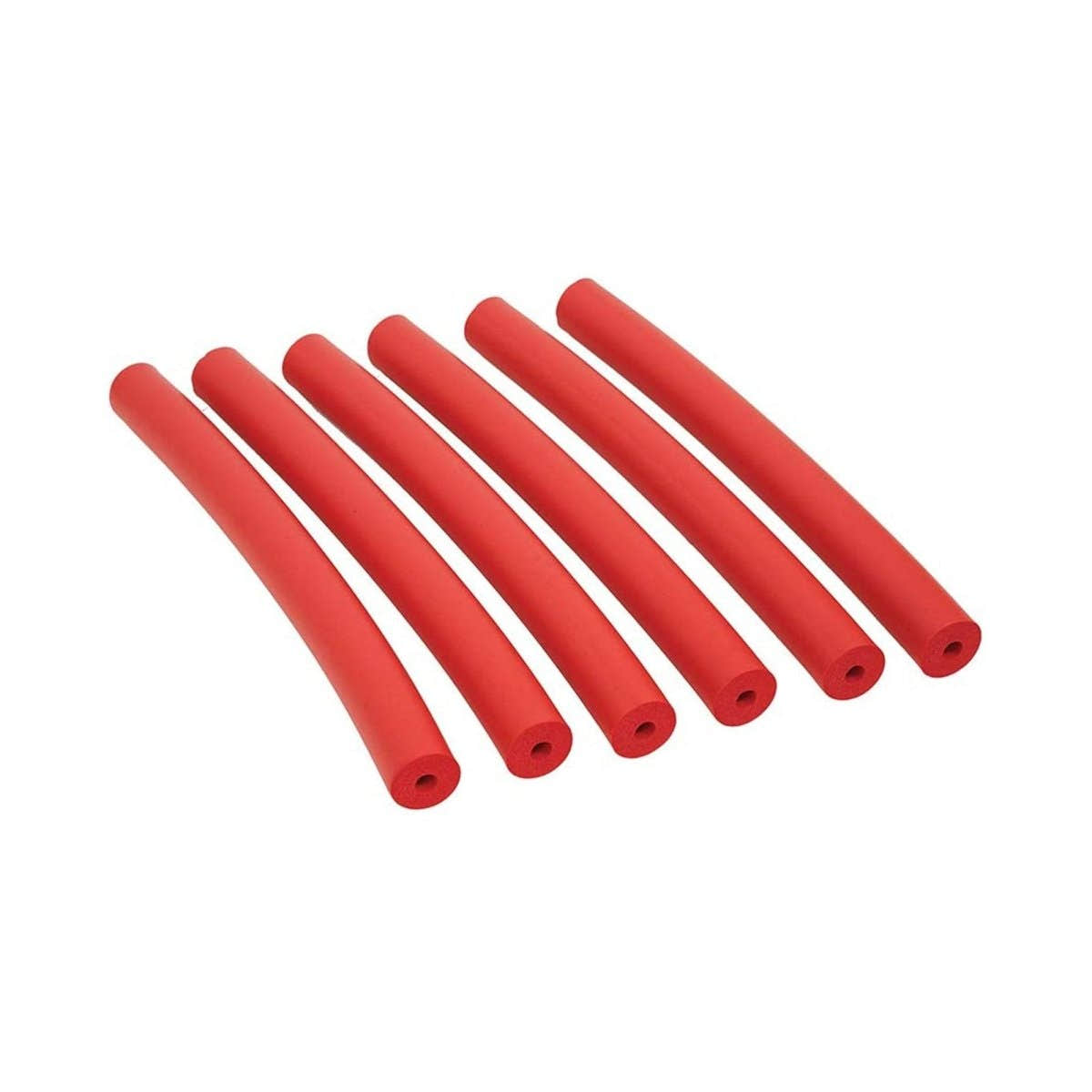
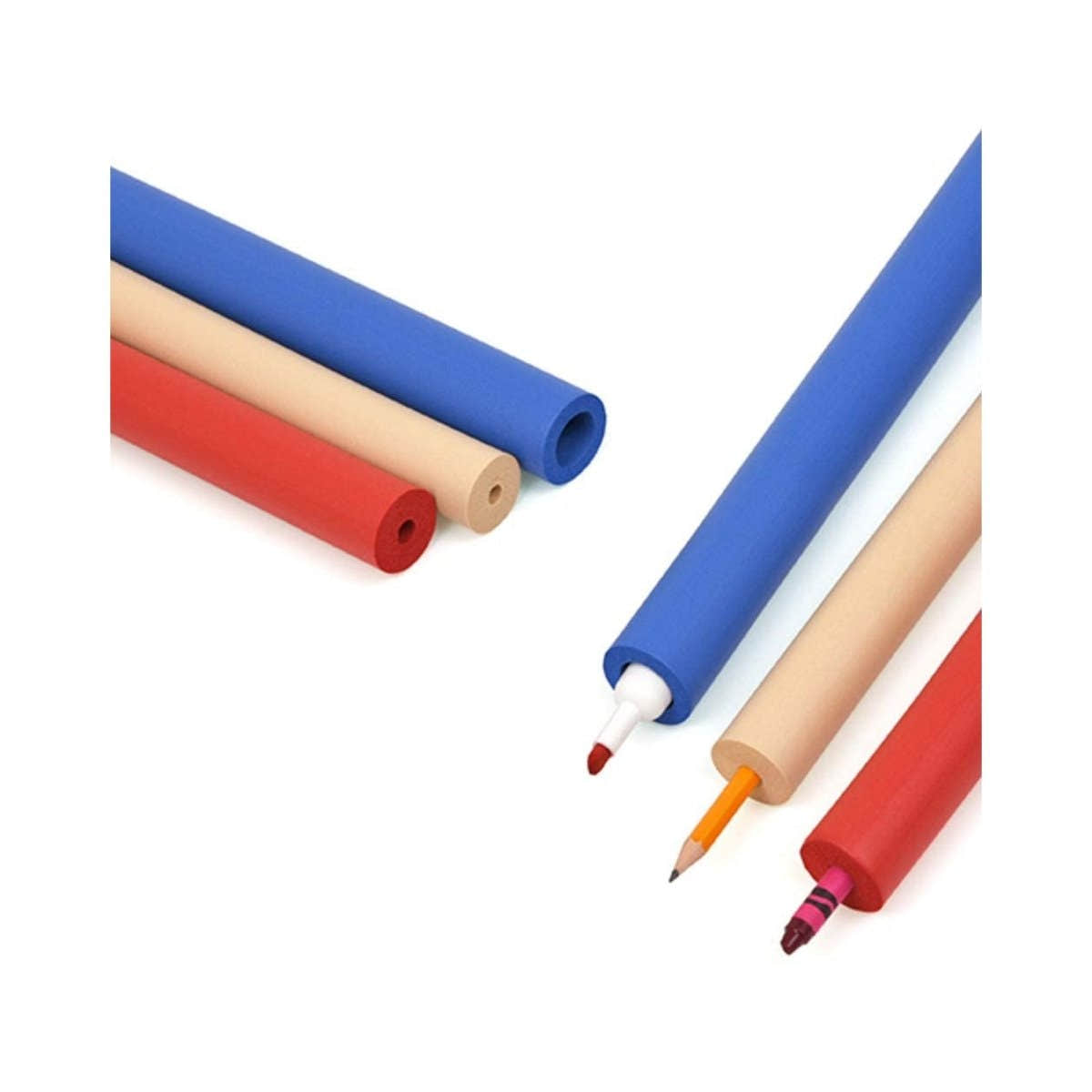
Maddak Closed Cell Foam Tubing - 766117_PK - 1
Maddak Bag Hook for Walker / Bed Rail - 972723_EA - 1
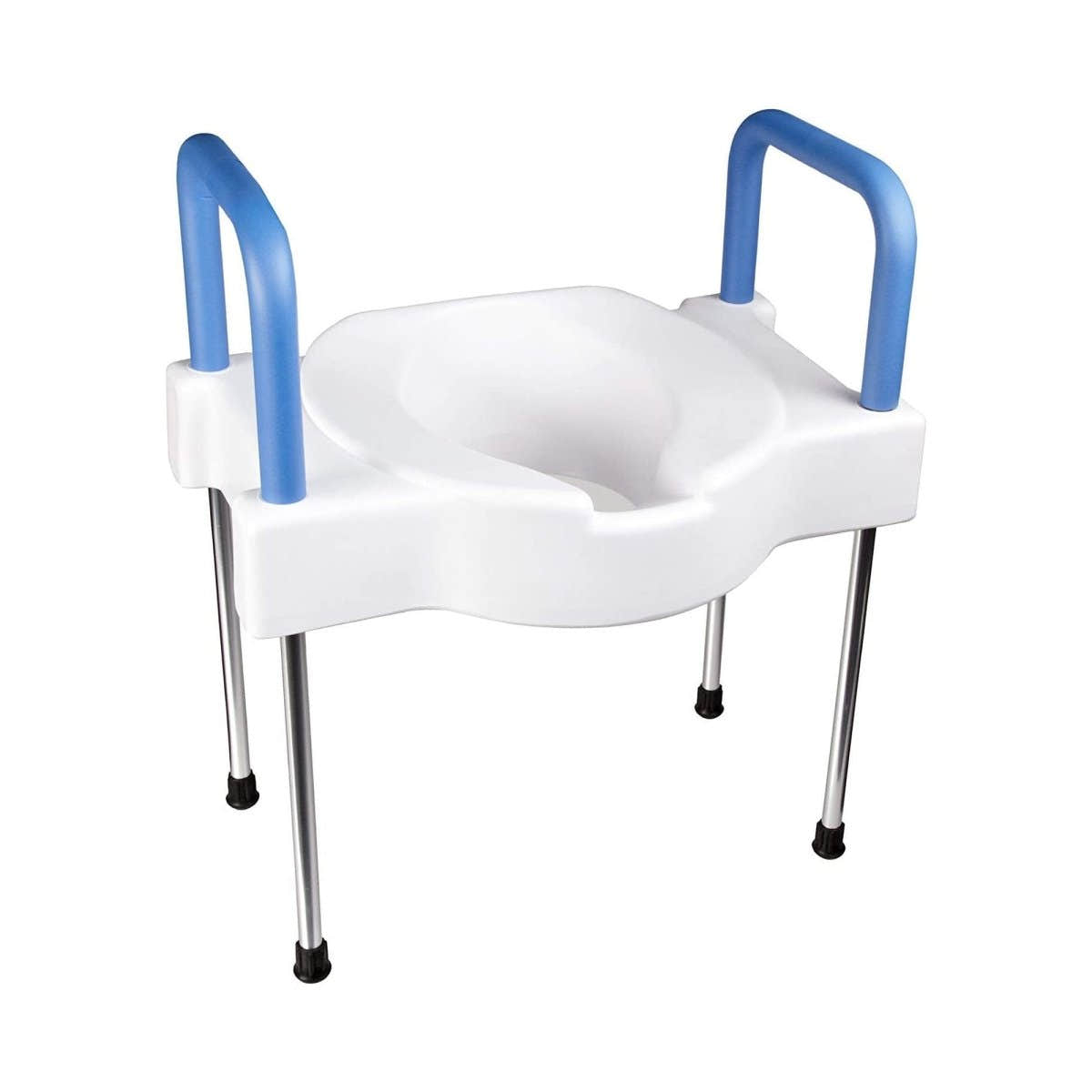
Maddak Extra Wide Tall-Ette Elevated Toilet Seat - 634039_EA - 1
Bath Safe Elongated Elevated Toilet Seat with Arms - 879825_EA - 1
Maddak Open Front Elevated Toilet Seat - 972671_EA - 1

Frequently Asked Questions about Maddak

Maddak daily living aids are adaptive equipment products designed to help people with limited mobility, strength, or dexterity perform everyday tasks more safely and independently. The Maddak collection covers a wide range of needs, from bathroom safety to grip assistance, making daily routines more manageable for people recovering from surgery or living with chronic conditions.

Raised toilet seats are designed for people who have difficulty sitting down or standing up from a standard toilet due to hip surgery recovery, arthritis, limited leg strength, or mobility impairments. Occupational therapists frequently recommend elevated toilet seats as a practical way to reduce joint strain and lower the risk of falls in the bathroom.

Start by measuring your toilet bowl shape — standard round bowls and elongated bowls require different seat sizes, so confirming your bowl dimensions before purchasing is essential. Also consider whether you need armrests for added stability, a locking bracket for security, or extra width to accommodate your body size comfortably.

A hinged elevated toilet seat has a lid or seat section that flips up or folds back, making it easier to clean the toilet and giving caregivers better access during toileting assistance. A non-hinged raised toilet seat is a simpler, often more lightweight option that works well for users who do not need that added access feature.

Yes, a raised toilet seat with arms provides sturdy side handles that give users something to grip when lowering down or pushing up from the toilet, which significantly improves stability for people with balance concerns. Choosing a model with a secure locking bracket adds an extra layer of safety by preventing the seat from shifting during use.

Clean a raised toilet seat regularly using mild soap and warm water, wiping down all surfaces including the underside and any armrests to prevent bacteria buildup. Avoid harsh chemical cleaners or abrasive scrubbers, as these can degrade the seat material over time and compromise the integrity of locking mechanisms or suction components.

Yes, closed cell foam tubing is a safe, non-toxic material commonly used to build up the handles of utensils, pens, toothbrushes, and other everyday tools to make them easier to grip. Closed cell foam tubing resists moisture absorption, which makes it hygienic and durable for repeated daily use on items that may come into contact with food or water.

Place the eye drop guide against the bony orbit of the eye socket so the opening aligns directly over the eye, then squeeze the dropper through the guide opening to deliver the drop accurately. An eye drop guide helps people with hand tremors, limited dexterity, or vision difficulties self-administer eye drops without missing the eye or contaminating the dropper tip.

Gait belts are used because they give caregivers a secure, controlled grip around a patient's waist during transfers, standing assistance, and ambulation, which reduces the risk of dropping or injuring the patient. Using a gait belt also protects the caregiver's back by providing a stable point of leverage rather than grabbing clothing or limbs during assists.

An adjustable shower seat with arms and a back should have height-adjustable legs to fit different tub and shower configurations, non-slip rubber feet to prevent sliding, and a weight capacity that meets the user's needs. Look for a seat with drainage holes or an open design to prevent water pooling, and confirm the armrests are positioned at a height that makes it easy to push up to standing.

Recently viewed