Patient Apparel

437 products

Showing 145 - 168 of 437 products

Patient Apparel: Protective Garments and Supportive Wear for Clinical and Care Settings

Whether you're outfitting a medical practice, stocking a surgical suite, or sourcing recovery and comfort wear for patients, this collection brings together over 500 apparel items designed for healthcare environments. From surgical and exam gowns to compression stockings, scrubs, protective footwear, and post-operative accessories, Patient Apparel at Cart Health covers the full range of garments used across clinical, rehabilitation, and care settings.

Showing 145 - 168 of 437 products
View
Halyard Bouffant Cap, X-Large, Blue -Case of 500Halyard Bouffant Cap - 567406_PK - 2
Halyard Bouffant Cap
Sale priceFrom $26.99
Choose options
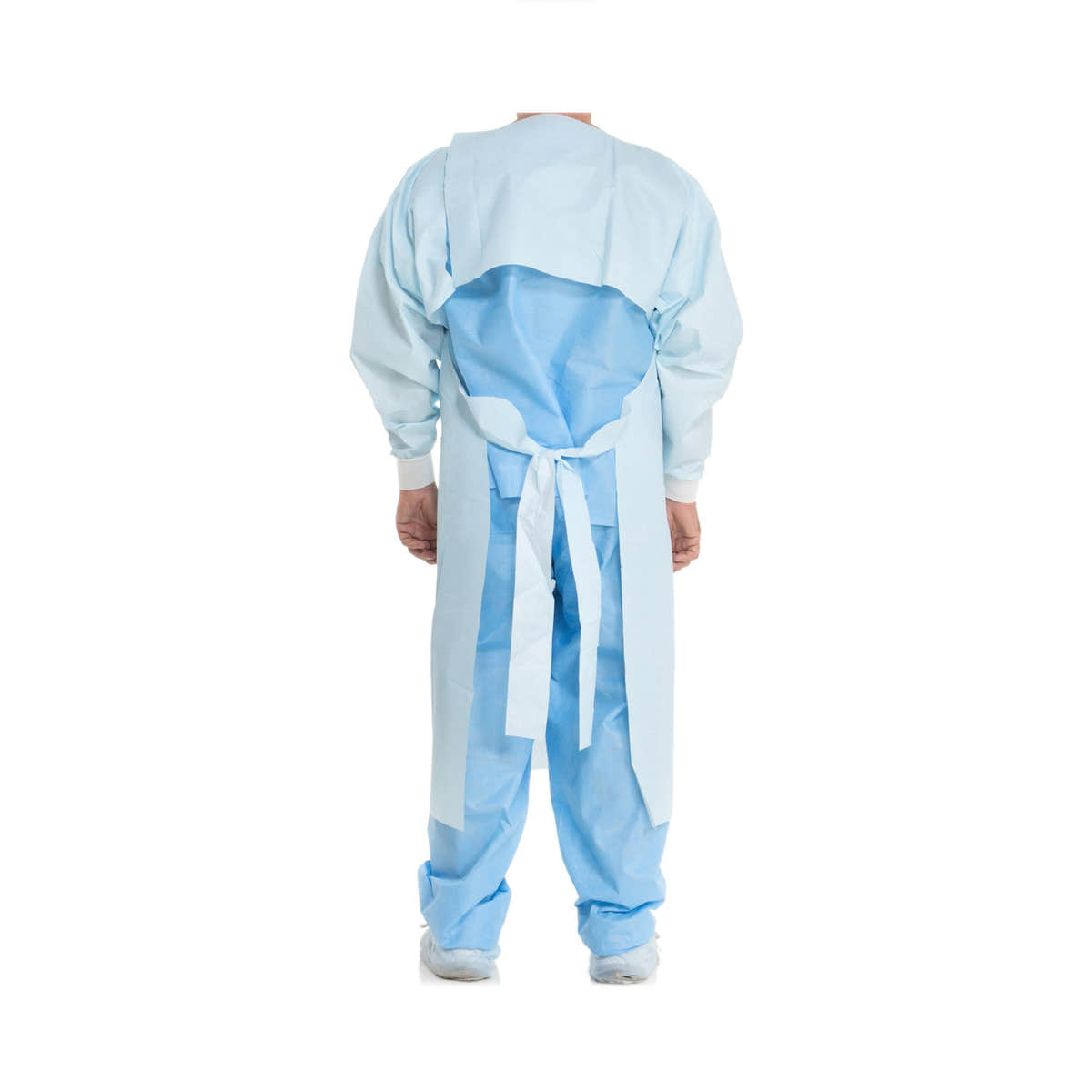
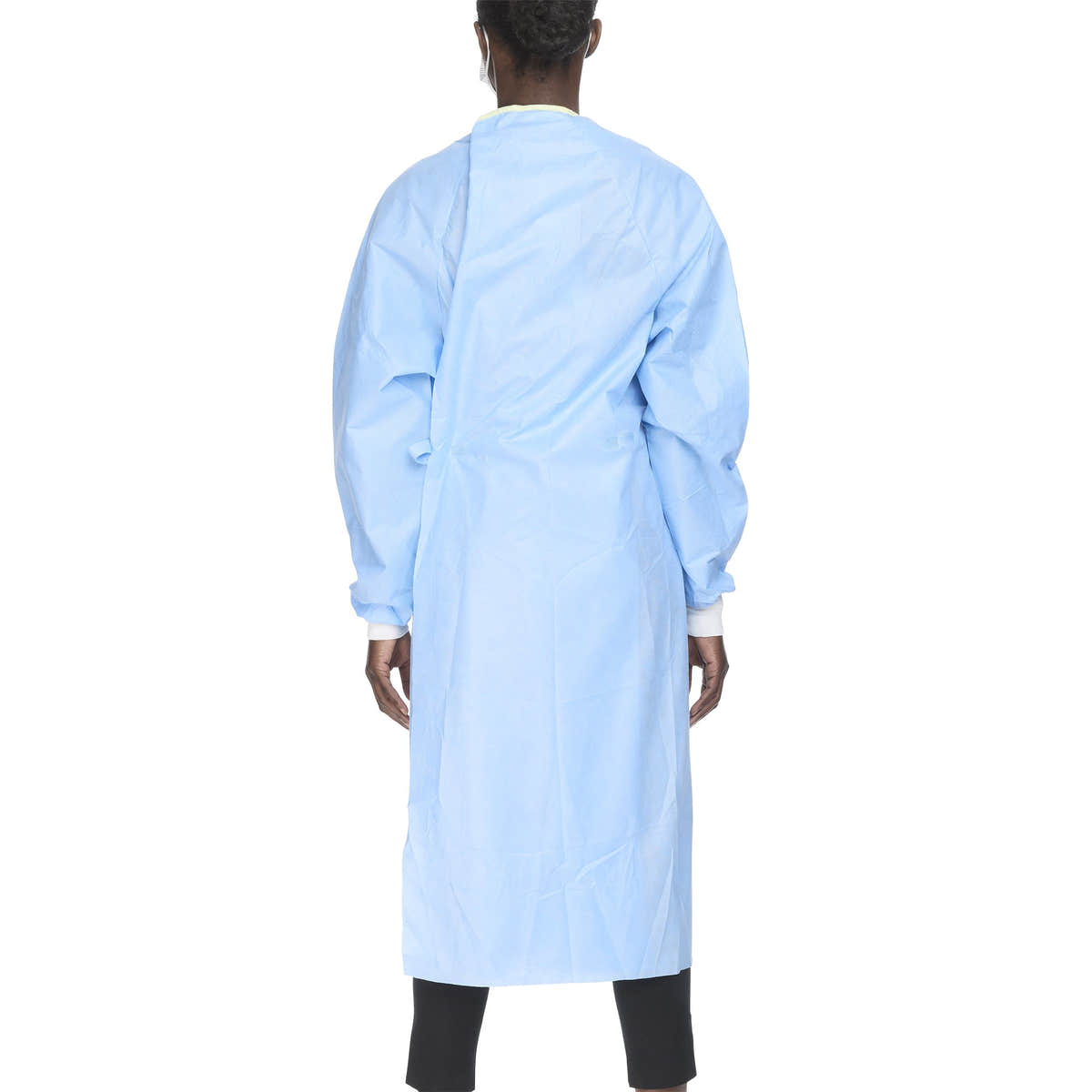
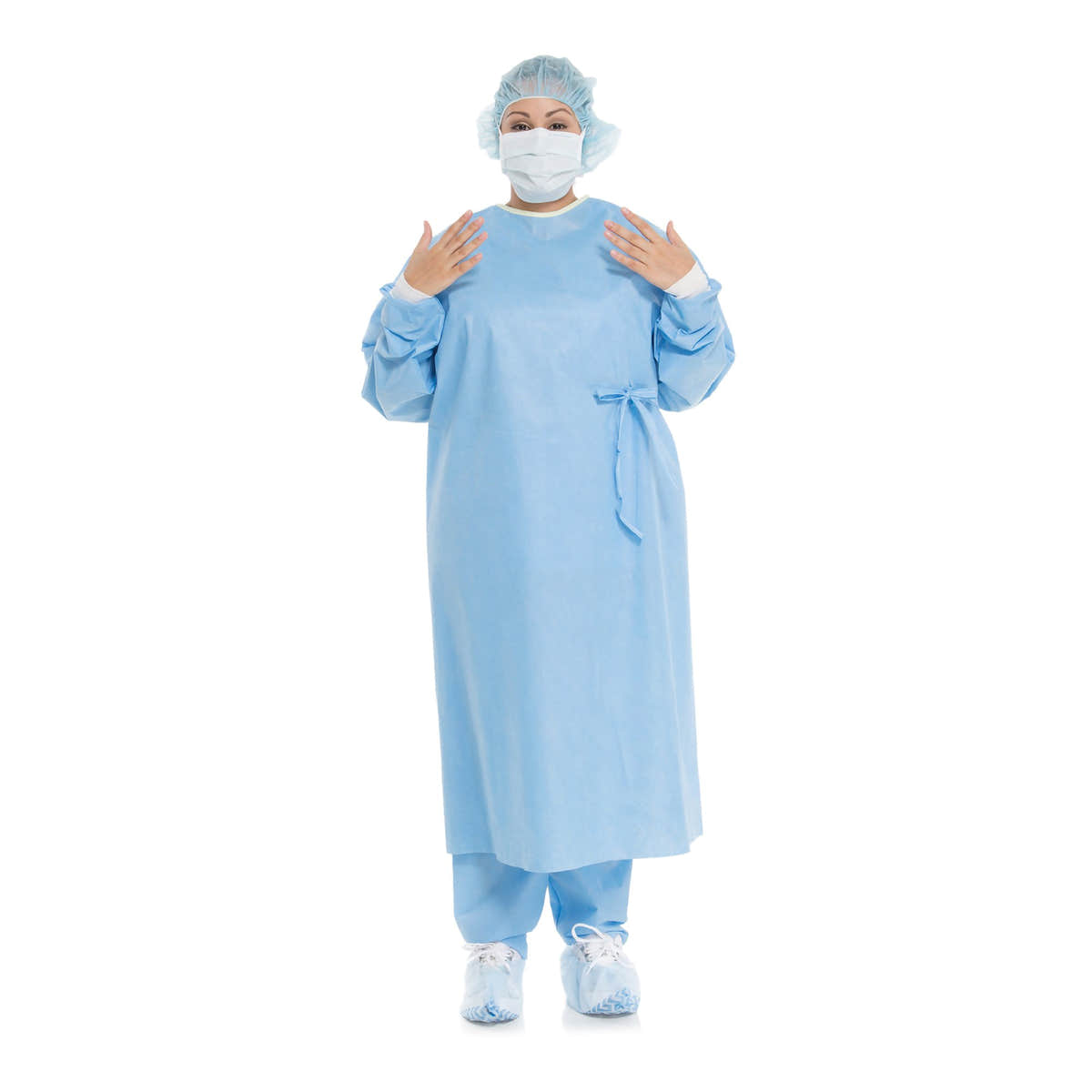
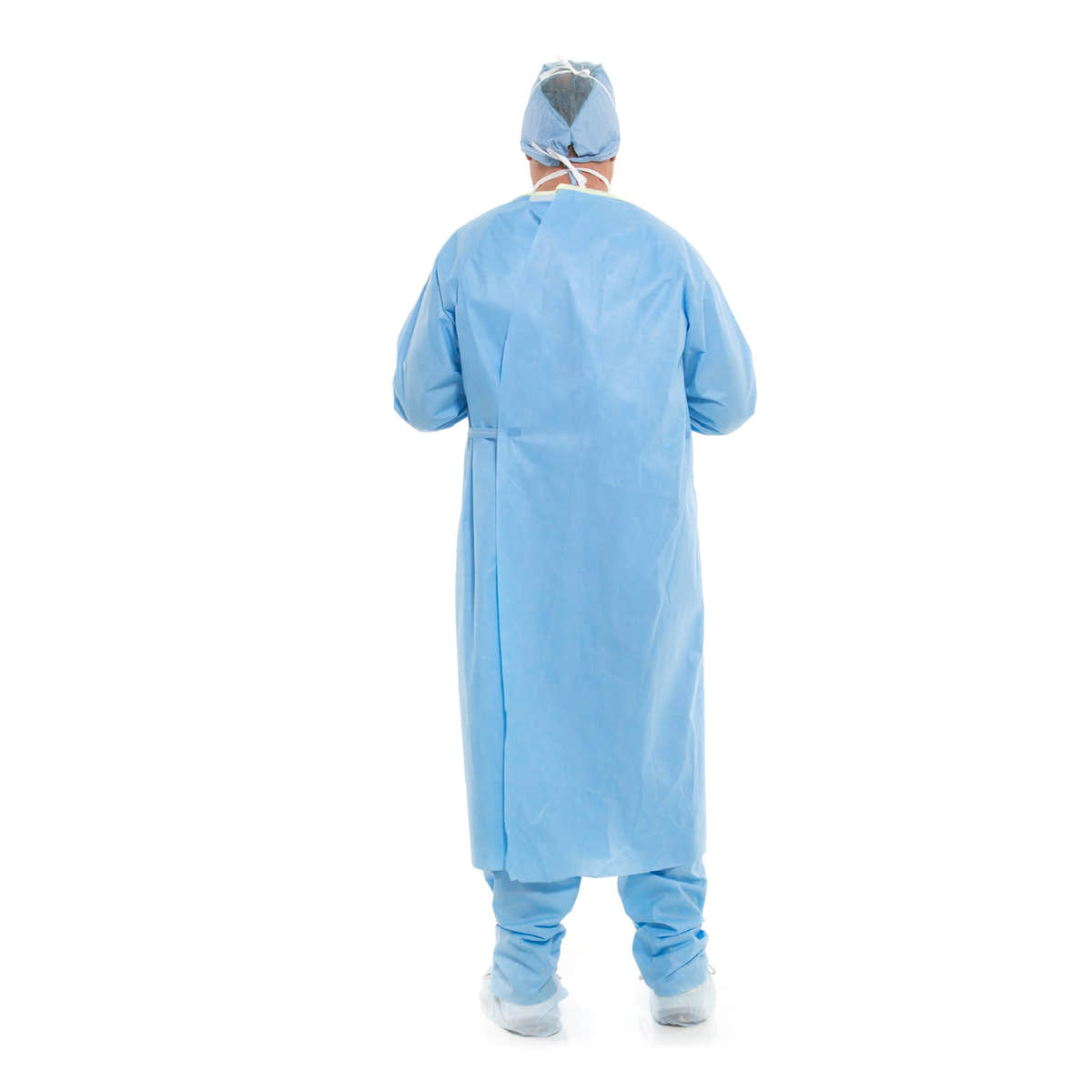
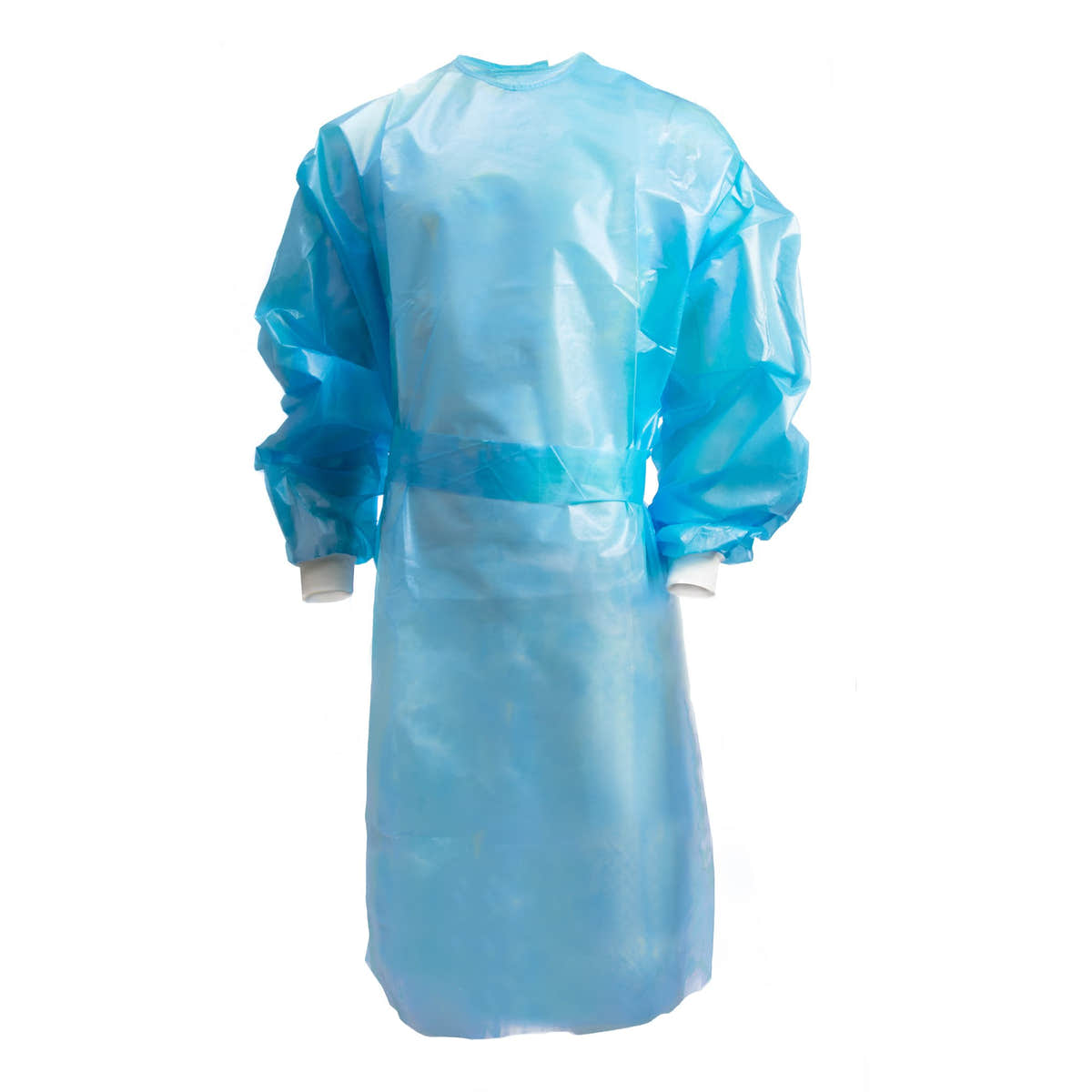
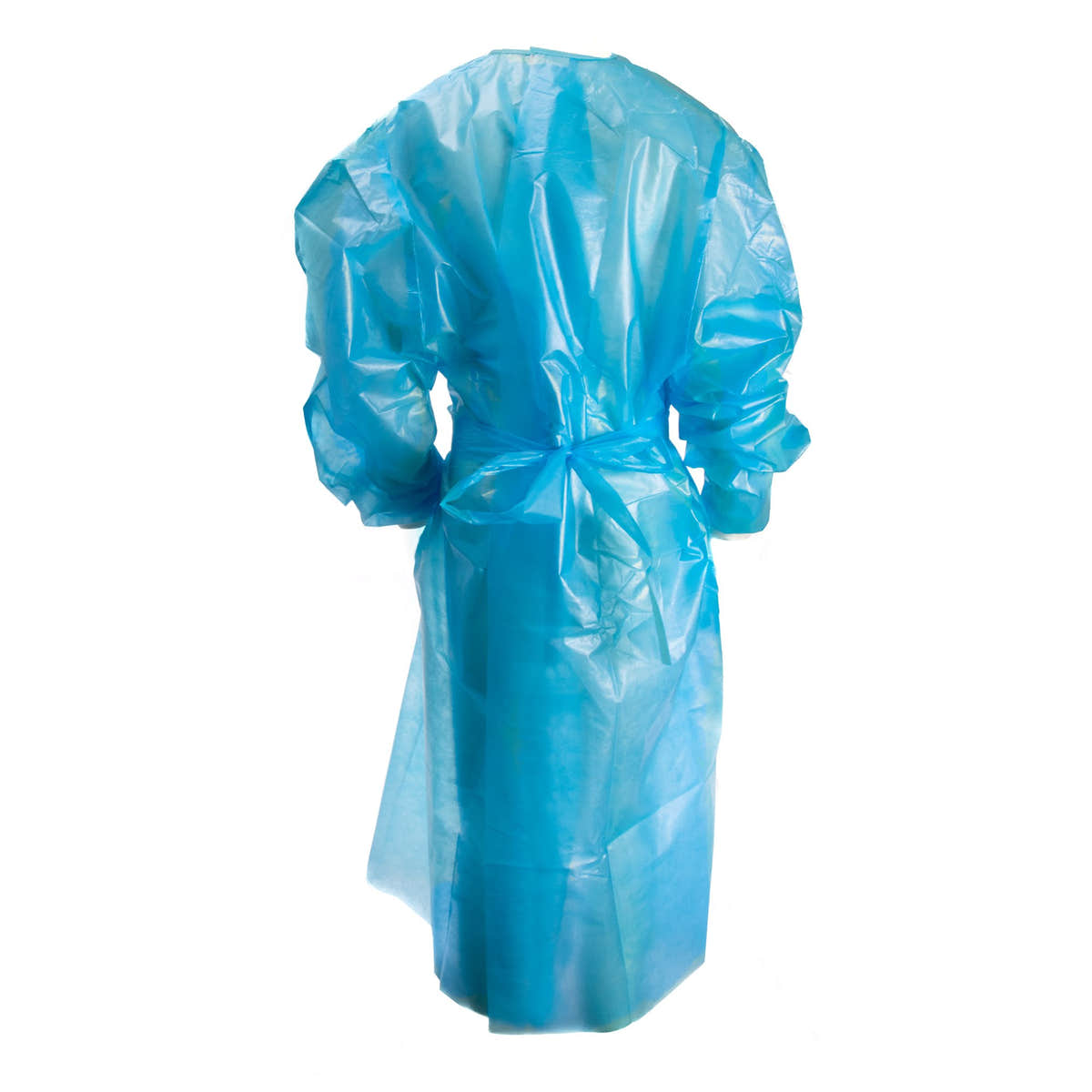
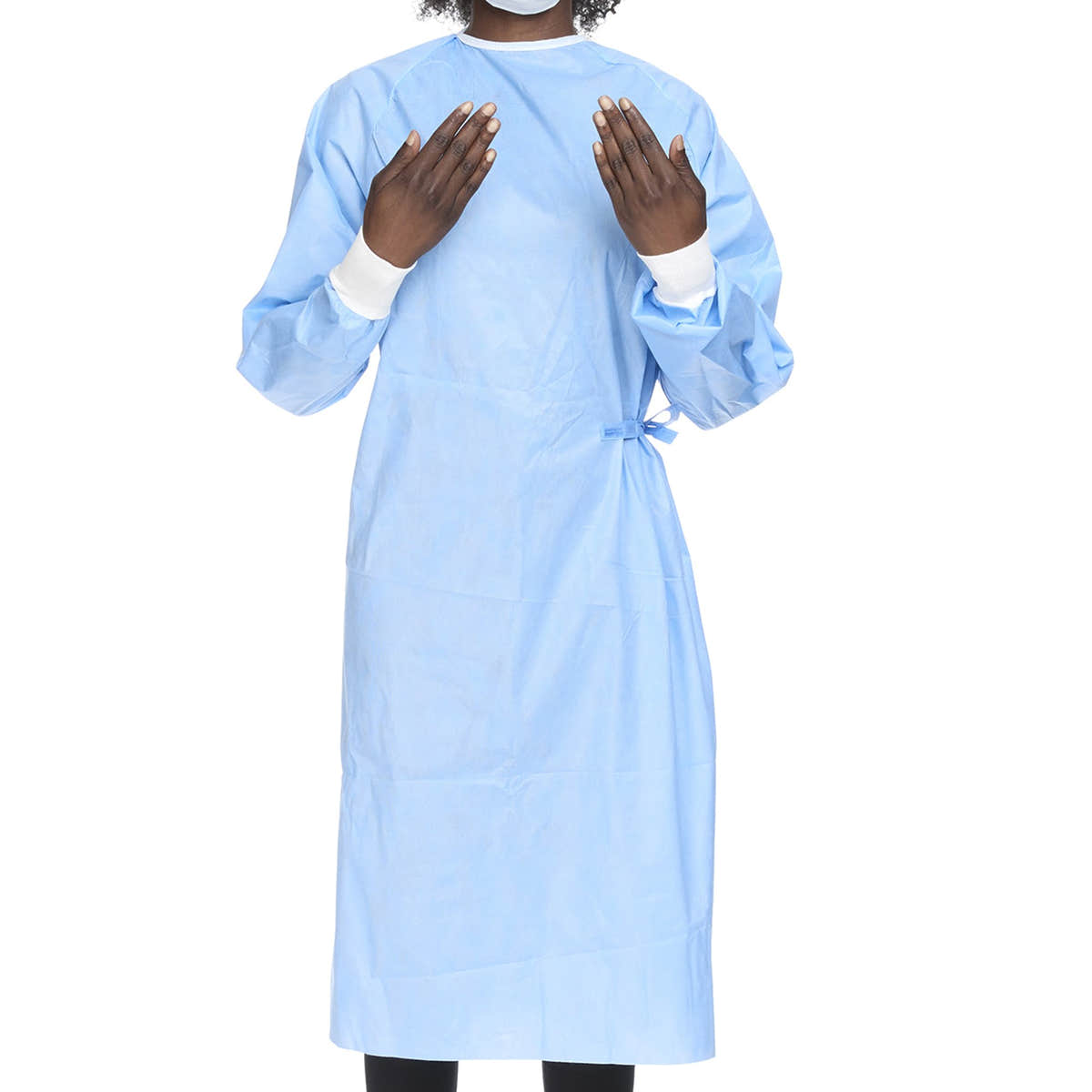
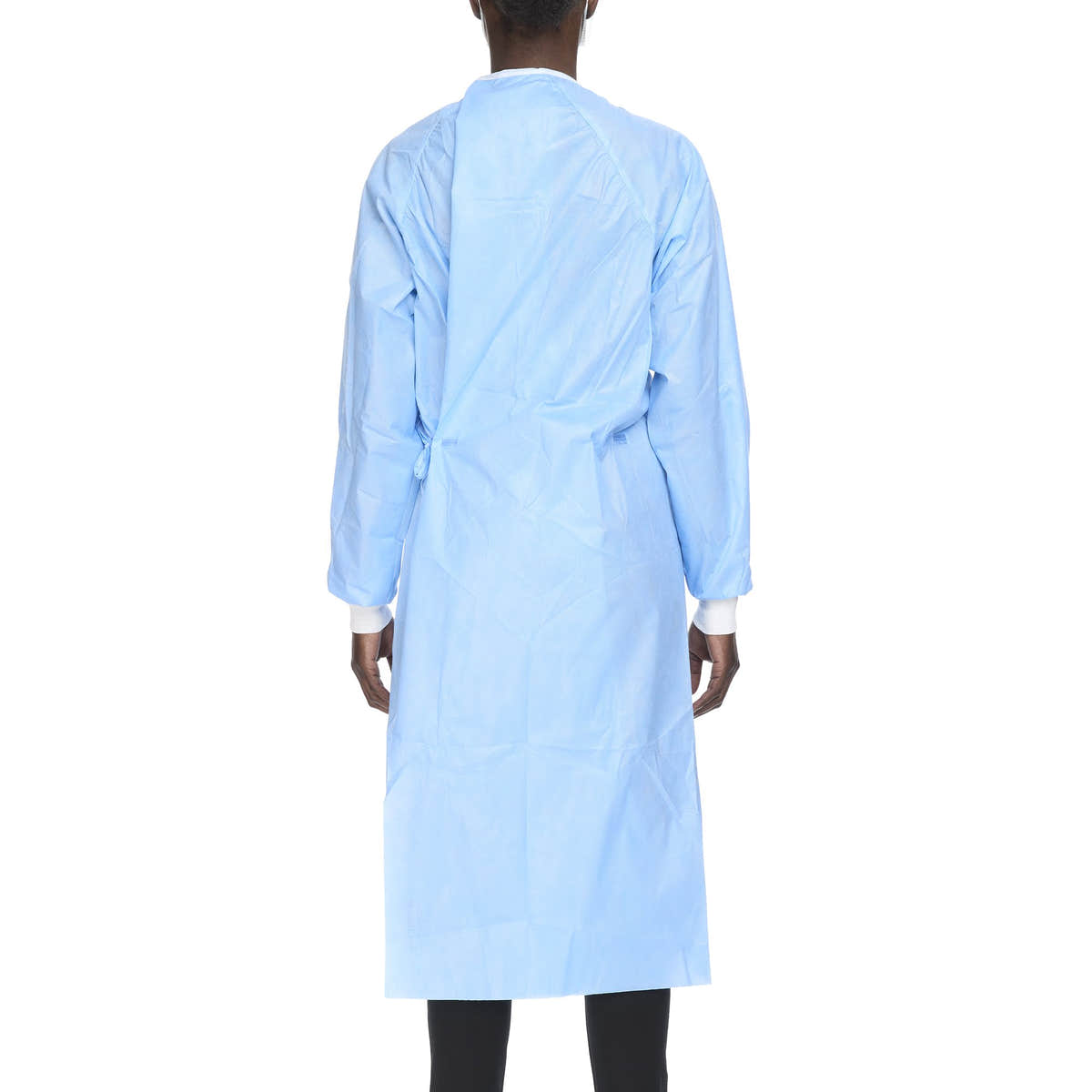
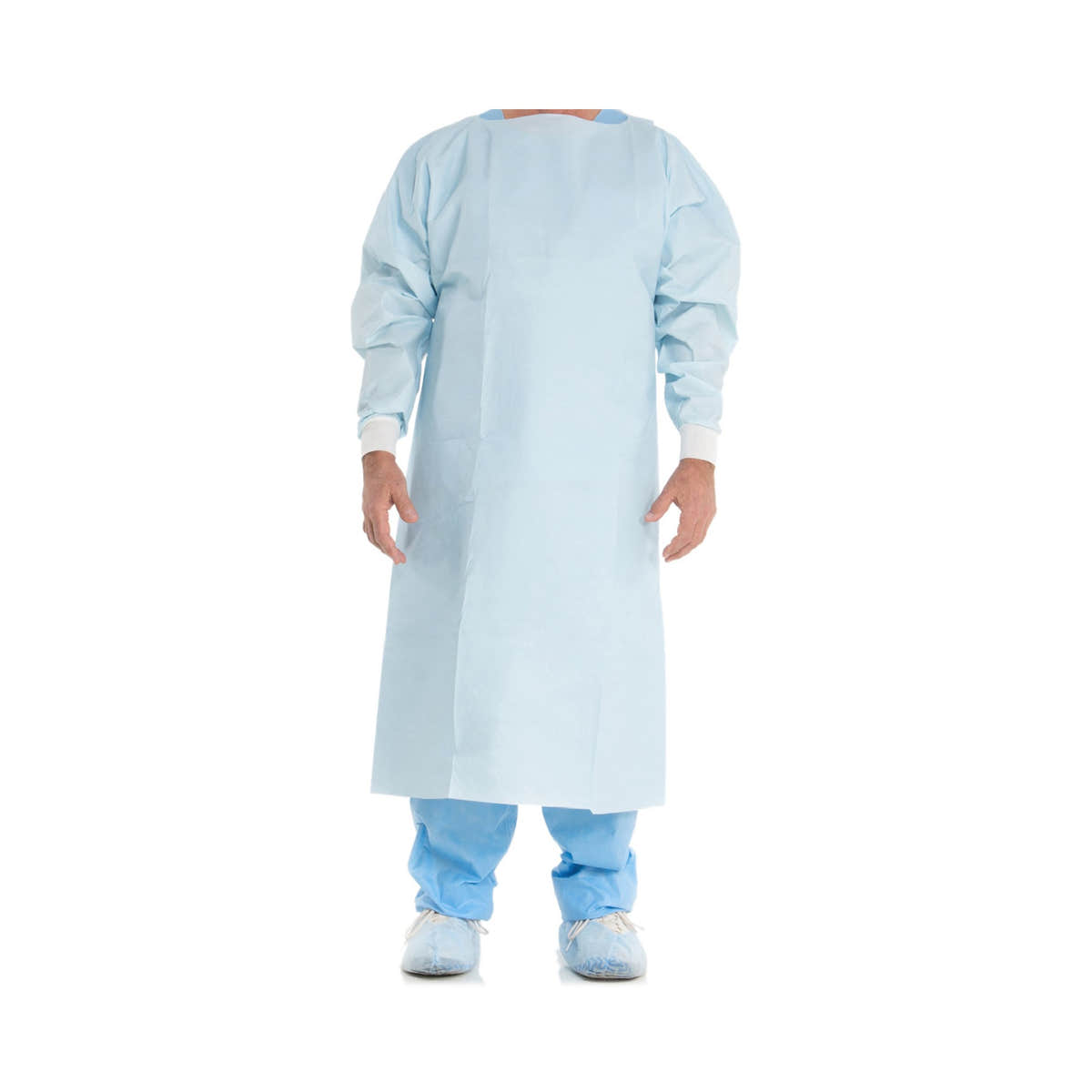
Halyard Chemotherapy Procedure Gown -Case of 100Halyard Chemotherapy Procedure Gown -Case of 100
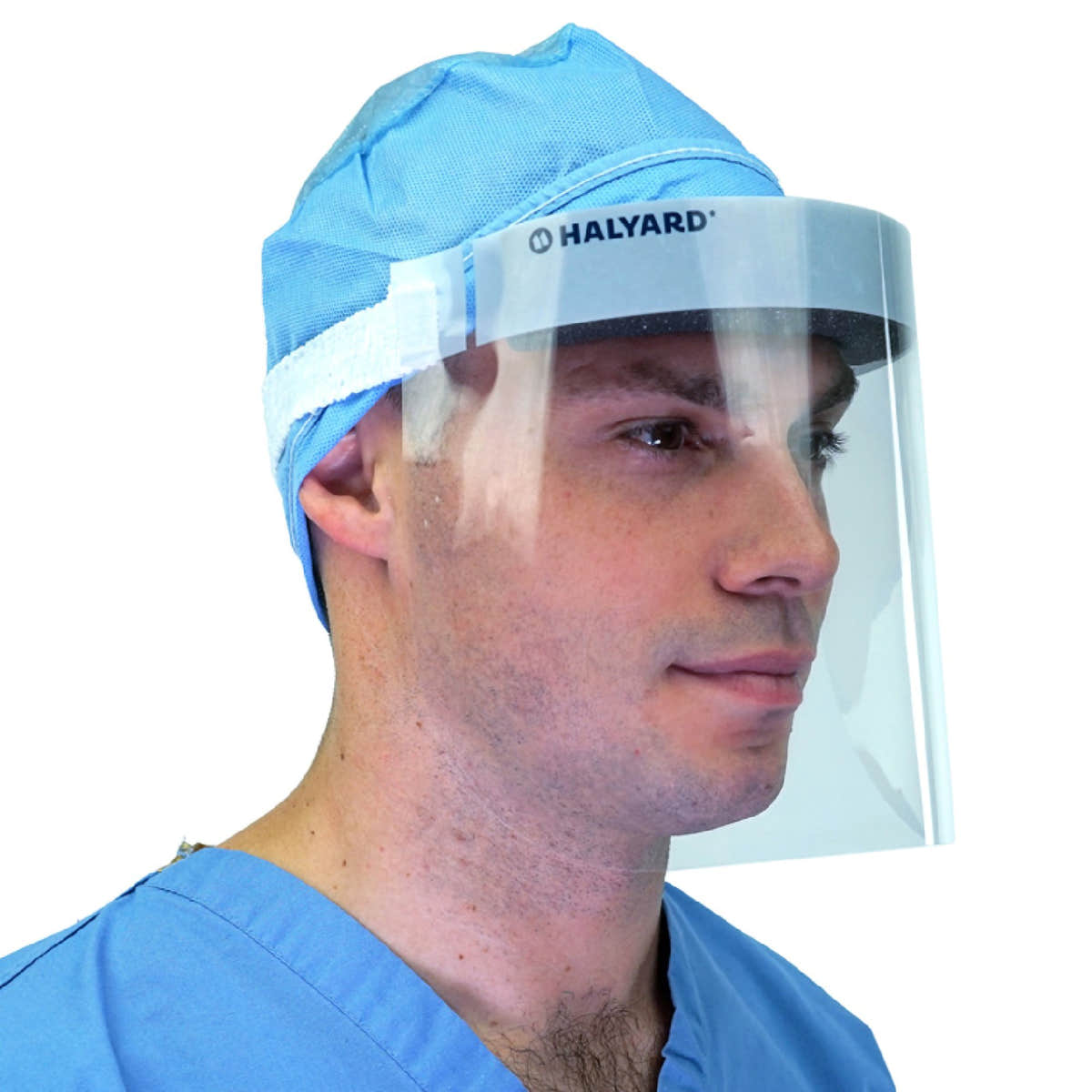
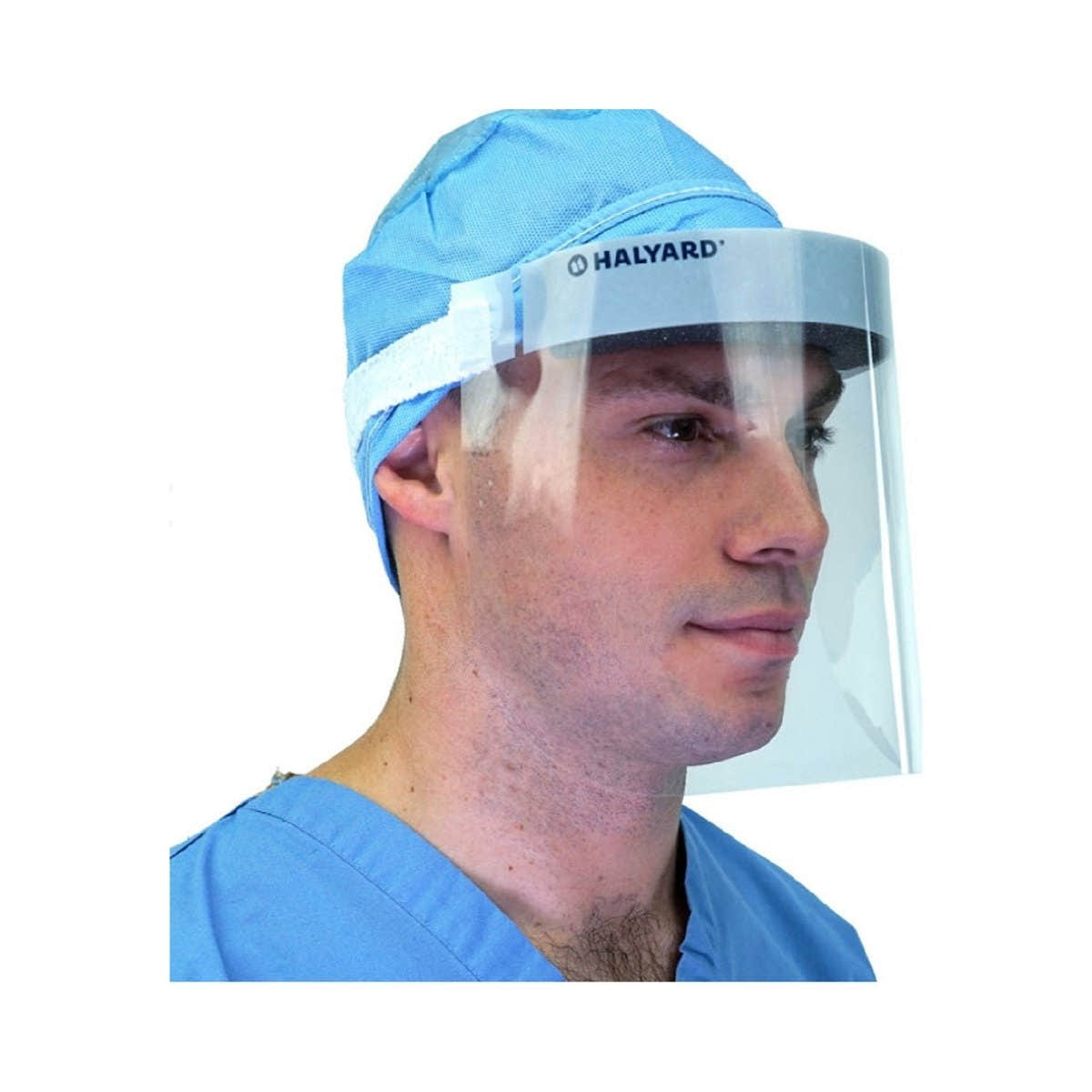
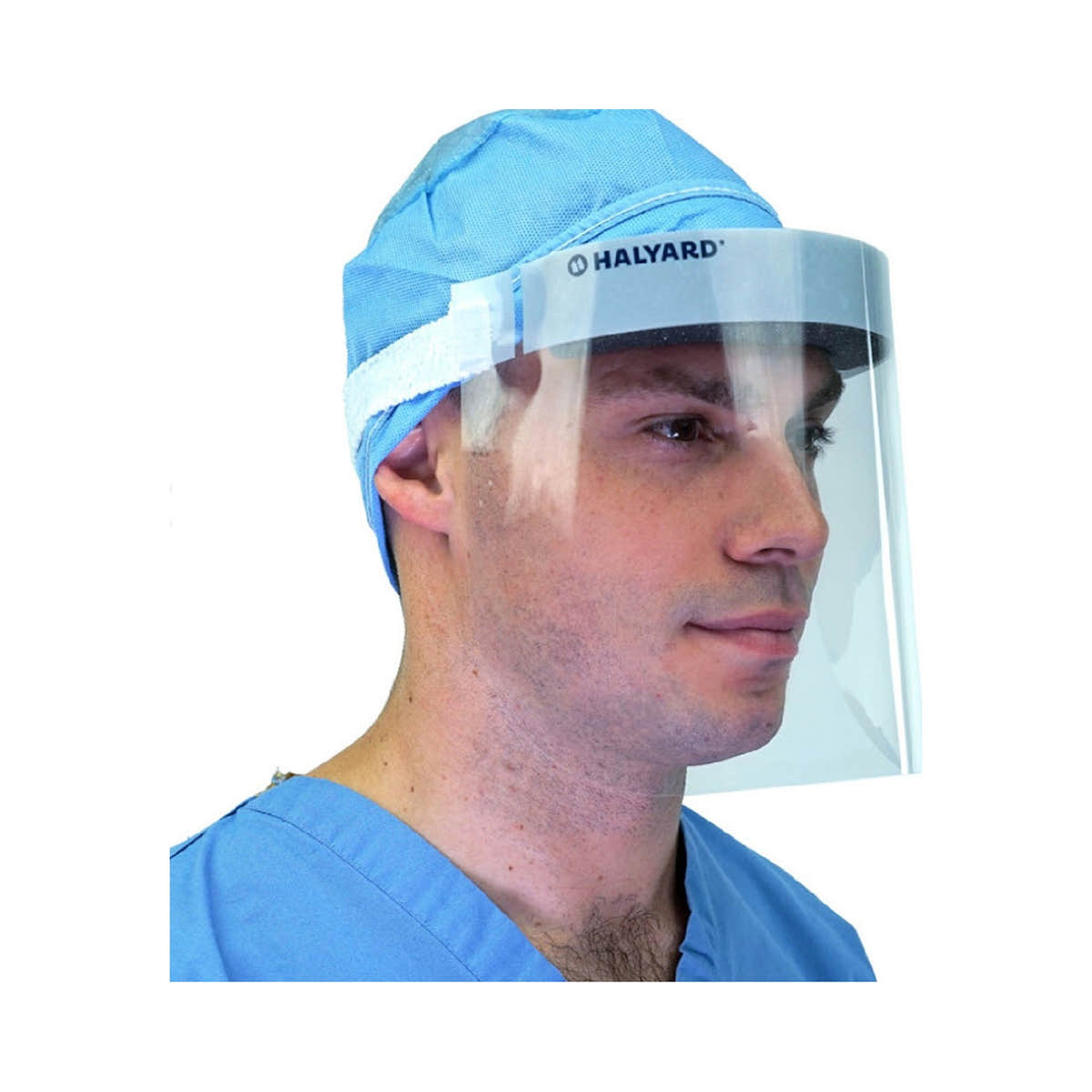
Halyard Face Shield 3/4 length -Case of 40Halyard Face Shield 3/4 length -Case of 40
Halyard Face Shield 3/4 length
Sale priceFrom $3.99
Choose options
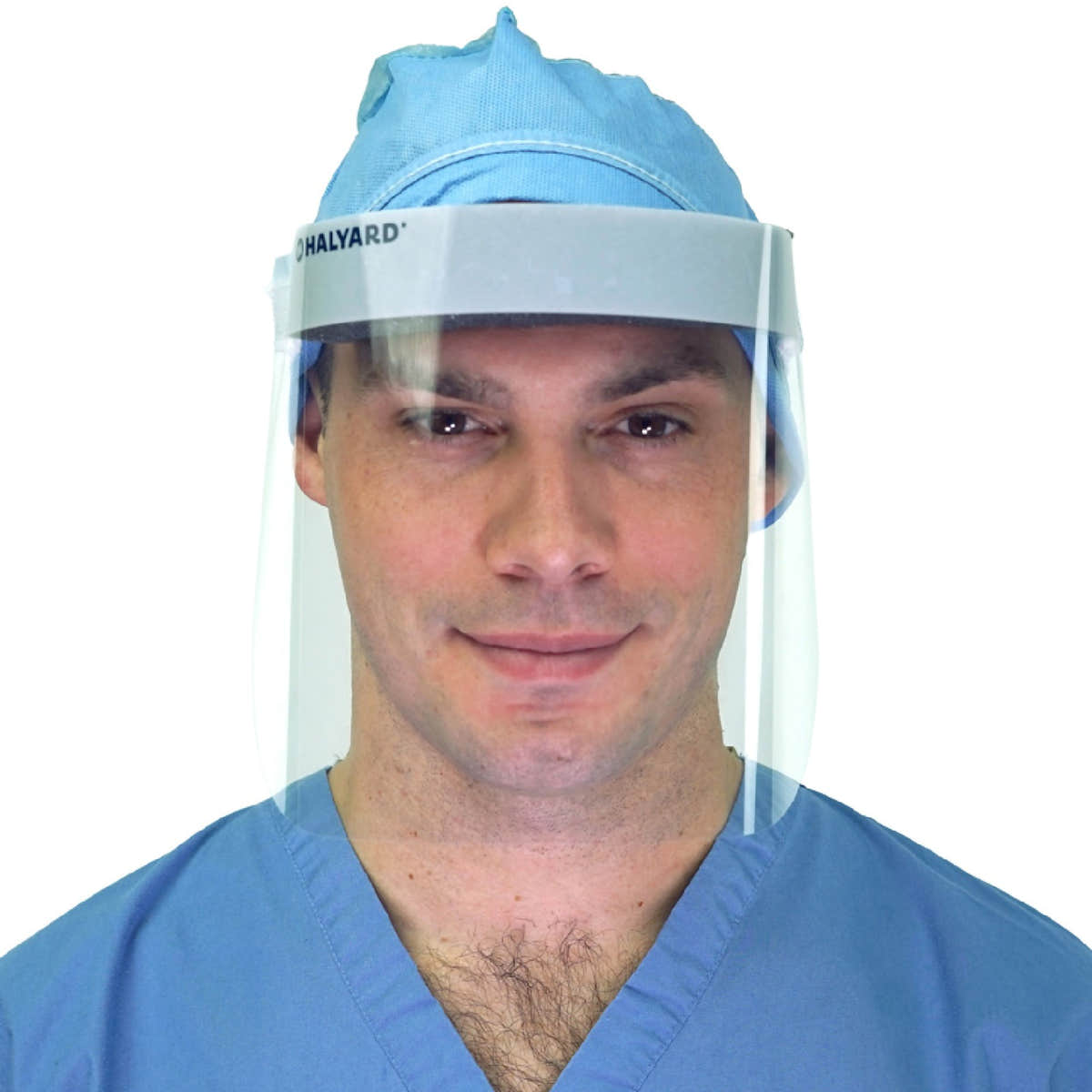
Halyard Face Shield Full Length -Case of 40Halyard Face Shield Full Length - 180156_EA - 2
Halyard Face Shield Full Length
Sale priceFrom $3.99

Choose options
Halyard Fit Test Solutions Kit - 472092_CS - 1
Halyard Fit Test Solutions Kit
Sale price$118.99
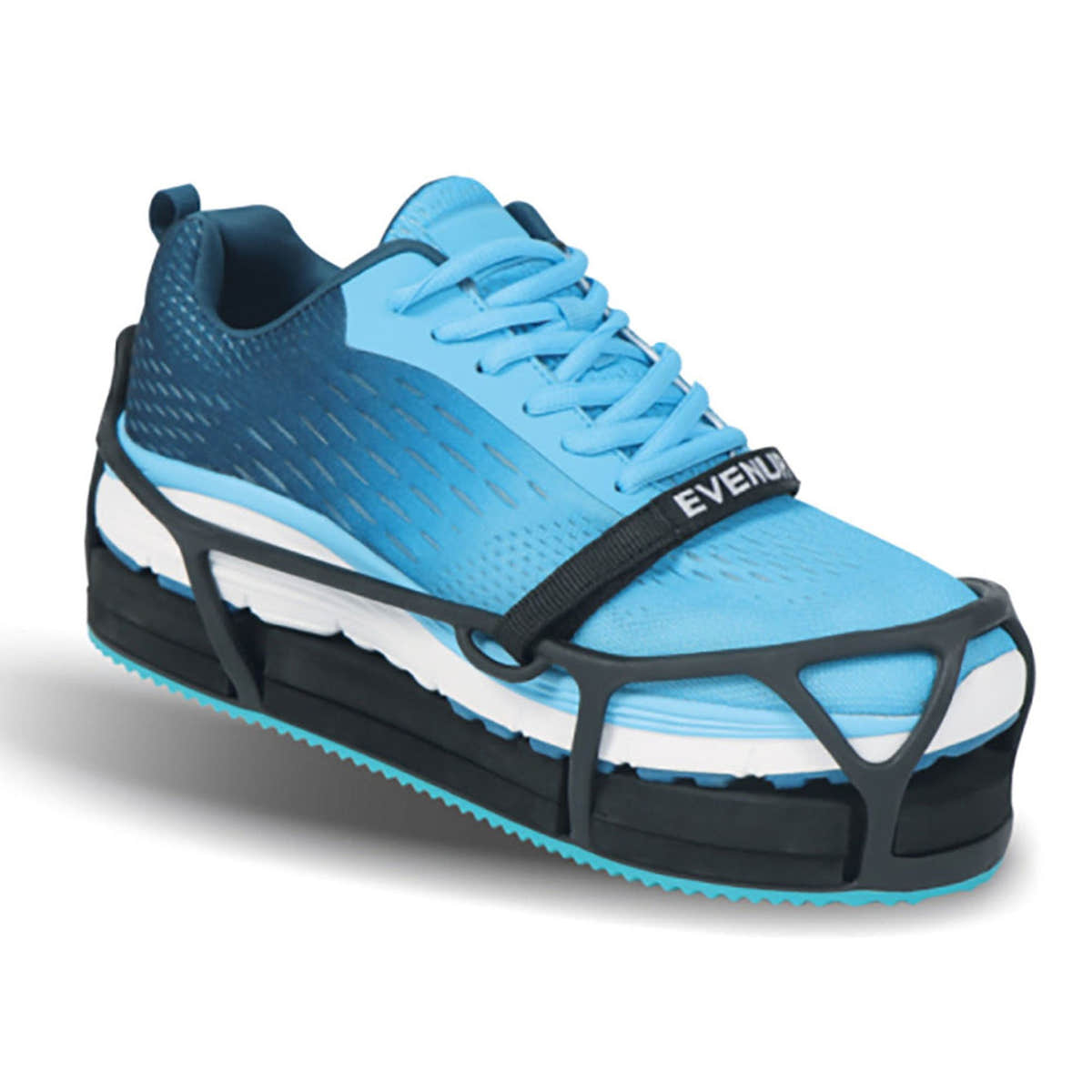
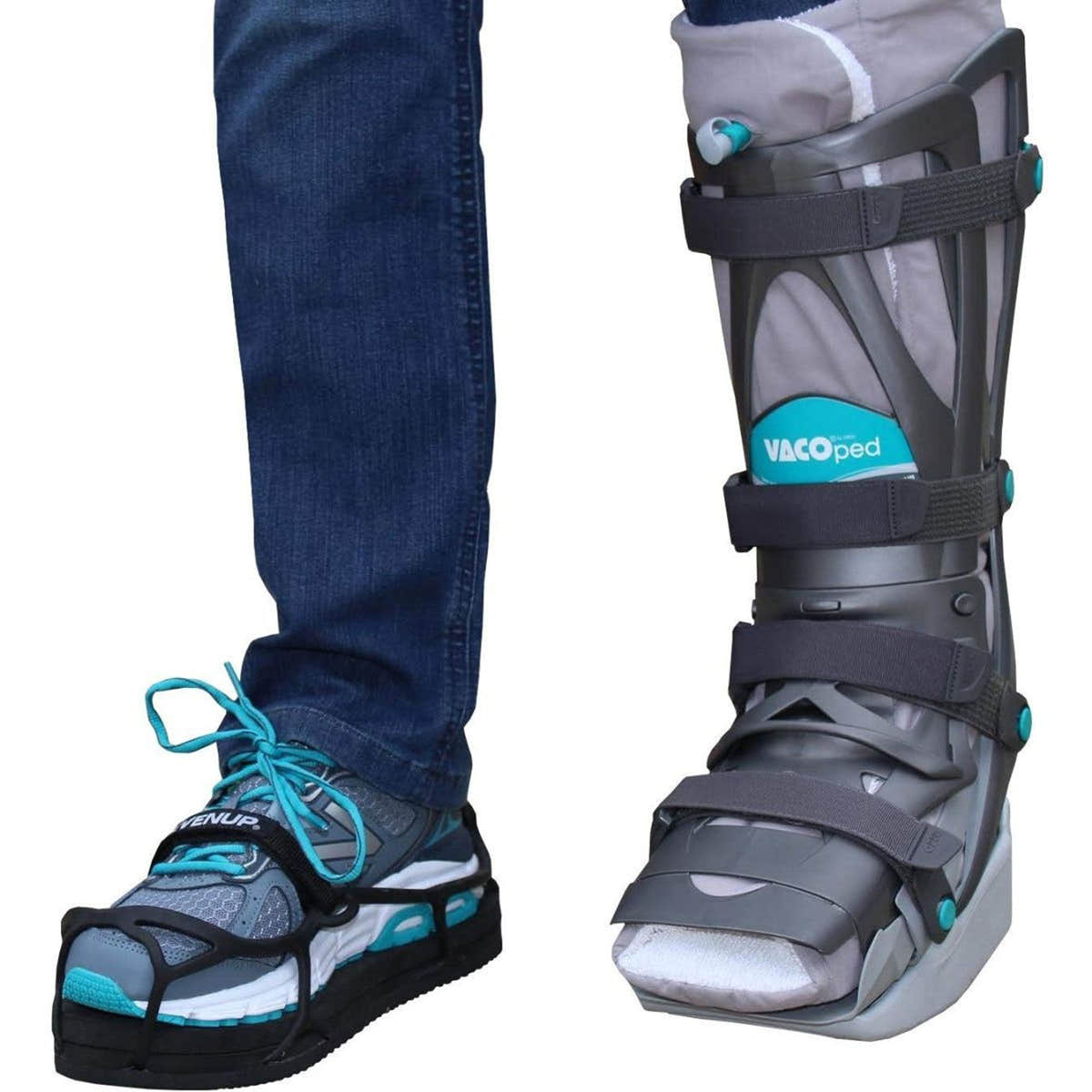
Evenup Shoe Leveler, Medium -EachEvenup Shoe Leveler, Medium -Each
Evenup Shoe Leveler
Sale priceFrom $32.99
Choose options
Ezcover Exam Cape -Case of 25
Ezcover Exam Cape
Sale price$82.99
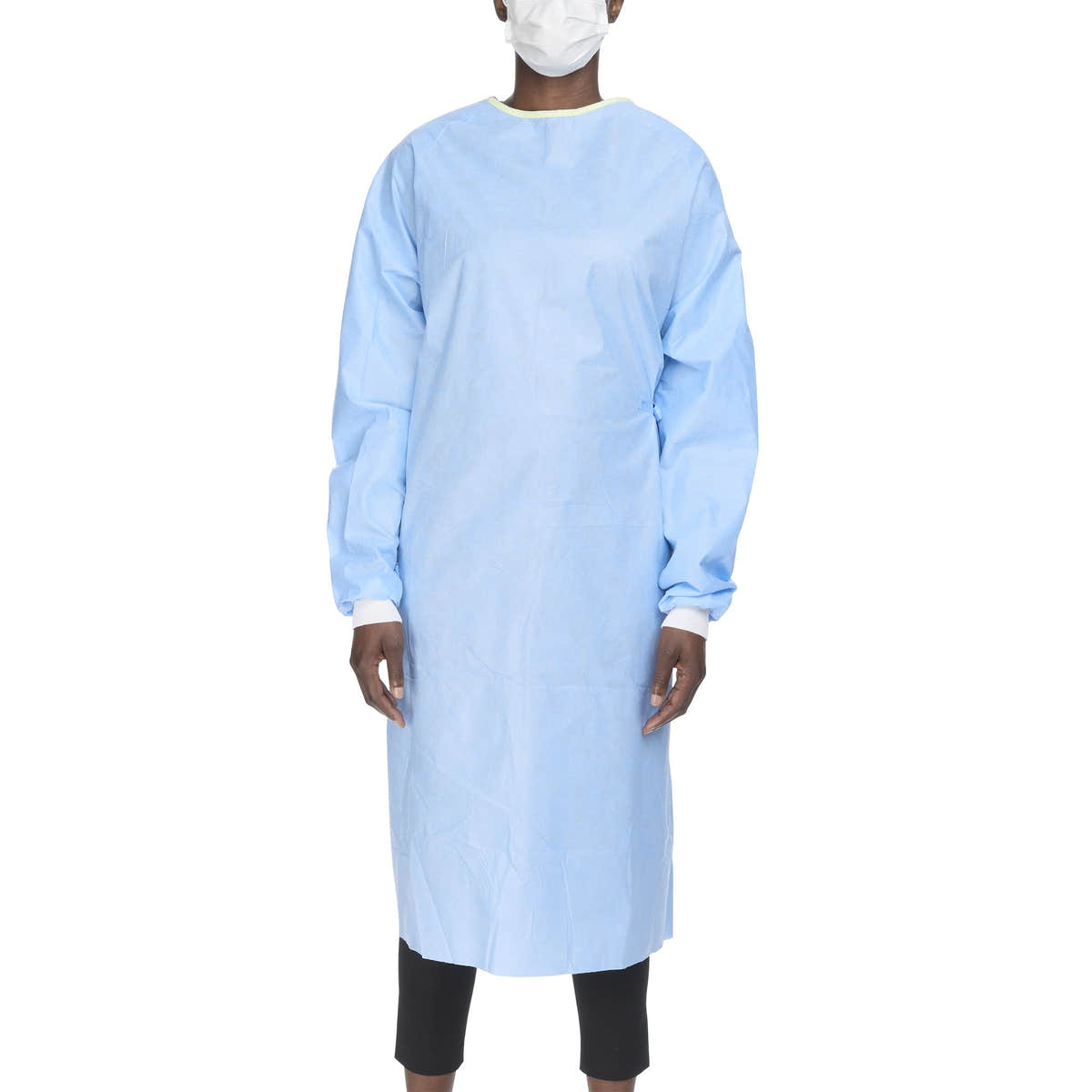
Cardinal Arm Sleeve Protector -Box of 30Cardinal Arm Sleeve Protector -Box of 30
Cardinal Arm Sleeve Protector
Sale priceFrom $3.99
Choose options
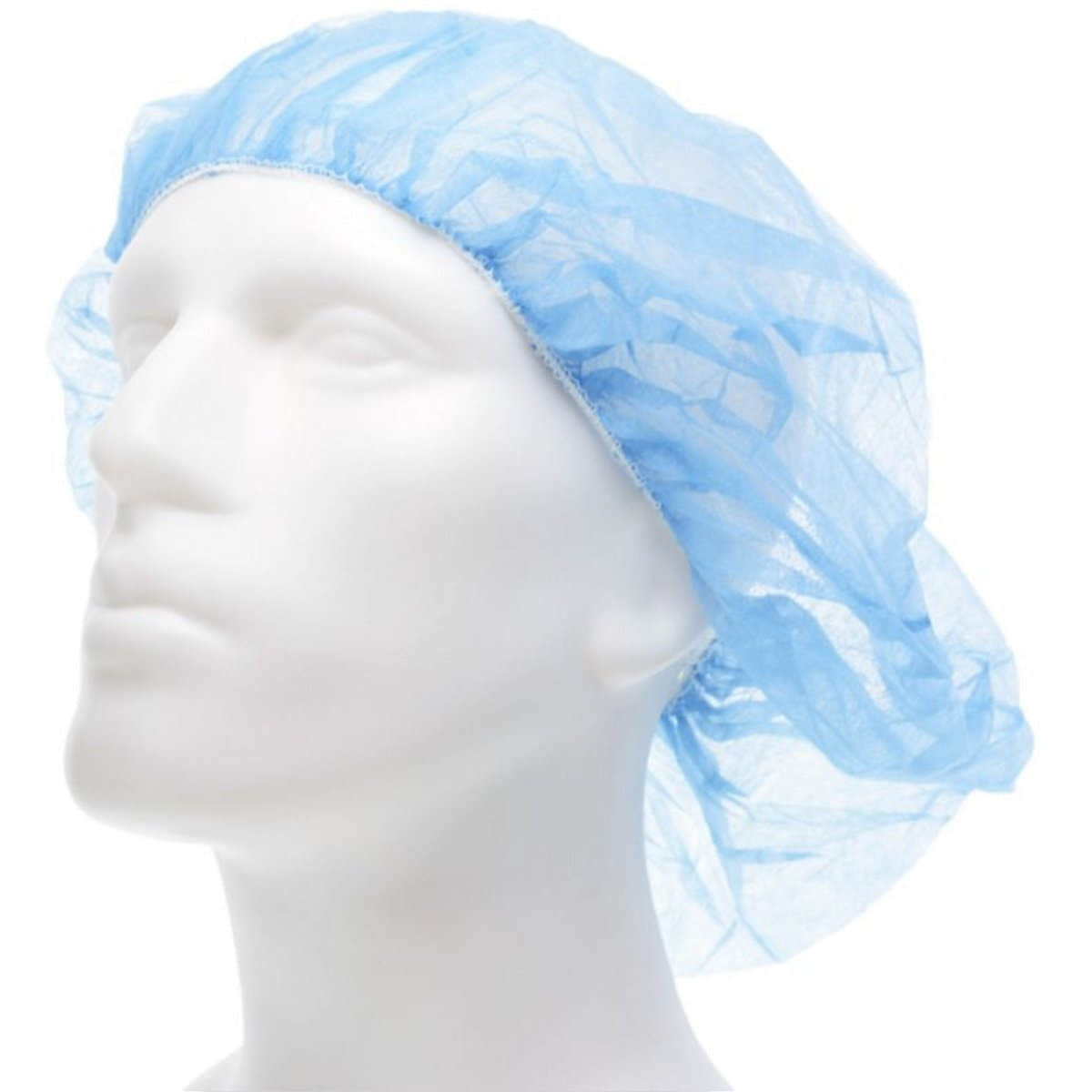
Cardinal Bouffant Cap - 269573_EA - 1Cardinal Bouffant Cap - 269573_EA - 2
Cardinal Bouffant Cap
Sale priceFrom $0.99
Choose options
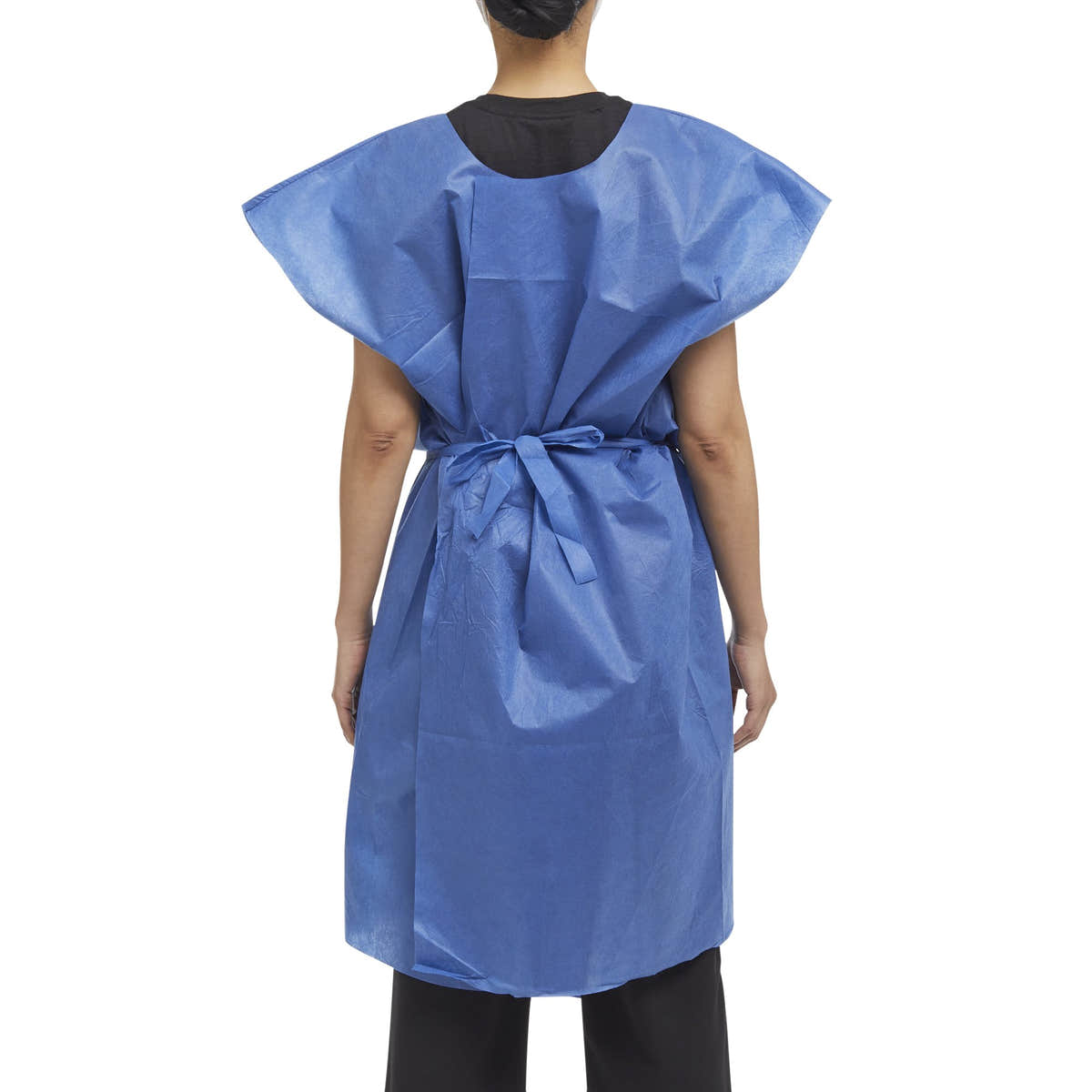
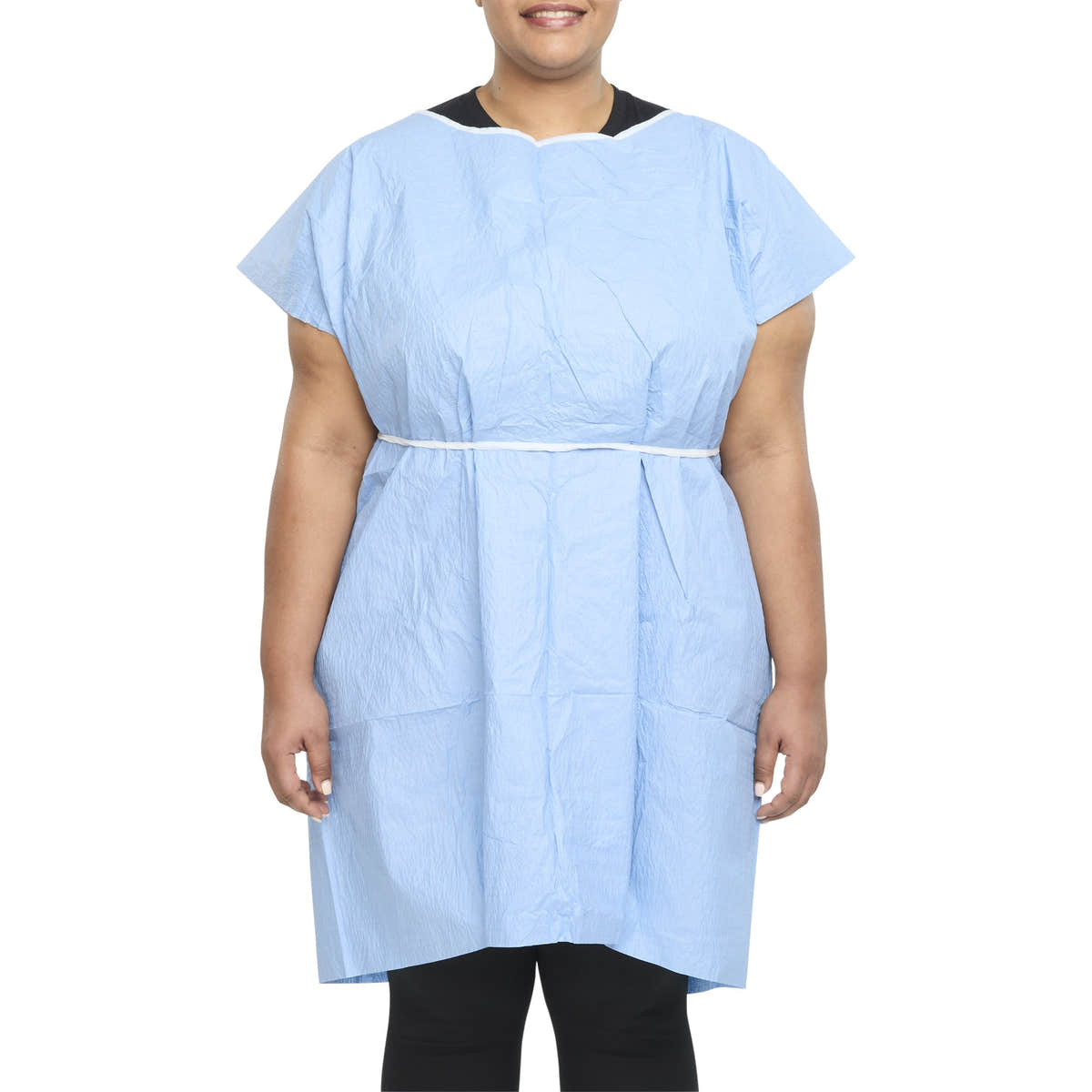
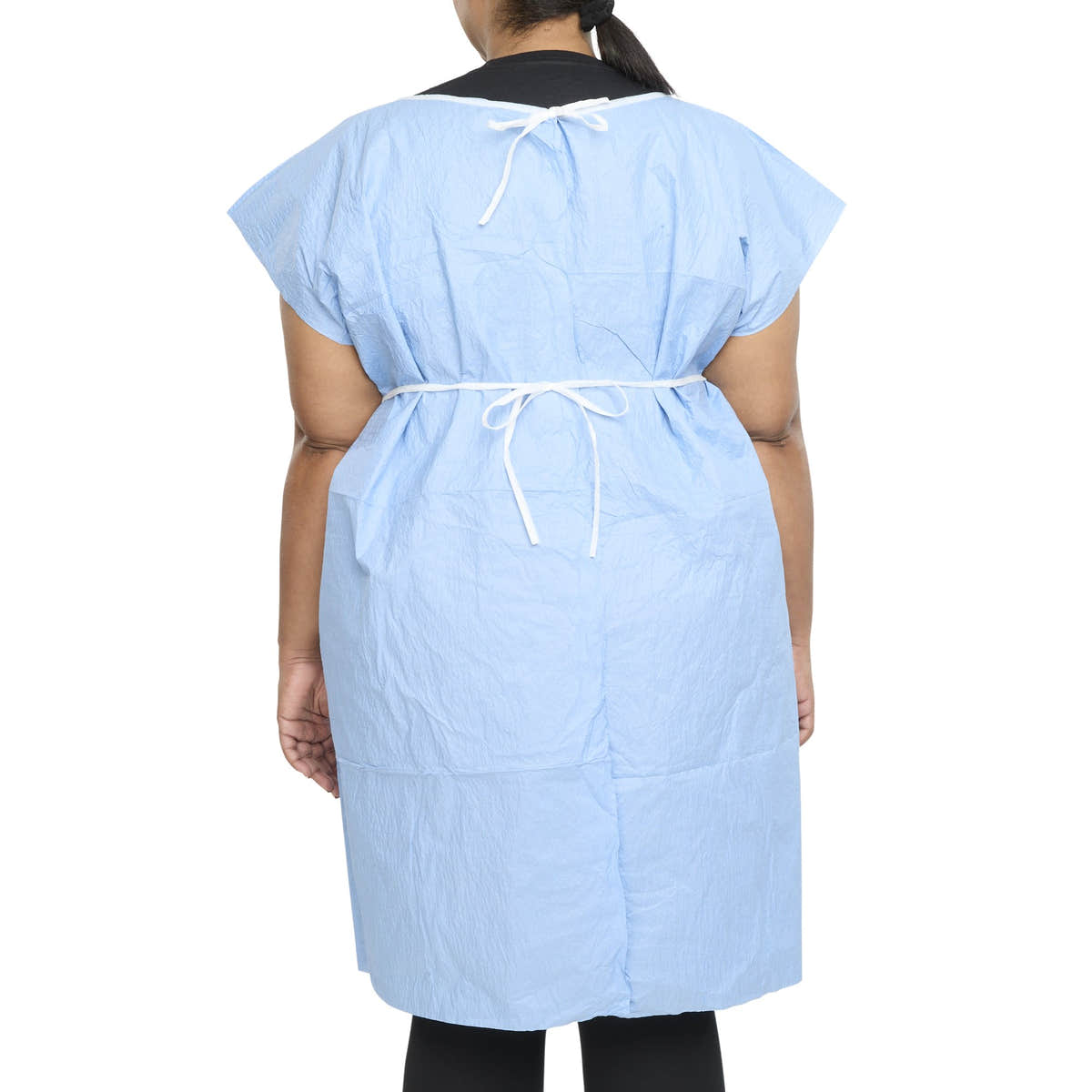
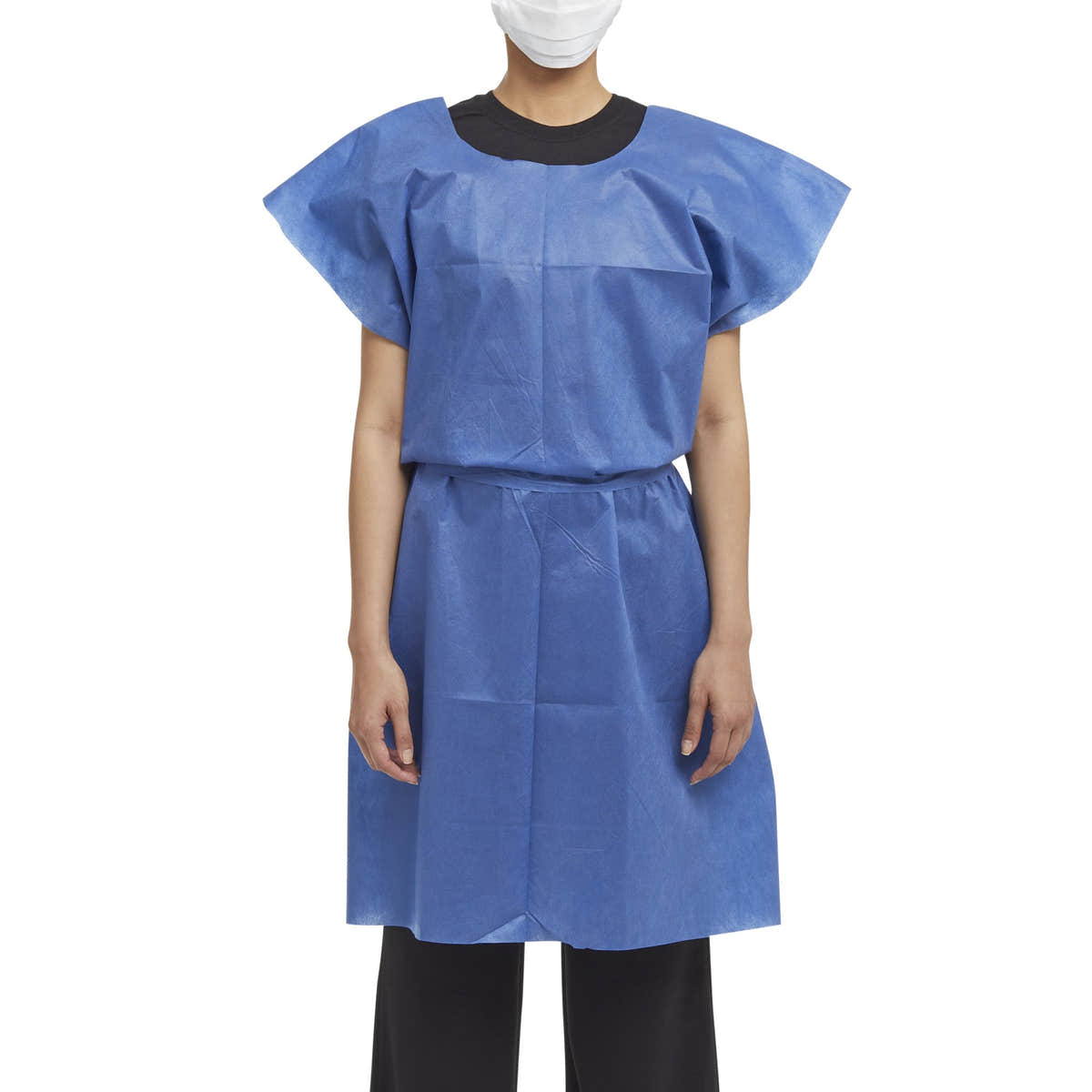
Graham Medical Products Exam Gown, Medium/Large, Blue -Case of 50Graham Medical Products Exam Gown, Medium/Large, Blue -Case of 50
Graham Medical Products Patient Exam Gown Sleeveless Waist Tie, Medium/Large, Blue -Case of 50Graham Medical Products Patient Exam Gown Sleeveless Waist Tie, Medium/Large, Blue -Case of 50
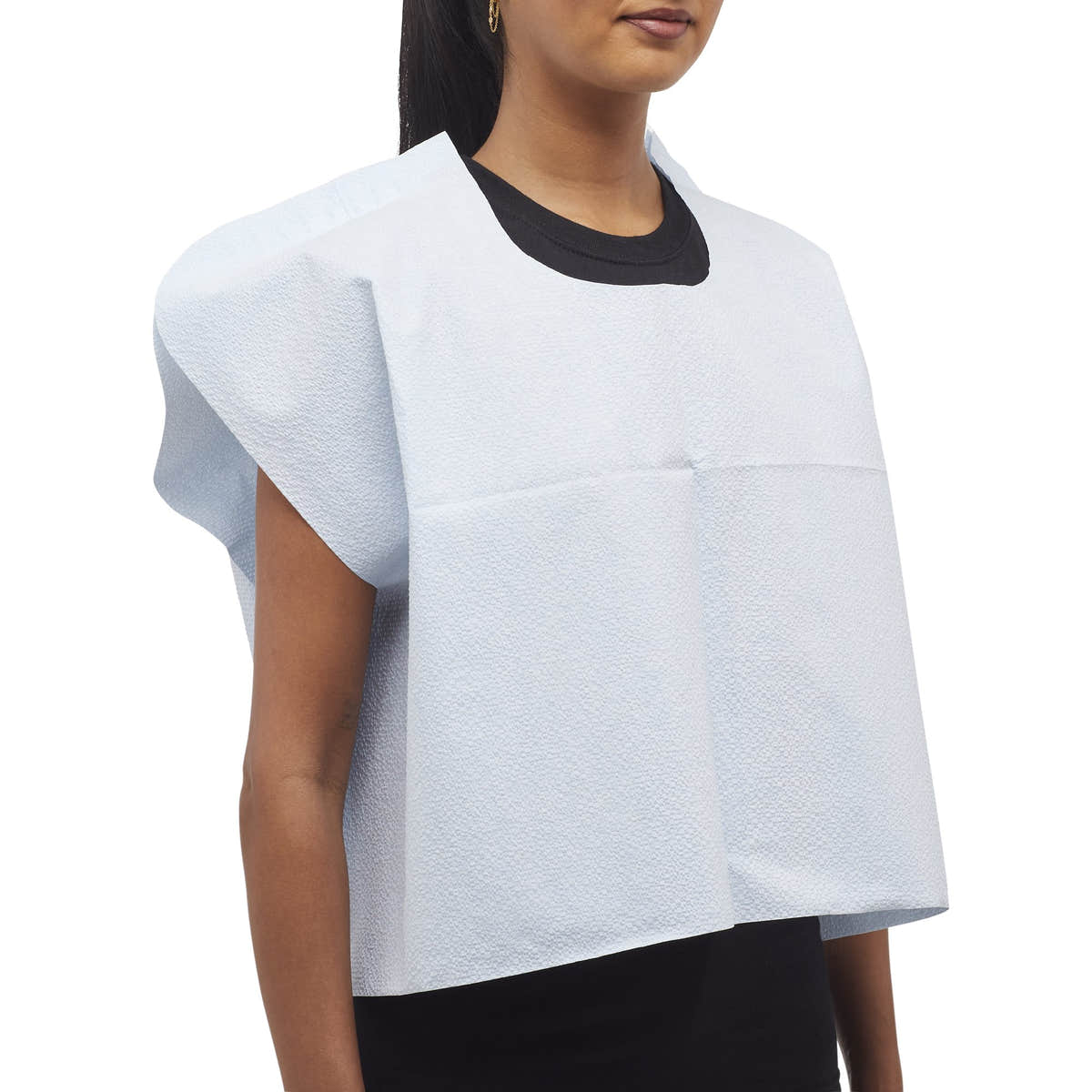
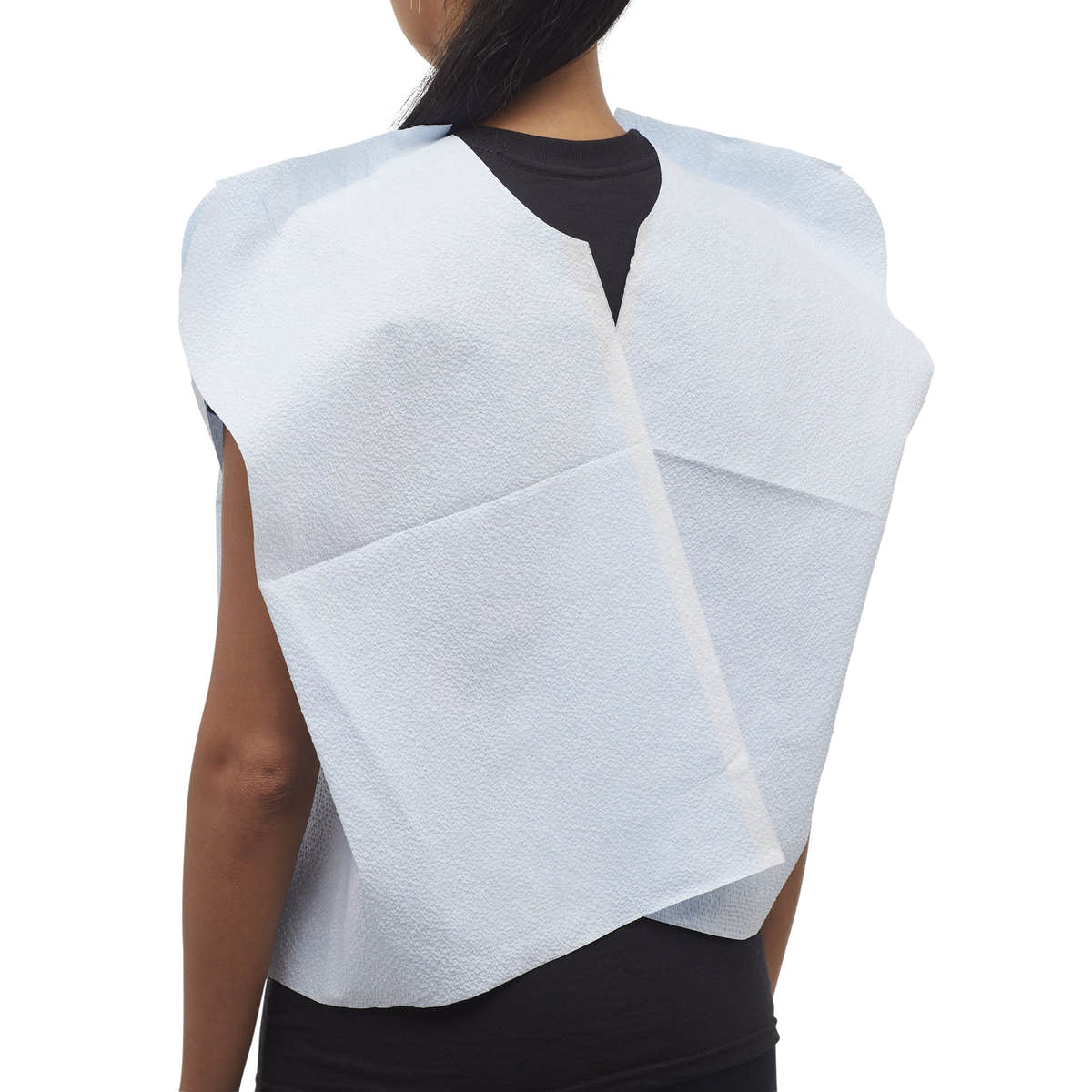
McKesson Exam Cape, Blue, 21 X 30 Inch -Case of 100McKesson Exam Cape, Blue, 21 X 30 Inch -Case of 100
McKesson Exam Cape
Sale priceFrom $22.99
Choose options
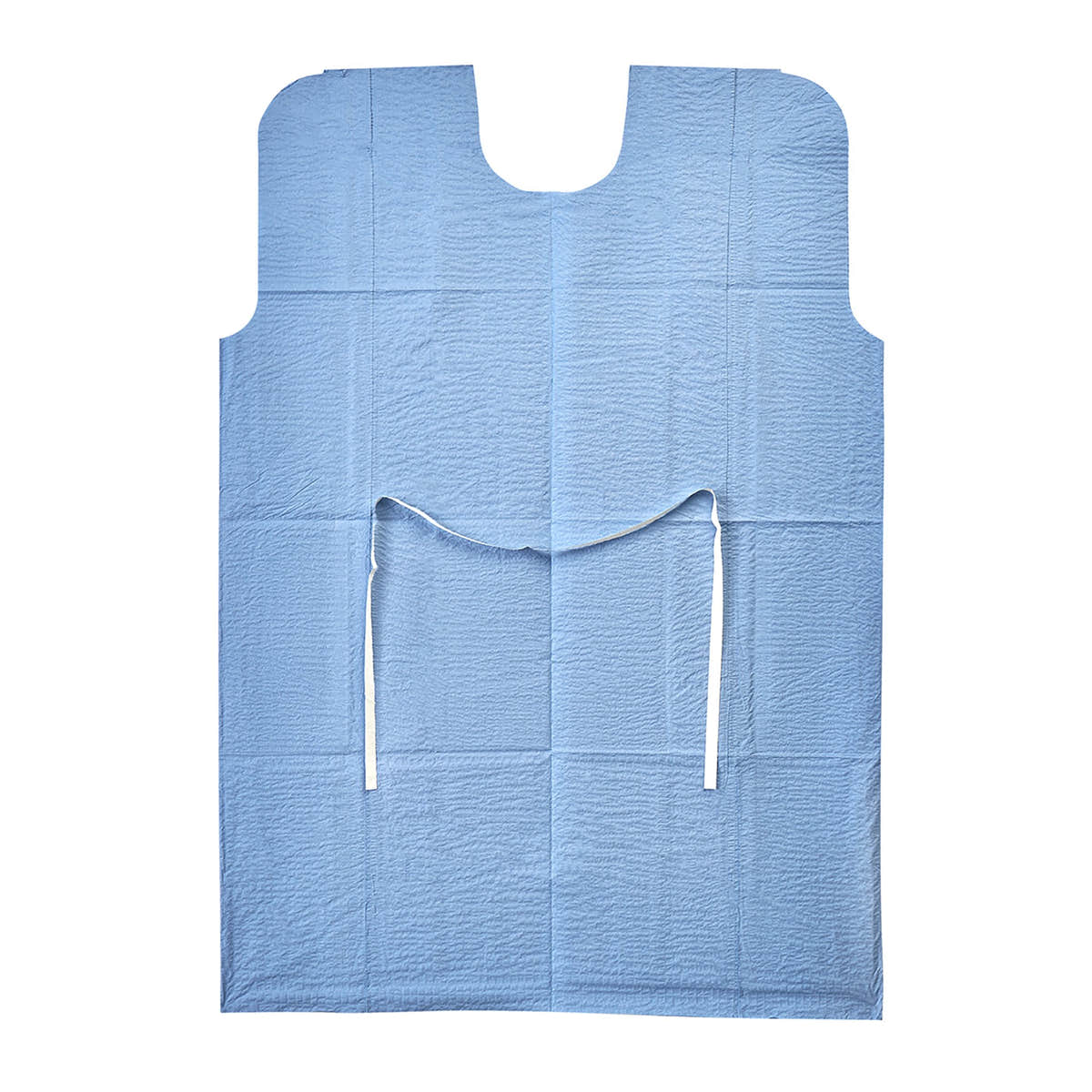
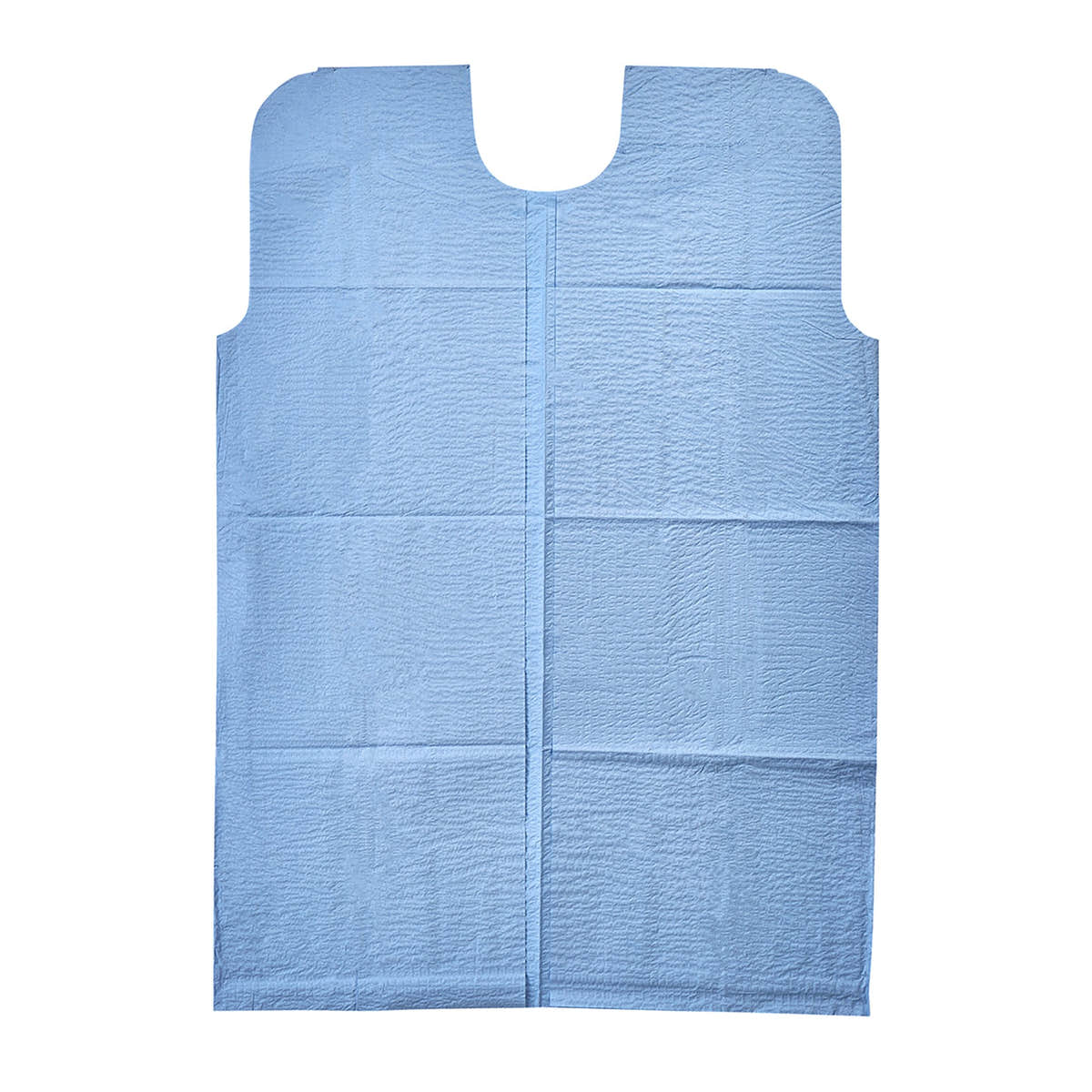
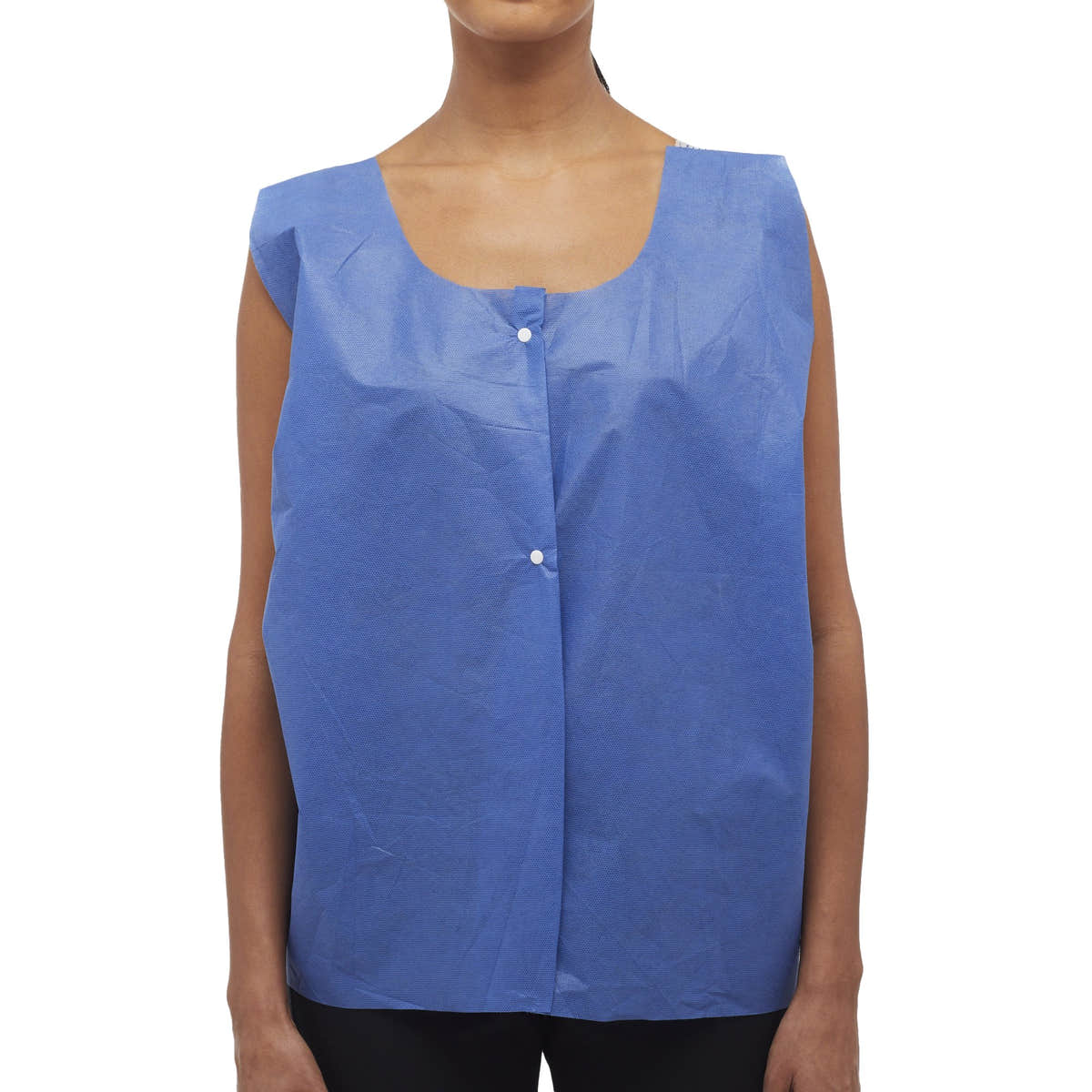
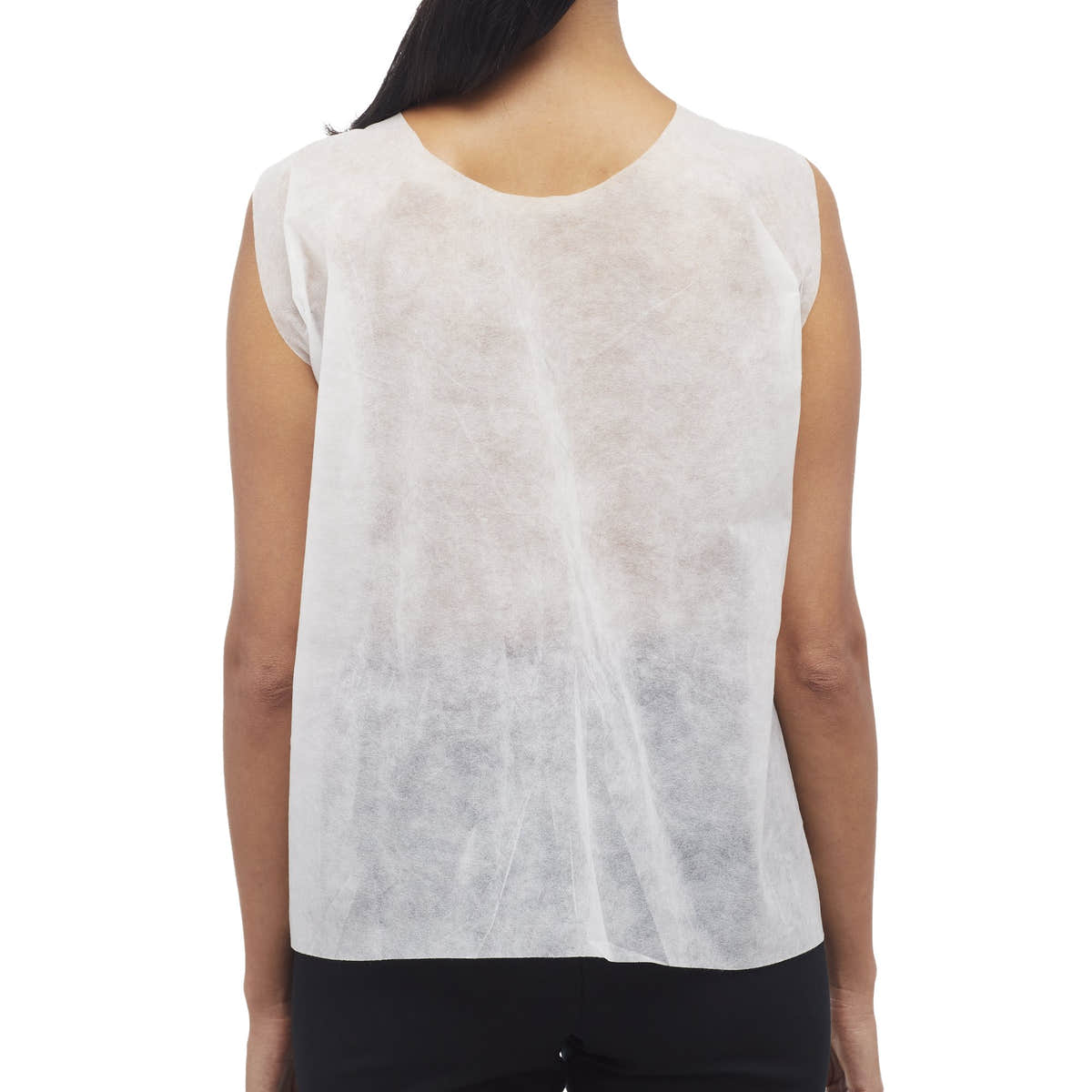
Mckesson Front Opening Exam Vest, Blue -Case of 75Mckesson Front Opening Exam Vest, Blue -Case of 75
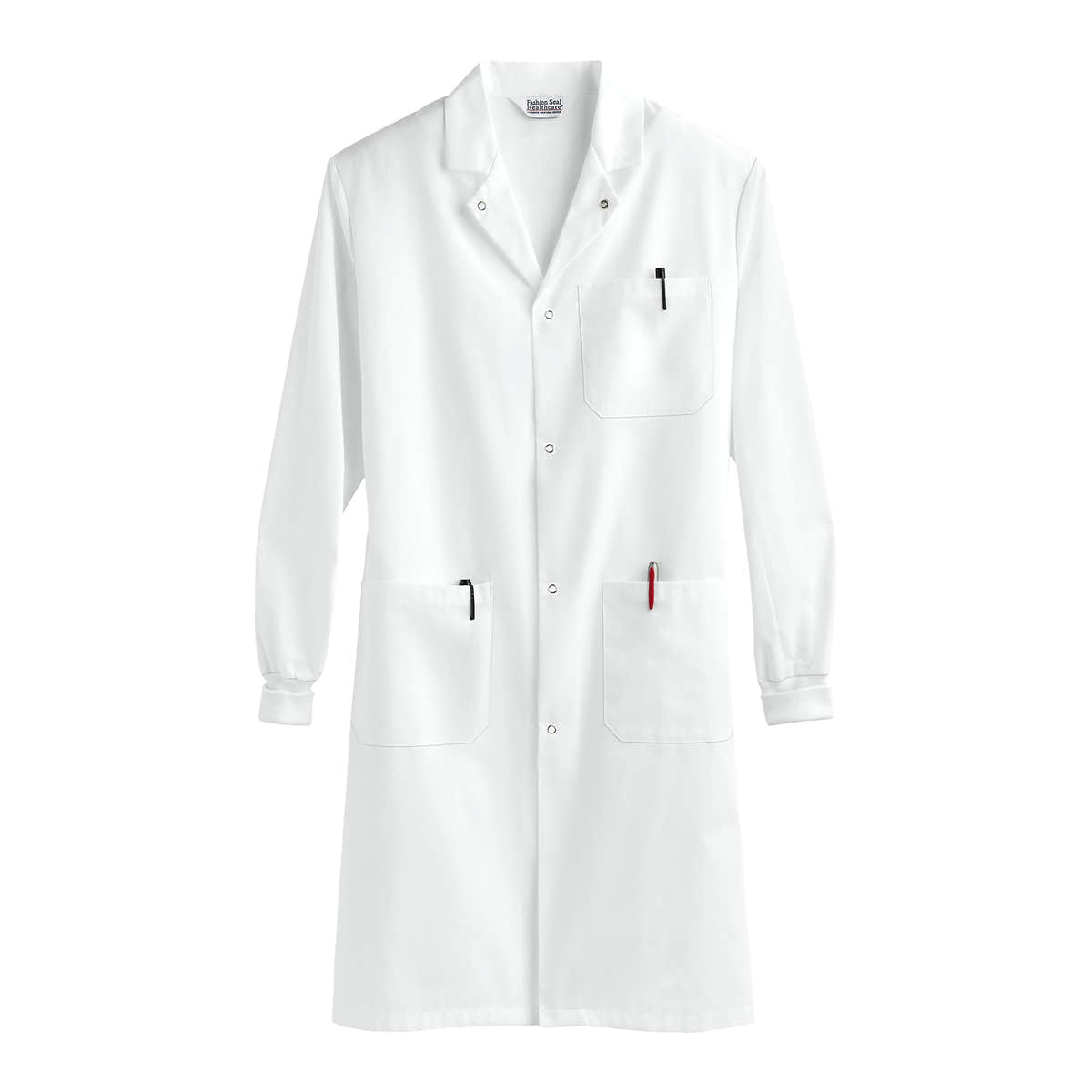
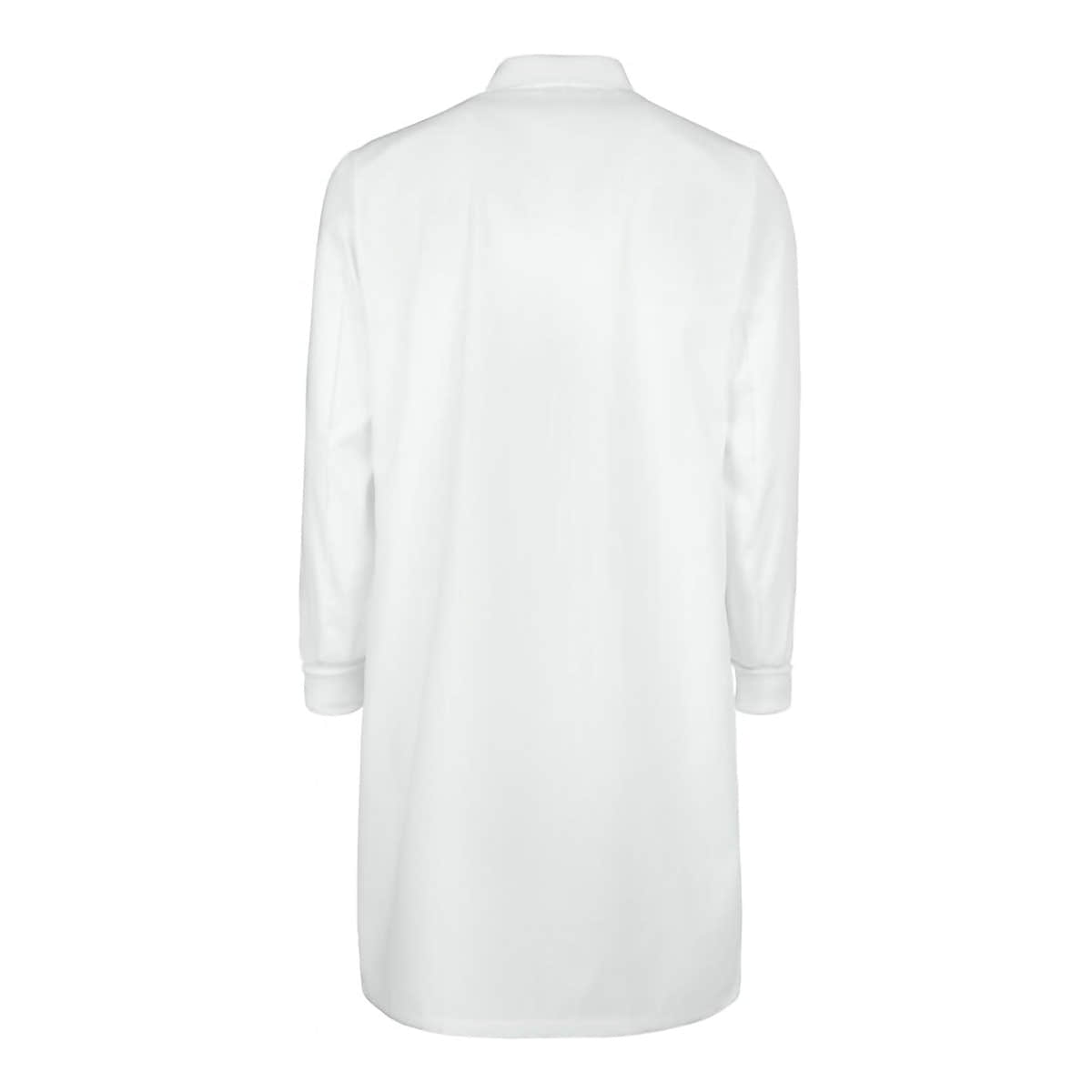
Fashion Seal Healthcare Knit Cuff Lab Coat, Medium, White -EachFashion Seal Healthcare Knit Cuff Lab Coat, Medium, White -Each
Fashion Seal Healthcare Lab Coat, Large, White -EachFashion Seal Healthcare Lab Coat, Medium, White -Each
Fashion Seal Healthcare Lab Coat
Sale priceFrom $29.99
Choose options
Hi Guard Full Coverage Boot, Universal -Case of 150Hi Guard Full Coverage Boot, Universal -Case of 150
Hi Guard Full Coverage Boot
Sale priceFrom $110.99
Choose options

Frequently Asked Questions about Patient Apparel

Patient apparel refers to garments worn by patients, caregivers, and clinical staff to maintain hygiene, support recovery, and protect against contamination during medical procedures. This category includes surgical gowns, exam gowns, compression stockings, post-operative shoes, scrubs, and protective outerwear used across hospitals, clinics, and rehabilitation facilities.

Patient apparel is designed for patients undergoing procedures or recovery, as well as healthcare workers who need protective or functional garments in clinical environments. Specific items like compression stockings suit post-surgical patients, while surgical gowns and scrubs are intended for clinical staff and procedural settings.

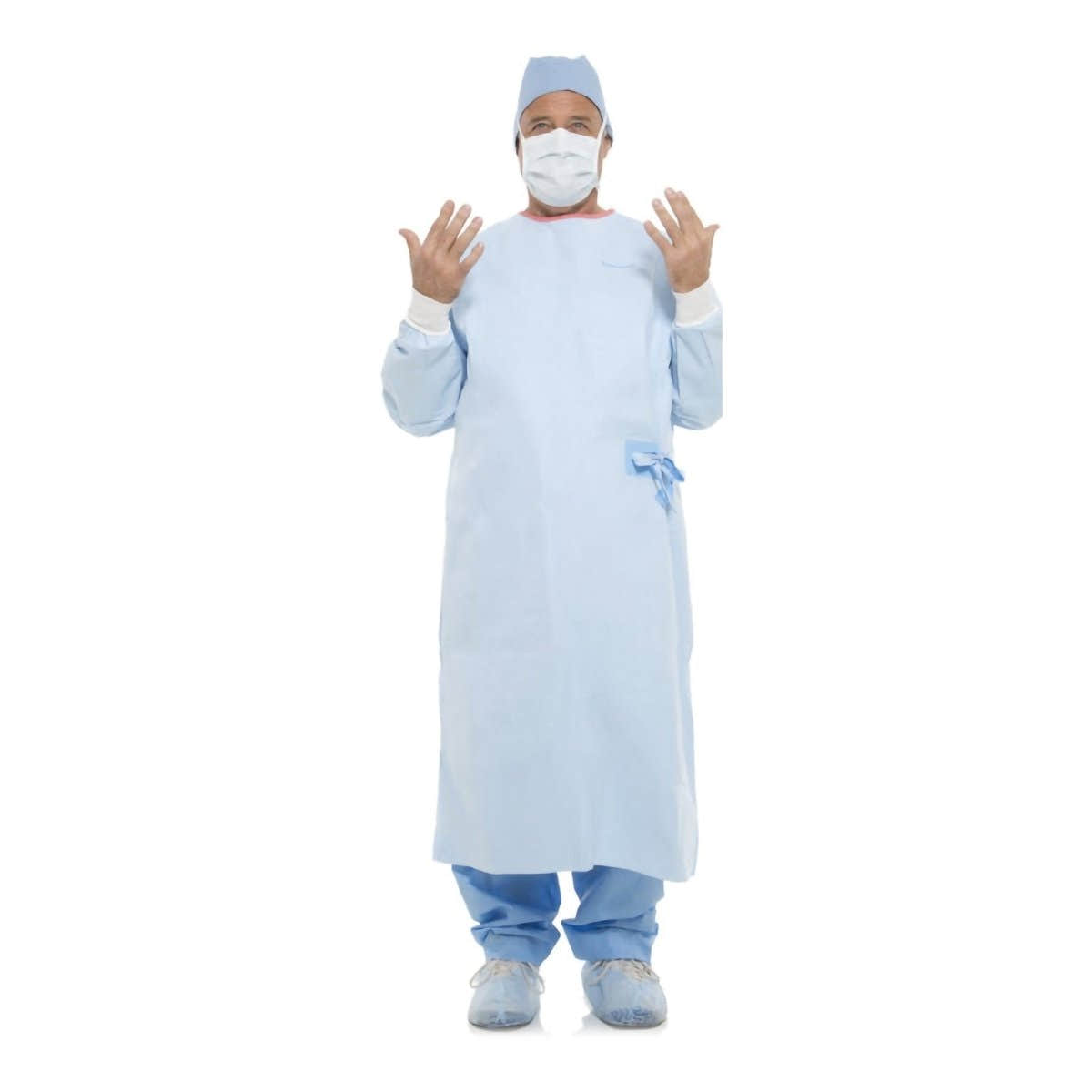
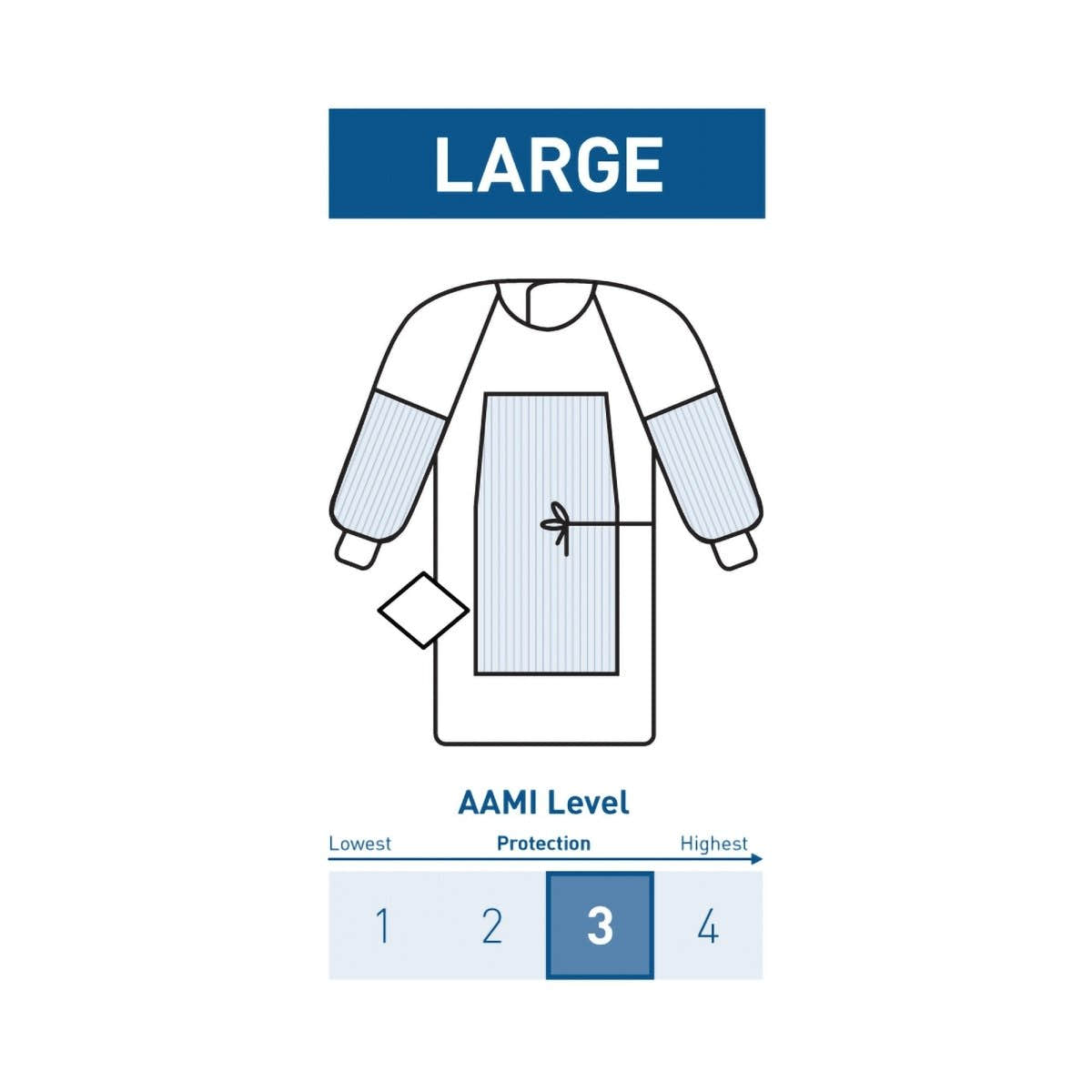
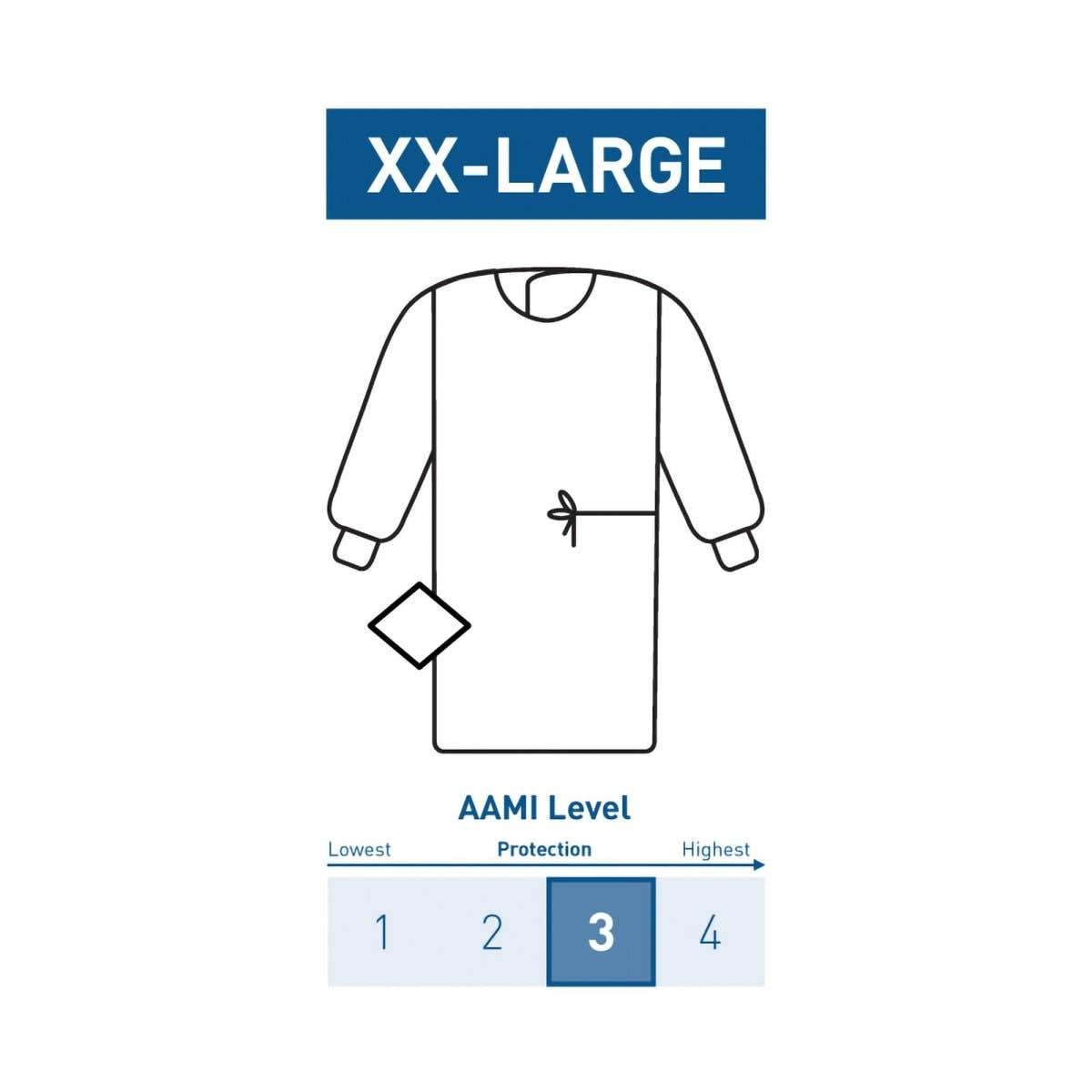
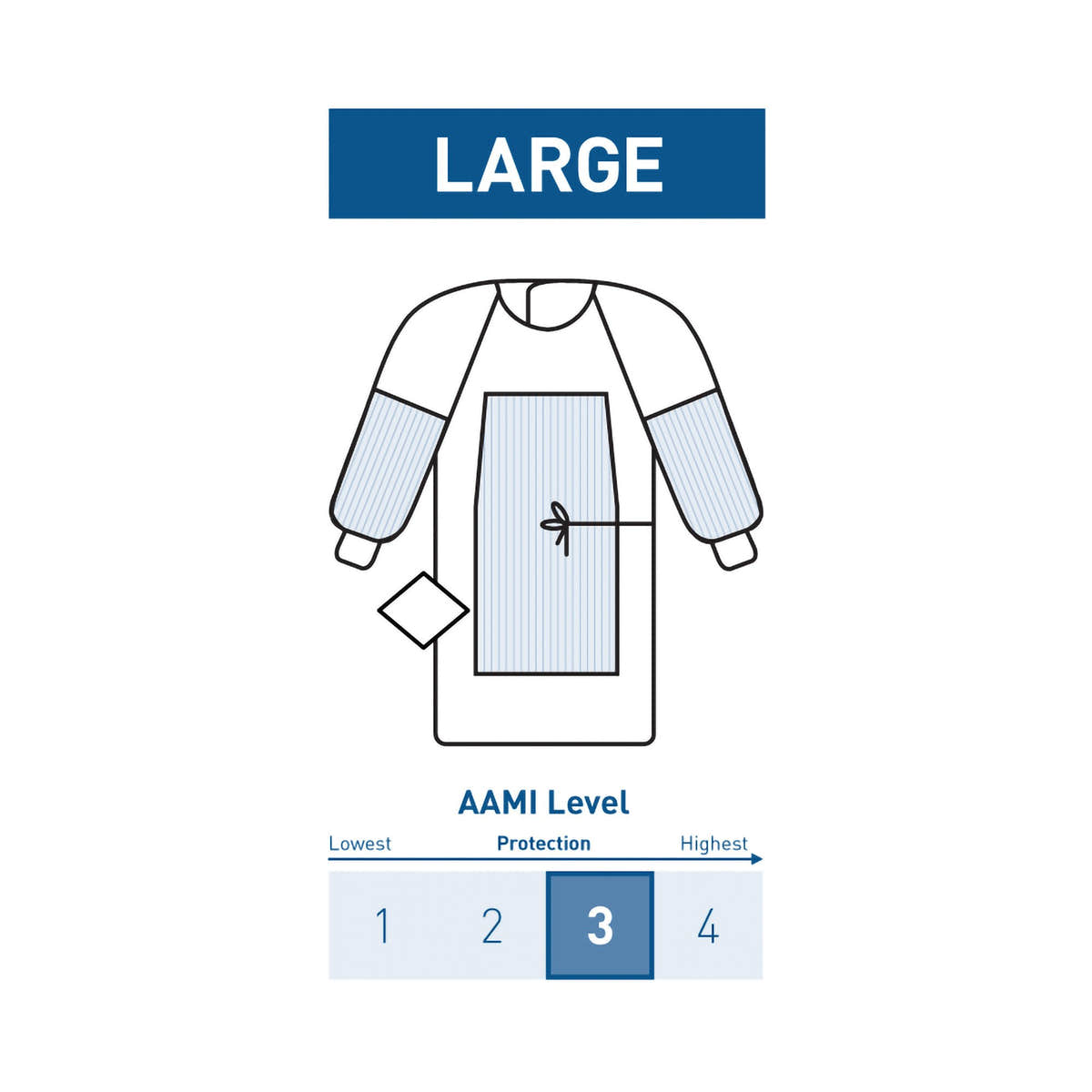
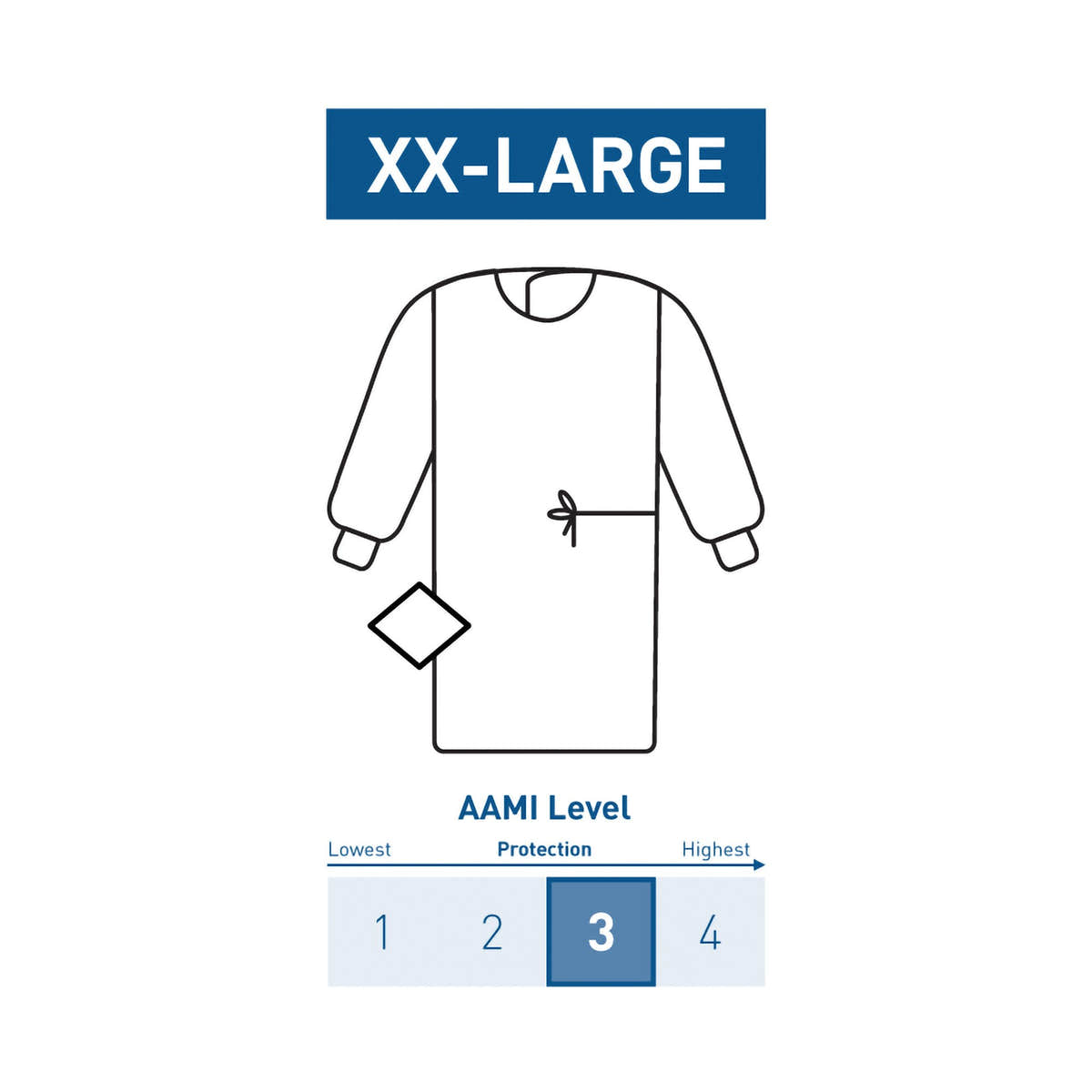
Start by identifying whether the procedure requires a reinforced or non-reinforced surgical gown, since reinforced gowns offer higher fluid barrier protection for high-risk surgeries. Also consider whether the gown is disposable or reusable, and verify that it meets the appropriate AAMI protection level for the intended clinical use.

Surgical gowns and procedure gowns differ in the level of fluid barrier protection they provide, with surgical gowns meeting stricter AAMI standards for use in sterile operative fields. Procedure gowns offer lighter protection and are typically used for lower-risk clinical tasks where full sterile coverage is not required.

Measure the patient's ankle circumference, calf circumference, and leg length before selecting compression stockings, since fit directly affects how well the garment delivers therapeutic pressure. Most compression stockings are available in knee-high and thigh-high lengths, and compression levels are measured in mmHg to match the patient's clinical needs.

Yes, many patient apparel items are specifically manufactured as single-use disposables to prevent cross-contamination between patients and reduce infection risk in clinical settings. Disposable gowns, protective shoe covers, and cleanroom garments are designed to be discarded after a single use and should not be laundered or reused.

Because clinical environments require garments that meet specific hygiene, fluid resistance, and contamination control standards that regular clothing cannot provide. Patient apparel is engineered to protect both the patient and the caregiver from exposure to bodily fluids, pathogens, and contaminants during exams, procedures, and recovery.

Medical facilities can purchase patient apparel in bulk through medical supply distributors and healthcare-focused e-commerce stores that stock a wide range of clinical garments. Cart Health carries over 500 patient apparel items, including surgical gowns, scrubs, compression stockings, and post-operative accessories, making it a practical source for outfitting clinical and care settings.

Store disposable patient gowns in a cool, dry location away from direct sunlight, moisture, and sharp objects that could compromise the barrier material before use. Keep gowns in their original sealed packaging until needed, and rotate stock based on expiration or shelf-life dates printed on the packaging to ensure product integrity.

Yes, many patient apparel items are versatile enough for use across multiple clinical departments, though some garments are designed for specific settings such as surgical suites, rehabilitation units, or exam rooms. Facilities should match each garment type to its intended environment, since fluid barrier requirements and hygiene standards vary between departments.

Recently viewed