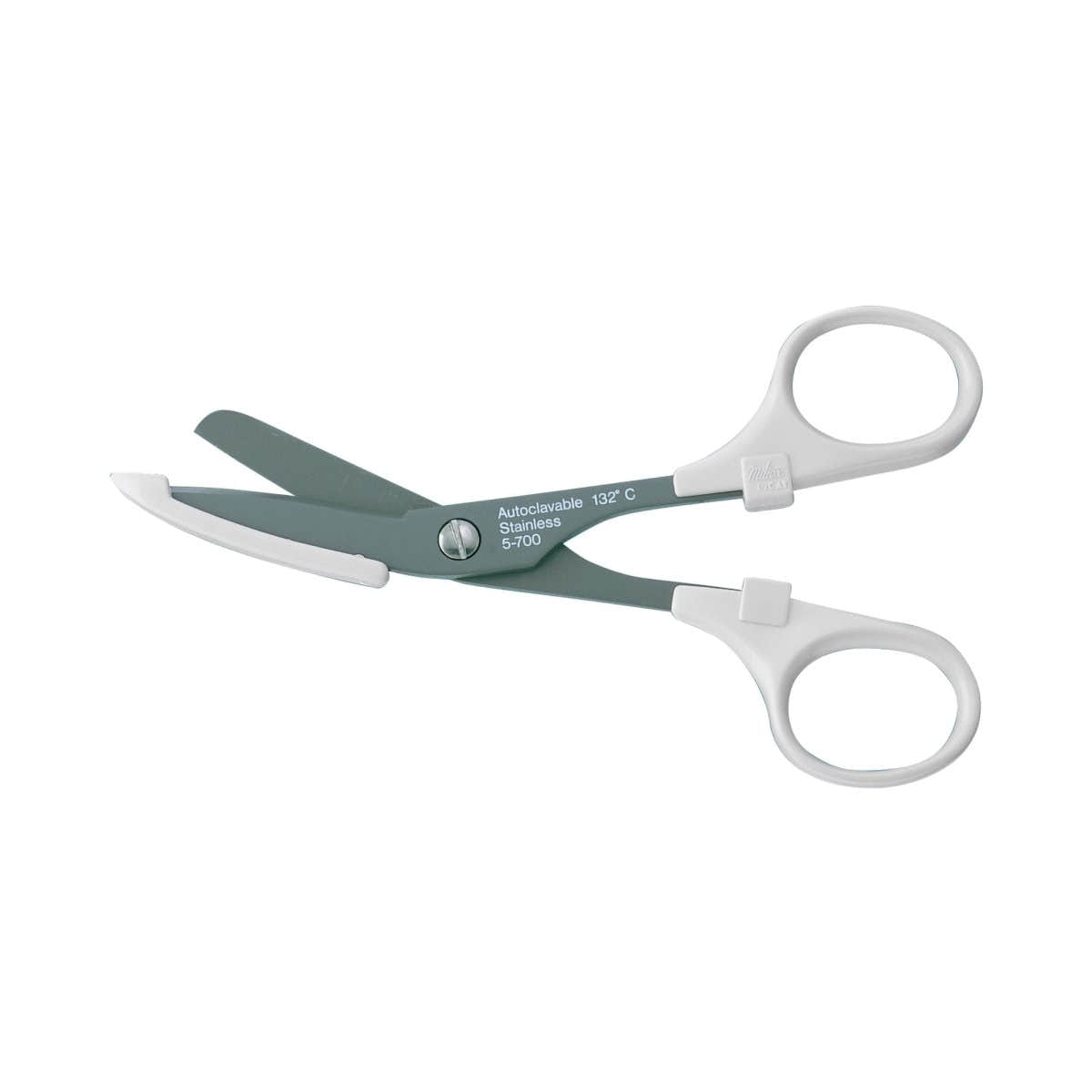
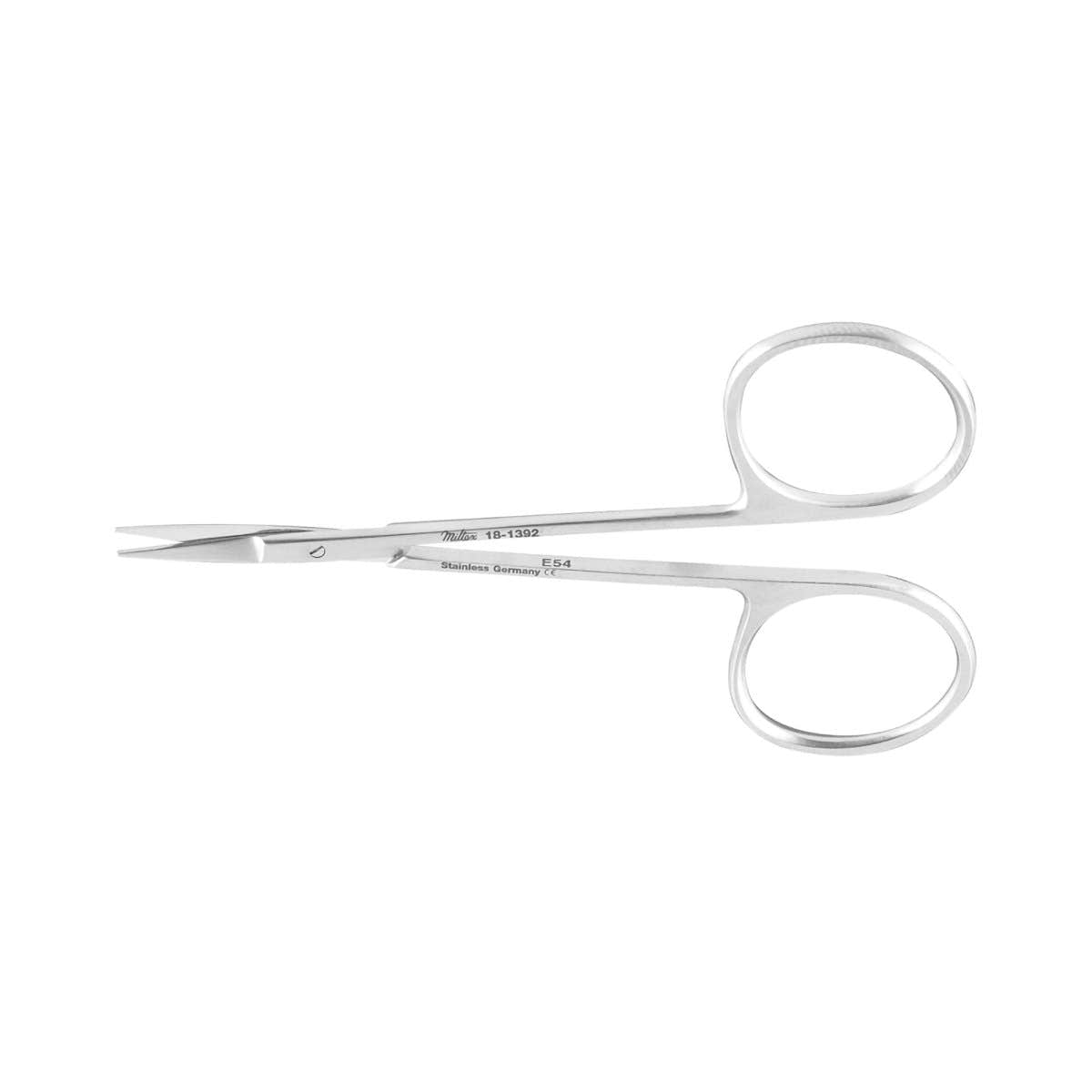
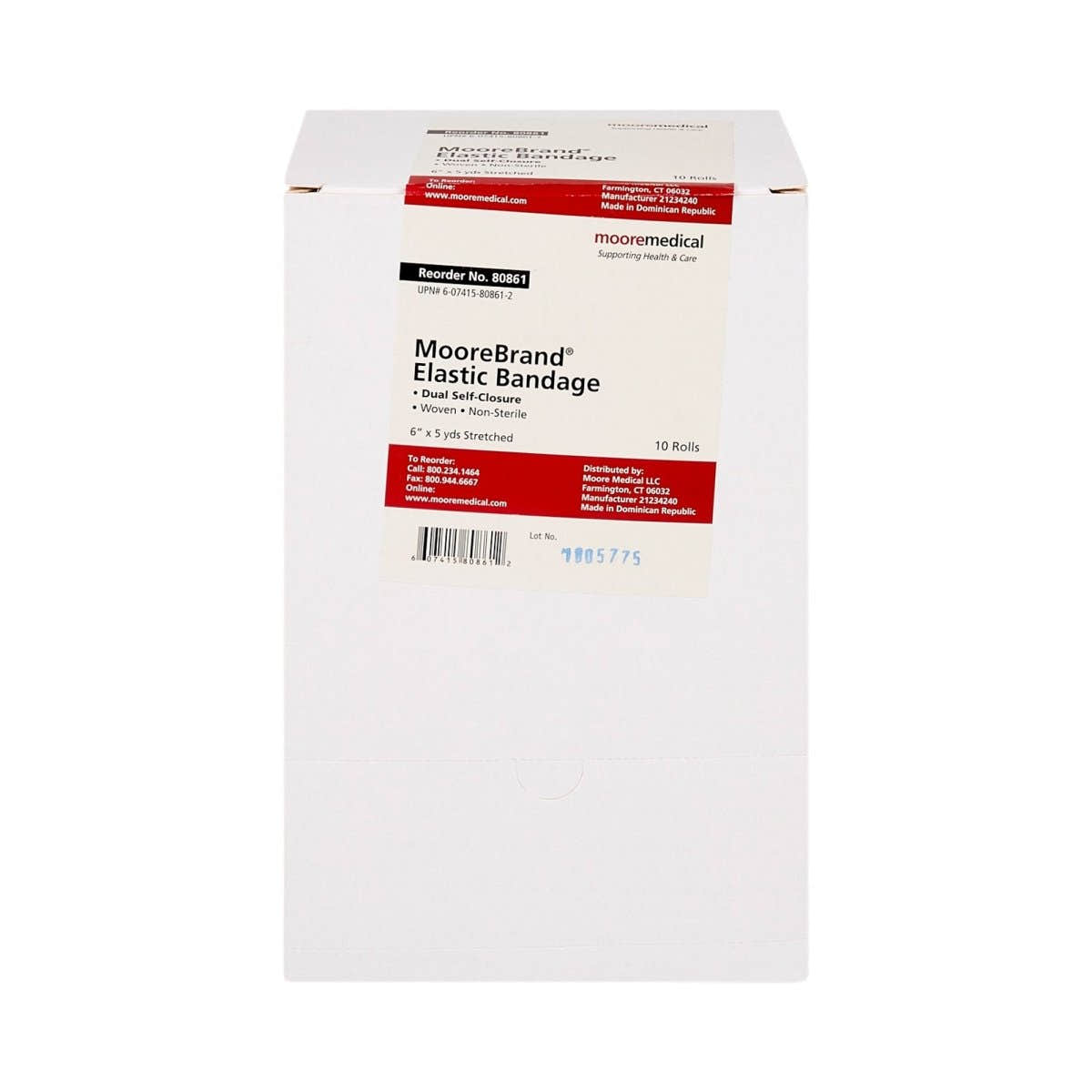
Wound care is the process of cleaning, treating, and dressing wounds to facilitate the healing process and prevent infections. It involves a series of steps and techniques that depend on the type and severity of the wound. By following proper wound care protocols, you can help ensure optimal healing and reduce the risk of complications.
Importance of Wound Care
Effective wound care is essential for several reasons. First and foremost, it helps prevent infections, which can lead to further complications and delays in the healing process. Proper wound care also promotes tissue regeneration, reduces scarring, and minimizes the risk of developing chronic wounds. By taking proactive measures to care for wounds, individuals can accelerate healing and improve overall quality of life.
Types of Wounds
Wounds can be classified into different categories based on their cause, severity, and underlying conditions. Some common types of wounds include:
Abrasions
Abrasions are superficial wounds that occur when the skin is scraped or rubbed against a rough surface, resulting in the removal of the topmost layer of skin.
Lacerations
Lacerations are deep, irregular cuts that often occur as a result of accidents or sharp objects. These wounds may require stitches or medical intervention, depending on their severity.
Puncture Wounds
Puncture wounds are caused by objects penetrating the skin, such as nails, needles, or animal bites. They can be prone to infection and may require special care.
Pressure Ulcers
Pressure ulcers, also known as bedsores, develop when prolonged pressure on the skin restricts blood flow to certain areas. These wounds commonly affect individuals who are immobile or have limited mobility.
Assessing Wound Severity
To provide appropriate care, it's essential to assess the severity of a wound. This assessment helps determine the appropriate treatment plan and whether professional medical attention is necessary. Some factors to consider when assessing wound severity include:
Size and Depth
The size and depth of a wound can indicate the extent of tissue damage and the potential for complications.
Bleeding
The amount and type of bleeding can help determine the severity of the wound. Profuse bleeding or arterial bleeding may require immediate medical attention.
Infection Signs
Signs of infection, such as redness, swelling, warmth, or pus, indicate the need for prompt medical evaluation.
Underlying Conditions
Certain medical conditions, such as diabetes or compromised immune function, can affect wound healing and require additional care.
Basic Steps for Wound Care
The fundamental steps for wound care involve cleaning the wound, applying appropriate dressings, and monitoring the healing process. Here's a basic guideline to follow:
Clean Hands
Before touching the wound, ensure your hands are thoroughly cleaned with soap and water or an alcohol-based hand sanitizer.
Control Bleeding
If the wound is bleeding excessively, apply gentle pressure using a clean cloth or sterile gauze until the bleeding subsides.
Clean the Wound
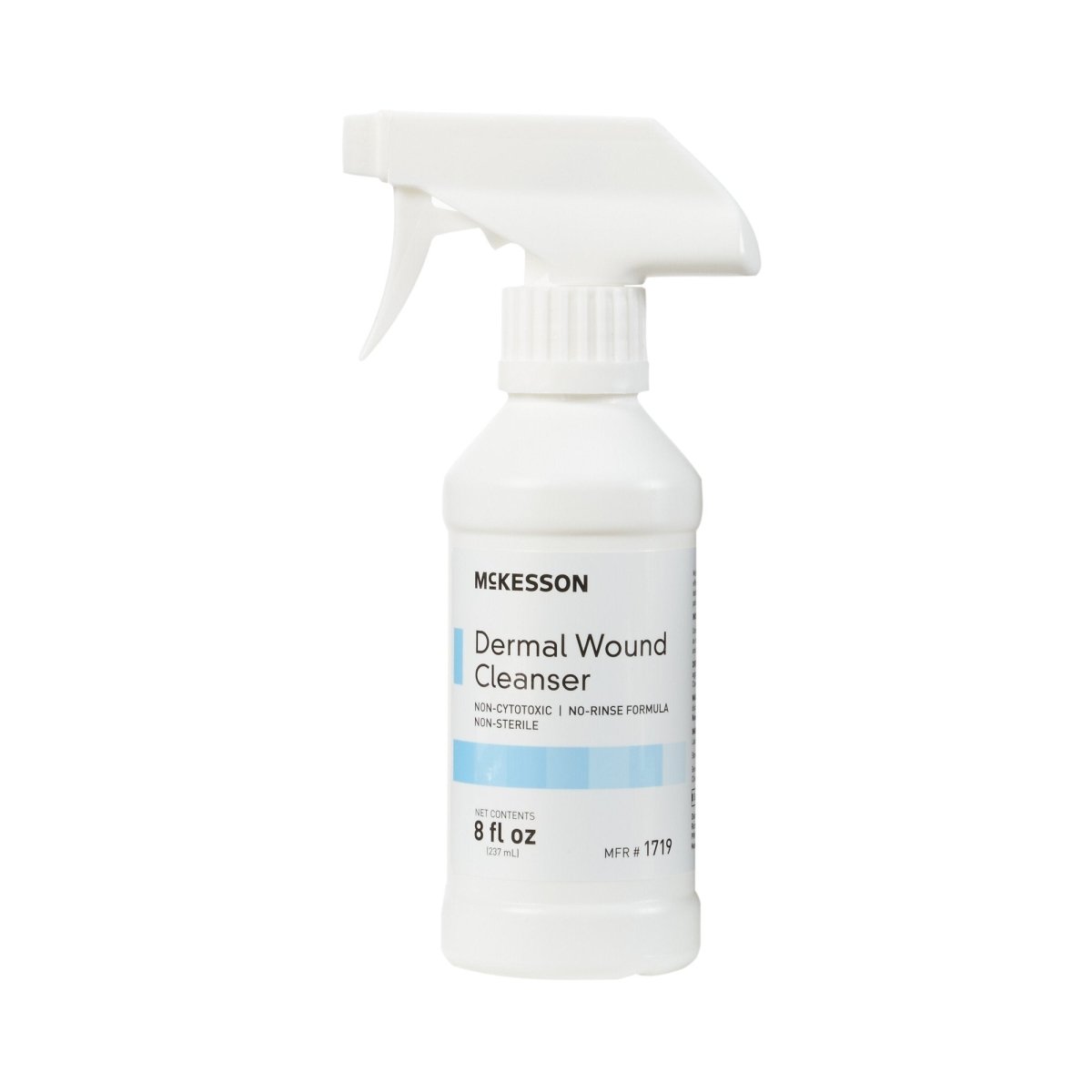
Gently rinse the wound with cool running water to remove dirt, debris, or bacteria. Avoid using harsh antiseptics unless instructed by a healthcare professional.
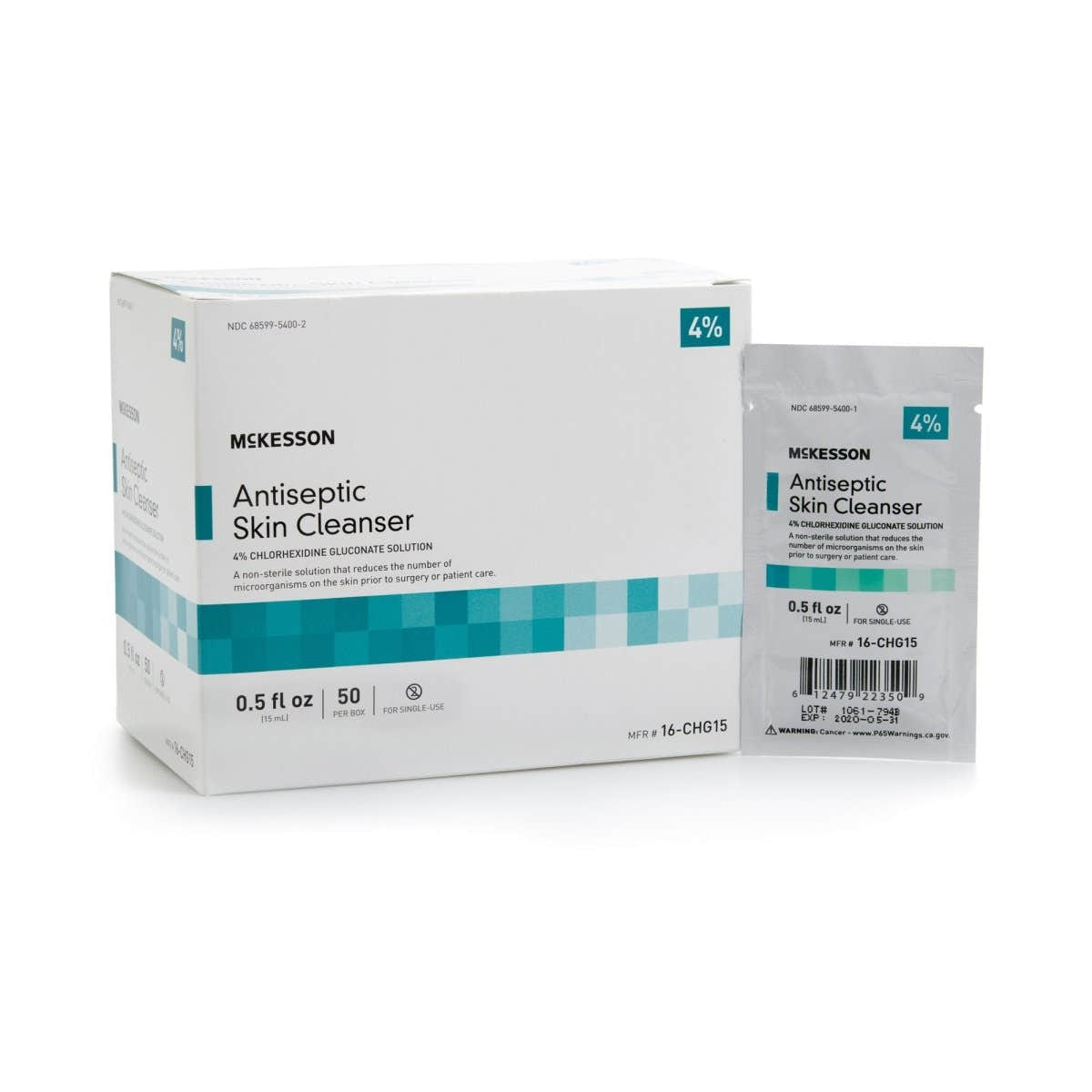
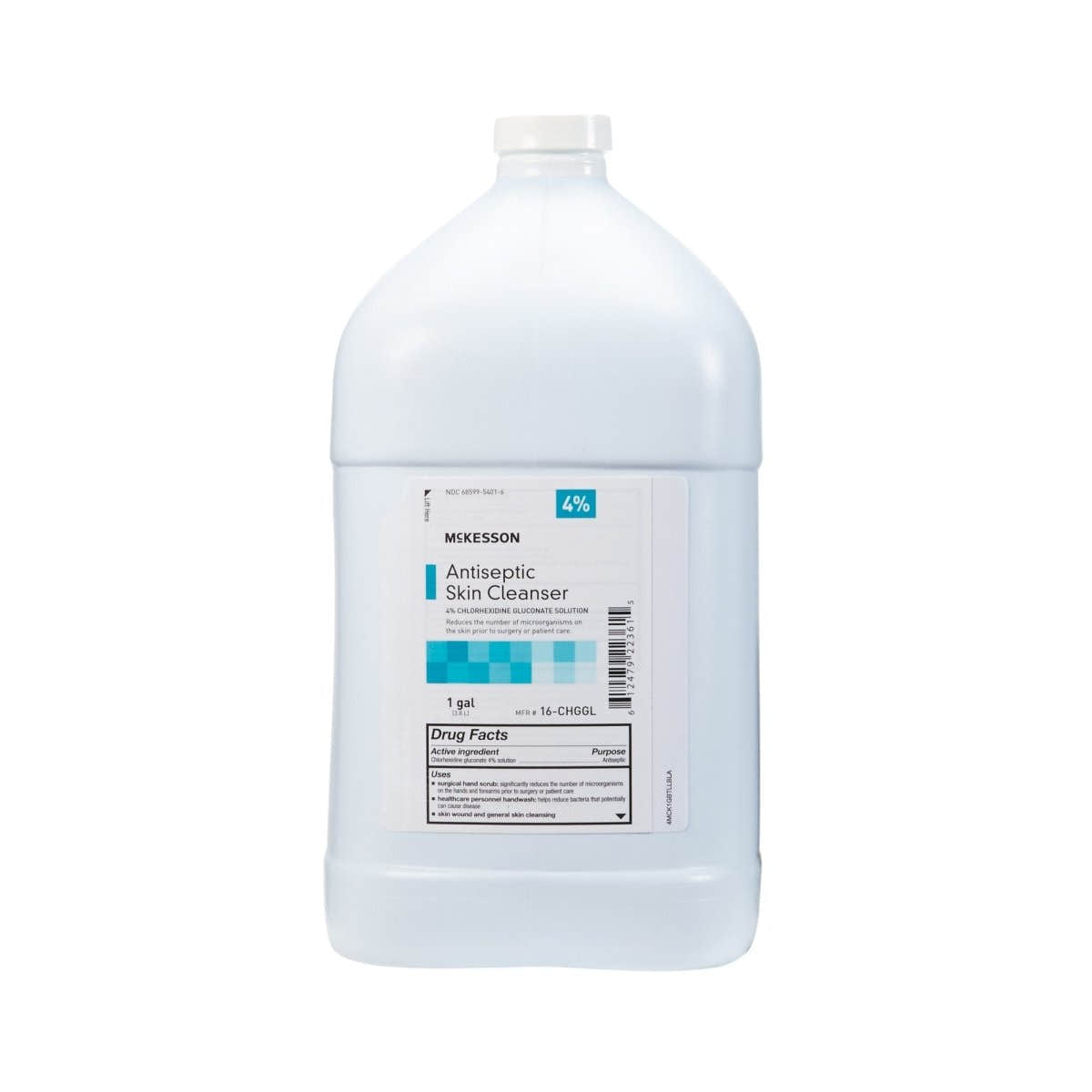
Apply an Antiseptic
If recommended by a healthcare professional, apply a mild antiseptic solution to help reduce the risk of infection.
Choose the Right Dressing
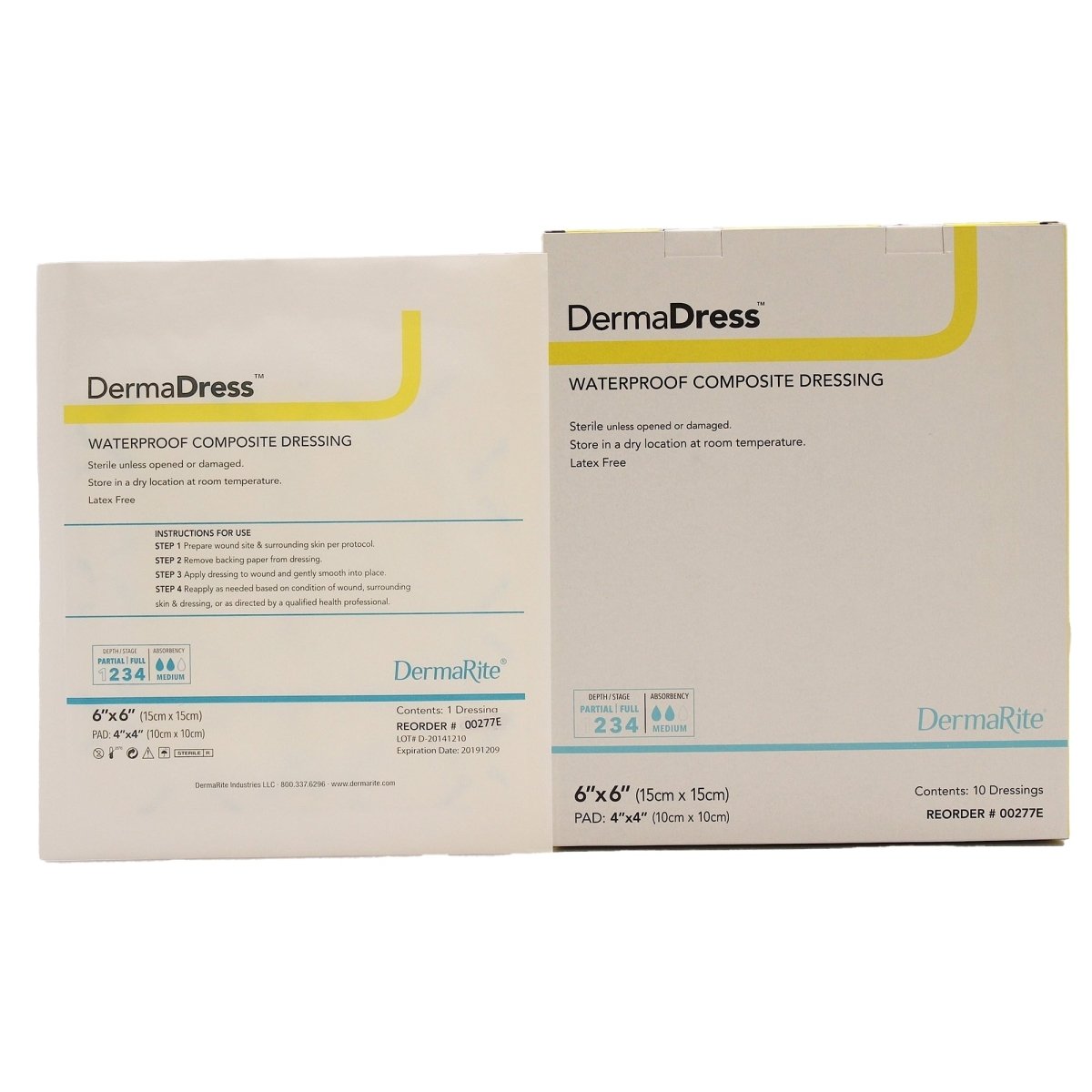
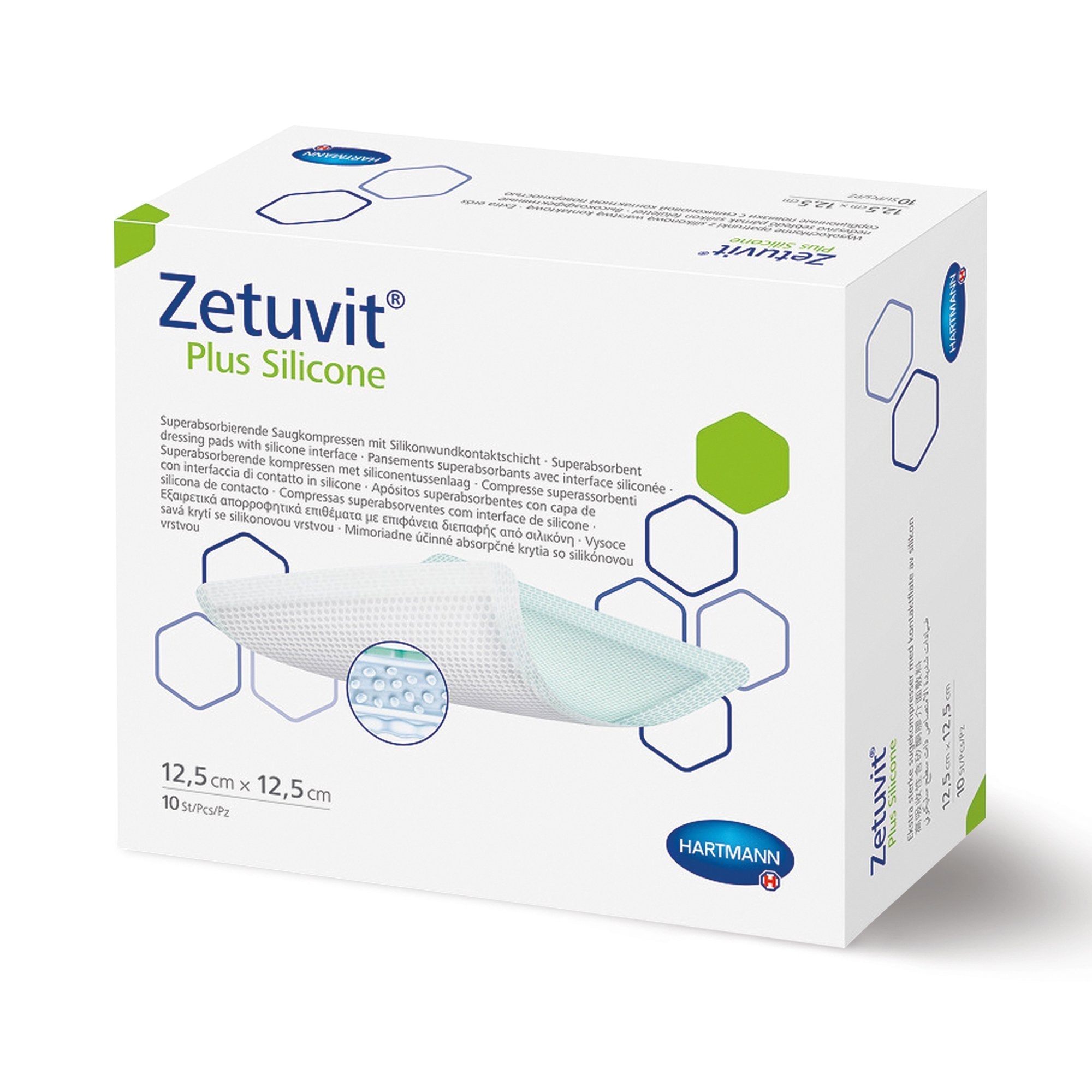
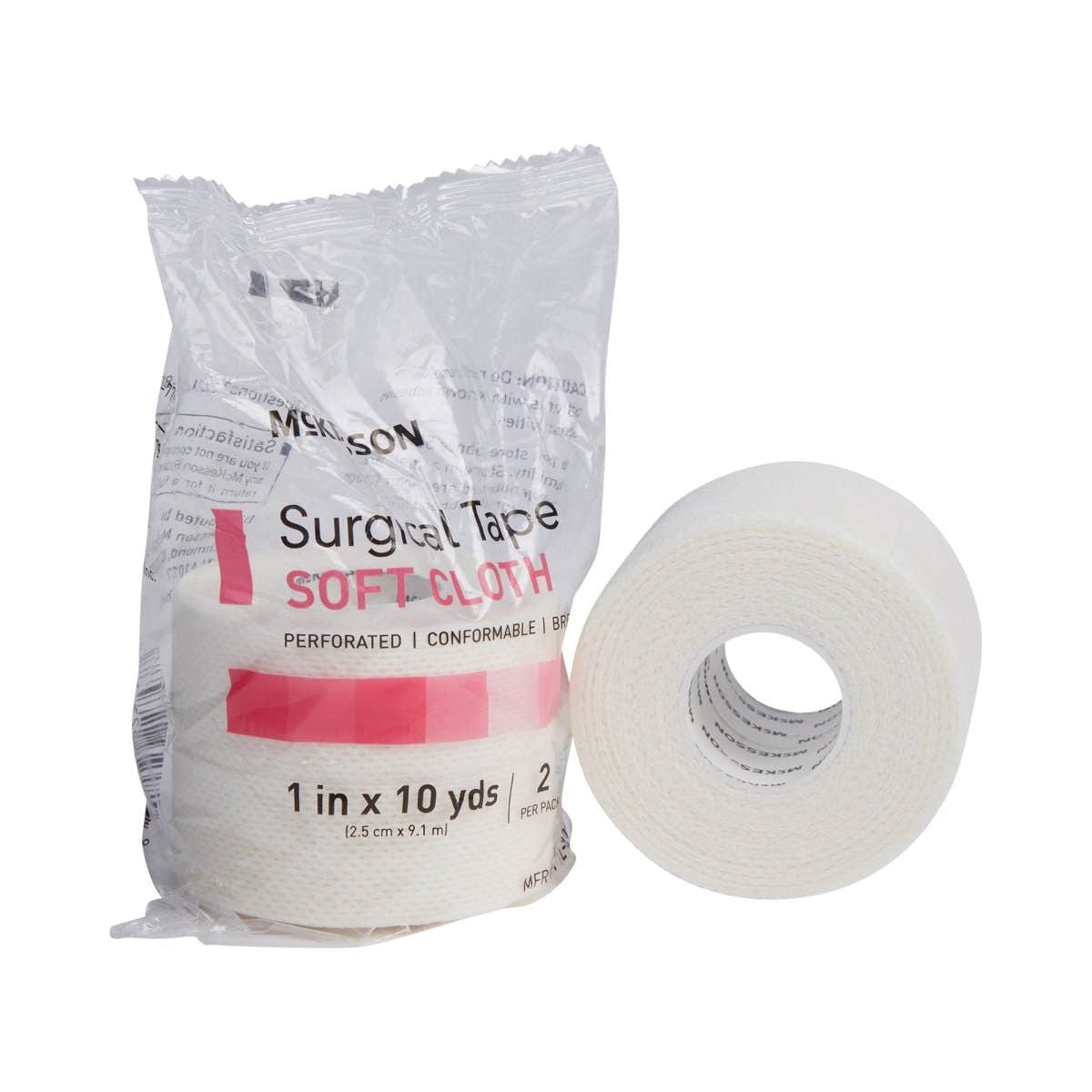
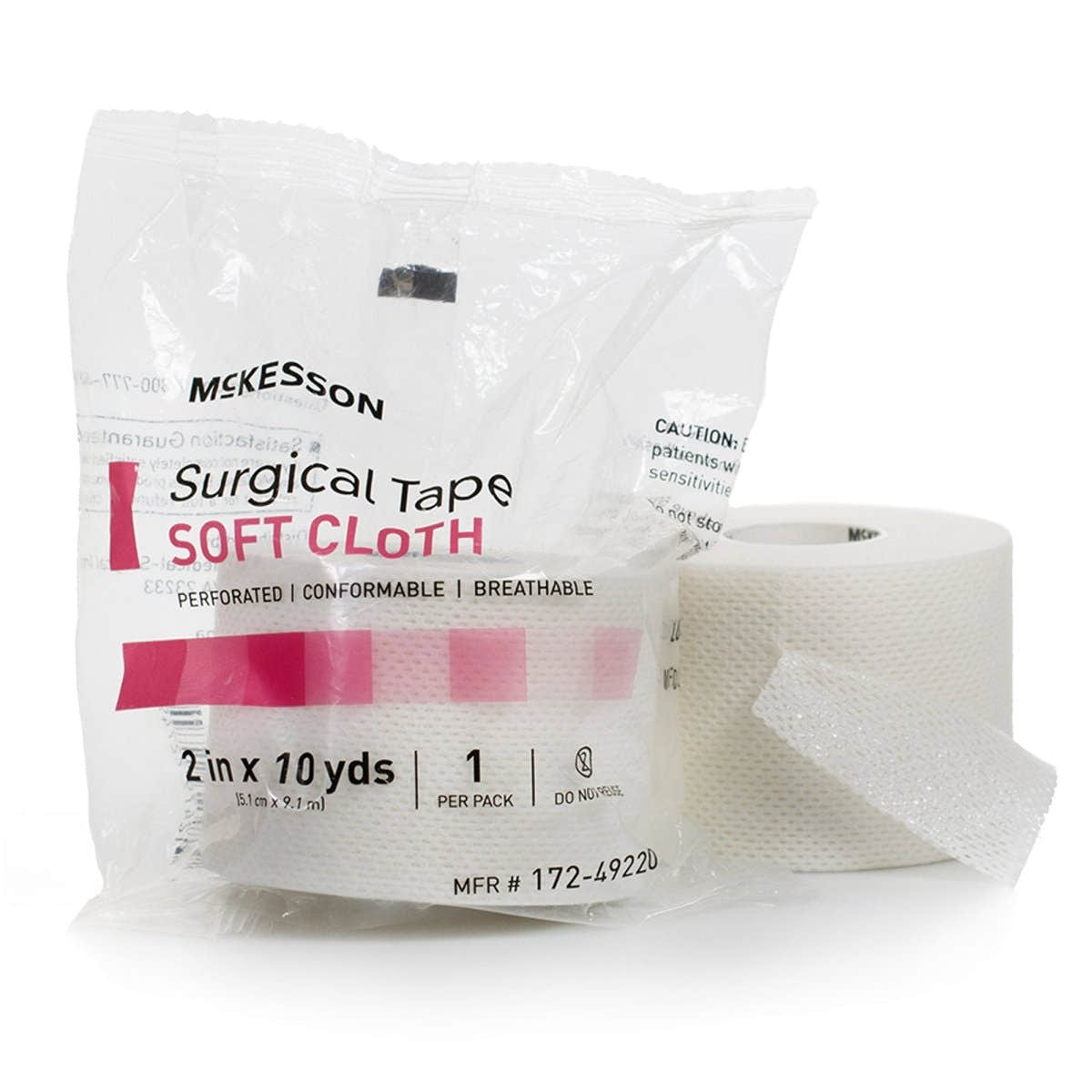
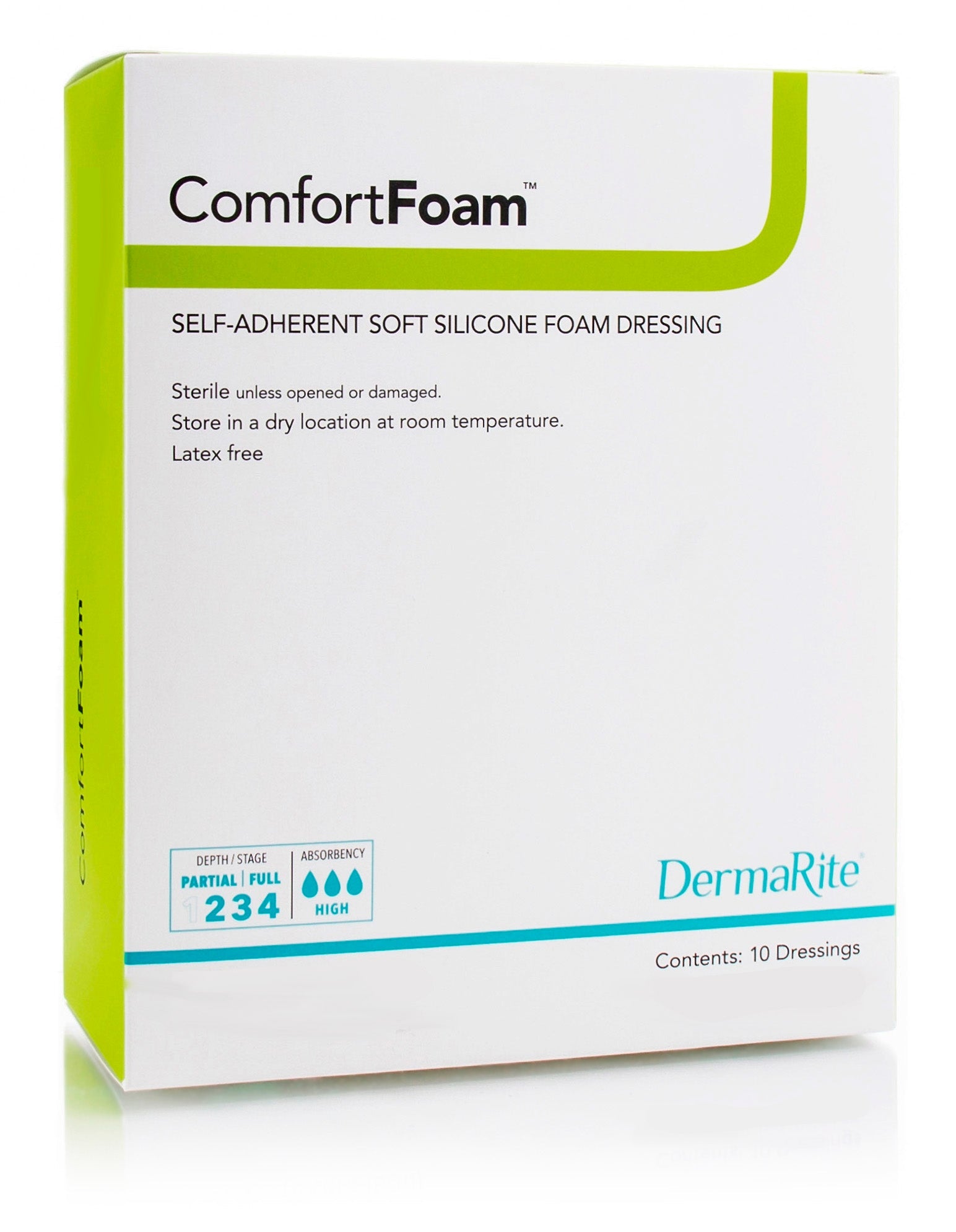
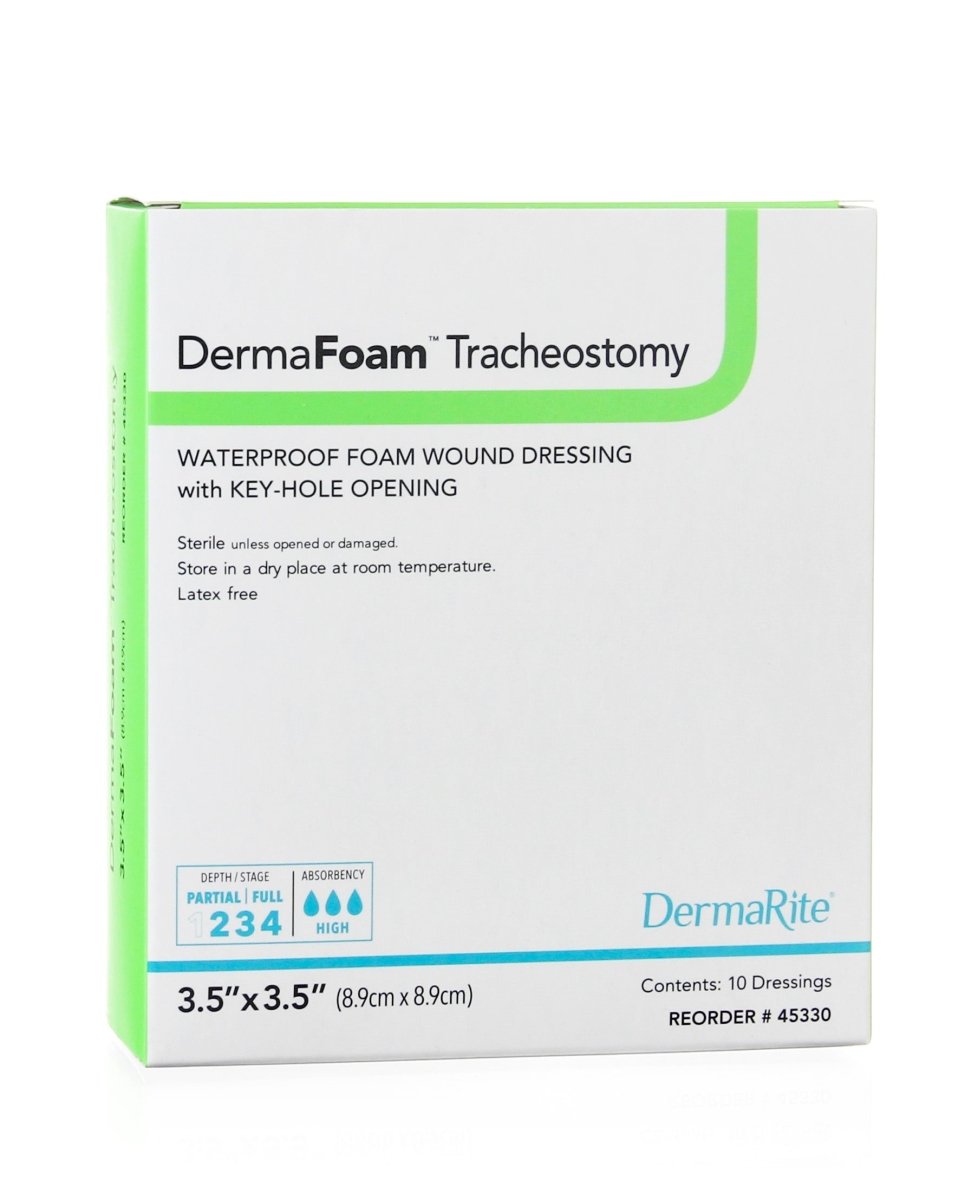
Select an appropriate dressing based on the type of wound, level of exudate, and the need for moisture balance. Common types of dressings include adhesive bandages, gauze pads, hydrocolloids, and films.
Change Dressings Regularly
Follow the recommended frequency for changing dressings to ensure cleanliness and prevent infection. Monitor the wound for any signs of complications during each dressing change.
Cleaning and Dressing Wounds
Cleaning and dressing wounds properly play a vital role in the healing process. Here are some key considerations for effective wound care:
Irrigation
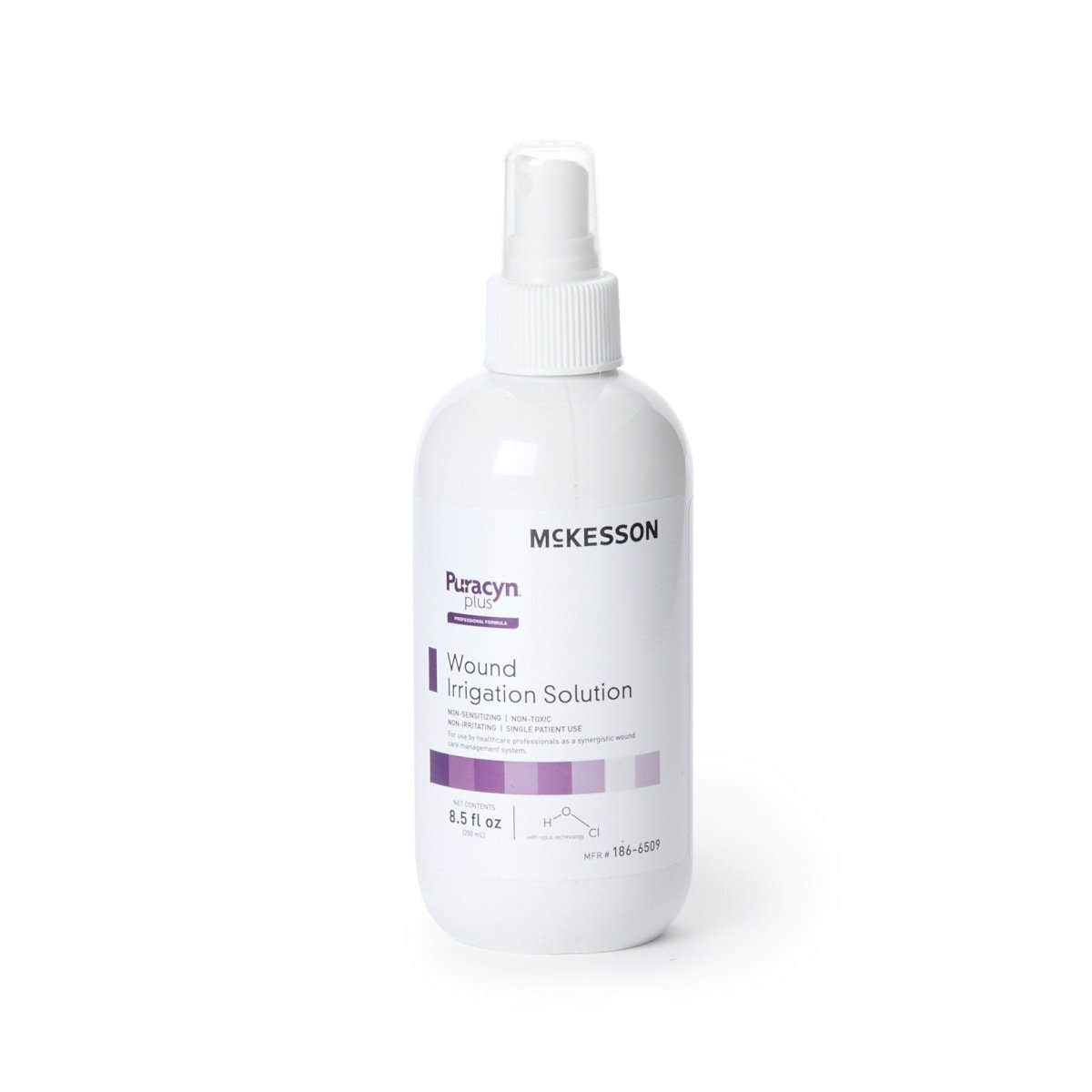
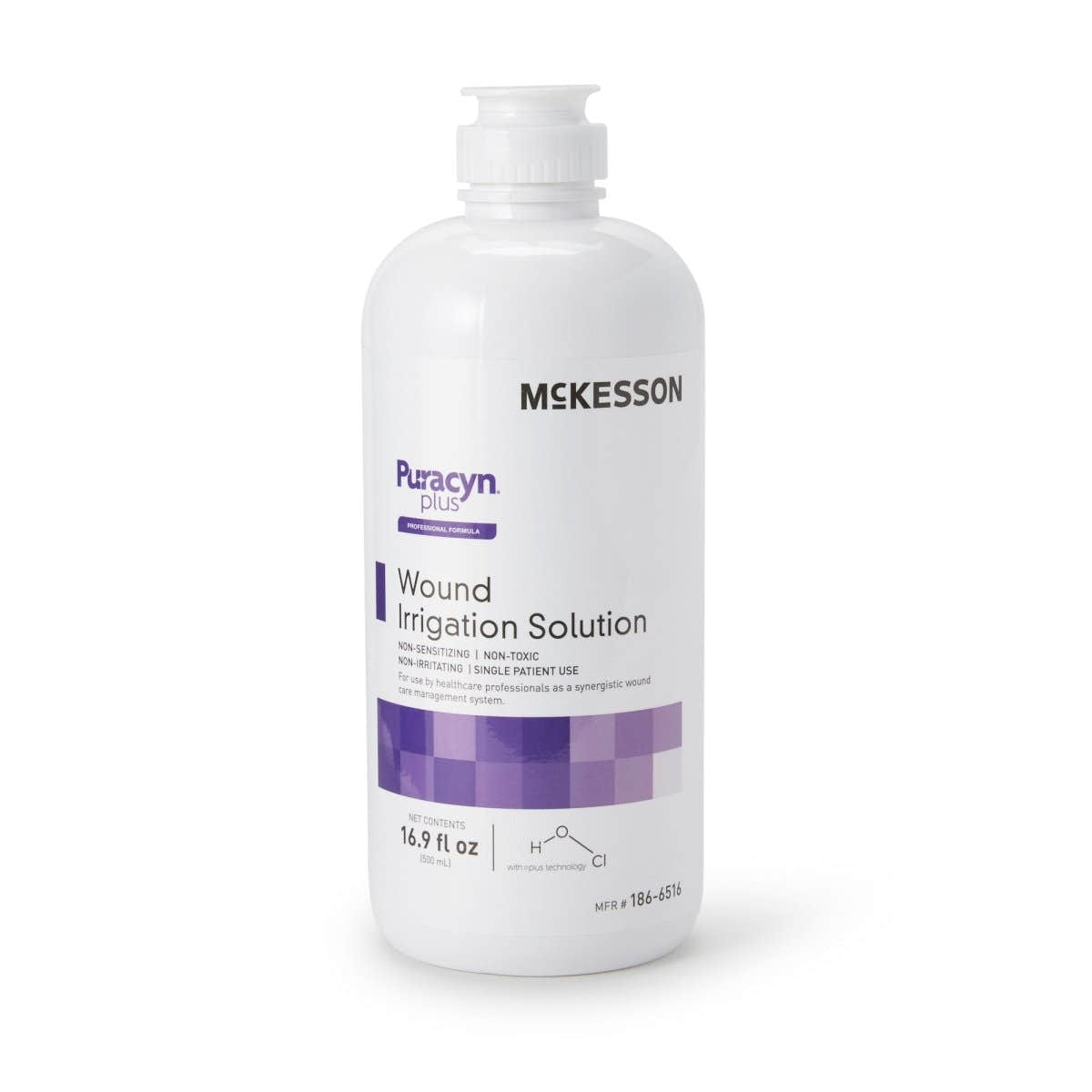
Irrigate the wound using sterile saline solution or as instructed by a healthcare professional. This helps remove bacteria, debris, and dead tissue.
Debridement
Debridement involves removing dead or infected tissue to promote healing. It can be done through mechanical, enzymatic, surgical, or autolytic methods.
Topical Medications
Some wounds may require the application of topical medications, such as antimicrobial ointments or creams, to prevent infections or promote healing.
Negative Pressure Wound Therapy
Negative Pressure Wound Therapy (NPWT) is an advanced technique that applies negative pressure to the wound, promoting healing and reducing the risk of infection.
Promoting Wound Healing
To facilitate the healing process, it's essential to create an optimal environment for the wound to heal. Here are some strategies to promote wound healing:
Maintain a Healthy Diet
Proper nutrition, including an adequate intake of protein, vitamins, and minerals, is crucial for optimal wound healing.
Manage Chronic Conditions
If you have underlying medical conditions, such as diabetes or circulatory disorders, it's important to manage them effectively to support the healing process.
Quit Smoking
Smoking can impair blood flow and hinder wound healing. Quitting smoking can significantly improve healing outcomes.
Manage Stress
Chronic stress can delay wound healing. Engaging in stress-reducing activities, such as meditation or exercise, can promote healing.
Advanced Wound Care Techniques
In some cases, complex wounds require advanced techniques and interventions to facilitate healing. Here are a few advanced wound care options:
Hyperbaric Oxygen Therapy
Hyperbaric Oxygen Therapy involves breathing pure oxygen in a pressurized chamber, which increases oxygen delivery to tissues and promotes healing.
Skin Grafts
Skin grafts involve transplanting healthy skin from one area of the body to the wound site. This technique is useful for large or non-healing wounds.
Negative Pressure Wound Therapy
As mentioned earlier, Negative Pressure Wound Therapy helps promote healing by applying negative pressure to the wound, encouraging tissue growth and reducing swelling.
Preventing Infections
Preventing infections is crucial in wound care. Here are some essential measures to minimize the risk of infection:
Proper Hand Hygiene
Wash your hands thoroughly before and after caring for a wound to reduce the transfer of bacteria.
Sterile Technique
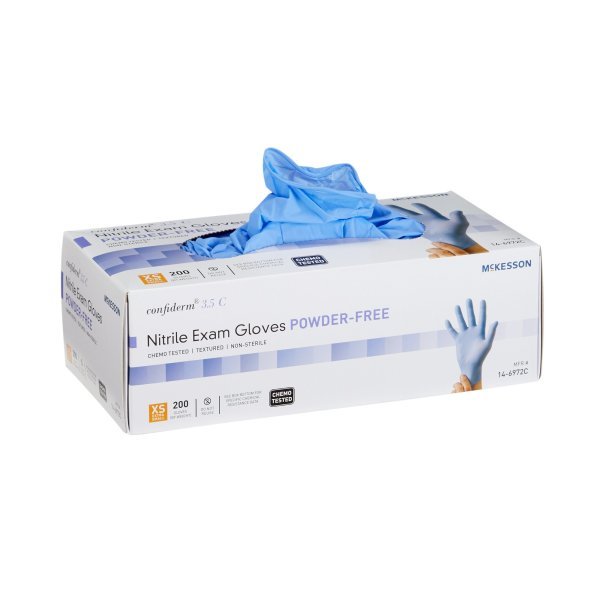
Use sterile gloves, dressings, and instruments when necessary, especially for deep or open wounds.
Antibiotic Prophylaxis
In certain cases, healthcare professionals may prescribe antibiotic prophylaxis to prevent infections.
Vaccinations
Ensure your immunizations are up to date, including tetanus shots, to protect against specific infections.
Pain Management
Pain management is an essential aspect of wound care, ensuring comfort and promoting healing. Here are some strategies for effective pain management:
Over-the-counter Pain Relievers
For mild to moderate pain, over-the-counter pain relievers such as acetaminophen or non-steroidal anti-inflammatory drugs (NSAIDs) may be sufficient.
Prescription Medications
For more severe pain, healthcare professionals may prescribe stronger pain medications.
Non-Pharmacological Approaches
Non-pharmacological pain management techniques, such as applying cold or warm compresses or using relaxation techniques, can also be beneficial.
Wound Care for Specific Conditions
Certain conditions require specialized wound care approaches. Here are a few examples:
Diabetic Foot Ulcers
Diabetic foot ulcers require diligent wound care, close monitoring, and specialized offloading techniques to prevent complications.
Pressure Ulcers
Managing pressure ulcers involves regular repositioning, using specialized support surfaces, and optimizing nutrition.
Surgical Wounds
Post-surgical wound care includes following specific instructions from the surgical team, such as changing dressings and keeping the wound clean.
Wound Care Products and Supplies
A variety of wound care products and supplies are available to aid in the healing process. Here are some commonly used items:
Adhesive Bandages
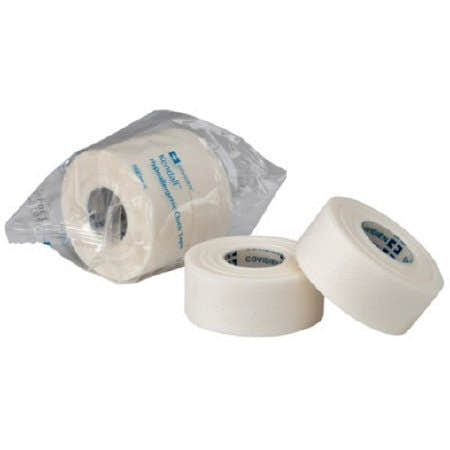
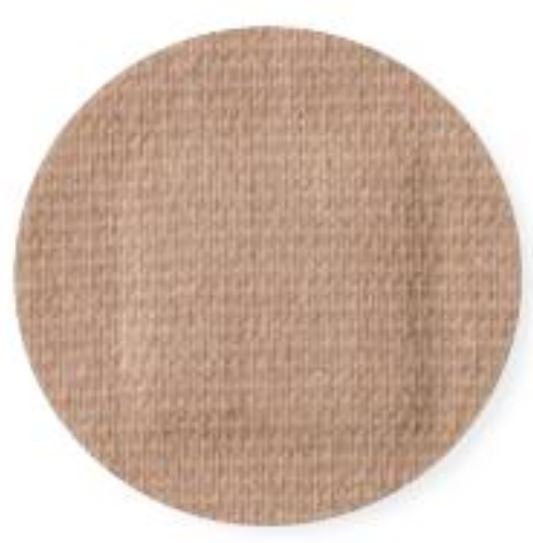
Adhesive bandages are suitable for minor cuts and scrapes, providing protection and promoting healing.
Gauze and Dressings
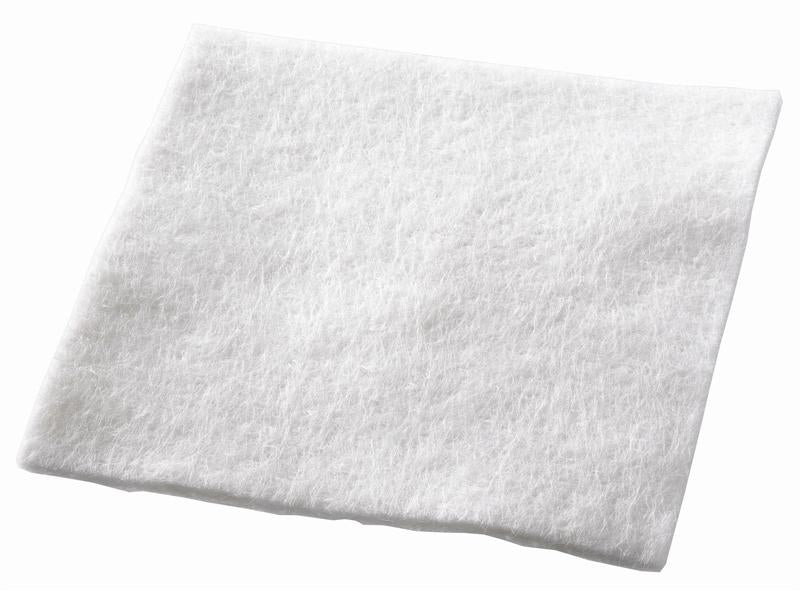
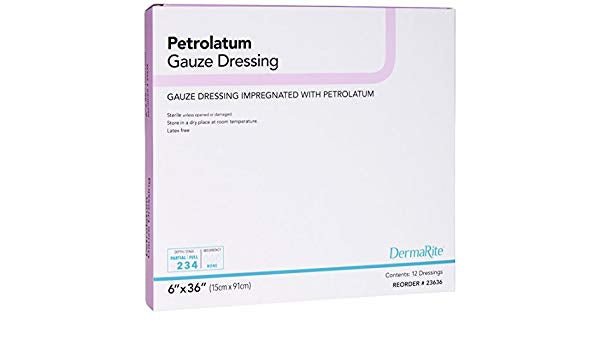
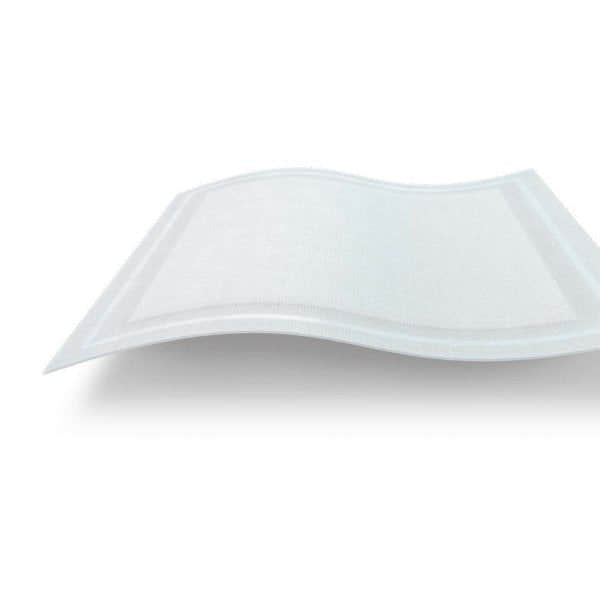
Gauze pads and dressings are versatile options for absorbing wound exudate and maintaining a moist environment.
Hydrocolloid Dressings
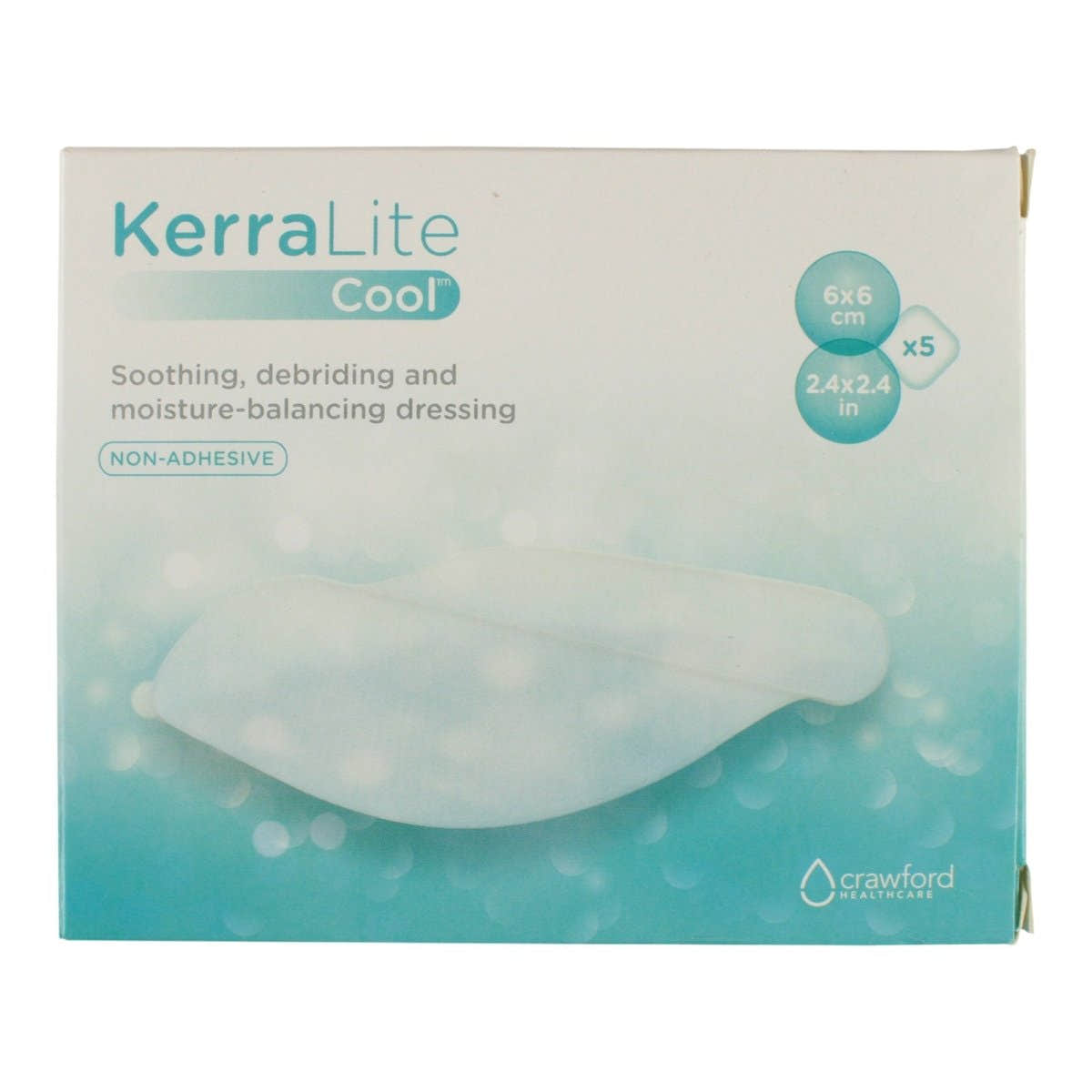
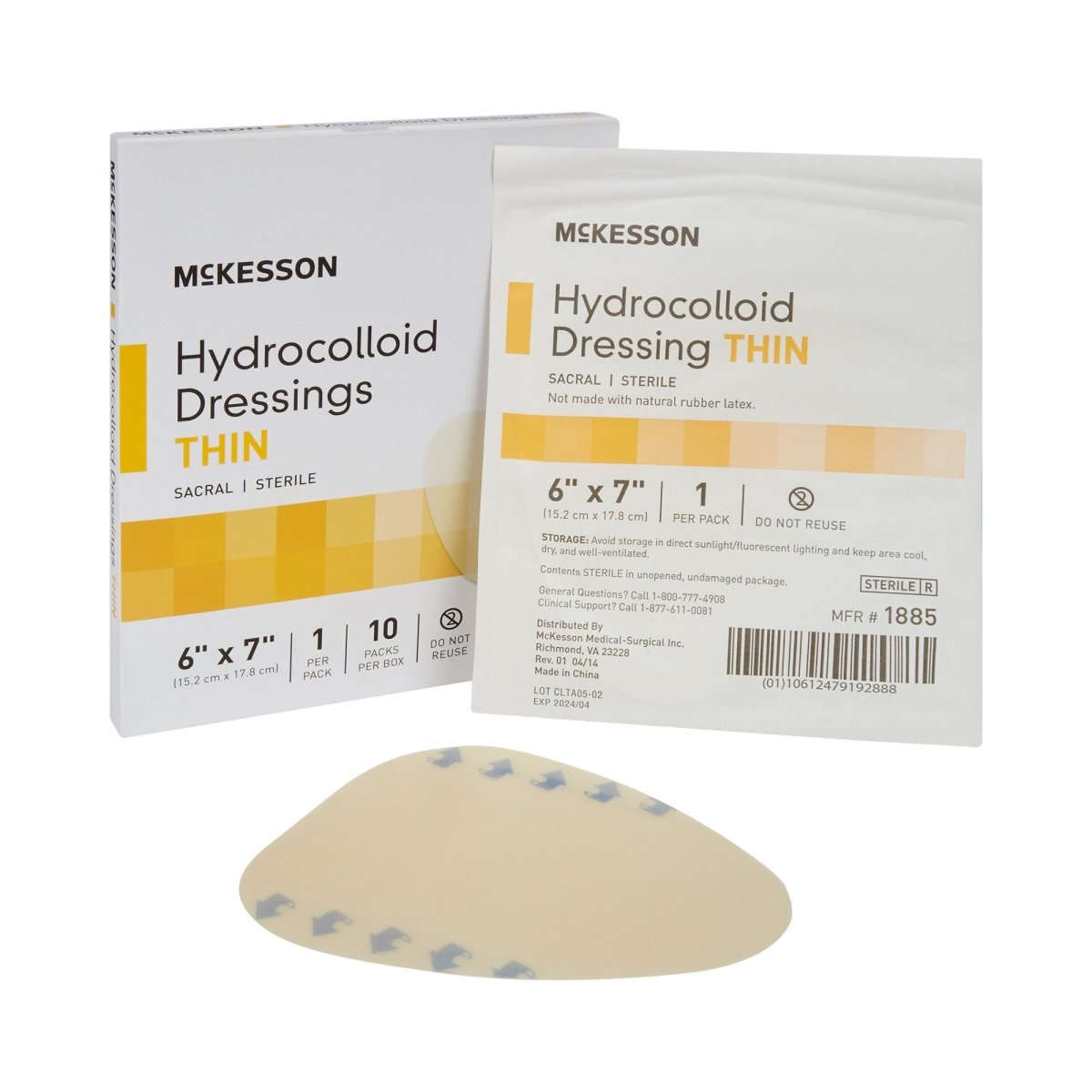
Hydrocolloid dressings create a gel-like environment that supports wound healing and helps maintain moisture balance.
Alginate Dressings
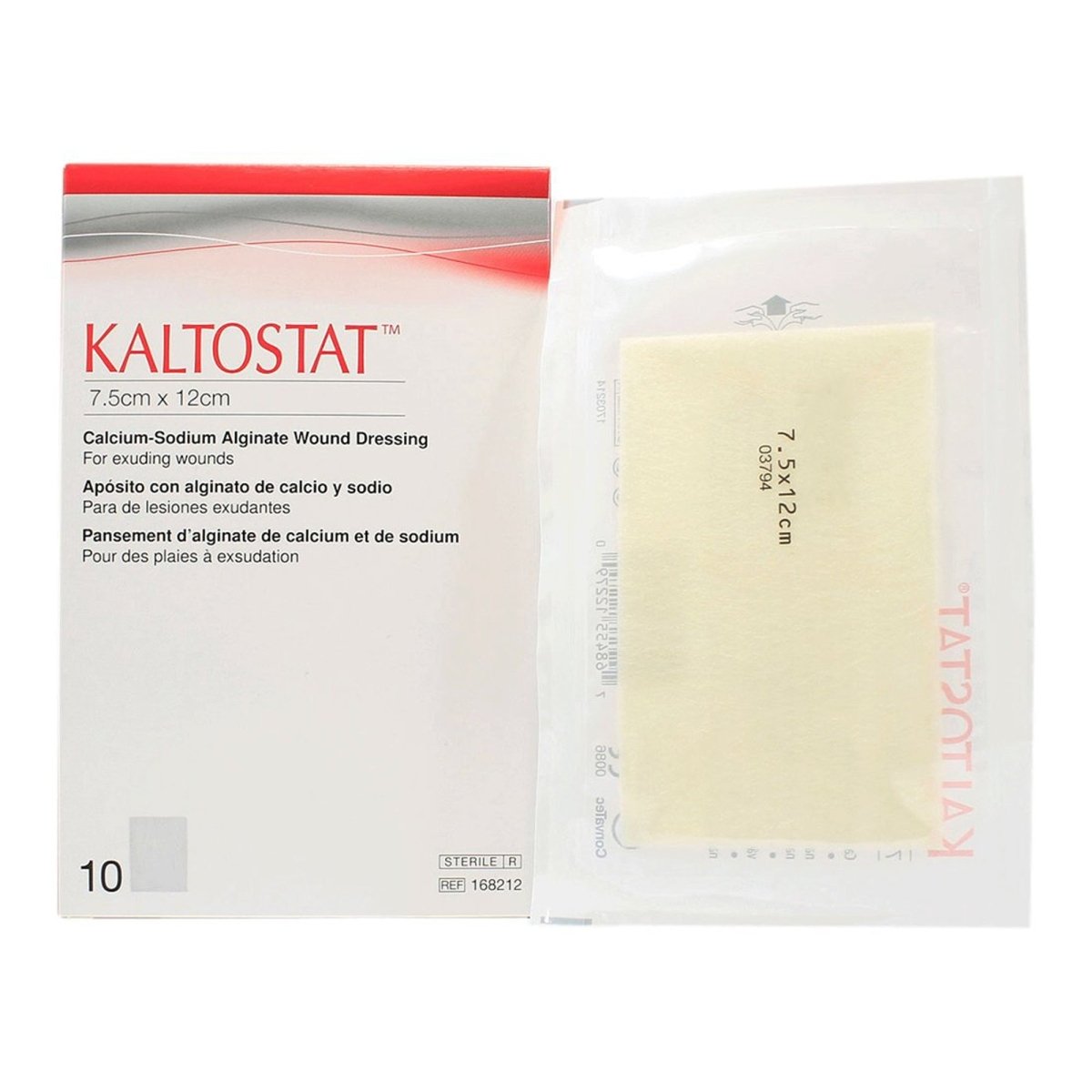
Alginate dressings are absorbent and suitable for wounds with heavy exudate, promoting a moist environment for healing.
Home Care vs. Professional Care
In many cases, wound care can be managed at home with proper education and guidance. However, certain situations require professional medical attention. Here's a comparison:
Home Care
Home care is suitable for minor wounds that are clean, not deep, and do not require specialized interventions.
Professional Care
Professional care is necessary for complex, infected, or deep wounds that require advanced treatments or surgical interventions.
When to Seek Medical Attention
While many wounds can be managed at home, certain situations require medical attention. Seek immediate medical care if you experience any of the following:
Excessive Bleeding
If the bleeding doesn't stop with direct pressure or is profuse, seek medical attention.
Signs of Infection
If you notice increased pain, redness, swelling, warmth, or pus in or around the wound, consult a healthcare professional.
Deep or Large Wounds
Deep or large wounds may require stitches, proper cleaning, and professional assessment to prevent complications.
Wounds from Animal Bites
Animal bites can lead to serious infections. Seek medical care for thorough evaluation and appropriate treatment.
Conclusion
Proper wound care is essential for promoting healing, preventing infections, and minimizing complications. By understanding the basics of wound care, assessing wound severity, and following appropriate techniques, individuals can actively participate in their healing process. Remember to seek professional medical attention for complex wounds or signs of infection. With diligent care and attention, wounds can heal effectively, allowing individuals to regain their health and well-being.