Caring for a family member with a healing wound can feel like a heavy responsibility. Whether your family member is recovering from a surgical procedure, managing a diabetic foot ulcer, or dealing with a pressure injury (often called a bedsore), your role as a caregiver is vital to their recovery. This Caring for a loved one's wound: caregiver guide is designed to give you the practical steps, safety tips, and emotional support you need to manage this task confidently at home. Taking care of a wound properly and promptly is urgent; according to the National Institutes of Health (NIH), proper wound care not only speeds up the body's natural healing process but also prevents severe, life-threatening infections.
As a caregiver, you do not have to be a trained medical professional to provide excellent care. By understanding the basics of wound hygiene, learning how to select and apply the right supplies, and keeping your loved one’s comfort in mind, you can create a safe, healing environment right at home.
Understanding the Basics of Wound Care
The skin is the body's largest organ, acting as a protective barrier against germs. When that barrier is broken, the body immediately goes to work to repair itself. However, chronic conditions like diabetes, poor circulation, or limited mobility can slow down this natural healing process.
According to the Centers for Disease Control and Prevention (CDC), keeping a wound clean and protected is the single most effective way to prevent infection. Before you begin any wound care routine, it is important to understand a few key terms your doctor or home health nurse might use:
- Exudate: This is the medical term for wound drainage or fluid. It can be clear, pink, or yellow. A small amount of clear drainage is normal, but heavy, thick, or green fluid can point to a problem.
- Sterile: This means completely free of bacteria, viruses, or other living germs. Sterile supplies, like packaged gauze, help keep harmful germs out of open wounds.
- Necrotic tissue: This refers to dead or devitalized tissue in the wound bed, which often looks black, brown, or yellow. This tissue must be managed by a healthcare professional, as it prevents new, healthy tissue from growing.
Caring for a loved one's wound: caregiver guide to the daily routine
Establishing a consistent, calm routine can make wound dressing changes much easier for both you and your loved one. Always follow the specific instructions provided by your healthcare provider. Below is a safe, step-by-step framework to guide you through a standard dressing change.
Step 1: Prepare Your Workspace
Before you touch your loved one or their supplies, prepare a clean, flat surface, such as a freshly sanitized table or tray. Gather all the supplies you will need so you do not have to walk away mid-care. Your supplies may include:
- Prescribed wound cleansers or sterile saline solution
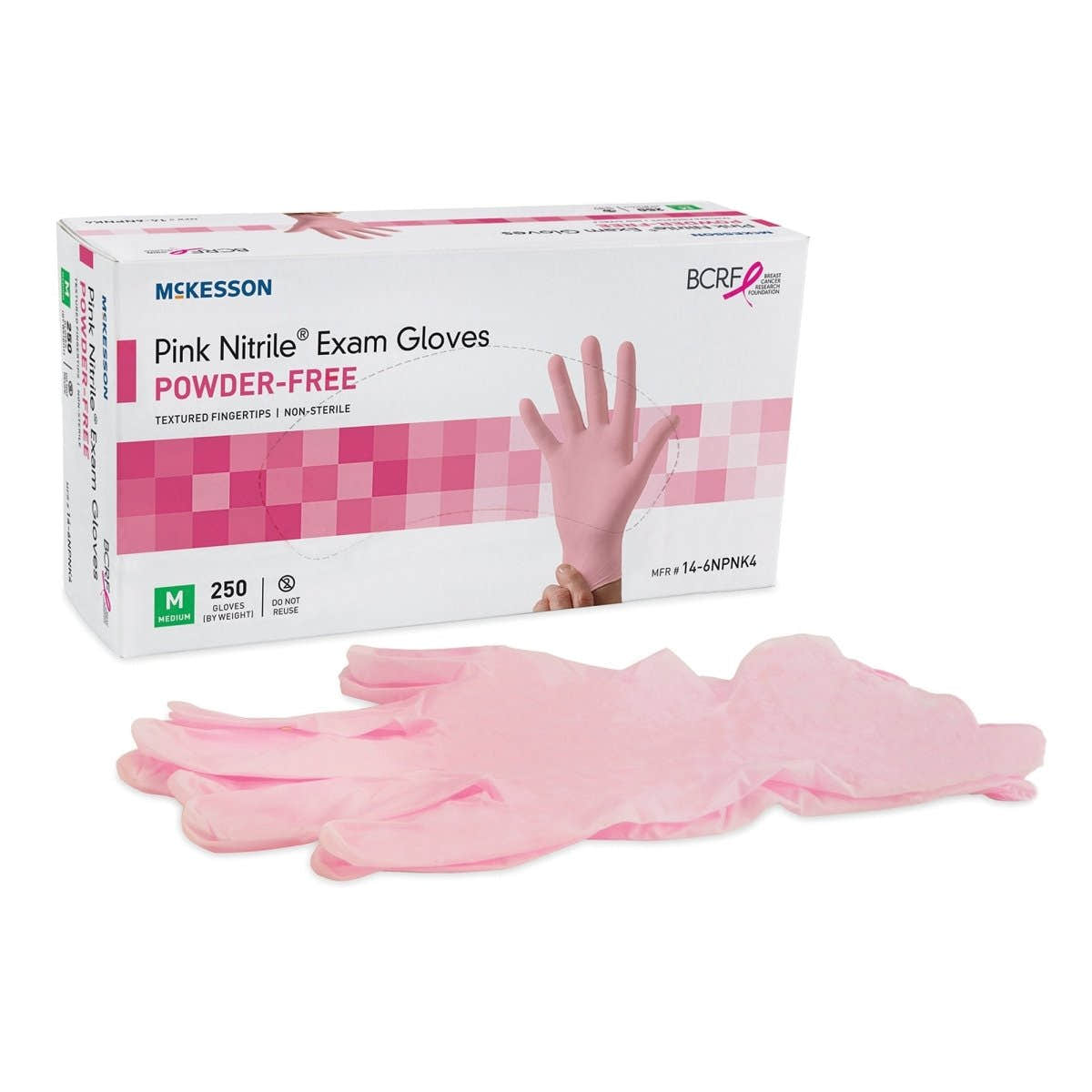
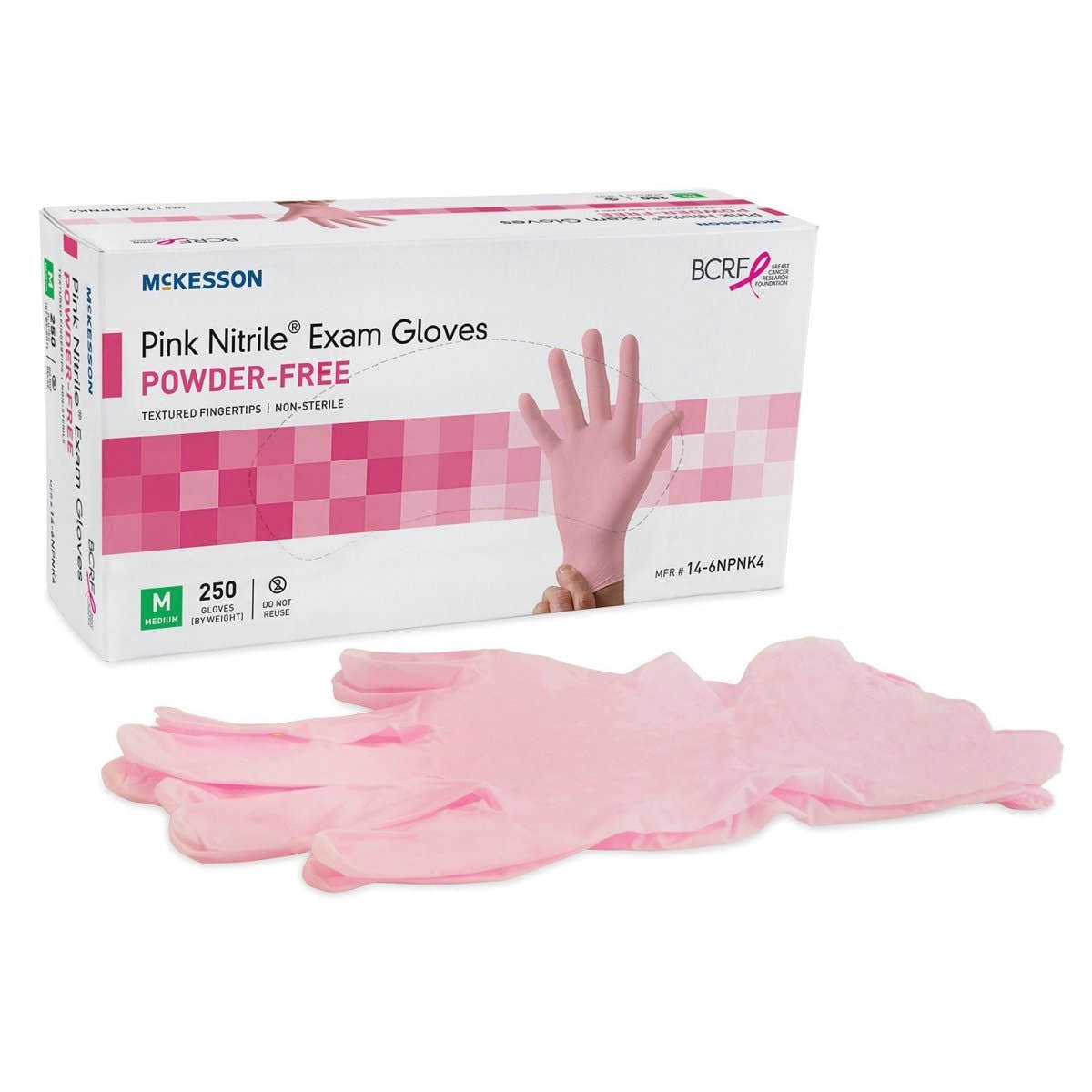
- Clean, disposable medical gloves
- Appropriate wound dressings
- Medical tape or cohesive wraps
- A clean trash bag for disposing of old dressings
Step 2: Practice Hand Hygiene
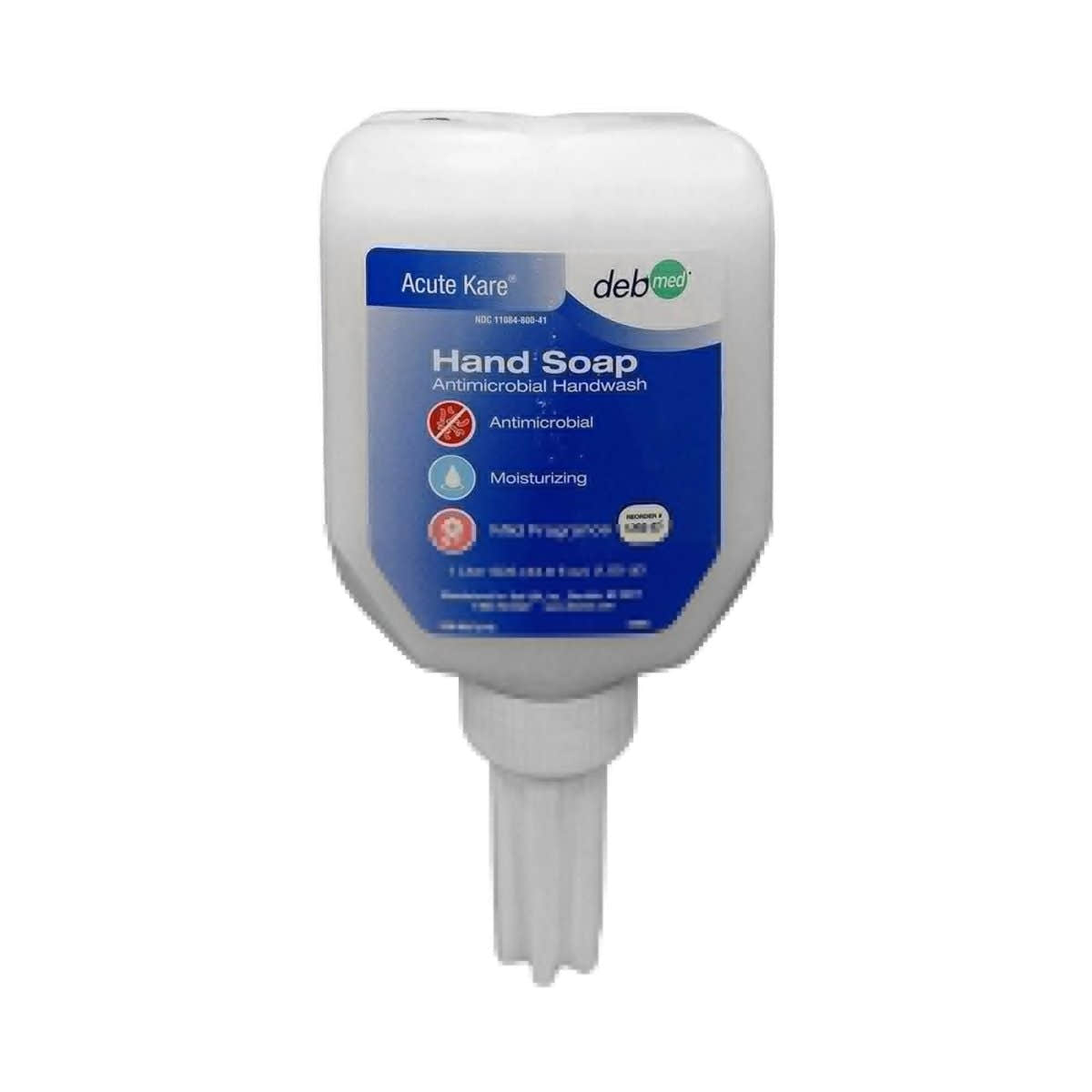
According to the CDC, clean hands are the most important tool for preventing infection. Wash your hands thoroughly with warm water and soap for at least 20 seconds. Be sure to scrub between your fingers, under your fingernails, and up your wrists. Dry your hands with a clean paper towel, then put on a fresh pair of disposable gloves.
Step 3: Gently Remove the Old Dressing
Carefully loosen the tape or adhesive holding the old dressing in place. To protect fragile skin, pull the tape gently in the direction of hair growth. If the dressing is sticking to the wound, do not rip it off. Instead, moisten it slightly with sterile saline or water (if approved by your doctor) to help it release gently. Place the old dressing directly into your trash bag.
Step 4: Clean and Inspect the Wound
Clean the wound using the solution recommended by your healthcare provider. In most cases, sterile saline or a gentle, non-cytotoxic wound cleanser is preferred. The NIH notes that harsh chemicals like hydrogen peroxide or rubbing alcohol can actually damage new, healthy cells and delay healing, so avoid using them unless specifically directed by a doctor.
Gently wipe the wound from the center outward using a clean gauze pad. Once clean, take a moment to look closely at the wound. Note its color, size, and any odor. Documenting these observations in a notebook can help you track healing progress and provide valuable information to your medical team.
Step 5: Apply the New Dressing
Remove your soiled gloves, wash your hands again, and put on a fresh pair of gloves. Carefully open your new, sterile wound dressings. Avoid touching the side of the dressing that will come into direct contact with the wound. Place the dressing gently over the wound and secure it with medical tape or a soft wrap, ensuring it is secure but not so tight that it restricts circulation.
Step 6: Clean Up and Wash Hands
Tie up the trash bag containing the old dressings and dispose of it immediately. Clean your workspace with a disinfectant wipe. Finally, remove your gloves and wash your hands thoroughly one last time.
Choosing the Right Wound Dressings
Every wound is unique, and using the correct type of dressing is crucial for recovery. The ideal dressing maintains a moist wound environment—which promotes faster healing—while absorbing excess fluid and protecting the area from external contamination. Depending on your loved one's specific needs, their doctor may recommend a variety of specialty wound dressings.
Here are some of the most common types of dressings you may encounter:
- Gauze Dressings: These traditional woven pads are highly versatile. They can be used to clean wounds, pack deep cavities, or serve as a protective outer layer to absorb fluid.
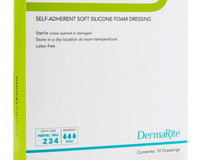
- Foam Dressings: Highly absorbent and soft, foam dressings are excellent for wounds with moderate to heavy drainage. They also provide a gentle layer of cushioning, which helps protect bony areas from pressure.
- Hydrogel Dressings: These dressings are designed to add moisture to dry or dehydrated wounds. By keeping the wound bed moist, they assist the body in breaking down dry, dead tissue.
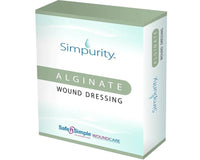
- Alginate Dressings: Made from natural seaweed fibers, alginates are incredibly absorbent. When they come into contact with wound fluid, they turn into a soft gel, making them ideal for highly active, wet wounds.
- Transparent Film Dressings: These clear, adhesive sheets allow you to monitor the wound without removing the dressing. They are typically used on minor, dry wounds or as a secondary cover layer.
- Silicone Dressings: These feature a gentle silicone adhesive layer that sticks securely to the surrounding skin but releases easily without causing pain or tearing fragile skin during changes.
Prioritizing Dignity, Comfort, and Safety
Managing a wound can be physically uncomfortable and emotionally challenging for your loved one. It is common for individuals to feel self-conscious, embarrassed, or anxious during dressing changes. Prioritizing their dignity and comfort can greatly improve their overall well-being.
To support your loved one during this process:
- Communicate openly: Explain what you are doing before you do it. This helps reduce anxiety and keeps them involved in their own care.
- Manage pain: If dressing changes are painful, talk to their doctor. They may suggest administering a prescribed pain medication 30 minutes before the dressing change, or switching to a gentler dressing, such as a silicone-faced foam.
- Ensure privacy: Keep your loved one covered as much as possible, exposing only the area of the body that needs care. Close doors and pull curtains to create a private, secure environment.
- Take breaks: If your loved one becomes overwhelmed, tired, or uncomfortable, it is okay to pause for a few moments to let them rest and regain their composure.
Recognizing Signs of Infection (Urgent Care)
While your goal is to promote healing, complications can sometimes arise. Because infections can escalate rapidly, caregivers must remain highly vigilant. According to the CDC, you should contact your loved one's healthcare provider immediately if you notice any of the following warning signs:
- An increase in pain, throbbing, or tenderness around the wound area.
- Spreading redness, swelling, or warmth in the skin surrounding the wound.
- An increase in the amount of drainage, or drainage that becomes thick, yellow, green, or foul-smelling.
- The wound appears to be getting larger or deeper.
- Your loved one develops a fever, chills, or sudden confusion.
Never hesitate to reach out to a professional if you feel something is wrong. Trust your instincts as a caregiver; early intervention can prevent minor issues from turning into serious medical emergencies.
Supporting Your Own Well-Being as a Caregiver
Caring for a loved one is a profound act of love, but it can also be physically and emotionally exhausting. Caregiver burnout is a very real challenge that can affect your health and your ability to provide care. Remember that taking care of yourself is not selfish—it is necessary.
To protect your own well-being, try to eat balanced meals, get adequate rest, and take short breaks when you can. Reach out to friends, family members, or local support groups to share the load. Many community organizations and home health agencies offer respite care services, which provide temporary relief so you can rest and recharge. You cannot pour from an empty cup; by caring for yourself, you ensure you have the strength and presence of mind to care for your loved one.
How often should I change my loved one's wound dressing?
The frequency of dressing changes depends entirely on the type of wound, the amount of drainage, and the specific dressing being used. Some wounds require daily changes, while certain specialty dressings can be left in place for several days. Always follow the exact schedule prescribed by your healthcare provider.
Can I use rubbing alcohol or hydrogen peroxide to clean the wound?
No, unless specifically instructed by a doctor. According to clinical consensus and resources like the NIH, harsh chemicals like hydrogen peroxide and rubbing alcohol can damage delicate new cells, irritate the skin, and delay the overall healing process. Sterile saline or a gentle wound cleanser is usually recommended.
What should I do if the dressing is stuck to the wound?
Never pull or rip a stuck dressing off, as this can tear away newly healed skin and cause pain. Instead, gently moisten the dressing with sterile saline or clean, warm water (if approved by your doctor) to help loosen the adhesive or dried fluid, allowing it to slide off gently.
How can I tell if a wound is healing or getting worse?
A healing wound will gradually decrease in size, show pink or red tissue (granulation tissue), and have less drainage. Signs that a wound is worsening include increased pain, spreading redness, swelling, warmth, a foul odor, or an increase in thick, colored drainage. If you notice these worsening signs, contact a healthcare provider immediately.
This article is for general educational purposes and is not medical advice. Always consult your healthcare provider for guidance specific to your situation.