Caring for a minor cut, scrape, or surgical incision at home can sometimes feel overwhelming, especially if you are managing a chronic condition or helping a loved one recover. However, taking care of a wound does not have to be stressful. Knowing how to clean a wound correctly is one of the most effective ways to prevent infection, minimize scarring, and support your body’s natural healing process. With a calm approach, a clean environment, and the right supplies, you can safely manage minor wound care in the comfort of your own home.
According to the National Institutes of Health (NIH), proper wound management involves keeping the area clean, moist, and protected. This guide will walk you through the step-by-step process of cleaning and dressing a wound, help you select the right supplies, and point out the signs that mean it is time to call a healthcare professional.
Gathering Your Wound Care Supplies
Before you begin, it is important to gather all your supplies and place them on a clean, sanitized surface. Having everything within arm's reach prevents you from having to stop midway through the process, which helps keep the environment sterile and safe.
Here is a list of the basic supplies you will need:
- Mild soap and clean water: Or a sterile saline wound wash.
- Disposable medical gloves: To protect both the caregiver and the patient from bacteria.
- Sterile gauze pads: Used for cleaning, drying, and dressing the wound. Avoid using cotton balls, as their loose fibers can stick to the wound bed and cause irritation.
- Clean tweezers: If there is loose dirt or debris in the wound (sterilized with rubbing alcohol beforehand).
- Ointment: A thin layer of petroleum jelly or a doctor-recommended antibiotic ointment to keep the wound moist.
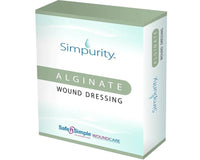
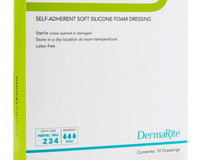
- Wound dressings: Choosing the right protective cover is essential. Depending on the size and location of the injury, you may need adhesive bandages, non-stick pads, or specialized wound dressings that help maintain a healthy moisture balance.
- Medical tape: To secure non-adhesive dressings in place.
Step-by-Step: How to Clean a Wound at Home
Once your supplies are ready, you can begin the cleaning process. Follow these clear, gentle steps to ensure the wound is thoroughly cleaned without causing unnecessary pain or tissue damage.
Step 1: Wash Your Hands Thoroughly
The Centers for Disease Control and Prevention (CDC) emphasizes that hand hygiene is the single most important step in preventing infection. Before you touch the wound or any of your clean supplies, wash your hands with warm water and soap for at least 20 seconds. Clean under your fingernails and up your wrists. Dry your hands with a clean, disposable paper towel, and put on a fresh pair of medical gloves if you have them.
Step 2: Apply Gentle Pressure to Stop Bleeding
If the wound is actively bleeding, apply gentle, continuous pressure using a clean, sterile gauze pad or a clean cloth. Elevate the wounded limb above the level of the heart if possible, as this helps reduce blood flow to the area. Most minor cuts and scrapes will stop bleeding within a few minutes. If the bleeding is heavy or does not stop after 10 minutes of direct, continuous pressure, seek medical attention immediately.
Step 3: Rinse the Wound Gently
Place the wound under a gentle stream of cool or lukewarm tap water for several minutes, or pour sterile saline solution over it. According to clinical consensus guidelines from the NIH, rinsing the wound under running water is highly effective at flushing out loose dirt, bacteria, and debris. Wash the skin around the wound gently with mild soap, but try to keep the soap out of the wound itself, as it can cause irritation and delay healing.
Step 4: Remove Loose Dirt or Debris
If you see any loose dirt, gravel, or fibers in the wound after rinsing, use a pair of clean tweezers (sterilized with rubbing alcohol) to gently lift them out. Do not poke, prod, or dig deep into the wound. If the debris is deeply embedded or difficult to remove, stop and contact a healthcare professional to avoid causing further tissue damage.
Step 5: Gently Dry the Skin
Using a clean, sterile gauze pad, gently pat the skin surrounding the wound dry. Avoid rubbing or wiping the wound bed, as this can disrupt new tissue growth and cause the wound to start bleeding again. Let the area air-dry for a moment before applying any ointments or dressings.
Applying the Right Wound Dressing
Once the wound is clean and dry, the next step is to protect it from the outside environment. Modern medical research has shifted away from the old advice of letting a wound "air out" to form a hard scab. Instead, clinical experts at the NIH and the American Academy of Dermatology (AAD) recommend maintaining a moist wound environment. A moist environment helps new skin cells grow and migrate more quickly, which speeds up healing and reduces the likelihood of severe scarring.
To dress the wound correctly:
- Apply a thin layer of ointment: Use a clean cotton swab or a gloved finger to apply a thin layer of petroleum jelly or an over-the-counter antibiotic ointment. This keeps the wound bed moist and prevents the dressing from sticking to the healing tissue.
- Select an appropriate dressing: Cover the wound completely with a clean bandage or a sterile gauze pad. If you have sensitive skin or a fragile wound, look for specialized wound dressings designed to cushion the area and absorb excess fluid without sticking to the skin.
- Secure the dressing: Use medical tape or an elastic bandage to hold the dressing firmly in place. Ensure it is snug enough to stay secure, but not so tight that it pinches the skin or cuts off blood circulation.
Common Mistakes to Avoid in Home Wound Care
When learning how to clean a wound, it is just as important to know what not to do. Some traditional home remedies can actually slow down the healing process.
- Do not use hydrogen peroxide or rubbing alcohol: While these liquids are common in many home medicine cabinets, clinical studies show they are too harsh for open wounds. They damage healthy living cells and delay the healing process. Stick to plain water or sterile saline.
- Do not pick at scabs: Scabs are the body's natural "bandages," protecting the delicate new skin growing underneath. Picking a scab open introduces new bacteria and increases the risk of scarring.
- Do not blow on the wound: It might feel natural to blow on a scrape to soothe the sting, but human breath contains bacteria that can easily contaminate an open wound.
- Do not use fuzzy materials: Avoid using cotton balls or fluffy towels directly on an open wound, as the loose fibers can get trapped in the healing tissue and cause irritation or infection.
Monitoring and Changing the Dressing
To keep the wound healing safely, you should change the dressing at least once a day, or sooner if it becomes wet, dirty, or loose. Each time you change the dressing, take a moment to look closely at the wound for any changes.
According to the CDC, keeping a wound clean and covered is your best defense against complications. Gently wash the wound again with water or saline during dressing changes, reapply your ointment, and place a fresh, clean dressing over the area.
When to Call a Doctor
While many minor wounds can be safely managed at home, some situations require professional medical evaluation. You should contact a doctor or visit an urgent care clinic if you notice any of the following:
- The wound is deep, gaping, or has jagged edges that may require stitches.
- The bleeding does not stop after 10 minutes of direct pressure.
- The wound was caused by a dirty or rusty object, and you have not had a tetanus shot in the last 5 to 10 years.
- The wound was caused by an animal or human bite.
- You notice signs of infection, which include:
- Increasing redness or warmth around the wound.
- Swelling that gets worse over time.
- Pus or cloudy, foul-smelling drainage.
- An increase in pain or tenderness.
- A fever or chills.
Should I let a wound air out or keep it covered?
According to clinical guidance from the National Institutes of Health (NIH), you should keep a wound covered. Keeping the wound moist and covered with a clean dressing helps skin cells heal faster, protects the area from dirt and bacteria, and reduces the risk of scarring compared to letting it dry out and form a hard scab.
Is hydrogen peroxide good for cleaning a wound?
No, you should avoid using hydrogen peroxide or rubbing alcohol on wounds. While they do kill bacteria, they also damage healthy skin cells and the delicate new tissue trying to heal. Clean water or sterile saline is the safest and most effective choice for flushing out a wound.
How often should I change a wound dressing?
You should change your wound dressing at least once a day. You should also change it immediately if it becomes wet, dirty, loose, or if fluid starts leaking through the outer layer of the bandage.
What are the main signs of a wound infection?
Common signs of infection include spreading redness, increased swelling, warmth around the area, worsening pain, yellow or green pus with a foul odor, or a fever. If you notice any of these symptoms, contact your healthcare provider right away.
This article is for general educational purposes and is not medical advice. Always consult your healthcare provider for guidance specific to your situation.