When a cut, scrape, or surgical incision heals, the body typically follows a predictable, step-by-step process to repair itself. However, for millions of individuals, this healing process stalls. If you or a loved one is dealing with a sore that refuses to heal after several weeks, you are not alone. Understanding chronic wounds: causes and management is an essential first step toward finding relief, protecting your health, and regaining comfort in your daily life. Managing these complex wounds at home can feel overwhelming, but with the right knowledge, support from your healthcare team, and appropriate supplies, it is highly manageable.
Understanding Chronic Wounds: Causes and Management
According to the National Institutes of Health (NIH), a chronic wound is defined as a wound that does not progress through the normal, orderly stages of healing within a typical timeframe—usually about four to six weeks. In a healthy healing cycle, the body goes through four distinct phases: stopping the bleeding (hemostasis), cleaning the wound and fighting off bacteria (inflammation), building new tissue (proliferation), and strengthening the new tissue (maturation).
When a wound becomes "chronic," it typically gets stuck in the inflammatory phase. This delay is often caused by underlying health conditions that affect blood flow, oxygen delivery, or the body's natural immune response. Without intervention, these wounds can remain open for months or even years, making proper management essential to prevent complications and support recovery.
Common Causes of Chronic Wounds
Several underlying health conditions can disrupt the body's natural healing process. Understanding these causes helps in choosing the right management strategies and products for daily care:
- Diabetic Foot Ulcers: The American Diabetes Association (ADA) notes that nerve damage (known as neuropathy) and poor circulation are common complications of diabetes. Neuropathy can cause a patient to lose sensation in their feet, meaning a small blister, cut, or scrape can go completely unnoticed. Combined with restricted blood flow, these minor injuries can quickly develop into deep, slow-healing ulcers.
- Pressure Ulcers (Bedsores): Also known as pressure injuries, these wounds develop when constant pressure on a specific part of the body cuts off blood flow to the skin and underlying tissues. They are common in individuals with limited mobility, such as those who are bedridden or use a wheelchair. Frequent turning and specialized support surfaces are key to managing and preventing these injuries.
- Venous Ulcers: These occur when the veins in the legs have trouble sending blood back to the heart, a condition known as venous insufficiency. Blood pools in the lower legs, causing swelling, skin changes, and eventually, painful sores that are slow to heal. Compression therapy is often a cornerstone of managing venous ulcers.
- Arterial Ulcers: Caused by blocked or narrowed arteries, these wounds occur when tissues are deprived of the oxygen-rich blood they need to heal. They typically form on the feet, heels, or toes and can be quite painful, especially when the legs are elevated.
The Crucial Role of Wound Dressings
Managing a chronic wound requires maintaining an optimal environment for healing. Modern wound care emphasizes "moist wound healing," a concept supported by extensive clinical research. Keeping a wound at the right moisture level—neither too wet nor too dry—allows new skin cells to grow and move across the wound bed more easily. It also reduces pain and minimizes scarring.
To achieve this balance, healthcare providers recommend specialized wound dressings. Different wounds require different materials, and your doctor or wound care specialist will guide you on the best option for your specific situation. Here are some of the most common types of dressings used in chronic wound care:
- Hydrocolloid Dressings: These dressings contain gel-forming agents that absorb moderate amounts of fluid while keeping the wound bed moist. They provide a protective barrier against bacteria and are often used for pressure ulcers and minor burns.
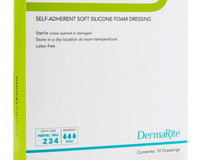
- Foam Dressings: Highly absorbent and cushioning, foam dressings are excellent for wounds with moderate-to-heavy drainage. They protect the surrounding skin from excess moisture, which can cause the skin to soften and break down (a process called maceration).
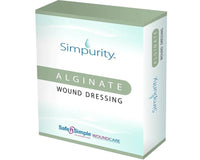
- Alginate Dressings: Made from natural seaweed fibers, alginates are incredibly absorbent. When they come into contact with wound fluid, they turn into a soft gel. They are ideal for deep wounds with significant drainage and help maintain a moist environment.
- Hydrogels: These dressings donate moisture to dry wounds. They help break down dead tissue (a process called autolytic debridement) so the wound can heal. They are highly soothing and help reduce pain.
- Transparent Film Dressings: Thin, adhesive sheets that allow healthcare providers to monitor the wound without removing the dressing. They are typically used on dry, superficial wounds or as a secondary cover to hold other dressings in place.
Managing Infection Risk
One of the most critical aspects of chronic wound care is managing the infection risk. Because chronic wounds remain open for extended periods, they are highly vulnerable to bacteria. An infection can delay healing even further and, if left untreated, can lead to serious systemic complications.
According to the Centers for Disease Control and Prevention (CDC), proper hygiene is the single most effective way to prevent infection. When caring for a wound at home, always follow these safety steps:
- Wash your hands: Scrub your hands thoroughly with soap and warm water for at least 20 seconds before and after touching the wound, changing dressings, or applying treatments.
- Prepare a clean workspace: Clean the surface where you will lay out your supplies with an alcohol wipe or disinfectant. Gather all your supplies, including your wound dressings, medical tape, and cleaning solutions, before you begin.
- Follow your provider's cleaning instructions: Use only the solutions recommended by your doctor (usually sterile saline or a gentle wound cleanser). Avoid harsh chemicals like hydrogen peroxide or rubbing alcohol unless explicitly directed, as they can damage healthy, healing cells and delay recovery.
- Monitor for signs of infection: Inspect the wound and the surrounding skin during every dressing change. Contact your healthcare provider immediately if you notice increased pain, swelling, redness, skin that feels warm to the touch, an unpleasant odor, yellow or green drainage, or if you develop a fever.
Daily Management and Lifestyle Tips
Beyond applying the right dressings, daily lifestyle habits play a massive role in how quickly your body can repair itself. A holistic approach to health supports the body's natural regenerative processes:
- Nutrition and Hydration: The body requires extra energy, protein, vitamins, and minerals to rebuild tissue. The NIH highlights the importance of a balanced diet rich in protein, Vitamin C, and Zinc to support wound healing. Staying well-hydrated is also essential for maintaining healthy blood volume and circulation.
- Blood Sugar Control: For individuals with diabetes, keeping blood glucose levels within the target range recommended by your doctor is vital. High blood sugar can impair immune function and slow down circulation, making it much harder for the body to fight off bacteria and rebuild tissue.
- Avoid Smoking: Nicotine constricts blood vessels, reducing the amount of oxygen and nutrients delivered to the wound. Quitting smoking, or even cutting back, can significantly improve healing times.
- Pressure Relief: If you are managing pressure ulcers, frequently changing positions (every 2 hours if bed-bound, or every 15 minutes if seated) is crucial to restore blood flow to vulnerable areas. Specialized cushions and mattresses can also help distribute weight more evenly.
When to Contact Your Healthcare Provider
Routine care is the cornerstone of chronic wound management, but you should never hesitate to seek professional medical advice. Chronic wounds are complex and require ongoing assessment by a doctor, nurse, or wound care specialist. They can help identify the root cause of the delay in healing and adjust your treatment plan accordingly.
Always consult your healthcare provider before changing your wound care routine, trying new dressings, or if you notice any changes in the wound's size, depth, color, or drainage. If you experience sudden, severe pain, a high fever, or spreading redness, seek emergency medical attention immediately.
How long does it take for a chronic wound to heal?
The healing time for a chronic wound varies greatly depending on the underlying cause, the patient's overall health, and how well the wound is managed. Some chronic wounds may take several months to heal, while others require ongoing management over a longer period. Consistent care under the guidance of a healthcare professional is key to promoting recovery.
Can I use over-the-counter antibiotic ointments on a chronic wound?
You should only use antibiotic ointments or creams if they are specifically recommended or prescribed by your healthcare provider. Some over-the-counter ointments can trap too much moisture, cause allergic reactions, or interfere with the specialized dressings you are using. Always consult your doctor before applying any new products to a chronic wound.
Why is my chronic wound draining so much fluid?
Wound drainage, or exudate, is a natural part of the healing process. It contains proteins, white blood cells, and other elements that help repair tissue. However, excessive drainage can be a sign of inflammation, increased bacterial load, or an underlying circulation issue. If you notice a sudden increase in drainage or a change in its color or odor, contact your healthcare provider.
How often should I change my wound dressing?
The frequency of dressing changes depends entirely on the type of dressing used and the amount of drainage from the wound. Some dressings need to be changed daily, while others can be left in place for several days. Always follow the specific instructions provided by your healthcare team to avoid disrupting the healing process.
This article is for general educational purposes and is not medical advice. Always consult your healthcare provider for guidance specific to your situation.