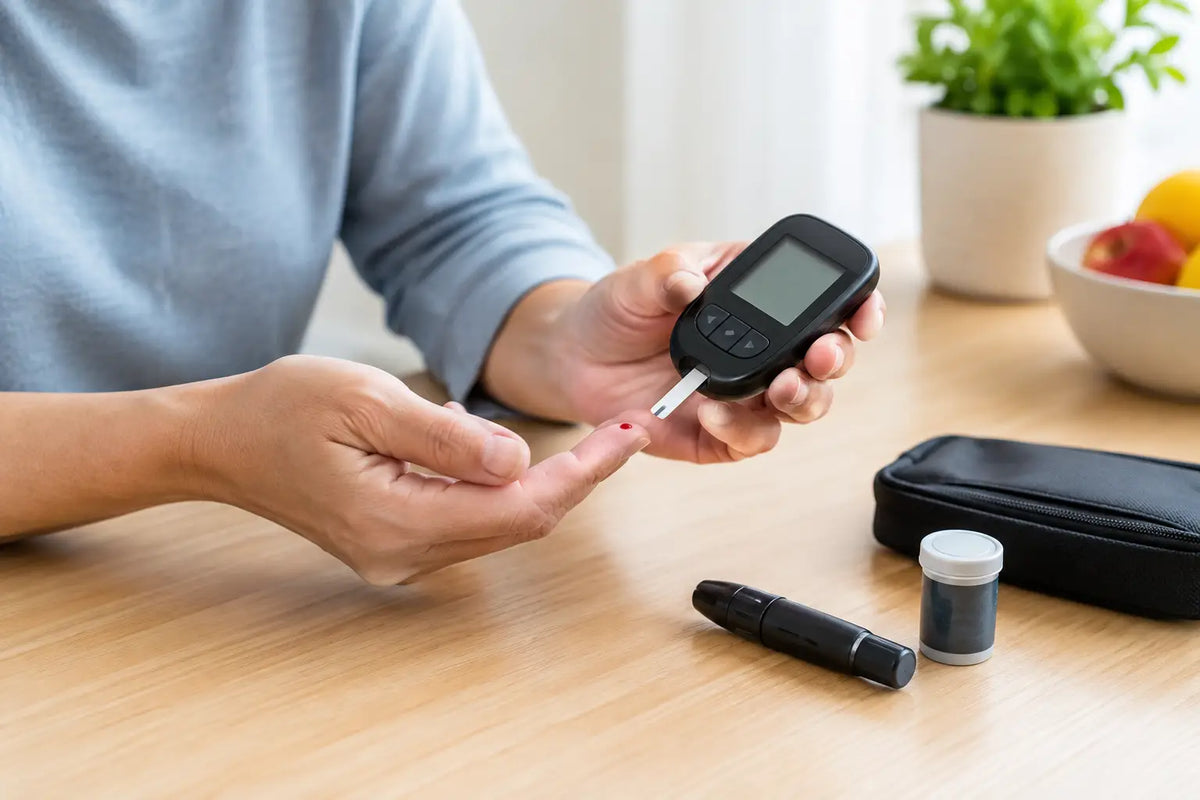
Managing diabetes requires regular blood glucose monitoring, and choosing the right lancet gauge is essential for a comfortable and accurate testing experience. According to the CDC, proper blood glucose monitoring is crucial for diabetes management. In this article, we will guide you through the process of selecting the right lancet gauge for your needs, so you can focus on managing your condition with confidence.
Understanding Lancet Gauges
A lancet gauge refers to the thickness or width of the lancet needle. The gauge of a lancet is inversely proportional to its thickness, meaning that a higher gauge number indicates a thinner needle. For example, a 30-gauge lancet is thinner than a 25-gauge lancet. The American Diabetes Association (ADA) recommends using a lancet device with a gauge that suits your individual needs.
Factors to Consider When Choosing a Lancet Gauge
When selecting a lancet gauge, consider the following factors:
- Skin type: If you have sensitive skin, a higher gauge (thinner) lancet may be more comfortable for you. On the other hand, if you have thicker skin, a lower gauge (thicker) lancet may be more effective.
- Blood glucose monitoring frequency: If you need to test your blood glucose levels frequently, a higher gauge lancet may be more suitable to reduce discomfort and skin irritation.
- Personal preference: Some people prefer a specific gauge based on their personal experience and comfort level.
According to the National Institute of Diabetes and Digestive and Kidney Diseases, using a lancet device with the right gauge can help reduce pain and discomfort associated with blood glucose monitoring.
Matching Your Needs to the Right Lancet Gauge
To choose the right lancet gauge, consider your individual needs and preferences. If you are unsure, consult with your healthcare provider for guidance. You can find a variety of lancets with different gauges in our lancets collection, which includes products from trusted manufacturers.
Common Lancet Gauges and Their Uses
Here are some common lancet gauges and their typical uses:
- 25-gauge: Suitable for people with thicker skin or those who require more blood for testing.
- 28-gauge: A good option for people with average skin thickness and those who test their blood glucose levels occasionally.
- 30-gauge: Ideal for people with sensitive skin or those who test their blood glucose levels frequently.
Remember, the right lancet gauge for you will depend on your individual needs and preferences. Be sure to consult with your healthcare provider if you have any questions or concerns.
What is the most common lancet gauge used for diabetes care?
The most common lancet gauge used for diabetes care is the 28-gauge lancet, as it provides a good balance between comfort and effectiveness for people with average skin thickness.
Can I use any lancet gauge with my lancet device?
It's essential to check the compatibility of the lancet gauge with your lancet device before use. Using an incompatible lancet gauge can lead to inaccurate results or damage to the device.
How often should I replace my lancets?
It's recommended to replace your lancets after a certain number of uses or as indicated by the manufacturer's instructions. Using a dull or contaminated lancet can cause discomfort and increase the risk of infection.
This article is for general educational purposes and is not medical advice. Always consult your healthcare provider for guidance specific to your situation.