Managing a chronic respiratory condition like Chronic Obstructive Pulmonary Disease (COPD) can feel overwhelming, especially when you or an aging family member experiences frequent difficulty breathing. However, setting up a supportive environment with the right copd supplies at home can help you regain a sense of control, safety, and comfort. According to the Centers for Disease Control and Prevention (CDC), consistent home management and avoiding triggers are vital steps in reducing COPD flare-ups and improving daily quality of life for seniors.
For many individuals living with COPD, supplemental oxygen therapy becomes a necessary part of daily life. The primary tool used to deliver this oxygen is a nasal cannula—a lightweight, flexible tube with two prongs that sit gently inside the nostrils. Choosing the right cannula and supporting supplies is not just about medical utility; it is about protecting fragile skin, ensuring mobility, and maintaining independence. This guide will walk you through how to select, fit, and care for your home oxygen supplies to ensure maximum comfort and safety.
Selecting the Best COPD Supplies at Home for Daily Comfort
When you are setting up your home care routine, the sheer variety of medical supplies can feel confusing. Having a clear checklist of essential items makes the process much easier to manage. For seniors managing respiratory conditions, the goal is to minimize physical exertion and prevent skin irritation while ensuring a steady, reliable flow of prescribed oxygen.
According to the National Institutes of Health (NIH), oxygen therapy equipment must be tailored to the individual's specific prescription, lifestyle, and physical environment. Below are the core supplies you should consider for your daily routine:
- Nasal Cannulas: These are the most common delivery devices for home oxygen. They come in various sizes, materials, and prong shapes to accommodate different facial structures and comfort preferences.
- Oxygen Extension Tubing: This longer tubing connects your cannula to your oxygen concentrator, allowing you to move around your home. It typically ranges from 7 to 50 feet in length.
- Tubing Connectors and Swivels: These small plastic pieces join sections of tubing together. Swivel connectors are highly recommended because they spin freely, preventing the tubing from twisting, kinking, or causing a tripping hazard.
- Oasis or Water-Soluble Lubricants: Constant oxygen flow can dry out the nasal passages. Specialized, water-soluble moisturizers help soothe dry skin inside the nose without damaging the medical equipment.
- Foam Ear Protectors: These soft cushions wrap around the oxygen tubing where it rests behind the ears, preventing friction sores and pressure points.
A Deep Dive into Choosing the Right Nasal Cannula
Not all nasal cannulas are created equal. Because a cannula is worn for many hours a day—and sometimes overnight—finding the right style is crucial for preventing discomfort and skin breakdown. When browsing cannulas, pay close attention to the following key features:
1. Prong Shape: Curved vs. Straight
Nasal cannulas generally feature either straight or curved prongs. Straight prongs are standard and widely available, but they can sometimes push directly against the sensitive inner lining of the nose. Curved prongs are anatomically designed to match the natural curve of your nasal passages. The American Lung Association notes that curved prongs tend to provide a more comfortable fit, direct the airflow more naturally, and reduce the risk of nasal dryness and irritation.
2. Material and Softness
Standard PVC (polyvinyl chloride) cannulas are durable and cost-effective, but they can become stiff over time, especially when exposed to continuous oxygen flow. For seniors with sensitive or thinning skin, "soft-touch" or silicone-based cannulas are an excellent alternative. These ultra-soft materials remain pliable, reducing pressure on the upper lip and behind the ears.
3. Flow Rate Compatibility
Your healthcare provider will prescribe a specific oxygen flow rate, measured in Liters per Minute (LPM). It is vital to match your cannula to this prescription:
- Standard Flow Cannulas: Designed for low-flow oxygen therapy, typically delivering between 1 to 6 LPM.
- High-Flow Cannulas: Designed with wider tubing and larger prongs to deliver higher volumes of oxygen (typically 6 to 15 LPM) without causing excessive resistance or discomfort. Always consult your doctor to ensure your cannula matches your prescribed flow rate.
4. Demand (Pulse-Dose) vs. Continuous Flow
If you use a portable oxygen concentrator, you may use a pulse-dose (or demand) system, which only delivers oxygen when you inhale. Some cannulas are specifically optimized for these systems to ensure the device accurately detects your breath. If you use a continuous-flow home concentrator, a standard cannula is usually sufficient.
Sizing, Fitting, and Avoiding Skin Irritation
An ill-fitting cannula can lead to soreness, skin tears, and even air leaks that reduce the effectiveness of your therapy. To find the perfect fit, keep these practical tips in mind:
How to Check the Fit
To wear a cannula correctly, place the two prongs into your nostrils pointing downward and curving slightly backward toward your throat. Loop the tubing over and behind each ear, then slide the plastic adjuster under your chin upward until the tubing is secure but comfortable. You should be able to fit two fingers easily between the tubing and your chin. If the tubing feels too tight, it can pinch your skin; if it is too loose, the prongs may slip out of place while you talk or sleep.
Protecting Your Ears and Nose
The skin behind the ears is incredibly thin and prone to pressure ulcers from constant contact with plastic tubing. To prevent this, you can use foam ear protectors or slide-on cushions. Additionally, never use petroleum-based products (such as Vaseline) to soothe dry nostrils or lips. Petroleum is highly flammable and poses a severe fire hazard when used near supplemental oxygen. Instead, choose water-based moisturizers specifically formulated for oxygen users.
Matching Your Supplies to Your Daily Lifestyle
Your choice of home supplies should match your daily activities and physical mobility. Consider these real-life scenarios when planning your setup:
For the Active Senior
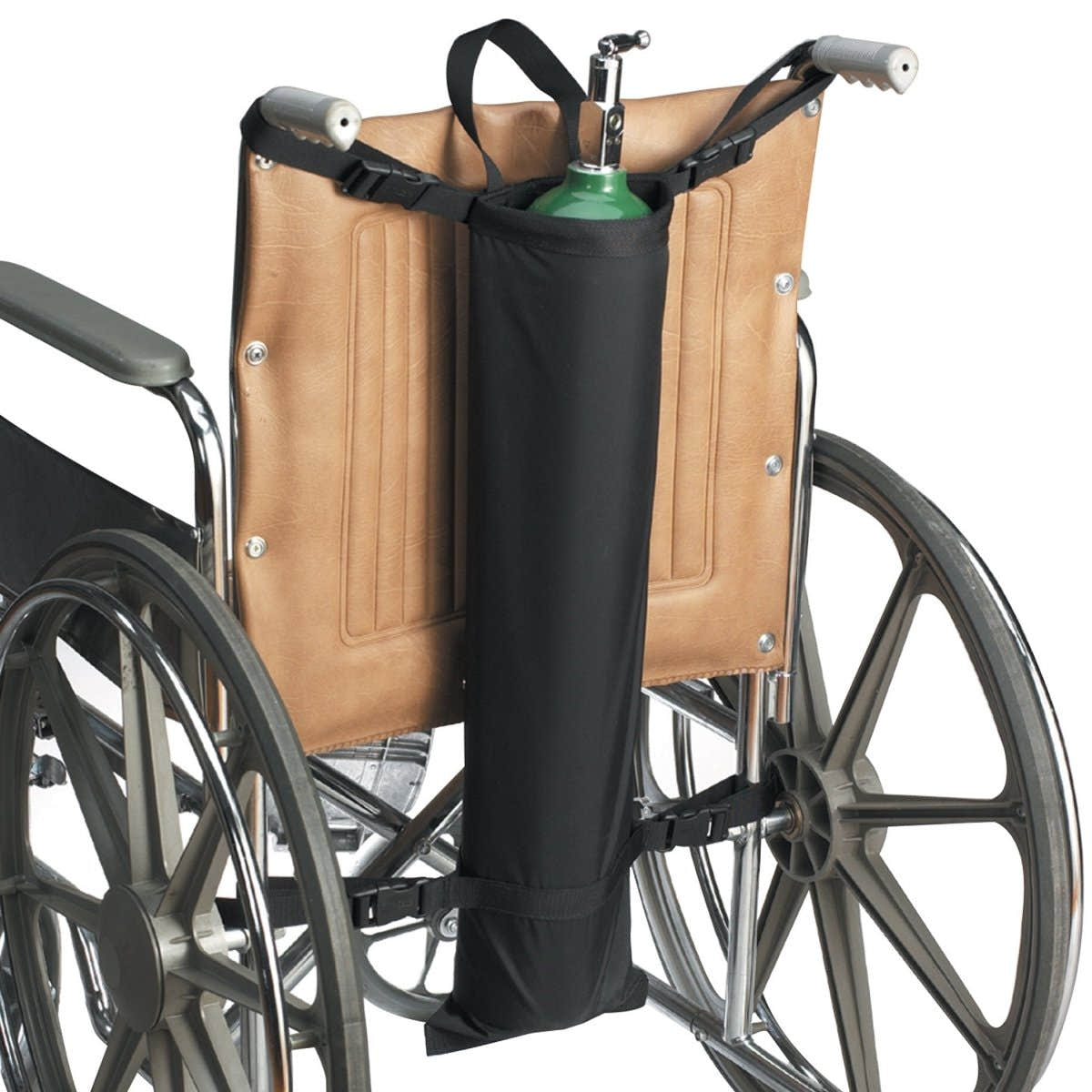
If you enjoy gardening, cooking, or moving from room to room, you will need a setup that promotes mobility. A shorter cannula (typically 4 to 7 feet) paired with a lightweight portable oxygen concentrator or a small oxygen cylinder is ideal for moving around. If you are using a stationary home concentrator, a longer extension tubing (up to 50 feet) with a swivel connector will allow you to walk around the house without dragging or kinking the line.
For Resting and Sleeping
During sleep, you are more likely to roll over and tangle your tubing. For nighttime use, consider an ultra-soft cannula with curved prongs to keep it securely in place. Using a swivel connector is especially important at night to prevent the tubing from coiling and pulling on your face. Ensure your tubing is routed safely away from your neck to prevent any entanglement hazards.
Oxygen Safety and Maintenance at Home
Operating oxygen equipment at home requires careful attention to safety and hygiene. Oxygen is not explosive on its own, but it supports combustion, meaning it makes fires burn much faster and hotter. The American Lung Association recommends the following safety rules:
- Keep Away from Heat: Keep your oxygen concentrator, cylinders, and tubing at least five to ten feet away from open flames, gas stoves, fireplaces, candles, and heated appliances.
- No Smoking: Never smoke or allow anyone else to smoke in a home where oxygen is being used. Post "No Smoking" signs near your home entrances.
- Avoid Oils and Grease: Do not use oil-based lotions, creams, or petroleum jelly on your face or hands, and keep grease and aerosol sprays away from your oxygen equipment.
- Prevent Tripping Hazards: Secure long extension tubing along the edges of walls using tape or clips, and keep walkways clear to prevent falls, which are a major concern for seniors.
Cleaning and Replacement Schedule
To prevent respiratory infections, you must clean and replace your supplies regularly. Over time, bacteria and moisture can build up inside the tubing. Follow this general replacement schedule, and always defer to the manufacturer's specific instructions:
- Nasal Cannula: Wash the prongs weekly with mild dish soap and warm water, rinse thoroughly, and let them air dry completely. Replace your cannula every 2 to 4 weeks. If you have been sick with a cold or respiratory infection, replace the cannula immediately.
- Extension Tubing: Wipe down the exterior of the tubing weekly. Replace the entire length of extension tubing every 3 to 6 months.
- Humidifier Bottle (if used): If your concentrator uses a humidifier bottle to add moisture to the air, fill it only with distilled water (never tap water). Empty, wash, and refill the bottle daily to prevent bacterial growth.
How often should I change my nasal cannula?
For standard daily use, it is generally recommended to replace your nasal cannula every 2 to 4 weeks. If you have recently had a cold, flu, or respiratory infection, you should discard your current cannula and replace it immediately to prevent reinfection.
What is the difference between curved and straight cannula prongs?
Straight prongs point directly into the nasal passage, which can sometimes cause irritation or dryness. Curved prongs are designed to match the natural anatomical shape of your nostrils, directing airflow more comfortably and reducing friction against the sensitive inner lining of your nose.
How do I prevent sore ears from my oxygen tubing?
You can prevent ear soreness by using soft foam ear protectors that wrap around the tubing where it rests on your ears. Additionally, choosing "soft-touch" or silicone-based cannulas rather than standard PVC can significantly reduce pressure and friction on sensitive skin.
Can I use petroleum jelly (like Vaseline) to soothe a dry nose from oxygen?
No, you should never use petroleum-based products on your nose or lips while using oxygen. Petroleum is highly flammable in oxygen-rich environments. Instead, use water-soluble, water-based moisturizers or saline nasal sprays specifically designed for oxygen therapy users.
This article is for general educational purposes and is not medical advice. Always consult your healthcare provider for guidance specific to your situation.