Managing incontinence in dementia care is a challenging task that requires patience, understanding, and the right supplies. According to the CDC, dementia is a general term for a decline in mental ability severe enough to interfere with daily life, and incontinence is a common symptom that affects many people with dementia. As a caregiver, it's essential to know how to manage incontinence effectively to maintain the dignity and well-being of your loved one. In this article, we will discuss the importance of managing incontinence in dementia care and provide a step-by-step guide on how to do it.
Understanding Incontinence in Dementia Care
Incontinence is the loss of bladder or bowel control, leading to unintentional leakage of urine or stool. According to the National Association for Continence (NAFC), incontinence affects millions of people worldwide, and it's more common in people with dementia. The symptoms of incontinence can vary depending on the type and severity of dementia, but common signs include urinary leakage, bowel movements, and skin irritation.
Supplies Needed for Managing Incontinence
To manage incontinence effectively, you'll need the right supplies. These may include adult diapers, incontinence pads, wipes, and skin care products. You can find these products in our incontinence supplies collection, which offers a range of high-quality products designed to meet the needs of people with incontinence. It's essential to choose products that fit comfortably and provide adequate protection to prevent skin irritation and leakage.
Step-by-Step Guide to Managing Incontinence
Here's a step-by-step guide to managing incontinence in dementia care:
- Establish a routine: Create a schedule for toileting, changing diapers, and cleaning up accidents. Consistency can help reduce the risk of incontinence and make it easier to manage.
- Use the right products: Choose products that fit comfortably and provide adequate protection. Consider factors like absorbency, comfort, and ease of use when selecting products.
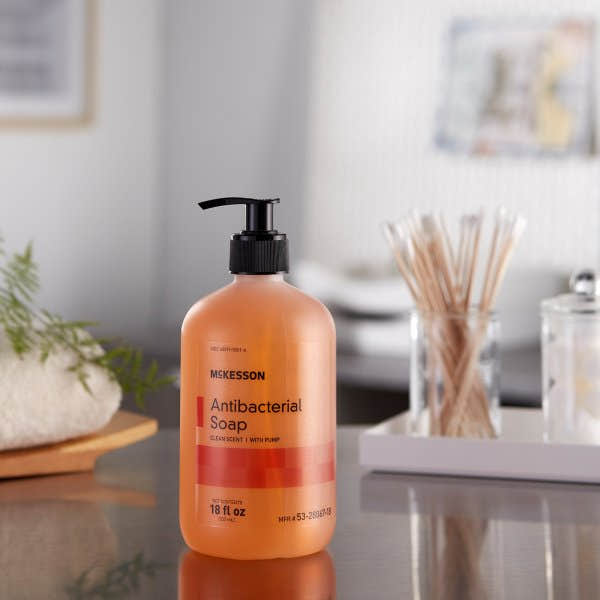
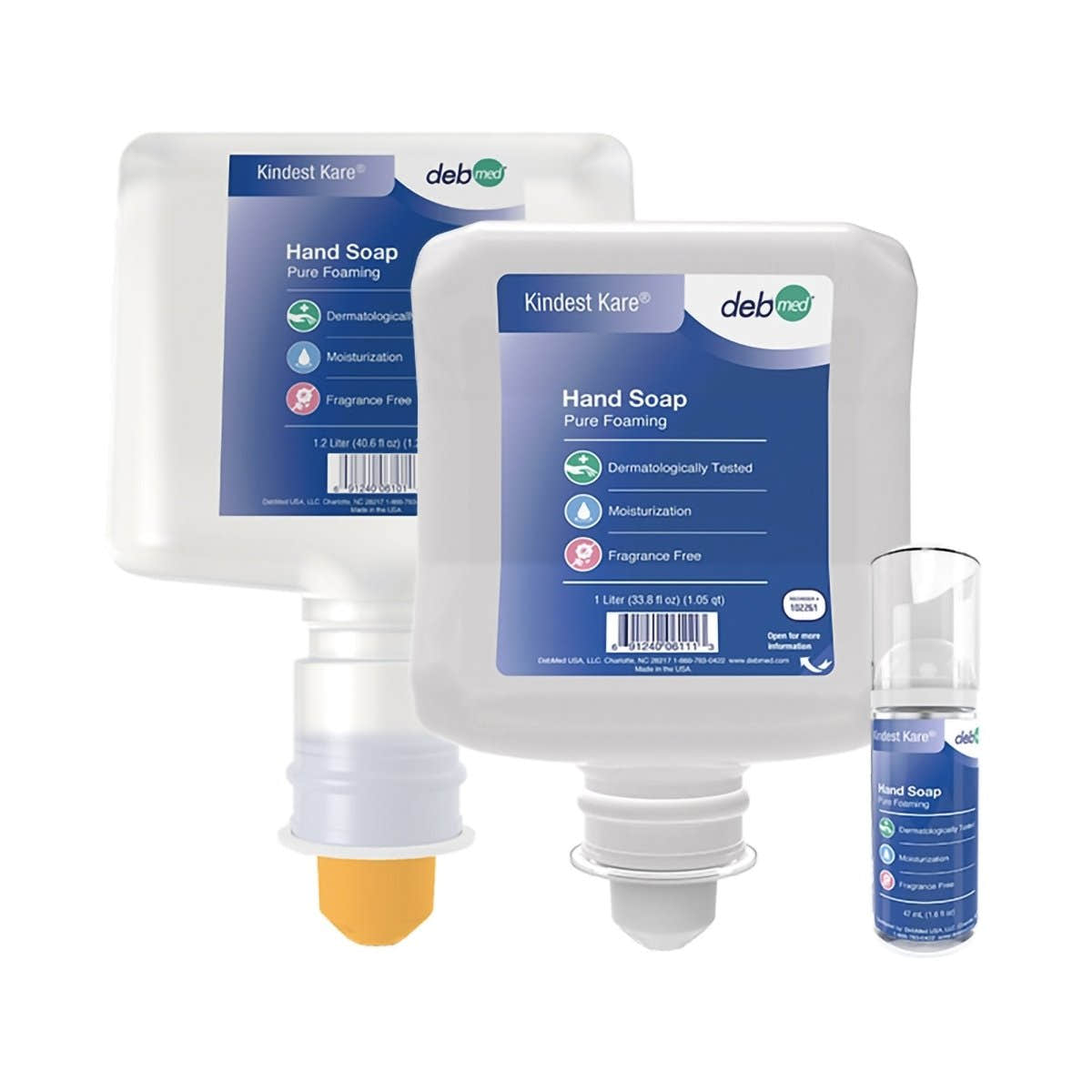
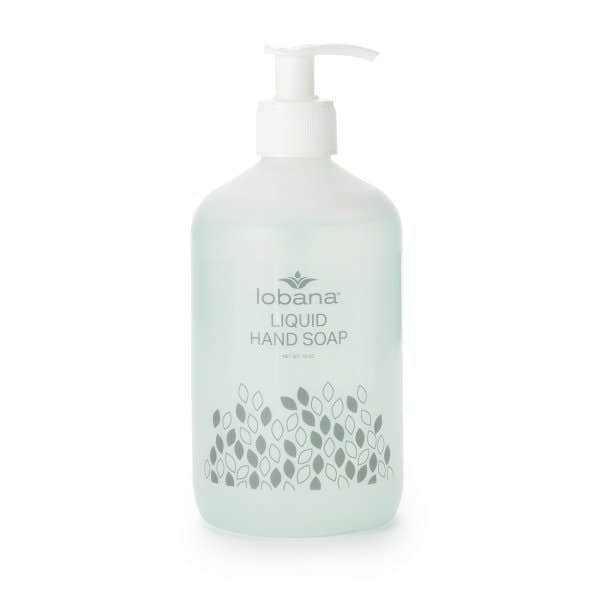
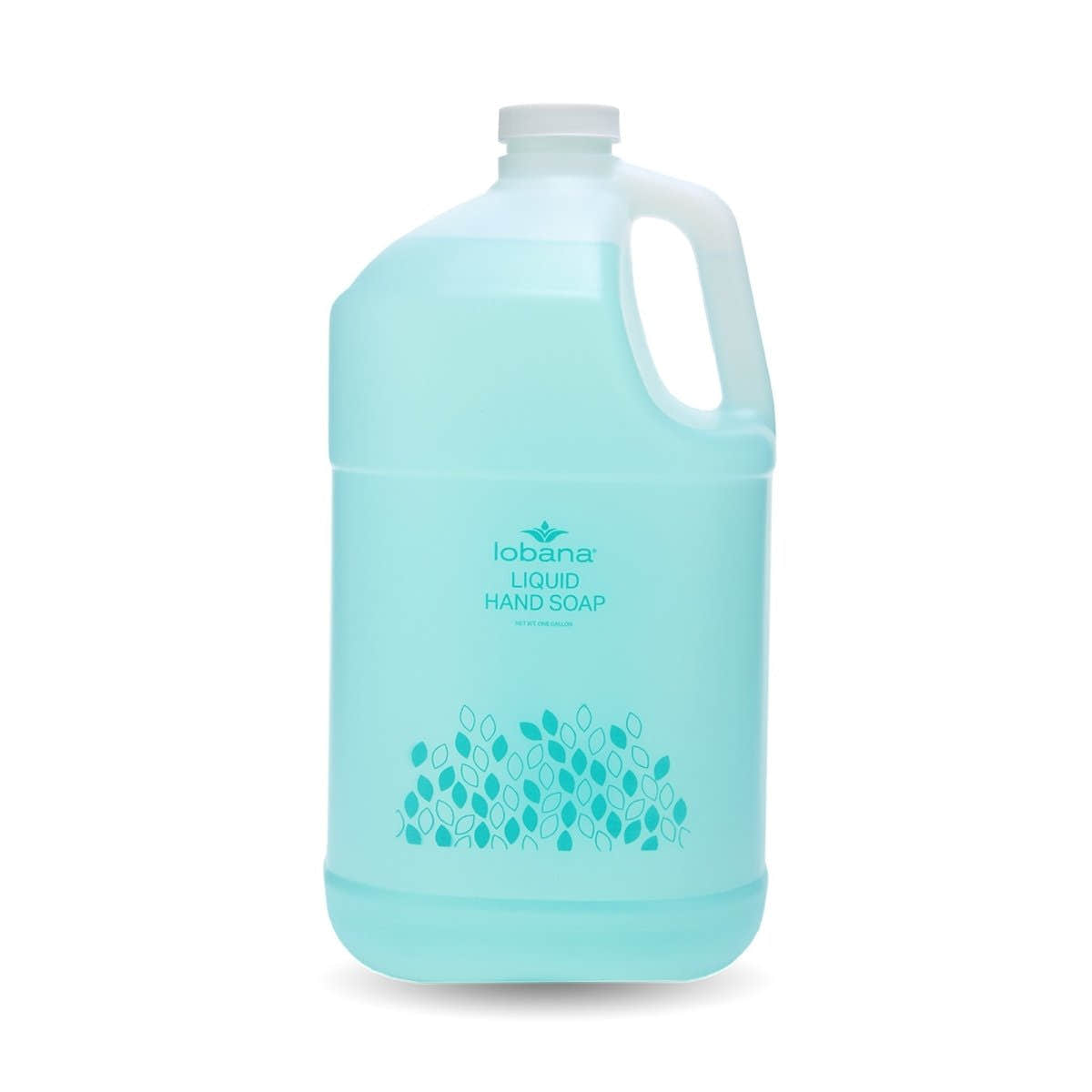
- Keep the skin clean and dry: Clean the skin gently with mild soap and water after each incontinence episode. Dry the skin thoroughly to prevent irritation and infection.
- Monitor for skin irritation: Check the skin regularly for signs of irritation, such as redness, swelling, or sores. If you notice any skin irritation, consult with your healthcare provider for advice on how to manage it.
- Seek support: Managing incontinence can be challenging, so don't be afraid to seek support from family, friends, or healthcare professionals. They can provide emotional support, practical advice, and help with managing incontinence.
Common Mistakes to Avoid
When managing incontinence, there are common mistakes to avoid. These include:
- Using the wrong products or sizes, which can lead to leakage and skin irritation.
- Not changing diapers or incontinence pads frequently enough, which can cause skin irritation and infection.
- Not cleaning the skin properly, which can lead to skin irritation and infection.
When to Call a Healthcare Provider
Managing incontinence in dementia care requires close monitoring and attention to detail. If you notice any of the following, consult with your healthcare provider:
- Increased frequency or severity of incontinence episodes.
- Signs of skin irritation, such as redness, swelling, or sores.
- Fever, chills, or other signs of infection.
- Changes in behavior, such as agitation, anxiety, or depression.
What are the most common types of incontinence in dementia care?
The most common types of incontinence in dementia care are urinary incontinence and fecal incontinence. According to the American Diabetes Association (ADA), urinary incontinence is the loss of bladder control, while fecal incontinence is the loss of bowel control.
How can I prevent skin irritation when managing incontinence?
To prevent skin irritation when managing incontinence, keep the skin clean and dry, use gentle soap and water, and apply a barrier cream to protect the skin. According to the National Institute of Health (NIH), using a barrier cream can help prevent skin irritation and infection.
What should I do if I notice signs of infection in my loved one with dementia?
If you notice signs of infection, such as fever, chills, or redness, consult with your healthcare provider immediately. According to the CDC, infections can be serious and require prompt medical attention.
This article is for general educational purposes and is not medical advice. Always consult your healthcare provider for guidance specific to your situation.