According to the American Diabetes Association (ADA), managing blood sugar levels is crucial for people with diabetes. Signs your blood sugar is too high at night can be concerning and may disrupt your sleep and overall well-being. If you're experiencing symptoms such as increased thirst, frequent urination, or blurred vision at night, it may be a sign that your blood sugar levels are elevated. The Centers for Disease Control and Prevention (CDC) recommends monitoring your blood sugar levels regularly, especially before bedtime, to ensure they are within a healthy range.
What are normal blood sugar levels at night?
Normal blood sugar levels typically range from 70 to 130 milligrams per deciliter (mg/dL) before bedtime, according to the CDC. However, these levels can vary depending on factors such as your diet, physical activity, and medication. It's essential to consult with your healthcare provider to determine what blood sugar levels are suitable for you. The National Institute of Diabetes and Digestive and Kidney Diseases (NIDDK) suggests that people with diabetes should aim for a blood sugar level between 100 and 140 mg/dL before bedtime.
Common causes of high blood sugar at night
There are several reasons why your blood sugar levels may be too high at night. These can include consumption of high-carbohydrate foods or drinks before bedtime, inadequate insulin dosage or administration, and physical inactivity during the day. Additionally, certain medications, such as steroids, can cause blood sugar levels to rise. The ADA recommends working with your healthcare provider to identify the underlying cause of your high blood sugar levels and develop a plan to manage them.
Signs your blood sugar is too high at night
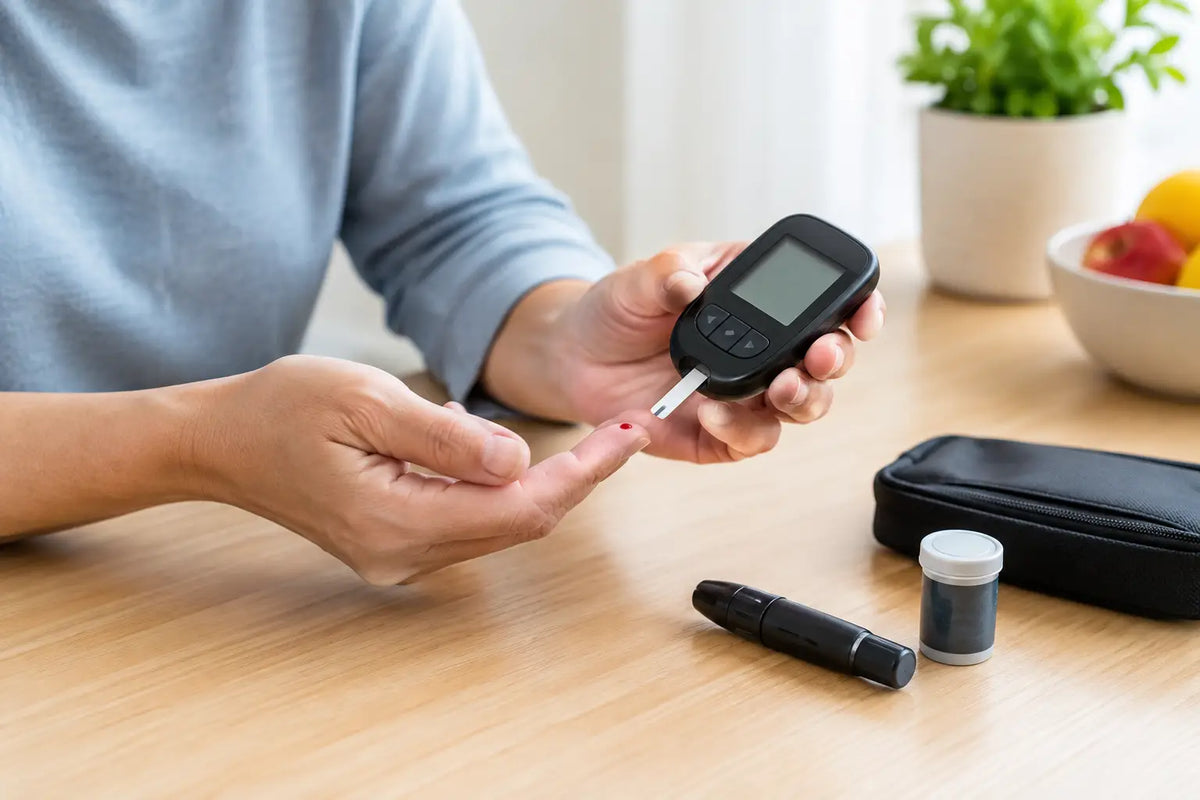
Signs that your blood sugar is too high at night can include increased thirst and urination, blurred vision, headaches, and fatigue. If you're experiencing any of these symptoms, it's essential to talk to your healthcare provider about adjusting your treatment plan. They may recommend using a glucose meter to monitor your blood sugar levels, especially before bedtime.
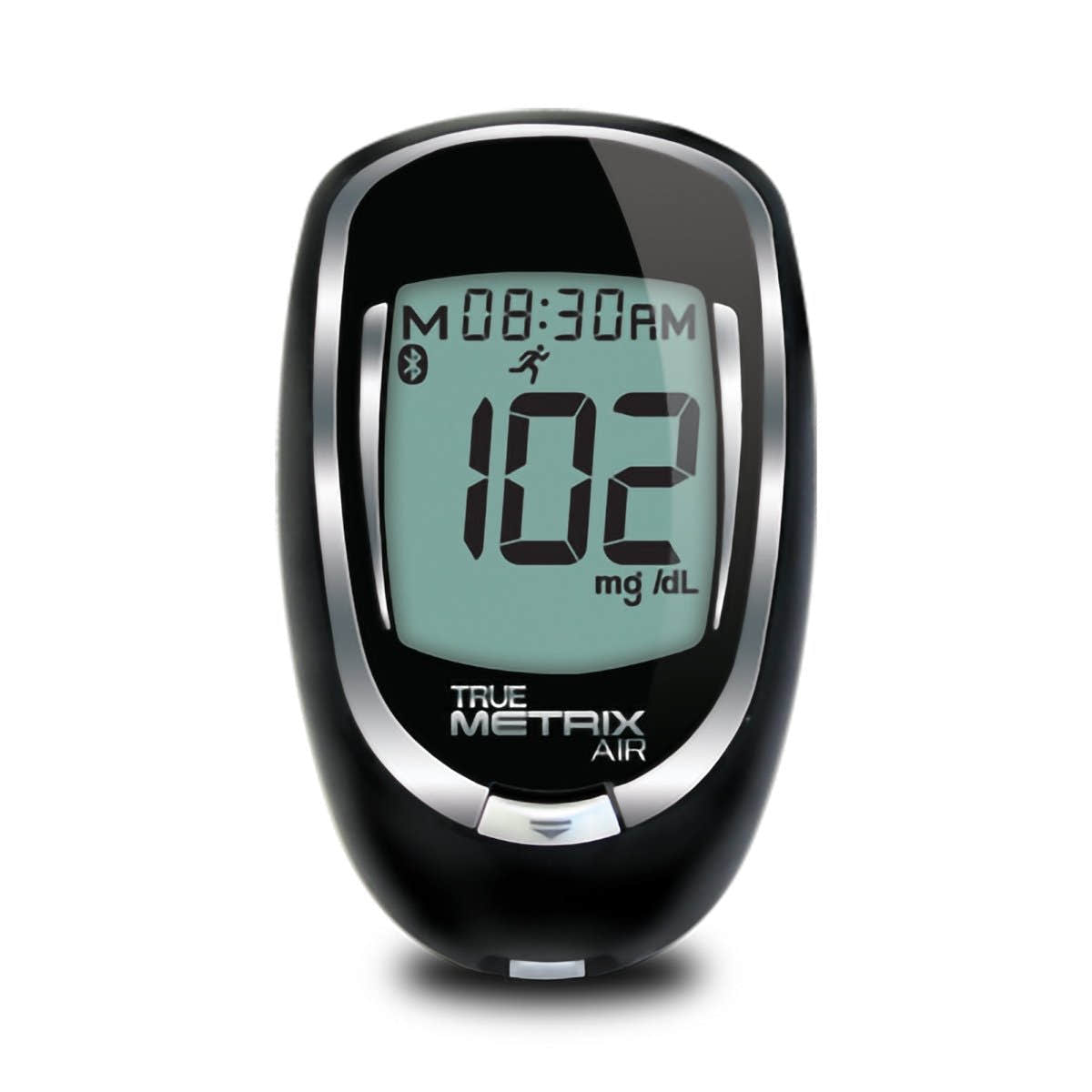
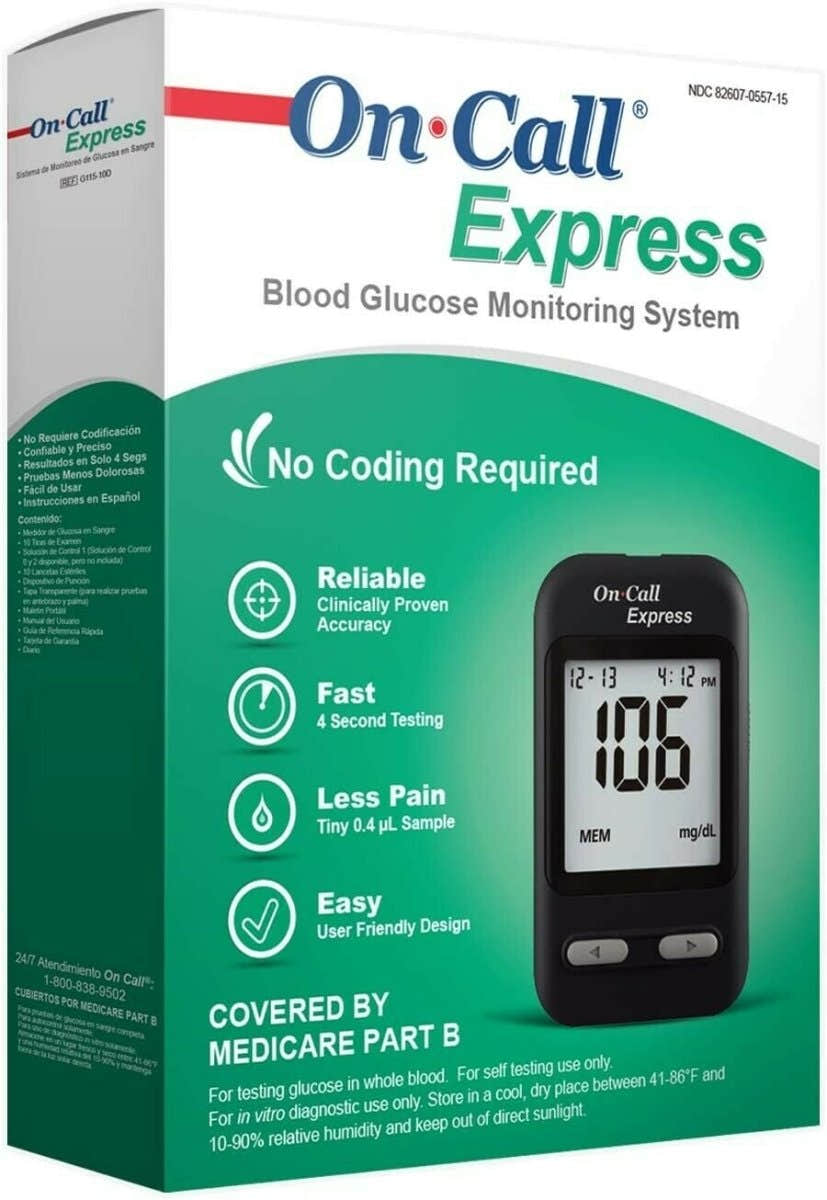
Glucose meters are available in various types and models, and they can be found in our glucose meters collection. These devices can help you track your blood sugar levels and make informed decisions about your diabetes management.
Self-care and when to seek care
If you're experiencing signs that your blood sugar is too high at night, there are several self-care steps you can take. These include drinking plenty of water to stay hydrated, avoiding high-carbohydrate foods and drinks before bedtime, and engaging in regular physical activity during the day. However, if you're experiencing severe symptoms such as confusion, dizziness, or difficulty breathing, it's essential to seek immediate medical attention. The CDC recommends calling 911 or visiting the emergency room if you're experiencing any of these symptoms.
What are the risks of high blood sugar at night?
High blood sugar at night can increase the risk of complications such as heart disease, kidney damage, and nerve damage. It's essential to work with your healthcare provider to manage your blood sugar levels and prevent these complications.
How can I prevent high blood sugar at night?
To prevent high blood sugar at night, it's essential to follow a healthy diet, engage in regular physical activity, and take your medication as prescribed. You should also monitor your blood sugar levels regularly and work with your healthcare provider to adjust your treatment plan as needed.
What should I do if I experience signs of high blood sugar at night?
If you experience signs of high blood sugar at night, such as increased thirst and urination, blurred vision, or headaches, it's essential to talk to your healthcare provider about adjusting your treatment plan. They may recommend using a glucose meter to monitor your blood sugar levels or adjusting your medication dosage.
This article is for general educational purposes and is not medical advice. Always consult your healthcare provider for guidance specific to your situation.