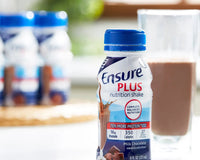

A formula that worked well during a hospital stay may not be the right fit once feeding moves home. The best enteral formulas support the prescribed nutrition plan while fitting the person’s calorie needs, medical condition, digestion, and daily feeding routine. For caregivers, the goal is not to choose the most popular formula. It is to reliably provide the formula that the patient’s clinician or dietitian recommends and that the patient can tolerate.
Enteral nutrition can be a lifeline for people who cannot safely eat enough by mouth because of swallowing problems, illness, surgery, neurological conditions, or recovery needs. Because formulas are medical nutrition products, changing one without guidance can affect hydration, blood sugar, bowel habits, medications, and overall nutrition. A practical understanding of formula categories can make ordering and reordering much easier.
What Makes the Best Enteral Formulas Different?
There is no single best formula for every tube-feeding patient. The right choice usually begins with five factors: calorie concentration, protein level, fiber content, ingredient type, and the person’s medical needs.
A standard formula may be appropriate for someone with typical digestion and general calorie needs. A concentrated option can help when fluid needs must be limited. A peptide-based formula may be recommended when digestion or absorption is a challenge. The label alone cannot determine the best choice, but it can help caregivers confirm they are purchasing the correct prescribed product.
It also helps to look beyond the formula itself. Tube size, feeding method, rate, water flush schedule, medication timing, and storage all influence how well a home feeding plan works. If symptoms appear after a formula change, the cause may be the feeding rate or medication schedule rather than the formula alone.
Common Types of Enteral Formulas
Standard polymeric formulas
Standard polymeric formulas contain intact proteins, carbohydrates, and fats. They are commonly used by adults with a functioning digestive system who need complete nutrition through a feeding tube or as an oral supplement. Many come in 1.0, 1.2, or 1.5 calories per milliliter.
A 1.0-calorie formula generally provides more water at the same feeding volume, while a 1.5-calorie formula provides more calories in less volume. The concentrated option can be useful for patients who struggle with large feeding volumes or have fluid restrictions. The trade-off is that concentrated formulas often require closer attention to water flushes and hydration instructions.
High-protein formulas
Higher-protein enteral formulas may be used when protein needs rise, such as during wound healing, recovery from major illness, or periods of muscle loss. Protein supports tissue repair and helps maintain lean body mass, but more is not always better. People with kidney disease or other conditions may need a specific protein target set by their care team.
When comparing products, check both protein per serving and the total daily amount prescribed. A formula can look high in protein per carton but still fall short if the daily volume is limited.
Fiber-containing and fiber-free formulas
Fiber can help support bowel regularity for many long-term tube-feeding patients. Some formulas include a blend of soluble and insoluble fiber, while others are fiber-free. Neither type is automatically better.
Fiber-containing formulas may help with constipation or loose stools in some patients, but they are not appropriate for every situation. A clinician may prefer a fiber-free formula during certain digestive conditions, after some surgeries, or when bowel tolerance is being closely monitored. Sudden changes in fiber intake can also lead to gas, bloating, or changes in stool patterns.
Peptide-based or semi-elemental formulas
Peptide-based formulas use proteins that are broken down into smaller pieces, making them easier to digest for some patients. They may be recommended for people with malabsorption, pancreatic concerns, short bowel syndrome, or ongoing intolerance to standard formulas.
These specialized products can be helpful, but they are usually more expensive and are not necessary for everyone with occasional stomach upset. Before switching, a dietitian may first review the feeding rate, formula temperature, medication side effects, and water flush routine.
Condition-specific formulas
Some formulas are designed around particular medical needs. Diabetes-focused formulas may have a carbohydrate profile intended to support blood sugar management. Renal formulas may be lower in certain electrolytes and more calorie-dense for people following kidney-related nutrition guidance. Pulmonary formulas, immune-support formulas, and other specialty products may also be part of a care plan.
These products should be selected with the prescribing clinician or registered dietitian. For example, a renal formula may not meet the needs of every person with kidney disease, especially when dialysis status, lab values, and fluid limits differ.
Pediatric formulas
Children have different calorie, protein, vitamin, mineral, and growth needs than adults. Pediatric enteral formulas are designed for age-specific nutrition and should not be replaced with adult products unless the child’s medical team gives clear instructions. Caregivers should also confirm whether a product is intended for children under one year old, older children, or adolescents.
How to Choose an Enteral Formula for Home Use
Start with the written feeding order. It should identify the formula name, daily amount, route, rate or bolus schedule, and water flush instructions. If the order is unclear or a product is unavailable, contact the prescribing office, home health provider, or dietitian before substituting another formula.
Then confirm the calorie density. Two cartons may look similar but provide very different total calories and fluid. This matters especially when a patient receives multiple feedings each day or has a strict fluid plan.
Next, review protein and fiber. A caregiver managing a pressure injury may be looking for a higher-protein formula, while someone experiencing constipation may have a fiber recommendation. Those needs must still fit the patient’s full medical picture, including kidney function, bowel condition, and medication use.
Finally, consider practical compatibility. Ready-to-feed cartons and bottles can simplify bolus feeding and travel. Larger ready-to-hang containers may suit pump feeding. Powder formulas can be useful in some settings but require careful measuring, safe water, and clean preparation. Use only the administration set and feeding method recommended for the product and tube type.
Signs a Formula or Feeding Plan Needs Review
Mild changes in bowel habits can occur when feeding starts or when routines change. Persistent symptoms deserve a call to the care team rather than an independent formula switch.
Contact the patient’s clinician or dietitian for ongoing diarrhea, constipation, nausea, vomiting, cramping, bloating, unexpected weight changes, signs of dehydration, repeated high or low blood sugar readings, or difficulty meeting the prescribed volume. Seek urgent medical guidance for tube dislodgement, severe abdominal pain, breathing problems during feeding, or signs of an allergic reaction.
Keep a simple log of formula amount, water flushes, feeding times, symptoms, bowel movements, weight when requested, and blood glucose readings if applicable. Specific notes give the care team much more useful information than simply reporting that the formula is not working.
Ordering Enteral Nutrition Without Disruptions
Running out of a familiar formula creates unnecessary stress and may lead to substitutions that do not match the care plan. Keep enough product on hand for normal use, plus a reasonable buffer based on shipping time, insurance requirements, and the patient’s usage rate. Check expiration dates when each shipment arrives and use older unopened containers first.
Store formula according to the label, usually in a cool, dry place before opening. Once opened, follow the manufacturer’s refrigeration and discard instructions. Clean feeding equipment as directed, and do not use a formula container that is swollen, leaking, damaged, or past its expiration date.
CartHealth helps caregivers shop for ongoing nutrition and home health essentials in one place, which can simplify routine reorders alongside feeding supplies and other daily care products.
The right formula is the one that supports the patient’s prescribed plan day after day. When tolerance, nutrition needs, or health status changes, a quick conversation with the care team can prevent small problems from becoming bigger setbacks.