A heel can develop soreness quickly when a person spends long periods in bed, in a recliner, or with limited mobility. That is why use heel protectors is a common question for caregivers and people managing recovery at home. These supportive products help reduce direct contact between the heel and a mattress or chair surface, protecting one of the body's most pressure-prone areas.
Heel protectors are not only for hospital settings. They can be a practical part of everyday home care for an older adult, someone recovering from surgery, or anyone who has difficulty changing positions without help. The right product can make resting more comfortable while supporting a broader skin-care and repositioning routine.
Why Use Heel Protectors During Home Care?
The heel has very little natural cushioning over its bony surface. When it stays pressed against a firm surface for hours, blood flow to the skin and underlying tissue may be reduced. Pressure, friction, moisture, and shearing can all contribute to skin irritation and, in some cases, pressure injuries.
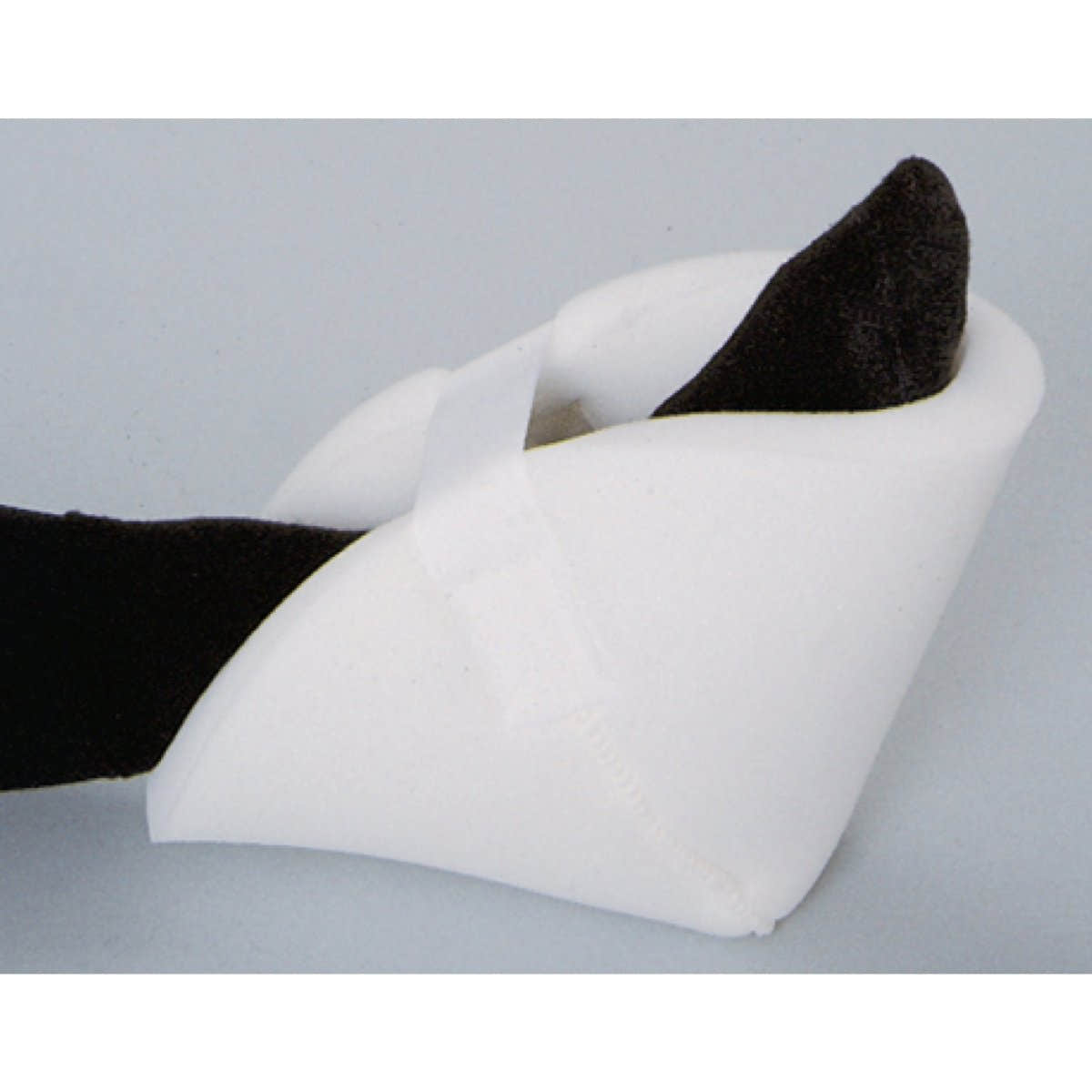
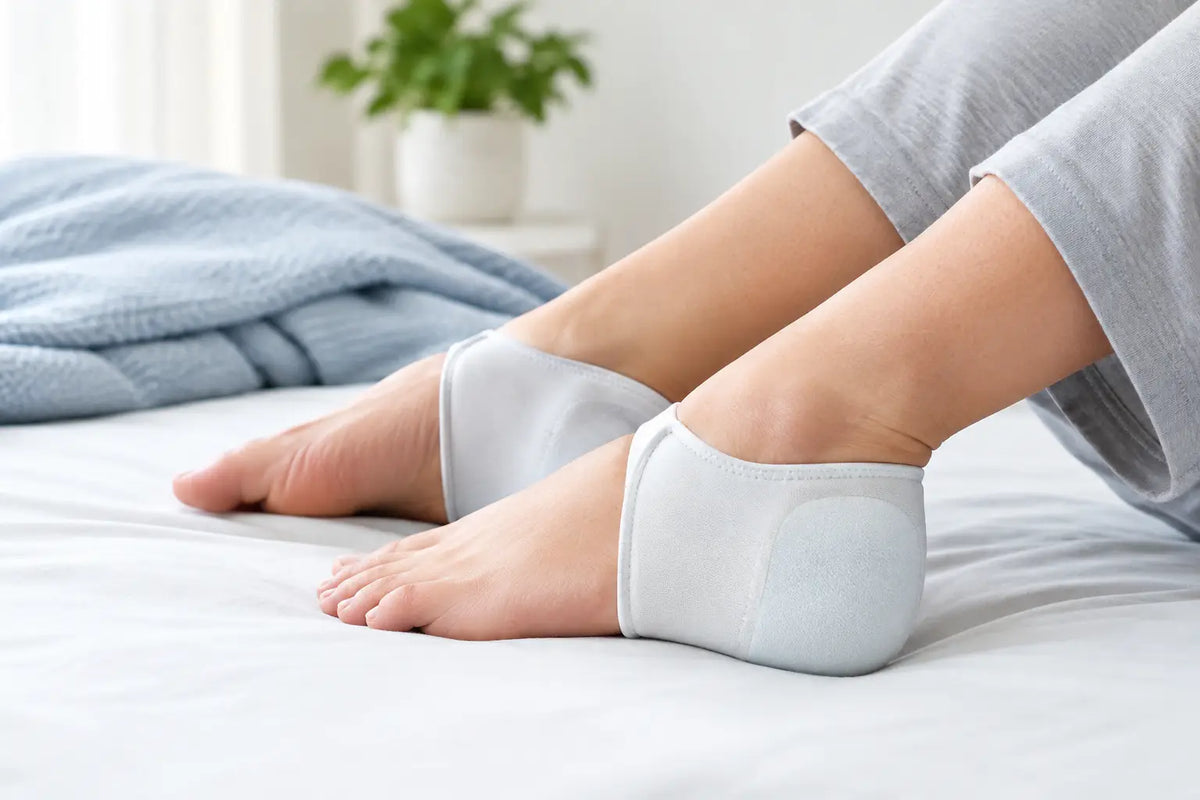
Heel protectors are designed to reduce that risk by cushioning the heel and helping keep it from pressing directly into the bed or chair. Some styles use soft foam or fiberfill padding. Others are built to elevate the heel slightly so it is "floated" above the mattress. This offloading approach can be especially helpful for people who must remain in one position for extended periods.
They can also prevent rubbing from bedding, socks, footwear, braces, or wheelchair footrests. For a person with sensitive, dry, fragile, or swollen skin, limiting that repeated friction may make a meaningful difference in day-to-day comfort.
Who May Benefit From Heel Protection?
Heel protectors can be useful whenever mobility, sensation, circulation, or skin resilience is reduced. A person does not need to have an existing wound to benefit from preventive heel care.
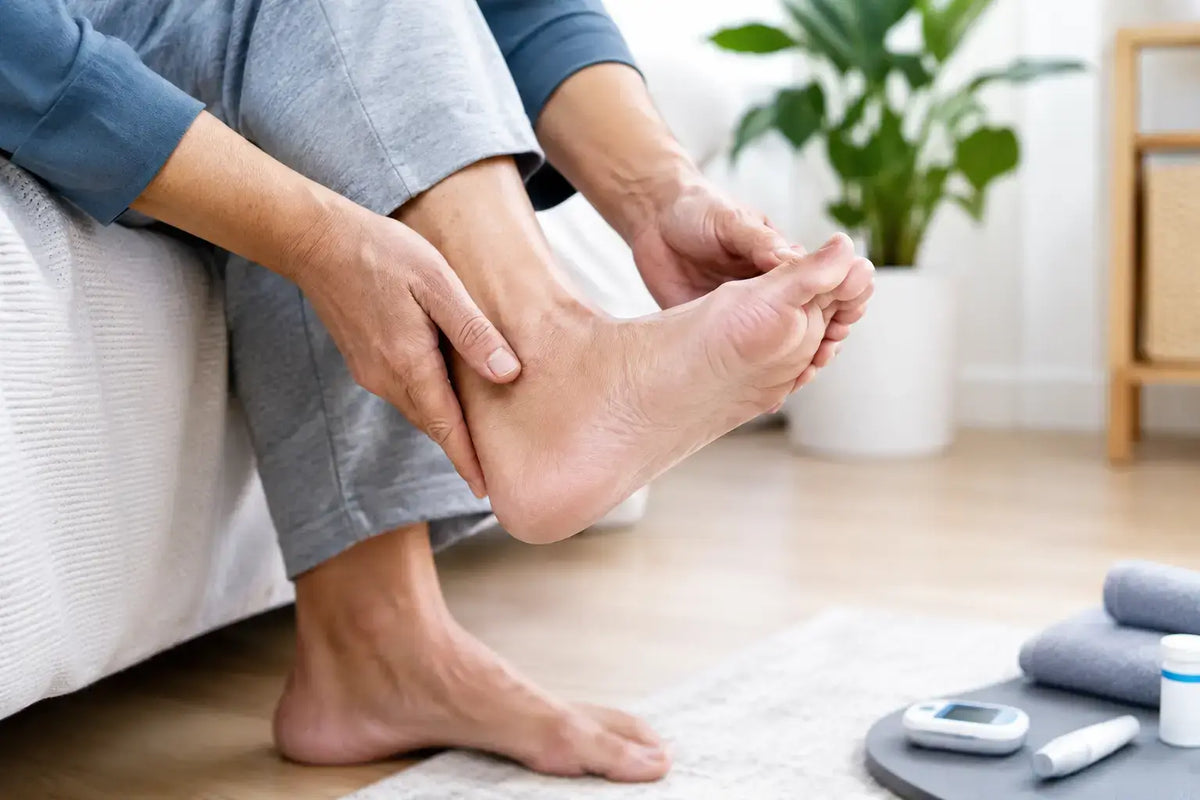
Common situations include recovery after surgery, illness that requires bed rest, stroke recovery, use of a wheelchair, and limited movement due to arthritis or injury. People living with diabetes or neuropathy may not feel minor rubbing or early skin damage right away, making regular checks particularly valuable. Older adults with thin or delicate skin may also need extra protection, especially if they spend much of the day in bed or a favorite chair.
Caregivers may find heel protectors helpful when repositioning is difficult. They do not replace turning or movement, but they provide an added layer of support between scheduled position changes. For someone who slides down in bed or shifts against sheets, a low-friction or soft-lined protector may also reduce discomfort around the ankle and heel.
Cushioning and Offloading Are Not the Same
Not every heel product works in the same way. Understanding the difference helps shoppers choose a product that fits the care need.
A cushioned heel protector pads the heel and surrounding ankle. This can help reduce rubbing and soften contact with bedding or footrests. It may be appropriate for comfort, mild skin sensitivity, or protection from friction.
An offloading heel protector is designed to lift the heel away from the mattress, transferring support toward the lower leg. This type is often the better choice for someone at higher risk of pressure injury or for a person who has been advised by a clinician to keep pressure off the heel.
A regular pillow under the calves can sometimes raise the heels, but it can shift out of place, place unwanted pressure behind the knee, or be difficult to maintain overnight. Purpose-built heel protectors are often easier to position consistently. Still, no product is automatically right for every person. Leg shape, swelling, circulation concerns, existing wounds, and the ability to move independently all affect the best option.
Features That Matter When Choosing Heel Protectors
Comfort matters, but fit and ease of care matter too. A protector that is too loose may twist or slide down. One that is too tight can create new pressure points or interfere with circulation. Adjustable closures can help caregivers get a secure but gentle fit.
Look for soft, breathable materials when the protector will be worn for long periods. Moisture can soften skin and increase the chance of irritation, so a washable cover or moisture-managing fabric can be useful for people who perspire or experience incontinence. Products with smooth seams and padded ankle areas can help limit rubbing.
For someone using a wheelchair, consider how the heel protector works with footrests and shoes. A bulky style may be comfortable in bed but impractical for transfers or daytime mobility. Some people need one solution for rest and another for seated activities.
When comparing options, consider these practical questions:
- Does the design cushion the heel, offload it, or do both?
- Is it sized for the user's foot and lower leg?
- Can it be washed easily and dried according to its care instructions?
- Will the straps stay in place without pinching the skin?
- Is it appropriate for use in bed, a recliner, a wheelchair, or more than one setting?
How to Use Heel Protectors Safely
Start with clean, dry skin. Before applying the protector, check the heel, ankle, and lower leg for redness, warmth, tenderness, swelling, blisters, cracks, or drainage. Make sure socks, sheets, and clothing are smooth, since wrinkles can create concentrated pressure.
Position the product according to the manufacturer's directions. If the design is intended to float the heel, confirm that the heel is actually suspended and that the calf is supported comfortably. Straps should be snug enough to prevent slipping but loose enough to avoid indentations, numbness, color changes, or a cold foot.
Check the skin at least daily, and more often for a person with diabetes, poor circulation, reduced sensation, or an existing skin concern. Remove the protector periodically to inspect the area, air the skin, and make sure the product has not shifted. If a protector becomes wet, soiled, flattened, or damaged, clean or replace it as appropriate.
Heel protection works best alongside regular repositioning. Follow any care plan from a doctor, nurse, physical therapist, or wound specialist. In general, avoid dragging heels across bedding when moving someone. Use proper transfer techniques and assistance when needed, since dragging increases friction and shear.
When Heel Protectors May Not Be Enough
A heel protector is a preventive support product, not a substitute for professional assessment. New discoloration that does not fade after pressure is removed, open skin, drainage, increasing pain, unusual odor, or a heel that feels hot or firm should be addressed promptly with a healthcare professional.
Seek medical guidance before using any pressure-relief product over an existing wound, after certain injuries or surgeries, or when there are significant circulation problems. People with peripheral artery disease, severe swelling, or a history of blood clots may need individualized recommendations. A clinician may suggest a particular offloading device, dressing, positioning plan, or schedule of skin checks.
It also helps to watch for signs that the product itself is causing trouble. Stop using it and reassess if it leaves deep marks, causes tingling, makes the foot cold or pale, or creates discomfort the person cannot explain. The goal is to reduce pressure, not move it to another part of the leg.
Small Daily Checks Can Protect Vulnerable Heels
Heel care is often most effective when it becomes part of an ordinary routine: check the skin during bathing or dressing, smooth the bedding, reposition as needed, and make sure protective products still fit correctly. These brief steps can be especially reassuring for caregivers who are balancing mobility support, personal care, nutrition, and medication routines at home.
A well-fitted heel protector cannot solve every pressure concern, but it can provide practical comfort and targeted support where many people need it most - at the heel, during the long hours of rest and recovery.