Understanding blood pressure readings is crucial for individuals managing cardiovascular conditions. According to the CDC, blood pressure is the force of blood pushing against the walls of arteries as the heart pumps blood. Blood pressure readings are expressed as two numbers: systolic pressure (the top number) and diastolic pressure (the bottom number). For example, a reading of 120/80 mmHg means the systolic pressure is 120 mmHg and the diastolic pressure is 80 mmHg. Understanding these numbers can help individuals take control of their cardiovascular health.
What Do Blood Pressure Readings Mean?
Blood pressure readings are categorized into several levels, including normal, elevated, and stage 1 or 2 hypertension. The American Heart Association provides guidelines for blood pressure categories. Normal blood pressure is typically defined as a systolic pressure less than 120 mmHg and a diastolic pressure less than 80 mmHg. Elevated blood pressure is defined as a systolic pressure between 120-129 mmHg and a diastolic pressure less than 80 mmHg. Stage 1 hypertension is defined as a systolic pressure between 130-139 mmHg or a diastolic pressure between 80-89 mmHg. Stage 2 hypertension is defined as a systolic pressure of 140 mmHg or higher or a diastolic pressure of 90 mmHg or higher.
Managing Blood Pressure
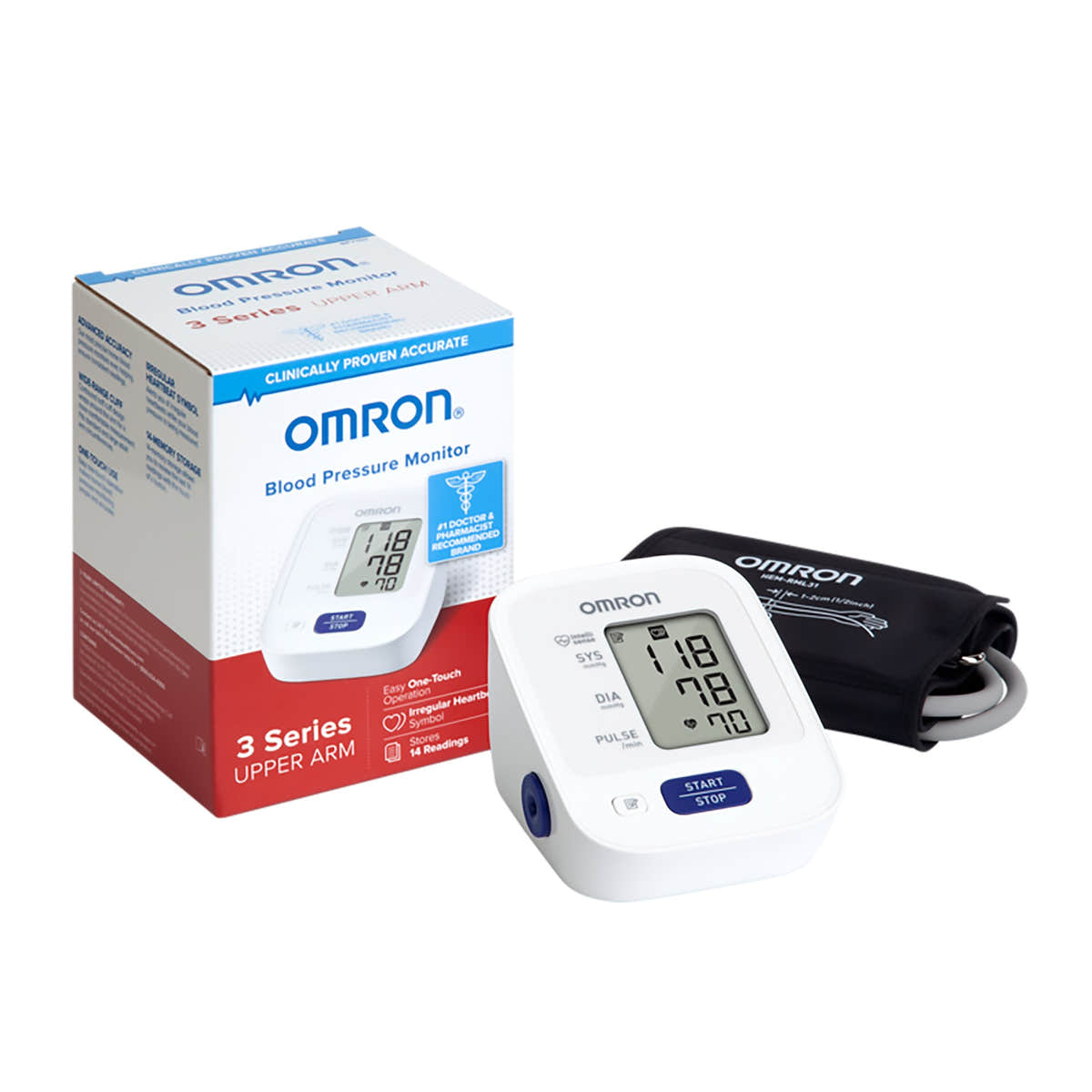
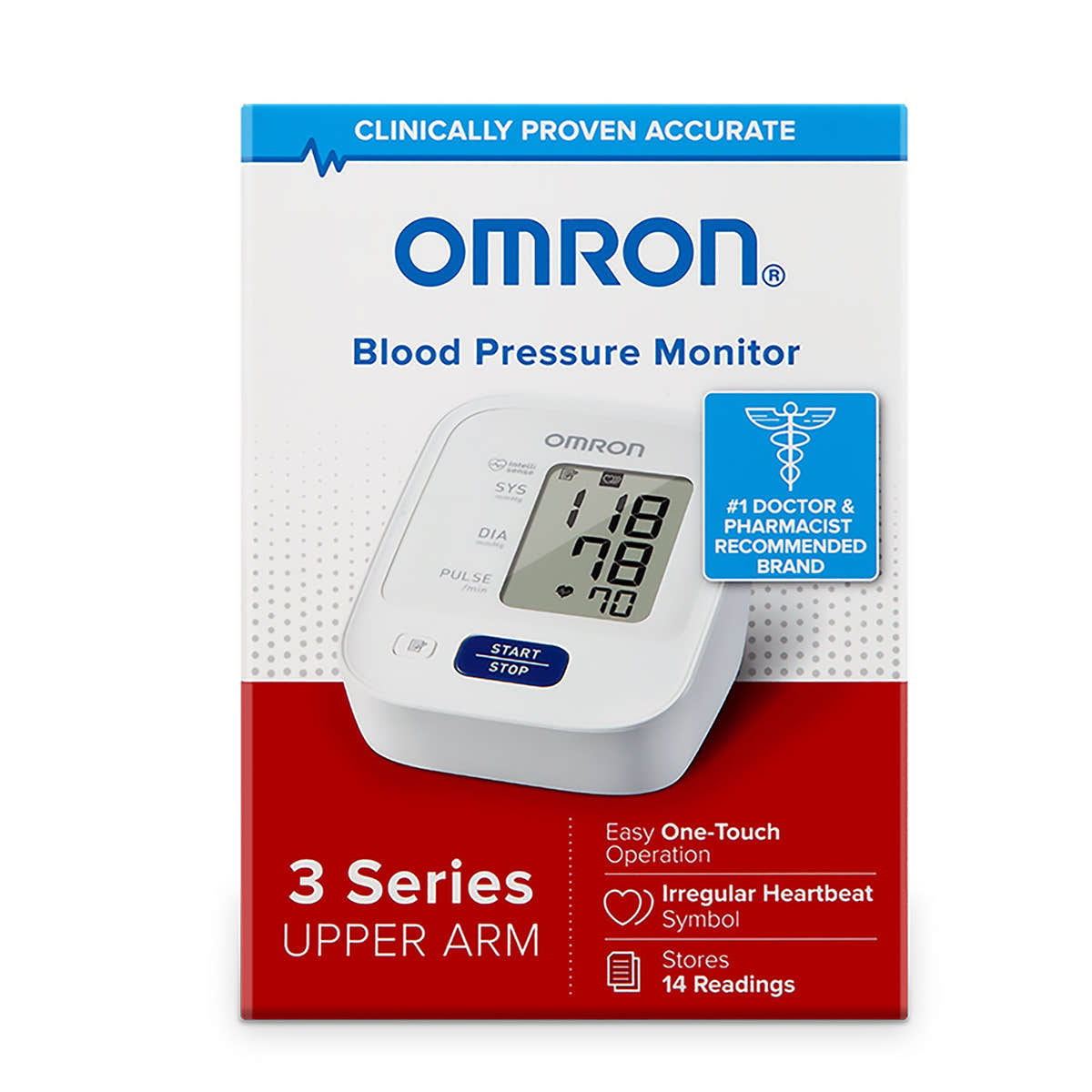
Managing blood pressure involves a combination of lifestyle changes and medical treatment. The National Heart, Lung, and Blood Institute recommends lifestyle changes such as eating a healthy diet, engaging in regular physical activity, maintaining a healthy weight, and quitting smoking. Medical treatment may include medication to lower blood pressure. Blood pressure monitors can be used to track blood pressure readings at home, allowing individuals to take a more active role in managing their condition. Our collection of blood pressure monitors includes a variety of products to help individuals track their blood pressure readings accurately.
The Importance of Accurate Blood Pressure Readings
Accurate blood pressure readings are essential for effective management of cardiovascular conditions. Inaccurate readings can lead to misdiagnosis or inappropriate treatment. The American Heart Association recommends using a high-quality blood pressure monitor that has been validated for accuracy. It is also important to follow proper technique when taking blood pressure readings, including sitting quietly for 5 minutes before taking a reading, using a cuff that is the correct size, and avoiding caffeine and tobacco for at least 30 minutes before taking a reading.
Understanding Blood Pressure Readings and Supplies
In addition to blood pressure monitors, there are several other supplies that can be used to manage cardiovascular conditions. These include stethoscopes, which can be used to listen to heart sounds, and electrocardiogram (ECG) machines, which can be used to measure the electrical activity of the heart. Our collection of medical supplies includes a variety of products to help individuals manage their cardiovascular health.
What is a normal blood pressure reading?
A normal blood pressure reading is typically defined as a systolic pressure less than 120 mmHg and a diastolic pressure less than 80 mmHg.
How often should I take my blood pressure?
The frequency of blood pressure readings depends on individual circumstances. It is recommended to consult with a healthcare provider to determine the best schedule for taking blood pressure readings.
What is the importance of accurate blood pressure readings?
Accurate blood pressure readings are essential for effective management of cardiovascular conditions. Inaccurate readings can lead to misdiagnosis or inappropriate treatment.
This article is for general educational purposes and is not medical advice. Always consult your healthcare provider for guidance specific to your situation.