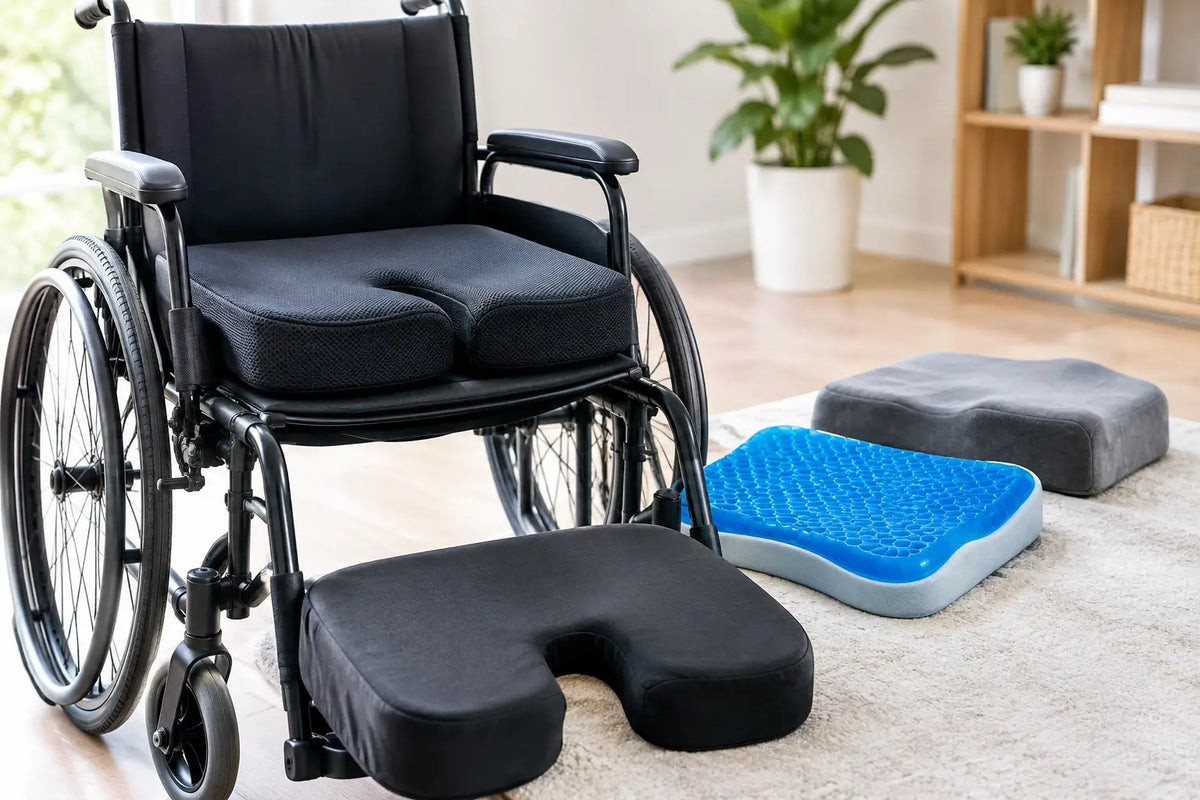
A wheelchair cushion is not simply an added layer of comfort. For someone who spends long periods seated, the right cushion can help distribute weight, support posture, reduce friction, and lower the risk of painful skin breakdown. The best wheelchair cushions pressure relief options are the ones that fit the person, the wheelchair, and the way the chair is used each day.
A cushion that works well for a short outing may not provide enough support for all-day use. Likewise, a highly specialized cushion can be a poor choice if it is difficult to transfer on and off, too heavy for a caregiver to manage, or does not fit the chair properly. Start with the daily care need, then compare cushion materials and features.
Why pressure relief matters in a wheelchair
Pressure injuries can develop when an area of skin and underlying tissue is compressed for too long. The tailbone, buttocks, hips, and upper thighs are common pressure points for wheelchair users. Limited mobility, reduced sensation, moisture from perspiration or incontinence, poor nutrition, and certain health conditions can all increase risk.
A pressure-relieving cushion helps spread force over a broader area instead of concentrating it in a few vulnerable spots. It may also help reduce shear, which happens when skin stays in place while the body slides against the seating surface. No cushion can eliminate risk by itself, but a suitable one is a key part of a pressure-injury prevention plan.
Regular position changes, skin checks, clean and dry clothing, and a wheelchair that is adjusted correctly matter just as much. Anyone with an existing pressure injury, recent skin changes, severe pain, or a history of recurrent wounds should consult a clinician or seating specialist before choosing a new cushion.
Best wheelchair cushions pressure relief: match the material to the need
There is no single cushion material that is best for everyone. Each type offers a different balance of pressure distribution, stability, temperature control, maintenance, and cost.
Foam cushions
High-density and molded foam cushions are common choices for everyday wheelchair use. They are generally lightweight, easy to carry, and provide a stable surface for transfers. Contoured foam can improve positioning by supporting the thighs and helping keep the pelvis centered.
Foam is often a practical option for people with lower pressure-risk needs or for those who need a straightforward, supportive cushion for daily errands and appointments. The trade-off is that foam can compress over time. If the cushion feels flattened, uneven, or less supportive than it once did, it may no longer provide the intended protection.
Gel cushions
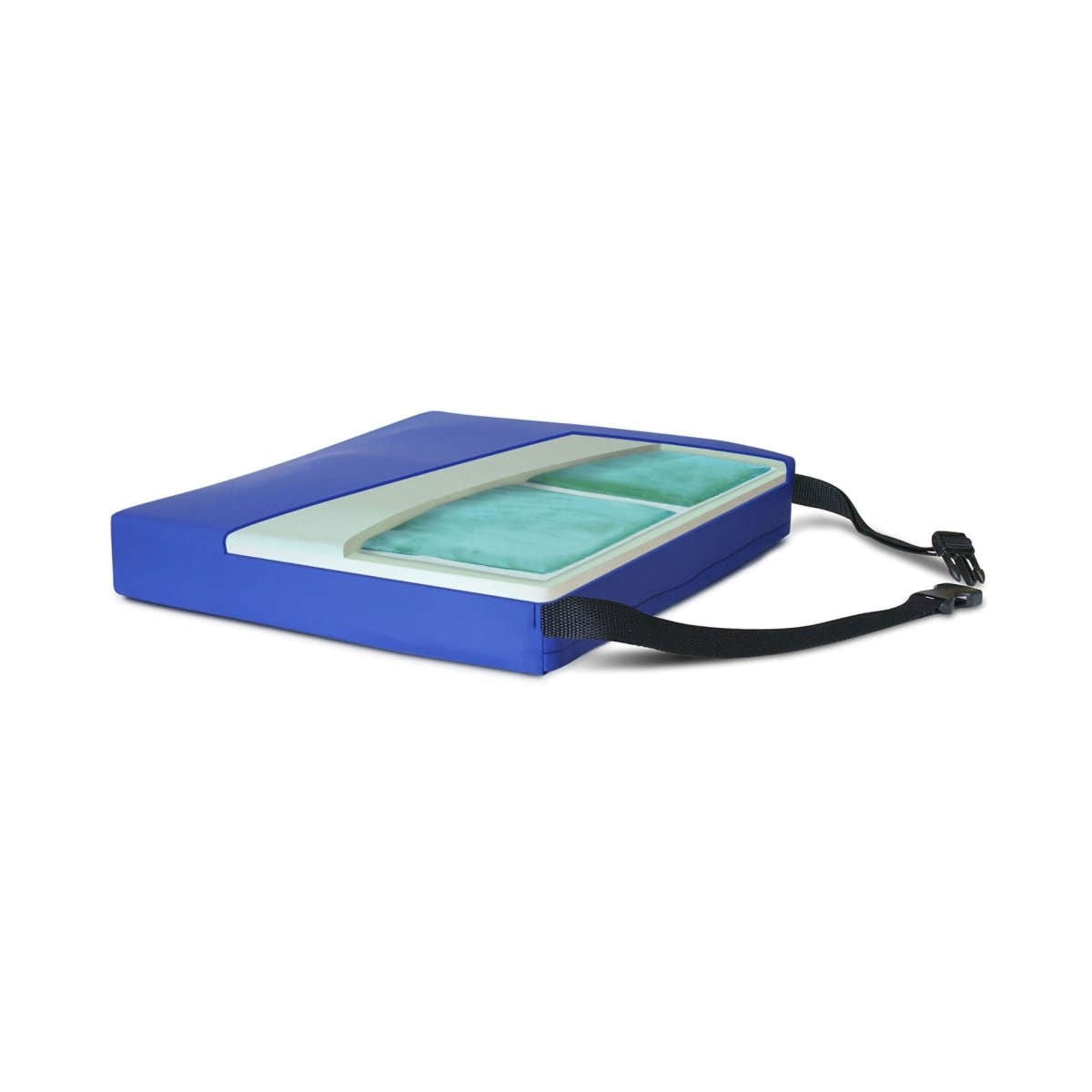
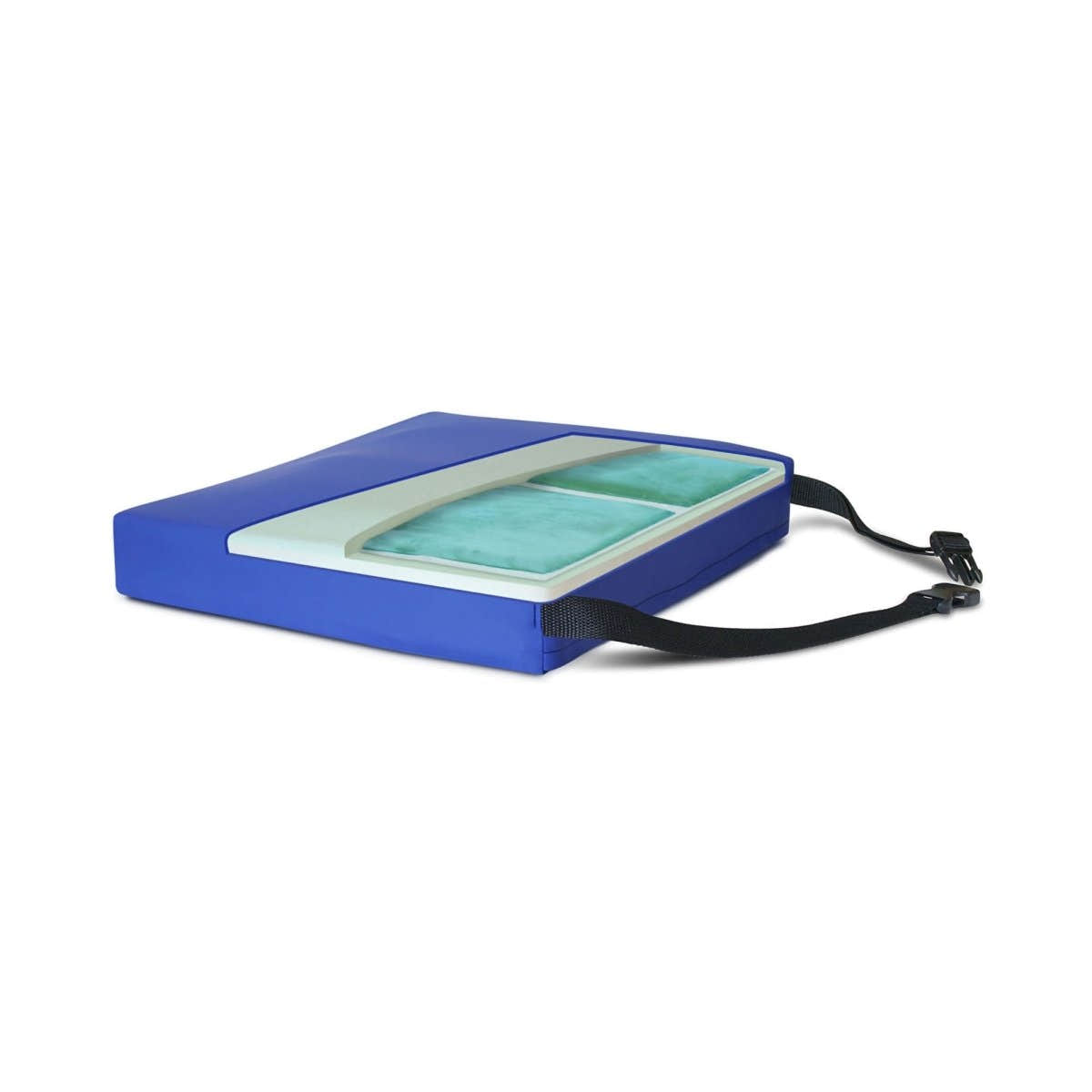
Gel cushions use gel inserts or fluid-like layers to help distribute pressure and conform to the body. Many people find them comfortable because they provide a more immersive feel than basic foam. They can be helpful for users who need added pressure redistribution but still want a relatively stable seating surface.
Gel can add weight, which matters if the cushion is frequently removed or carried. Some gel cushions can also hold heat, so a breathable cover and regular temperature checks are helpful for people who are sensitive to warmth or moisture.
Air-cell cushions
Air cushions use interconnected air cells that adjust to body shape and movement. They are often considered for people at higher risk of pressure injury because properly inflated cells can provide strong pressure redistribution.
The benefit comes with more responsibility. An air cushion must be inflated to the correct level, checked regularly, and protected from punctures. Too much air can make the user feel perched and unstable; too little can allow the body to bottom out. For users with limited hand strength, memory concerns, or caregivers who need a low-maintenance option, a foam or hybrid design may be easier to manage.
Hybrid cushions
Hybrid cushions combine materials, such as contoured foam with a gel insert or air cells. They are designed to offer more than one benefit, often pairing positioning support with pressure relief. A hybrid may work well when someone needs more protection than standard foam provides but prefers a more stable, less maintenance-heavy surface than a full air cushion.
Fit is as important as cushion type
Even a well-made cushion can create problems if it does not fit the wheelchair. Measure the usable width and depth of the seat before ordering. The cushion should support the full seating area without crowding the hips, extending too far behind the knees, or raising the user so high that footrests and armrests no longer line up correctly.
Cushion height deserves special attention. A thicker cushion can improve pressure distribution, but it may change transfer height, posture, reach to the wheels, and foot support. If the feet no longer rest securely on footplates, the user may slide forward or develop added pressure behind the thighs.
Look at the cover as well. A stretch cover allows the cushion to contour more effectively beneath the user. A moisture-resistant cover can be useful for incontinence management or frequent spills, while a breathable fabric may improve comfort during warmer weather. Removable, washable covers make routine care much easier.
Consider the user’s daily routine
The right choice depends on where and how the wheelchair is used. A person who uses a chair mainly for short trips around the home may prioritize light weight, simple transfers, and easy cleaning. Someone who sits for most of the day may need higher-level pressure redistribution and more deliberate positioning support.
Think about transfers, too. A cushion with a deep contour may feel secure once seated but can make some lateral transfers more difficult. A smoother, firmer surface may be easier for slide-board transfers, although it may provide less immersion. If a caregiver assists with transfers, test how the cushion affects safety and positioning for both people.
For travel and community use, consider portability. Some cushions have carrying handles, lighter foam construction, or compact designs. For full-time wheelchair use, durability, skin protection, and correct setup usually matter more than convenience alone.
Signs a cushion may not be working well
Pay attention to changes after using a cushion consistently. Redness that does not fade after pressure is relieved, numbness, tingling, increased pain, or areas that feel unusually warm can signal a problem. So can a tendency to slide forward, lean to one side, or feel as though the tailbone is pressing directly into the seat.
A cushion should also be inspected for wear. Look for flattened foam, leaks, damaged valves, torn covers, broken straps, or a worn nonslip base. A cushion that has lost its shape or air retention may no longer protect the user as intended.
Avoid adding folded blankets, towels, or makeshift padding on top of a pressure-relief cushion. These additions can interfere with the cushion’s design, alter posture, and create uneven pressure. Ring-shaped or donut-style cushions may also concentrate pressure around the opening and are generally not the right choice for pressure-injury prevention unless specifically recommended by a clinician.
Use a cushion as part of a daily skin-care routine
Pressure relief works best when it is supported by consistent habits. Check the skin daily, especially around bony areas. Keep the cushion cover clean and dry, and follow the manufacturer’s instructions for washing, inflation, and replacement.
If the user can safely perform weight shifts, regular pressure reliefs can reduce continuous loading on the same areas. For people who cannot reposition independently, caregivers may need to help with scheduled repositioning based on guidance from their care team. Wheelchair fit, footrest height, back support, and posture should be reviewed if sliding or leaning continues despite a new cushion.
Choosing with confidence
When shopping for a wheelchair cushion, begin with the level of pressure risk, the amount of time spent sitting, and the need for positioning support. Then compare material, size, cover features, transfer needs, and maintenance requirements. CartHealth makes it easier to shop by mobility and home-care needs so families can find everyday support products without adding another store visit to their routine.
The best choice is one the user can sit on comfortably, use correctly every day, and maintain with confidence. If skin health or positioning is already a concern, professional seating guidance can turn a good purchase into a safer long-term solution.