A red area on the tailbone, heel, hip, or elbow can become a serious problem faster than many families expect. The right supplies for pressure ulcer prevention help caregivers reduce friction, manage moisture, protect vulnerable skin, and make regular repositioning more practical at home. They work best as part of a daily care routine, not as a substitute for checking the skin and changing positions.
Pressure ulcers, also called bed sores or pressure injuries, occur when pressure limits blood flow to an area of skin for too long. People who spend much of the day in bed or in a chair, have limited mobility, are recovering from surgery, or have incontinence may need extra protection. A thoughtfully stocked home care supply area can make prevention easier for both the person receiving care and the caregiver.
Start With a Practical Prevention Plan
No single cushion, dressing, or skin cream can prevent every pressure ulcer. Prevention depends on several needs working together: relieving pressure, keeping skin clean and dry, reducing rubbing and shear, supporting nutrition and hydration, and noticing skin changes early.
For a person who can shift their own weight, supplies may mainly provide comfort and reminders to reposition. For someone who needs assistance turning in bed, transferring, or managing incontinence, the supply list may need to be more extensive. The best setup depends on where pressure occurs, how long the person sits or lies down, and whether moisture or fragile skin is already a concern.
If there is an open wound, dark purple or maroon skin, spreading redness, drainage, fever, or worsening pain, contact a healthcare professional promptly. Home prevention supplies are useful, but new or worsening skin breakdown needs clinical guidance.
Pressure-Relieving Support Surfaces
Support surfaces are often the foundation of pressure ulcer prevention. Their purpose is to spread body weight more evenly and reduce prolonged pressure on bony areas.
Wheelchair and Chair Cushions
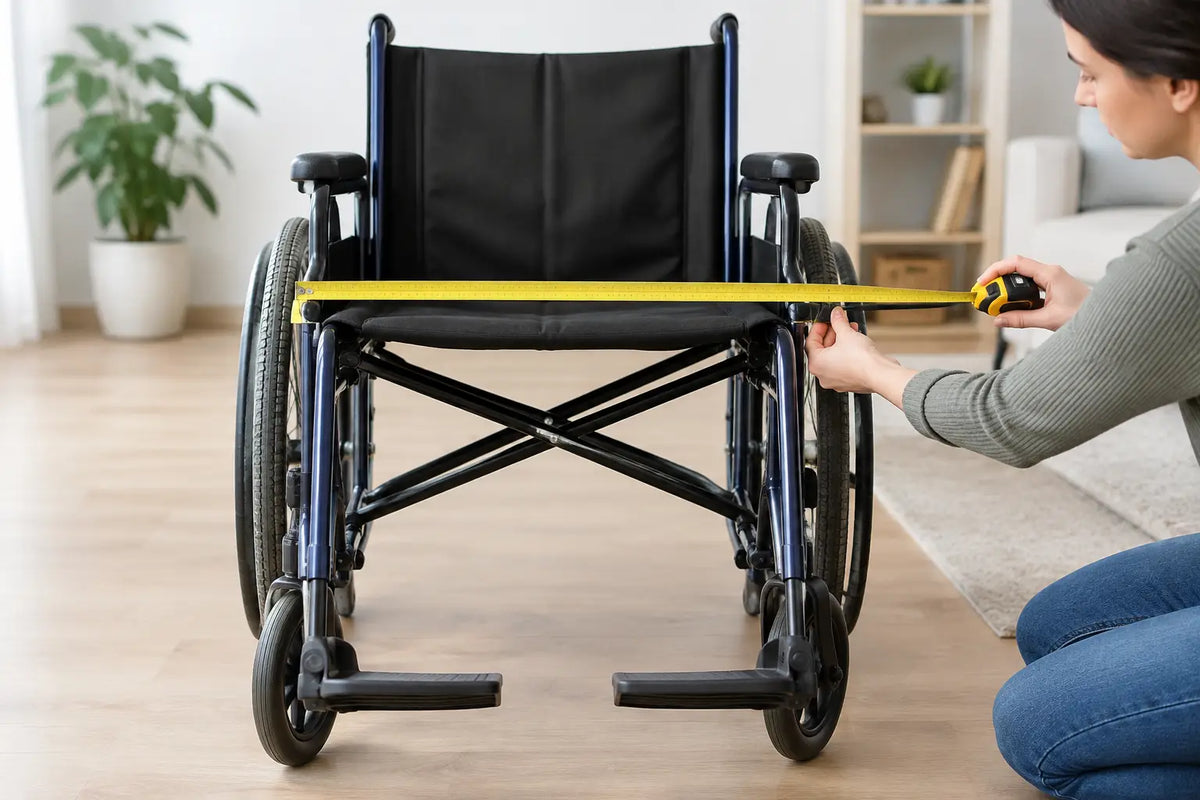
A pressure-relieving seat cushion can be helpful for people who use a wheelchair, recliner, dining chair, or office chair for extended periods. Foam, gel, air-cell, and layered cushions each have different benefits. Foam cushions are usually straightforward and supportive, while gel or air options may offer more targeted pressure distribution.
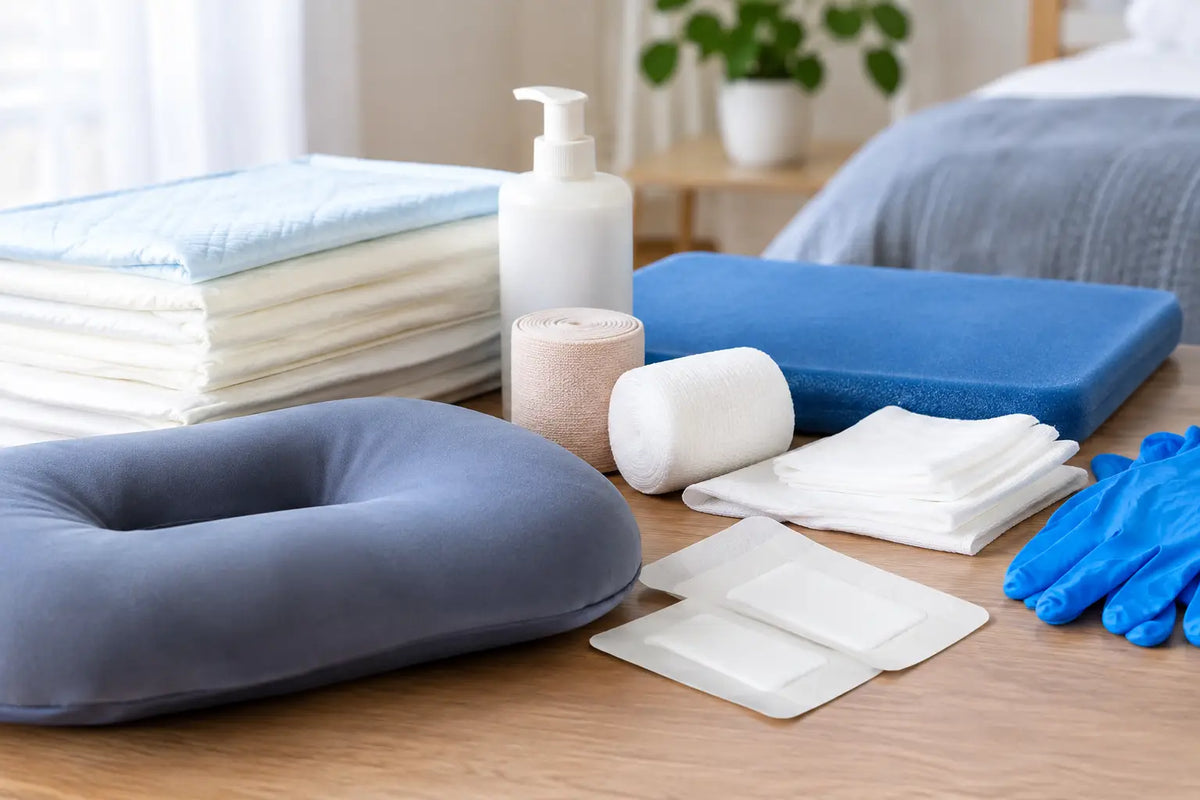
Fit matters as much as material. A cushion that is too small, bottomed out, or poorly positioned may not provide the intended support. Avoid using a standard donut-shaped cushion unless a clinician specifically recommends it, since it can concentrate pressure around the opening rather than relieve it.
Mattress Overlays and Specialized Mattresses
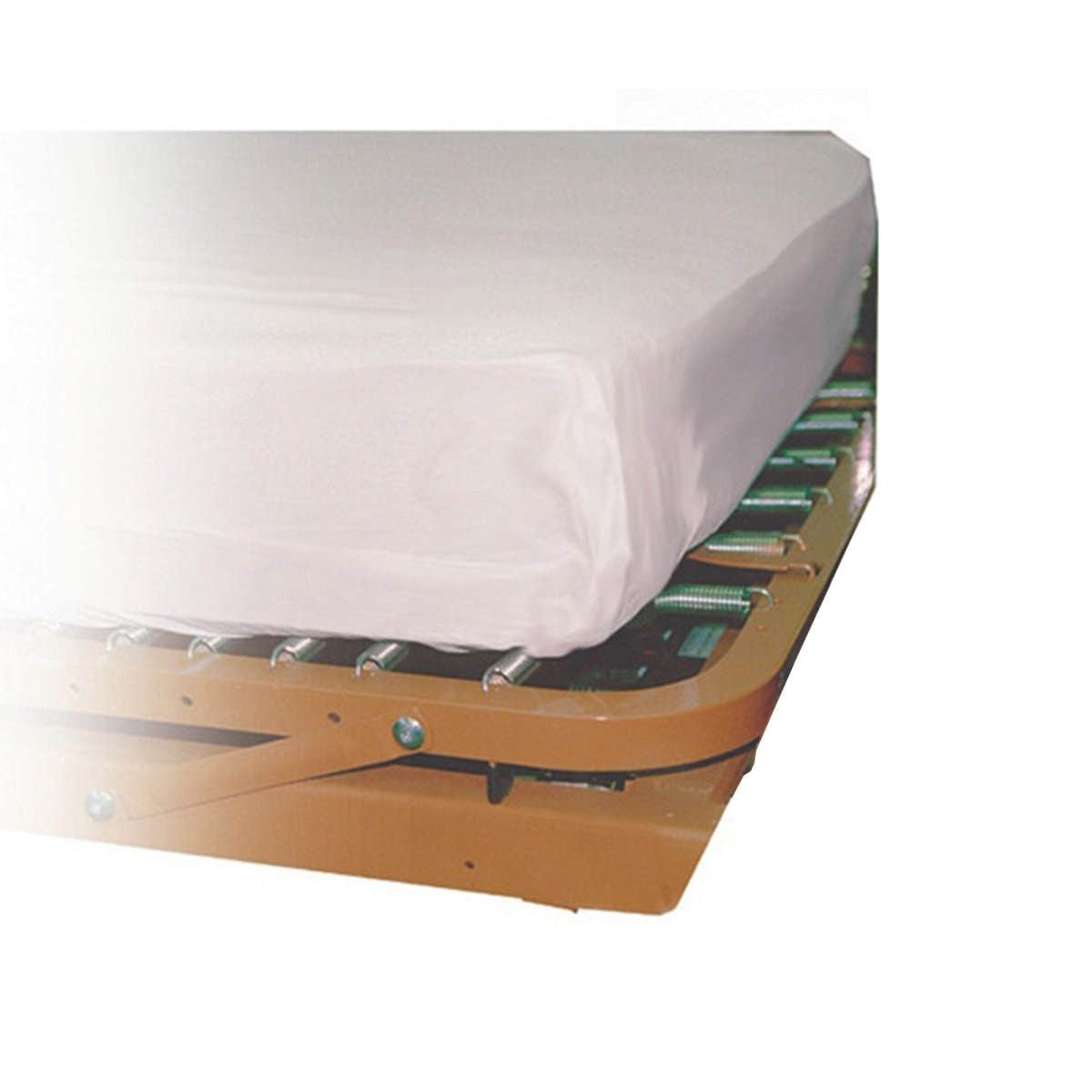
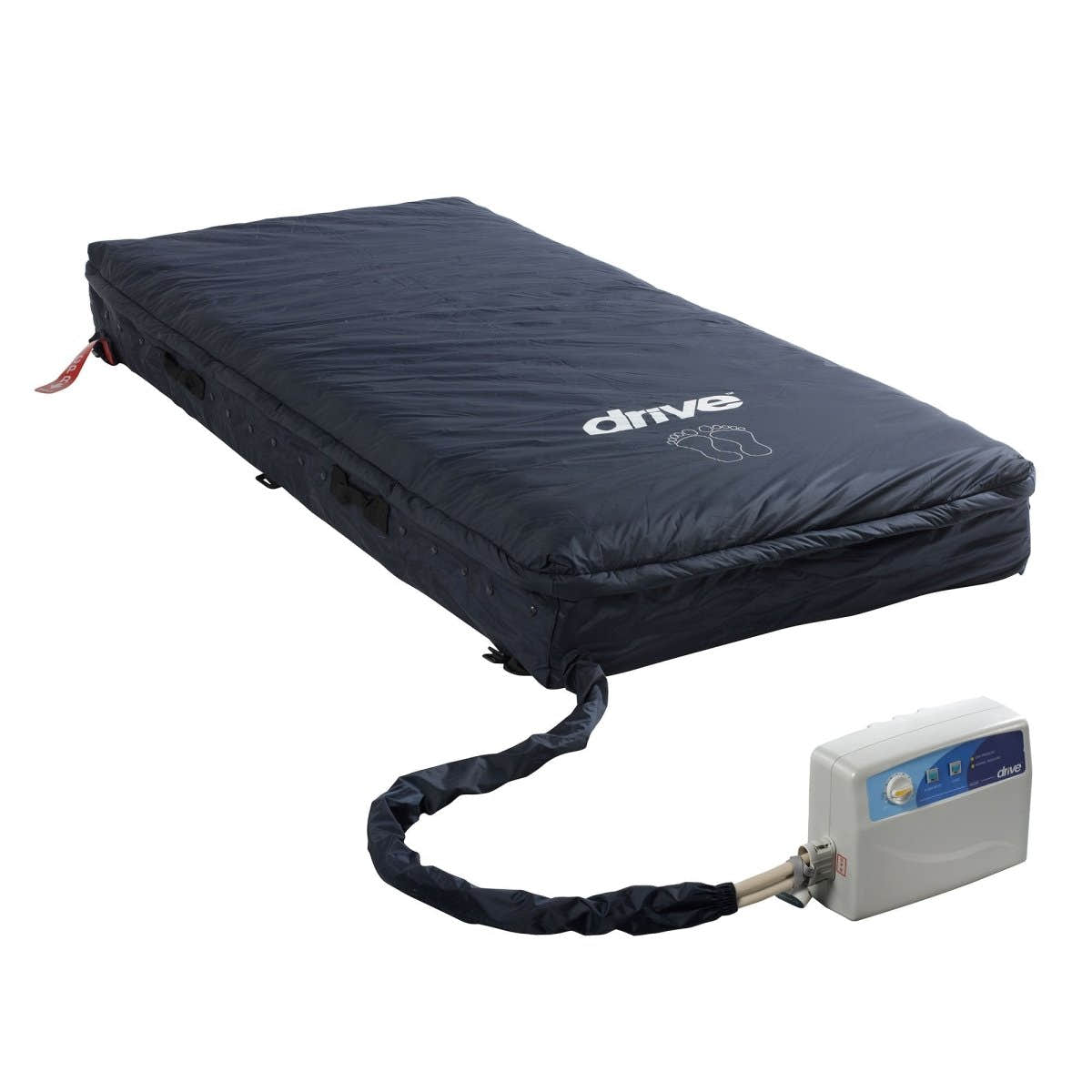
For people who spend many hours in bed, a pressure-relieving mattress overlay or specialized mattress can reduce pressure on the back, hips, shoulders, and heels. Foam overlays can be a practical option for lower-risk needs. Alternating-pressure or low-air-loss systems may be appropriate for people with very limited mobility or higher risk, depending on the care plan.
A support surface still requires repositioning. It can make turning more comfortable and may reduce pressure, but it does not eliminate the need to inspect the skin or change position on a regular schedule.
Heel Protectors and Positioning Pillows
Heels are especially vulnerable because there is little natural padding over the bone. Heel protectors, heel offloading boots, and pillows can help keep heels from resting directly on the mattress. When using pillows, place them under the calves so the heels float freely, rather than placing a pillow directly beneath the heels.
Positioning pillows and wedges also help maintain a side-lying position and reduce direct pressure on the hip. Choose supportive products that stay in place without creating hard seams or wrinkles underneath the body.
Supplies for Pressure Ulcer Prevention and Safe Repositioning
Moving someone in bed can create shear, which happens when the skin stays in place while deeper tissue shifts. This can occur when a person slides down in bed or is pulled across sheets. Reducing shear is just as important as reducing pressure.
Slide sheets, repositioning sheets, transfer boards, and gait belts can make movement safer and less physically demanding. A draw sheet can help two caregivers reposition a person without dragging their skin over the bedding. For someone who transfers from bed to chair, transfer aids may reduce sudden pulling and rubbing.
Keep the bed linens smooth, dry, and free of crumbs, cords, or folded fabric. Even a small wrinkle beneath a hip or shoulder can become uncomfortable after hours in bed. When raising the head of the bed, use the lowest angle that safely meets the person's comfort, breathing, and care needs, because sitting upright can increase sliding toward the foot of the bed.
Skin Care and Moisture Management Supplies
Moisture from sweat, urine, stool, or wound drainage can weaken skin and make it more likely to break down. Gentle, consistent skin care is especially valuable for people with incontinence or frequent bowel movements.
Start with mild no-rinse cleansers or gentle cleansing wipes designed for sensitive skin. Harsh soaps, hot water, and vigorous rubbing can dry or irritate fragile skin. Pat the skin dry carefully, especially in skin folds and around the groin and buttocks.
Moisture barrier creams, ointments, and protective skin films create a layer between the skin and irritants. The right choice depends on the person's skin condition and how often cleansing is needed. Creams may work well for daily protection, while barrier films can be useful when a lighter, less messy layer is preferred. Apply products according to the package directions and avoid heavy buildup that makes cleaning more difficult.
Absorbent underpads, incontinence briefs, protective underwear, and booster pads help manage moisture, but they should be changed promptly when wet or soiled. Breathable products and the correct size can improve comfort. Products that are too tight may leave marks or trap heat and moisture against the skin.
Protective Dressings for High-Risk Areas
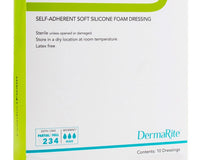
Some caregivers use preventive foam dressings on areas such as the sacrum or heels when skin is fragile or pressure risk is high. These dressings can cushion the skin and help manage friction, but they are not a replacement for turning, offloading, or moisture management.
Use preventive dressings only on clean, dry skin and check them routinely. Replace them if they become wet, loose, soiled, or rolled at the edges. If skin is already open, blistered, discolored, or painful, ask a clinician which wound care products and dressing approach are appropriate. The product that helps protect intact skin may not be the correct treatment for an existing pressure injury.
A Simple Daily Supply Checklist
A home care routine is easier to maintain when essential supplies are within reach. Consider keeping a bedside or bathroom care bin stocked with the products used most often:
- Gentle cleanser or cleansing wipes
- Moisture barrier cream or skin protectant
- Disposable gloves and hand sanitizer
- Absorbent underpads and incontinence products
- Clean linens and repositioning sheets
- Pillows, wedges, or heel protectors
- A flashlight for checking skin in low-light areas
- A notebook or care log for tracking skin changes and repositioning
Choosing Products for the Person, Not the Category
When shopping for prevention supplies, think about the person's daily routine. Someone who sits in a wheelchair may benefit most from a properly fitted cushion, transfer support, and skin protection for moisture. Someone confined to bed may need a mattress solution, heel offloading, positioning aids, and easy access to cleansing supplies. A person who is continent and mobile but recovering from surgery may need only a few targeted comfort and repositioning items.
Comfort is a useful signal. If a cushion feels unstable, a heel protector slips off, or a skin product stings, the product may not be the right fit. It may also need a different size, application method, or professional recommendation. CartHealth helps make ongoing home care purchasing simpler by bringing support surfaces, incontinence care, skin care, and patient care essentials into one convenient shopping experience.
Caregivers should also watch for changes that affect risk. Reduced appetite, dehydration, weight loss, new weakness, illness, or a medication change can all make skin more vulnerable. A product setup that worked last month may need to be adjusted as mobility and care needs change.
The most helpful supply is the one that supports a routine your household can actually maintain. Keep frequently used items easy to reach, check the skin at consistent times each day, and ask for medical advice early when something does not look right. Small, regular actions can protect comfort, confidence, and skin health at home.