A blood sugar check is only helpful when the reading is reliable and the supplies are ready when you need them. The best diabetic testing supplies are not necessarily the most expensive or the most feature-packed. They are the supplies that match your prescribed monitoring plan, work together correctly, fit your routine, and stay easy to reorder at home.
For people managing diabetes and for family caregivers, the simplest approach is to build a complete testing setup around the meter or monitoring system already recommended by a healthcare professional. That avoids the common frustration of buying strips that do not fit the meter, running out of lancets, or storing supplies past their expiration date.
Start With the Testing Method You Use
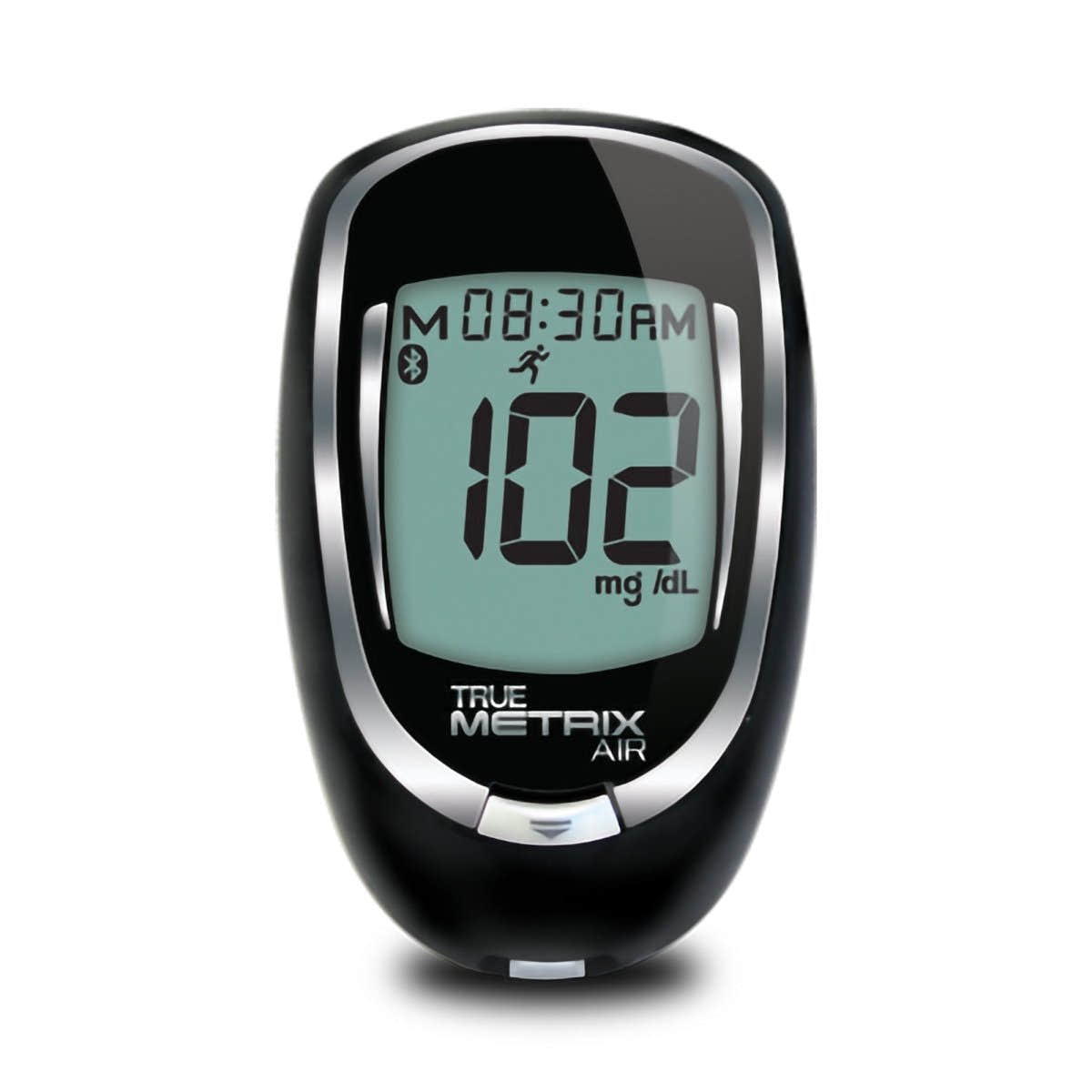
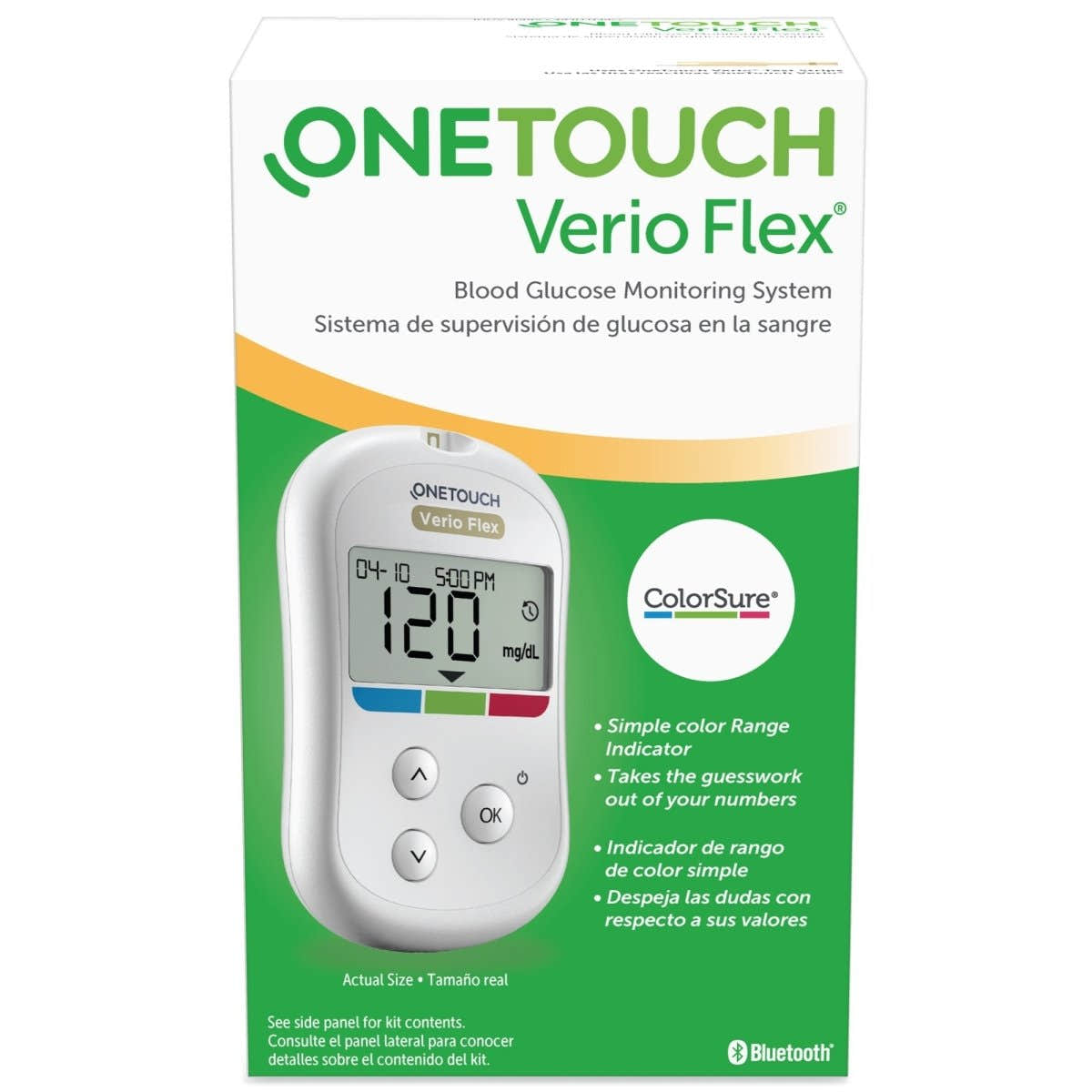
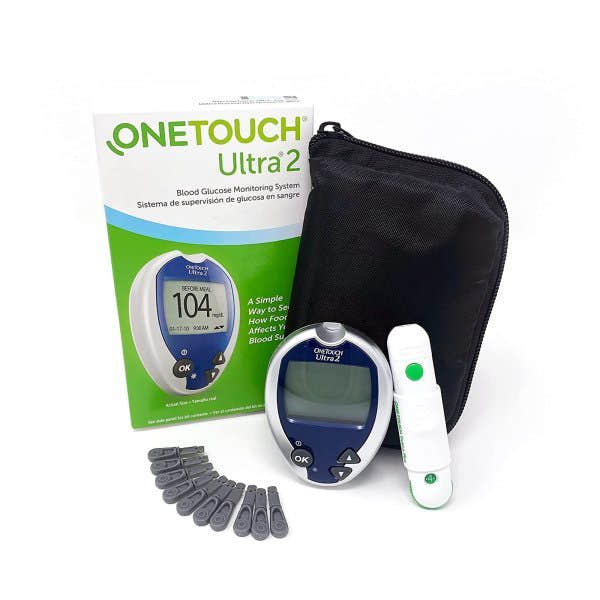
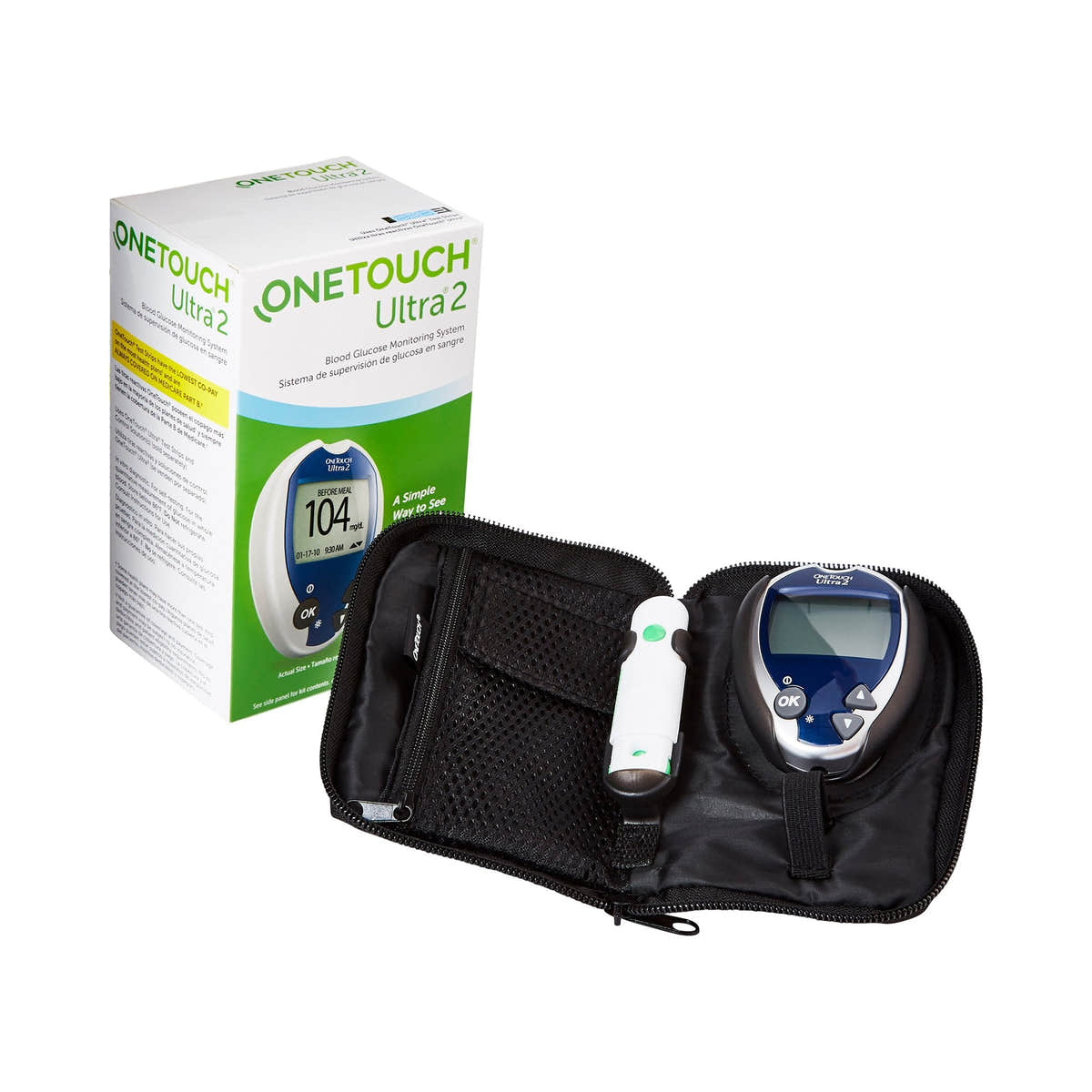
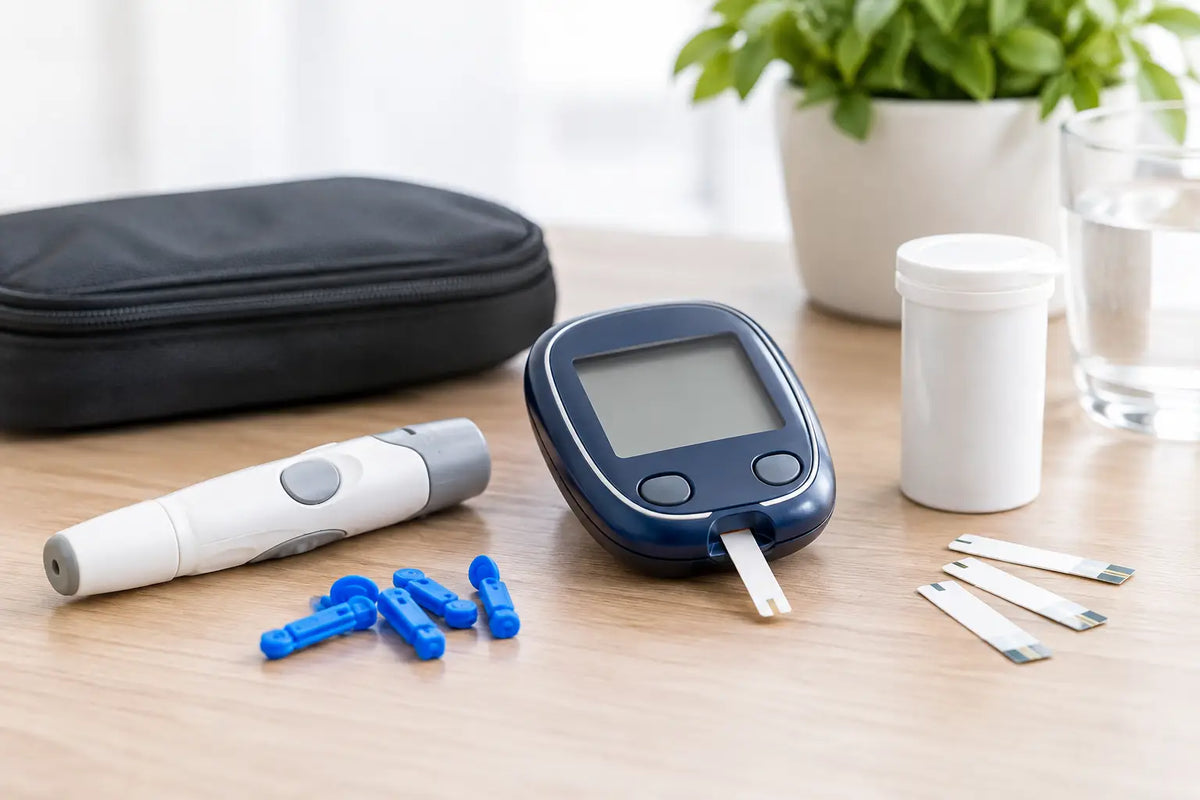
Most home blood glucose monitoring setups use a blood glucose meter, test strips, and a lancing device with lancets. A small finger-stick blood sample is placed on a compatible test strip, and the meter displays the result. This remains a practical, familiar choice for many people with diabetes, including those who also use a continuous glucose monitor.
Continuous glucose monitoring, or CGM, uses a wearable sensor to show glucose trends throughout the day and night. CGM supplies are different from standard finger-stick supplies and may include sensors, transmitters, applicators, adhesive patches, and a reader or compatible phone app. Some people still keep a blood glucose meter on hand because a finger-stick reading may be needed when CGM results do not match symptoms or when a healthcare professional recommends confirmation.
Your care plan should guide the method and frequency of testing. Do not switch meters, strip types, or monitoring methods solely because an item is on sale. A lower-cost option may not be a better value if it is incompatible with your equipment or difficult to replace consistently.
Best Diabetic Testing Supplies: The Core Items
A dependable home testing kit begins with the supplies used for every reading. Keeping a backup of each item can prevent missed checks when a box runs out or a meter is misplaced.
Blood Glucose Meter
Choose a meter that uses strips you can purchase regularly and that has features you will actually use. Many meters store past readings, show averages, or make it easier to add notes about meals. A backlit screen, large display, simple buttons, and audible prompts can be especially helpful for seniors, people with limited vision, or caregivers who assist with testing.
Accuracy matters, but everyday usability matters too. A meter that is difficult to read, requires complicated setup, or has strips that are hard to insert may lead to skipped tests. If your clinician has recommended a particular system, start there and make sure replacement strips remain available.
Compatible Test Strips
Test strips are the recurring supply most people use fastest. They are meter-specific, so the strip brand and model must match the meter exactly. Similar packaging or a familiar brand name does not guarantee compatibility.
Check the box before ordering, including the meter model listed on the label. Store strips in their original container with the lid closed, away from heat, humidity, and direct sunlight. Avoid using expired strips or strips that have been left in a hot car, damp bathroom, or open container. Those conditions can affect performance and may lead to readings you cannot trust.
For frequent testers, it helps to keep at least one unopened box in reserve. Ordering before the final vial is opened gives you time to receive replacements without interrupting your normal routine.
Lancing Device and Lancets
A lancing device holds the lancet used to obtain a small drop of blood. Many devices allow the depth setting to be adjusted. A shallower setting may be more comfortable, while a deeper setting may be necessary if blood flow is difficult to obtain. Start with the lowest setting that provides an adequate sample and adjust only as needed.
Lancets are available in different needle gauges. In general, a higher gauge number indicates a thinner lancet. Comfort can vary from person to person, so the right choice depends on skin sensitivity, blood flow, and the lancing device being used.
Use a new sterile lancet for each check whenever possible. Reusing lancets can make them duller and less comfortable, and sharing lancing devices or lancets is not safe. Keep a sufficient supply on hand, particularly if multiple household members manage diabetes.
Control Solution
Control solution is often overlooked, but it is useful for checking that a meter and test strips are working together as expected. It contains a known amount of glucose and is tested in place of blood. The result should fall within the control range printed on the strip container or package insert.
Use control solution when opening a new strip vial, after dropping the meter, when strips may have been exposed to heat or moisture, or when a reading seems surprising. Follow the instructions for your specific meter system, including storage requirements and the discard date after opening. Control solution is not a substitute for medical advice if readings remain unusual or do not match how you feel.
Supplies That Make Testing Easier at Home and Away
The right extras keep a basic testing routine organized, private, and safer. They are especially useful for people who test at work, during travel, or while helping a loved one with daily care.
A compact carrying case keeps the meter, strips, lancing device, and lancets in one place. Look for enough room to store supplies without crushing strip containers or leaving items loose in a bag. For people who use insulin, a separate insulated case may be needed for medications, but do not assume a standard meter case protects supplies from extreme temperatures.
Alcohol wipes may be convenient when soap and water are not available, although hands should be clean and completely dry before testing. Food, lotion, or moisture on the fingers can affect a result. Tissues or gauze pads are useful for wiping away a first drop of blood when instructed by your care team and for applying gentle pressure afterward.
A puncture-resistant sharps container is the appropriate place for used lancets and pen needles. Do not place loose sharps in household trash or recycling. Local disposal rules vary, so follow your community's guidance when the container is full.
For travel, pack more than you expect to use. Bring extra strips, lancets, batteries if your meter uses them, and a copy of prescriptions or device information when appropriate. Keep supplies in your carry-on bag rather than checked luggage, where temperatures can become extreme and access may be delayed.
How to Choose Supplies Without Creating a Compatibility Problem
Buying diabetes care supplies online can save time, especially for recurring orders, but product details deserve a quick check before checkout. Start with the exact name and model of your meter. Then confirm the matching test strips, the required battery type if applicable, and whether the lancing device accepts universal or brand-specific lancets.
Consider how often you test. Someone checking once daily may prefer smaller strip boxes to reduce the chance of expiration. Someone testing several times a day may benefit from larger quantities and a simple reorder schedule. Caregivers may also want a second kit for a purse, car, or another home, provided supplies are stored within their recommended temperature range.
Price is part of the decision, but it should be viewed over time. Compare the ongoing cost and availability of test strips, not just the initial cost of the meter. A low-cost meter can become inconvenient if its strips are hard to find, while a familiar system with dependable replacement supplies may be the easier choice.
If you have insurance or use a health savings account, check your plan's coverage requirements before choosing a new system. Some plans prefer specific meters and strip brands. Even when paying out of pocket, keeping purchase records and choosing clearly labeled, compatible supplies can make routine management simpler.
Keep Supplies Accurate, Safe, and Ready
A few habits protect both your supplies and your results. Wash and dry hands before each test. Check expiration dates when opening a new box. Keep the meter clean according to its instructions, and replace batteries before the display becomes faint or the device begins giving low-battery notices.
Pay attention to readings that do not fit the situation. If you feel symptoms of low or high blood sugar but the number seems unexpected, repeat the test with clean, dry hands and a new strip. Follow the action plan provided by your healthcare professional, and seek urgent medical help for severe symptoms or readings that require immediate care.
For a straightforward way to restock, CartHealth brings together diabetes testing essentials and other home health needs in one place. Building a consistent supply routine now can make the next blood sugar check feel less like a task to manage and more like a normal part of caring for yourself or someone you love.