A missed test strip, a dull lancet, or an empty glucose tablet tube can turn an ordinary day into a stressful one. Keeping the right diabetes care supplies at home helps make daily routines more consistent and gives patients and caregivers more confidence between appointments. The best setup is not necessarily the biggest one. It is the one that matches the person’s treatment plan, habits, and level of support.
Start With the Supplies Used Every Day
Diabetes routines vary. Someone who checks blood sugar occasionally may need a simple monitoring kit, while a person using insulin several times a day may need a more detailed supply system. Start by looking at what is used in a typical week, then keep enough on hand to avoid last-minute store trips.
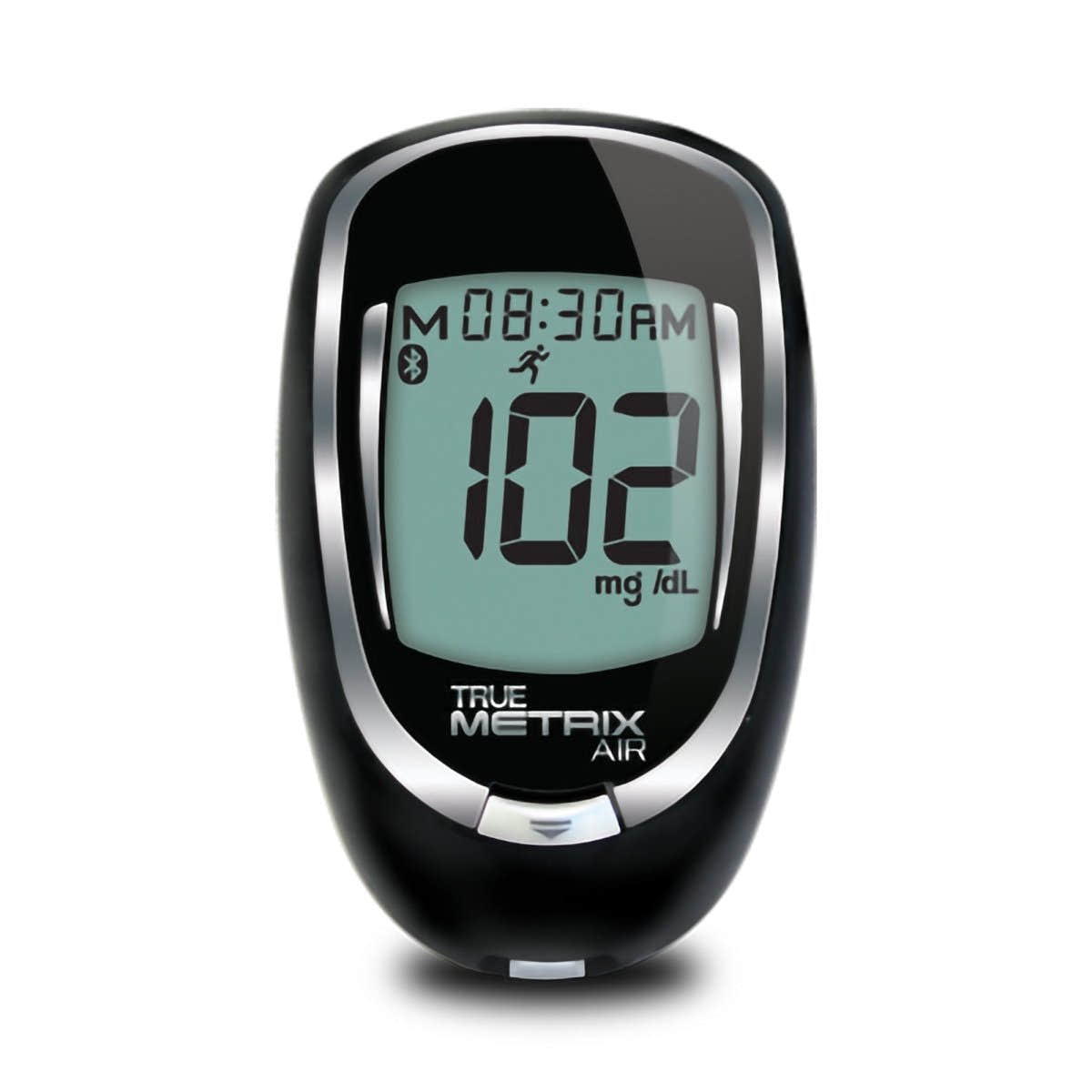
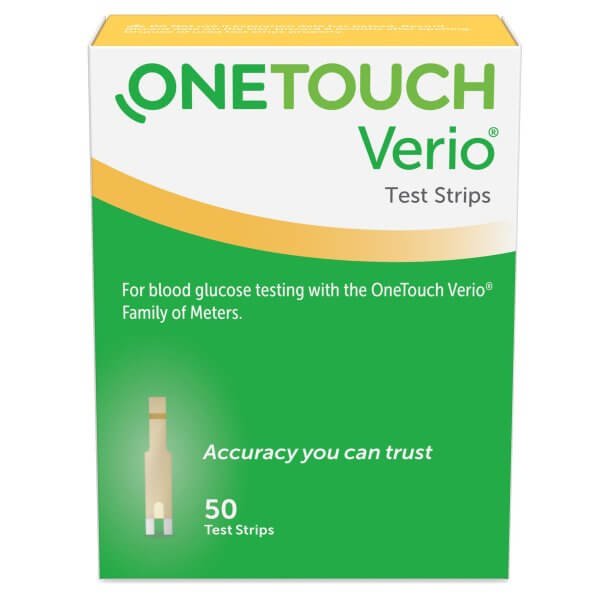
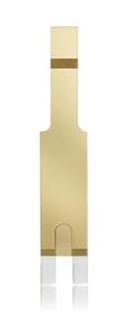
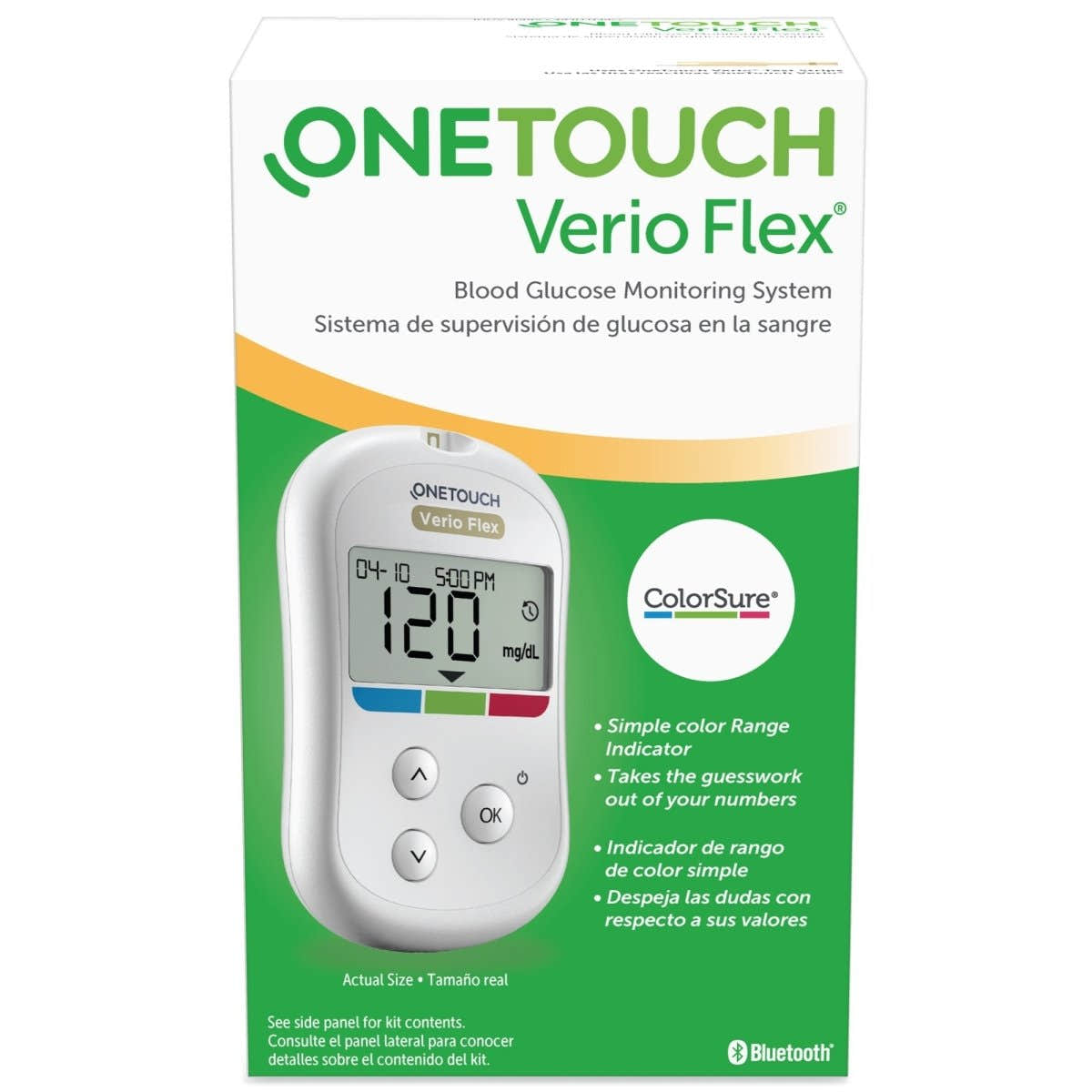
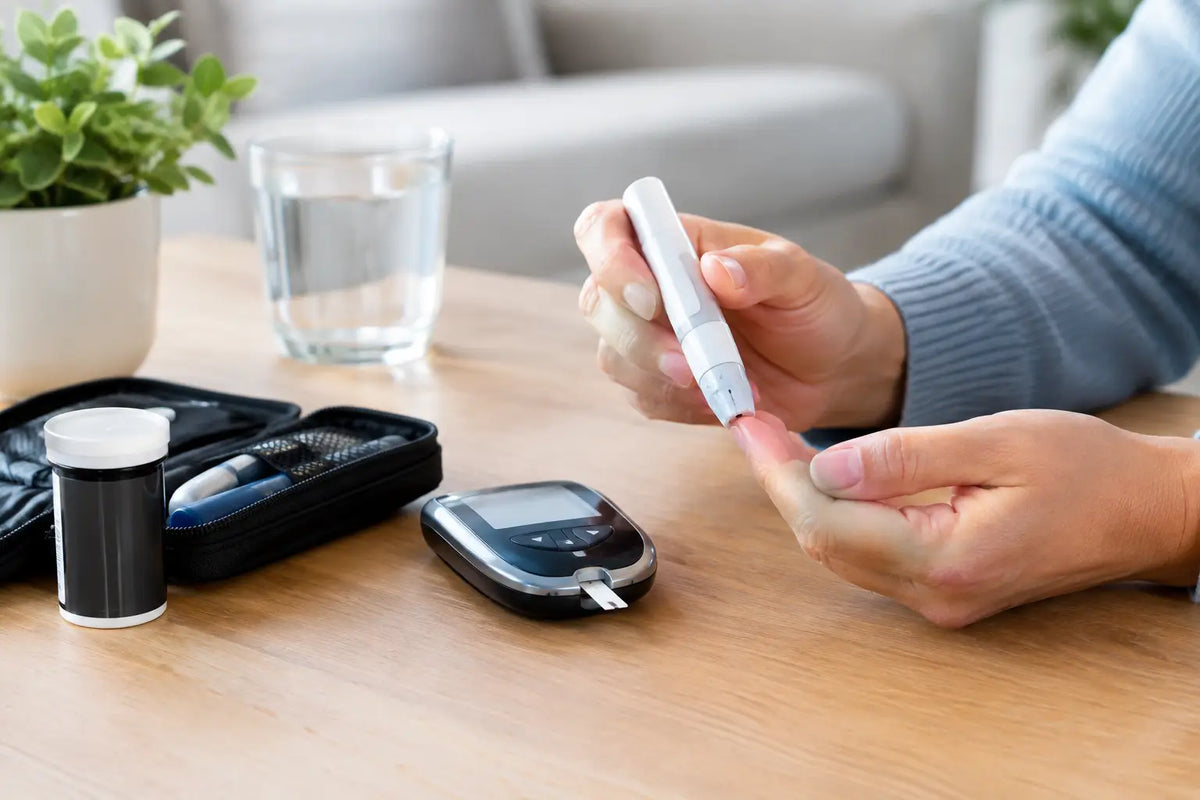
For many households, blood glucose monitoring supplies are the foundation. This may include a blood glucose meter, compatible test strips, lancets, and a lancing device. Test strips are not interchangeable between meters, so always confirm the brand and model before reordering. It is also wise to check expiration dates and store strips in their original container, tightly closed and away from excess heat or moisture.
Continuous glucose monitor users have a different routine. Sensors, transmitters, adhesives, skin-prep products, and removal supplies may all be part of regular care. The exact items depend on the system prescribed. Some people find it helpful to keep an extra sensor or approved backup option available when their plan and supply schedule allow, especially before travel or holidays.
Diabetes Care Supplies for Insulin Routines
Insulin users often manage several categories at once. Insulin itself requires a prescription and should be stored according to the manufacturer’s instructions. The supplies around insulin delivery, however, deserve just as much planning.
Depending on the prescribed method, needed items can include insulin syringes, pen needles, pump infusion sets, reservoirs or cartridges, alcohol prep pads, and adhesive removers. Needle length, gauge, and compatibility are not minor details. A pen needle must fit the insulin pen, and pump supplies must work with the specific pump system. When in doubt, use the product information from the manufacturer or ask a pharmacist, diabetes educator, or prescribing clinician before switching products.
Sharps disposal is another everyday need that should not be overlooked. Used lancets, pen needles, and syringes should go into an approved sharps container, not a household trash bag or recycling bin. Keep the container close to the place where injections or blood glucose checks usually happen, but out of reach of children and pets. Local disposal rules can vary, so check what your community requires once the container is full.
Alcohol prep pads can be useful for cleaning skin before an injection when recommended by the care team. They are also practical for keeping a diabetes kit organized at home or on the go. Still, more supplies do not always mean better care. Follow the instructions provided for the specific medication, device, and treatment plan.
Prepare for Low Blood Sugar at Home and Away
Fast-acting glucose is one of the most useful items to keep within reach for people at risk of low blood sugar. Glucose tablets and glucose gel are designed to provide a measured amount of carbohydrate and are easy to store in a bedside table, purse, backpack, vehicle, or caregiver kit. Some people also use juice or regular soda, but those options may be harder to carry, less predictable in portion size, or more likely to expire after opening.
A glucagon emergency product may be prescribed for people using insulin or others at risk of severe hypoglycemia. Family members, friends, school staff, or caregivers should know where it is stored and receive training on how to use it if the prescribing clinician recommends it. Review expiration dates regularly. An emergency product only helps if it can be found quickly.
For a home setup, consider keeping low blood sugar supplies in more than one location. A primary kit may stay near testing or medication supplies, while a smaller backup kit can go in a bag or car. Avoid leaving products in extreme heat or freezing temperatures, which can affect product quality.
Build a Supply System That Is Easy to Maintain
The challenge for many patients and caregivers is not knowing what to buy. It is remembering when to buy it. A simple inventory routine can prevent gaps without turning the kitchen counter into a medical storeroom.
Choose one shelf, drawer, or storage bin for routine supplies. Group products by use: monitoring items together, insulin-delivery items together, and low blood sugar supplies in a clearly marked place. Keep labels visible whenever possible. This makes it easier for a spouse, adult child, or visiting caregiver to find what is needed without guessing.
Once a month, take a few minutes to check quantities, expiration dates, and upcoming travel plans. Reorder before opening the last box of frequently used products, particularly test strips, lancets, pen needles, and alcohol prep pads. The right reorder point depends on how quickly supplies are used, shipping time, insurance requirements, and available storage space.
Buying a large quantity can offer convenience, but it has trade-offs. Products with expiration dates should be used before they expire, and a treatment change can leave a household with supplies that no longer fit the current routine. For recurring items that are used consistently, keeping a modest reserve is often more practical than purchasing far beyond expected needs.
Know What Requires Extra Attention
Not every diabetes-related item can be selected based on price or package size. Some supplies are prescription-only, while others must match a specific meter, insulin pen, insulin pump, or continuous glucose monitoring system. A substitute may look similar but still be incompatible.
Before placing an order, verify the product name, size, quantity, and compatibility details. For example, test strip names can be very similar across meter models, and pen needles come in multiple lengths and gauges. If a person has limited hand strength, vision changes, or reduced dexterity, ease of opening packages and handling small parts may matter as much as the product itself.
Caregivers should also watch for changes in the routine. New medications, a hospital stay, a new glucose monitor, or a switch from injections to a pump can all affect the supply list. Update the home inventory after any care-plan change rather than assuming previous items will still work.
Make Home Ordering More Practical
Online ordering can be especially helpful for recurring care needs. It gives shoppers time to confirm details, compare package counts, and order from home instead of making multiple trips to a store. For households managing diabetes alongside incontinence care, nutrition support, mobility products, or wound care items, purchasing through one dependable source can simplify the monthly routine.
When shopping for supplies, focus first on the exact products that support the current plan. Then consider practical details such as package quantity, storage needs, recurring use, and delivery timing. CartHealth offers a broad selection of home health essentials so customers can shop by care need and keep routine items organized in one place.
A reliable diabetes supply routine is built one small decision at a time: the correct test strips in the drawer, a sharps container nearby, fast-acting glucose where it can be reached, and enough time to reorder before supplies run low. That preparation helps leave more room for daily life and less room for avoidable stress.