
The ride home from the hospital is often the moment when recovery starts to feel real. A hospital discharge supply checklist helps turn discharge instructions into a home setup that is safer, more comfortable, and easier for the patient and caregiver to manage. Start planning before discharge day when possible, but do not guess at clinical needs. The care team’s written instructions, prescriptions, and equipment orders should guide every purchase.
A good setup is not about buying every medical product available. It is about having the right supplies within reach for the first several days, then creating an easy way to reorder items used regularly. Needs can change quickly after surgery, illness, injury, or a new diagnosis, so choose practical basics first and confirm specialty items with the nurse, therapist, pharmacist, or prescribing clinician.
Start With the Discharge Instructions
Before leaving the hospital, ask for a printed copy of the discharge plan and review it with the nurse or discharge coordinator. Look for directions about medications, wound care, bathing, diet, activity limits, follow-up appointments, and warning signs that require a call to the doctor or emergency care.
This is also the time to clarify what the hospital is providing. A facility may send home a small amount of dressing supplies, medications, catheter supplies, or nutrition products, but that quantity may only last a few days. Ask how long each item is expected to last, whether a prescription is needed to purchase more, and whether the product has a specific size, brand, or feature requirement.
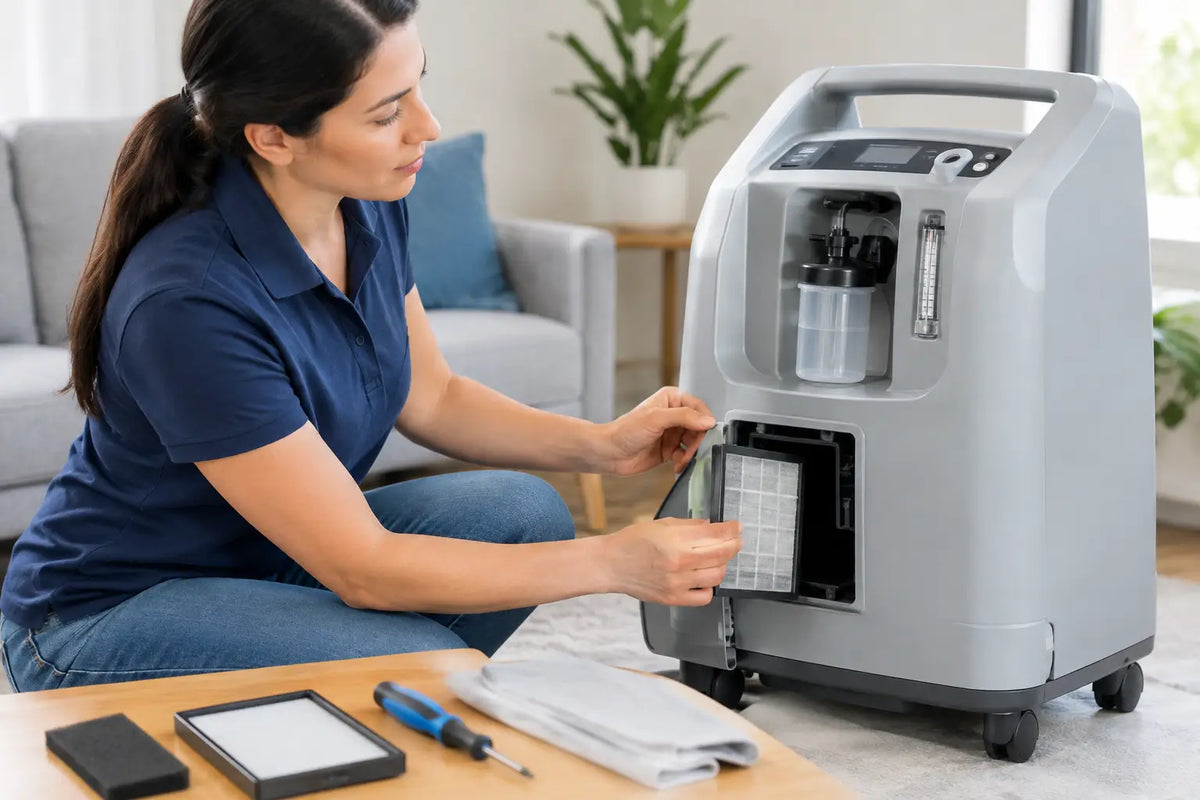
If a walker, wheelchair, bedside commode, hospital bed, oxygen equipment, feeding pump, or other durable medical equipment has been ordered, confirm how and when it will arrive. Do not assume it will be waiting at home. Delivery timing can affect whether the discharge date is safe and workable.
Hospital Discharge Supply Checklist by Care Need
Every recovery plan is different, but the categories below can help organize what belongs in the home before the patient arrives.
Medication and health monitoring
Create one clear place for medications, ideally away from heat, moisture, children, and pets. A weekly pill organizer can simplify a complex schedule, but it is not appropriate for every medication. Some drugs need to stay in original packaging, and liquid medications, injections, or refrigerated products may need special handling.
Depending on the diagnosis and discharge plan, helpful supplies may include a thermometer, blood pressure monitor, pulse oximeter, blood glucose meter and testing supplies, sharps container, and a written medication log. Do not add monitoring devices just because they seem useful. Ask which readings matter, how often to check them, and what number should prompt a call to the care team.
Mobility and fall prevention
Pain, weakness, dizziness, and new mobility restrictions can make familiar rooms hazardous. Clear loose rugs, cords, low tables, and clutter from pathways before the patient returns. Make sure there is a stable chair with arms, good lighting for nighttime bathroom trips, and a phone or call device within reach.
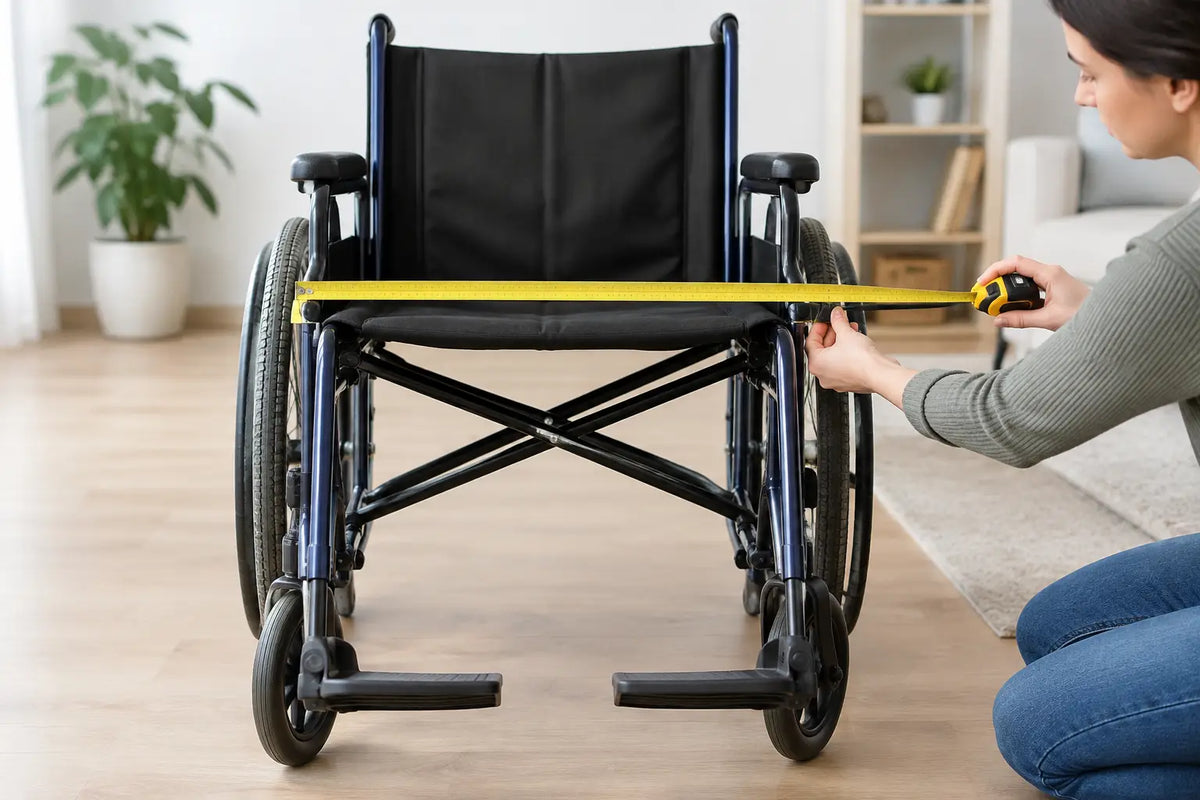
The appropriate mobility aid depends on the patient’s strength, balance, weight-bearing status, and home layout. A cane, walker, wheelchair, transfer bench, shower chair, bedside commode, raised toilet seat, or grab bar may be recommended. Proper fit matters. A device that is too high, too low, or used incorrectly can increase fall risk, so follow the therapist’s instructions rather than choosing based on convenience alone.
Wound, skin, and personal care
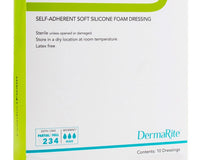
If the patient has an incision, pressure injury, drain, ostomy, or other wound, use only the supplies identified in the discharge plan. Common needs may include gauze, non-stick pads, tape, saline, skin barrier products, disposable gloves, and a way to dispose of used dressings. Some wounds should stay dry, while others need cleansing or specific dressings. The details matter.
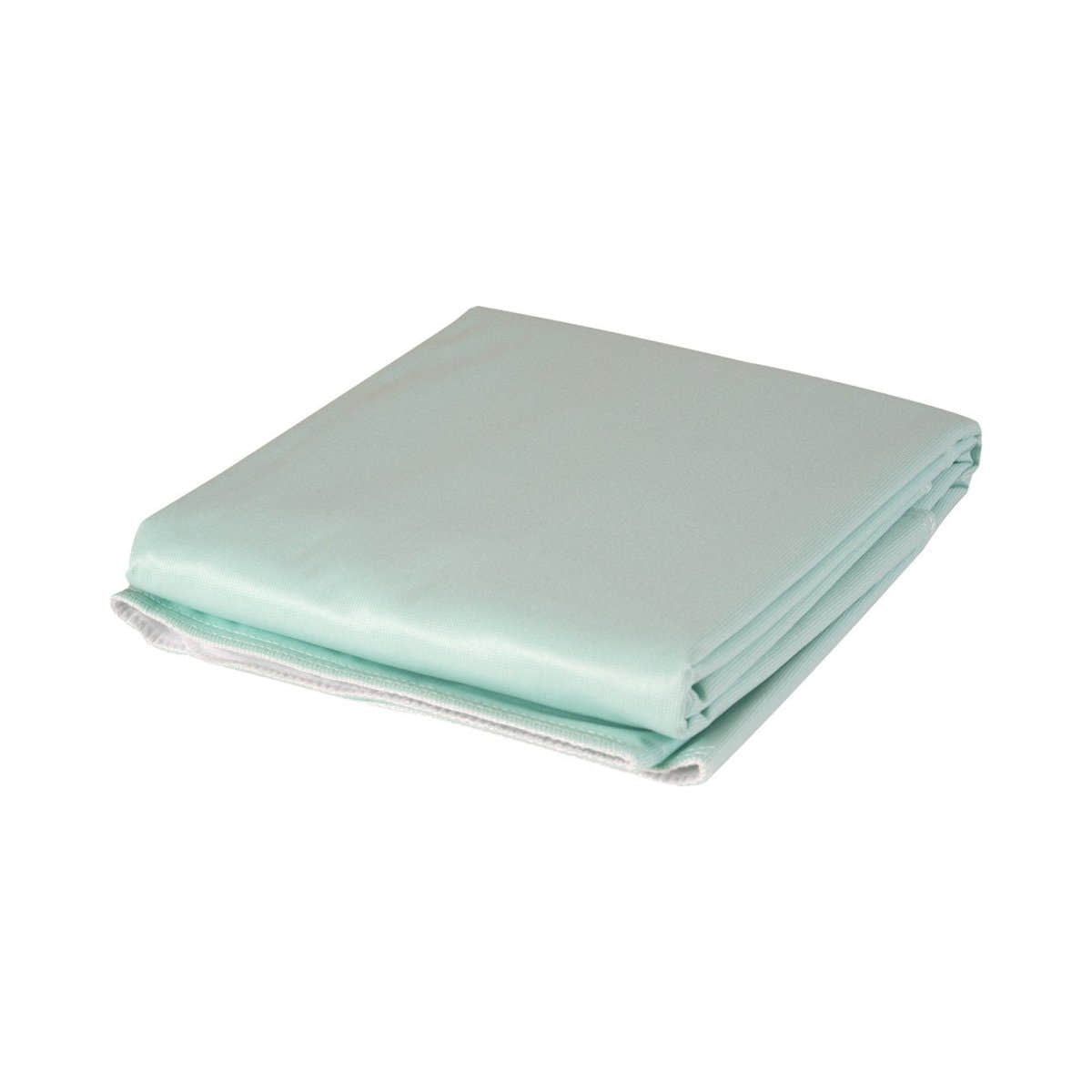
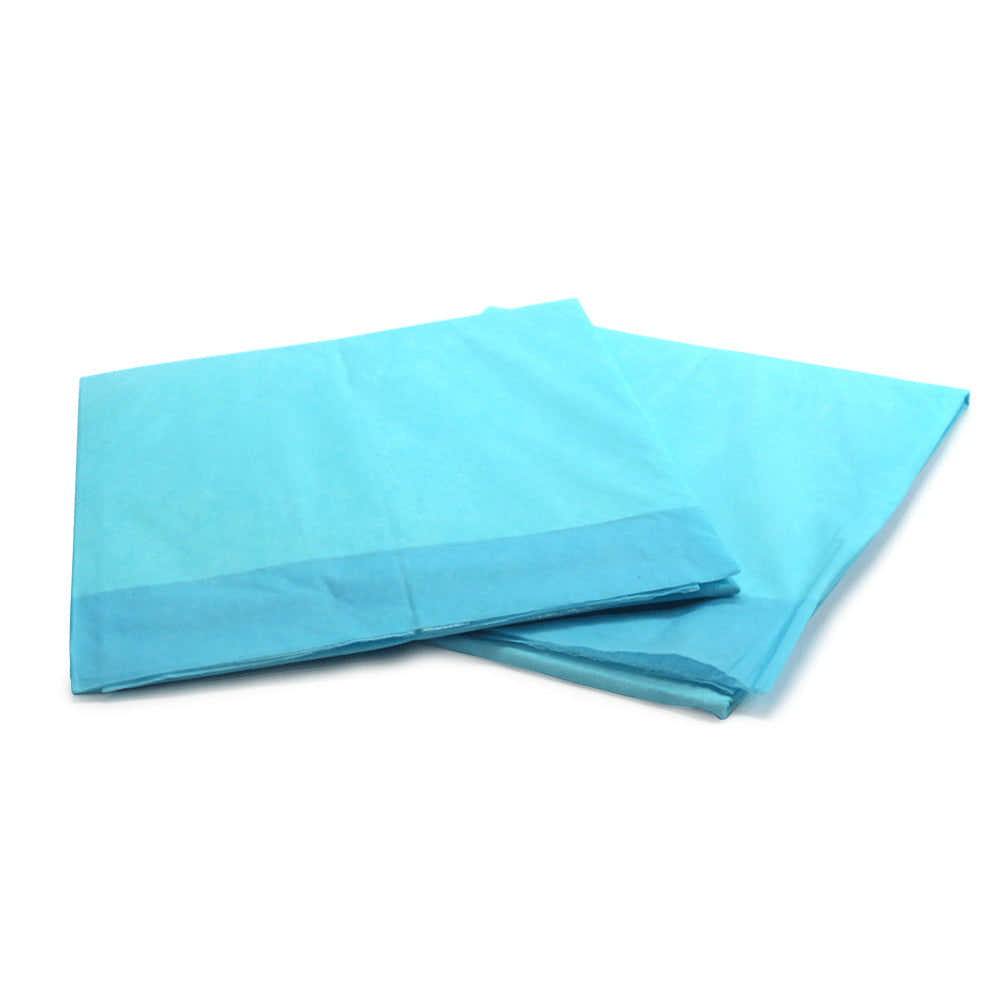
For patients spending more time in bed or seated, skin protection should be part of the daily routine. Incontinence briefs, protective underwear, underpads, cleansing wipes, no-rinse wash, barrier cream, and moisture-wicking bedding can help protect skin and reduce laundry. Change wet products promptly and check the skin regularly, especially around the tailbone, hips, heels, and any medical device.
Nutrition and hydration
Recovery may affect appetite, swallowing, digestion, or the ability to prepare meals. Stock easy-to-open foods that match the prescribed diet, along with water, electrolyte drinks if recommended, and nutritional shakes or oral supplements when appropriate. If there are fluid restrictions, diabetes meal guidelines, renal diet instructions, or swallowing precautions, follow those directions instead of relying on general recovery advice.
Patients using enteral feeding supplies need a more specific plan. Confirm the formula, feeding method, pump or gravity supplies, syringes, extension sets, cleaning instructions, and emergency contact information before discharge. Keep enough formula and consumables on hand to avoid an urgent last-minute search.
Bathroom and bedside essentials
The first few nights at home are easier when basic care items are close by. Set up a small bedside basket or rolling cart with tissues, hand sanitizer, wipes, a water bottle, medications if appropriate, a charger, a notepad, and the discharge paperwork. For limited mobility or incontinence needs, add disposable underpads, protective underwear or briefs, gloves, and clean clothing.
In the bathroom, prioritize safety and privacy. A shower chair or transfer bench can reduce the risk of slipping, while a handheld showerhead may make bathing easier. If walking to the bathroom is difficult, a bedside commode can be useful for short-term recovery. Measure the space before ordering equipment, particularly in narrow bathrooms or small bedrooms.
Set Up a Simple First-Week Supply Plan
Rather than storing supplies in several rooms, create one organized care area and one backup location. Label bins or baskets by purpose, such as wound care, diabetes supplies, incontinence care, nutrition, or ostomy products. This reduces stress for caregivers and makes it easier to notice when supplies are running low.
For recurring consumables, estimate the daily use rate. If a patient uses four briefs a day, for example, a package that contains 32 provides about eight days of coverage. Build in extra supplies for nighttime changes, delayed delivery, or a change in need. The same approach works for wound dressings, test strips, feeding bags, catheter supplies, and underpads.
A practical first-week checklist may include:
- All prescribed medications, plus a current medication list and dosing schedule
- Ordered mobility equipment and bathroom safety items
- The exact wound, ostomy, urology, diabetes, or feeding supplies listed in the care plan
- Incontinence and skin-care products when bladder or bowel control is affected
- Easy meals, approved nutritional support, and hydration items
- A thermometer and any clinician-recommended monitoring equipment
- Gloves, hand hygiene supplies, and a safe method for disposing of used materials
- Contact numbers for the doctor, pharmacy, home health agency, and emergency services
Know What Should Not Wait
Supplies support recovery, but they do not replace medical follow-up. Call the care team promptly for issues listed in the discharge instructions, such as fever, worsening pain, increased redness or drainage around a wound, uncontrolled vomiting, new confusion, trouble taking medications, or equipment problems that prevent safe care at home.
Call emergency services for serious symptoms such as chest pain, trouble breathing, signs of stroke, severe bleeding, loss of consciousness, or any situation that feels immediately life-threatening. When in doubt, use the contact instructions provided by the hospital.
Make Reordering Less Stressful
Once the first few days have passed, note which products are being used most often and keep product details together. Size, absorbency level, dressing dimensions, catheter type, glucose test strip compatibility, and feeding formula are easy details to forget when it is time to reorder. Taking a photo of the package label or writing the product name in a care notebook can prevent mistakes.
CartHealth can help caregivers shop across everyday home health categories in one place, from mobility and incontinence needs to wound care, diabetes supplies, nutrition, and personal care. Keep a small reserve of essential consumables rather than waiting until the last package is open. That extra preparation gives the patient and caregiver more room to focus on rest, routines, and a steadier recovery at home.