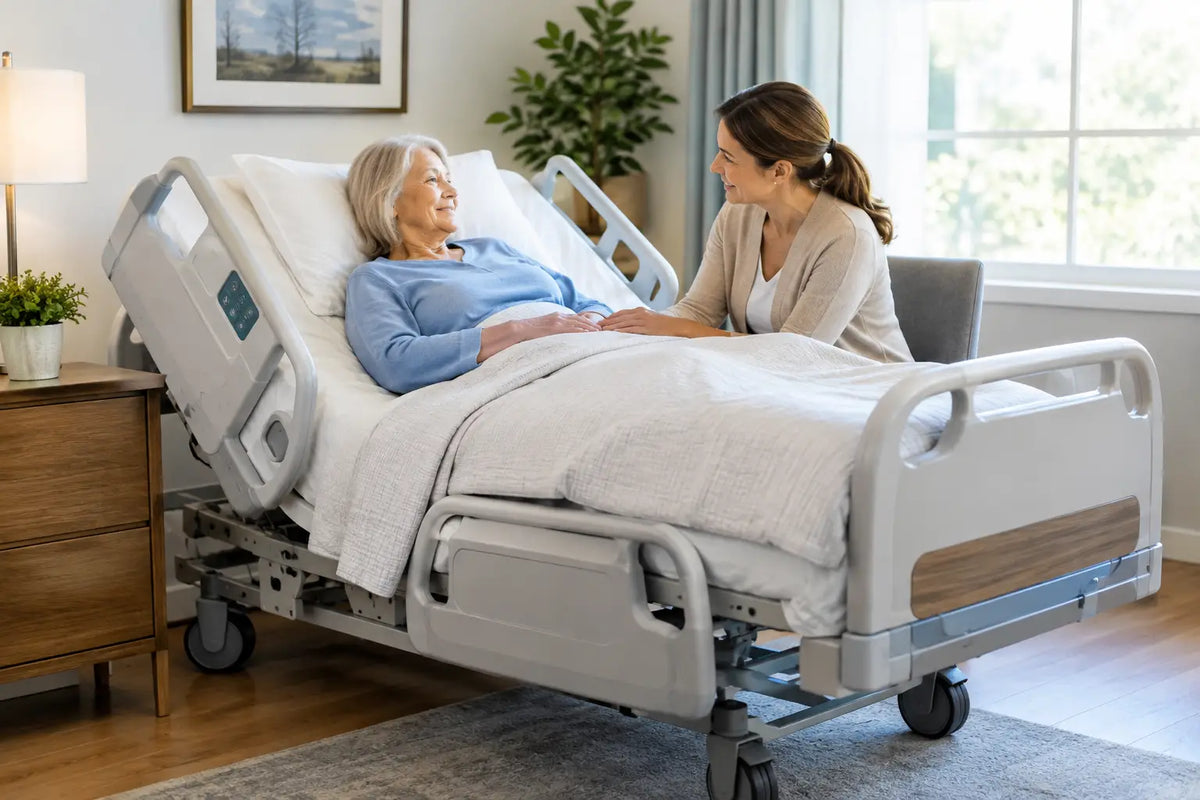
A hospital bed can change the day-to-day reality of recovery, mobility limitations, or long-term care at home. The most useful hospital bed reviews do more than rate a product as good or bad. They help you see whether a bed will fit the person, the room, the caregiver's routine, and the level of support needed.
For many families, the decision comes after a hospital stay, a new diagnosis, or a change in mobility. That can make it tempting to choose the first bed that appears to have the right features. A better approach is to compare the practical details that affect comfort, safety, and use every day.
What to Look for in Hospital Bed Reviews
A review is most helpful when it explains how the bed performs in a real home setting. Product specifications can tell you the bed's dimensions and weight capacity, but they do not always explain whether the controls are easy to use, how loud the motor is, or how manageable the bed feels for a caregiver making changes several times a day.
Start by looking for comments that match your situation. A person recovering from surgery may need short-term positioning and easier transfers. Someone with limited mobility may need a bed that supports ongoing skin protection, caregiver access, and safe repositioning. The best choice depends on the care need, not on the longest feature list.
Pay attention to recurring feedback rather than one unusually positive or negative experience. If several reviewers mention smooth head and foot adjustments, clear hand controls, or a stable frame, that is useful information. Likewise, repeated concerns about difficult assembly, mattress fit, or inadequate side rails deserve a closer look.
Bed Type Comes Before Extra Features
Most home hospital beds fall into three broad categories: manual, semi-electric, and full-electric. Each can be appropriate, but the trade-offs are different.
A manual hospital bed uses hand cranks to raise or lower sections of the bed. It can be a practical lower-cost option when adjustments are infrequent and a caregiver is available to operate it. The trade-off is effort. Repositioning can be difficult when the person needs frequent changes during the day or night.
A semi-electric bed typically uses a motor to raise the head and foot sections while the overall bed height is adjusted manually. This option may work well when the user benefits from independent positioning but does not need the bed height changed often. It can offer a middle ground between budget and convenience.
A full-electric hospital bed allows the head, feet, and bed height to be adjusted with a hand pendant or control panel. This is often the most convenient option for ongoing home care. Raising the bed can help caregivers provide care without bending as much, while lowering it can make transfers safer for many users. It is usually the better fit when positioning needs change frequently.
When reading hospital bed reviews, make sure the reviewer is discussing the same type of bed you are considering. Frustration about manual height adjustment, for example, may not apply to a full-electric model.
Comfort Depends on the Mattress, Too
A hospital bed frame is only one part of the setup. The mattress has a major effect on rest, positioning, and pressure management. A standard foam mattress may be suitable for someone who is mobile, uses the bed temporarily, or can shift positions without help. For a person who spends long periods in bed, a pressure-relief mattress may be more appropriate.
Reviews often focus on the bed's frame and motor while giving less attention to mattress compatibility. Before buying, confirm the mattress dimensions required by the frame and whether the mattress is designed to flex safely when the head or foot section rises. A mattress that is too thick, too stiff, or incorrectly sized can affect rail clearance and make the bed less comfortable to use.
For people at risk of pressure injuries, comfort should not be judged by softness alone. Look for products intended to distribute weight and reduce prolonged pressure. A clinician can help determine whether a specialized foam, alternating-pressure, or low-air-loss mattress is appropriate for the person's medical needs.
Safety Features Worth Comparing
Hospital bed reviews should make you more aware of safety questions, not less. A bed's safety depends on correct setup, compatible accessories, and the user's abilities.
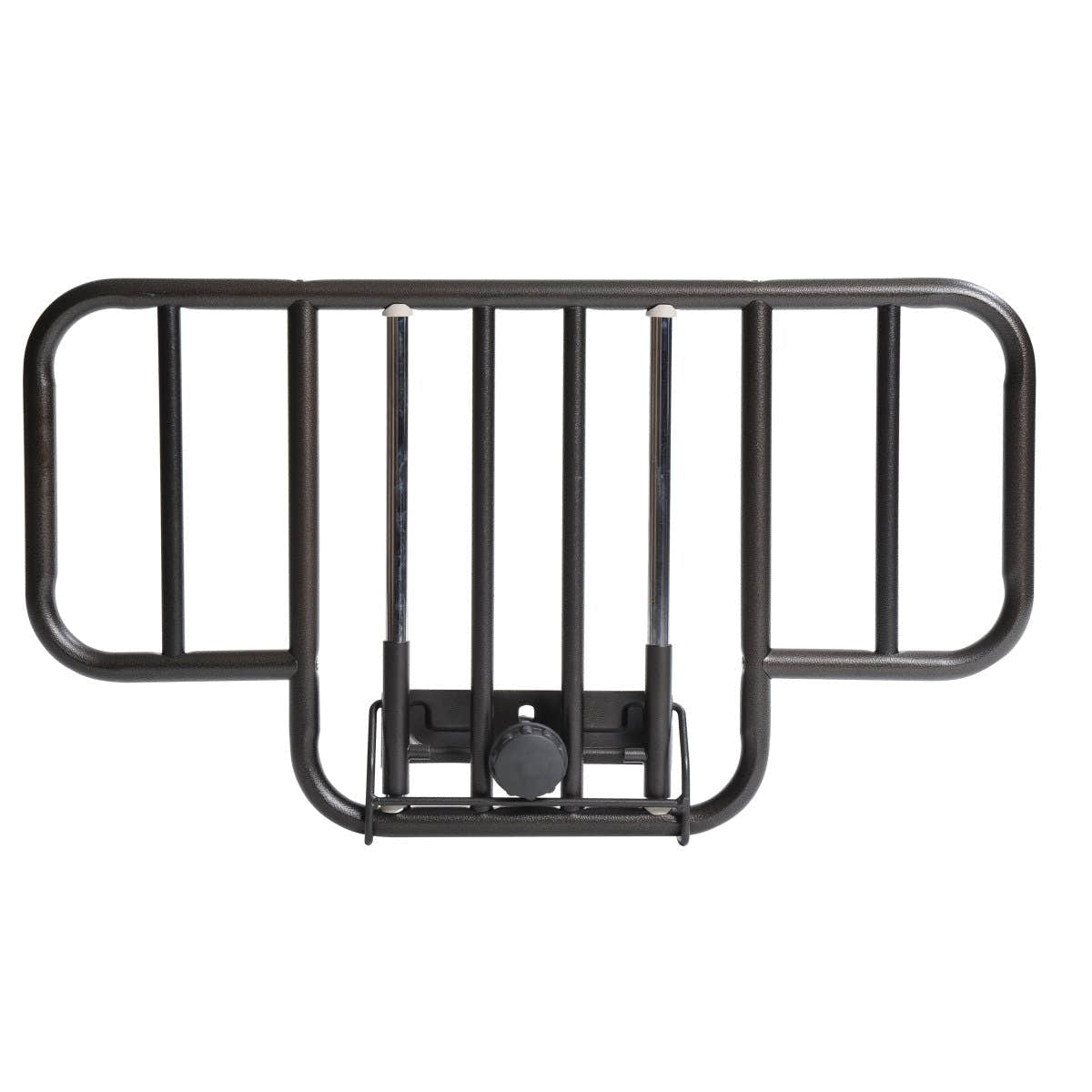
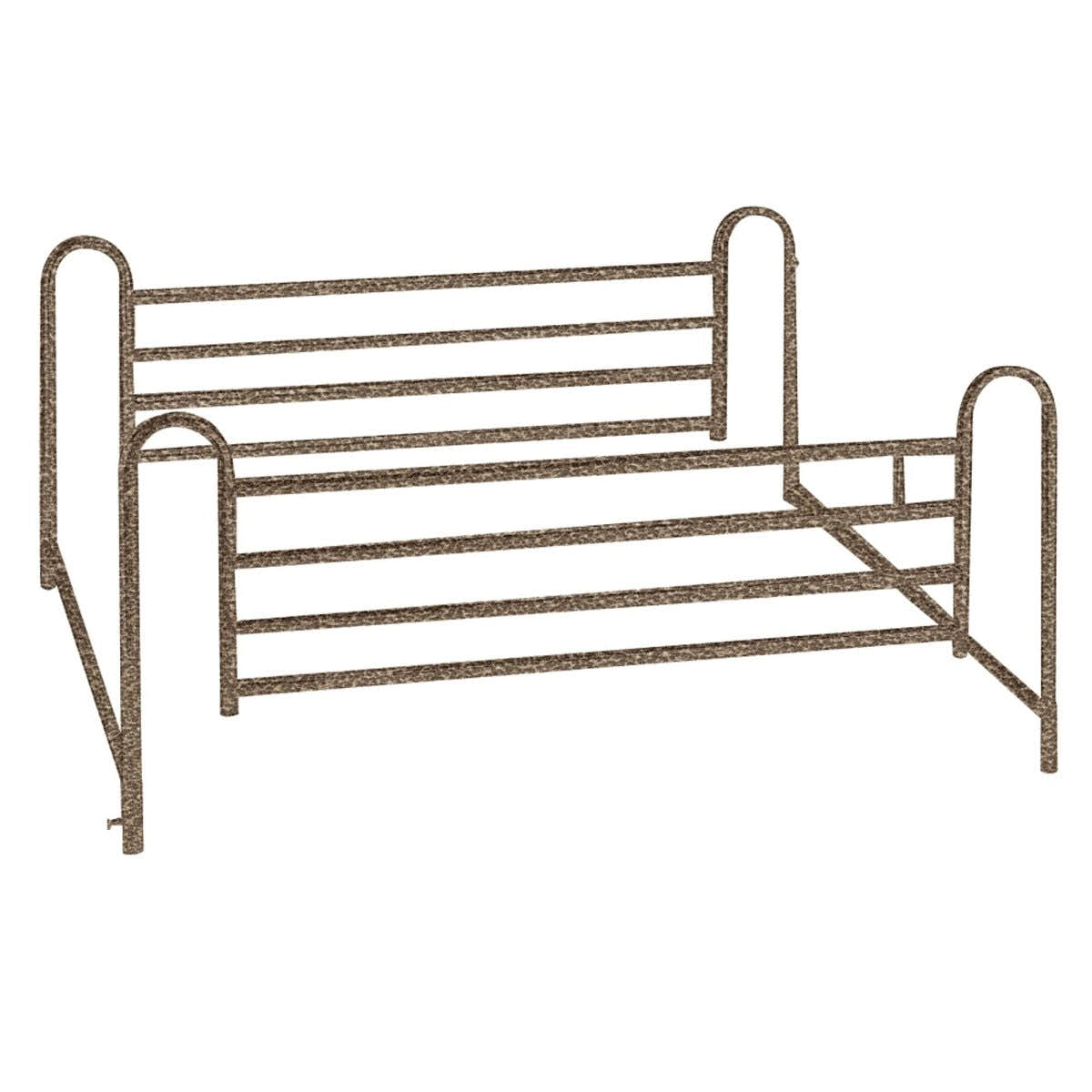
Bed rails are a common example. They can provide a handhold, help with repositioning, and offer a sense of security. However, rails are not appropriate for every person. Depending on the design and the user's condition, there may be a risk of entrapment, climbing over the rail, or becoming caught between the mattress and rail. Half rails, assist rails, or no rails may be safer in some situations.
Check whether reviewers discuss frame stability, locking casters, control placement, and the bed's lowest height. A low bed height can reduce the distance of a fall, while locking wheels help keep the bed steady during transfers and care tasks. Easy-to-reach controls matter for users who can adjust their own position, but controls should also be placed where they cannot be activated accidentally.
Weight capacity is another essential detail. Consider the combined weight of the person, mattress, bedding, and any accessories. Do not assume every standard home hospital bed supports the same amount. If bariatric support is needed, choose a bed specifically designed with the appropriate width and weight capacity rather than trying to adapt a standard frame.
Measure the Room Before You Order
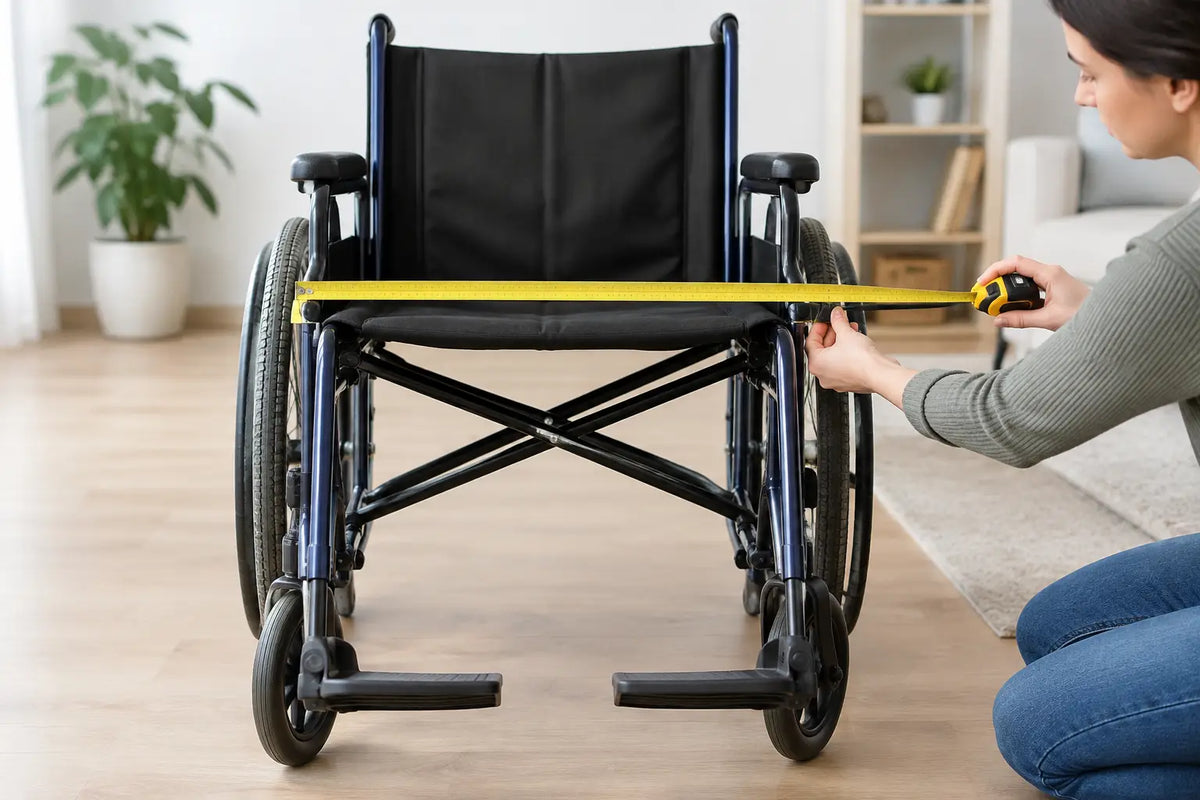
A home hospital bed needs more space than many people expect. In addition to the bed's length and width, allow room for caregivers to move around both sides, operate a lift if one is used, and access supplies. Measure doorways, hallways, and turns that delivery personnel may need to navigate.
Consider where the bed will be placed. A bedroom may offer privacy, but a living room or first-floor area can be more accessible when stairs are a concern. The location should have a nearby electrical outlet for an electric bed, but avoid running cords across walking paths. Keep the space clear enough for a wheelchair, walker, or bedside commode if those items are part of the care routine.
Reviewers sometimes describe delivery challenges that are easy to overlook during online shopping. Those details can be valuable, especially in apartments, older homes, or homes with narrow entrances. Confirm whether the bed arrives assembled, requires setup, or is delivered in separate components.
Questions to Ask Before Choosing a Bed
The right hospital bed is easier to identify when you start with the user's daily routine. Ask how often the person needs to change position, whether they can transfer independently, and who will operate the bed. Think about the expected duration of use as well. A short recovery may call for a straightforward setup, while long-term care may justify more adjustability and a higher-level mattress.
It also helps to consider related home care items. A bedside table can keep medications, water, and personal items within reach. Waterproof mattress protection can simplify cleanup. Transfer aids, mobility equipment, and incontinence supplies may all become part of the same care plan. Choosing compatible essentials ahead of time can make the space more functional from the first day.
If insurance or Medicare coverage is part of your plan, verify requirements before purchase. Coverage rules, documentation, approved suppliers, rental options, and out-of-pocket costs can vary. Your prescribing clinician or equipment provider may need to document the medical reason for the bed and certain accessories.
How to Read Reviews With Confidence
Treat reviews as one piece of the decision, alongside product details and professional guidance. A review from a caregiver managing nighttime repositioning may be especially relevant if that is your situation. A review from someone using a bed for a brief injury recovery may be less helpful if you are arranging long-term care.
Look for specifics. Comments such as “easy to use” are encouraging, but descriptions of quiet operation, simple pendant controls, stable rails, responsive customer support, and clear setup instructions provide more useful context. Be cautious with reviews that do not identify the bed type, user needs, or length of use.
When shopping for home medical equipment and everyday care supplies, CartHealth can help simplify the process by keeping practical health needs in one place. The goal is not to find a bed with every possible feature. It is to create a safer, more comfortable place for care, rest, and recovery at home.
A well-chosen bed should make the next day feel more manageable for both the person using it and the person providing care.