A bathroom can feel much farther away at 2 a.m. after surgery, during a flare-up, or when helping someone whose balance is no longer dependable. The decision between bedside urinals versus commodes is not simply about convenience. It can affect nighttime safety, dignity, caregiver workload, and how confidently a person can manage daily routines at home.
The right choice depends on the person's mobility, toileting needs, hand strength, available space, and level of assistance. Some households need one simple solution. Others find that a urinal and a commode serve different needs at different times of day.
Bedside Urinals Versus Commodes at a Glance
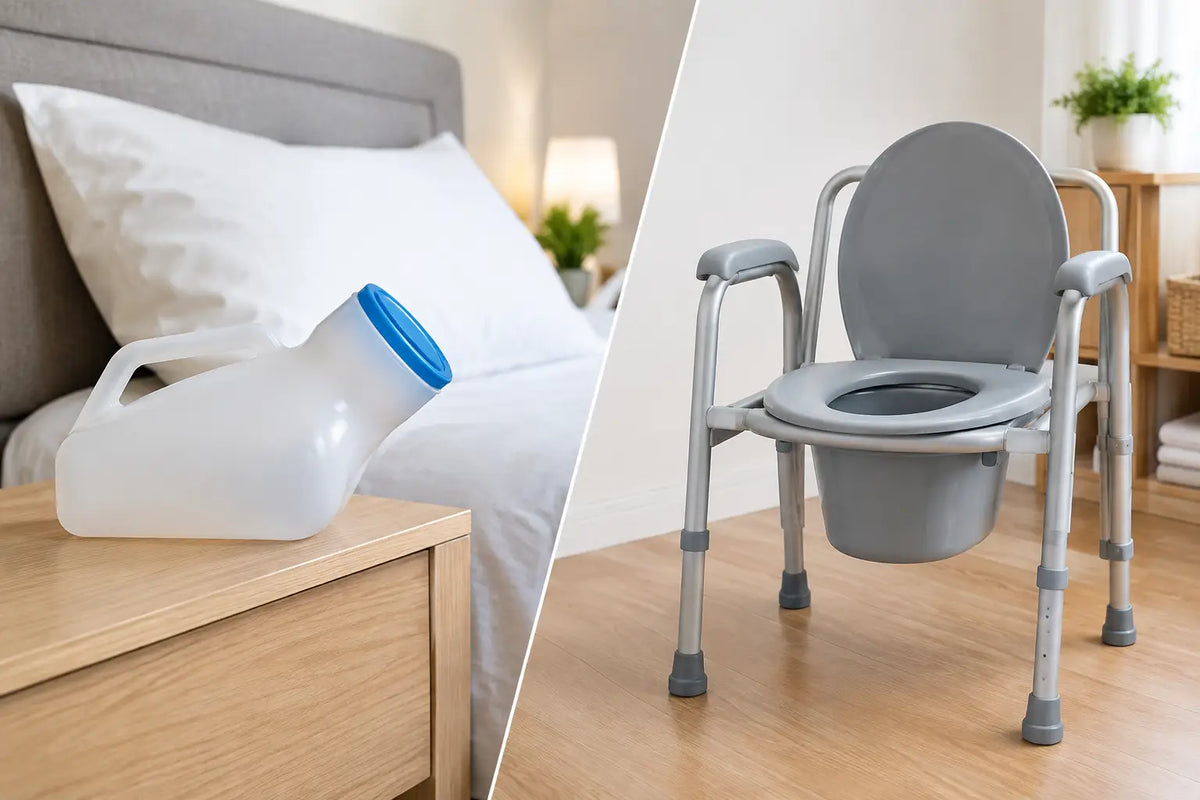
A bedside urinal is a portable container designed for urination. Handheld urinals are commonly shaped for male anatomy, while female urinals have a different opening and may be used while sitting, standing, or reclining depending on the design and the user's mobility. Many include a handle, lid, or spill-resistant cap.
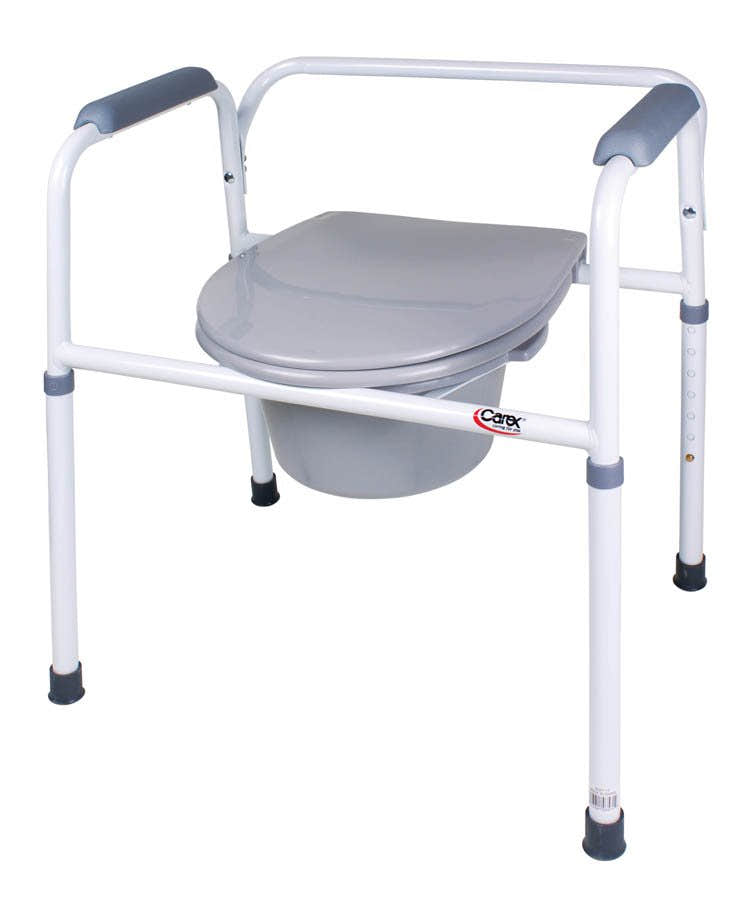
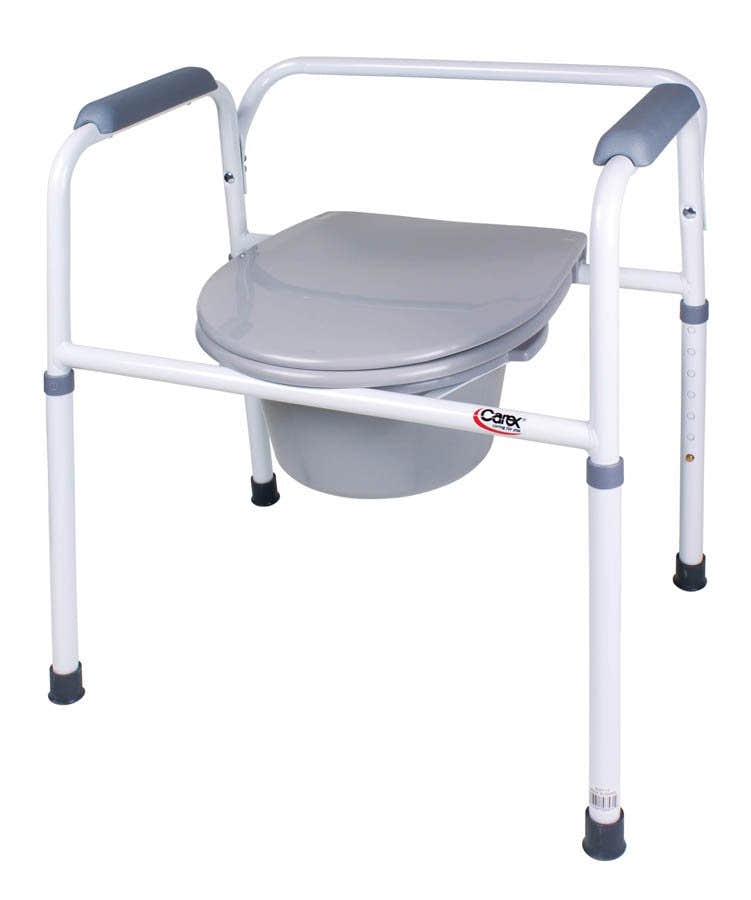
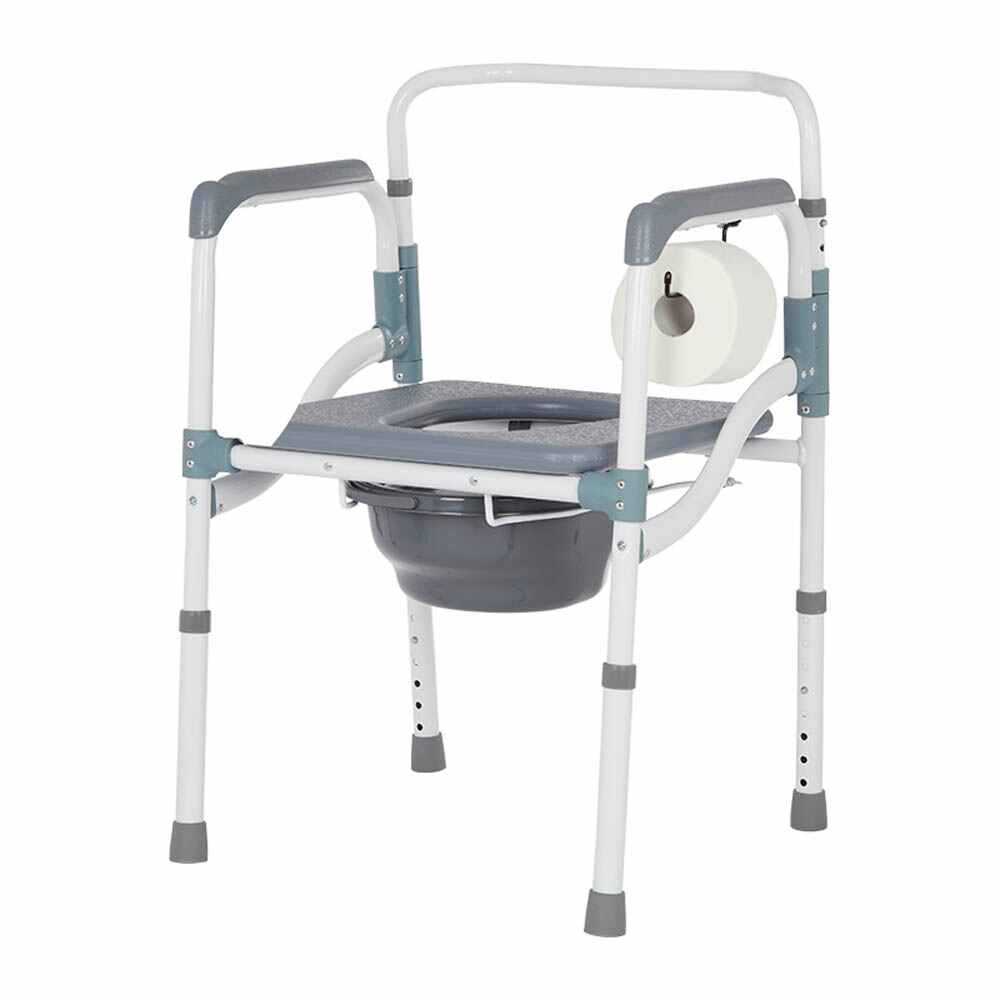
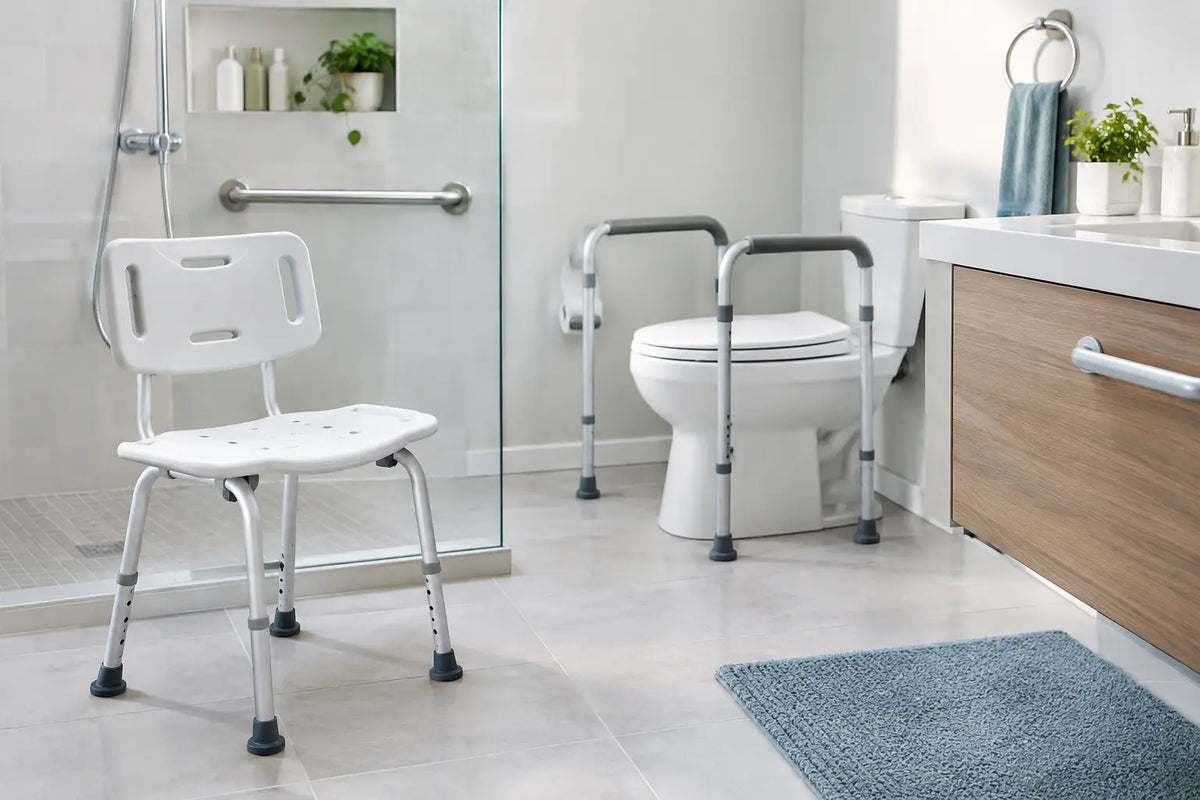
A bedside commode is a freestanding chair with a toilet-style seat and a removable bucket beneath it. It can be placed near the bed, used over a standard toilet as a raised seat, or positioned in another room where bathroom access is difficult. A commode supports both urination and bowel movements.
| Consideration | Bedside Urinal | Bedside Commode |
|---|---|---|
| Primary use | Urination | Urination and bowel movements |
| Space needed | Very little | More floor space |
| Setup | Minimal | Requires assembly and bucket placement |
| Best for | Short trips, nighttime use, limited mobility | People who cannot safely reach the bathroom |
| Transfer needs | May be used in bed or from a chair | Usually requires sitting and standing transfers |
| Cleanup | Empty and rinse after use | Empty, rinse, and regularly clean the bucket and frame |
Neither option is automatically better. The most useful question is: what obstacle is making toileting difficult right now?
When a Bedside Urinal May Be the Better Fit
A bedside urinal is often the simplest answer when the person can manage urination independently but walking to the bathroom is difficult, slow, or unsafe. This can include someone recovering from hip, knee, or abdominal surgery, a person using a walker, or an older adult who becomes unsteady when getting up at night.
For many people, the biggest advantage is that a urinal can be used without a full transfer to a chair. A person who can sit up in bed, reposition with help, or use a recliner may be able to use one with less effort than walking to a commode. It also takes up very little room on a nightstand, bed rail organizer, or nearby shelf.
Urinals can be especially practical for overnight use when urgency is a concern. Repeated nighttime bathroom trips raise fall risk, particularly in dim lighting or when medications cause dizziness. Keeping a urinal within reach may reduce the number of difficult trips across the room.
There are limits. A handheld urinal does not work equally well for every body type or level of mobility. Some users have trouble positioning it due to arthritis, tremors, weakness, limited shoulder movement, or confusion. Female urinals can be helpful, but may require practice and careful positioning to prevent spills. They also do not address bowel needs, so they are rarely the only toileting solution for someone who cannot reach the bathroom.
Capacity matters too. Check the volume markings and choose a container that is easy to grip and empty. A secure lid is valuable if the urinal must be carried across the room or stored temporarily before it can be emptied.
When a Bedside Commode Makes More Sense
A bedside commode is generally the more complete option for a person who cannot safely walk to the bathroom, especially when bowel movements are part of the concern. It provides a stable, familiar seated position and can reduce the strain of lowering onto a low toilet.
For a caregiver, a commode can also make routines more predictable. The user has a designated place to toilet, and the bucket can be removed and emptied after use. For someone with frequent urgency, incontinence, diarrhea, or limited endurance, having a commode close to the bed can prevent rushed transfers and accidents.
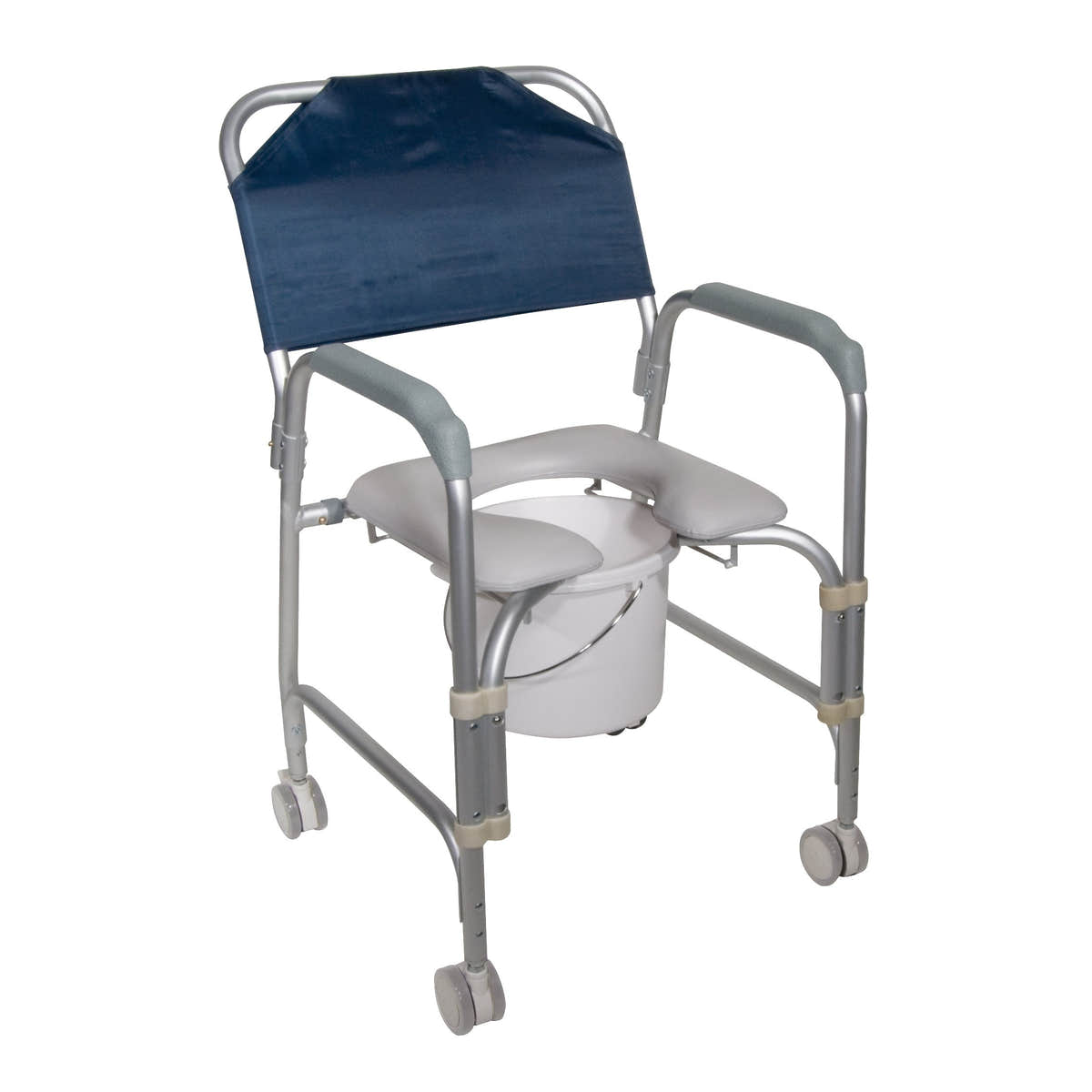
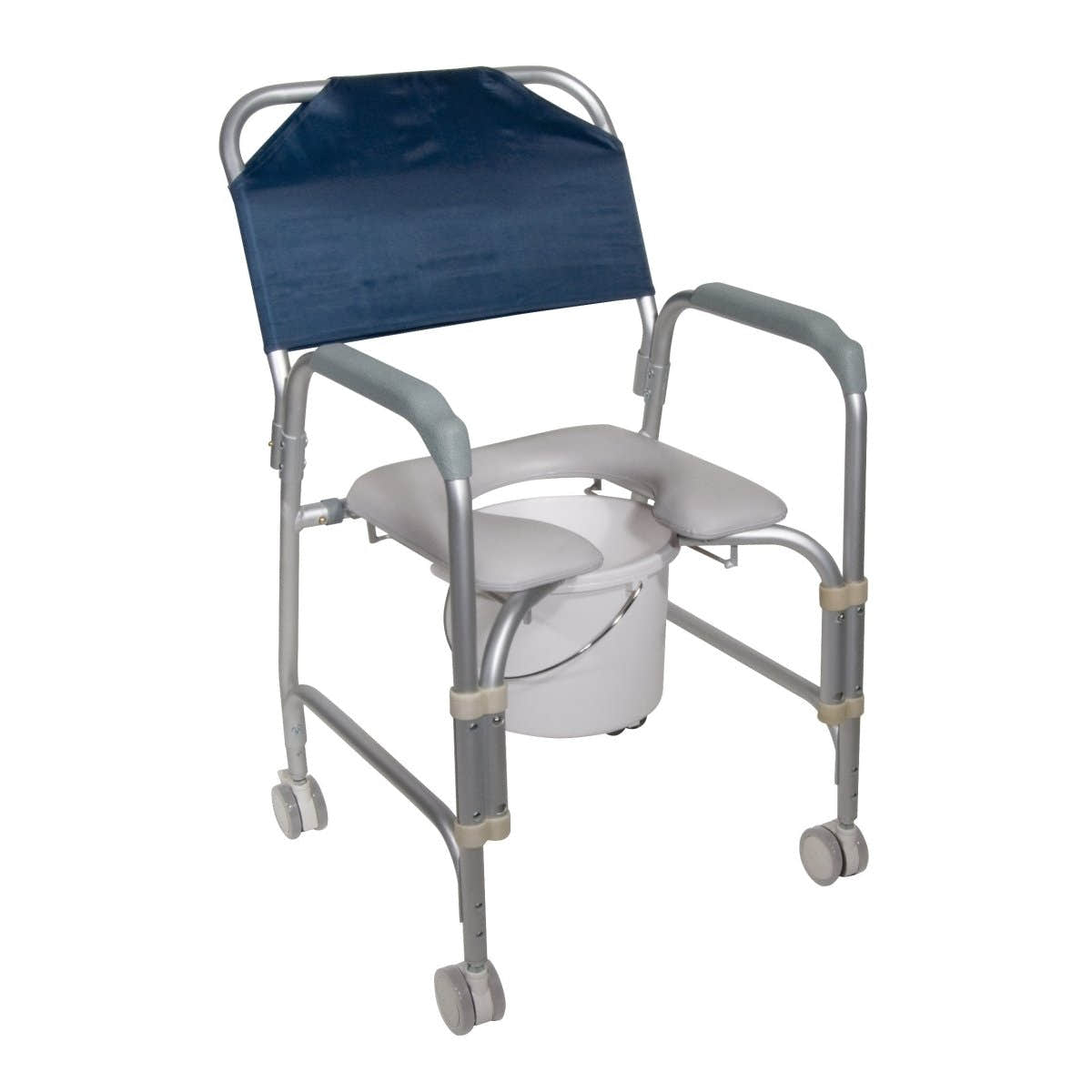
Commode chairs vary in features. Basic models may have a simple frame, seat, bucket, and lid. Other models include adjustable-height legs, padded armrests, drop arms for side transfers, splash guards for use over a toilet, or wheels for transport. The best feature set depends on how the person transfers and who is available to help.
A standard commode still requires enough strength, balance, and assistance to get onto the seat safely. If the person needs extensive support, has a high fall risk, or cannot bear weight, ask a clinician, occupational therapist, or physical therapist for individualized guidance. The wrong transfer setup can create more risk than a longer trip to an accessible bathroom with proper help.
Space is another practical factor. A commode needs a level, uncluttered area near the bed, with room for a caregiver to assist if necessary. Measure the space before ordering, including the width needed for a walker or wheelchair to approach it.
Compare Comfort, Safety, and Cleanup Before Buying
The fastest way to choose is to focus on the actual routine, not just the product description. Think through when toileting happens, how the person moves, and who will empty and clean the equipment.
Comfort is personal. A urinal can feel more private and less disruptive for a person who is able to use it independently. A commode may feel more secure for someone who prefers a toilet-like seat and needs support from armrests. If sitting is painful after surgery or because of pressure areas, seat height and cushioning deserve special attention.
Safety is usually the deciding factor. A urinal may prevent a risky nighttime walk, but it can lead to spills if the person cannot position it steadily. A commode may shorten the distance to toilet, but only if the path is clear and transfers can be completed safely. Non-slip footwear, adequate lighting, and a stable bed height can improve either setup.
Cleanup should be realistic, especially for family caregivers managing several daily tasks. Urinals should be emptied promptly, rinsed with warm water and mild detergent, and allowed to dry thoroughly. Commode buckets should be emptied after use when possible, cleaned according to the manufacturer's directions, and checked for cracks, odors, or worn lids. Gloves may be appropriate during cleanup, followed by careful handwashing.
Avoid relying on strong fragrances to cover odors. Regular emptying and cleaning work better and create a more comfortable care environment.
Choosing the Right Product Features
Once you know whether a urinal, commode, or both is appropriate, compare products based on the user's daily needs. Look beyond appearance and consider these practical details:
- A urinal with a wide opening, easy-grip handle, clear volume markings, and a secure cap can be easier to use and empty.
- A commode with adjustable legs can help create a safer sit-to-stand height for the user.
- Padded armrests and a sturdy frame can add comfort and stability, especially for people with arthritis or weakness.
- A drop-arm commode may be useful when transferring sideways from a wheelchair or bed with caregiver support.
- A removable bucket with a lid makes it easier to manage bedside use and routine cleaning.
Can You Use Both?
Yes. Many home care routines work best with both products available. A bedside urinal may handle most nighttime urination, while a commode provides a safer option for bowel movements or times when the person is too fatigued to reach the bathroom. This approach can also give caregivers flexibility during recovery, when mobility may improve gradually rather than all at once.
Keep the setup orderly. Place only the needed item within easy reach, ensure there is a clear path for transfers, and establish a regular cleaning routine. If the person has cognitive changes, label supplies simply and avoid clutter around the bed.
A Practical Decision for Home Care
Choose a bedside urinal when the main challenge is short-distance access to urination and the user can position and manage it safely. Choose a bedside commode when toilet access is limited, bowel needs must be accommodated, or a supported seated option is safer. For changing or more complex care needs, having both can be a sensible way to protect comfort and reduce avoidable stress.
CartHealth offers home health essentials that help caregivers and individuals prepare for day-to-day care with greater confidence. Start with the routine that feels hardest, then select equipment that makes that specific moment safer, cleaner, and easier to manage.